Copenhagen is one of those cities that rewards curiosity. You can arrive with a checklist of the greatest hits — Tivoli Gardens, Nyhavn, the Little Mermaid — and end up spending your favourite afternoon at a harbour bath you’d never heard of, drinking natural wine in a butcher shop turned wine bar, or cycling over a bridge that didn’t exist five years ago. The Danish capital is compact, walkable, ruthlessly well-designed and genuinely fun, and this guide is built to help you make the most of every hour you spend here.
Below you’ll find more than 50 of the best things to do in Copenhagen in 2026, broken down by category — iconic attractions, museums, neighbourhoods, outdoor activities, rainy-day ideas, nightlife, seasonal events and day trips. It’s written for first-time visitors who want the essentials and return travellers who want to go deeper than the postcard shots. Every section links through to a focused deep-dive article when you want more detail. Let’s get into it.
In this guide:
- Copenhagen at a glance
- 10 iconic attractions you shouldn’t skip
- Museums, palaces and culture
- Neighbourhoods worth a whole afternoon
- Outdoor and active Copenhagen
- Food, coffee and nightlife
- Free things to do in Copenhagen
- Things to do in Copenhagen at night
- Rainy-day activities
- Day trips from Copenhagen
- What’s on: seasonal events and festivals
- Sample 1-, 2- and 3-day itineraries
- Practical planning: when to go, how long, how to get around
- Is the Copenhagen Card worth it?
- Frequently asked questions
Copenhagen at a glance
Before we dive in, a snapshot of the city so you know what you’re walking into.
- Country: Denmark (capital city, on the island of Zealand)
- Population: around 660,000 in the city, 1.4 million in the greater Copenhagen area
- Language: Danish, but English is spoken at near-native level almost everywhere
- Currency: Danish krone (DKK) — Denmark is not on the euro
- Time zone: Central European Time (CET / CEST)
- Power plug: Type K / Type F, 230V, 50Hz
- Best way around: bike, then metro, then feet. The centre is genuinely walkable.
- Ideal length of stay: 3 to 4 full days for the greatest hits; 5+ to explore properly.
- Best time to visit: late May through early September for the long summer days; December for Christmas markets.
If you want the full practical pre-flight briefing — visas, tipping, SIM cards, safety — jump to our Copenhagen travel tips guide, which pairs with this guide. For arrival and transport, see Copenhagen’s transport network.
10 iconic attractions you shouldn’t skip
Every city has its obvious list. In Copenhagen’s case, the obvious list is genuinely excellent — these are postcard attractions that still earn their place. Hit them early, in the morning, before cruise crowds appear, and they feel magical rather than touristic.
1. Tivoli Gardens
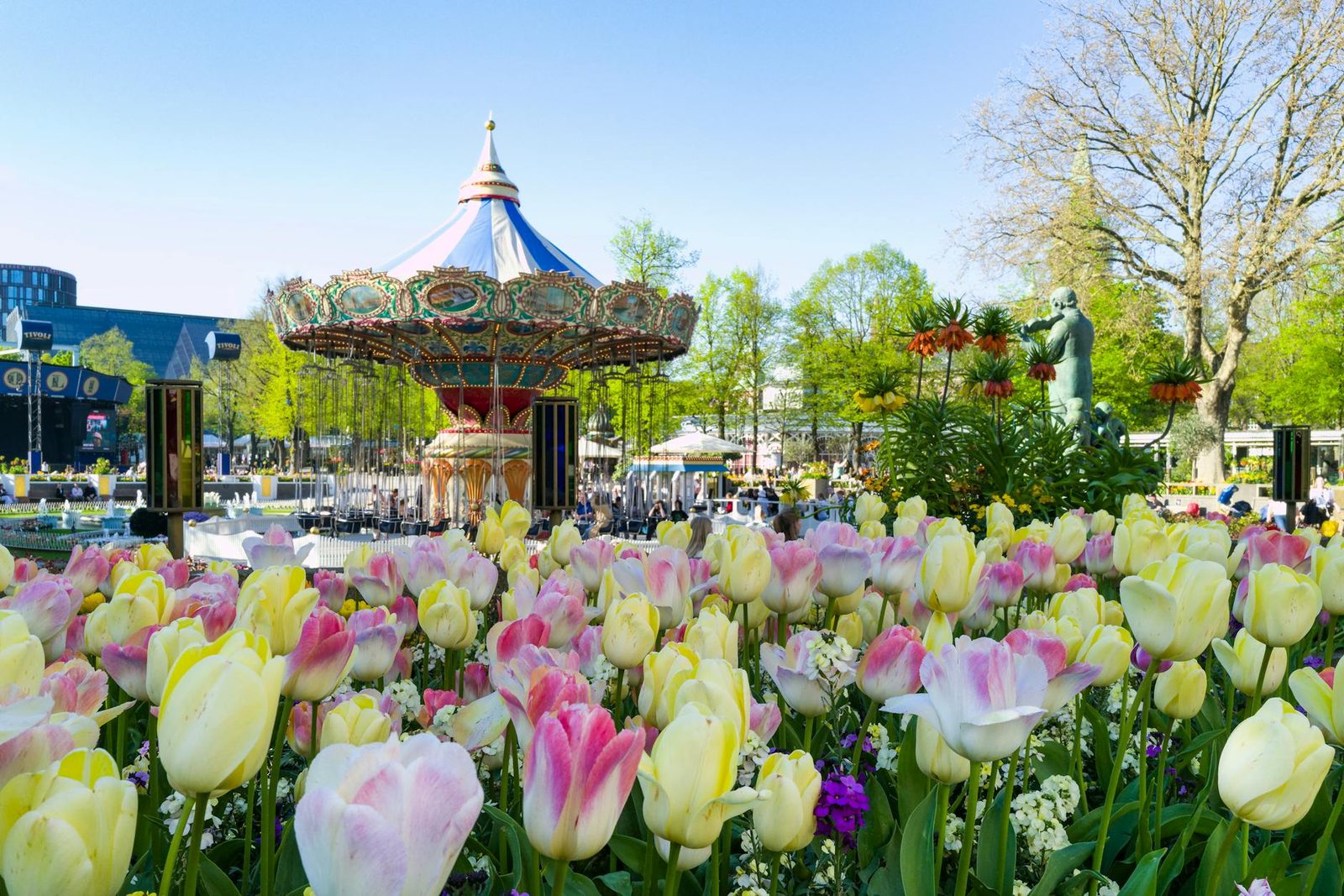
Opened in 1843, Tivoli Gardens is the world’s second-oldest operating amusement park and the single most beloved attraction in the country. It’s not really an amusement park — it’s a 150,000 m² pleasure garden with rides, concert stages, 40+ restaurants, thousands of lanterns after dark and seasonal transformations (spring blossoms, Halloween pumpkins, Christmas markets) that keep locals coming back all year. Walt Disney visited in the 1950s and openly cited it as inspiration for Disneyland.
What to do: buy a standard admission ticket for the gardens, then either add a ride wristband or pay per-ride with a card. Must-rides are the wooden Rutschebanen rollercoaster (the oldest still operating in the world, with a brakeman in the back), the Dæmonen looping coaster, and the Star Flyer — at 80 metres, one of the world’s tallest carousels and the best skyline view in the city. At night, stay for the light show on the lake.
Opening: the main summer season runs roughly late March to late September, plus Halloween (mid-October to early November), Christmas (mid-November to early January) and Winter in Tivoli (late January to February). Gates open 11:00, closing 23:00 weekdays and midnight weekends. Ticket prices in 2026 start around 165 DKK online for low-season weekdays and 195 DKK in peak season, with children under 8 free and a ride wristband around 295 DKK.
→ Deep dive: Tivoli Gardens Copenhagen: tickets, rides & full visitor guide.
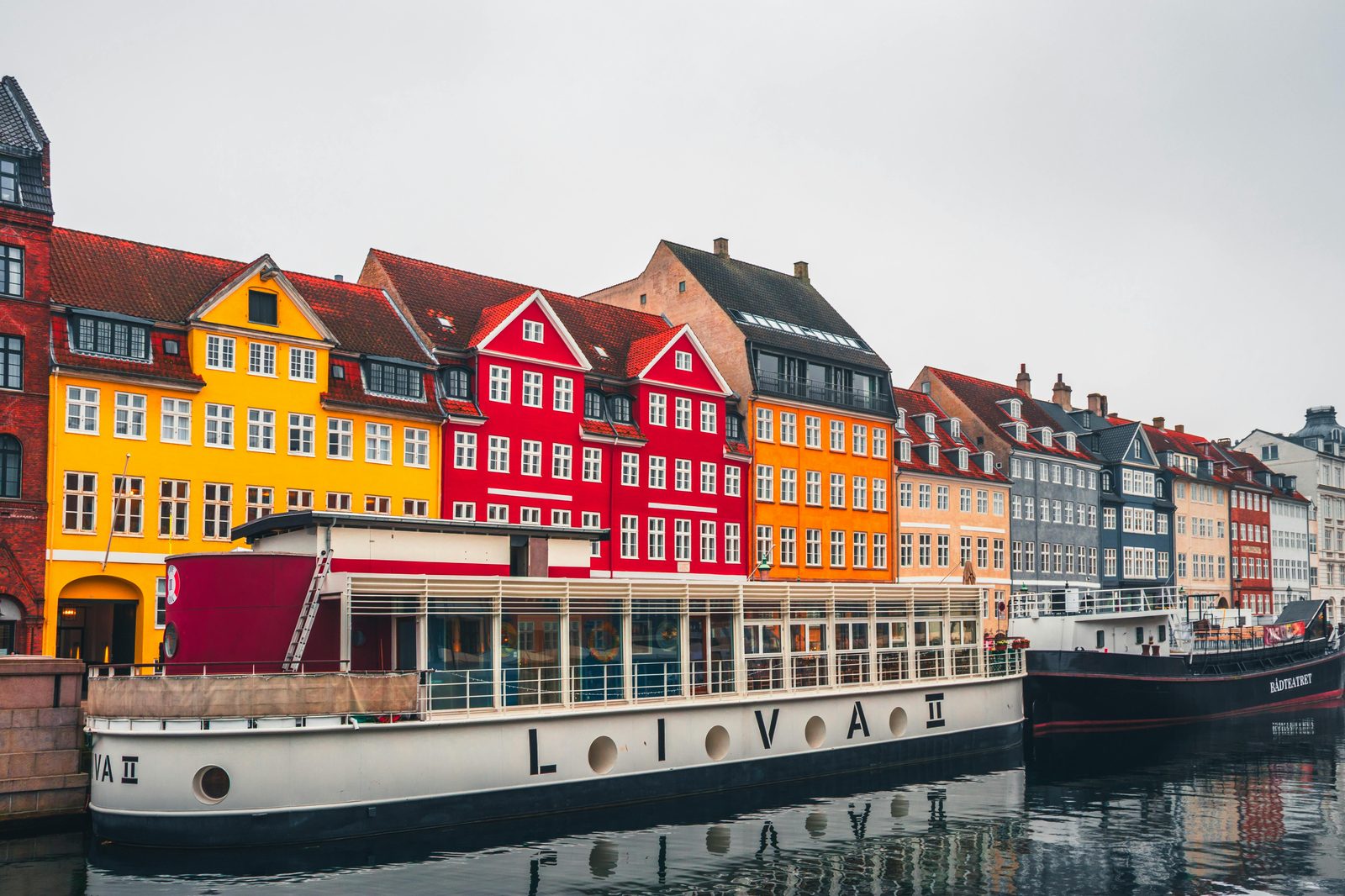
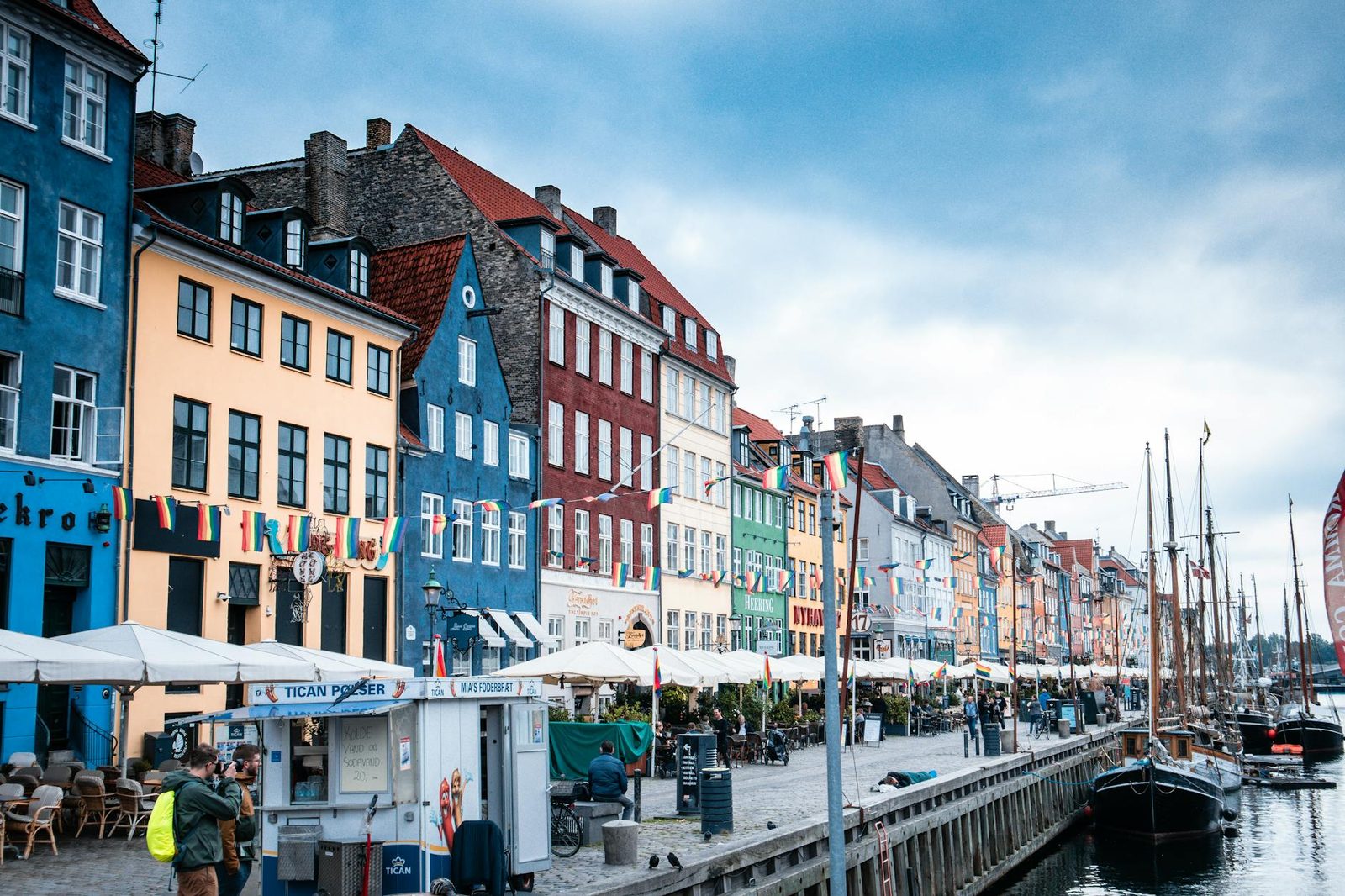
2. Nyhavn
You know Nyhavn before you arrive — the row of candy-coloured 17th-century townhouses behind a thin canal of wooden schooners is on the cover of roughly every Copenhagen guidebook ever printed. It was dug as a commercial port in 1673, spent 300 years as a rough sailor’s district, and only really cleaned up in the late 1970s when cars were banned and restaurants moved in. Hans Christian Andersen lived in three different houses on the strip (numbers 20, 67 and 18) over nearly 20 years.
What to do: walk the pedestrian side (the sunny north side), photograph the boats, grab an ice cream, and — more importantly — don’t eat here. The restaurants are almost all aimed at tour groups and overpriced for what they are. Instead, use Nyhavn as the jumping-off point for a canal tour, which leaves every 20 minutes in summer and shows you Copenhagen from its most flattering angle. A 60-minute tour costs around 130 DKK in 2026.
→ Deep dive: Nyhavn Copenhagen: history, restaurants and visitor tips.
3. The Little Mermaid statue

Let’s be upfront: the Little Mermaid is famously underwhelming. She’s only 1.25 metres tall, she sits on a rock just offshore, there are always crowds, and the light is often flat. Travel writers love to call her the world’s most disappointing monument. And yet — she’s been here since 1913, she’s been stolen, beheaded, defaced and patched back together more times than any other statue in Europe, and she remains the most famous single image of Denmark.
The real reason to visit: the walk. She sits at the far end of the Langelinie promenade, past the Gefion Fountain (bigger and arguably prettier), past the star-shaped Kastellet citadel (free to walk in) and alongside the cruise-ship quay with great harbour views. It’s one of the best one-hour walks in the city even before you reach the statue. Go early morning before 08:30 or late evening after 19:00 to photograph her without a crowd.
→ Deep dive: The Little Mermaid statue: how to visit and full history.
4. Rosenborg Castle

A proper fairy-tale Renaissance castle right in the middle of the city, Rosenborg Castle was built by King Christian IV in 1606 as a summer home and became the royal storehouse for crowns, sceptres and treasures. Today it’s a museum of Danish royalty that houses the Danish Crown Jewels in its basement treasury — the most glittering hour of sightseeing in the country.
Why it’s special: because it’s small. You can walk the entire castle in 60–90 minutes and every room feels lived in — the Long Hall with its silver lions and woven tapestries, the coronation throne made of narwhal tusks, the tiny writing cabinet where Christian IV died. The gardens around it (Kongens Have, the King’s Garden) are the city’s oldest public park and a beautiful free picnic spot. Tickets in 2026 are 135 DKK, included on the Copenhagen Card.
→ Deep dive: Rosenborg Castle: tickets, Crown Jewels & tour guide.
5. Christiansborg Palace
Christiansborg is the only building in the world that houses all three branches of a country’s government — Denmark’s parliament (Folketinget), the Supreme Court and the Prime Minister’s office — plus the official Royal Reception Rooms. It sits on Slotsholmen, the small island where Bishop Absalon founded the city in 1167. The current palace is the sixth on the site; its predecessors kept burning down.
What to do: you can buy a combination ticket for the Royal Reception Rooms, the Royal Kitchens, the medieval Ruins under the palace, and the Royal Stables. Each is worth 30-40 minutes. But the best bit is completely free: climb to the top of the 106-metre Christiansborg Tower (Copenhagen’s tallest) for the best panoramic view in the city. Take the lift and you’re at the top of the skyline in 60 seconds. Closed Mondays.
→ Deep dive: Christiansborg Palace: complete visitor guide.
6. The Round Tower (Rundetårn)
Copenhagen’s other great viewpoint, the Round Tower was commissioned by Christian IV (again) in 1642 as an astronomical observatory. The clever bit: rather than stairs, there’s a 209-metre spiral ramp that winds up to the top seven and a half times. It was built wide enough for a horse and carriage — Peter the Great of Russia is said to have ridden to the top in 1716 while his wife followed in a carriage behind him. The observatory at the top is the oldest functioning one in Europe and is still open to the public on winter evenings.
At 34.8 metres the Round Tower isn’t the highest viewpoint in town, but it’s the loveliest, and the walk up is genuinely charming. Look for the hollow core (you can peer down through a glass floor), the medieval library hall halfway up, and — of course — the 360° rooftop view. 40 DKK in 2026, closed Christmas Eve only.
→ Deep dive: Round Tower (Rundetårn): tickets & spiral-walk guide.
7. Church of Our Saviour (Vor Frelsers Kirke)
Over in Christianshavn, the baroque Church of Our Saviour has the most dramatic spire in Copenhagen — a 90-metre twisting gold-and-black helix that you climb on the outside. The last 150 steps spiral around the tower in the open air, getting narrower as you go, and the view at the top is arguably the best in the city: you can see Malmö across the water in Sweden, the spires of Nyhavn, the bridges and the entire harbour. It’s not for anyone with a fear of heights.
Entry to the church is free, the tower climb is 79 DKK in 2026 and it’s closed during rain or strong wind. Arrive at opening (10:30 in peak season) if you want it to yourself.
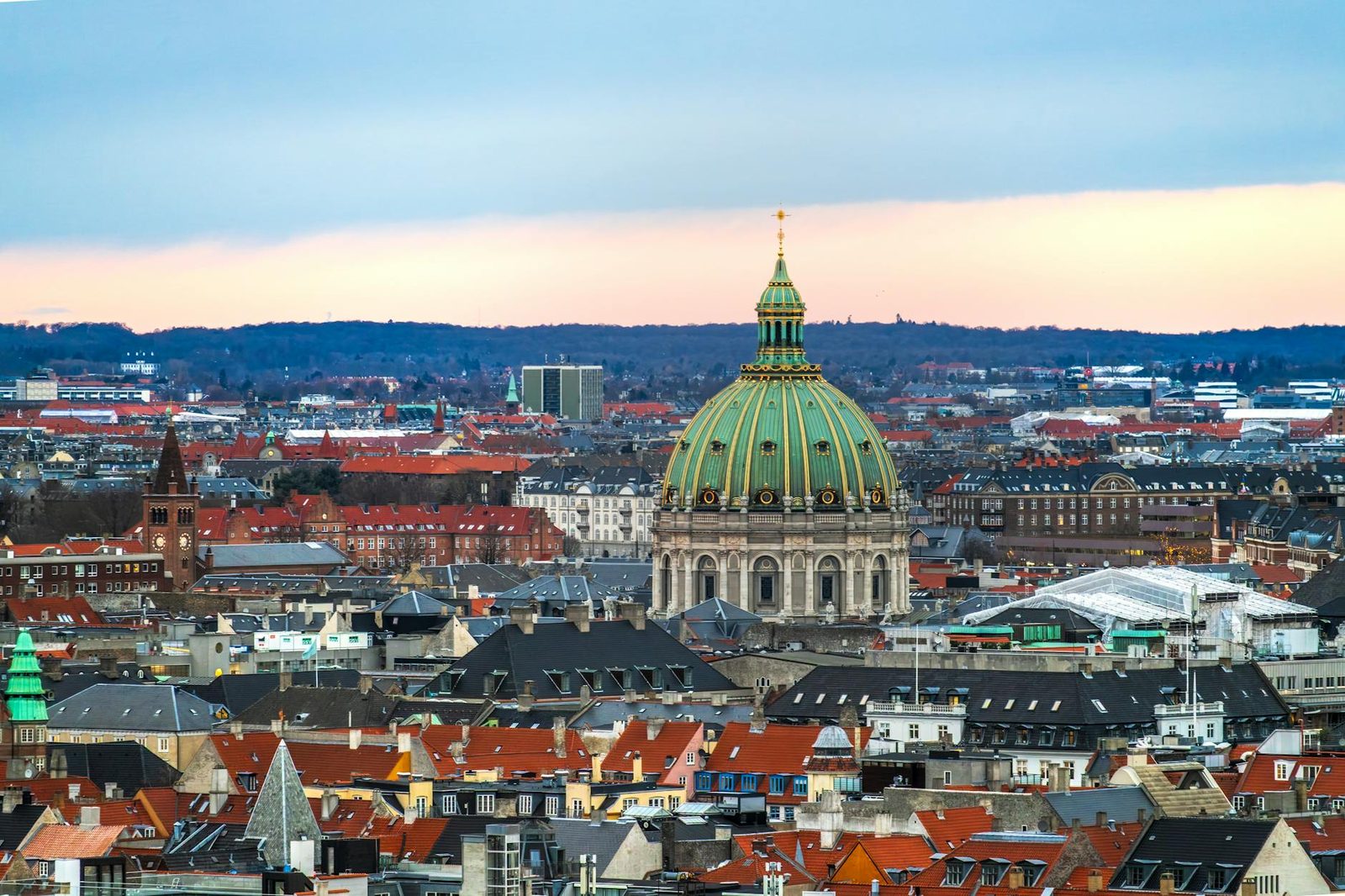
8. Frederik’s Church (the Marble Church)
The largest church dome in Scandinavia (31 metres across), Frederik’s Church — universally known as the Marble Church — sits directly in line with Amalienborg Palace. Construction started in 1749, collapsed financially, was abandoned as a roofless ruin for 150 years, and was finally finished in 1894. The copper-green dome is one of the most photographed elements of the Copenhagen skyline. Entry to the church is free; dome tours run in summer on weekends.
9. Amalienborg Palace and the changing of the guard
Amalienborg is the winter home of the Danish royal family — four identical rococo palaces facing onto an octagonal cobblestone square with a statue of King Frederik V on horseback at its centre. It’s still an active royal residence (King Frederik X lives here), and one of the four palaces houses an excellent small museum with the private studies of the past three monarchs preserved exactly as they were used.
The changing of the guard happens daily at noon when the Livgarden (Royal Life Guards) in their tall bearskin hats and blue trousers march from Rosenborg to Amalienborg — about a 40-minute ceremonial walk through the city centre. Arrive at Amalienborg by 11:45 for a good spot. Tuesdays and Thursdays there’s a full military band. It’s free.
10. Botanical Garden and the Palm House
A ten-hectare green square just north of the city centre, Copenhagen’s Botanical Garden houses more than 13,000 plant species in a network of connected 19th-century greenhouses. The star is the cast-iron-and-glass Palm House from 1874, modelled on Kew Gardens in London, with a spiral staircase leading to a gallery under the glass roof. It’s the single most atmospheric indoor space in the city when it rains. The main garden is free; the Palm House is 60 DKK.
Museums, palaces and culture
Copenhagen has a deeper museum bench than its size suggests, because the great Danish merchant families of the 19th century — Jacobsen of Carlsberg, the Heerings, the Holmblads — poured their fortunes into art collections that eventually became public institutions. You could build a whole trip around the museums alone.
National Museum of Denmark
The big, serious, free museum of Danish history, from stone-age bog bodies to the Viking age to the Reformation to the present. Don’t miss the Sun Chariot (a 3,400-year-old bronze-age model of the sun being pulled by a horse), the Egtved Girl (an intact oak-coffin burial from 1370 BCE), and the extraordinary Viking silver hoards. Allow three hours minimum.
→ Deep dive: National Museum of Denmark: free visitor guide & highlights.
Ny Carlsberg Glyptotek
The private collection of Carl Jacobsen, the son of Carlsberg’s founder, the Glyptotek is one of the most beautiful museums in Europe. You’ll find a serious Mediterranean antiquities wing (Etruscan sculpture, Greek marbles, more Roman portrait busts than the Vatican) and a superb 19th-century French section with works by Degas, Rodin, Gauguin, Cézanne and Van Gogh. The Winter Garden at its heart — a glass-roofed atrium full of palm trees and marble nudes — is a reason to come in its own right. Free on Tuesdays in 2026 (check current schedule); otherwise 145 DKK.
→ Deep dive: Ny Carlsberg Glyptotek: tickets, highlights & café guide.
Designmuseum Danmark
The definitive museum of Danish and international design — Wegner chairs, Jacobsen’s Egg and Swan, Royal Copenhagen porcelain, Danish fashion and textiles, and a superb 20th-century chair gallery where you can finally see the icons in a row and understand why Danish design became Danish design. Reopened in 2022 after a major renovation. 135 DKK, closed Mondays.
SMK — Statens Museum for Kunst
Denmark’s National Gallery, with strong collections of Danish Golden Age painting (the 19th-century heart of Danish identity — Eckersberg, Købke, Hammershøi), French modernism (Matisse, Braque, Modigliani), and a huge Old Masters wing. Free permanent collection; ticketed special exhibitions. The museum sits in a calm park next to Rosenborg and is a natural pairing with it.
Louisiana Museum of Modern Art
Technically not in Copenhagen — Louisiana is a 35-minute train ride up the coast — but it’s consistently rated one of the best modern-art museums in the world, and no Copenhagen itinerary of four days or more should miss it. Sculpture garden rolling down to the Øresund Sea with views across to Sweden, glass corridors linking pavilions, and rotating exhibitions that punch well above their weight. See the day trips section below.
Experimentarium
Denmark’s huge hands-on science centre, up in Hellerup (15 minutes by S-train from the centre). 16 experience zones, several hundred interactive exhibits, the best kids’ activity in greater Copenhagen if you’re travelling with under-12s.
Nationalmuseet’s Frilandsmuseet (Open Air Museum)
A free open-air museum of 100+ historic Danish farmhouses, mills and townhouses rebuilt over a 36-hectare park in Lyngby, 15 minutes from the centre by S-train. Genuinely one of the great free things to do in Copenhagen if the sun is out.
Neighbourhoods worth a whole afternoon
Copenhagen is a city of neighbourhoods, and the difference between seeing the city and feeling the city comes down to one thing: spending a full afternoon in a district that isn’t the historic centre. These are the six that matter most — and each has its own Copenhagen neighbourhoods guide if you want to go deeper. Travelling with children? Our guide for families visiting Copenhagen reshuffles this whole list around little legs.
Indre By — the old town
The cobblestoned medieval core, bounded by the Lakes, the harbour and the Tivoli side. This is where most of the icons cluster — Strøget, Nyhavn, the Round Tower, Christiansborg — and it’s small enough that you can walk corner-to-corner in 25 minutes. Don’t miss the Latin Quarter tucked behind the university, or the small squares of Gråbrødretorv and Nytorv, where locals drink coffee away from the Strøget tourist crush.
Christianshavn and Freetown Christiania
A ten-minute walk across the Knippelsbro bridge from the centre, Christianshavn is Copenhagen’s canal neighbourhood — a grid of 17th-century merchant houses and waterways modelled on Amsterdam. It’s where the Danish middle class fell in love with canal-side living, and it’s genuinely beautiful, especially around Christianshavn Kanal and the tree-lined Overgaden Neden Vandet.
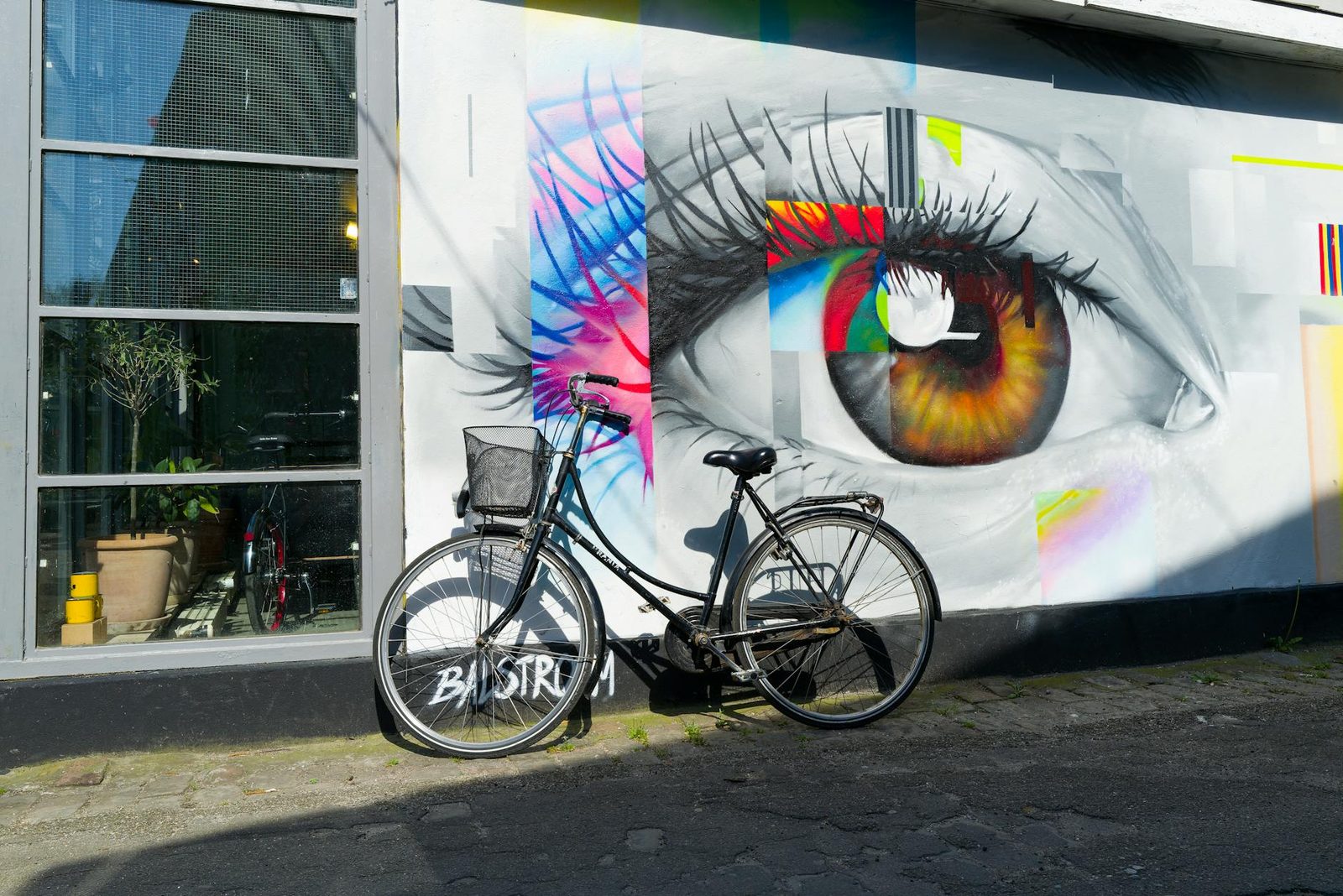
Tucked into Christianshavn is Freetown Christiania — the self-declared autonomous neighbourhood founded in 1971 when activists occupied a former military barracks. Today it’s home to about 900 residents, plenty of street art, great craft beer at Nemoland, and an enduring alternative culture. The infamous cannabis-selling ‘Pusher Street’ was permanently dismantled by residents in 2024 after decades of organized-crime problems, so the vibe today is much closer to a bohemian village than a drug market. Photography is still discouraged, especially around the main square.
Vesterbro
The old red-light-and-meatpacking district, completely transformed over the last 15 years into Copenhagen’s coolest neighbourhood. Head for Kødbyen — the Meatpacking District, a triangle of white tiled warehouses now packed with restaurants, natural wine bars, clubs and galleries. The old flower market on Flæsketorvet is now a food hall; WarPigs (BBQ and craft beer from Mikkeller) is a lunchtime institution; Tommi’s Burger Joint started here before opening around the world. By day, walk Istedgade for independent shops and bakeries.
Nørrebro
The young, multicultural, loud, slightly scruffier half-sibling of Vesterbro. Nørrebro’s main street Nørrebrogade is a genuine cross-section of modern Copenhagen. Three streets to know: Jægersborggade (tiny design shops, coffee bars and the world-famous Relæ restaurant alumni), Elmegade (vintage shops and casual cafés) and Ravnsborggade (antiques and the classic Oscar bar). Superkilen park, with its zig-zagging pink asphalt and objects collected from 60 countries, is one of the best examples of contemporary public space in Europe.
Frederiksberg
Technically its own municipality — a city-within-the-city — Frederiksberg is leafy, rich and quiet, centred on the beautiful Frederiksberg Gardens, an 18th-century rococo park with a hilltop palace and a canal you can paddle a rowing boat down in summer. The excellent Copenhagen Zoo is here (arguably the best zoo in Northern Europe, with a BIG-designed elephant house), and the shopping street Gammel Kongevej is full of good restaurants.
Refshaleøen
A former shipyard on the far side of the harbour that is, in 2026, probably the most interesting few hundred metres in the city. Here you’ll find Noma (René Redzepi’s legendary restaurant, which reinvented itself as a test kitchen and seasonal pop-up format rather than a full-time dining room — booking is a project in itself), the street-food market Reffen, the art space Copenhagen Contemporary, harbour saunas you can book by the hour, urban beach bars, and Copenhill — the climate-friendly waste-to-energy power plant with a public ski slope and climbing wall on its roof. Get there by harbour bus 991/992 (free with a standard public transport ticket) — a journey that is itself one of the best things to do in Copenhagen.
Outdoor and active Copenhagen
Rent a bike
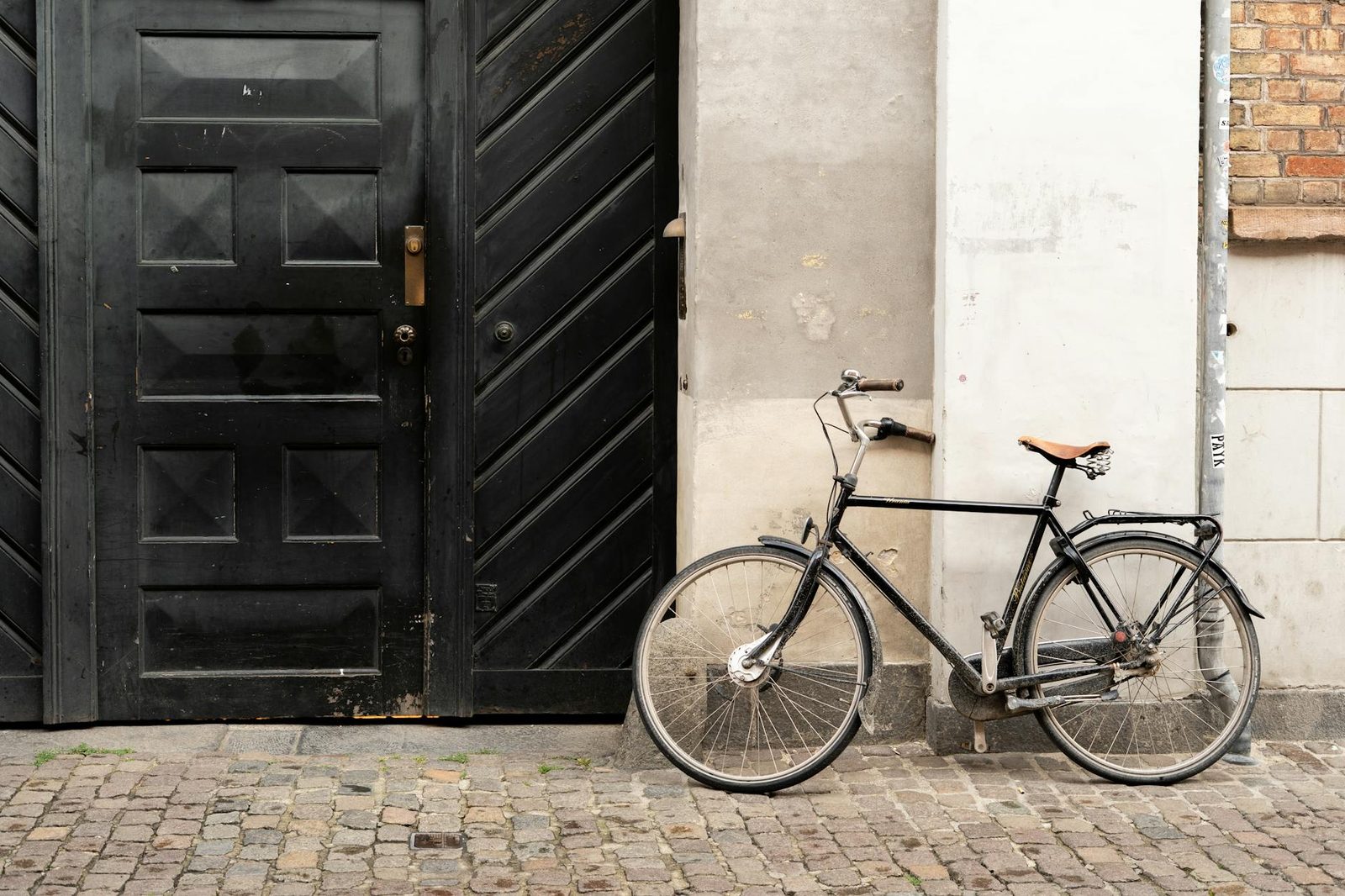
Over 45% of Copenhageners commute by bike, and the city is built around 385 km of protected cycle lanes. Renting a bike for a day is the single best way to see Copenhagen. Rental is straightforward — shops like Donkey Republic and Copenhagen Bicycles offer day hires for 110-180 DKK. Rules to know: ride on the right, signal with your arm when turning or stopping, and don’t cycle on the pavement. Green bike traffic lights at major junctions are activated when there are six or more bikes waiting. For detailed itineraries see our cycling guide (coming soon).
Swim in the harbour
Yes, really. Copenhagen cleaned up its harbour in the late 1990s, and it’s now so clean that locals swim in the middle of the city from May to September. The three main harbour baths are Islands Brygge (five pools including a 50m lap pool, the best-known; free), Sandkaj/Copencabana in Nordhavn (quieter, with floating wooden decks; free) and the new Sluseholmen towards Sydhavn. Water is typically 17-21°C in peak summer. Bring a towel.
Kayak or GoBoat the canals
If a guided canal tour is too passive, rent your own GoBoat — a small solar-powered electric picnic boat you drive yourself, no licence required, seats up to 8 people, about 899 DKK for three hours in peak season split between your group. Kayak rental is also excellent — Kayak Bar at Slotsholmen offers single and tandem kayaks with harbour access.
Ski or climb Copenhill
Copenhill — officially Amager Bakke — is a working waste-to-energy plant designed by Bjarke Ingels (BIG) as the most Copenhagen thing imaginable: the roof is an artificial ski slope with chairlift, the north face is an 85-metre climbing wall, and a rooftop bar sits on top. The slope is open year-round (it’s an all-weather dry-slope surface) and even beginners can ski there. A day ski pass is about 320 DKK.
Walk the city ramparts and Kastellet
The star-shaped Kastellet (citadel), built in 1664, is still an active military base but fully open to the public. Its grass ramparts, windmill and red-brick barracks are a beautiful, weirdly peaceful walk just metres from the Little Mermaid. Entry is free, and it’s one of the best-preserved bastion fortresses in Northern Europe.
Kongens Have, Frederiksberg Have, and the King’s Gardens
Copenhagen is one of the greenest capital cities in Europe. Kongens Have (the King’s Garden, next to Rosenborg) is the oldest public park in the country and the one the locals actually picnic in. Frederiksberg Gardens is the grand romantic landscape park with free-roaming herons and the wildest swans in the city. And the Assistens Cemetery — where Hans Christian Andersen, Søren Kierkegaard and Niels Bohr are buried — doubles as a park and is a beautiful, peculiarly Danish afternoon walk.
Food, coffee and nightlife
Copenhagen became a serious food city in the 2000s, and the pipeline hasn’t slowed. You don’t need a Noma reservation to eat well — some of the best meals are in neighbourhood bakeries, coffee bars and food markets. Here are the essentials. For the full treatment of the city’s restaurant scene, see our complete guide to the city’s food scene.
Smørrebrød
Denmark’s national open-faced sandwich — rye bread with butter, then a topping (marinated herring, breaded plaice, rare beef, egg-and-shrimp), then a cold garnish and a dill or chive flourish. The right place to eat it is a proper smørrebrødsrestaurant. Try Aamanns, Schønnemann (a dark wood-panelled institution since 1877), or the lunch-only Restaurant Kronborg. Budget 75-120 DKK per sandwich.
Street food markets
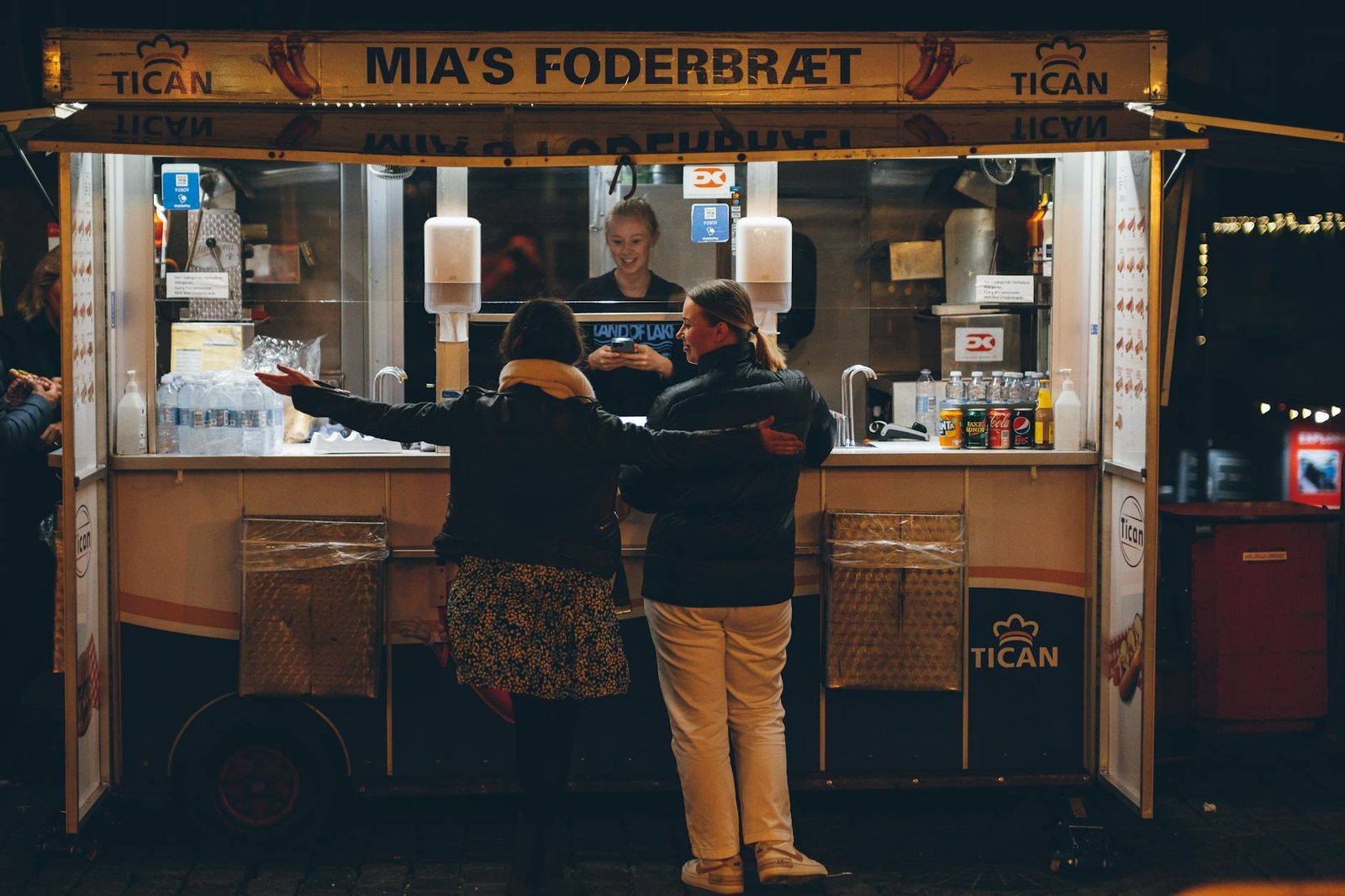
Reffen on Refshaleøen is the summertime street-food capital of Copenhagen — 40+ food trucks set in a waterfront lot, open April to October. Broens Gadekøkken is a smaller, year-round food market right at the foot of the Inderhavnsbroen bridge between Nyhavn and Christianshavn — perfect for a quick lunch with a view. Torvehallerne, near Nørreport station, is a proper covered market with the best coffee, cheese, seafood and Danish pastries in the city.
New Nordic, natural wine and the fine-dining pipeline
Copenhagen has around 15 Michelin-starred restaurants at any given time and more than that number of serious tasting-menu kitchens working in the New Nordic tradition. Noma needs no introduction. Other exceptional choices include Alchemist (a theatrical 50-course experience), Geranium (a three-Michelin-star tasting menu overlooking Fælledparken), Kadeau, Jordnær, and the more affordable Barr in Noma’s former space. Book at least 3 months in advance for any of these.
Pastries and coffee
‘Danish pastry’ in Denmark is called wienerbrød (Viennese bread). The gold-standard places are Hart Bageri in Frederiksberg (from the Noma alumnus Richard Hart), Juno the Bakery in Østerbro (the cardamom bun is the single most Instagrammed pastry in Denmark) and Andersen & Maillard in Nørrebro. For coffee, look for Coffee Collective, Prolog or La Cabra.
Craft beer and cocktail bars
Copenhagen has arguably the best craft-beer scene in Europe, built around Mikkeller (multiple bars across the city), To Øl, Ølsnedkeren and BrewDog. Essential cocktail bars include Ruby (a townhouse on Slotsholmen with consistent world’s-50-best rankings), Lidkoeb (three floors, three different vibes, in an old pharmacy) and Balderdash.
Free things to do in Copenhagen
Copenhagen is famously expensive, but it also has one of the best catalogues of free things to do of any major European capital. The tourist board even publishes them. Here’s a compact list to get you started:
- Christiansborg Tower — the highest viewpoint in the city, always free
- The National Museum of Denmark — free permanent collection
- SMK (National Gallery) — free permanent collection
- Thorvaldsen’s Museum — free on Wednesdays
- Glyptotek — free on Tuesdays (confirm current schedule)
- Nikolaj Kunsthal — contemporary art in an old church, free on Wednesdays
- Changing of the guard at Amalienborg, daily at 12:00
- Royal Library Garden — a hidden Renaissance garden behind the Black Diamond
- Frederiksberg Gardens and the park of Assistens Cemetery
- Freetown Christiania (entry free; please support the community by eating/drinking there)
- Kastellet — the star-shaped citadel, grass ramparts, windmill
- Superkilen Park in Nørrebro
- Harbour baths at Islands Brygge and Nordhavn in summer
- Walk the Round Tower outer walls — even without climbing, the medieval Trinitatis Church is free
- Harbour bus 991/992 — technically it costs the same as any bus ticket, but the route through the harbour is a half-hour boat tour in disguise
→ Deep dive: 25 free things to do in Copenhagen (updated 2026).
Things to do in Copenhagen at night
Copenhagen at night is gentler and less clubby than Berlin or Amsterdam — the city is a nation of cyclists who go to bed early — but there’s a superb calendar of live jazz, wine bars and candlelit dining that makes for perfect, unhurried nights out.
- Evening canal cruise — same price, half the crowds, twice the atmosphere once the spires light up
- Tivoli after dark — 120,000 fairy lights, pantomime theatre, Friday rock concerts at 22:00
- Jazzhus Montmartre — the legendary Copenhagen jazz venue where Dexter Gordon and Stan Getz played, reopened in 2010
- Ruby cocktail bar — unmarked townhouse door, top-50 in the world consistently
- Mikkeller Baghaven — the wild-ale-focused Mikkeller space on Refshaleøen, big outdoor terrace
- Culture Box and Rust — proper late-night electronic clubs that go until 06:00
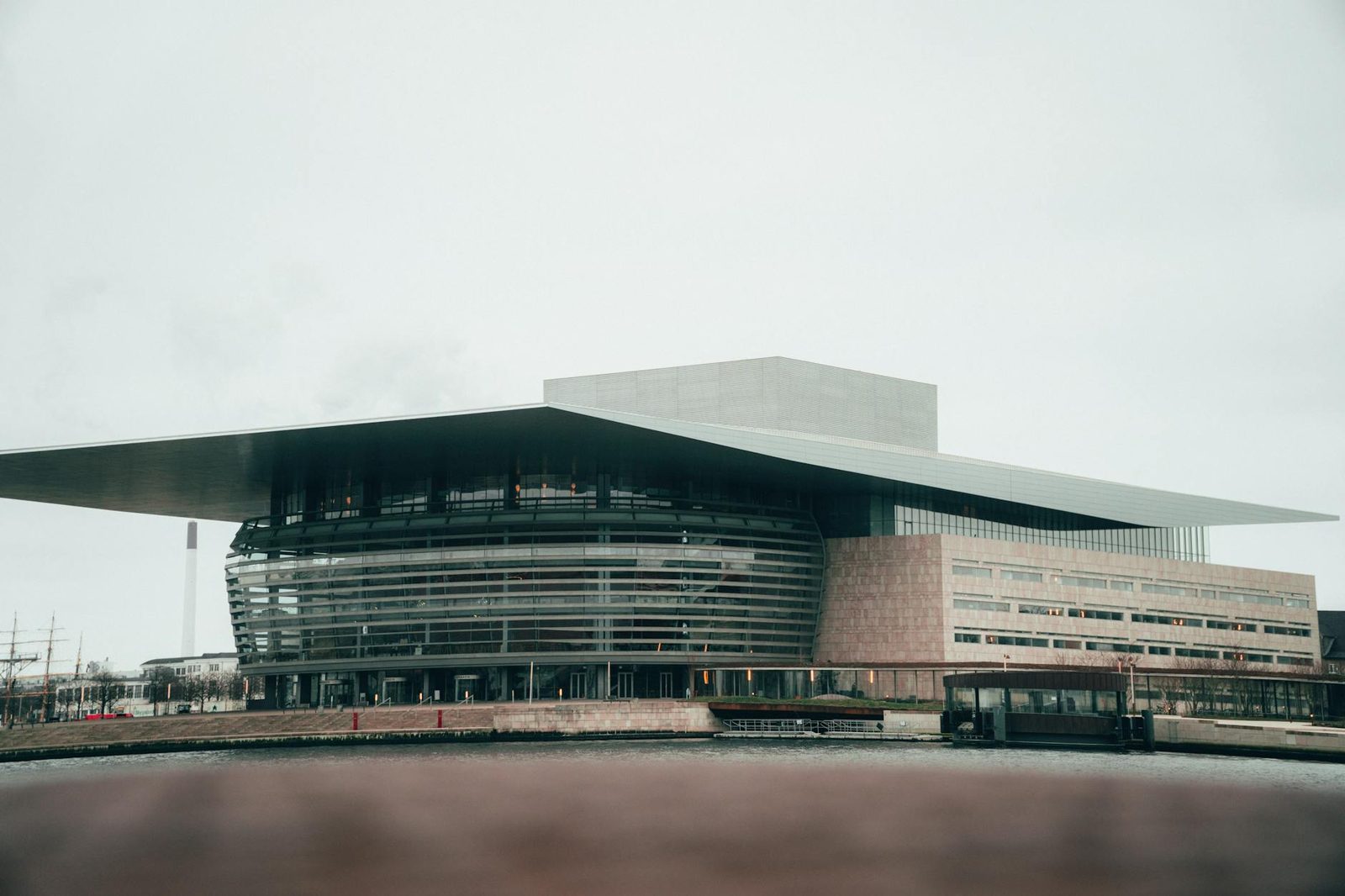
- Copenhagen Opera House — one of the most beautiful opera buildings in Europe, tickets from 100 DKK
- Nordic Noir bike tour — guided evening tours of Copenhagen’s Scandi-crime filming locations
- Rooftop drink at The Standard or Illum Rooftop
- Late sauna and harbour plunge at La Banchina or the floating saunas at Refshaleøen
→ Deep dive: Copenhagen at night: 20 best things to do after dark.
Rainy-day activities
Copenhagen gets about 170 days of rain per year. Locals shrug and carry on — there are no bad days, only bad clothing — but the city is also full of atmospheric indoor spaces that are genuinely better in the rain.
- The entire National Museum of Denmark — allow 3-4 hours
- Ny Carlsberg Glyptotek and its Winter Garden café
- The Black Diamond library, with harbour views from the upper floors
- Designmuseum Danmark and the chair gallery
- The covered Torvehallerne market — eat your way around 60+ stalls
- Magasin du Nord and Illum — grand old department stores with excellent food halls
- Rosenborg Castle’s treasury — windowless, atmospheric, full of gold
- Joe & The Juice or any of Copenhagen’s great cafés — a civilised Danish afternoon in the rain is a genre unto itself
- Cisternerne — the underground art space in a former water reservoir
- Experimentarium with kids
→ Deep dive: 20 best rainy-day activities in Copenhagen.
Day trips from Copenhagen
Copenhagen is an excellent base for day trips. Three are essential.
Kronborg Castle (Elsinore/Helsingør)
A 45-minute train ride up the coast, Kronborg is the real castle that inspired the fictional Elsinore of Shakespeare’s Hamlet. UNESCO World Heritage, sits at the narrowest point of the Øresund strait (you can easily see Sweden), and houses the legend of Holger the Dane — a sleeping warrior who will awake when Denmark is in peril — in the catacombs. Combine it with a stop at Louisiana on the way back.
Louisiana Museum of Modern Art
35 minutes north by train (to Humlebæk station). Consistently ranked among the best modern-art museums in the world. The architecture — a sequence of low glass pavilions linked by underground tunnels, scattered across a sculpture park that slopes down to the Sound — is almost as much of the experience as the art. Calder, Giacometti, Henry Moore, Yayoi Kusama infinity room, plus rotating heavyweight shows. Train + admission is about 250 DKK; included on the Copenhagen Card.
Roskilde
25 minutes by train, Roskilde is Denmark’s ancient royal seat. The UNESCO-listed Roskilde Cathedral holds the tombs of 39 Danish monarchs, including Harald Bluetooth; the Viking Ship Museum on the fjord has five genuine 11th-century ships recovered from the seabed in the 1960s. Roskilde is also the site of Northern Europe’s biggest rock festival every summer.
→ Deep dive: Roskilde Festival 2026 guide: tickets, lineup & camping tips.
Other easy day trips
- Malmö, Sweden — 35 minutes by train across the Øresund Bridge. A different country for lunch.
- Frederiksborg Castle in Hillerød — arguably Scandinavia’s most beautiful Renaissance castle, 40 minutes by S-train.
- Møns Klint — 128m white chalk cliffs, about 2 hours by car (longer by public transport).
- Dragør — a cobblestoned 18th-century fishing village, only 30 minutes by bus from the centre.
What’s on: seasonal events and festivals
Copenhagen lives on a strong festival calendar, and planning your visit around an event is often the difference between a good trip and a great one.
- Copenhagen Jazz Festival — early July, 10 days, 1,200+ concerts across 100+ venues, many free
- Roskilde Festival — late June / early July, Northern Europe’s biggest music festival
- Distortion — early June, a five-day moving street party through the neighbourhoods
- Copenhagen Pride Week — mid-August, one of Europe’s biggest Prides
- Copenhagen Cooking & Food Festival — late August, 10 days of pop-ups, masterclasses and tastings
- Copenhagen Fashion Week — late January and early August
- Halloween at Tivoli — mid-October to early November, 40,000 pumpkins
- Christmas markets and Christmas in Tivoli — mid-November to New Year’s Eve
- New Year fireworks in Copenhagen — 31 December
→ See the full year at a glance in our Copenhagen events & festivals calendar.
Sample 1-, 2- and 3-day itineraries
Copenhagen in one day (the essentials)
- Morning (08:30 – 12:00): coffee and a cardamom bun at Juno the Bakery, then walk Strøget to the Round Tower. Climb it. Continue down to Christiansborg Tower for the best free view in town.
- Lunch (12:00 – 13:30): smørrebrød at Aamanns or the food market at Torvehallerne.
- Afternoon (13:30 – 17:30): walk over to Nyhavn, join a 60-minute canal tour departing from there; disembark at Christianshavn and wander 30 minutes through the canal district.
- Early evening (17:30 – 19:30): head to Tivoli before dark; have a ride and a drink on the lake as the lights come on.
- Dinner (19:30 onward): Meatpacking District in Vesterbro — WarPigs, Fiskebar or a natural-wine bar like Pompette.
Copenhagen in two days
Day 1: the ‘essentials’ itinerary above.
Day 2: start at Rosenborg Castle (09:00 opening, see the Crown Jewels), walk the King’s Garden, visit SMK or the Designmuseum, have lunch in Nørrebro on Jægersborggade. In the afternoon, take harbour bus 991/992 out to Refshaleøen — Reffen street food, a climb up Copenhill, and sunset from the rooftop. Dinner in Christianshavn (try Barr or Sofie’s Kælder).
Copenhagen in three days
Day 1 and 2: as above.
Day 3 — day trip north: take the coastal train to Helsingør for Kronborg Castle in the morning, then double back to Humlebæk for Louisiana Museum in the afternoon. Dinner back in Copenhagen, finishing with a cocktail at Ruby.
Copenhagen in four or five days
Use a fourth day for bike exploration and the Botanical Garden + Glyptotek loop, plus a harbour swim at Islands Brygge. A fifth day is ideal for Roskilde (cathedral and Viking ships), Malmö across the Øresund bridge, or a slow crawl through the Vesterbro and Frederiksberg shopping streets, ending with a sauna and harbour plunge.
Practical planning: when to go, how long, how to get around
Best time to visit Copenhagen
Late May through early September is the sweet spot. The long summer days (sunrise 04:30, sunset 22:00 around midsummer) unlock every outdoor thing in this guide — harbour swims, boat rentals, outdoor dining, evening ice cream walks. July and August are peak for international visitors; if you can, aim for the shoulders (late May, early June, or September). December is the other wonderful season: Tivoli’s Christmas market, fairy lights and hygge all feel purpose-built for the dark. Avoid November — it’s grey, rainy and the city feels quiet. For a month-by-month breakdown see the weather guide (coming soon).
How many days do you need in Copenhagen?
Three full days is the honest minimum — two is a rush, and four gives you a genuinely relaxed trip with room for a day trip. If you’re adding Copenhagen to a longer Scandinavia itinerary, 3-4 days is the standard. For a dedicated Copenhagen trip, 5-7 days allows for Malmö, Louisiana, Kronborg and a slower neighbourhood-by-neighbourhood rhythm.
Getting around
The central historic core — from Vesterbro to Nyhavn to Christianshavn — is walkable in 25-30 minutes corner to corner. The Metro is a fully automated 24-hour driverless system with 39 stations (as of 2026), and almost every major attraction is within a 10-minute walk of one. Buses and the S-train (commuter rail) fill in the rest. The best way to do Copenhagen, though, remains by bike — even a rented bike for a single day changes your experience of the city. A single-zone ticket is 26 DKK; a 24-hour city pass is 90 DKK. For full details, see our getting around Copenhagen guide.
From the airport
Copenhagen Airport (CPH) is 8 km from the city centre. The metro runs direct to Nørreport and Kongens Nytorv in 14 minutes for 36 DKK. Trains from the airport to the Central Station take 12 minutes. Taxis are around 300-350 DKK. Uber does not operate in Denmark (it was banned in 2017) but the Danish alternative Viggo works well.
Is the Copenhagen Card worth it?
The Copenhagen Card includes free entry to 80+ attractions and unlimited public transport (metro, bus, S-train and harbour bus) in the entire Copenhagen region. 2026 prices start at 479 DKK for a 24-hour adult card, with multi-day cards offering progressively better per-day value. Short answer: it’s worth it if you’re visiting three or more paid attractions per day, or if you’re making day trips that include Kronborg or Louisiana (these attractions alone can be 300 DKK return in transport plus admission).
It’s less worth it if you’re a slow traveller who spends most of your time walking neighbourhoods, eating in cafés and doing the free things. For a full breakdown of what’s included, where the card saves money and when it doesn’t, see our Copenhagen Card review.
Frequently asked questions
What is Copenhagen most famous for?
Copenhagen is most famous for Tivoli Gardens (the world’s second-oldest amusement park, the inspiration for Disneyland), the colourful harbour of Nyhavn, the Little Mermaid statue, its bicycle culture (with more bikes than cars), the New Nordic food movement led by Noma, and Danish design — from Arne Jacobsen chairs to Lego.
How many days do you need in Copenhagen?
Plan for at least three full days. That’s enough to cover the major attractions (Tivoli, Nyhavn, Rosenborg, a museum, one great meal), spend an afternoon in Vesterbro or Nørrebro, and take in a neighbourhood outside Indre By. Four to five days is ideal and lets you include a day trip to Louisiana Museum, Kronborg or Malmö.
What is the best month to visit Copenhagen?
June is arguably the best single month — long days, the Distortion street party, early jazz-festival warm-up, comfortable 20°C temperatures, and crowds lighter than July or August. December is the best month if you come for the Christmas markets and hygge atmosphere.
Is Copenhagen expensive?
Yes — Copenhagen is consistently one of the 10 most expensive cities in Europe. Expect a modest mid-range dinner with one drink to start around 350-450 DKK per person, a beer 60-75 DKK, an espresso 35-45 DKK, a museum ticket around 125-150 DKK, and hotels from around 1,400 DKK a night in summer. There’s plenty of ways to travel on a budget — see our Copenhagen on a budget guide for detail.
Do I need to tip in Copenhagen?
No. Service is always included in restaurant bills, tips are never expected, and even rounding up is optional. Leaving a small amount (5-10%) for excellent service is appreciated but not a norm. See our full tipping guide for the specifics.
Do they speak English in Copenhagen?
Almost universally, yes. Denmark regularly tops European English-proficiency rankings, and you can comfortably travel, eat, shop and ask for directions in English everywhere in Copenhagen. Learning a few Danish words (tak for ‘thanks’, hej for ‘hi’) is appreciated. See our English in Copenhagen guide.
Is Copenhagen safe?
Very. Denmark is consistently ranked among the top 5 safest countries in the world in the Global Peace Index. Violent crime is rare, and the main thing to watch for is opportunistic pickpocketing around Strøget and Nørreport. See our is Copenhagen safe? guide for specifics, scam warnings, and neighbourhood-by-neighbourhood notes.
Is Tivoli Gardens worth visiting?
Yes, and unreservedly. Even visitors who don’t like amusement parks tend to love Tivoli for its lights, atmosphere and gardens. Evenings are magical. See our full Tivoli Gardens visitor guide.
Is the Little Mermaid worth seeing?
Depends what you’re expecting. As a standalone attraction, she’s small and underwhelming. As part of a 45-minute walk that also takes in the Gefion Fountain, Kastellet fortress and Amalienborg Palace, she’s absolutely worth it. Go early morning for the best photo.
Plan the rest of your Copenhagen trip
We build and maintain this guide as your starting point for everything Copenhagen — but each attraction, neighbourhood and topic below has its own deep-dive guide you can dip into when you need detail.
- Tivoli Gardens complete visitor guide
- Nyhavn Copenhagen guide
- The Little Mermaid visitor guide
- Rosenborg Castle & Crown Jewels
- Christiansborg Palace
- Round Tower (Rundetårn)
- National Museum of Denmark
- Ny Carlsberg Glyptotek
- 25 free things to do in Copenhagen
- Copenhagen at night
- Rainy-day activities
- Is the Copenhagen Card worth it?
- Where to stay in Copenhagen
- Copenhagen food guide
- How to get around Copenhagen
- Copenhagen travel tips
- Copenhagen events & festivals calendar
Last updated: July 2026. Prices, opening hours and seasonal dates change over time — always confirm the latest on official sites before you go.
Planning a specific week? Bookmark this guide and start working through each linked deep-dive. Have a fantastic trip — god tur til København.