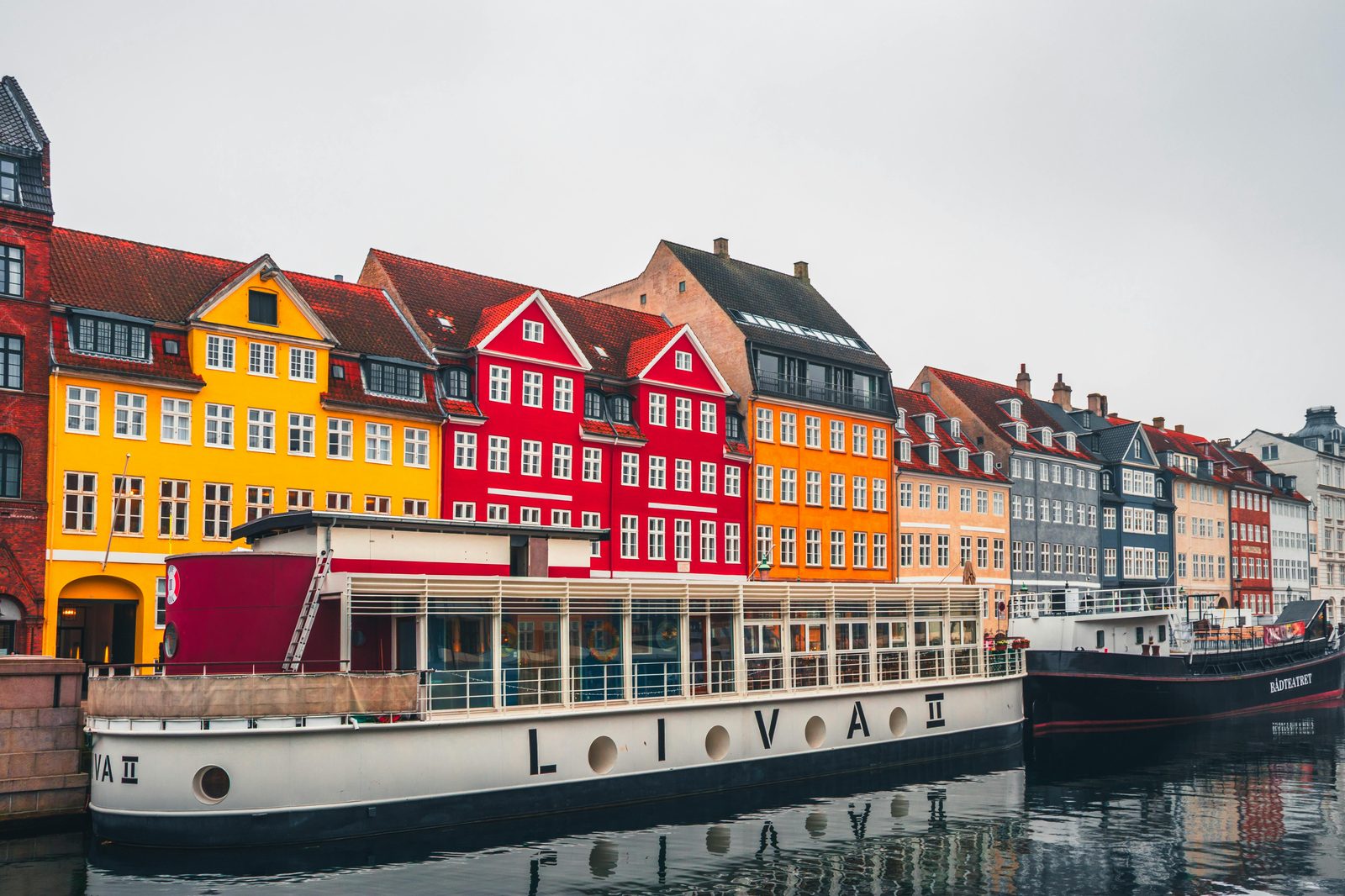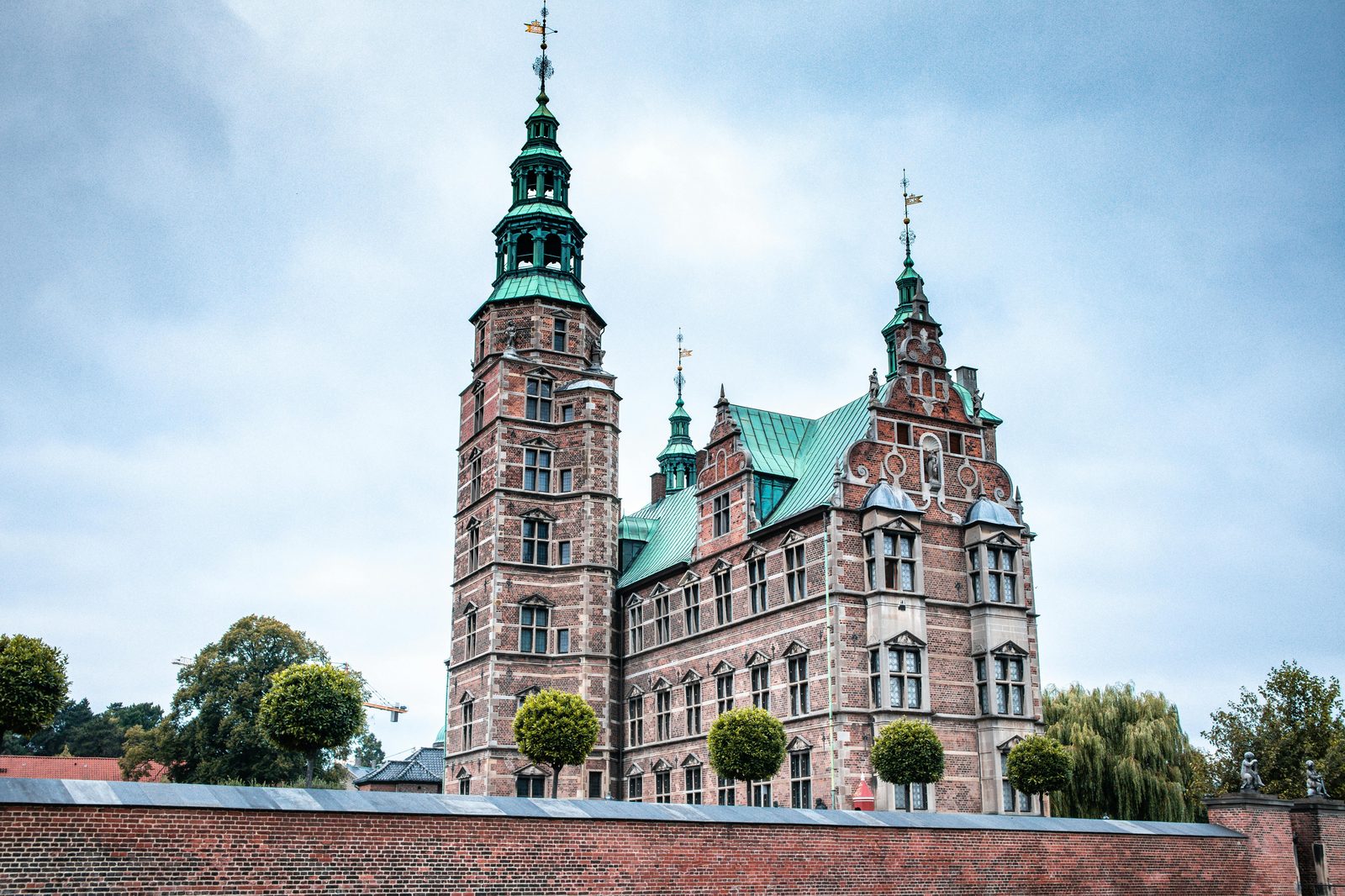
If you do just one royal site in Copenhagen, make it this one. Rosenborg is a fairy-tale Renaissance castle dropped into the middle of the city, and it guards the country’s most glittering hour of sightseeing: the Danish Crown Jewels. It’s an easy pick among the classic the city’s headline sights.
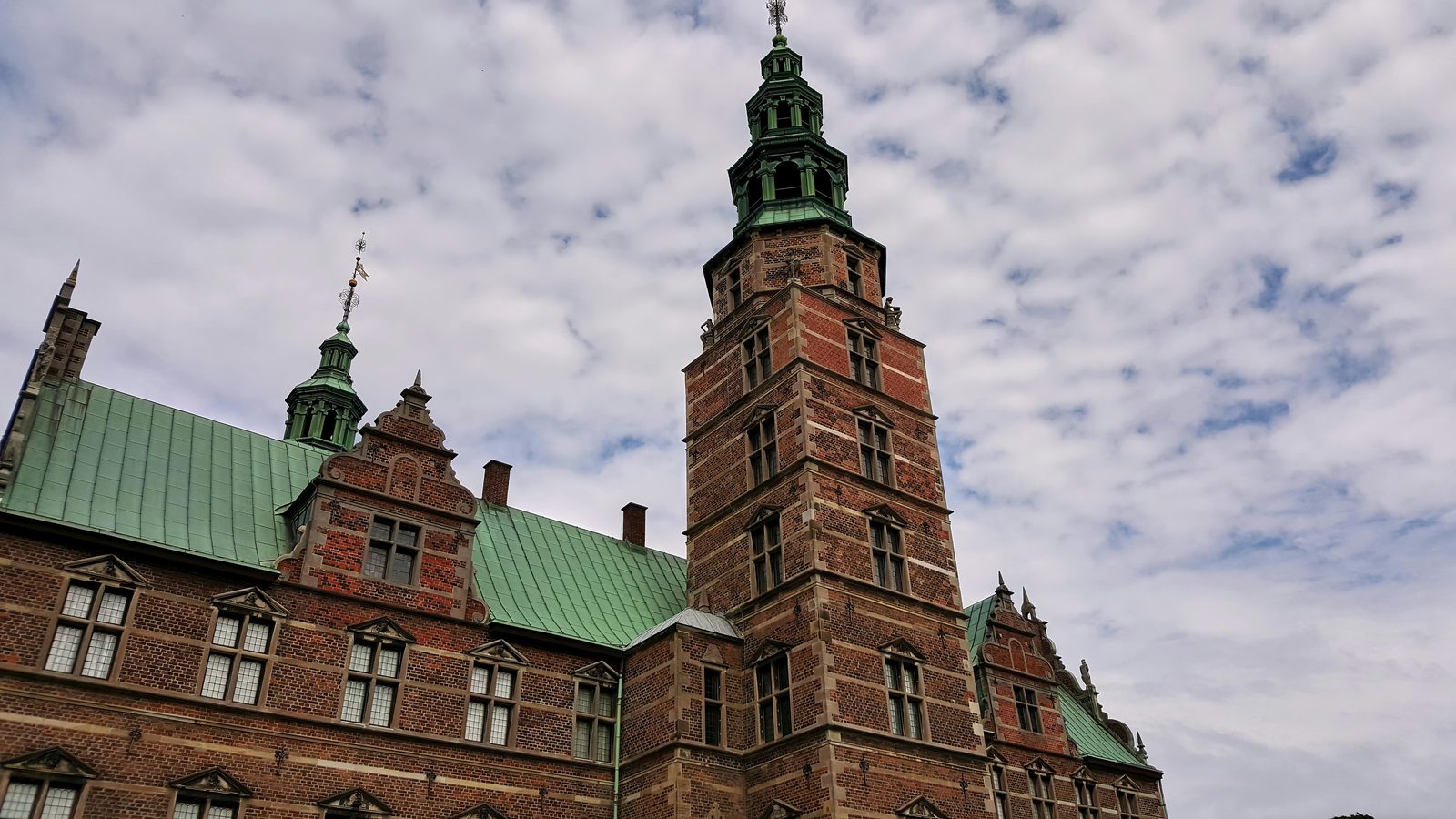
Rosenborg Castle is a three-towered Dutch Renaissance palace built for King Christian IV between 1606 and 1633, now a museum inside Kongens Have, the city’s oldest public garden. The draw is the basement treasury with the crown jewels, plus 24 lived-in royal rooms. Adult entry is around 150 kr; budget about two hours. Here’s how to plan it.
Rosenborg Castle at a Glance
| Fact | Detail |
|---|---|
| Danish name | Rosenborg Slot |
| Built | 1606–1633 (Christian IV’s design) |
| Style | Dutch Renaissance — three towers, copper spires, red brick, sandstone |
| Original purpose | Royal summer pleasure-pavilion outside Copenhagen ramparts |
| Last royal residence | 1710 (kings preferred Frederiksberg & Christiansborg after that) |
| Houses today | Royal Treasury (Crown Jewels) + 24 royal rooms 1606–1863 |
| Park | Kongens Have — Copenhagen’s oldest public garden, 12 hectares |
| Address | Øster Voldgade 4A, 1350 Copenhagen K |
| Nearest Metro | Nørreport (M1, M2, M3, M4) — 7 minutes walk |
| Visit time | 1.5–2 hours for the castle, 30 min for the gardens |
| Adult ticket | 150 DKK (combined castle + Treasury) |
| Free with | Copenhagen Card |
A Brief History of Rosenborg Castle
Christian IV — the most prolific royal builder in Danish history (Børsen, the Round Tower, Frederiksborg Castle, Christiansstad, Kristiansand, Christianshavn — the man liked his name on things) — bought the gardens north of Copenhagen’s ramparts in 1606. He wanted a country retreat. His original “Lystslot” (pleasure castle) was a modest two-storey villa; over the next 27 years he expanded it into the three-towered Renaissance castle you see today. He kept building until he died in 1648, in his bedroom at Rosenborg.
Rosenborg Castle remained a royal residence until 1710 — Christian V used it for ceremonial occasions and stored the Crown Jewels here. After Frederik V moved the court permanently to Christiansborg, Rosenborg became a royal armoury and museum-in-waiting. In 1838 King Frederik VI opened Rosenborg as a public museum, making it one of the oldest royal museums in Europe — predating the Louvre’s public conversion by nearly 50 years.
During WW2 the Danish Crown Jewels were hidden in vaults at the Danish National Bank; they returned to Rosenborg after liberation in 1945 and have been displayed in the basement Treasury ever since. The castle survived both the 1807 British bombardment of Copenhagen (which destroyed the cathedral and much of the Old City) and the WW2 occupation without significant damage.
Visiting Rosenborg: Tickets & Hours
Opening Hours
| Period | Hours |
|---|---|
| May–September | 10:00–17:00 daily |
| October | 10:00–16:00 daily |
| November–April | 10:00–15:00, closed Mondays |
| Christmas closure | 23–25 December and 31 December–1 January |
| Last admission | 30 minutes before close |
Tickets and How to Buy
Online tickets via rosenborgslot.dk are 5 DKK cheaper and let you skip the ticket-window queue (which on summer mornings can be 20 minutes). Tickets are date-stamped but no time-slot — once inside, stay as long as you like.
| Ticket | Price (DKK) | Notes |
|---|---|---|
| Adult | 150 | Full access to castle + Treasury (Crown Jewels) |
| Senior (65+) | 120 | ID required at entry |
| Student | 100 | Valid student ID required |
| Children under 18 | Free | Must be accompanied by adult |
| Combined Rosenborg + Amalienborg | 200 | Both castles within 14 days |
| Combined Rosenborg + The King’s Garden Pavilion | 180 | Pavilion in Kongens Have |
| Copenhagen Card | Included | All royal castles included |
For a full breakdown of when the Copenhagen Card is worth it, see our Copenhagen Card review.
What to See Inside Rosenborg Castle
Rosenborg Castle has 24 rooms across three floors plus the basement Treasury. The rooms are arranged chronologically — you literally walk through 250 years of Danish royal history. Allow 90 minutes minimum.
One thing worth building into your morning: the Royal Life Guards march out of the barracks next door at 11:27 and walk through the city to the noon Changing of the Guard at Amalienborg. Leave Rosenborg in time and you can follow them down.
Christian IV’s Floor (Ground Floor, 1606–1648)
The most atmospheric rooms in the castle. Christian IV’s personal chambers, his writing room (where he wrote his diary entries — a key Danish historical record), and his marble-floored bedroom where he died in 1648. Highlights: his coronation throne, his blood-stained shirt from the 1644 sea battle of Kolberger Heide where he lost his right eye, and the Christian IV Cabinet — a small private study lined with Dutch oil paintings. The murals throughout this floor are original 17th-century work.
The Mirror Cabinet
Built by Frederik IV around 1714, the Mirror Cabinet (Spejlsalen) is a small dressing room covered floor-to-ceiling in Venetian mirrors. It was Frederik’s private space — the only place in Rosenborg where you can see yourself reflected at six different angles. The cabinet was inspired by Versailles’ Hall of Mirrors but in miniature. Modern visitors often stop here for selfies.
The Knights’ Hall (Top Floor)
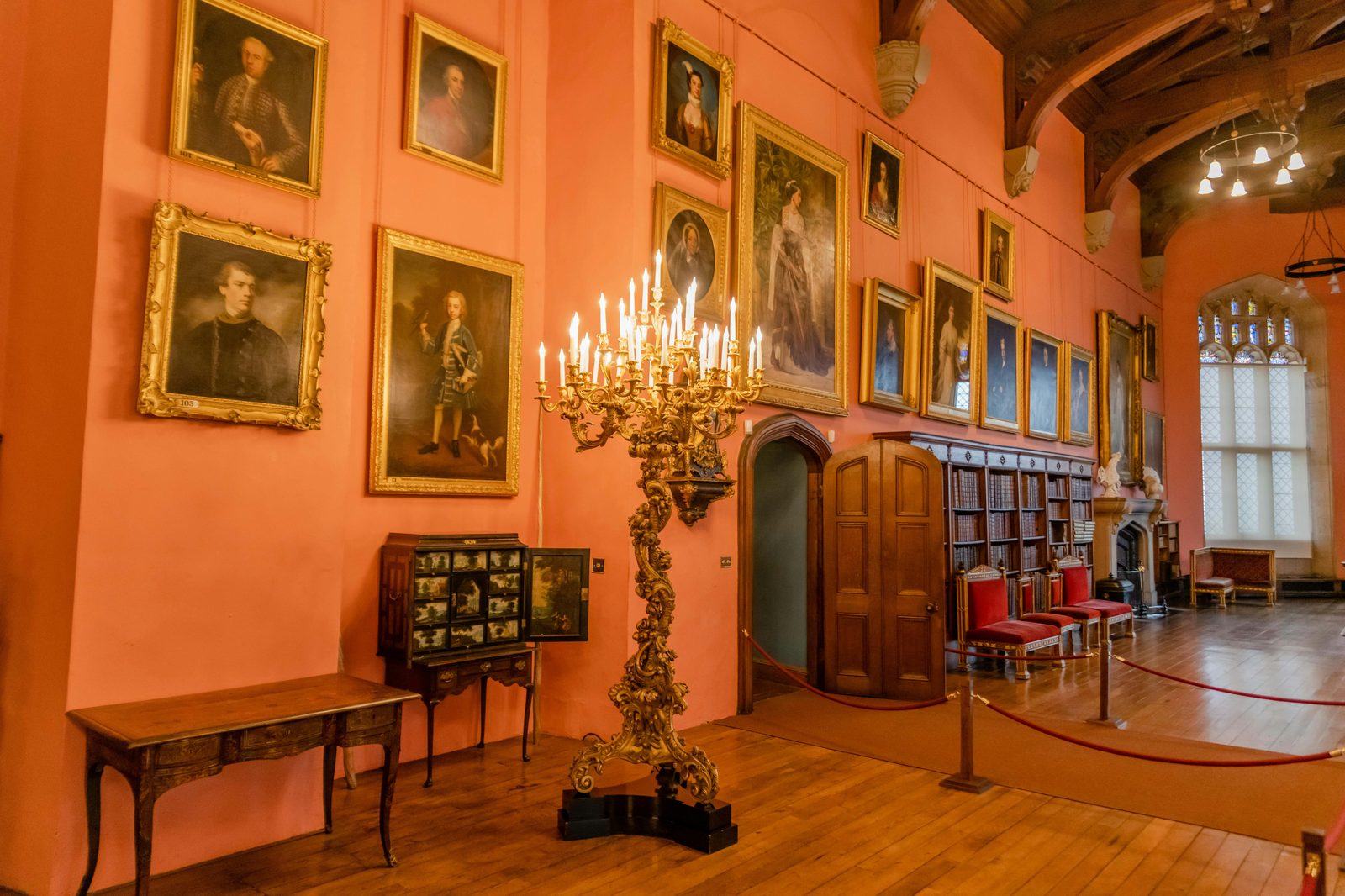
The 40-metre-long Knights’ Hall (Riddersalen) takes up the entire top floor. This is the showpiece room of Rosenborg Castle — long enough to play tennis in, lit by tall west-facing windows, and built specifically to house the coronation throne of Christian V. The throne (1671) is silver, with three life-sized silver lions standing guard and legs of inlaid narwhal tusk — believed at the time to be unicorn horn, with magical properties of detecting poison.
The walls are hung with 12 Flemish tapestries (1684) commemorating Christian V’s wars against Sweden. The ceiling is decorated with the coats of arms of Denmark’s 16th-17th-century nobility. The hall is still used today for state functions; King Frederik X received foreign ambassadors here at his accession in 2024.
The Royal Apartments — Other Highlights
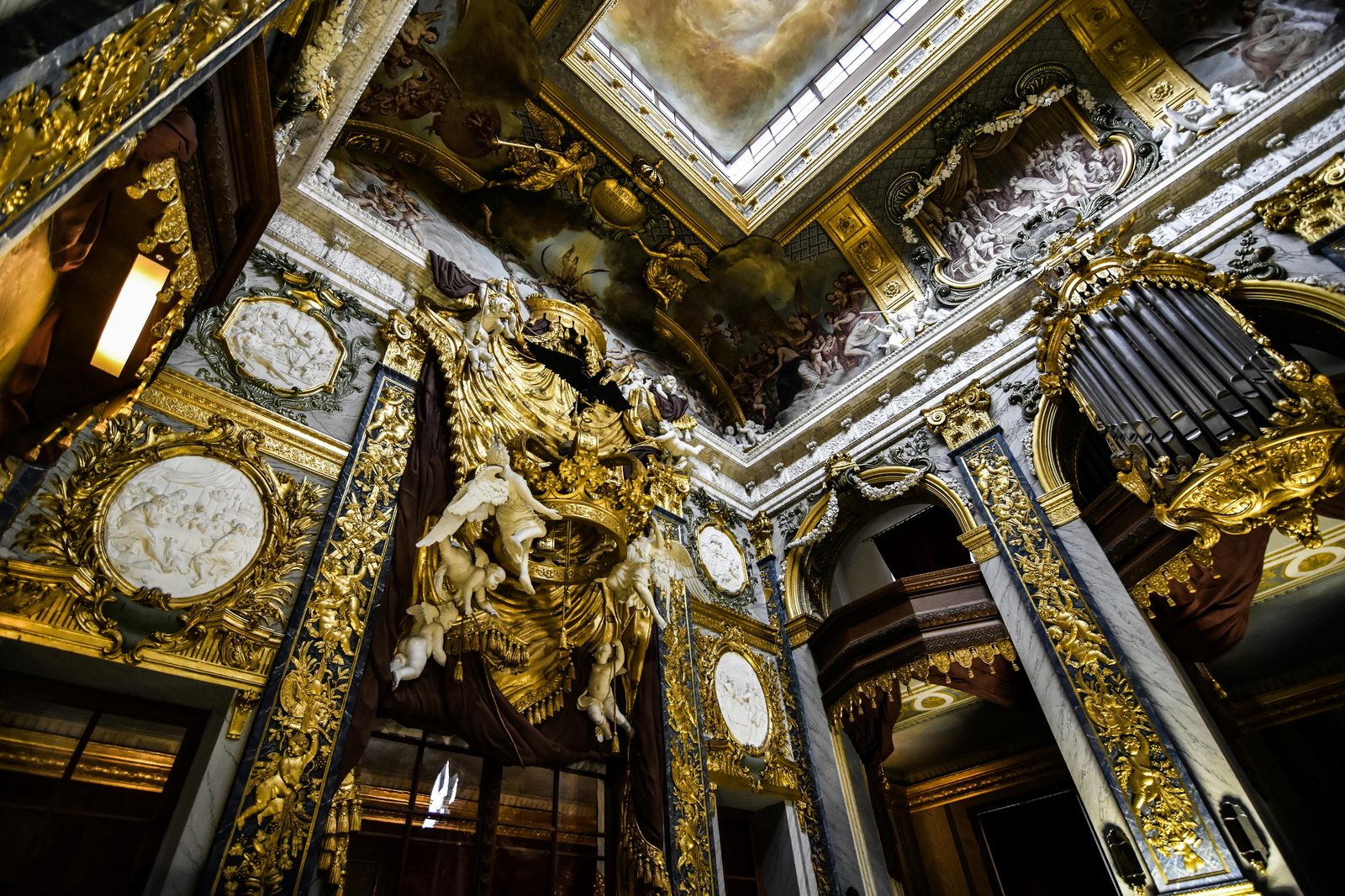
Working through the chronology: Frederik III’s Hall (1648–1670, the king who ended the war with Sweden); Christian V’s rooms (the silver-furniture king, who ordered most of the Renaissance interior); Frederik IV’s rooms (the Italian-trained king, with his collection of Florentine and Venetian glass); Christian VI’s Marble Hall (1729, the most baroque room in the castle); and the Frederik V apartments with French Rococo decoration. Each king added something to Rosenborg; the result is a perfectly preserved sequence of Danish royal taste from 1606 to 1863.
The Crown Jewels and Royal Treasury
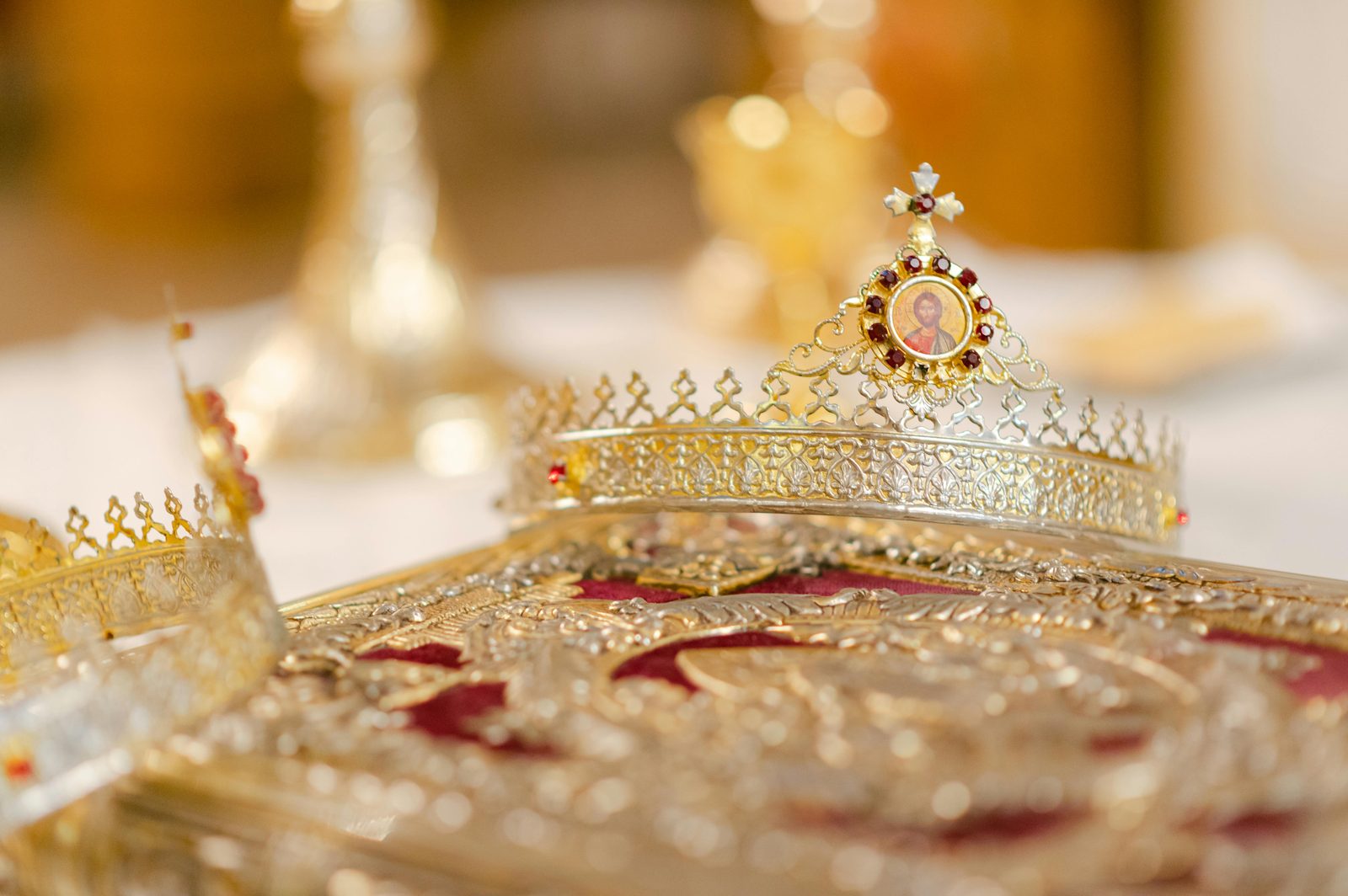
The basement Treasury (Skatkammeret) is the dramatic finale of any Rosenborg Castle visit. Behind two-metre-thick steel doors and bulletproof glass sit the Danish Crown Jewels — still in active use by the royal family.
Christian V’s Coronation Crown (1670)
Made of 2.080 kg of pure gold, set with 19 large diamonds, sapphires and pearls. Worn at every Danish coronation from 1671 to 1840 (when ceremonial coronations were abolished after the introduction of the Constitution). It is still the official symbol of the Danish monarchy and is brought out for state events such as royal lying-in-state.
Christian IV’s Crown (1596)
Older than the coronation crown, in pure gold with enamel and diamonds. Christian IV used it as his everyday royal crown. Worth seeing for the sheer Renaissance craftsmanship — the goldsmith Dirich Fyring spent four years making it.
The Royal Regalia
Beyond the two crowns: the Royal Sceptre (1648), the Globus cruciger (1648), the Sword of State (1551 — Denmark’s oldest piece of regalia), the Anointing Horn, the Royal Mantle and the Order of the Elephant (Denmark’s highest order, founded 1693). All on permanent display.
The Crown Jewels of Queen Margrethe II
A separate room displays the four matching jewellery sets — emerald, ruby, pearl and rose-cut diamond — that are part of the personal collection of the reigning monarch. Each set is a parure (necklace, earrings, brooch, tiara). These are still worn by Queen Margrethe and Queen Mary at state banquets; you may see them in fresh photographs in the Danish press.
Kongens Have — The King’s Garden

Surrounding Rosenborg Castle is Kongens Have — Copenhagen’s oldest public garden and the city’s most-loved park. Christian IV laid it out in 1606 in the formal Renaissance style; the gardens were re-landscaped in French Baroque in the 1690s, then partly returned to a more romantic English layout in the 1800s. The result is a 12-hectare park that combines clipped formal hedges, French parterres, an English landscape, the Hercules Pavilion and a beloved children’s puppet theatre.
Highlights of the Park

- The Rose Garden: 100+ varieties, peak bloom 15–25 June.
- The Hercules Pavilion: 1773, baroque garden folly with a Hercules statue.
- The Marmorbroen (Marble Bridge): Italian-marble Renaissance bridge over the canal.
- The Krumspring fountain: Renaissance fountain at the eastern entrance.
- The Soldier of 1864: Bronze monument to the Second Schleswig War.
- The Hans Christian Andersen statue: Bronze, 1880, by August Saabye.
- The Crown Princess Mary statue: 2024, by Niki de Saint Phalle (posthumous casting).
- Free puppet theatre (summer): Daily performances at 14:00 in the children’s playground area.
- Marshal’s Bench: Carved oak bench at the south-east corner — a quiet spot for a coffee.
Park Hours and Rules
Kongens Have is free and open daily from sunrise to sunset (7:00–22:00 in summer; 7:00–17:00 in winter). Bring a picnic — it’s allowed. No bicycles inside the gates; bike racks are at all four entrances. The two south-facing lawns become Copenhagen’s favourite sunbathing spot from May to September.
The Royal Life Guard Parade
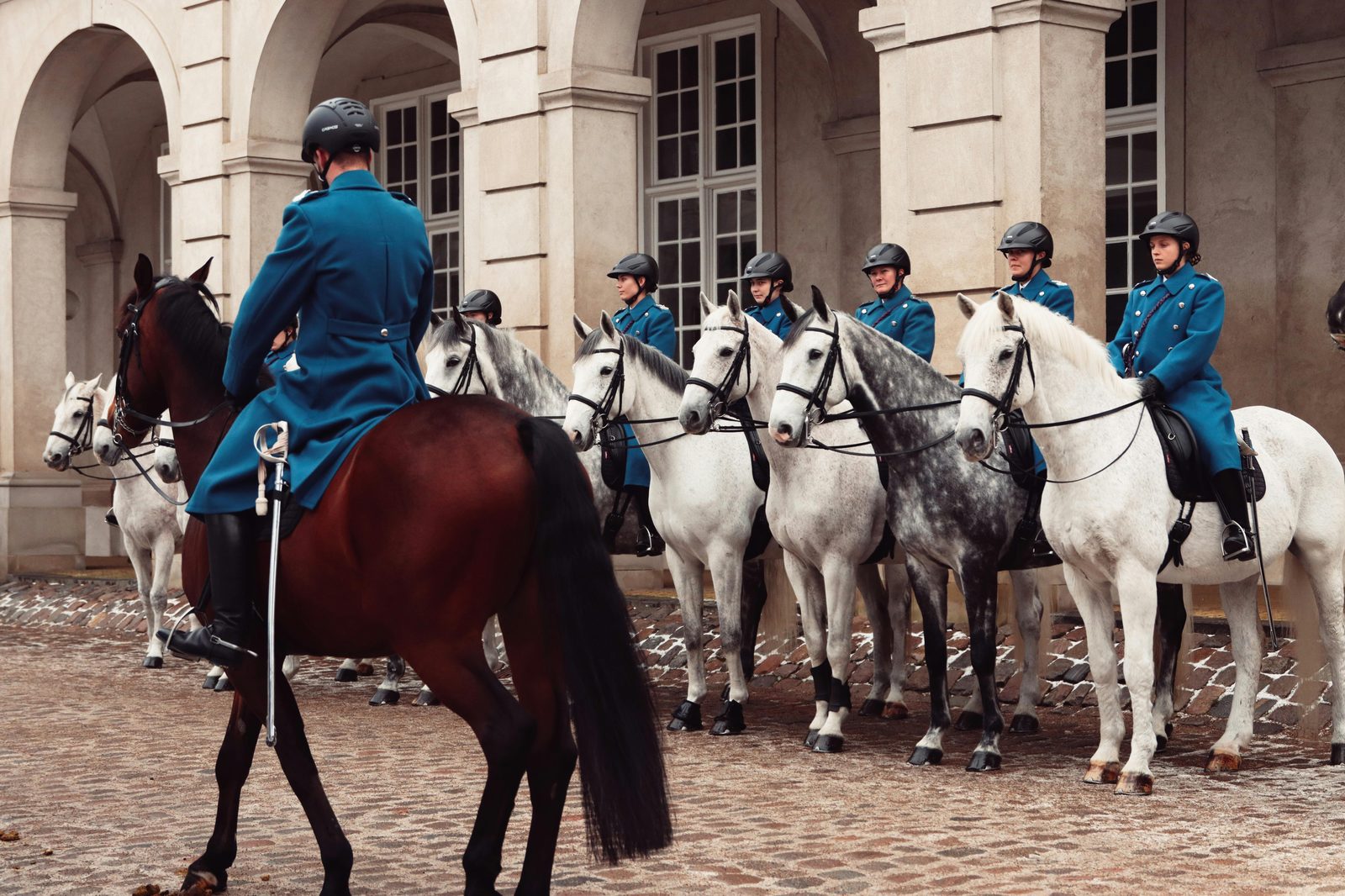
Every morning at 11:30, the Royal Life Guard (Den Kongelige Livgarde) marches out of Rosenborg Barracks (just north of the castle), through Kongens Have, down Gothersgade, across Kongens Nytorv, past the Royal Theatre, and arrives at Amalienborg Palace at 12:00 for the Changing of the Guard. The march takes 30 minutes; you can follow them the entire route or join at any point. Watching them step off from Rosenborg is the quietest, least-touristed start to the parade.
The guards wear blue tunics with white cross-belts, bearskin hats and carry SG 550 rifles. They have guarded the Danish royal family continuously since 1658 — the unit’s 365th anniversary was celebrated in 2023.
Statues, Fountains and Hidden Corners
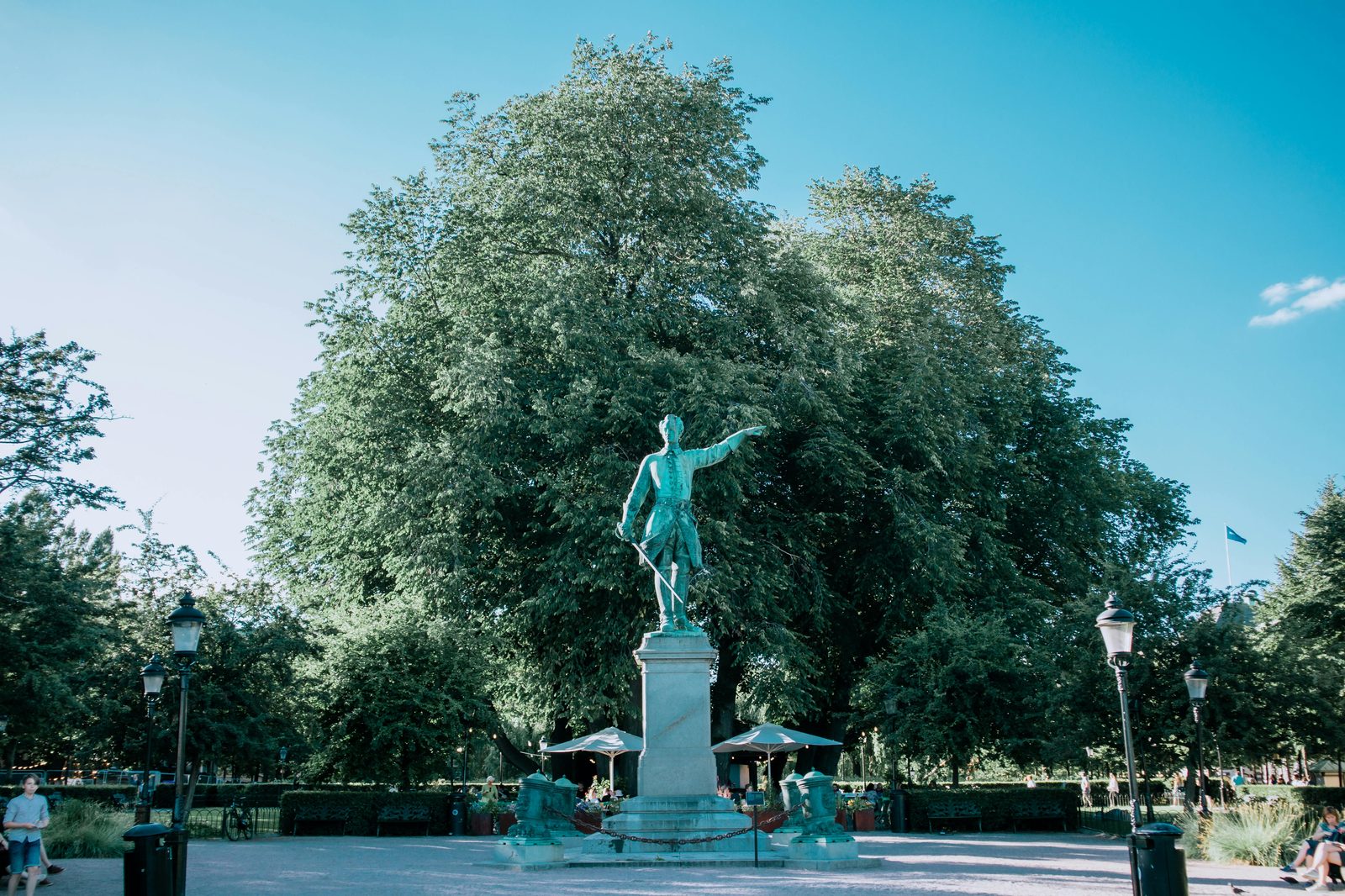
Walking around Kongens Have, slow down and look. Beyond the showpiece monuments listed above, the park has 14 named statues, two fountains and a delicately landscaped grotto on the north side. Local schoolchildren are taught the names of the four kings of the avenue (Christian IV, Frederik III, Christian V, Frederik IV) — all four bronze busts line the central axis from the Hercules Pavilion to the castle.
Rosenborg Castle in Winter
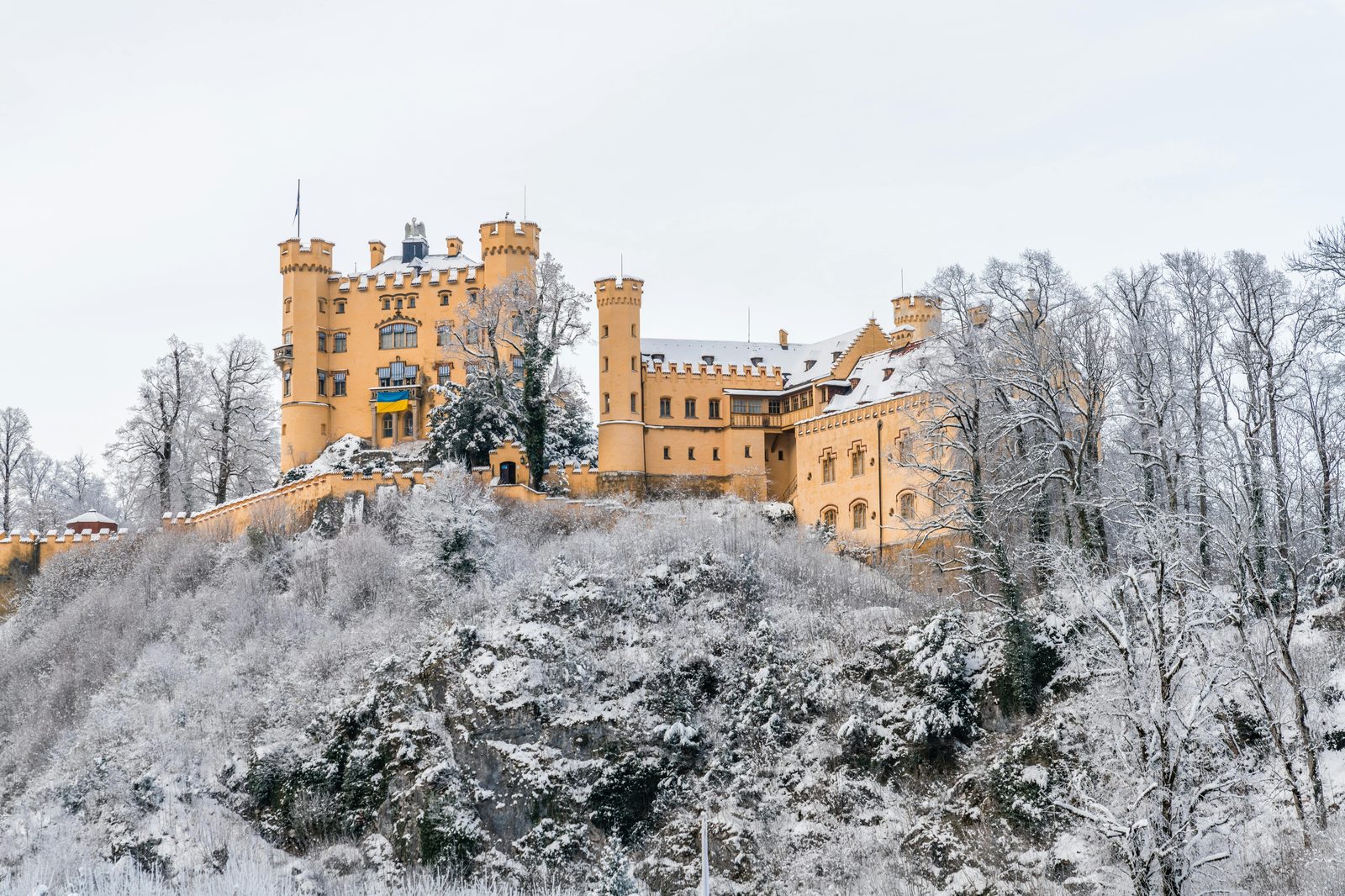
Visiting Rosenborg Castle in winter is a special experience — fewer tourists, the castle interior is well heated, and the Crown Jewels glitter under their cabinet lighting. From late November to early January, Kongens Have hosts a small Christmas market with hot gløgg, æbleskiver and Danish craft. Snow days transform the park into a child’s drawing of Copenhagen — three-towered castle, snow-covered hedges, ice on the canal.
For a complete view of Copenhagen by season, see our month-by-month seasonal guide.
Combining Rosenborg with Other Copenhagen Sites
Rosenborg Castle pairs naturally with several nearby Copenhagen attractions for a half-day or full-day plan.
| Combination | Time | Why |
|---|---|---|
| Rosenborg + Kongens Have | 2.5 hours | The classic visit — castle, treasury, garden walk. |
| Rosenborg + Round Tower (Rundetårn) | 3.5 hours | Both Christian IV. 8-min walk between. |
| Rosenborg + Botanical Garden | 3 hours | Botanical Garden adjoins Kongens Have on the north side. |
| Rosenborg + Amalienborg | Full half-day | Follow the 11:30 guard march from one to the other. |
| Rosenborg + Statens Museum (SMK) | 4 hours | Denmark’s national art museum, 5-min walk north. |
| Royal Trio (Rosenborg + Christiansborg + Amalienborg) | Full day | All three royal castles in one comprehensive day. |
For more pairings see our Copenhagen itinerary guide.
Rosenborg Castle Practical Tips
- Buy tickets online at rosenborgslot.dk to skip the queue, especially May–September.
- Visit on Tuesday or Wednesday for the quietest experience. Saturdays are busiest.
- Allow at least 90 minutes inside — visitors who rush through end up missing the Treasury, which is the most spectacular section.
- Photography is allowed inside but no flash. The Treasury permits photography but be careful with reflections.
- Audio guides in 8 languages, 30 DKK; the printed multilingual booklet (free at entry) is genuinely good and may be enough.
- Cloakroom is free; you must check large bags and umbrellas before entering the Treasury.
- Accessibility — the castle has 17th-century stairs and limited lift access; contact the museum 48 hours ahead for accessibility assistance. Kongens Have is fully wheelchair accessible.
- Café Aamanns Etablissement 4 minutes south of Rosenborg is the best smørrebrød lunch nearby — book a table.
- Rainy day plan: Rosenborg combines well with Statens Museum for Kunst (10 min walk) for an entirely indoor day.
Pair it with the free National Museum of Denmark for the wider sweep of Danish history, and if you’re hitting several paid sites in a day, check whether the Copenhagen Card pays off.
Rosenborg Castle FAQs
How long does a Rosenborg Castle visit take?
90 minutes to 2 hours for a thorough visit (24 rooms + Treasury). Add 30–60 minutes for Kongens Have. Total: 2.5–3 hours including the gardens.
With the rest of the afternoon free, SMK, Denmark’s National Gallery, is about ten minutes’ walk away on Sølvgade and stays open until 20:00 on Wednesdays. Our guide to SMK covers tickets, the free entry rules and the paintings worth hunting down.
Is Rosenborg Castle worth the entry fee?
Yes — at 150 DKK adult, it is one of the best-value royal castle visits in Europe. The combination of the Crown Jewels and 250 years of perfectly preserved royal interiors is unmatched in Scandinavia. If you have a Copenhagen Card, entry is included.
Can I see the Crown Jewels at Rosenborg?
Yes — the Crown Jewels are on permanent display in the basement Treasury, included in the standard ticket. Christian V’s coronation crown, Christian IV’s crown, the royal sceptre, sword of state and the modern queens’ jewels are all on display. The displays are behind glass; photography is allowed.
Is Rosenborg Castle still used by the royal family?
No, it is not a royal residence — the royal family lives at Amalienborg and Fredensborg. However, the Knights’ Hall is still used for state functions; the Crown Jewels in the Treasury are still ceremonially worn at royal events.
How do I get to Rosenborg Castle?
The closest Metro is Nørreport (M1, M2, M3, M4, plus all S-tog lines) — 7-minute walk. From Central Station: 15 min metro ride to Nørreport, then walk. From Nyhavn: 12-minute walk via Kongens Nytorv. From Tivoli: 15-minute walk. See our Copenhagen transportation guide.
Is Rosenborg Castle good for kids?
Yes — the Crown Jewels are universally popular with children, and Kongens Have has a free summer puppet theatre, a children’s playground, and acres of safe lawn. Allow extra time for a picnic in the garden. See our full guide to Copenhagen with children guide.
When is Rosenborg Castle most photogenic?
Late afternoon (16:00–17:30) in summer for warm side-light on the red brick. After heavy snow in January-February for the postcard winter shot. The Hercules Pavilion path lined with summer roses (15–25 June) for the iconic garden frame.
Can I bring food into Kongens Have?
Yes — picnics are explicitly allowed and Kongens Have is one of Copenhagen’s most popular picnic spots in summer. The two south-facing lawns near the Hercules Pavilion are the favourite. No barbecues or alcohol on the lawns is the only restriction. Bring blankets in summer.
Related Reading
- The Ny Carlsberg Glyptotek — Roman sculpture and French painting under the winter garden dome.
- Nightlife here — canal cruises after sunset, jazz clubs and the Meatpacking bars.
- Tivoli Gardens — 15-min walk south of Rosenborg.
- Nyhavn Copenhagen — 10-min walk east via Kongens Nytorv.
- Little Mermaid Statue — connect via Amalienborg and Kastellet.
- What to do when it rains — 30+ indoor options for the days the weather turns.
- Copenhagen events & festivals — including state events at Rosenborg.
- What you can do for free — 25 genuinely free sights, museums and walks.
Final Thoughts: Is Rosenborg Worth It?
Rosenborg Castle is the single best royal-history visit in Copenhagen. It is older, more atmospheric and more beautifully preserved than Christiansborg, and combines a 17th-century Renaissance palace with the Danish Crown Jewels in active use today. The Knights’ Hall, with its silver throne and three silver lions, is one of the most extraordinary rooms in Northern Europe. Allow 2.5 hours minimum: 90 minutes inside, 60 minutes in Kongens Have. If you do only one royal site in Copenhagen, make it Rosenborg Castle.
Last updated: July 2026. Ticket prices and opening hours change — confirm on the official site before you visit.