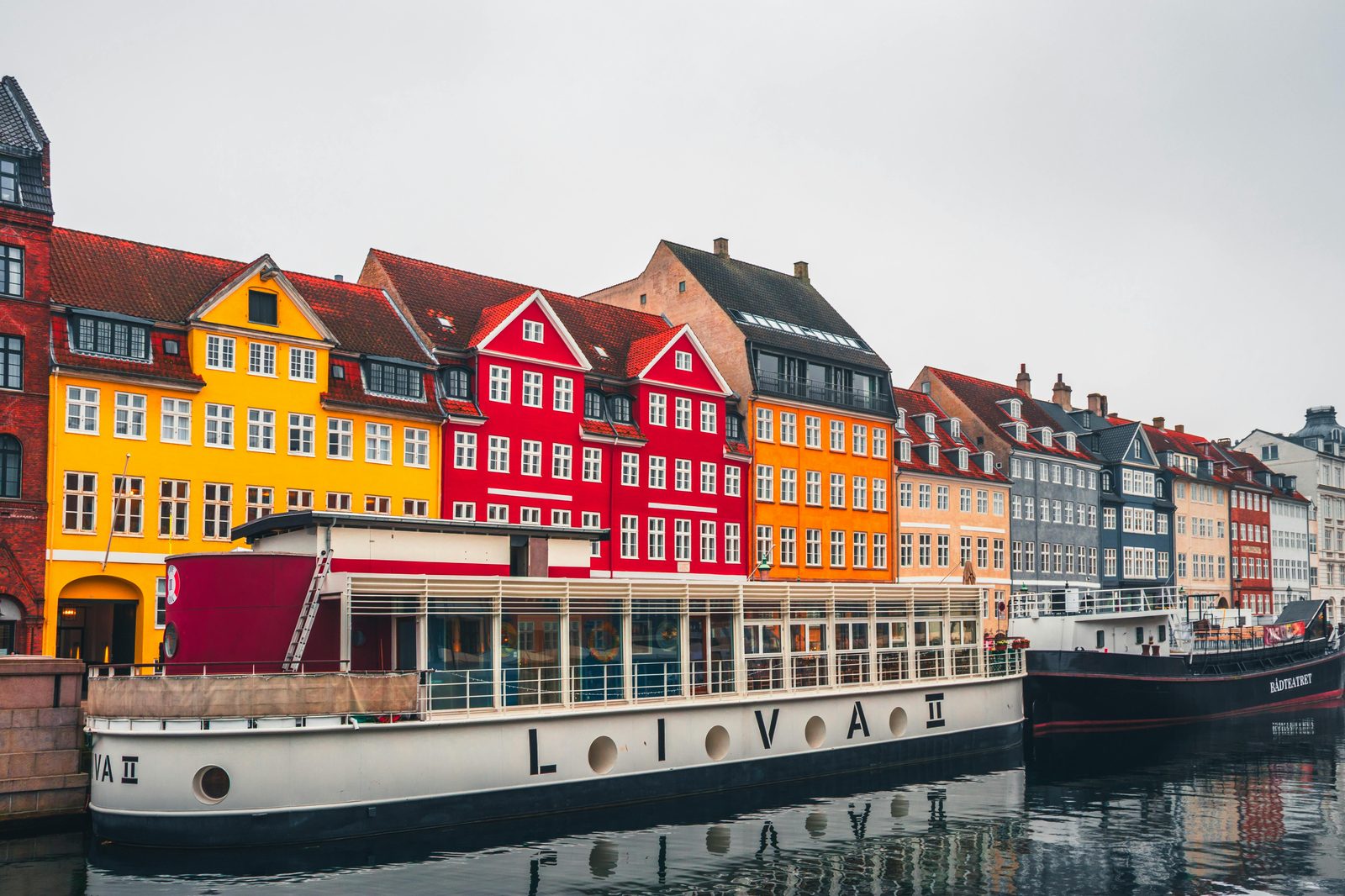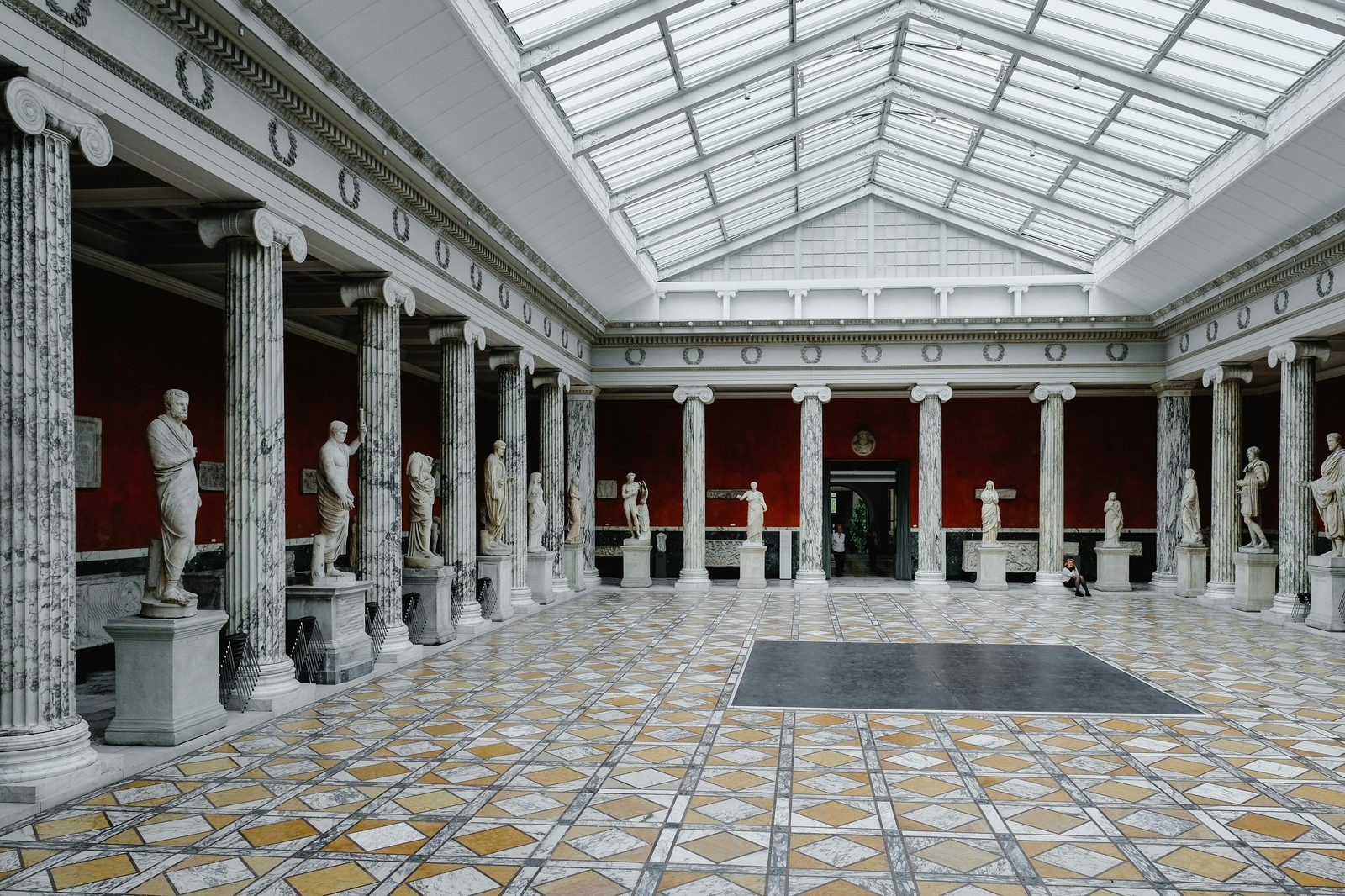
Here’s the one that surprises people: the best free thing to do indoors in Copenhagen is the national history museum. The National Museum of Denmark (Nationalmuseet) is genuinely excellent and it costs nothing, which makes it a smart anchor for any list of things to do in Copenhagen — especially on a rainy day or with kids.
The National Museum of Denmark in Copenhagen fills a former royal palace five minutes from Tivoli with 14,000 square metres of cultural history: the Bronze Age Sun Chariot, the Egtved Girl in her oak coffin, the country’s biggest Viking collection and a superb children’s wing. Admission is free, every day. Budget two to three hours; here’s what to see and how to plan it.
National Museum of Denmark at a Glance
Here’s the National Museum Denmark Copenhagen visit in one snapshot — the essentials before you walk in:
| Fact | Detail |
|---|---|
| Danish name | Nationalmuseet |
| Founded | 1807 (collections), 1849 (museum opening) |
| Building | Prince’s Palace (Prinsens Palæ), 1748 — 18th-century rococo royal residence |
| Floor area | 14,000 m² across four floors + Children’s Museum |
| Holdings | 1.5 million objects, ~1% on display |
| Most famous exhibit | Sun Chariot of Trundholm (Bronze Age, 1400 BC) |
| Address | Ny Vestergade 10, 1471 Copenhagen K |
| Visit time | 2.5–4 hours for the main collection |
| Admission | FREE for everyone, every day |
| Children’s Museum | Free, free under-18 access to all of it |
| Special exhibitions | 60–110 DKK depending on the show |
| Nearest Metro | Gammel Strand (M3, M4) — 4 min walk |
| Open | Tuesday–Sunday 10:00–17:00, closed Monday |
A Brief History of Nationalmuseet
The National Museum’s collections began in 1807 when King Frederik VI ordered an inventory of all royal antiquities, churchgoods and curiosities held by the Crown. The collection moved into the Prince’s Palace (Prinsens Palæ) in 1832 — an 18th-century rococo royal residence where Crown Prince Frederik (later Frederik V) lived as a child. It opened to the public as the National Museum in 1849. The Prince’s Palace itself is part of the visit — many of the rooms retain their 1748 architecture and original parquet floors.
The current National Museum is the largest cultural-history museum in Denmark and one of the largest in Scandinavia by both collection size and floor area. It is part of the Statens Museum-organisation network — a state-funded museum that has been free to enter since 2006 (a deliberate Danish cultural policy decision). Approximately 600,000 visitors per year, of whom about 30% are tourists.
What to See — The Permanent Collections
Danish Prehistory: The Bronze Age (Ground Floor)
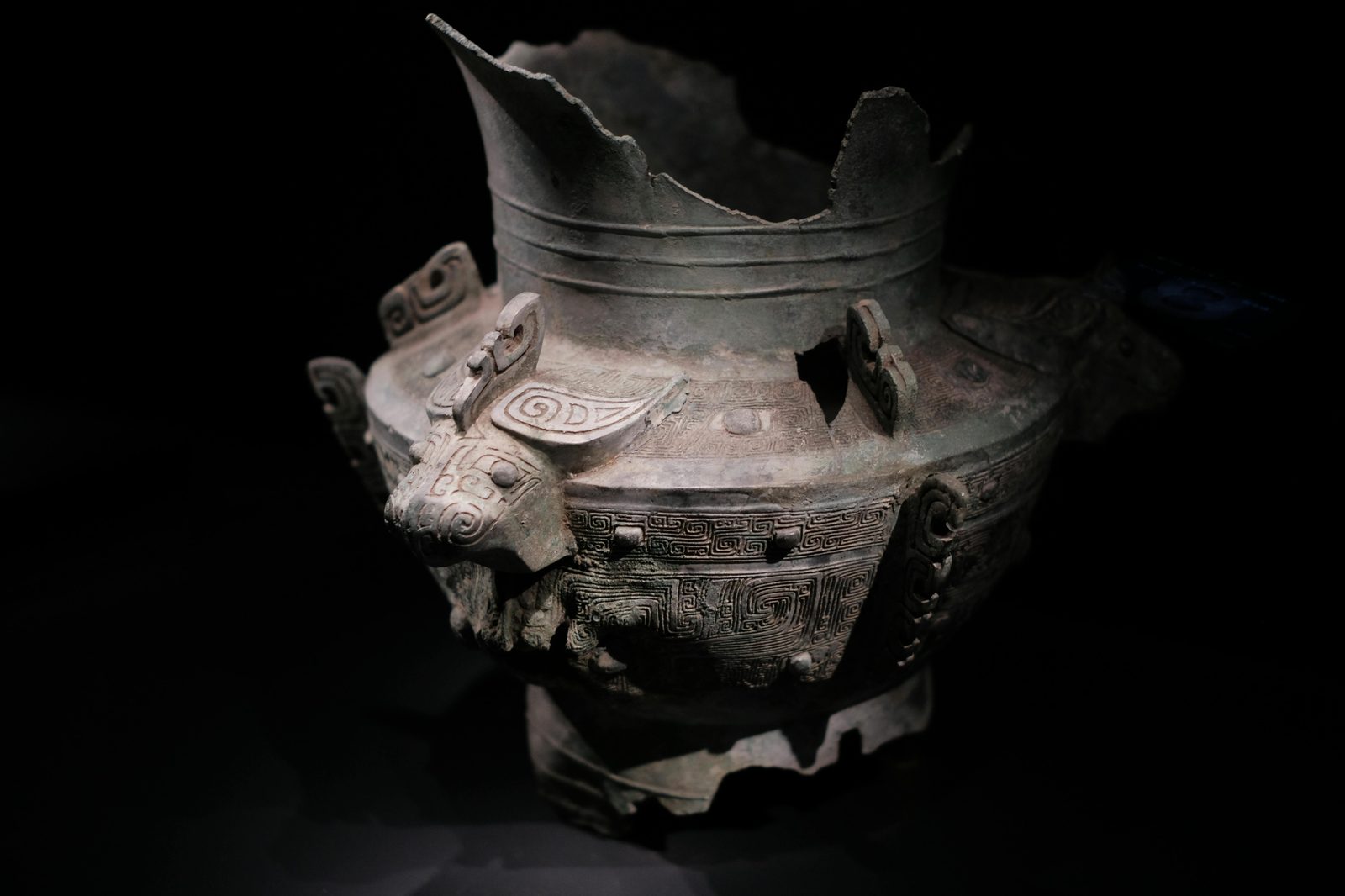
The single most important room in the National Museum. The Sun Chariot of Trundholm (1400 BC) is a 60-cm horse-drawn bronze sculpture of a sun-disc — discovered in 1902 by a Danish farmer ploughing a North Zealand bog. It is one of the most famous and most-reproduced Bronze Age artifacts in the world, and the centrepiece of the National Museum.
Around the Sun Chariot, the Bronze Age gallery displays the lurer (3,000-year-old curved bronze trumpets, still playable), gold-leaf brooches, and the 27 surviving “Hindsgavl Daggers” — flint blades with extraordinary craftsmanship from 1500 BC. Allow 30 minutes.
The Egtved Girl
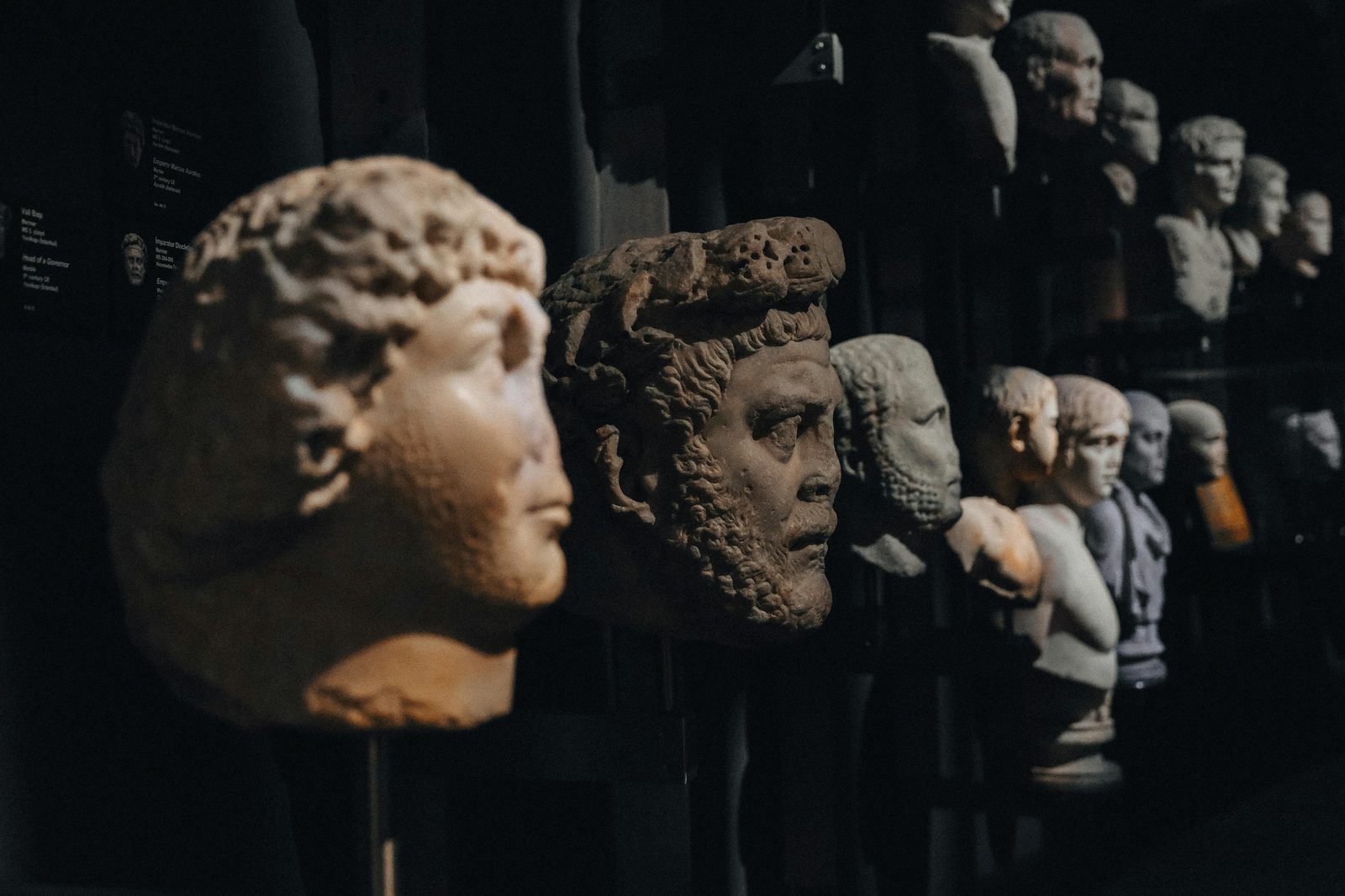
In a separate climate-controlled room: the Egtved Girl (Egtvedpigen) — a teenage girl buried 1370 BC, found in 1921 in her oak coffin near Egtved in Jutland. The acid bog water preserved her woven wool clothing (short skirt with bronze ornaments, long-sleeved blouse), her cremated bones, and a small bag of grass and flowers placed beside her body. Recent isotope analysis (2015) showed she was born outside Denmark — possibly in southern Germany — and travelled hundreds of miles in her short life. Her display is one of the most visited single exhibits in any Danish museum.
The Viking Age (Ground Floor)
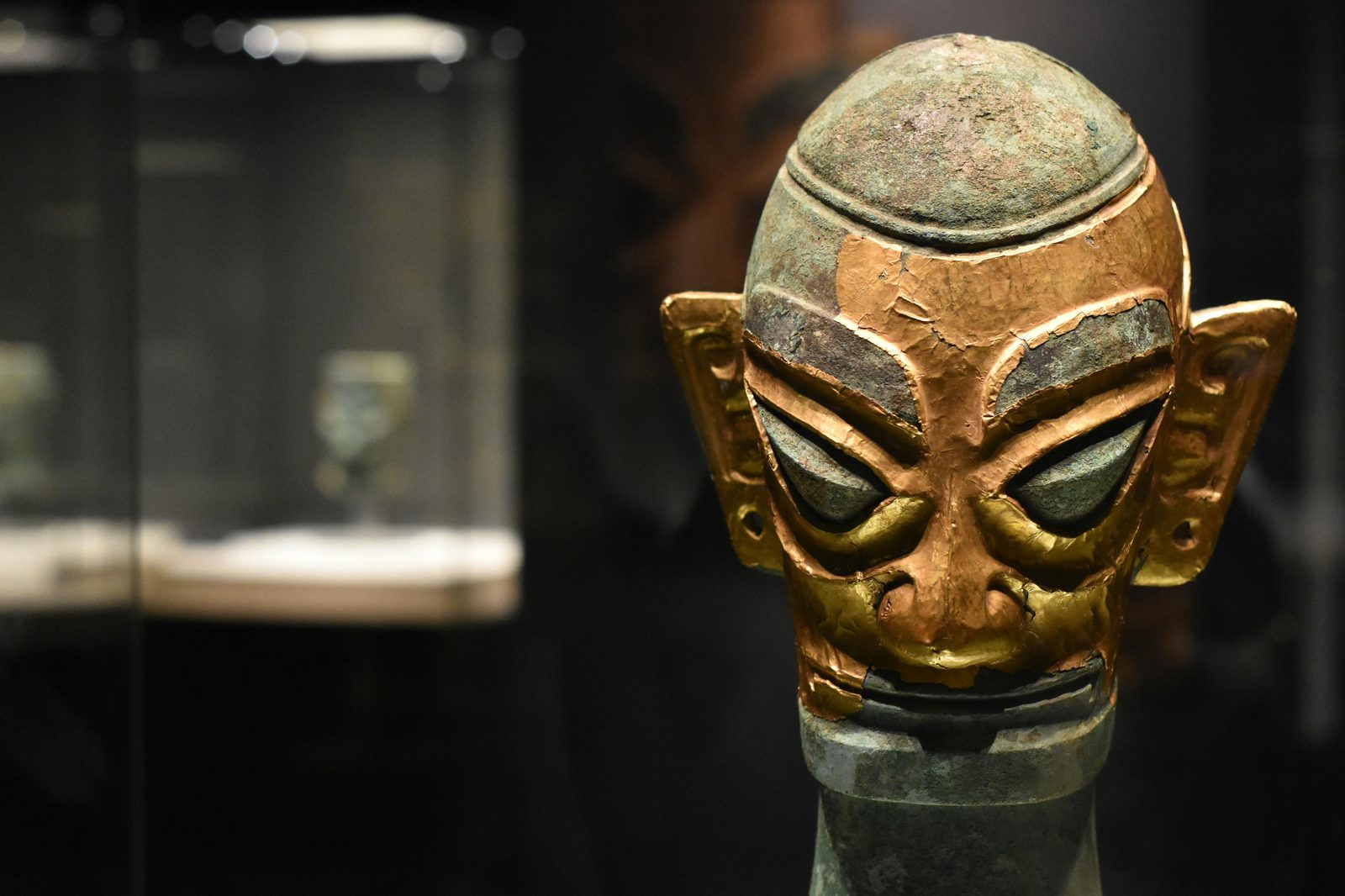
The largest Viking collection in Denmark — and among the most important in the world. Highlights include the Hiddensee Treasure (gold neck-rings and arm-rings, 1000 AD), the Mammen Axe (a Viking lord’s ceremonial axe from 970 AD, decorated with gold inlay), the carved oak Jelling Stones casts, and runic stones from across Scandinavia. The Viking gallery covers Denmark’s overseas raids, settlements in Iceland and Greenland, and the conversion to Christianity. Allow 45 minutes.
Danish Middle Ages and Renaissance
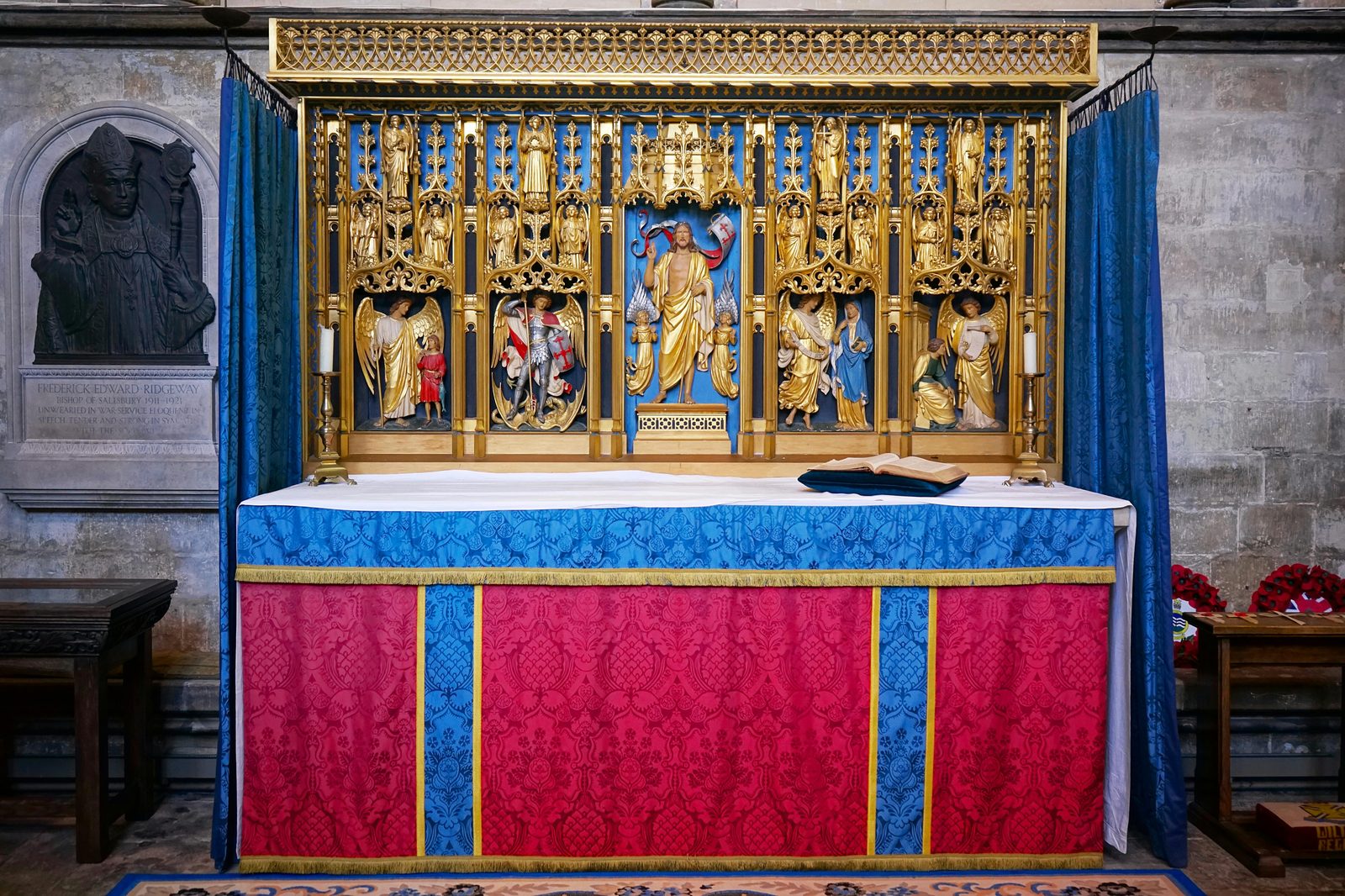
The First Floor is mostly the Danish Middle Ages and Renaissance — 800-year-old altarpieces, wooden saints, gold-leaf church plate (much of it rescued from rural Danish churches in the 19th-century Reformation reorganisation), the Christ of Galløse Crucifix (a 1200-year-old Romanesque oak crucifix), and fine medieval tapestries. The Renaissance and Baroque rooms display royal portraits of Christian IV, Frederik II and Christian V; the Royal Silver Collection (which includes Frederik II’s 16th-century silver tableware); and oak-panelled Renaissance chamber rooms reconstructed from real Danish manor houses. Allow 60 minutes.
19th-Century Galleries
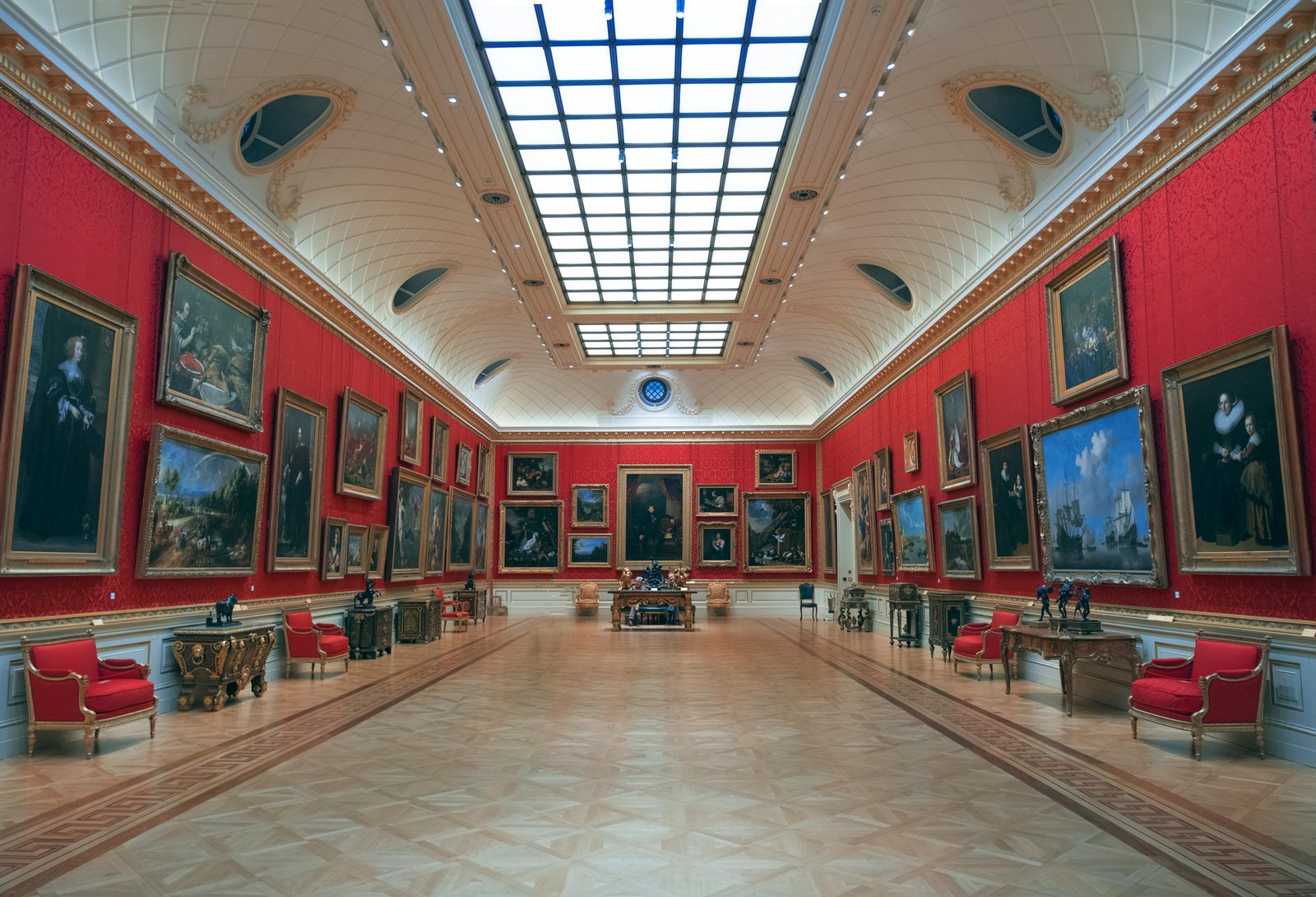
The 19th-century galleries cover the Danish Golden Age (1800–1864) — the cultural flowering that produced Hans Christian Andersen, Søren Kierkegaard, the painter Christen Købke and the sculptor Bertel Thorvaldsen. Highlights: Andersen’s reading-glass collection, original handwritten manuscripts of “The Little Match Girl” and “The Princess and the Pea,” Kierkegaard’s desk, and a faithful reconstruction of a Danish bourgeois living room from 1860.
The Ethnographic Collections
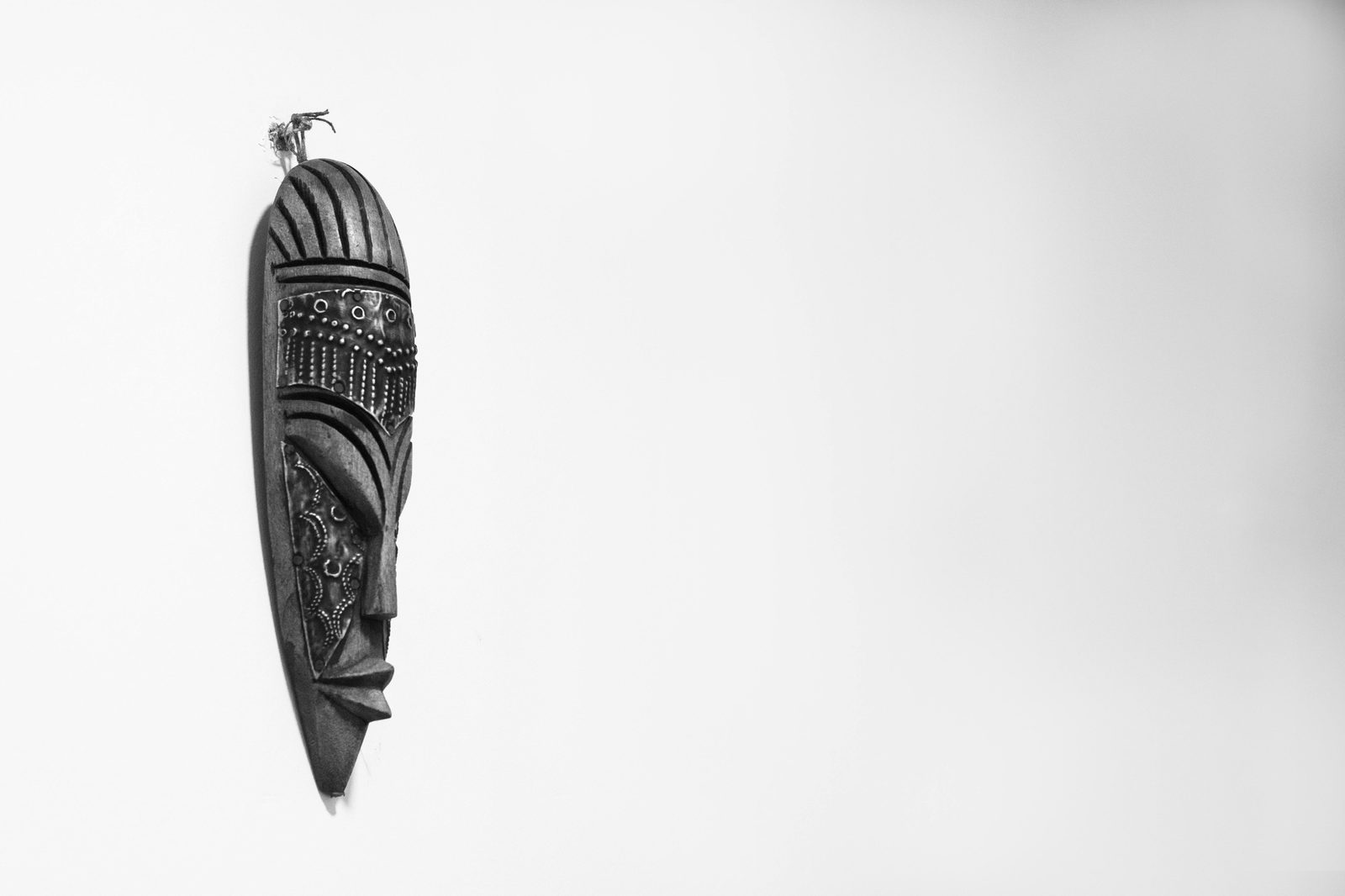
The Third Floor is one of Europe’s most important ethnographic collections — 200,000 objects from across the world. The Greenland section is particularly extraordinary: it is the largest non-Arctic Inuit collection in the world, including original kayaks, fur clothing, skin drums and Tupilak figures. Other sections cover the South Pacific (with original Cook-voyage acquisitions), Native American and African ethnography, and East Asian art. Most of the collections were acquired through Denmark’s 18th–19th-century overseas trade (the Danish East India Company, the Danish West Indies, Greenland and the Faroe Islands).
Modern Danish History
The Modern History galleries cover Denmark from 1900 to today — the world wars, the German occupation 1940–45, the rescue of Danish Jews to Sweden in October 1943, the welfare state, the changing Royal Family, and modern Danish design. Includes the original 1943 Danish-resistance copies of the Allied Forces newspaper, and a complete 1968 Copenhagen flat reconstruction.
The Children’s Museum (Børnenes Museum)
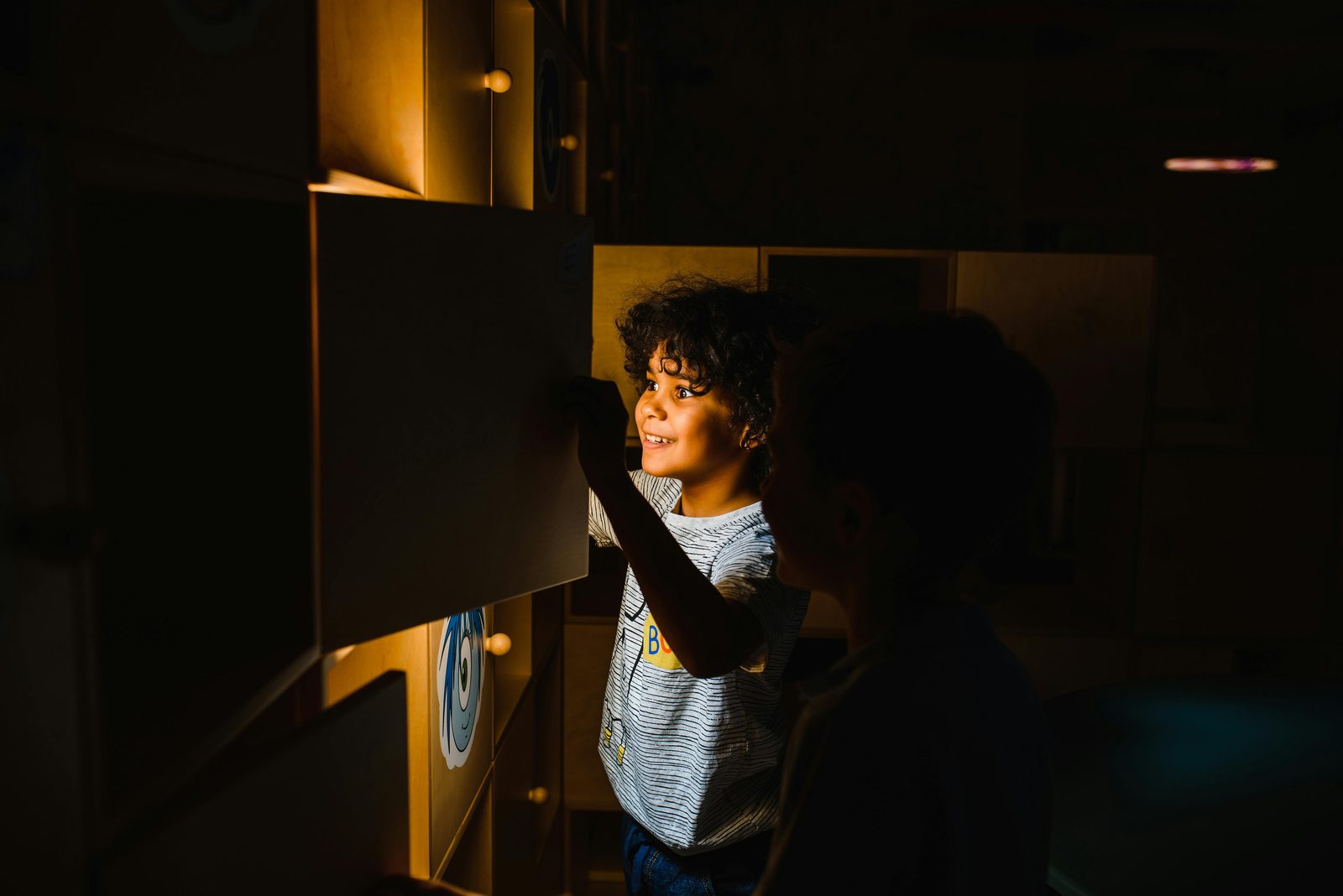
On the second floor, the Children’s Museum (Børnenes Museum) is one of the best free family attractions in all of Copenhagen. Designed for ages 4–10, it has hands-on areas where kids can dress up as Vikings, build a clay-and-thatch hut, work in a 19th-century Danish kitchen, sit in a Greenlandic kayak, ride a wooden rocking horse, learn to weave, and play medieval games. Designed by museum educators in collaboration with Copenhagen schools.
Free entry (as is the rest of the National Museum). Open during normal museum hours. The Children’s Museum genuinely entertains children for 60–90 minutes — combine it with the regular galleries for a full half-day visit.
Visiting the National Museum of Denmark — Practical Guide
Opening Hours
| Day | Hours |
|---|---|
| Tuesday–Sunday | 10:00–17:00 |
| Monday | Closed |
| Special Thursday extension | 10:00–20:00 (selected weeks) |
| Christmas closure | 23–25 December and 31 December–1 January |
| Last admission | 30 minutes before closing |
Tickets
Standard admission to the National Museum of Denmark is FREE. There is no entry ticket. Just walk in. The museum is part of Denmark’s state-funded “free national museums” policy — a deliberate cultural-policy decision since 2006 to ensure access to Danish cultural heritage.
Special exhibitions (which run on rotating themes — recent shows have covered “Vikings of the Steppe” and “Danish Resistance 1940–1945”) cost 60–110 DKK adult. Children under 18 always free. Special exhibitions are usually included with the Copenhagen Card.
How to Get There
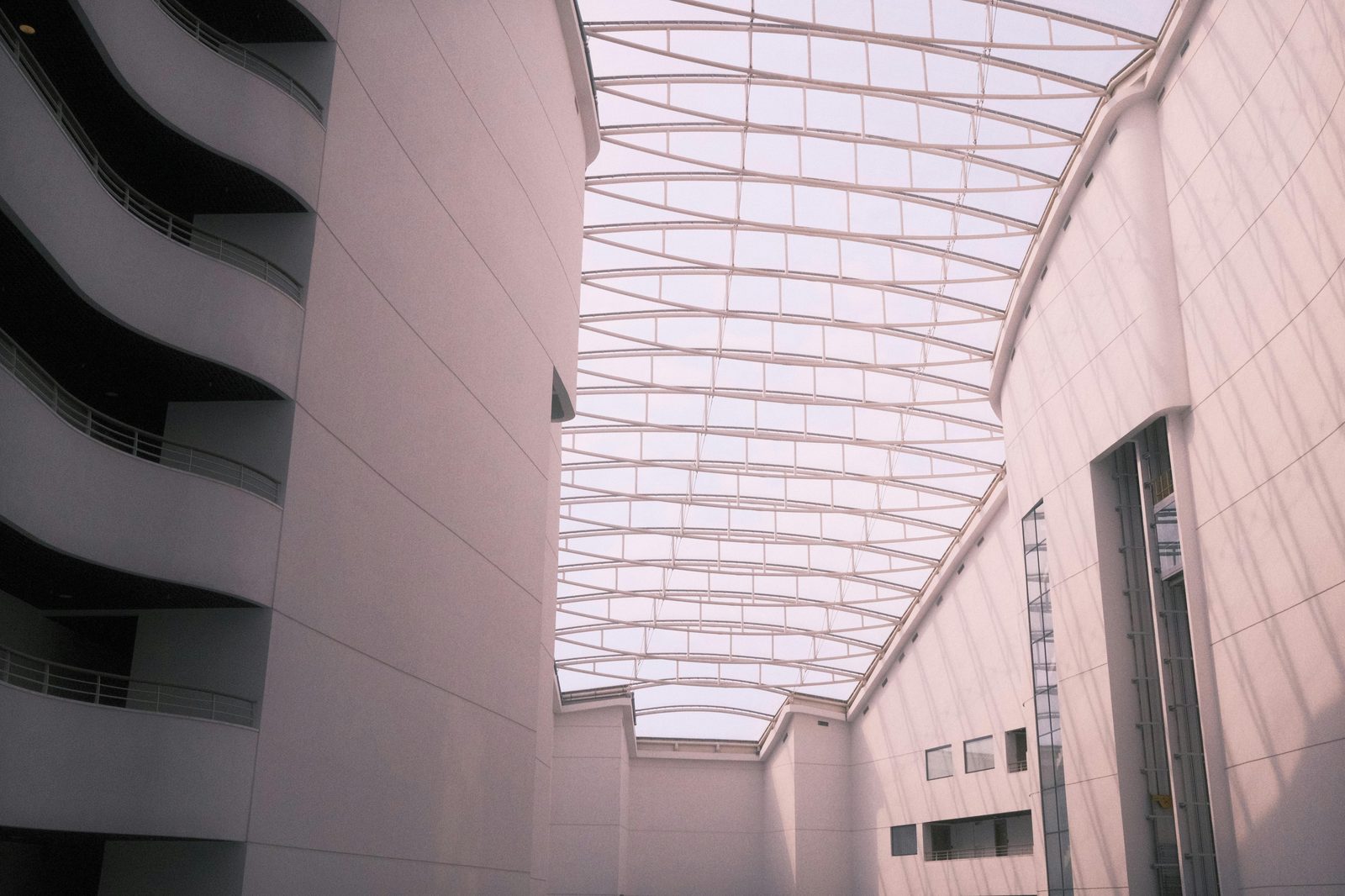
- Metro Gammel Strand (M3/M4): 4-minute walk south.
- From Tivoli / Central Station: 8-minute walk via H.C. Andersens Boulevard.
- From Christiansborg: 5-minute walk south-west across the Marble Bridge.
- From Nyhavn: 12-minute walk via Højbro Plads and Strøget.
- From the Round Tower: 8-minute walk south.
- By bus: Lines 9A, 11A and 23 stop within 200 metres.
See our Copenhagen transportation guide for Metro and bus tips.
How Much Time to Allow
| Visit type | Time |
|---|---|
| Highlights only (Sun Chariot, Egtved Girl, Vikings) | 1 hour |
| Standard visit (most permanent collections) | 2.5–3 hours |
| With Children’s Museum and lunch | Half-day (4 hours) |
| Complete coverage (all collections + special exhibition) | Full day (5–6 hours) |
Café and Practical Amenities
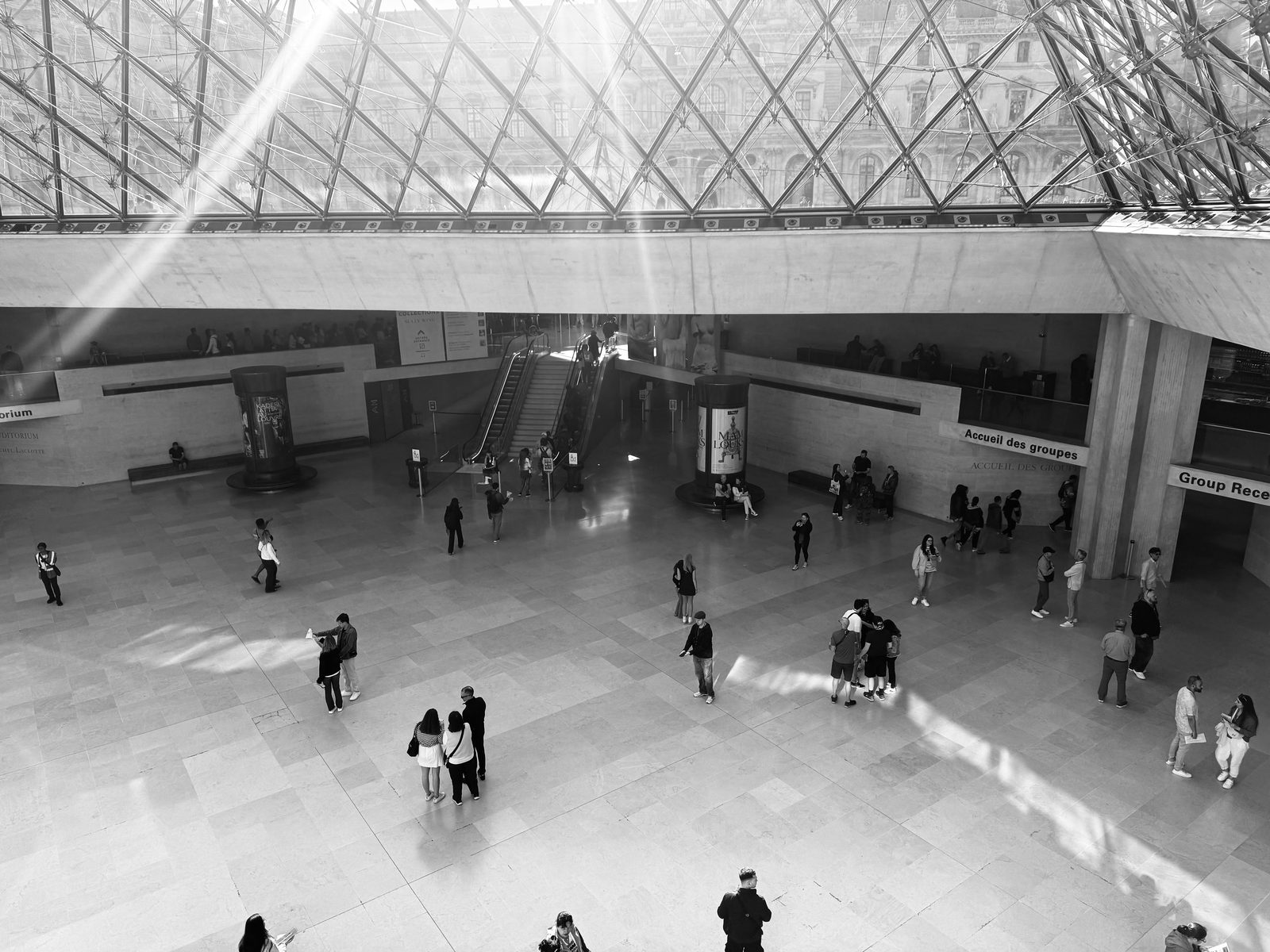
The National Museum has a good in-house café — Café Smag — in the central glass-roofed atrium on the ground floor. Smørrebrød, modern Danish lunches, sandwiches, hot drinks. 95–155 DKK per main; reasonable for central Copenhagen. Open during museum hours. The atrium itself (with café seating) is free to enter — you don’t need to visit the museum to use the café or the toilets, which is handy for a Tivoli-walking break.
Other amenities: free Wi-Fi throughout, free cloakroom (mandatory for backpacks > 30 cm), three baby-changing stations, free wheelchair loan at the entrance, lift access to all floors, museum shop with Danish-design gift items, free public toilets in the atrium.
Combining the National Museum with Other Sites
| Combination | Time | Why pair them |
|---|---|---|
| National Museum + Tivoli | Full day | 10-min walk apart; museum 10:00–14:00, Tivoli 14:00 onwards. |
| National Museum + Christiansborg Palace | Full day | Both indoor; 5-min walk apart. |
| National Museum + Royal Library (Black Diamond) | Half-day | Both on Slotsholmen edge; complementary themes. |
| National Museum + Glyptotek | Full day for art lovers | 10-min walk apart; pair antiquities with antiquities. |
| National Museum + Strøget shopping | Half-day | Museum morning, shopping afternoon. |
| Rainy-day plan: NM + Christiansborg + Glyptotek | Full day indoors | Three top museums, all sheltered. |
See our Copenhagen itinerary guide for more pairings.
Photography and Practical Tips
- Best time to visit: Tuesday–Thursday 10:00–12:00 — the quietest times. Saturdays and rainy days are busiest, especially during school holidays.
- Photography: Allowed throughout the permanent galleries, no flash. The Bronze Age and Viking galleries have particularly good lighting for hand-held shots.
- Audio guides: 30 DKK; in 8 languages. The free printed multi-language map is genuinely good and may be enough.
- Order to visit: Start with Prehistory (Sun Chariot, Egtved, Vikings) on the ground floor — these are the museum’s signature exhibits and you’ll want fresh attention. Save Modern History for last.
- Café break: The atrium café gets busy 12:30–13:30. Aim for an early or late lunch.
- Children: Visit the Children’s Museum after 90 minutes of regular galleries — kids are usually ready for a hands-on break.
- Cloakroom: Backpacks larger than 30cm must be checked. Free, secure.
- Accessibility: Lift access to all floors; wheelchair loan free at the entrance.
- Special exhibitions: Check nationalmuseet.dk before you go — current shows usually justify the 60–110 DKK extra fee for art and history fans.
National Museum of Denmark FAQs
Is the National Museum of Denmark free?
Yes — admission is completely free for everyone, including all permanent collections and the Children’s Museum. Special temporary exhibitions cost 60–110 DKK, free for under-18s, included with Copenhagen Card. The “free national museums” policy has been in place since 2006. It’s one of the highlights in our roundup of free things to do in Copenhagen.
How long do you need at the National Museum?
For the highlights (Sun Chariot, Egtved Girl, Vikings) — 1 hour. For a standard visit — 2.5–3 hours. For a complete visit including Children’s Museum and lunch — half-day (4 hours). Full coverage with a special exhibition — 5–6 hours.
Is the National Museum kid-friendly?
Yes — outstandingly so. The Children’s Museum on the second floor is one of Copenhagen’s best free family attractions, designed for ages 4–10 with hands-on Viking dress-up, kayak, hut-building, and more. The regular museum has plenty for kids 8+ — Vikings, Bronze Age, mummified bodies, runes. See our family guide to Copenhagen.
What’s the most famous exhibit at the National Museum of Denmark?
The Sun Chariot of Trundholm — a 60cm bronze sculpture of a horse pulling a sun-disc, dating from 1400 BC. Discovered in 1902 in a North Zealand bog. It is one of the most-reproduced Bronze Age artifacts in the world and the museum’s undisputed signature object. The Egtved Girl in her oak coffin is a close second.
Is photography allowed?
Yes — photography is allowed throughout the permanent collections, no flash. Special exhibitions sometimes restrict photography for copyright reasons; signs at the entrance to each special show indicate.
Can I bring food into the museum?
No — but the atrium café (Café Smag) serves smørrebrød, modern Danish lunches and good pastries at reasonable central-Copenhagen prices. Free public toilets and free Wi-Fi in the atrium. You can also leave the museum and return on the same day (just keep your sticker visible).
Is the National Museum wheelchair accessible?
Yes — fully. Lift access to all floors, wheelchair loan free at the entrance, accessible toilets in every wing, and the Children’s Museum is fully wheelchair-accessible. Most galleries have ample space; only a few small antiquarian rooms have narrow corridors that may be tight for the largest motorised chairs.
Is the National Museum better than Glyptotek?
They are complementary, not competitive. The National Museum covers cultural history (Vikings, Bronze Age, Danish Middle Ages, ethnography) and is FREE. The Ny Carlsberg Glyptotek covers fine art (Mediterranean antiquities, French Impressionists, Danish Golden Age painting) and costs 125 DKK. Visit the National Museum first if you have only one museum day; visit both if you have two.
Related Reading
- Rosenborg Castle — the Crown Jewels, the King’s Garden and how long to allow.
- The rain contingency — 30+ indoor options for the days the weather turns.
- The Little Mermaid statue — the story behind it, how to get there and when the crowds thin.
- Tivoli Gardens — 10-minute walk away.
- Christiansborg Palace — 5-minute walk; ideal museum-pairing.
- Round Tower (Rundetaarn) — 8-minute walk.
- What to sort out before you travel — including Copenhagen Card.
- Nyhavn — the coloured houses, the canal boats and when to go to avoid the crush.
- Best time to visit Copenhagen — including rainy-day museum days.
Final Thoughts: Is It Worth It?
The National Museum of Denmark is the best free indoor attraction in Copenhagen. The Sun Chariot of Trundholm and the Egtved Girl alone are worth the visit; add the Vikings, the medieval altarpieces, the ethnographic collections, and the genuinely brilliant Children’s Museum, and you have one of Northern Europe’s great cultural-history museums — all free, every day, in central Copenhagen. Allow 2.5 hours minimum, 4 hours if you have kids, a full day if you want to do justice to the special exhibition. Pair with Tivoli, Christiansborg, the Round Tower, or any of the other central Copenhagen attractions for one of the most rewarding days the city offers.
Last updated: July 2026. Opening hours and special-exhibition prices change — check nationalmuseet.dk before you go.