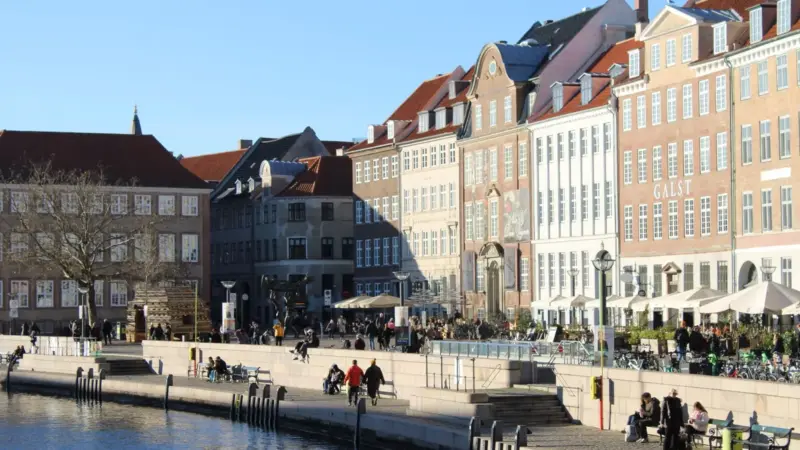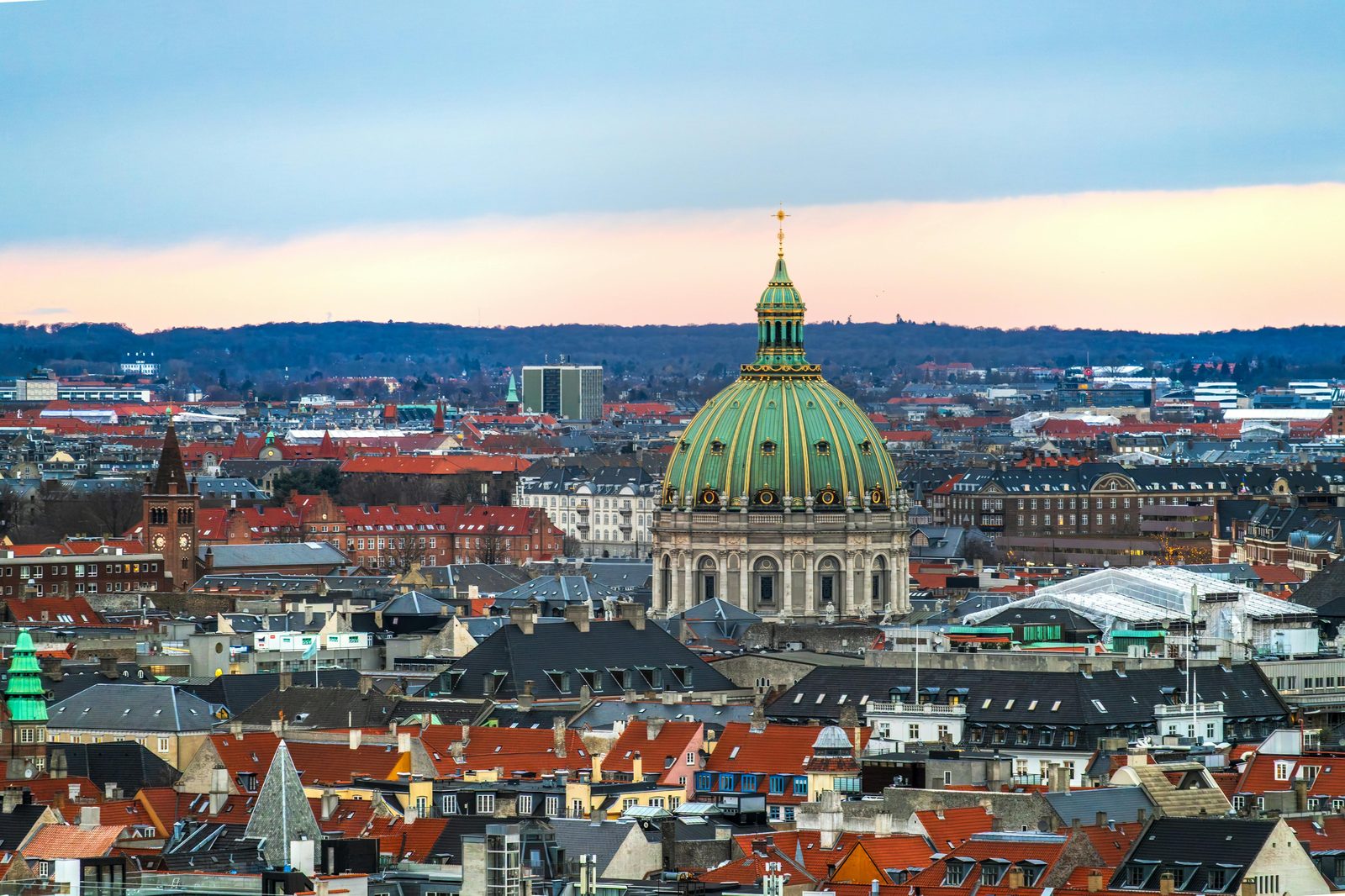
Copenhagen is one of the easiest cities in Europe to visit — but the smartest visits still start with a short list of Copenhagen travel tips. This 2026 guide collects the advice first-time visitors actually need: passport and ETIAS rules, how to get from Copenhagen Airport (CPH) to the city centre in 13 minutes, why you should bring a card instead of cash, how to cycle safely, and what to wear when Copenhagen weather turns (it will). Bookmark it, skim it on the plane, and treat it as your practical pre-trip checklist.
Everything below is based on current 2026 prices, official Danish sources (Visit Denmark, Copenhagen Airport, DOT, Rejseplanen), and the consolidated experience from the rest of this site. If you are still planning the shape of your trip, pair this guide with our guide to structuring your days, where to stay in Copenhagen and when to visit Copenhagen guides.
Some topics deserve their own deep dive. Each of these companion guides expands on a section below: visa requirements, currency and money, whether Copenhagen is safe, English and language, tipping etiquette, SIM cards and WiFi, plug type and voltage, and our LGBTQ+ Copenhagen guide.
Copenhagen Travel Tips at a Glance
| Topic | The one travel tip to remember |
|---|---|
| Passports | 6 months validity beyond your trip — US, UK, most non-EU visitors included |
| Visa / ETIAS | Schengen 90/180; ETIAS €20 required for visa-exempt visitors from mid-2026 |
| Currency | Danish krone (DKK). Bring a card with no foreign-transaction fees — not cash |
| Airport → city | M2 metro, 13 minutes, 36 DKK, runs 24/7 |
| Getting around | Walk the centre, cycle everywhere else. Bikes beat the metro for under 4 km |
| Language | 86% of Danes speak English fluently — no Danish needed |
| Tipping | Never mandatory. Rounding up or 10% at sit-down restaurants is generous |
| Weather | Pack a light waterproof year-round. Warmest month is July (avg high 21°C) |
| Safety | Very safe; pickpockets target Nyhavn, Strøget, Nørreport — keep bags in front |
| Emergencies | 112 for everything. 1813 for non-urgent medical help in Copenhagen |
Trip Planning: Passports, Visas and ETIAS
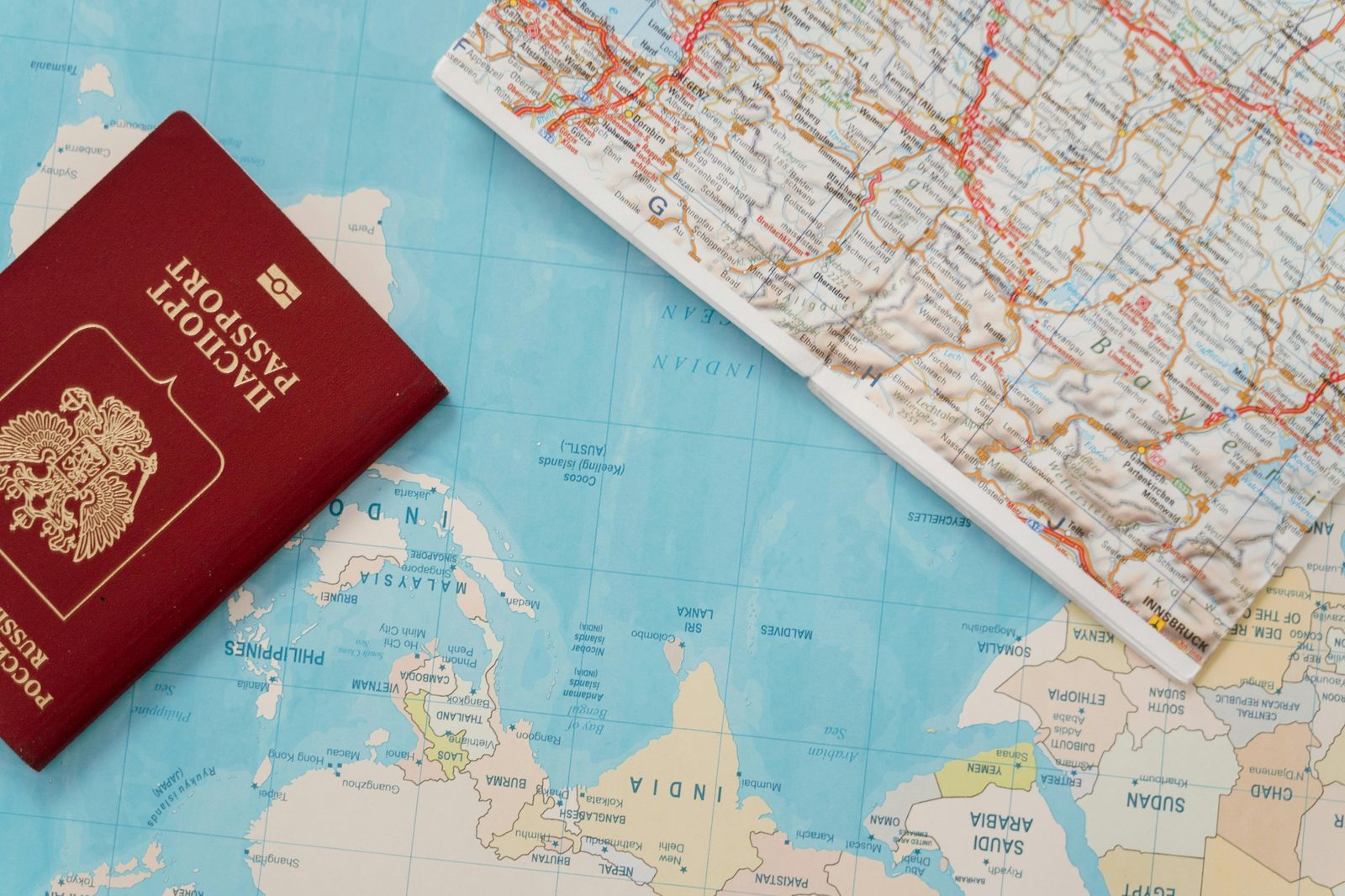
The first thing to sort out is the paperwork. Denmark is in the Schengen Area, so entry rules depend on your nationality. Get these sorted 3–6 months before you fly.
Passport Validity
Your passport must be valid for at least 3 months beyond your planned departure from the Schengen Area, and ideally 6 months. The passport must have been issued within the last 10 years. Check the issue date — passports issued before April 2016 with extra months added at renewal are not always accepted, even if technically still valid.
Visa Rules by Nationality
- EU/EEA/Swiss citizens: no passport needed (national ID card is enough) and no visa. Stay as long as you want.
- UK, US, Canadian, Australian, New Zealand, Japanese, South Korean citizens and 60+ other nationalities: visa-free for up to 90 days in any rolling 180-day period across the Schengen Area.
- Everyone else: apply for a Schengen short-stay (C) visa through the Danish embassy or consulate in your country. Apply 3–6 months ahead and budget €90 for the fee.
ETIAS from Mid-2026
The EU’s long-delayed ETIAS (European Travel Information and Authorisation System) is expected to launch in mid-2026. If your nationality is visa-exempt — UK, US, Canada, Australia, and around 60 others — you will need an approved ETIAS authorisation before boarding your flight to Denmark. It costs €20, is valid for 3 years or until your passport expires, and most applications are approved within minutes online. There will be a transitional grace period; check travel-europe.europa.eu/etias for the latest status before you travel.
The 90/180-Day Rule
Schengen’s 90/180 rule is the single most-misunderstood piece of European travel. It allows you a maximum of 90 days in the entire Schengen Area in any rolling 180-day window — not per country, not per year. If you have been elsewhere in Schengen in the last six months, those days count against your Copenhagen trip. Use the European Commission’s free Schengen calculator before you book long stays. For a full breakdown by nationality, see our Copenhagen visa requirements guide.
Booking Windows
For accommodation and Michelin-level restaurants, the best booking window is 8–12 weeks out for peak summer (mid-June to late August) and the Christmas markets (late November to 23 December). For shoulder seasons — April, May, September, early October — 4–6 weeks is usually enough. Flights from North America are cheapest roughly 6–8 weeks out, and from UK/Europe around 4 weeks out. Track prices on Google Flights or Skyscanner and set alerts.
For more on when to come, read our month-by-month seasonal guide.
Copenhagen Airport to City Centre: The 13-Minute Metro

Copenhagen Airport (CPH, Kastrup) is 8 km from the city centre. The single most useful thing to know about arriving is this: take the M2 metro. It is the fastest, cheapest, most reliable option — there is almost no reason to take a taxi.
M2 Metro (recommended)
- Station: the M2 platform is at the far end of Terminal 3, a 5–7-minute walk from baggage claim. Follow the orange ‘Metro’ signs.
- Journey time: 13 minutes to Kongens Nytorv (city centre), 15 minutes to Nørreport.
- Frequency: every 4–6 minutes during the day, every 15–20 minutes at night. Runs 24/7.
- Price: 36 DKK (about €4.85 / $5.30) for a 3-zone ticket. Buy at the kiosks on the platform or tap a contactless card.
- Tip: contactless credit cards and Apple/Google Pay now work on Copenhagen’s public transport — just tap the blue ‘Rejsekort’ sensors on the platform to check in and out.
Trains, Buses and Taxis
- Regional train (DSB): same price as the metro, 15 minutes to Copenhagen Central Station (København H). Good if your hotel is near Vesterbro or Central Station.
- Bus 5C: slowest option (35–50 minutes). Useful only if you’re staying in Nørrebro and hate luggage stairs.
- Taxi: 300–400 DKK (€40–55) flat, 20–30 minutes depending on traffic. Only worth it if you land between 00:30 and 05:00 with heavy luggage or mobility needs.
- Uber/Bolt: Uber does not operate in Denmark. Bolt does — expect fares similar to taxis.
Even at 2 am, take the metro. It runs 24 hours, the station is dry and warm, and the saving on a single airport transfer pays for a nice Copenhagen dinner.
Currency and Payments: Copenhagen is Cashless
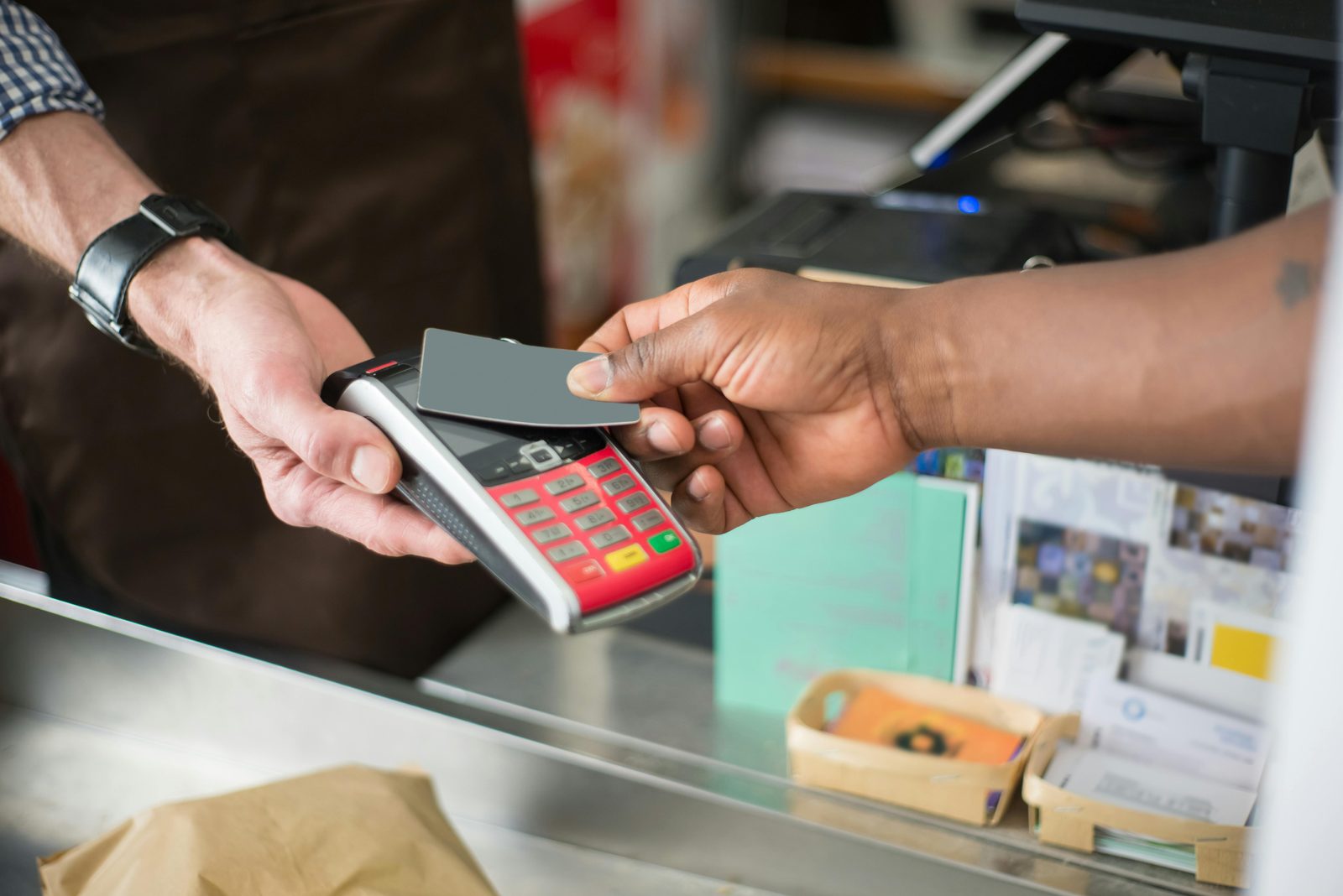
Denmark is one of the most cashless societies in the world, and this genuinely changes how you pack. Over 90% of Danes under 50 use their phone or a card for every purchase. Cash works — shops must accept it — but many bakeries, cafés, and museums have moved to card-only. Bring cards, not kroner — our Copenhagen currency and money tips guide goes deeper on ATMs, exchange rates and cards.
Which Cards Work
- Visa and Mastercard debit and credit cards work everywhere, including the smallest bakery and the ferry kiosk.
- American Express is accepted at mid-range and up restaurants, hotels and larger shops, but not always at small cafés.
- Apple Pay and Google Pay are ubiquitous — tap-and-go is the default payment style.
- Recommendation: bring a card with zero foreign-transaction fees. Chase Sapphire, Capital One, Wise, Revolut, Monzo, and Starling are common favourites. A 1.5% fee on a 7,000 DKK trip is 100 DKK wasted.
Should You Bring Cash?
No — at least not before you arrive. If you genuinely want some kroner for peace of mind (street musicians, a church donation box, a hot-dog cart), withdraw 200–500 DKK from any ATM once you’re in the city. ATMs at Nordea, Danske Bank and Jyske Bank machines don’t charge Danish fees, but your home bank might. Avoid airport currency exchange — rates are 8–12% worse than an ATM.
Tipping Etiquette
Tipping is never mandatory in Denmark. Service staff are paid properly and service charge is already included in menu prices. Rounding up a taxi fare or leaving 5–10% at a sit-down dinner is a generous gesture, not an expectation. No tipping is required at cafés, bars, hotels or taxis. Don’t let US-style tipping guilt override the local norm — Danes genuinely don’t expect it. For the full breakdown by situation, read our guide to tipping in Copenhagen.
Getting Around Copenhagen: Walk, Cycle, Metro — In That Order
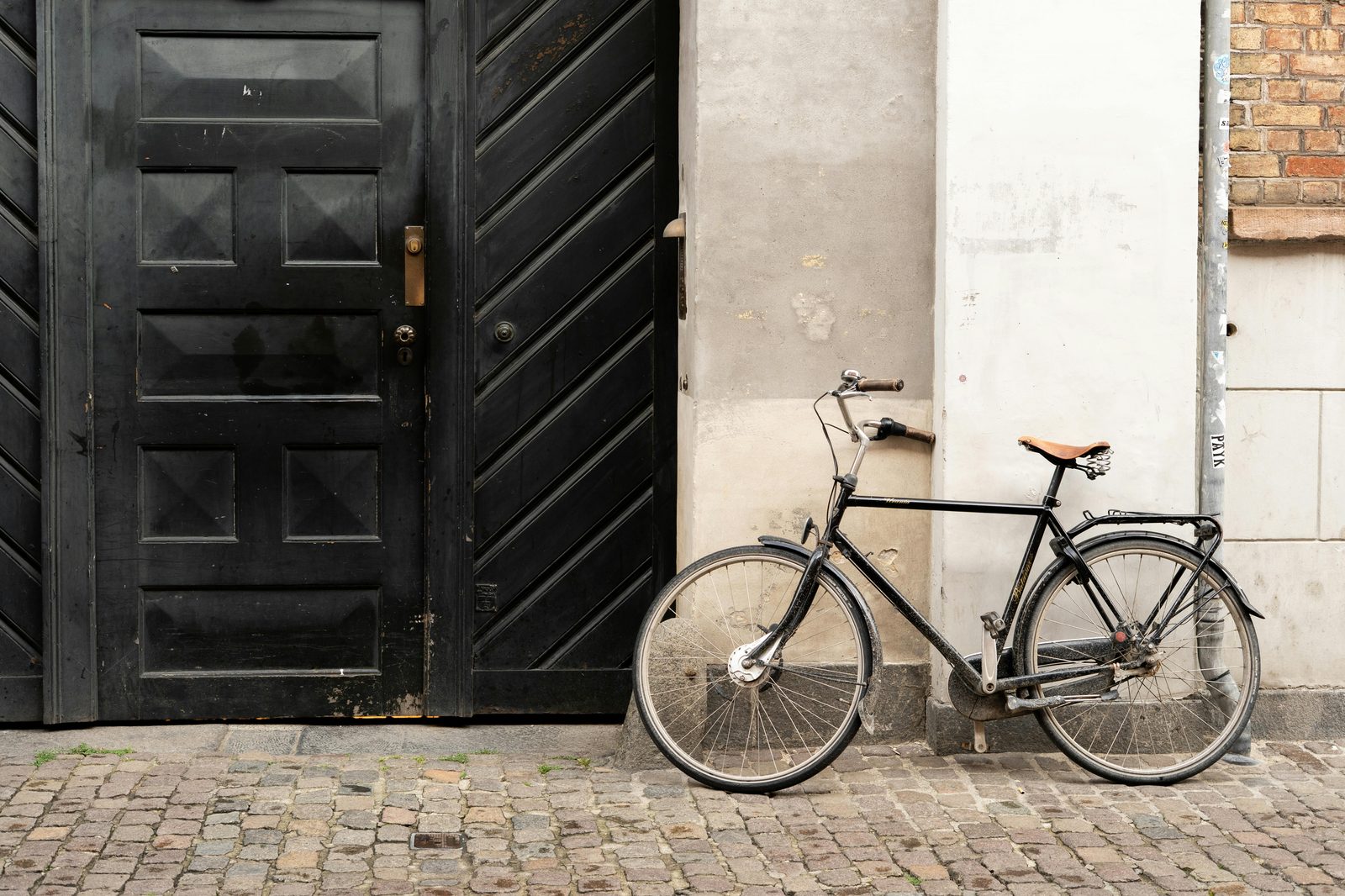
Copenhagen is so flat, compact and bike-friendly that the advice locals repeat most is simple: forget your Uber habits and get on a bike. Indre By (the old town) is walkable in 25 minutes end-to-end. For anything beyond that, a bike is faster than the metro and cheaper than a taxi.
Cycling in Copenhagen
There are five times as many bicycles as cars in Copenhagen and 400+ km of protected cycle lanes. Tourists ride safely every day, but the rules are strict and taken seriously:
- Stay in the bike lane (the red-asphalt strip to the right of the road).
- Hand-signal: right arm out to turn right, left arm out to turn left, hand raised when stopping. Danish cyclists signal every move.
- Lights are mandatory from dusk — all rentals come with them; switch them on.
- Helmets are not required by law but are a smart idea.
- Never cycle on the pedestrian pavement — a 1,000 DKK fine is standard.
- Never cycle on Strøget (pedestrian street) during the day.
Bike Rentals
| Service | Price (2026) | Best for |
|---|---|---|
| Donkey Republic | 35 DKK / hour, 139 DKK / day | App-based; pick up and drop off at street racks around the city |
| Bycyklen (GoBike) | 30 DKK / hour electric | Smart bikes with GPS screens; electric assist |
| Copenhagen Bicycles | 120 DKK / day classic, 240 DKK e-bike | Rental shop near Nyhavn; multi-day discounts |
| Hotel rentals | Often free for guests | Ask at check-in — many hotels in Copenhagen include bikes |
Metro, Bus and Harbour Bus
- Metro (M1–M4): driverless, 24/7, every 2–5 minutes at peak. M2 serves the airport. M3 (Cityringen) is a loop connecting the centre to Nørrebro, Østerbro and Frederiksberg — it is the single most useful line for tourists staying outside Indre By.
- Buses: dense network, ‘A-bus’ lines (1A, 2A, 5C…) run frequently. Less useful than metro + bike for most visitors.
- Harbour bus (havnebus) 991, 992, 993: cheap ferries across the harbour — use them as sightseeing and transport at the same time.
- S-train: commuter rail into the suburbs. Useful for Dyrehaven and Ishøj (amber museum).
Tickets and Travel Cards
- Single ticket: 2 zones 24 DKK, 3 zones 36 DKK. Valid on bus + metro + S-train.
- City Pass: 24h unlimited zones 1–4 = 80 DKK; 72h = 200 DKK. Best deal if you’re making 4+ trips a day.
- Copenhagen Card: includes all transport AND 80+ attractions — a top money-saving tip if you’re visiting multiple museums.
- Contactless: tap your credit card or phone on blue sensors at metro stations — the system calculates best daily price automatically.
See our full full guide to getting around Copenhagen for a deeper dive on zones, fares and the Copenhagen Card maths.
Weather and What to Pack

Copenhagen weather is the Copenhagen travel tip that surprises the most people. The city is at 55°N (further north than Edinburgh) with a maritime climate — the North Sea makes it milder than the latitude suggests, but also very wet and wind-exposed year-round. Pack for rain whenever you come.
Month-by-Month Snapshot
| Month | Avg high / low °C | Rain days | Daylight | Travel tip |
|---|---|---|---|---|
| January | 3 / -1 | 11 | 7h 30m | Heavy coat, thermals, no need for boots |
| February | 3 / -1 | 9 | 9h 40m | Same as Jan; bring gloves |
| March | 6 / 1 | 9 | 12h | Cold and windy; waterproof essential |
| April | 11 / 3 | 10 | 14h | Layers — can swing from 2°C to 18°C |
| May | 16 / 7 | 9 | 16h | Light jacket; T-shirt on warm days |
| June | 19 / 10 | 10 | 17h 30m | Long sleeves for evenings; sunscreen |
| July | 21 / 12 | 11 | 17h | Warmest month; light layers + waterproof |
| August | 21 / 12 | 11 | 15h 30m | Like July; humid before storms |
| September | 17 / 9 | 10 | 13h | Shoulder season; bring a warm jumper |
| October | 12 / 6 | 12 | 11h | Rain most days; waterproof shoes |
| November | 7 / 3 | 13 | 8h 30m | Warm coat; early darkness |
| December | 4 / 0 | 12 | 7h | Heavy coat, hat, gloves; market weather |
Packing Checklist (Year-Round)
- A light waterproof jacket with a hood (not an umbrella — it’s too windy)
- Walking shoes with grip — you’ll cover 10–20 km a day on cobbles and rain-slick pavement
- Layers: a T-shirt plus a merino or fleece mid-layer plus a jacket covers 4–21°C
- A warm hat and gloves for November–March (it is the wind, not the temperature, that bites)
- A small daypack that can hold your waterproof when the sun comes out
- A power bank — Copenhagen days are long, maps and transport apps drain phones
- A reusable water bottle — Copenhagen tap water is safe and excellent
- Sunglasses — low winter sun + wet streets = real glare
Winter Travel Tip
December Copenhagen travel tips always come back to one piece of advice: layer for wind, not temperature. The Baltic wind can make 2°C feel like -6°C. A merino base layer plus a warm mid-layer plus a waterproof shell beats a single thick coat. Hotel rooms, cafés, museums and the metro are kept very warm, so you will constantly take layers off indoors.
Language and Communication

Here is the most reassuring thing to know before you land: you do not need Danish. According to the 2024 EF English Proficiency Index, Denmark ranks in the global top three for English fluency — 86% of Danes report being able to hold a full conversation in English, and in Copenhagen it is closer to 95% of anyone under 50.
Useful Danish Phrases
- Hej (hi) — pronounced ‘hi’. Works as hello AND goodbye.
- Tak (thanks) — ‘tack’. The most useful word in Danish.
- Tusind tak (thanks a lot) — ‘too-sin tack’.
- Vær så god (here you go / you’re welcome) — ‘vehr-so-go’.
- Skål! (cheers) — ‘skoal’. Eye contact when you clink is important.
- Undskyld (excuse me / sorry) — ‘oon-skool’.
- Taler du engelsk? (do you speak English?) — only ask if someone looks hesitant.
Etiquette Tip
Don’t open every interaction with ‘Do you speak English?’ — it reads as slightly fussy in a country where everyone does. A simple ‘Hej!’ followed immediately by your question in English is the local rhythm. Danes are friendly but reserved; they appreciate directness and warmth without over-familiarity.
Signs, Menus and Apps
- Metro announcements are bilingual; station names on maps use Danish spelling (København, Nørreport, Kongens Nytorv).
- Restaurant menus at tourist-facing places are bilingual or English-only.
- Google Translate’s camera mode is excellent for Danish — useful for supermarket labels and hand-written café specials.
- Google Maps handles Danish addresses perfectly, but Rejseplanen (below) is better for real-time transport.
For the handful of Danish phrases actually worth memorising and a fuller picture of the language, see our guide to English in Copenhagen.
Danish Etiquette and Culture

Beneath the relaxed Nordic surface, Copenhagen runs on a quiet set of social rules. Understanding them makes your trip smoother and more enjoyable — these etiquette pointers are the ones seasoned visitors say they wish they’d known earlier.
Punctuality
Danes are punctual. ‘On time’ means at the stated minute, not 5 minutes after. If you have a restaurant reservation for 19:30, arriving at 19:35 is already late. For small-group experiences (Nyhavn canal tours, food tours, cooking classes) the guide may leave without you after 5 minutes. Build buffer into your transit.
Queueing and Personal Space
Copenhagen has formal queueing. Many bakeries, pharmacies and service counters use a numbered-ticket system — look for the red ‘Tag nummer’ (take a number) dispenser on entry. Pull one, wait for your number on the screen, and don’t skip the queue. Personal space is generous; standing too close or making loud small-talk with strangers reads as intrusive.
Volume
Cafés and restaurants in Copenhagen are quieter than their Southern European counterparts. Danes speak at a calm, conversational volume in public. You do not need to whisper, but American-loud or British-stag-party volume will get you dirty looks. On trains and the metro, phone calls on speaker are deeply frowned upon.
Drinking Culture
Denmark has Europe’s most relaxed public-drinking laws — you can legally have a beer in most parks, at the harbour, or on the street. The culture around it is far less relaxed. Public drunkenness before evening is rare outside tourists, and Danish drinking is social, not aggressive. Use eye contact on every ‘skål’ and don’t clink again until everyone has their drink.
Safety, Scams and Pickpockets
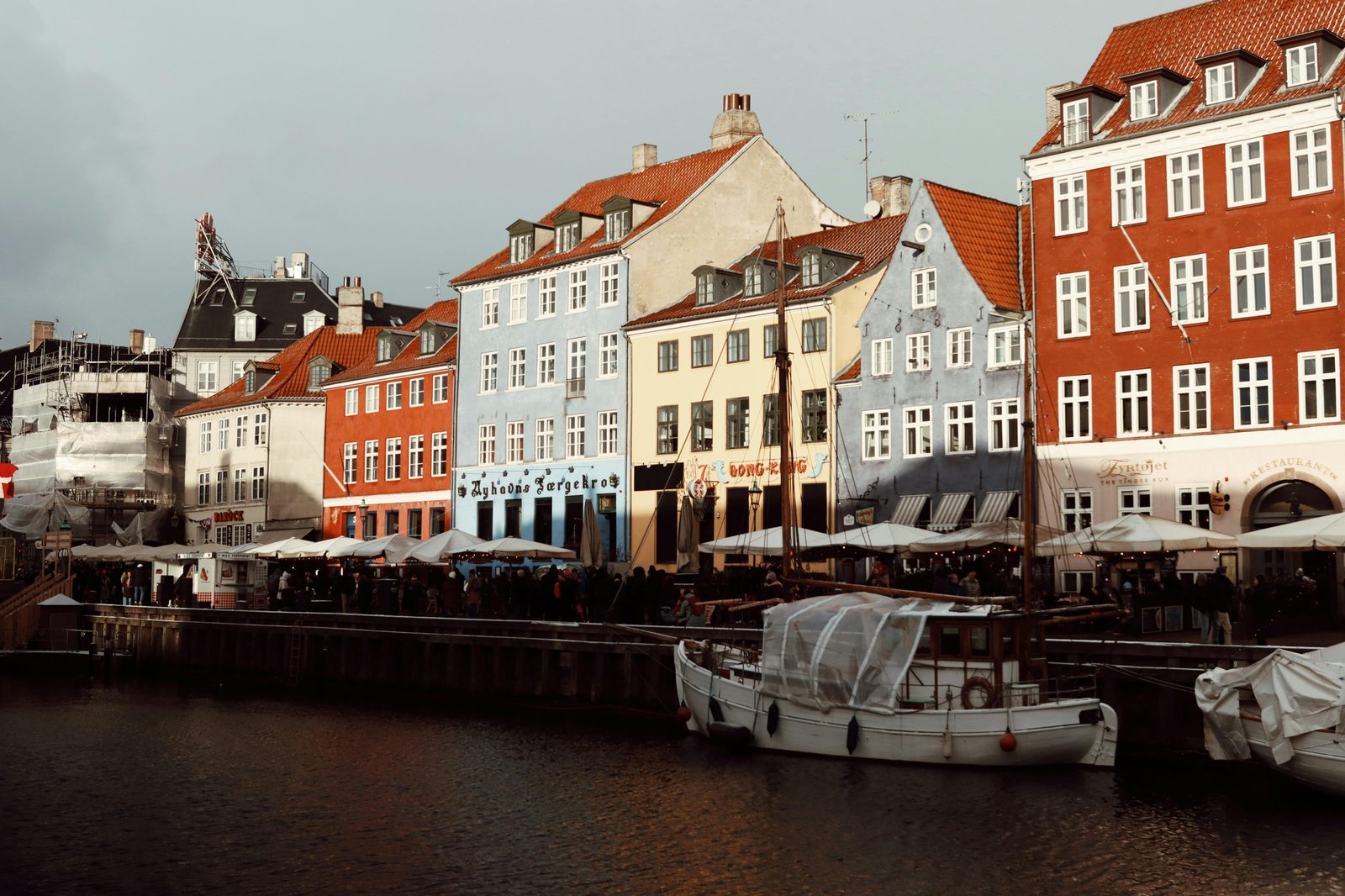
Copenhagen is consistently ranked among the five safest capitals in Europe. Violent crime against tourists is extremely rare and women travel solo here in large numbers without issue. Still, the safety section of any honest guide has to cover pickpockets — because the city has them, and they work the tourist hotspots. Our dedicated is Copenhagen safe guide covers neighbourhoods, scams and solo travel in more depth.
Pickpocket Hotspots
- Nyhavn: the colourful canal buildings are crowded in every season. Pickpockets work the waterfront benches and outdoor restaurant tables.
- Strøget: the pedestrianised shopping street. Watch your bag in busy shops (H&M, Illum, Magasin du Nord) and outside the ice-cream stands.
- Nørreport station: the busiest transport interchange in Scandinavia — concentrated targets on the metro platforms and in the tunnels.
- Tivoli entrance and queues: summer weekends and Halloween/Christmas openings.
- Little Mermaid viewpoint: coach groups create crowds in 10-minute bursts.
Practical Anti-Pickpocket Travel Tips
- Wear a cross-body bag zipped, carried at the front.
- Keep your phone and one card in an inside jacket pocket, not a back pocket.
- Never leave your phone on a café table or restaurant rail, even for a second.
- Split cash and cards — keep an emergency card separately in your hotel safe.
- If a stranger bumps into you or offers to help, step back and check your pockets. ‘Distraction’ is the most common technique.
Common Scams (Rare but Real)
- Petition scams: a clipboard-wielding person asks you to sign a petition for a disability charity, then demands a donation. Politely decline and walk on.
- Fake ‘police’ ID checks: anyone in plain clothes asking to see your passport or wallet is not real police. Danish police will be uniformed and will not demand cash.
- Restaurant up-sells at Nyhavn: not a scam, but menus are expensive at the tourist-facing restaurants. Expect to pay 25–40% more than at comparable restaurants two streets inland.
Is Copenhagen Safe at Night?
Yes — broadly very safe. Indre By, Vesterbro, Nørrebro and Christianshavn are fine to walk back to your hotel at 1–2 am. The only area most locals advise avoiding after midnight is the deep back-streets of outer Vesterbro around the main station. Christiania (the hippie ‘free town’ on Christianshavn) has complicated dynamics around the now-dismantled cannabis trade — visit during the day and stick to main paths. Don’t take photos in the market area.
Health, Pharmacies and Emergencies

One of the most important things to have on hand is knowing who to call when something goes wrong. Denmark has a single emergency number, a separate non-emergency medical line, and a handful of 24-hour pharmacies — memorising them takes 30 seconds and can save real stress.
Emergency Numbers
- 112 — all emergencies: police, ambulance, fire. English operators 24/7. Free from any phone, including no-SIM or locked-screen.
- 1813 — non-urgent medical help in the Capital Region (Copenhagen + suburbs). Call before going to A&E for anything non-critical — they’ll direct you to the right clinic. English-speaking.
- 114 — police non-emergency line.
- +45 33 13 44 11 — 24-hour dental emergency (Tandlægevagten).
24-Hour Pharmacies (Apoteker)
- Steno Apotek — Vesterbrogade 6C, directly opposite Copenhagen Central Station. 24/7, 365 days a year.
- Sønderbro Apotek — Amagerbrogade 158. 24/7 on Amager. Useful if you’re near the airport.
- Regular pharmacies open 09:00–17:30 weekdays, mornings only on Saturdays, closed Sundays. Look for the green cross sign.
Travel Insurance
EU/EEA visitors: bring your European Health Insurance Card (EHIC) or UK GHIC — hospitals treat you on the public system. Everyone else: travel insurance with at least €1 million medical cover is strongly recommended. Denmark’s private GP consult costs 500–1,500 DKK; an A&E visit without insurance can run into five figures. SafetyWing, World Nomads and Allianz all cover Denmark well.
Pharmacy Basics
- Paracetamol (Pamol), ibuprofen (Ibumetin) and basic cold/allergy meds are sold over the counter.
- Hand sanitiser, plasters and period products are in every supermarket.
- Bring your own prescription meds with the original packaging and a doctor’s note if controlled.
- Danish pharmacies can dispense emergency prescriptions from EU/EEA doctors on the spot.
Tap Water
Copenhagen tap water is cleaner and better-tasting than most bottled brands. Fill your reusable bottle from the hotel bathroom tap. The city even installed free public fountains at 19 spots (look for the ‘Vandhaner’ pins on Google Maps). Bottled water is 25–35 DKK at cafés — a pure tourist tax.
Eating and Drinking: Book in Advance
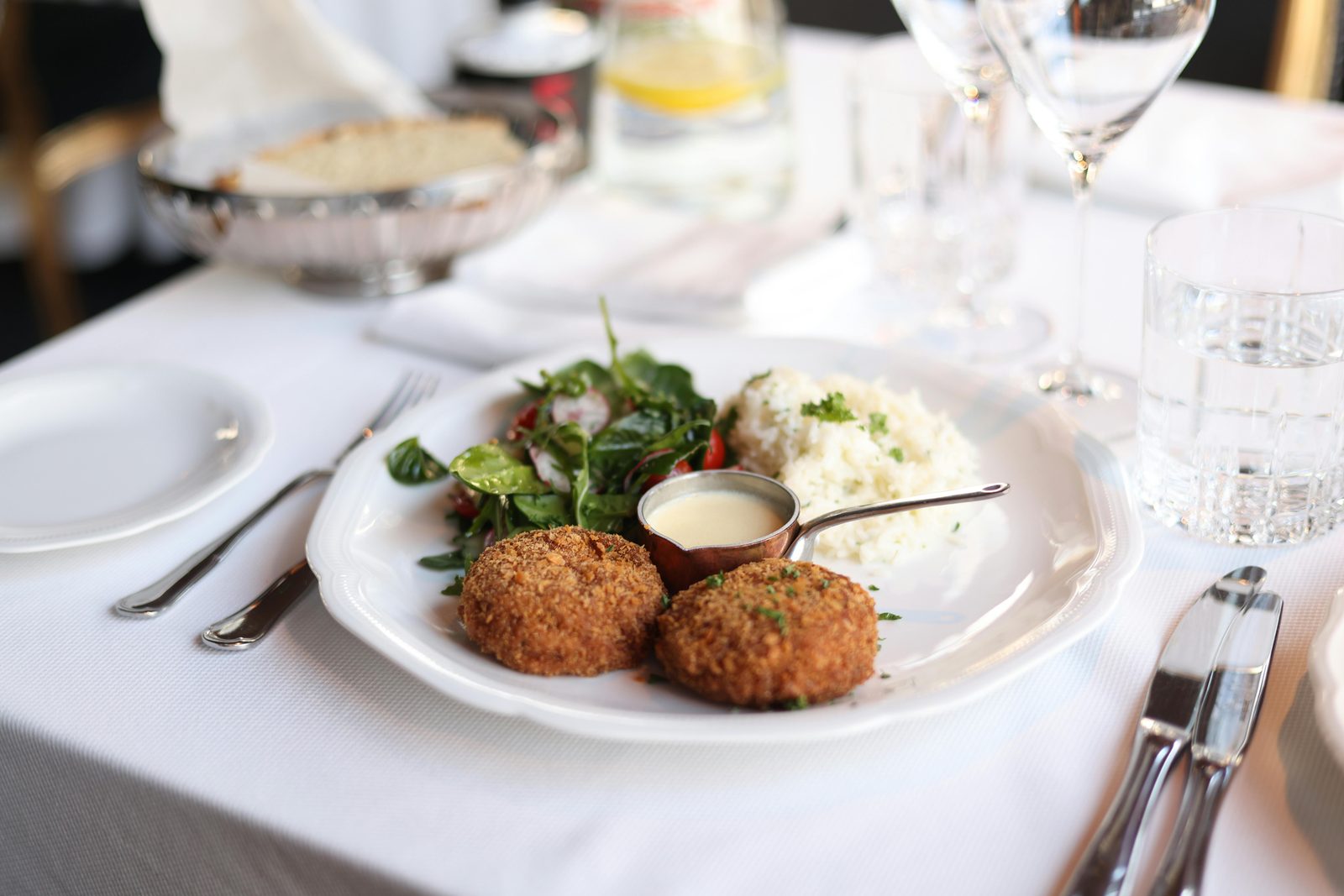
Copenhagen’s food scene punches far above its weight — 15+ Michelin stars, a Nordic-cuisine tradition that redefined modern European cooking, and world-leading bakeries. All of that popularity creates one consistent problem, and it is the single most important of the food-focused Copenhagen travel tips: book in advance.
Booking Windows
- Michelin-starred (Geranium, Alchemist, Jordnær, Koan): 2–3 months ahead. Geranium and Alchemist release slots on the 1st of each month, 90 days out, and sell out in 30–60 minutes.
- New Nordic mid-high (Kadeau, Barr, Amass, Iluka): 4–8 weeks ahead for weekends, 2–3 weeks for Tuesday–Thursday.
- Neighbourhood dining (Kødbyens Fiskebar, Manfreds, Bæst, Slurp Ramen, Pluto): 1–2 weeks ahead for Friday/Saturday, a few days for early-week.
- Cafés and casual lunch: no booking needed except for Reffen weekends (12:00–14:00 is busy).
Money-Saving Food Travel Tips
- Lunch at dinner restaurants: many high-end places serve 2-course set lunches for 300–500 DKK — half the price of the same kitchen at dinner. Kadeau, Barr and Studio all do this.
- Smørrebrød at classic lunch cellars: Schønnemann, Aamanns and Restaurant Kronborg serve traditional open sandwiches for 90–180 DKK each — a proper meal is two sandwiches plus a beer.
- Bakeries: breakfast is 40–60 DKK for a cardamom bun plus coffee. Juno the Bakery, Hart Bageri, Andersen & Maillard, and Mirabelle are the four to know.
- Reffen and Broens Gadekøkken: street-food halls — 80–150 DKK for a filling plate, open-air harbour seating.
- Supermarket picnic: Netto, Rema 1000 and Irma sell rye bread, smoked salmon, cheese and berries for a proper Danish picnic at 100 DKK per person.
Dining Tips Specific to Denmark
- Water is free and delicious — ask for ‘postevand’ (tap water) to avoid paying for bottled.
- Danish portions are generous; skip the starter and share dessert unless you’re at a tasting menu.
- Most restaurants close between 14:30 and 17:30. Plan late lunch or early dinner accordingly.
- Michelin-starred tastings typically run 3–4 hours — build nothing into the evening after.
- Vegetarian and vegan options are excellent and explicit on menus. Gluten-free is widely understood.
Our complete guide to the city’s food scene covers the best restaurants, cafés and bakeries in detail.
Money-Saving Copenhagen Travel Tips

Copenhagen is expensive — roughly on a par with Oslo or Zurich, and dearer than London on food and drink. But a careful traveller can cut daily costs by 30–40% without cutting joy. These are the money-saving Copenhagen travel tips locals actually use.
Do the Copenhagen Card Maths
The Copenhagen Card bundles public transport and 80+ attractions (Tivoli, Rosenborg Castle, National Museum, Christiansborg, Round Tower, canal tour, and more). 24 hours = 479 DKK, 48h = 729 DKK, 72h = 879 DKK, 120h = 1,239 DKK. The break-even is roughly three paid attractions plus city transport per day — easy for 48h+ first-time visitors. Skip it if you plan a slower trip of cafés, walks and one museum a day.
Free Museum Days
- National Museum of Denmark: always free.
- Statens Museum for Kunst (SMK): free permanent collection.
- Thorvaldsen’s Museum: free on Wednesdays.
- David Collection: always free; the best Islamic art collection in Scandinavia.
- Nikolaj Kunsthal: free on Wednesdays.
- Ny Carlsberg Glyptotek: free on Tuesdays.
Everyday Saving Travel Tips
- Eat your main meal at lunch — set menus at dinner restaurants are often half-price.
- Drink tap water; bottled water is 25–35 DKK a glass.
- Buy alcohol at Netto, Føtex or Irma supermarkets — beer 8–12 DKK vs. 65–90 DKK at a bar.
- Rent a bike instead of buying metro tickets — 139 DKK/day Donkey Republic beats 80 DKK daily metro if you make 3+ trips.
- Stay in Nørrebro or Vesterbro for 25–40% cheaper hotel rates than Indre By.
- Use the free harbour baths in summer (Islands Brygge, Sluseholmen, Sandkaj) instead of paid pools.
- Walk Strøget and Nyhavn — the free tourist spine of Copenhagen — and save museum spending for bad-weather days.
Essential Apps to Download Before You Go
The last category worth prepping is the apps that make the city dramatically easier to navigate. Install these before you fly — most work on Danish wifi and don’t need a local SIM.
- Rejseplanen — the official Danish transport planner. Accurate to the minute for metro, bus, S-train, regional rail and buses. English interface.
- DOT Mobilbilletter — buy single and multi-day Copenhagen transport tickets straight on your phone. Cheaper than paper.
- DSB — national rail app for tickets to Roskilde, Odense, Aarhus, and beyond. Great for day trips.
- Donkey Republic — bike rental booking and unlocking.
- Voi or Tier — e-scooters, if you prefer them to bikes (Copenhagen has removed most Lime scooters).
- Google Maps — works perfectly in Copenhagen including cycling directions, which other maps don’t always do well.
- Too Good To Go — Danish-born app selling surplus food from bakeries and restaurants at 30–70% off in the final hour. Best pastry hack in town.
- MobilePay — only works with a Danish bank, so skip if you’re short-term. Tourists use Apple Pay / Google Pay instead.
- Google Translate — camera mode is surprisingly excellent for Danish menus and supermarket labels.
SIM Cards, eSIM and Wi-Fi
EU/EEA visitors — no action needed. Your domestic plan works on ‘roam like at home’ with no extra charge. UK visitors post-Brexit — check your plan; EE, Three and Vodafone often charge £2/day.
eSIM Tips
For everyone else, an eSIM is the easiest solution. Airalo, Holafly and Saily all sell Denmark-specific or Europe-wide eSIMs: around $5 for 1 GB / 7 days, $20 for 10 GB / 30 days. Install before you arrive, activate on landing. If your phone doesn’t support eSIM, a physical Lebara or Lycamobile SIM from 7-Eleven at the airport costs 99–149 DKK with 10+ GB.
Public Wi-Fi
- Copenhagen Airport: free 2-hour wi-fi, repeatable.
- Copenhagen Central Station, Tivoli, Nyhavn and many harbour squares have free city wi-fi.
- Most cafés, hotels and restaurants offer free wi-fi — ask at the counter for the password.
- Metro and most buses do not have wi-fi. Download Rejseplanen maps for offline use.
Need help choosing between an eSIM, a prepaid SIM and roaming? Our Copenhagen SIM card and WiFi guide compares the options and coverage.
Last-Minute Copenhagen Travel Tips
Don’t Exchange Currency at the Airport
Airport exchange booths quote rates 8–12% worse than an ATM. If you arrived with euros by mistake, just use them nowhere — tap your card everywhere instead.
The Little Mermaid Will Disappoint
Every first-time-visitor guide has to say this kindly: the Little Mermaid is 1.25 metres tall, 100+ years old, and surrounded by coach tourists. See it on a walk along the harbour and carry on. Don’t plan your day around it.
Pack Walking Shoes with Grip
Copenhagen is cobbled and, on average, wet 115 days a year. Smooth-soled fashion trainers slide on wet granite. Proper walking shoes or lugged sneakers pay off on day one.
Buy Museum Tickets Online
Tivoli, Rosenborg, Christiansborg and the Round Tower all sell timed tickets online for the same price with skip-the-line entry. Saves 20–40 minutes in peak season.
Christiania Rules (If You Visit)
No photos in the Pusher Street area. Stick to the outer paths. Ask before taking anyone’s picture. Don’t buy anything illegal — the cannabis trade has been officially shut down since 2024 and police checks are more frequent than ever.
Sunday Closures
Most regular shops close early (15:00–17:00) or entirely on Sundays. Supermarkets and tourist-area shops are open. Plan shopping for Saturday, museum-hopping for Sunday.
Bring a Reusable Bottle
Tap water is excellent. Bottled water is a rip-off. A reusable bottle saves 30–50 DKK a day and cuts plastic from your trip.
Frequently Asked Copenhagen Travel Tips
Do I need to speak Danish to visit Copenhagen?
No. 86% of Danes speak English fluently, and in Copenhagen that rises to roughly 95% of anyone under 50. Menus, signs, ticket machines, and tourist information are all bilingual. Learning ‘tak’ (thanks), ‘skål’ (cheers) and ‘hej’ (hi/bye) is appreciated but never required.
Is Copenhagen expensive?
Yes. Expect to spend €130–180 per person per day for a mid-range trip — hotel in Vesterbro or Nørrebro, a bakery breakfast, a casual lunch, transport, a museum, and a mid-range dinner. Budget travellers can hit €80–100 with hostels, supermarket lunches and bike-only transport. Luxury travel easily exceeds €400 per person per day.
What’s the best currency to bring to Copenhagen?
None. Denmark uses the Danish krone (DKK), not the euro. But the most useful of all Copenhagen travel tips about money is: don’t bring cash. Bring a contactless Visa or Mastercard with no foreign-transaction fees and tap your way around the city. If you need a little cash for a hot-dog cart or church donation, withdraw 200–500 DKK from an ATM after you arrive.
How much should I tip in Copenhagen?
Nothing is required. Service is included by law in menu prices and staff are paid a living wage. Rounding a taxi fare up to the next 10 DKK or leaving 5–10% at a sit-down dinner is genuinely generous. No tipping at cafés, bars, fast food, or hotels.
Is Copenhagen safe for solo female travellers?
Yes — consistently rated among the five safest European capitals for solo women. Walk alone at night, take public transport late, eat out on your own; all are normal and safe. Apply the same pickpocket precautions as anyone else and the rest takes care of itself.
Do I need a Copenhagen Card?
Only if you’re visiting three or more paid attractions per day and using public transport. Run the maths against the itinerary you actually plan to do. For a 48–72h packed first-time trip, it usually saves money. For a slow café-and-walk trip, it doesn’t.
How many days do I need in Copenhagen?
Three full days is the sweet spot for first-time visitors — enough for Indre By, one neighbourhood (Vesterbro or Nørrebro), a bakery crawl, Tivoli, and one day trip. Four days adds Malmö or Louisiana. Five days lets you see Roskilde and Kronborg. Our Copenhagen itinerary has worked-up plans for 1–7 days.
What’s the one Copenhagen travel tip every first-time visitor forgets?
Bring a light waterproof. Copenhagen weather changes fast even in July, and an umbrella is useless in the harbour wind. Every local owns a rain shell and every tourist who doesn’t regrets it within 48 hours.
Related Copenhagen Travel Guides
These Copenhagen travel tips are the starting point — now pick what to actually do. Pair this guide with our destination-specific planning resources for a complete, stress-free trip:
Most of the friction visitors feel in Copenhagen is social rather than practical: the bike lane you are standing in, the red light everyone else is waiting at, the dinner you arrived ten minutes early for. Our guide to Danish etiquette and customs sets out the eighteen rules that matter most.
A few words of Danish go a long way, not because you need them but because nobody expects them. Our guide to Danish phrases for travellers picks the forty that matter, with pronunciation written for English speakers.
- Things to Do in Copenhagen — 40+ attractions ranked for first-time and repeat visits
- Where to Stay in Copenhagen — neighbourhoods, hotels, apartments and hostels
- Best Food in Copenhagen — Michelin, New Nordic, bakeries and cheap eats
- Copenhagen Transportation — metro, bikes, buses, Copenhagen Card
- How the city’s districts differ — Indre By, Vesterbro, Nørrebro, Christianshavn and more
- Timing your visit — month-by-month weather, crowds and prices
- Copenhagen Itinerary — 1, 2, 3, 4, 5 and 7-day plans
- Copenhagen with Kids — family-focused travel guide
- Excursions from the capital — 12 best excursions for 2026
Last updated: July 2026. Prices, opening hours and entry rules (Schengen, ETIAS, visa) change — always confirm the latest official information before you travel.