It’s a small thing that can ruin a morning: you arrive in Copenhagen, go to charge your phone, and your plug doesn’t fit the wall — or worse, you plug in your hair straightener and fry it. A two-minute read now saves that headache. Here’s everything you need to know about the Copenhagen plug type and voltage, including the one detail that trips up even European travellers and that most guides get wrong.
The essentials: Denmark uses the distinctive “smiley face” Type K socket, runs on 230 volts at 50Hz, and whether you need an adapter (and possibly a voltage converter) depends on where you’re coming from. Let me make it simple with a by-country table and a 10-second self-check.
The quick answer
- Plug/socket: Type K (three round pins; the “smiley face” outlet).
- Voltage: 230V, 50Hz.
- US/Canada/Japan: Need a plug adapter and must check voltage (230V vs your 110–120V).
- UK, Australia/NZ: Need a plug adapter; voltage is already compatible.
- Most of Europe: Your Type C plug fits fine; no adapter or converter needed.
The Danish socket: Type K
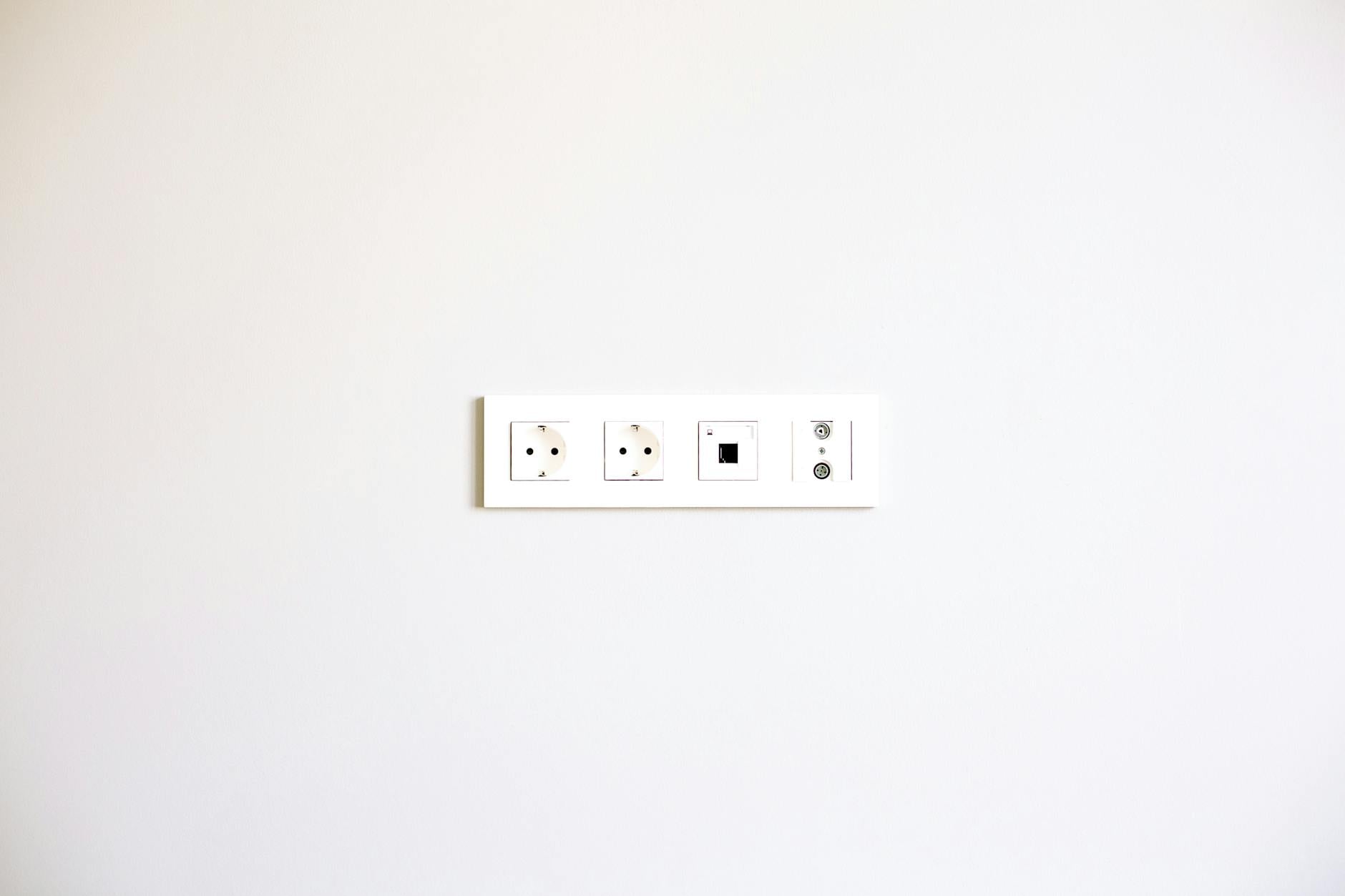
Denmark’s standard outlet is Type K — three round holes arranged so the socket looks like a little smiling face. It’s a grounded design rated for 230 volts. You’ll see these in every hotel room, café and home across Copenhagen. The good news is that the most common European plug slots right in (more on that next), so for many visitors there’s nothing to buy.
What fits a Danish socket (and what only seems to)
This is the bit that confuses people, so let me be precise:
- Type C (the standard two-round-pin “europlug”) fits a Danish Type K socket perfectly and safely. If your charger has a Type C plug, you’re good with no adapter.
- Type E / Type F (Schuko) plugs — common in Germany, France, Spain and much of Europe — will physically fit into a Danish socket, but here’s the catch: they don’t make a proper earth (ground) connection. Type K grounds via a little pin sticking out of the socket, while Schuko plugs ground via side clips, so the two systems don’t mate for grounding. For double-insulated devices like phone and laptop chargers this is harmless in practice. But for grounded appliances it’s a genuine safety issue, and the correct fix is a small Type F-to-K adapter that restores the earth connection.
So if you’re European with a standard two-pin charger, plug away. If you’ve got chunky earthed European plugs and grounded appliances, grab a cheap F-to-K adapter to be safe.
What you need, by country
| Your home region | Plug | Home voltage | Adapter? | Converter? |
|---|---|---|---|---|
| USA / Canada | A/B | 120V | Yes (Type K) | Only for single-voltage devices |
| UK / Ireland | G | 230V | Yes (Type K) | No |
| Most of Europe | C / E / F | 230V | C: no. E/F: use F→K for grounded items | No |
| Australia / NZ | I | 230–240V | Yes (Type K) | No |
| Japan | A/B | 100V | Yes (Type K) | Only for single-voltage devices |
The 10-second dual-voltage check
Voltage matters most for travellers from 110–120V countries (the US, Canada, Japan). Denmark’s 230V can destroy a device built only for 120V. The good news: most modern electronics are dual-voltage and handle both. To check, read the small print on the charger brick or device label:
- “INPUT: 100–240V, 50/60Hz” = dual voltage. You only need a plug adapter.
- “INPUT: 120V” (single) = you need a voltage converter, or it’ll be damaged.
Phones, laptops, tablets and camera chargers are virtually always 100–240V, so a simple adapter is all you need for those.
The hair-tool warning
Here’s where people get burned (sometimes literally). Many hair dryers, straighteners and curling irons — especially North American ones — are single-voltage 120V. Plug one of those into a 230V Danish socket with just an adapter and you’ll fry it or worse. Either bring a proper voltage converter, buy a dual-voltage travel version, or simply use the hair dryer your hotel provides (nearly all Copenhagen hotels supply one). Honestly, leaving the straightener at home and using the hotel’s dryer is the easiest path.
The modern solution: USB-C and GaN chargers
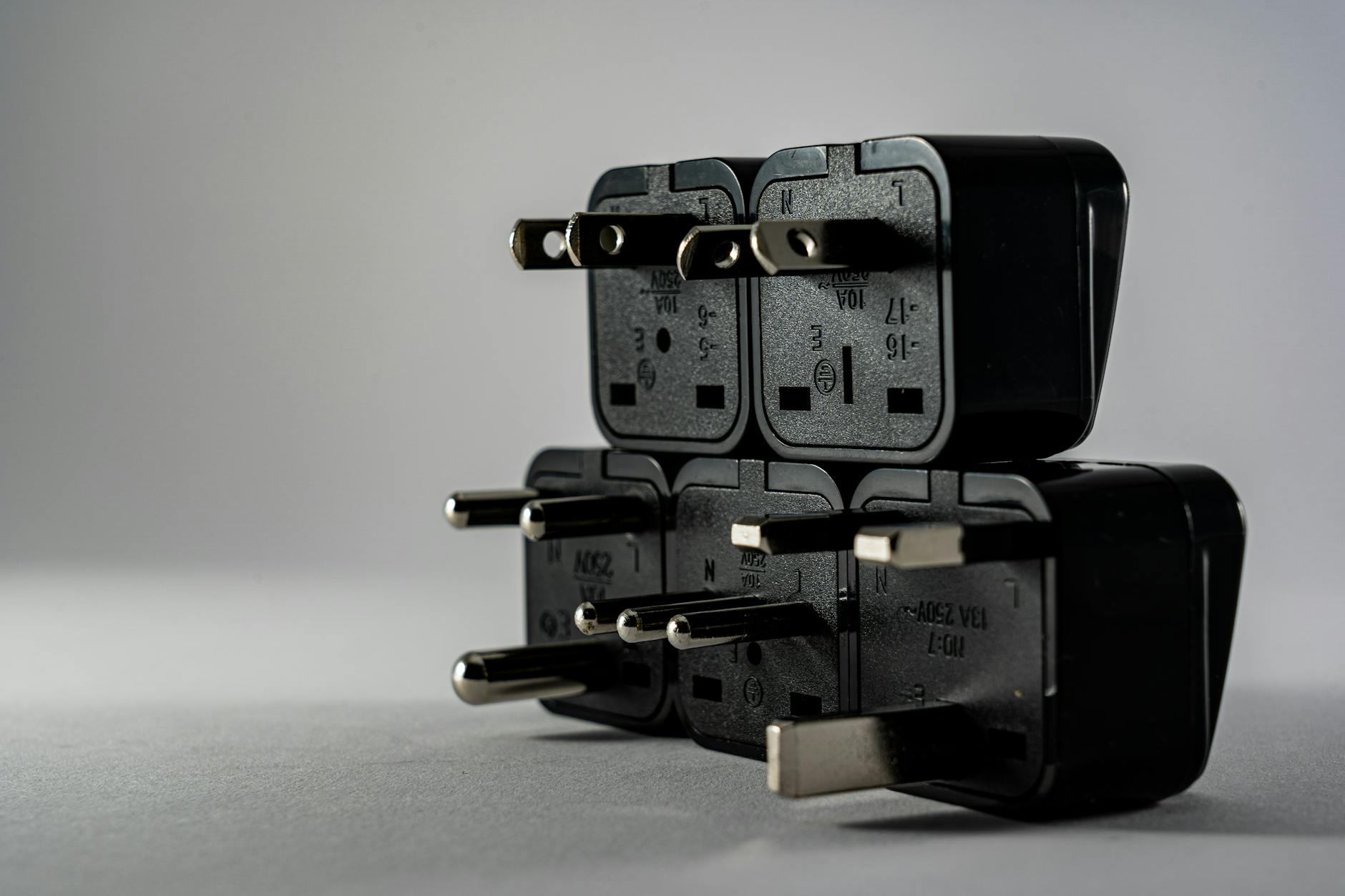
My favourite low-stress setup: a compact GaN multi-port USB-C charger (they’re all 100–240V dual-voltage) paired with a single Type K/C plug adapter. That charges a phone, laptop and earbuds at once from one outlet, and USB charging never cares about voltage. Many travel adapters now also have built-in USB-A and USB-C ports, which means you may not need to bring your bulky chargers at all. For what else to pack, see my Copenhagen packing guide.
Buying adapters and hotel outlets
Buy your adapter before you travel — it’s cheaper and you won’t be caught short on night one. A universal/European travel adapter (around £5–£20) covers Denmark’s Type K plus most other countries. If you forget, you can pick one up in Copenhagen at electronics and department stores (Elgiganten, Bilka, Føtex) or, at a premium, at the airport. As for hotels: rooms have standard Type C/K outlets, hair dryers are almost always provided, and mid- to upper-tier hotels increasingly include USB ports at the bedside or desk — though don’t rely on it, bring your own.
The bottom line
Three steps and you’re sorted: (1) check your charger’s INPUT label for “100–240V,” (2) find your country in the table above, and (3) buy the right adapter before you go (and a converter only if you’re bringing single-voltage hair tools). For everything else to prepare, see the full rundown of practical planning advice, and sort your data with my Copenhagen SIM and WiFi guide.
Adapter vs voltage converter: the difference that matters
These two get muddled constantly, and mixing them up is how devices die — so let’s be crystal clear. A plug adapter only changes the shape of your plug so it physically fits a Danish Type K socket. It does nothing to the electricity. A voltage converter actually changes the power from Denmark’s 230V down to the 110–120V that some devices need. So: a traveller from a 230V country (UK, Australia) only ever needs an adapter. A traveller from a 120V country (US, Canada, Japan) needs an adapter and, for any device that isn’t dual-voltage, a converter. The catch is that converters are bulky, limited in wattage, and a hassle — which is why the smart move is usually to travel only with dual-voltage gear and skip the converter entirely.
Device by device: what’s safe with just an adapter
Here’s the practical breakdown for a 120V-country traveller:
- Phone, tablet, laptop, camera and earbud chargers: almost always dual-voltage (check for “100–240V”) — adapter only, totally safe.
- Most modern shavers and electric toothbrushes: usually dual-voltage — adapter only, but check the label.
- Hair dryers, straighteners, curling irons: frequently single-voltage 120V — these are the danger items. Either bring a dual-voltage travel model, a converter, or just use the hotel’s hair dryer.
- Travel kettles, irons, high-wattage appliances: rarely worth bringing; if single-voltage they’ll need a heavy converter most travel kits can’t handle.
When in doubt, read the label: “100–240V” means go ahead with an adapter; “120V” alone means stop and rethink.
How to choose and buy a travel adapter
For Denmark specifically you need a Type K-compatible adapter, but the easiest buy is a universal travel adapter that covers Type K plus the rest of the world — handy if your trip continues elsewhere. Look for one with built-in USB-A and USB-C ports, which lets you charge phones and tablets directly without your own bricks. Buy it before you travel (online or any electronics shop) so you’re not stuck on arrival night; expect to pay roughly £5–£20. If you forget, you can grab one in Copenhagen at electronics and big-box stores (Elgiganten, Bilka, Føtex) or, pricier, at the airport.
Charging several devices at once
Most of us travel with a phone, a laptop, earbuds and maybe a camera or watch — and hotel rooms never seem to have enough accessible sockets. Two neat solutions: a GaN multi-port USB-C charger (compact, dual-voltage, charges several devices from one outlet via one adapter), or a small travel power strip — plug the strip’s single home-plug into one Danish adapter, and power everything from your home-country plugs and its USB ports. Either approach means you only need one Type K adapter for your whole kit, which is the single best space-saver for tech-heavy travellers.
If you’re travelling on to other countries
Denmark’s Type K is slightly unusual, but its sockets accept the standard Type C europlug, so an adapter bought for “Europe” generally works here too. If your itinerary includes the UK (Type G), Switzerland (Type J) or Italy (Type L), those differ — so a universal adapter earns its keep on a multi-country trip. Within the Nordics and most of continental Europe, though, a single europlug-style or universal adapter will cover you, including Denmark. Just remember the grounding nuance from earlier: chunky earthed Schuko plugs fit Danish sockets but don’t ground, so use a proper Type-K-grounding adapter for any earthed appliance.
What to expect in your hotel room
Copenhagen hotels, from hostels to five-stars, all use standard Type C/K outlets at 230V. You can reliably count on a hair dryer being provided (so leave yours at home and dodge the voltage problem entirely), and increasingly on USB charging points at the bedside or desk in mid-range and upscale places — though it’s never guaranteed, so bring your own adapter and charger. Some front desks lend adapters, but stock is limited and you shouldn’t rely on it. Pack your own, check your chargers say “100–240V,” and your devices will stay happily powered throughout the trip. For the full kit list, see my Copenhagen packing guide.
Special devices: medical, photography and more
Some gear needs extra thought beyond “does my plug fit.” Medical devices like a CPAP machine are the most important: most modern CPAPs are dual-voltage (check for “100–240V”), so they need only a Type K plug adapter — but verify the label, bring your own adapter, and consider a small power strip so you can position it by the bed. If yours is single-voltage, you’ll need a converter rated for its wattage. Photography gear — camera battery chargers and laptops — is almost universally dual-voltage, so adapters suffice; bring spare batteries since you can’t always charge on the go. If you’re flying a drone, note that’s a separate legal question (Danish/EU drone rules), not just a power one — but its charger will be dual-voltage. The rule of thumb holds everywhere: read the INPUT label, and if it says 100–240V you only need an adapter.
Troubleshooting: my device won’t charge (or gets hot)
If something isn’t charging in Copenhagen, run through this: first, is the adapter fully seated in the Type K socket and your plug fully in the adapter? Danish sockets sometimes need a firm push. Second, is the socket switched on — some are controlled by a nearby wall switch or a room key-card holder by the door (pull your card and the room power may cut). Third, double-check you’re not running a single-voltage device on 230V without a converter — if a device feels alarmingly hot, buzzes, or smells, unplug it immediately; that’s the classic sign of a voltage mismatch. For grounded European (Schuko) plugs in Danish sockets, remember they fit but don’t earth — harmless for chargers, but use a proper grounding adapter for anything that needs it. When in doubt, USB charging via a dual-voltage GaN brick is the safest, simplest route.
Power banks, batteries and flying
A practical aside that catches people out at the airport, not the hotel: power banks and spare lithium batteries must go in your carry-on, never checked luggage — this is a firm aviation rule, and Copenhagen Airport enforces it like everywhere else. There are limits on capacity (typically up to 100Wh without airline approval), so check your power bank’s rating. The upside is that a power bank is one of the most useful things to pack for a day of sightseeing, keeping your phone alive through hours of maps, photos and contactless payments. Charge it overnight at the hotel (with your adapter), carry it by day, and you’ll never be caught with a dead phone when you need to pay or navigate.
A pre-trip electrical checklist
- Check every charger’s label for “INPUT 100–240V” (adapter-only) vs “120V” (needs a converter).
- Buy a Type K / universal travel adapter before you go — ideally one with USB-A and USB-C ports.
- Decide on hair tools: dual-voltage, converter, or just use the hotel’s dryer.
- Pack a GaN multi-port charger or small travel power strip to charge everything from one socket.
- Bring a power bank in your carry-on for all-day sightseeing.
- For medical devices, confirm voltage and bring the right adapter/converter.
The simple takeaway
Strip away the detail and it’s genuinely a two-minute job: the Copenhagen plug type is Type K, and the supply is 230V, your phone and laptop chargers almost certainly handle it with just an adapter, and the only real trap is single-voltage hair tools. Buy a decent universal adapter (or two), lean on USB-C charging, leave the straightener at home in favour of the hotel’s hair dryer, and pop a power bank in your day bag. Do that and your devices will stay charged from the moment you land to the moment you fly home — no drama, no fried gadgets. For the rest of your packing, sort your cards and cash, and skim whether Copenhagen is safe before you go.
Frequently asked questions
What plug type does Copenhagen use?
Denmark uses the Type K plug and socket — three round pins, forming the “smiley face” outlet — at 230V, 50Hz.
Do I need a travel adapter for Copenhagen?
It depends on your country. US, UK, Australian, NZ and Japanese travellers need a Type K adapter. Most Europeans with a two-pin Type C plug need nothing.
Do US travellers need a voltage converter for Denmark?
Only for single-voltage 120V devices like some hair tools. Dual-voltage devices (most phone and laptop chargers, marked 100–240V) just need a plug adapter.
Will my European plug work in Denmark?
A Type C two-pin plug fits and works fine. Type E/F (Schuko) plugs fit physically but don’t ground properly — fine for chargers, but use an F-to-K adapter for grounded appliances.
Can I use my hair dryer or straightener in Copenhagen?
Only if it’s dual-voltage (100–240V) or you use a voltage converter — Denmark is 230V. Otherwise, use the hair dryer your hotel provides.
Do Copenhagen hotels provide adapters or USB ports?
Hair dryers are almost always provided, and many hotels have USB ports, but adapter loans are limited — bring your own to be safe.
It also helps that nearly everyone speaks English, so buying the right adapter in a shop is easy — and see the complete full guide to the practical basics.
Last updated: July 2026. Voltage, plug and device specs are stable, but always check your own device’s rating before plugging in.