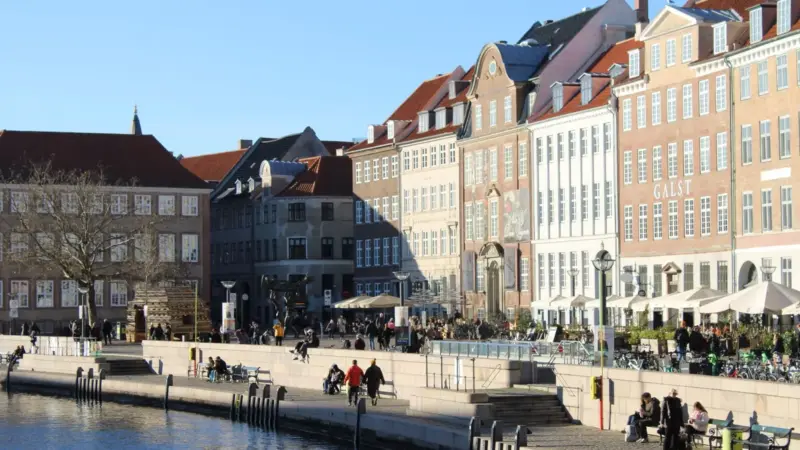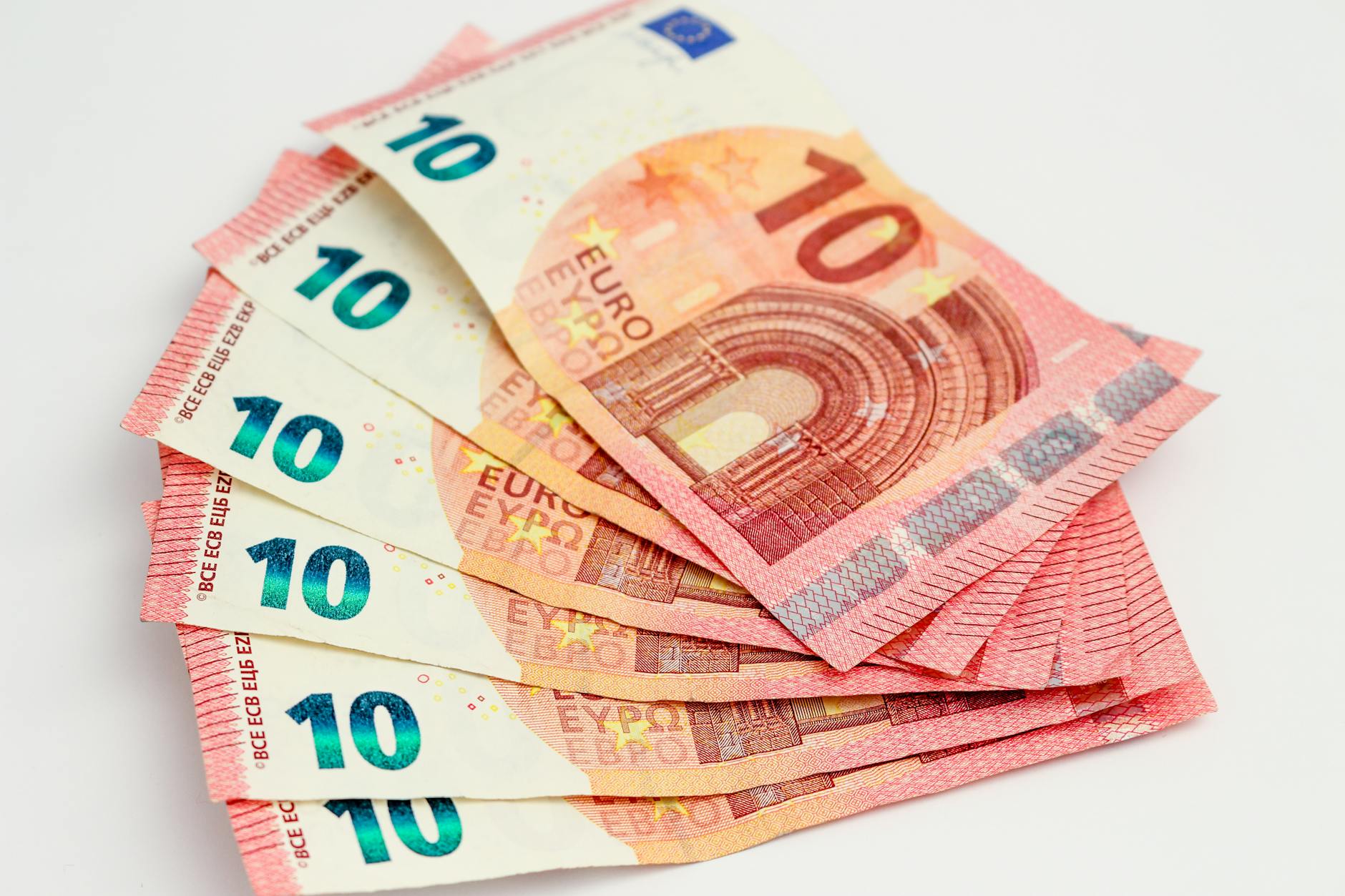
Here’s a prediction: you could spend a long weekend in Copenhagen and never once touch a physical coin or banknote. Denmark is one of the most cashless societies on the planet, and as a visitor you’ll tap your card or phone for everything from a hot dog to a museum ticket. But there are a few money things worth knowing before you go — starting with the fact that, despite being in the EU, Copenhagen doesn’t use the euro. Let me walk you through the Copenhagen currency and money essentials, with real 2026 prices so you know what to expect. Keep this alongside the full full guide to the practical basics as you plan.
This is the money guide I wish I could hand every first-time visitor: what currency to use, whether you need cash at all, how to dodge the sneaky fees, and the one local payment trap that catches tourists out.
Copenhagen money: the quick answer
- Currency: Danish krone (DKK, written “kr”) — not the euro.
- Cards: Accepted virtually everywhere; many places are card-only.
- Cash: Rarely needed — you can travel comfortably without any.
- Best approach: Tap a card or phone, and always choose to be charged in DKK.
- Rough value: 100 DKK ≈ $16 / €13 / £12 (check the live rate).
What currency does Copenhagen use?
Denmark uses the Danish krone (plural kroner), abbreviated DKK or shown as “kr” on price tags. One krone divides into 100 øre. Although Denmark is an EU member, it has a long-standing opt-out from the euro, so the krone is here to stay.
The helpful part for budgeting: the krone is pegged to the euro at roughly 7.46 DKK to €1, and that peg barely moves. Against other currencies (which do float), expect approximately 1 USD ≈ 6.4 DKK and 1 GBP ≈ 8.6 DKK as of 2026 — so a quick mental shortcut is that 100 DKK is about $16, €13 or £12. Always check the live rate before you travel, but the euro peg means European visitors can rely on that 7.46 figure.
Notes come in 50, 100, 200 and 500 kroner (the 1000-krone note was withdrawn in 2025, so you won’t see it), with coins from 50 øre up to 20 kroner.
Does Copenhagen use euros? Can I pay in euros?
No — the official currency is the krone, and you should plan to pay in DKK. Some tourist-heavy spots will accept euros, but almost always at a poor exchange rate, and your change will come back in kroner anyway. Treat euro acceptance as an emergency fallback, not a strategy. The simplest, cheapest approach is to pay by card in DKK and skip cash entirely.
Copenhagen is (almost) cashless
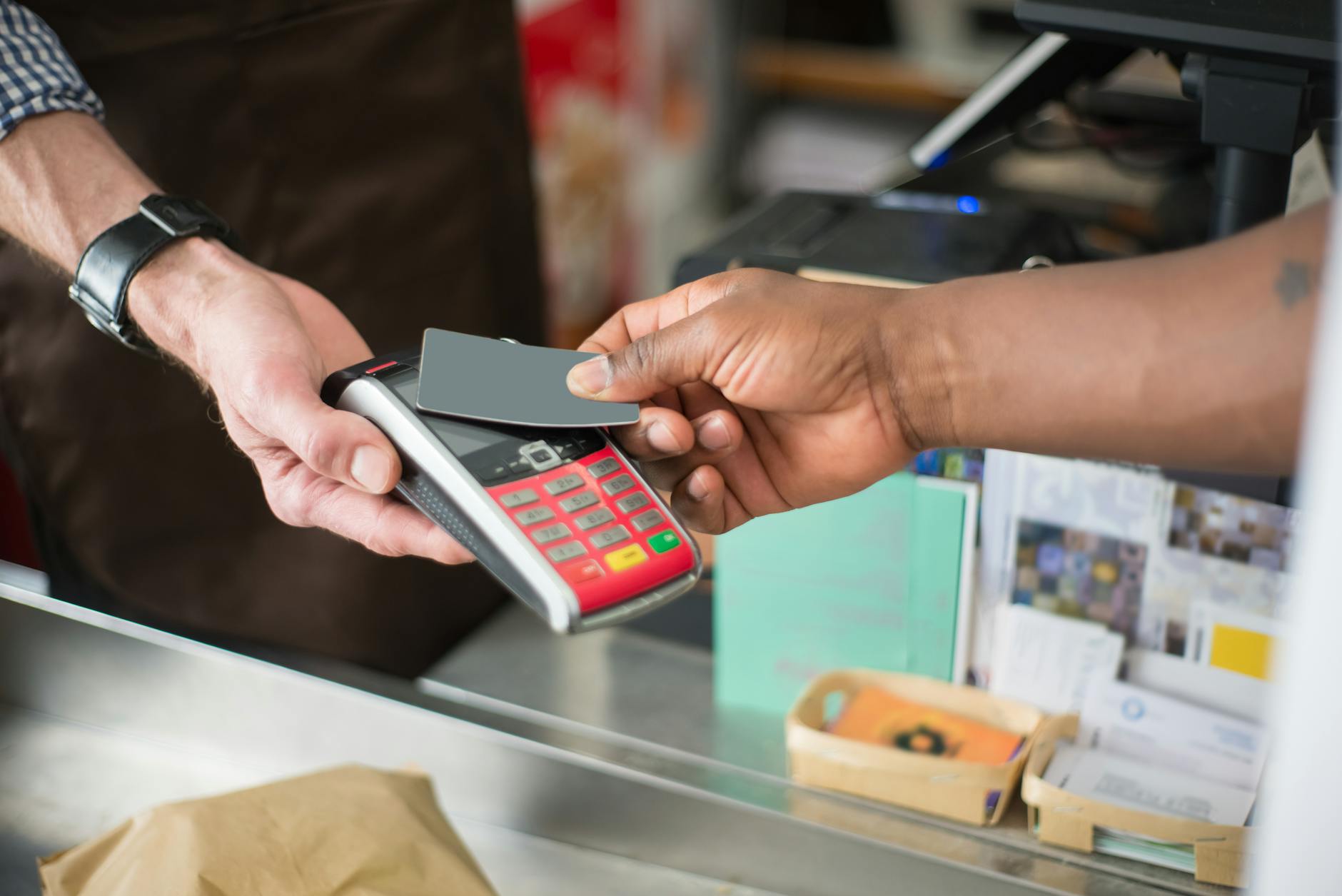
This is the big one. Denmark runs on cards and phones. Visa and Mastercard are accepted essentially everywhere — restaurants, bars, shops, taxis, market stalls, even the smallest café. Contactless and mobile wallets (Apple Pay, Google Wallet) work widely too. For contactless taps, there’s typically a 350 DKK limit before you’ll be asked to insert the card and enter a PIN, so do know your PIN for larger purchases.
The MobilePay trap
You’ll notice locals paying with MobilePay, Denmark’s wildly popular payment app — over 90% of Danish adults use it. Here’s the catch: MobilePay requires a Danish bank account and CPR number, so most tourists can’t use it. Don’t worry about it; just use your regular Visa/Mastercard, Apple Pay or Google Pay, which are accepted everywhere MobilePay is.
Do you need cash in Copenhagen?
Honestly? Almost never. I know travellers who’ve spent a week here without withdrawing a single krone. That said, it’s worth carrying a small buffer (say 200–300 DKK) for a handful of situations:
- The occasional flea market (loppemarked) or tiny independent stall.
- A rare rural kiosk or a coin-operated locker or public toilet.
- If you want to leave a cash tip (entirely optional — see below).
Beyond that, leave the wad of cash at home. Carrying lots of foreign cash just means worse exchange rates and more to lose.
ATMs and getting kroner
If you do want cash, use an ATM (hæveautomat) attached to a major Danish bank — Danske Bank, Nordea or Jyske Bank. Avoid the standalone Euronet machines clustered around tourist sights; they pile on fees and push aggressive currency conversion. Make one slightly larger withdrawal rather than several small ones to minimise per-transaction fees, and decline any offer to “convert” the amount (more on that next).
The Dynamic Currency Conversion trap
This is the single easiest way to lose money in Copenhagen, and it’s avoidable. Whenever an ATM or a card terminal asks whether you’d like to be charged in your home currency (dollars, pounds, euros) or in Danish kroner, always choose Danish kroner. Choosing your home currency triggers “Dynamic Currency Conversion,” which bakes in a marked-up exchange rate — often 3–7% worse than your bank’s. Paying in DKK lets your own bank do the conversion at a far better rate. Make this a reflex: see your home currency offered, decline it, pick DKK.
Exchanging money and the airport
If you must exchange cash, do it at a proper exchange bureau like Forex Bank rather than a hotel desk, and expect a fee. Airport and tourist-area exchange counters give the worst rates, so I wouldn’t pre-buy a big pile of kroner. The best “exchange rate” is simply paying by card on the mid-market rate, or withdrawing modest amounts from a bank ATM.
What things cost in Copenhagen (2026)
Copenhagen isn’t cheap, so here’s a rough price guide to set expectations (with approximate US dollar equivalents):
- Coffee: espresso ~31–35 DKK ($5); a latte 40–50 DKK ($7)
- Beer: a pint at a bar 50–75 DKK ($8–12); a supermarket can 8–12 DKK
- Casual meal / street food: 100–130 DKK ($16–20)
- Mid-range restaurant main: 200–350 DKK ($31–55)
- Metro/bus single (zones 1–2): ~24–26 DKK ($4)
- 24-hour City Pass (zones 1–2): 80 DKK ($12.50)
- Mid-range hotel night: 1,200–2,000 DKK
If those numbers make you wince, you’re not alone — see my guide to doing doing Copenhagen cheaply for genuine ways to cut costs, and consider whether a Copenhagen Card pays off for your plans.
VAT and tax-free shopping
Danish prices include VAT (called MOMS) at 25% — one of the highest rates in Europe, and always already baked into the displayed price, so there are no surprises at the till. If you’re a non-EU resident, you can reclaim some of that VAT on purchases: spend a minimum of around 300 DKK in a single shop, ask for a tax-free form, and get it processed (via Global Blue or Planet) — refunds run roughly 10–19% after fees. You validate the forms and collect your refund at the tax-free desk in Copenhagen Airport when you fly home. If you plan to shop, my complete guide to shopping in Copenhagen has more.
What about tipping?
Short version: service is included by default in Denmark, and tipping is not expected. You can round up for great service, but you’re never obliged to. It’s worth reading the full picture in my dedicated guide to tipping in Copenhagen, especially now that card terminals increasingly prompt for a tip.
Practical Copenhagen currency & money tips
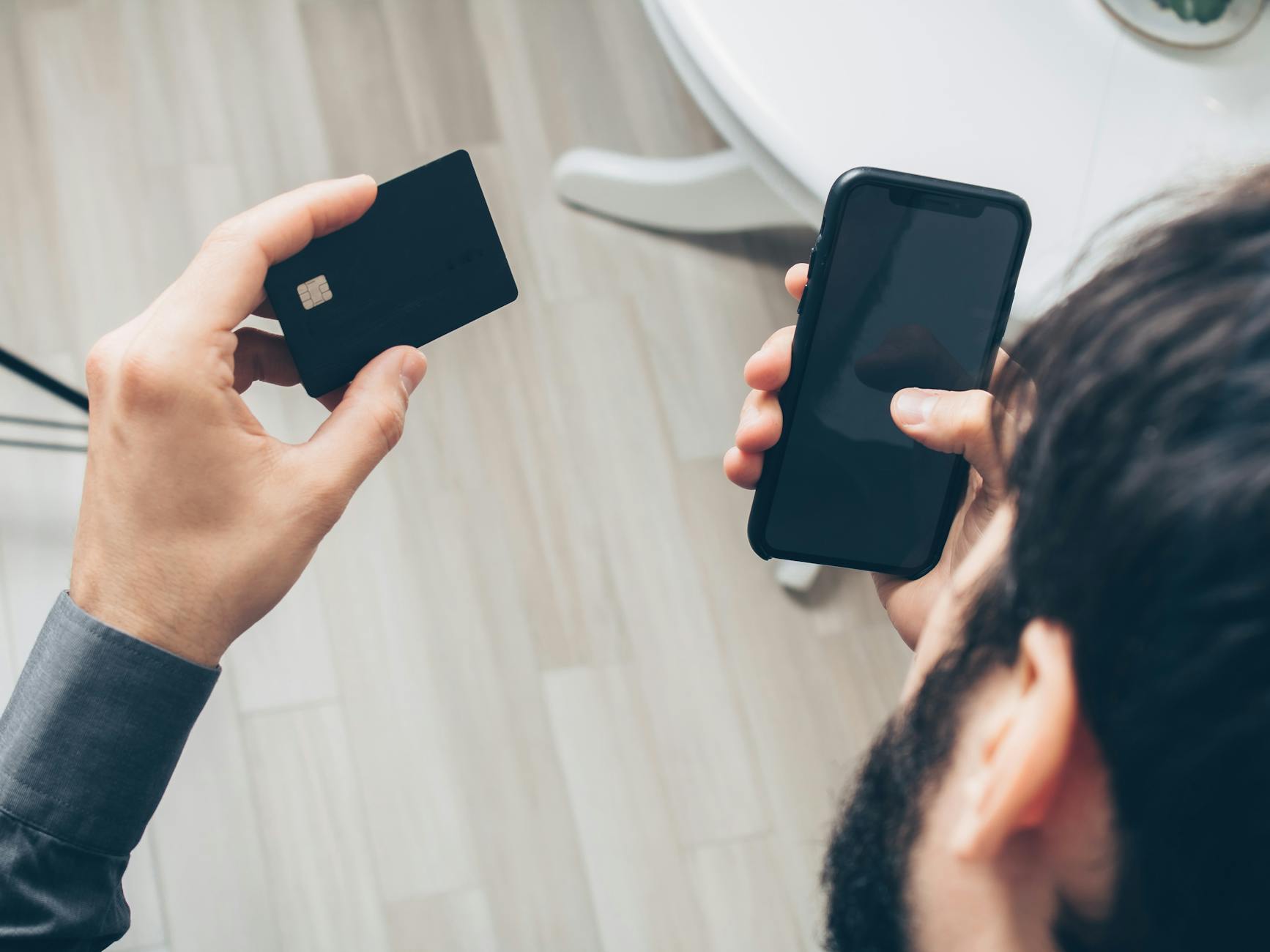
- Tell your bank you’re travelling so your card isn’t blocked, and bring a backup card from a different network.
- Consider a Wise or Revolut multi-currency card — they give near mid-market exchange rates and low fees, ideal for a card-first city like this.
- Tap to pay for anything under 350 DKK; know your PIN for larger amounts.
- Always pay in DKK, never your home currency, at terminals and ATMs.
- Keep a small DKK cash buffer for markets and edge cases — but don’t over-withdraw.
Three money mistakes tourists make
- Accepting Dynamic Currency Conversion. Always choose kroner, not your home currency.
- Paying in euros. It’s accepted in a few places but at a bad rate — pay by card in DKK.
- Exchanging cash at the airport. Worst rates going; use a bank ATM or just tap your card.
The bottom line
Copenhagen is about as easy as money gets for a modern traveller: bring a card (ideally a fee-friendly one), tap for everything, always choose to pay in kroner, and carry just a little cash for the rare exception. Skip the euros, skip the airport exchange, and you’ll spend like a local. For everything else you need before you go, see my full Copenhagen travel tips, and check whether Copenhagen is safe while you’re at it.
A sample daily budget for Copenhagen
To turn those prices into something useful, here’s roughly what a day costs at three different styles of travel (per person, excluding your hotel):
- Budget day (~300–450 DKK): bakery breakfast and supermarket lunch, a street-food dinner (a smørrebrød or a hot dog), water from the tap, and free or low-cost sights — parks, harbour swimming, window-shopping, a free walking tour (tip the guide). Get around on a day transit pass or a rented bike.
- Mid-range day (~700–1,100 DKK): café breakfast, a casual lunch, a sit-down dinner with a drink, a couple of paid attractions, and city transport. This is how most visitors travel.
- Splurge day (1,800 DKK+): proper restaurant meals, cocktails, multiple attractions or a fine-dining experience, and taxis. Copenhagen’s high-end scene (including its famous restaurants) can take this much higher.
The single biggest lever is food: cooking or grabbing supermarket and bakery items versus eating every meal out can halve your daily spend. My guide to keeping costs down guide goes deep on stretching your kroner.
The best cards and apps to bring
Because Copenhagen is so card-centric, the right card matters more than cash. A few pointers from experience:
- A Wise or Revolut card gives you near the real mid-market exchange rate with minimal fees — ideal here, where you’ll tap constantly. Top it up in your home currency and spend in DKK.
- Bring a backup card on a different network (a Visa and a Mastercard) in case one is declined or lost.
- Set up Apple Pay or Google Wallet before you arrive — phone payments are accepted essentially everywhere and save you fishing for a card.
- Tell your bank you’re travelling, or set a travel notice in the app, so a flurry of Danish transactions doesn’t trigger a fraud freeze.
With a fee-friendly card and your phone, you genuinely may not withdraw cash even once.
Why the krone is so stable
One reassuring quirk worth understanding: because Denmark pegs the krone to the euro (and the central bank actively defends that peg), the DKK-EUR rate barely budges — it stays around 7.46 year in, year out. For European visitors this means near-total predictability: you can budget months ahead and the maths won’t move. For visitors from floating-currency countries (the US, UK, etc.), your rate against the krone moves only as much as your currency moves against the euro. It’s one less thing to fret about compared with destinations with volatile currencies.
Exchange options, compared
If you do want some cash, here’s the pecking order from best to worst value:
- Best: Pay by card and let your bank convert at the mid-market rate (no cash needed at all).
- Good: Withdraw from a major Danish bank ATM (Danske, Nordea, Jyske), declining the “convert to home currency” offer.
- Okay: A reputable exchange bureau like Forex Bank in the city, accepting the fee.
- Avoid: Airport exchange counters, hotel front-desk exchange, and standalone Euronet ATMs near tourist sights — all poor value.
Don’t pre-order a big stack of kroner at home either; a small starter amount is the most you’d ever want, and even that’s usually unnecessary.
A note on safety and your money
Copenhagen is very safe, but the cashless, card-first approach also happens to be the most secure: less cash on you means less to lose to the rare pickpocket. Keep cards in a zipped or front pocket in crowds, use tap-to-pay rather than flashing a wallet, and you’ve removed most of the (already small) money risk. And because nearly everyone in Copenhagen speaks English, sorting a card problem with your bank or a shop is refreshingly painless.
Is Copenhagen really that expensive?
Let’s address the reputation head-on, because it scares people more than it should. Yes, Copenhagen is one of Europe’s pricier capitals — eating and drinking out, in particular, costs noticeably more than in, say, southern or eastern Europe. A restaurant dinner with drinks, a few cocktails, or a taxi across town will all make a visitor from a cheaper country wince. But the city is also full of things that cost little or nothing, and a savvy traveller can keep a lid on spending without feeling deprived.
What’s genuinely cheap or free here: wandering Nyhavn and the old town, the changing of the guard at Amalienborg, the gardens and grounds of the royal palaces, the harbour baths and beaches in summer, the city’s superb parks, window-shopping the design stores, and a free walking tour (just tip the guide). Many museums have free-entry days or are free year-round, and cycling — the quintessential Copenhagen experience — costs only a bike rental. Tap water is free and excellent, so you never pay for bottled. The expense is real, but it’s concentrated in restaurants and bars; the city’s best pleasures are often free.
The Copenhagen Card and money-saving math
If you plan to visit several paid attractions, do the sums on a Copenhagen Card, which bundles entry to dozens of sights plus public transport (including, on the right version, regional trains to nearby castles and Roskilde). For an action-packed sightseeing trip it can genuinely save money and the hassle of buying individual tickets; for a slow, café-and-stroll kind of trip it may not pay off. The honest way to decide is to list what you actually want to see, total the individual prices, and compare. I walk through exactly when it’s worth it in my Copenhagen Card review, and if you claim a VAT refund on the way out, our Copenhagen visa requirements guide covers what to have ready at the border.
A few more prices to anchor your budget
To round out the picture beyond the basics: a pastry at a bakery runs about 30–45 DKK, a smørrebrød (open sandwich) 60–120 DKK depending on the spot, a cinema ticket around 120–150 DKK, and entry to a major attraction (a big museum or Tivoli) typically 150–200 DKK. A 72-hour transit City Pass saves money if you’re using public transport heavily. Supermarkets (Netto, Føtex, Rema 1000) are your friend for breakfasts, snacks and picnic lunches — a key budget lever, since groceries cost a fraction of restaurant prices. Knowing these numbers ahead of time means no nasty surprises when you tap your card.
Keeping it all secure and simple
The final piece of money advice is to keep your setup lean and safe. Travel with two cards on different networks stored separately, lean on phone payments so you’re not pulling out a wallet constantly, decline currency conversion every time, and carry only a small cash buffer. Because Copenhagen is so card-friendly and so safe, this approach means you’ll rarely think about money logistics at all — you tap, you go, and you spend your mental energy on the city rather than on exchange rates. For how the safety side fits in, see my guide on whether Copenhagen is safe.
Frequently asked questions
Does Copenhagen use the euro?
No. Denmark uses the Danish krone (DKK), even though it’s an EU member. The krone is pegged to the euro at roughly 7.46 DKK to €1.
Can I use euros in Copenhagen?
A few tourist spots accept euros, but at poor rates and with change given in kroner. It’s far better to pay by card in DKK.
Do I need cash in Copenhagen?
Rarely. Denmark is highly cashless and cards work almost everywhere. Carry a small amount (200–300 DKK) for markets or the occasional cash-only spot.
Can tourists use MobilePay?
Generally no — MobilePay needs a Danish bank account and CPR number. Use Visa, Mastercard, Apple Pay or Google Pay instead, which are just as widely accepted.
Should I pay in my home currency or kroner?
Always choose Danish kroner. Paying in your home currency triggers Dynamic Currency Conversion, which adds a markup of around 3–7%.
Can I get a VAT refund in Denmark?
Non-EU residents can reclaim VAT on purchases over about 300 DKK per shop, processed via Global Blue or Planet and collected at Copenhagen Airport on departure.
Next: see why tipping is refreshingly simple in my tipping in Copenhagen guide, sort a SIM card or eSIM, and check the plug type and voltage before you fly.
Last updated: July 2026. Exchange rates and prices shift — always check the live rate before you travel.
To turn daily prices into a whole-trip number, our Copenhagen trip cost guide adds up three-day and seven-day totals, flights and the costs people forget.