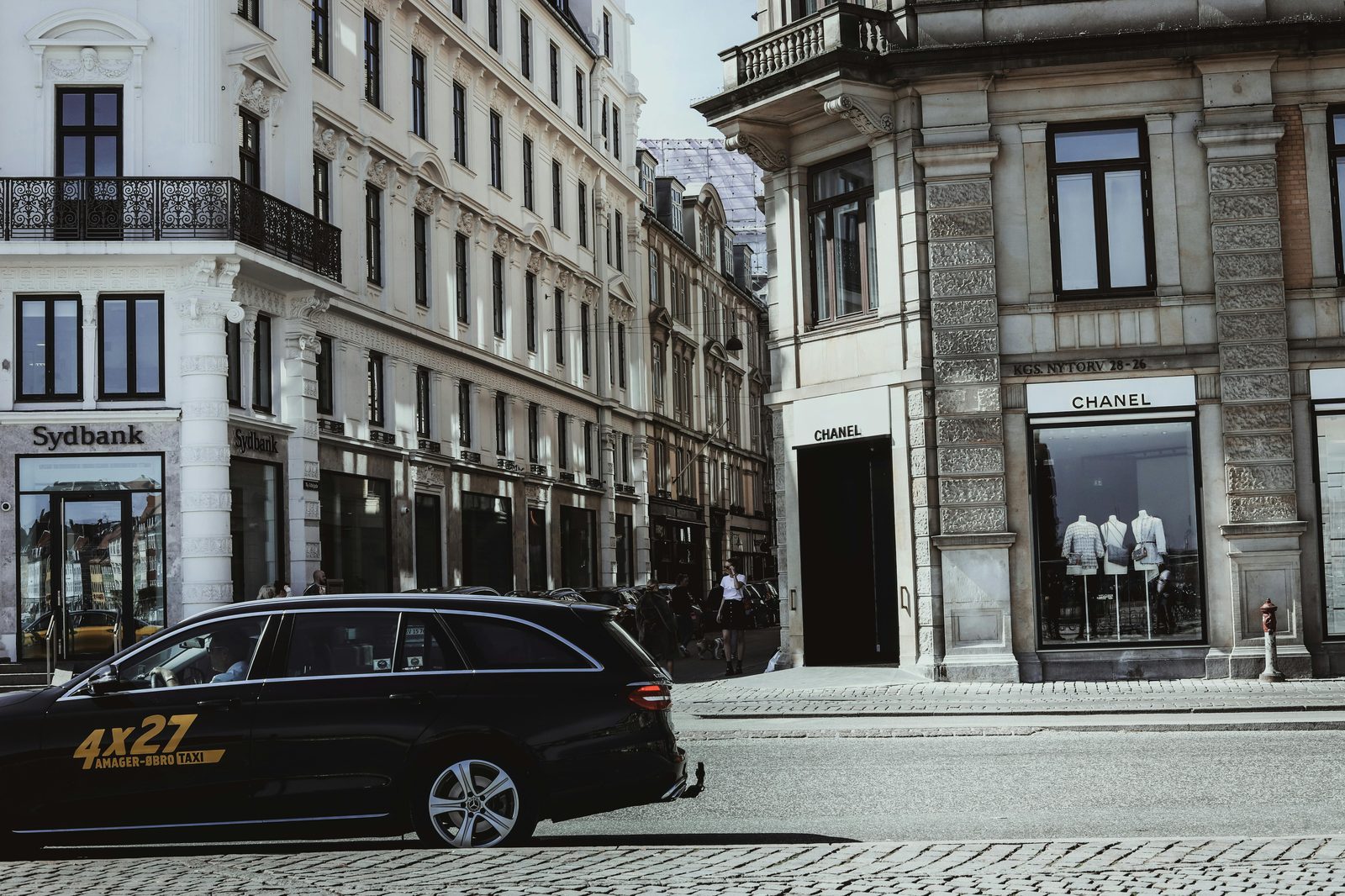
Most people don’t come to Copenhagen to shop, and then they leave wishing they’d set aside a whole day for it. Copenhagen shopping is world-class: Strøget is one of Europe’s longest pedestrian streets, the big Danish design names (HAY, Royal Copenhagen, Georg Jensen, Bang & Olufsen, Louis Poulsen, Fritz Hansen) all have shops in the city, and the vintage scene runs from designer resale to weekend flea markets. This guide maps the streets, stores, markets and souvenirs worth your time — plus the practical stuff, like VAT refunds, Sunday closures and getting a chair shipped home.
Slot a shopping day around the rest of your trip using our full list of Copenhagen attractions, a district-by-district look at Copenhagen and Copenhagen itinerary guides. And if you want to go deep on any one topic below, each section links out to a dedicated guide.
Copenhagen Shopping at a Glance
| District | Best for | Signature streets |
|---|---|---|
| Strøget & Indre By | High-street fashion, flagship stores, luxury | Strøget, Kronprinsensgade, Pilestræde, Grønnegade, Ny Østergade |
| Strædet & Pisserenden | Independent boutiques, design, vintage | Kompagnistræde, Læderstræde, Skindergade |
| Bredgade & Frederiksstaden | Antiques, art galleries, fine jewellery | Bredgade, Store Kongensgade |
| Vesterbro | Vintage, sustainable fashion, delis | Istedgade, Værnedamsvej, Vesterbrogade |
| Nørrebro | Vintage, indie labels, secondhand design | Jægersborggade, Ravnsborggade, Elmegade, Blågårdsgade |
| Frederiksberg | Upmarket boutiques, bookshops, ceramics | Gammel Kongevej, Falkoner Allé |
| Refshaleøen | Sunday flea markets, weekend design events | Reffen, Refshalevej |
| Copenhagen Airport | Last-minute Danish design, VAT refund desks | Terminal 3 (VAT stamps and refunds) |
Shop hours here follow a steady rhythm: Monday–Thursday 10:00–18:00, Friday 10:00–19:00 and, where shops open at all, Sunday 12:00–16:00. Saturday hours vary from shop to shop, and the department stores (Magasin du Nord, Illum) set their own, so check their sites before an evening trip. One counter-intuitive tip that saves a lot of frustration: do your neighbourhood browsing on weekdays and save Strøget for the weekend — the opposite of what works in most cities, because it’s the small independent shops that close on Sundays.
Strøget: The Backbone of Copenhagen Shopping
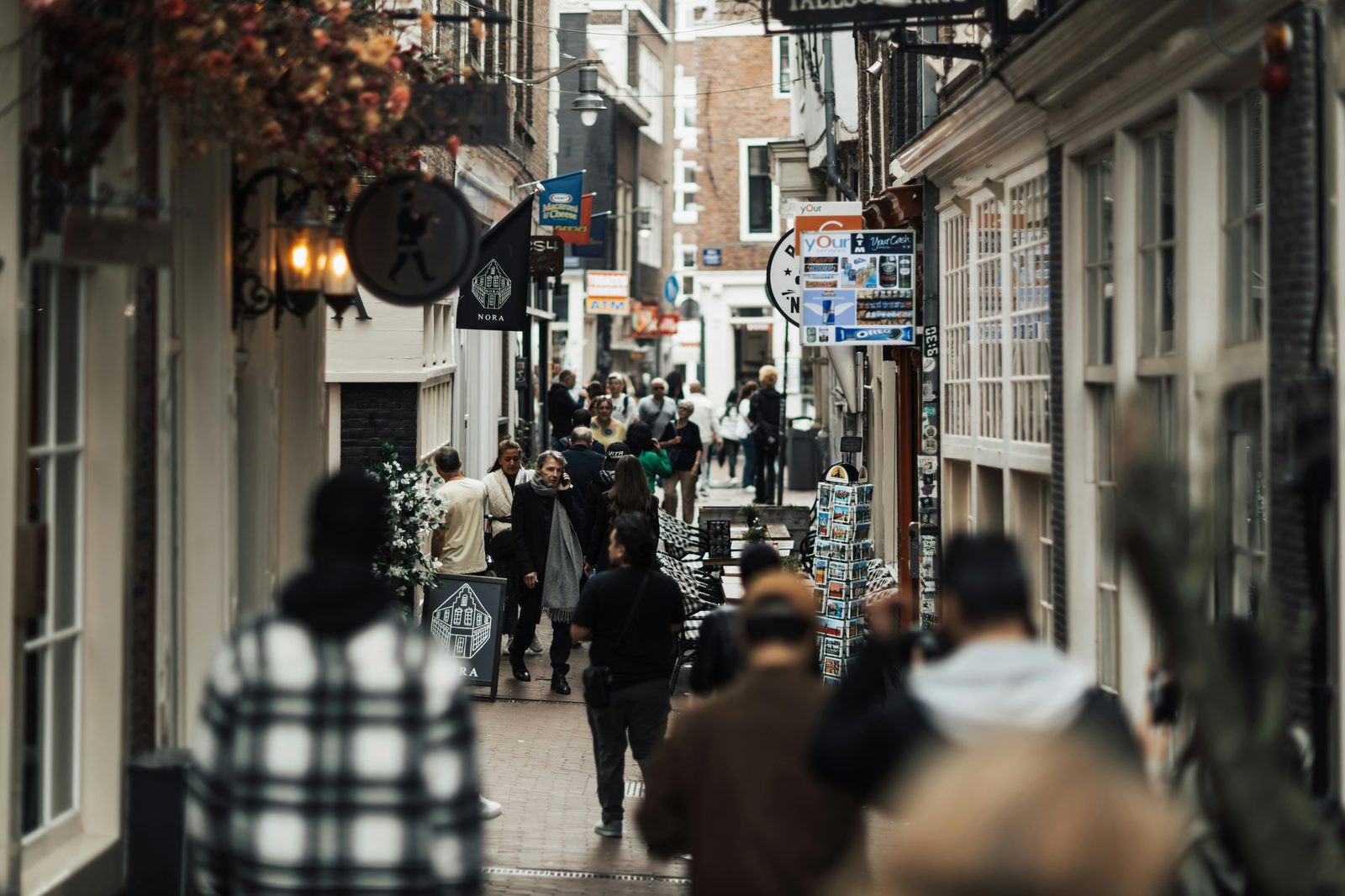
Strøget (say it ‘stroy-et’) isn’t really one street. It’s a 1.1 km chain of five linked streets running from Rådhuspladsen (City Hall Square) to Kongens Nytorv, and it’s where nearly every first-time visitor ends up on day one. Walking it end to end doesn’t take long; browsing it properly takes a good deal longer. It gets busy and a bit chain-heavy in the middle, so treat it as a spine and duck into the side streets — that’s where the good stuff hides. We break the whole street down in our dedicated Strøget shopping guide.
The Five Streets of Strøget
- Frederiksberggade (City Hall end) — entry-level high street: H&M, Vero Moda, Arket, Zara, Mango, Sephora.
- Nygade — mid-range fashion and accessories: Samsøe & Samsøe, Minimum, &Other Stories.
- Vimmelskaftet — Danish design meets European chains: Bang & Olufsen flagship, Illum, Monki.
- Amagertorv — the heart of it. Royal Copenhagen flagship, Illums Bolighus, Georg Jensen, and the Stork Fountain plaza.
- Østergade (Kongens Nytorv end) — luxury: Max Mara, Mulberry, Gucci, Prada, Tiger of Sweden, Magasin du Nord.
Department Stores on Strøget

- Magasin du Nord — the grand dame, at Kongens Nytorv since 1870, in a building that dates from 1894. Five floors of fashion, beauty, Danish design, menswear and childrenswear, plus a basement food hall. The rooftop is worth a coffee stop. Full walkthrough in our Magasin du Nord guide.
- Illum — smaller, sharper and more designer-focused than Magasin. Strong on fine jewellery (Georg Jensen, Pandora), Scandinavian labels (Ganni, Stine Goya) and a basement café. See our Illum department store guide for floor-by-floor detail.
- Illums Bolighus (a separate shop, confusingly) — the Danish-design temple on Amagertorv. Furniture, lighting, glassware, ceramics and kitchenware, with tax-free shopping in-store.
Strøget Practical Tips
- Best time: weekday mornings 10:00–12:00, or Friday after work, when many shops stay open until 19:00.
- Worst time: Saturday 13:00–16:00, when tourists and locals collide.
- Pickpockets: stay alert near the ice-cream carts at Amagertorv and outside H&M on Frederiksberggade.
- Sundays: the department stores and major shops open, usually 12:00–16:00, while many smaller shops close — so do your Strøget run then and keep the side streets for a weekday.
- Free wifi: Indre By has city-wide free wifi, signposted on lamp-post banners.
Luxury Shopping and Designer Boutiques

The luxury quarter is small, dense and easy to cover on foot — everything from Hermès scarves to Audemars Piguet watches sits in the few streets between Strøget, Kongens Nytorv and Bredgade. If your home city already has these houses, don’t expect Copenhagen prices to undercut them; the real reason to come is the Danish high-end brands you can’t buy anywhere else.
Luxury Fashion Houses
- Louis Vuitton — Amagertorv 1C, in new premises since February 2026. Full ready-to-wear, leather goods, jewellery and watches; appointment shopping for high jewellery.
- Hermès — Højbro Plads 4. Silk scarves, leather goods and a small horse-and-carriage nod to Denmark’s royal stables.
- Gucci — contemporary ready-to-wear in a restored 19th-century townhouse.
- Prada — Østergade 52, on the Illum corner. Clean-lined boutique with a strong leather-goods selection.
- Max Mara, Mulberry, Acne Studios, Tiger of Sweden, Tod’s, Bottega Veneta, Longchamp — a short walk apart along Østergade and Ny Østergade.
Danish High-End Brands
- Georg Jensen — Amagertorv 4. One of Denmark’s best-known silver names, founded in 1904. Jewellery, watches, hollowware.
- Ole Lynggaard — Copenhagen’s royal jeweller, worn by Queen Margrethe II. Boutique on Ny Østergade.
- By Malene Birger — Antonigade 10. Minimalist ready-to-wear; a local institution.
- Mads Nørgaard — on Amagertorv. Streetwear meets tailored Danish cool.
- Baum und Pferdgarten — playful contemporary fashion with a growing international following.
Danish Design: The Reason Everyone Ships a Suitcase Home
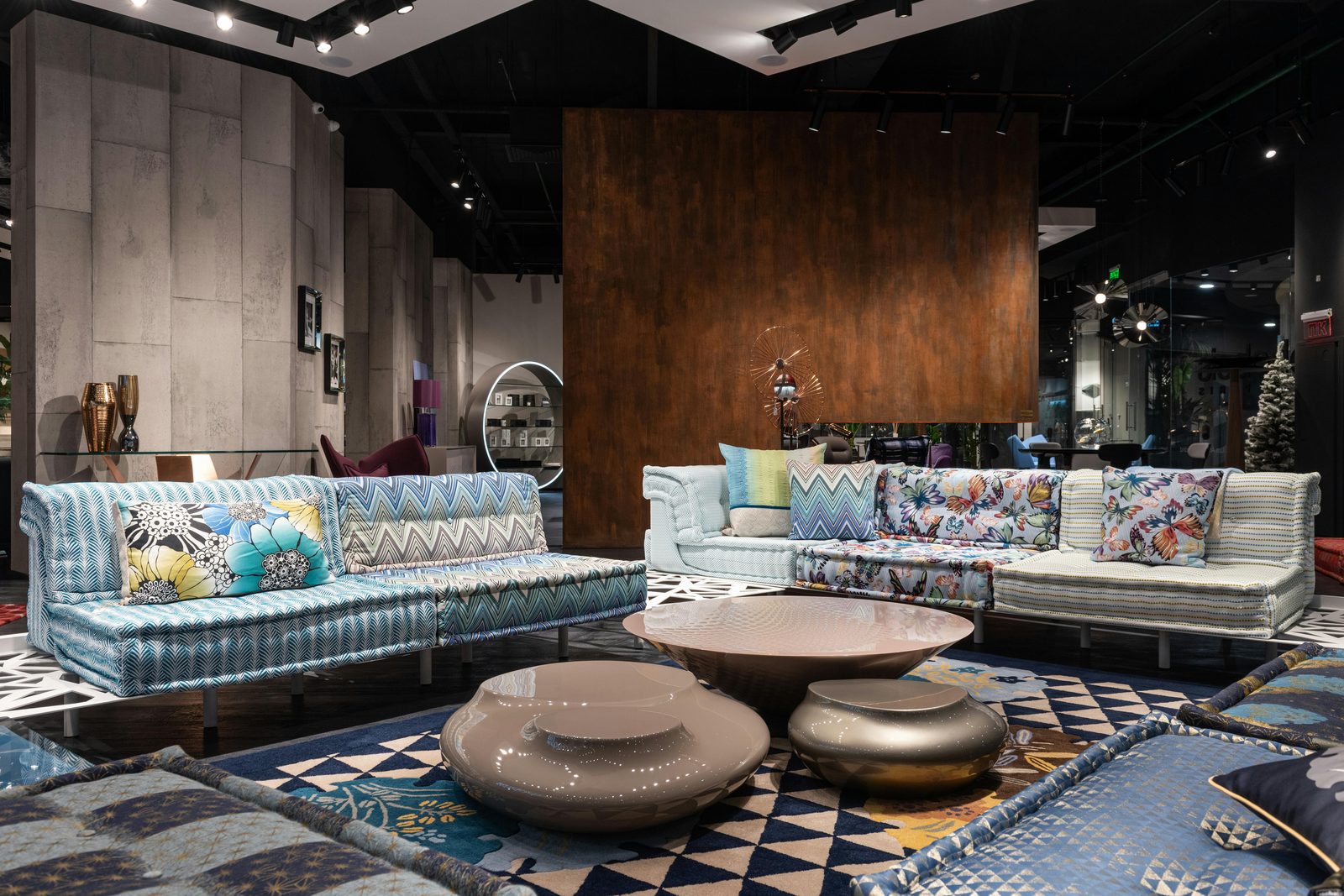
Denmark is one of the homes of modern Scandinavian design, and this is where you buy it at source. The names you’ve seen on friends’ shelves — HAY pitchers, Fritz Hansen chairs, Bang & Olufsen speakers, Louis Poulsen lamps, Kähler vases — all come from here, and if you live outside the EU you can claim back part of the 25% VAT, so the same pieces can cost you less than at home. For most travellers this is where the real value of the trip sits. There’s a lot to cover, so we’ve given it a full Danish design shops guide too.
Furniture and Lighting
- HAY House — two floors of everything HAY: pitchers, textiles, the AAC chair, office bits. The best-curated design shop in the city, and a good first stop if you only visit one.
- Illums Bolighus — Amagertorv 10. Department-store format with every major Danish brand under one roof: Kay Bojesen wooden monkeys, Stelton teapots, Eva Solo pitchers, Holmegaard glass.
- Fritz Hansen Flagship — Valkendorfsgade 4. The original makers of the Arne Jacobsen Egg, Swan and Series 7 chairs. Studio visits by request.
- Louis Poulsen — Kuglegårdsvej 19-23 (Holmen). Flagship showroom for the PH Artichoke, PH 5 and Panthella lamps. Not a normal shop — call ahead.
- Gubi — beautiful mid-century revivals (Beetle chair, Bestlite).
- Normann Copenhagen — Østerbrogade 70. A 1,700 m² former cinema turned into the most photographed design store in town. Worth the detour to Østerbro even if you buy nothing.
- Montana Furniture — Skindergade 38, a showroom you visit by appointment. Modular shelving in a huge range of colours and configurations.
Ceramics, Glassware and Objects

- Royal Copenhagen — Amagertorv 6. Founded in 1775 under Queen Juliane Marie. The famous Blue Fluted Plain and Blue Fluted Mega collections, plus the Flora Danica service (on display; not for sale to mortals).
- Royal Copenhagen Factory Outlet — check royalcopenhagen.com for its address and opening hours. Second-quality and discontinued pieces at reduced prices, which makes it one of the smartest souvenir stops in the city.
- Holmegaard Glasværk — inside Illums Bolighus. Danish crystal and art glass since 1825.
- Kähler — colourful stoneware vases; the Hammershøi collection.
- Stilleben — Niels Hemmingsens Gade 3. A small, exquisite shop founded by two designers trained in ceramics and glass — limited-edition Danish ceramics and prints.
Audio, Electronics and Tools
- Bang & Olufsen — Strøget flagship on Østergade, with the brand’s current speakers and audio range.
- Aiayu, Mater, By Lassen, Brdr. Krüger — smaller Danish studios with boutiques across Pilestræde and Grønnegade.
Pick one anchor piece and build the trip around shipping it home. A Royal Copenhagen Blue Fluted plate, a Kay Bojesen monkey, a HAY Mags sofa, a PH lamp — any of these turns a holiday memory into something you live with for the next 40 years.
Copenhagen-Born Fashion Brands
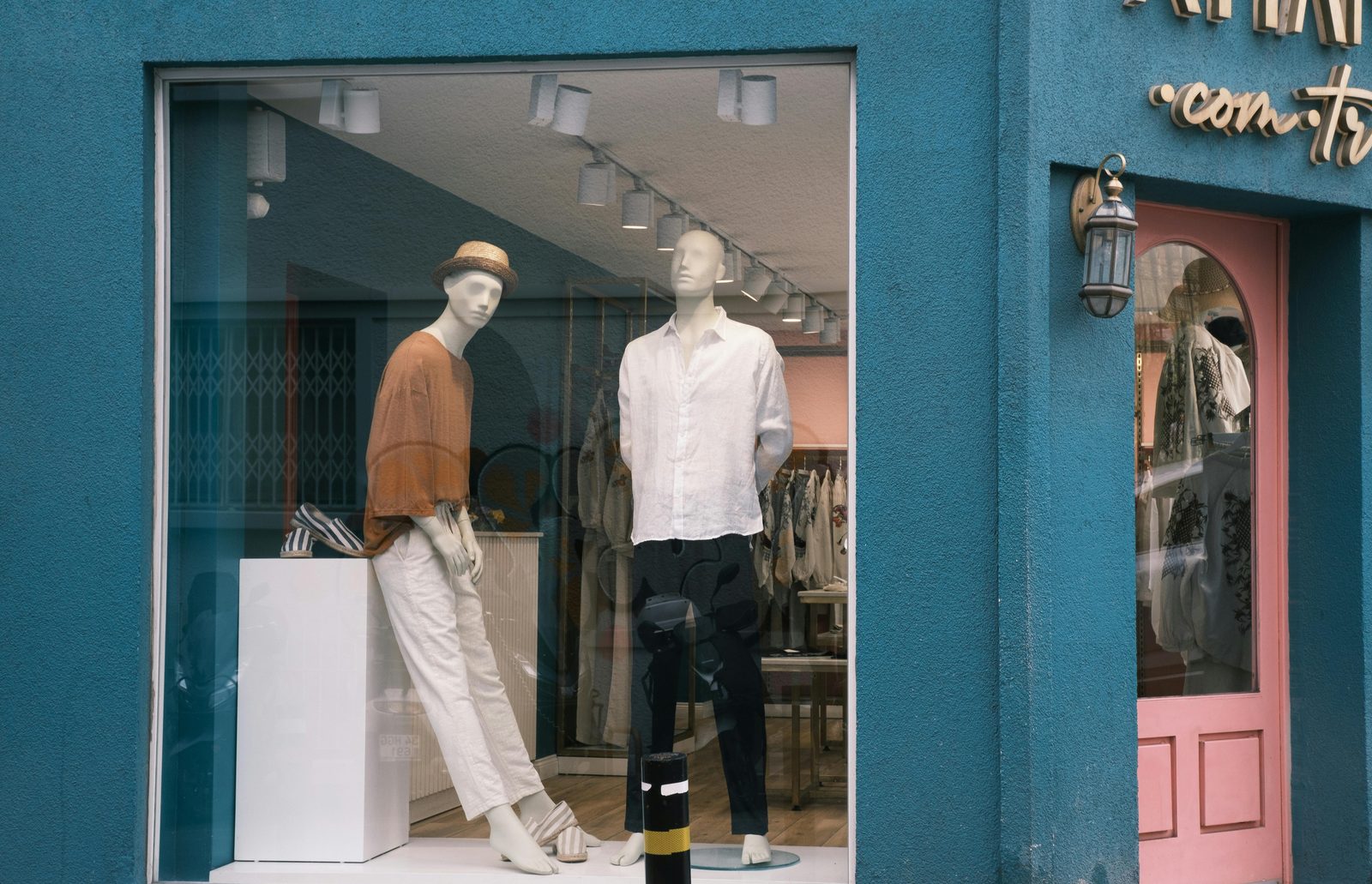
Copenhagen punches well above its size in fashion. Danish brands pair Scandinavian minimalism with unexpected colour and a bit of mischief — the look went global in the late 2010s and now anchors an entire Instagram aesthetic. Don’t count on flagship prices undercutting what you pay abroad; come to see the labels on home ground. That, plus the sheer density of the flagships, is the draw.
The Must-Visit Flagships
- Ganni — the brand that defined ‘Scandi style’ for a generation. Two floors of ready-to-wear, Ganni Repeat archive pieces and the Ganni x Levi’s collaborations.
- Stine Goya — Gothersgade 58. Playful colour-blocked womenswear from a well-known Danish label that shows at Copenhagen Fashion Week.
- Cecilie Bahnsen — studio and showroom at Vermundsgade 38C in Østerbro, open by private appointment. Ethereal puff-sleeved dresses and the internet-favourite Paloma jacket.
- Rotate Birger Christensen — Kristen Bernikows Gade 6, the brand’s first flagship, opened in 2024. Party dresses and the ribbed knits that turn up at every Copenhagen wedding.
- Samsøe & Samsøe — multiple stores, Strøget flagship. Reliable minimalist basics in organic cotton.
- Wood Wood — streetwear-meets-tailoring, with strong Champion and Disney collaborations.
- Norse Projects — technical outerwear and heavyweight knits; the definitive Copenhagen casual.
- Holzweiler — Norwegian brand with a Copenhagen flagship; premium knits and scarves.
Concept Stores and Multi-Brand Boutiques
- HAY on Pilestræde — smaller HAY-edited objects, with Danish and international crossover brands.
Best Copenhagen Souvenirs (That Aren’t Tacky)

Skip the plastic Vikings on Strøget. If you want souvenirs that earn their suitcase space, aim for the list below — everything here is made in Denmark or deeply Danish in identity, and each one comes with a story when you hand it over. For the full rundown, gift ideas and price ranges, see our best Copenhagen souvenirs guide.
Under 300 DKK
- Flying Tiger — quirky homeware, stationery, candy and toys at low prices; its store locator shows the nearest shop. A Copenhagen original; the Danes still call it ‘Tiger’. If you’re shopping with children, add the LEGO Store to the list.
- Søstrene Grene — multiple locations. Danish discount design: candles, wrapping paper, dried flowers.
- HAY canvas tote bag — at HAY House.
- Liquorice (lakrids) — Lakrids by Bülow, a Copenhagen original. Gift-boxed cola-and-cardamom liquorice chocolates.
- Løgismose deli oils and preserves — in the Torvehallerne food hall.
300–1,500 DKK
- Stelton EM77 vacuum jug — designed by Erik Magnussen in 1977, and stocked at Illums Bolighus.
- Kay Bojesen Wooden Monkey — the small (20 cm) lists at around 1,110 DKK; the medium (28 cm) runs well over 2,000 DKK. Illums Bolighus has the full range.
- Eva Trio kitchenware — Danish cookware at Illum and Magasin.
- Menu cocktail tools — the ‘Peppermill’ and ‘Bottle Grinder’ are design-classic gifts.
- Skagerak / Fredericia wooden accessories — chopping boards, bread bins, spoons.
- Muuto small objects — throws, candlesticks, mirrors.
1,500 DKK and up
- Bang & Olufsen Beosound A1 — portable Bluetooth speaker, 2,699 DKK.
- Fritz Hansen Series 7 chair — the Arne Jacobsen 3107, in a choice of woods and finishes. Shipped worldwide.
- Louis Poulsen PH 2/1 table lamp — the iconic three-shade design, around 4,900 DKK depending on finish.
- Georg Jensen Daisy pendant — silver with enamel.
- Royal Copenhagen full Blue Fluted Plain dinner set — the classic splurge; price the setting you want in the Amagertorv flagship or on Royal Copenhagen’s site.
Food Halls, Markets and Edible Souvenirs

Torvehallerne
Torvehallerne at Israels Plads is the city’s flagship food hall — dozens of stalls across two glass-roofed pavilions, open every day: Monday–Friday 10:00–19:00, Saturday and Sunday 10:00–18:00, with some stalls opening earlier or closing later. It’s the easiest place to pick up edible gifts that fit in hand luggage. We’ve got a stall-by-stall breakdown in our Torvehallerne guide, and more places to eat in the Copenhagen food guide.
- Summerbird chocolate — Danish bean-to-bar chocolate.
- Lakrids by Bülow — premium liquorice in gift boxes.
- Arla Unika — artisan Danish cheeses.
- Kihoskh — specialty beers.
- Palæo — take-away Paleo lunches.
- The Coffee Collective — whole-bean direct-trade coffee in gift bags.
- Grød — porridge bowls and branded mugs (Copenhagen’s only porridge-restaurant chain).
Supermarket Souvenirs (Surprisingly Good)
Here’s the hack nobody tells you: duck into a Netto, Føtex or Irma for Danish speciality foods at local prices, not tourist ones.
- Rye bread (rugbrød) — vacuum-packed loaves from Jalm&B or Kohberg.
- Lurpak butter — 100% Danish, in every supermarket chiller.
- Taffel crisps in Danish flavours (sour cream & onion, BBQ with rye).
- Harboe Bajer-øl — regional Danish lagers not sold outside Denmark.
- Skovsgaard honey, from Læsø Island.
- Toms chocolate — classic Danish marzipan bars.
Vintage Shopping and Flea Markets
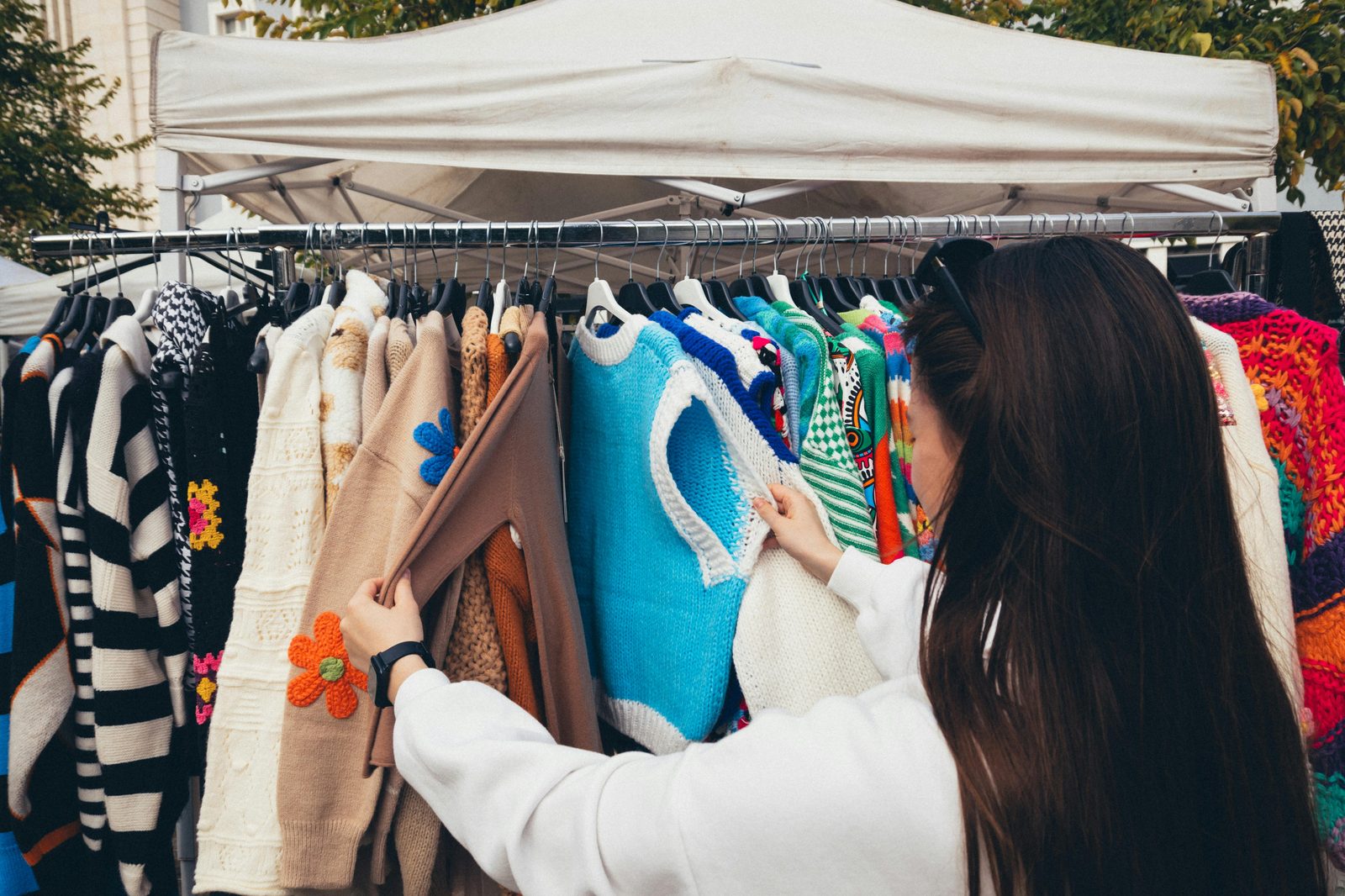
Copenhagen’s vintage scene runs deeper than the city’s size suggests. Pre-loved Ganni, Stine Goya, Cecilie Bahnsen and Saks Potts turn up next to vintage Chanel, Dior, Margiela and Prada at a fraction of boutique prices — Scandinavian thrift culture is older and more sustainability-driven than most of the continent’s. We go store-by-store in the best vintage shops guide and cover every stall in the Copenhagen flea markets guide.
Indoor Vintage Stores
- Prag — multiple locations; the Kompagnistræde and Nørrebrogade shops are best. Copenhagen’s most curated vintage chain, every piece hand-selected.
- Episode — Dutch-Danish chain, strong on 80s/90s streetwear.
- Carmen & Fantasio — a cellar shop on Larsbjørnsstræde in the Latin Quarter. Designer vintage and second-hand couture — Chanel, Prada, Céline well below retail.
- Wasteland — Studiestræde, in the city centre. Vintage and second-hand clothing.
- 2nd Rag — Kongevej 91A. A Frederiksberg vintage store with a large stock.
- Retro — on Gothersgade. Vintage denim specialists.
- Hellerup Genbrug — on Strandvejen in Hellerup. An upscale Red Cross thrift shop where Ganni and Prada turn up constantly.
Flea Markets
- Remisen Loppemarked — Blegdamsvej 132, Østerbro. Indoor, on a weekend roughly once a month from October to June (10:00–16:00), with a summer break from July to September; check its calendar for the next date. Your best winter option.
- Gentofte Sunday flea market — behind Charlottenlund station. April–October, 8:00–14:00 every Sunday. Widely called Denmark’s best. Take the C-line train (about 20 minutes from the centre).
- Det Grønne Loppemarked — Frederiksberg Rådhus. May–September every Saturday. Smaller and more local.
- Frederiksberg Loppemarked — a seasonal flea market in Frederiksberg; check the market’s own listing for dates.
- Skt. Annæ Plads — summer only, a proper event for 18th–19th-century Danish antiques.
Antiques, Galleries and Bredgade
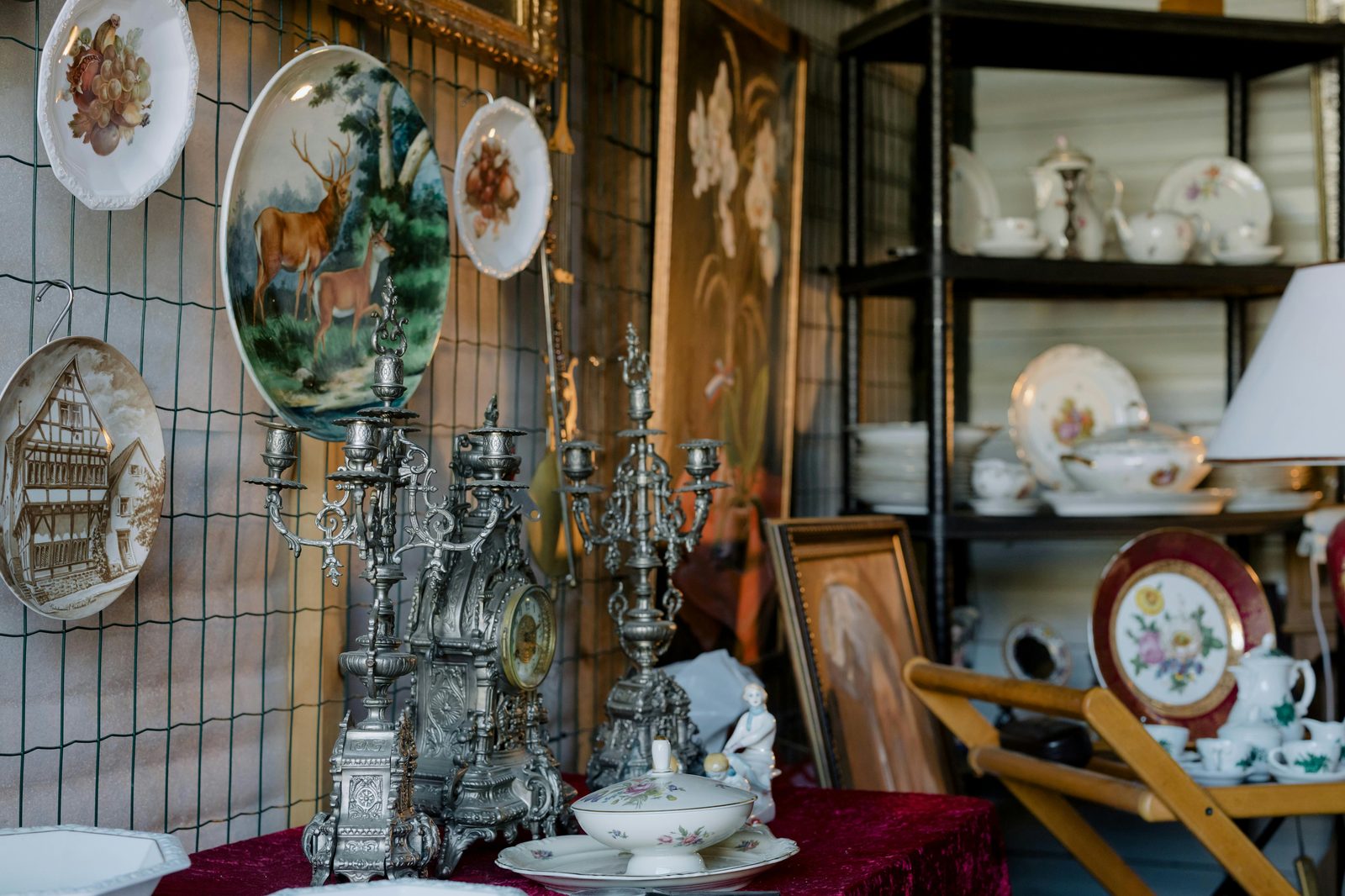
Bredgade is the grown-up end of the scene: an elegant one-kilometre straight line from Kongens Nytorv to Esplanaden, home to antique dealers, galleries, auction houses and jewellers. This is where serious collectors buy Danish 17th–19th-century silver, Royal Copenhagen Flora Danica pieces, and mid-century design with real provenance. Even if you’re not buying, the window displays are a free museum.
Key Antique Dealers
- Bruun Rasmussen Auctioneers — founded on Bredgade in 1948 and now based in Nordhavn. One of Denmark’s best-known auction houses, part of Bonhams since 2022; check its auction calendar for viewing dates.
- Dansk Møbelkunst — Bredgade 5. Museum-quality 20th-century Danish furniture; Finn Juhl, Poul Kjærholm, Hans Wegner originals.
- Klassik Moderne Møbelkunst — Bredgade 3. Another serious dealer — iconic Danish design at dealer prices.
Contemporary Art Galleries
- Galleri Bo Bjerggaard — Flæsketorvet 85A (Kødbyen, not Bredgade). A leading contemporary gallery; opens late on first Fridays.
- Andersen’s Contemporary — Rentemestervej 49, out in Nordvest. Nordic and international contemporary.
- Martin Asbæk Gallery — Bredgade 23. Photography and conceptual work.
- Galleri Susanne Ottesen — Gothersgade 49. Established painters and sculptors.
Neighbourhood Shopping: Vesterbro, Nørrebro and Beyond
Strøget is the tourist default; locals shop in the neighbourhoods. They’re cheaper, quieter and more interesting, and it’s where the best independent shopping actually happens. Pair this with our full guide to Copenhagen’s neighbourhoods to plan a route.
Vesterbro
Vesterbro was the red-light district in the 80s and is now the creative centre — gentrified, but still with more edge than Indre By.
- Værnedamsvej — the ‘little Paris’ street between Vesterbro and Frederiksberg. Boutiques (Playtype typography store, Summerbird chocolate), florists (Tage Andersen) and some of the city’s best delis (Meyers Deli).
- Istedgade — an eclectic mix of vintage, design and multicultural grocers.
- Vesterbrogade — high-street mid-range fashion.
- Kødbyen (Meatpacking District) — Flæsketorvet’s converted butcher halls hold design studios and bars. Weekends only for many of the shops.
Nørrebro
Nørrebro is the grittier, more international of the trendy neighbourhoods — a decade behind Vesterbro on gentrification, which means better prices and more discovery.
- Jægersborggade — a short street of independent shops, with the Coffee Collective roastery at no. 57.
- Ravnsborggade — a street of antique and vintage shops.
- Blågårdsgade — indie cafés, zine shops, secondhand bookstores.
- Elmegade — boutiques and cafés branching off Blågårdsgade.
Frederiksberg
Frederiksberg is the most upmarket neighbourhood — calmer, older-money, and a good antidote to Strøget’s crowds.
- Gammel Kongevej — multi-generational boutiques, bookshops (Paludan Bog & Café) and vintage shops.
- Falkoner Allé — more mainstream, with mid-range Danish chains.
- Frederiksberg Centret — a covered mall with high-street chains for bad-weather days.
Refshaleøen
Refshaleøen, the former shipyard island, is where the most interesting weekend events happen — design markets, vintage fairs and one-off pop-ups. Check the local listings for the next date; Reffen Street Food is out here too, so you won’t go hungry.
Practical Copenhagen Shopping Information
Opening Hours
- Most shops: Mon–Thu 10:00–18:00, Fri 10:00–19:00.
- Saturday: hours vary by shop, so check before you set out.
- Sunday: 12:00–16:00 at the department stores and major shops; many smaller shops, especially in the neighbourhoods, stay closed.
- Public holidays: most shops close for Easter, Constitution Day (half-day), Christmas and New Year’s Day. Convenience stores and Strøget tourist-area outlets stay open.
VAT Refund for Non-EU Visitors
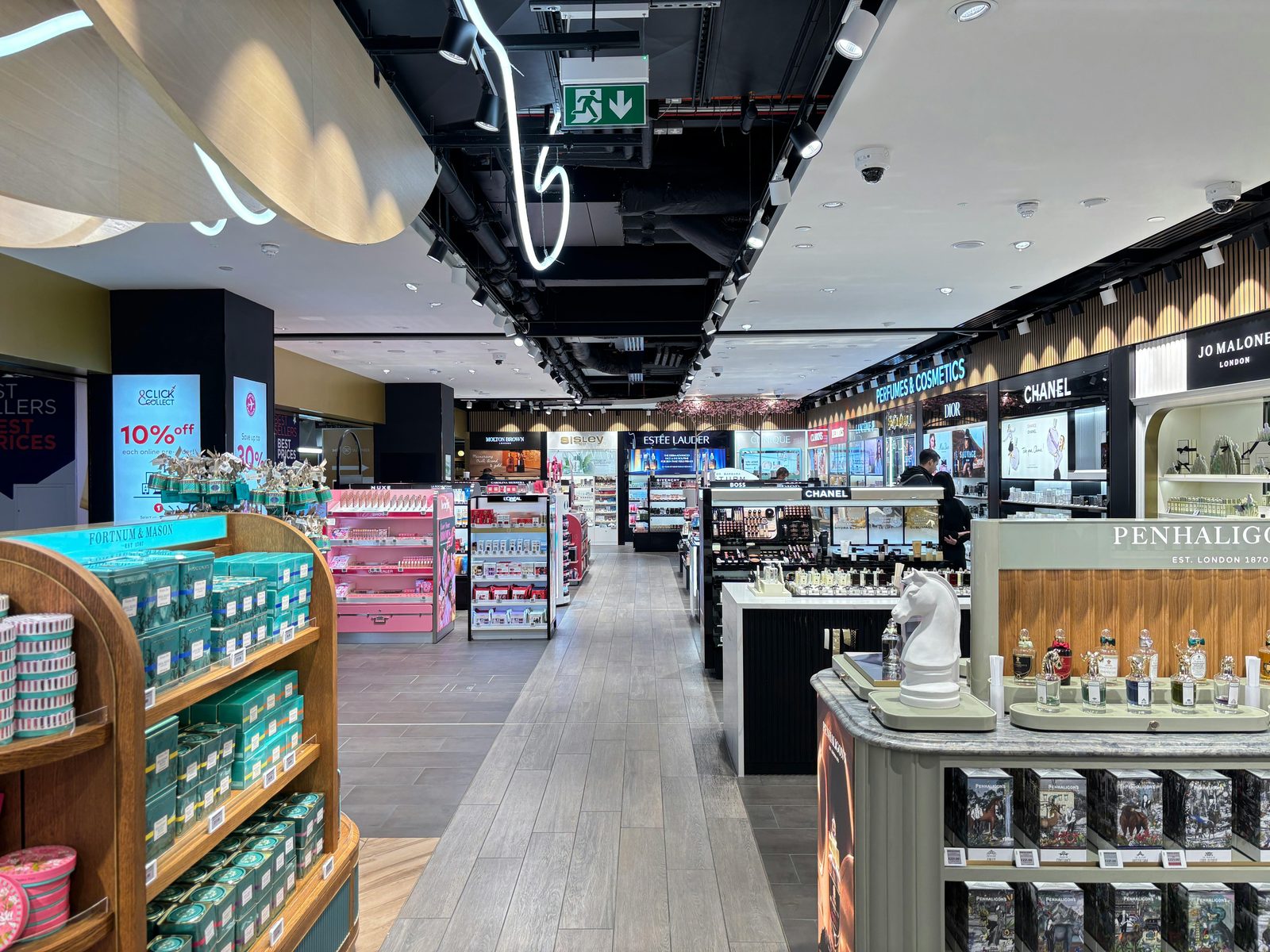
Denmark’s VAT is 25%, among the highest rates in Europe — which sounds brutal until you realise non-EU residents can claim a chunk of it back. If you’re travelling home outside the EU, you can reclaim 13–19% of the price on goods going with you, as long as you spend 300 DKK or more in one shop. Two operators handle nearly all of it:
- Global Blue — blue signage in most big stores; at Copenhagen Airport, refunds are paid in Terminal 3 (FOREX, B gates, after security, 05:00–22:00).
- Planet Tax Free — orange signage, similar coverage.
- How it works: ask for a tax-free form at checkout, keep your receipt and passport handy, and present both at the airport in Terminal 3, where Global Blue or Planet stamp the form (Customs does it outside their opening hours).
- Instant refund: some stores refund the VAT at the till — faster, but for a higher fee.
- Timing: allow extra time at the airport if you’re claiming on several purchases.
For the wider money picture — cards, cash and fees — see our Copenhagen travel tips guide.
Payment and Currency
Denmark is about as cashless as countries get. Visa, Mastercard and contactless work everywhere, including at flea markets (locals pay by MobilePay QR; tourists just tap a card). Withdrawing from a bank-branded ATM — Nordea, Danske Bank, Jyske Bank — usually gives a cleaner rate than the standalone machines.
Shipping Home
- Small items (under 2 kg): cheapest to carry. If you’d rather post them, PostNord’s price calculator gives the current rate to your country.
- Medium items (2–20 kg): drop them at a DHL or GLS ParcelShop, and get a quote for your destination before you pack.
- Furniture (20 kg+): most design stores will arrange shipping, so ask for a quote to your address when you buy.
- Best tip: Fritz Hansen, Louis Poulsen and Royal Copenhagen deduct the VAT at order time when shipping outside the EU — you pay the tax-free price upfront and skip the airport queue entirely.
Copenhagen Shopping FAQ
What should I buy in Copenhagen?
The short list: Royal Copenhagen porcelain, a Kay Bojesen wooden monkey, a HAY object, Lakrids by Bülow gift-boxed liquorice, a Ganni dress, a Bang & Olufsen portable speaker, some Flying Tiger stationery, and — only half-joking — a vacuum-packed loaf of Danish rugbrød. Everything here is better, cheaper or more authentic in Copenhagen than anywhere else.
Is shopping in Copenhagen expensive?
Mid-range and up, yes — Copenhagen sits alongside Zurich and Oslo on the expensive end of Western Europe. Three things soften it, though: non-EU visitors can reclaim the 25% VAT (roughly 13–19% of the price back after fees), Danish design brands can cost less at source than at their overseas stockists, and the vintage and flea-market scene is good value. Budget 1,500–3,000 DKK (roughly €200–400) for a solid design-souvenir haul.
Is Strøget open on Sundays?
Yes, with shorter hours: the department stores and major shops usually open 12:00–16:00 on Sundays. H&M, Zara, Magasin du Nord, Illum, Royal Copenhagen, Flying Tiger, Georg Jensen, HAY House and most big-name boutiques all open. Torvehallerne and the Strøget restaurants open too. Neighbourhood boutiques and most non-tourist shops stay shut.
Where are the best vintage shops in Copenhagen?
For designer vintage: Prag (Kompagnistræde or Nørrebro), Carmen & Fantasio (Larsbjørnsstræde) and the Red Cross shop in Hellerup. For everyday vintage: 2nd Rag (Frederiksberg), Episode and the Ravnsborggade stretch in Nørrebro. For flea markets: Remisen (indoor, roughly monthly from October to June), the Gentofte Sunday market (Apr–Oct) and summer pop-ups on Refshaleøen. Our vintage shops guide has the full map.
Where can I find Danish design in Copenhagen?
Start at Illums Bolighus, Amagertorv 10 — several floors of Danish design under one roof. After that: HAY House for contemporary, the Fritz Hansen flagship on Valkendorfsgade for iconic furniture, Normann Copenhagen in Østerbro for the full lifestyle concept, the Louis Poulsen showroom on Holmen for lighting, and Royal Copenhagen on Amagertorv for porcelain. The Danish design shops guide covers all of them.
How do I get a VAT refund when shopping in Copenhagen?
You have to be a non-EU resident spending 300 DKK or more at one store. Ask for a tax-free form at checkout (Global Blue or Planet), keep your purchases unopened in your carry-on, then head to Terminal 3 at Copenhagen Airport. Global Blue or Planet stamp the form (Customs does it outside their opening hours), and you collect your cash or card refund past security at FOREX by the B gates or at Prosegur. Allow extra time; refunds run 13–19% of the purchase price.
Are flea markets in Copenhagen cash-only?
No. Most stalls take Visa and Mastercard via portable readers, and Danish shoppers pay by MobilePay. Still, bring some cash as backup for the older dealers who prefer it. ATMs are everywhere but charge fees — use a bank-branded one for the better rate.
What are the best shopping streets off the tourist trail?
Three to know: Værnedamsvej on the Vesterbro/Frederiksberg border for boutiques and delis; Jægersborggade in Nørrebro for independent design and specialty food; and Bredgade north of Kongens Nytorv for antiques, galleries and mid-century furniture with provenance.
Plan Your Copenhagen Shopping Trip
Dive into any topic above with its dedicated guide, then build a shopping day into the wider trip:
- Strøget Shopping Guide — the full walk from City Hall to Kongens Nytorv
- Danish Design Shops in Copenhagen — furniture, lighting and objects at source
- Copenhagen Flea Markets — where and when, market by market
- Best Vintage Shops in Copenhagen — designer secondhand and thrift
- Best Copenhagen Souvenirs — gifts worth their suitcase space
- LEGO Store Copenhagen — the flagship on Strøget, and shopping with kids
- Magasin du Nord, the grand old department store — the grand department store at Kongens Nytorv
- Illum Department Store — the designer-focused floors on Østergade
And for the rest of the trip:
- Things to Do in Copenhagen — attractions to pair with shopping days
- Copenhagen Itinerary — worked 1–7 day plans
- Where to base yourself in Copenhagen — hotels near the shopping districts
- Best Time to Visit Copenhagen — sales seasons and Christmas-market timing
Last updated: July 2026. Photo credits: images courtesy of the Copenhagen Tourism media library and Pexels.


