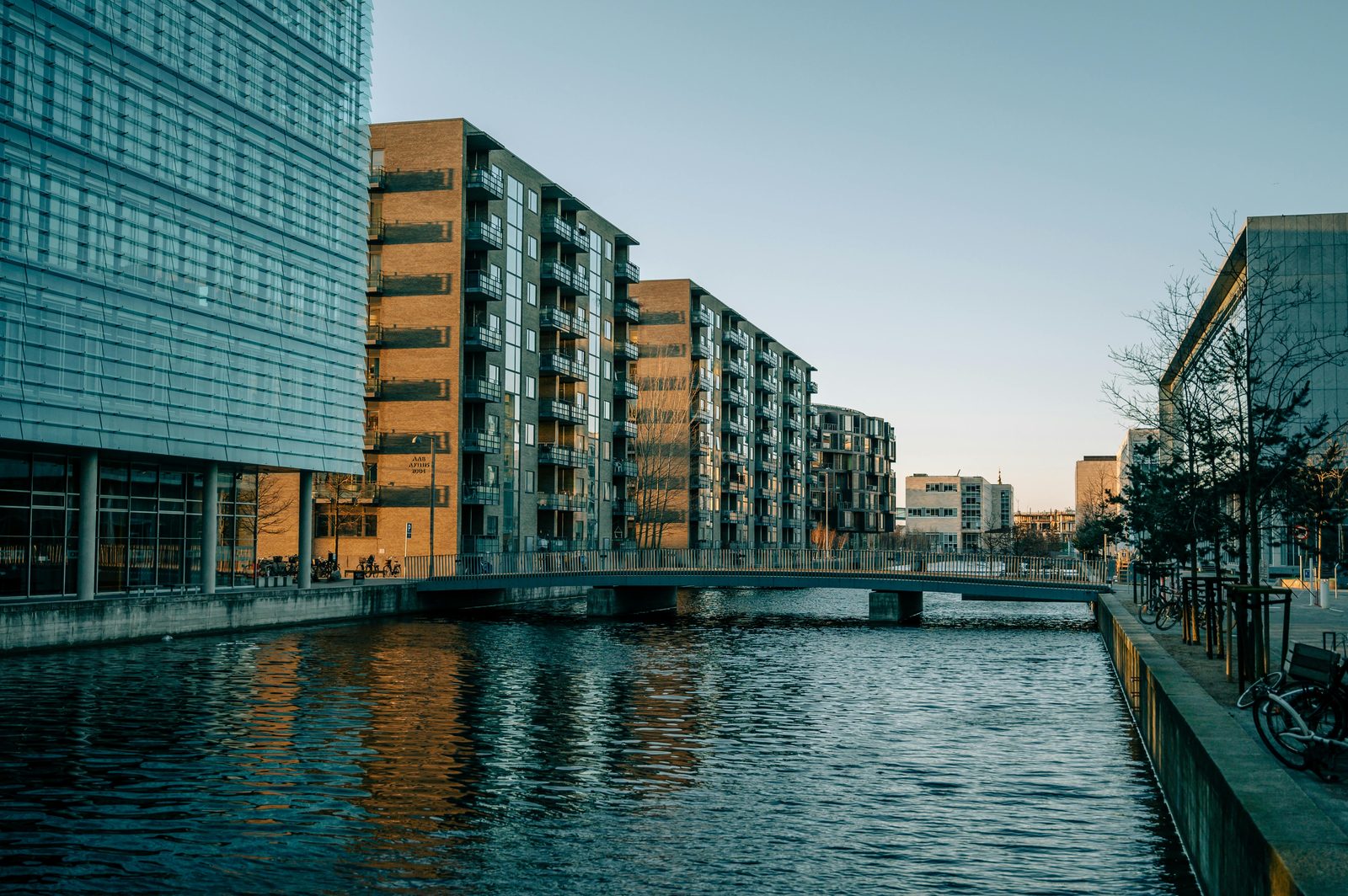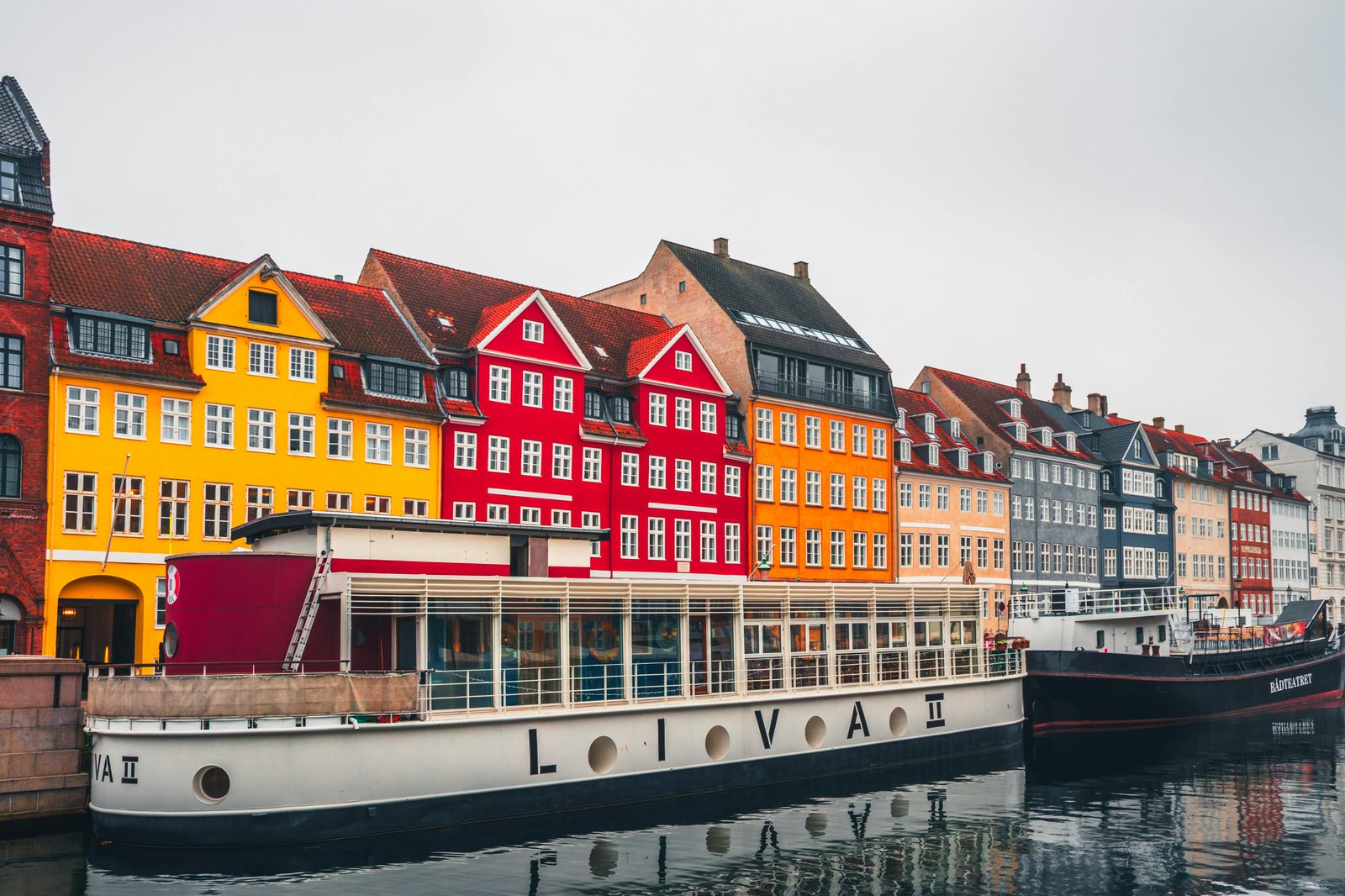
The fastest way to fall for Copenhagen is to stop thinking of it as one city and start thinking of it as a dozen small towns stitched together by bike lanes. It’s a compact capital of roughly 660,000 people, yet the character shifts block by block: royal palaces and cobbles in Indre By, Amsterdam-style canals in Christianshavn, shawarma joints and record shops in Nørrebro, harbour-front street food out on Refshaleøen. The Copenhagen neighborhoods that matter most number about ten, and knowing how they differ is the single best thing you can do before you book a hotel or plan a day.
This is our local guide to all of them for 2026 — what each district feels like, what to see, where to eat, whether to stay there, and how to hop between them (spoiler: almost always by bike). First-timer deciding where to base yourself, repeat visitor chasing new food and design, or a resident poking into a corner you’ve somehow never walked — use this as your map. Every area below links through to a full, detailed guide.
Copenhagen neighborhoods at a glance
Here’s a quick reference to place each district, get a feel for its vibe, and see what it’s best known for. All ten are covered in detail further down the page.
| Neighborhood | Vibe | Best for | Iconic sight |
|---|---|---|---|
| Indre By (Inner City) | Historic, royal, central | First-time visitors | Nyhavn canal |
| Vesterbro | Hip, trendy, nightlife | Foodies, creatives | Kødbyen (Meatpacking) |
| Nørrebro | Multicultural, indie, cool | Budget travelers | Superkilen park |
| Christianshavn | Maritime, quiet, canals | Romantics, architecture | Church of Our Saviour |
| Frederiksberg | Elegant, leafy, bourgeois | Families, parks | Frederiksberg Gardens |
| Østerbro | Family, green, relaxed | Slow travelers | Fælledparken |
| Refshaleøen | Post-industrial, foodie | Street food, design | Reffen + new Noma |
| Holmen | Quiet, architectural, waterfront | Culture, design | Opera House |
| Carlsberg Byen | New urbanism, historic | Day-trippers | Elephant Gate |
| Sydhavn | Up-and-coming, harbour | Local life, living | Sluseholmen canals |
What’s in this guide
- How Copenhagen is laid out
- Indre By — the historic Inner City
- Vesterbro — creative and gritty-cool
- Nørrebro — the coolest, most multicultural district
- Christianshavn — canals and Christiania
- Frederiksberg — green, elegant and its own city
- Østerbro — family-friendly parks and waterfront
- Refshaleøen — post-industrial food and design
- Holmen — Opera House and naval history
- Carlsberg Byen — inside the old brewery
- Sydhavn — Copenhagen’s emerging harbour district
- Best neighborhoods to stay in
- Which one is best for you?
- Getting between the neighborhoods
- Local tips
- FAQ
How Copenhagen is laid out
Copenhagen sits on the east coast of the Danish island of Zealand, looking across the Øresund strait to Sweden. The historic city spreads over two islands — Zealand itself (home to Indre By, Vesterbro, Nørrebro, Østerbro and Frederiksberg) and Amager to the east (Christianshavn, Holmen, Refshaleøen and the airport). A working harbour runs between them, crossed by bridges and served by the yellow harbour buses that are, usefully, part of ordinary public transport.
The city is small and it rewards that. From Indre By you can walk to Vesterbro, Nørrebro, Christianshavn or Østerbro in 15–25 minutes, and cycle end to end in under half an hour on protected bike lanes. The driverless Metro (M1–M4) and the suburban S-train handle anything further out. Nearly every district described below is within about 20 minutes of the central station by bike or Metro, so you can genuinely see several in a single day without feeling like you rushed.
One thing that surprises visitors: how residential the centre feels. Even the heart of Indre By is full of people who actually live there — walking dogs, pushing prams, commuting by bike in all weather. That’s what gives the city its famously low-key, livable feel, and it’s why each area reads like a small town inside a bigger one.
Indre By — the historic Inner City
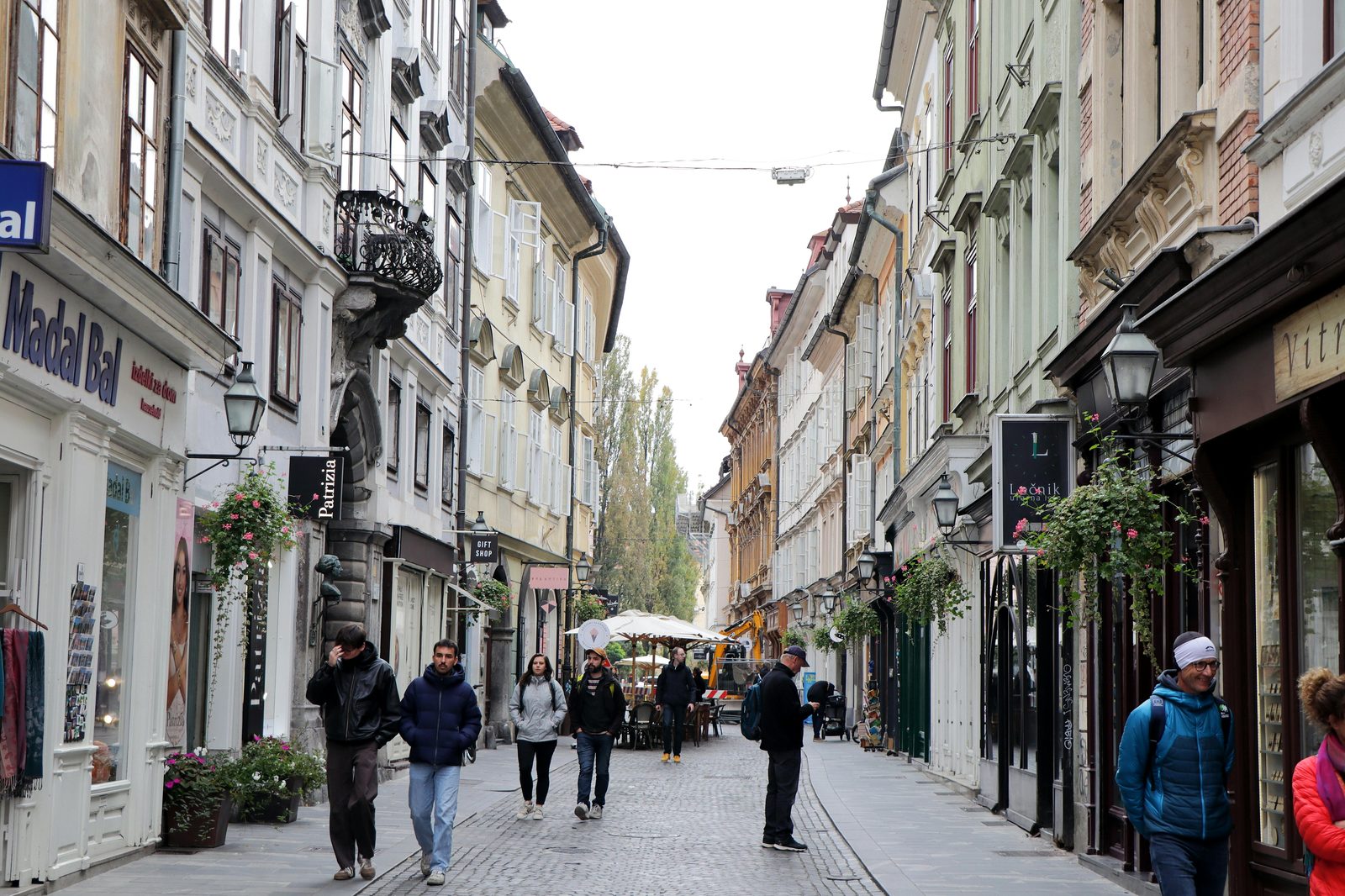
Indre By is Copenhagen’s old heart — the postcard you already have in your head. Royal palaces, cobbled squares, copper-spired churches, Tivoli Gardens, Nyhavn’s painted townhouses and the long pedestrianised Strøget all sit inside the medieval footprint, ringed by the lakes and old ramparts. Most first-timers spend the bulk of their trip here and its immediate edges, and honestly, that’s the right call for a short stay.
What to see in Indre By
- Nyhavn — the 17th-century canal lined with brightly painted merchant houses. Hans Christian Andersen lived at numbers 20, 67 and 18.
- Strøget — one of Europe’s longest pedestrian streets, running 1.1 km from City Hall Square (Rådhuspladsen) to Kongens Nytorv.
- Tivoli Gardens — open since 1843 and one of the oldest amusement parks in the world, lit by 100,000 lanterns at night.
- Rosenborg Castle and the King’s Garden — a Renaissance castle that still houses the Danish crown jewels.
- Christiansborg Palace — seat of the Danish parliament, open to visitors; climb the tower for a free 360° city view.
- Amalienborg — the royal residence, where you can watch the changing of the guard at noon every day.
- Rundetårn (Round Tower) — Europe’s oldest working observatory, climbed via a 268-metre spiral ramp instead of stairs.
- Nationalmuseet — Denmark’s National Museum, with a strong Viking collection and free entry for under-18s.
- Ny Carlsberg Glyptotek — ancient and 19th-century art in a palm-filled winter garden.
Food and drink in Indre By
The old town is packed with smørrebrød (open-sandwich) restaurants — Schønnemann, Hallernes and Aamanns all serve classic, well-made versions. Torvehallerne, on the edge of the inner city, is an indoor market hall with more than 60 stalls selling everything from fresh fish to hot chocolate. For a splurge, the Michelin-starred Kong Hans Kælder occupies a 12th-century brick vault. Coffee is best at Democratic Coffee inside the central library. For the full picture, our full guide to eating in Copenhagen maps the best of it across the city.
Who should base themselves in Indre By
First-timers with only two or three days, anyone who wants the biggest sights on their doorstep, and travelers who value convenience over a hyper-local vibe. It’s the best base for a compact, sight-heavy itinerary. Hotels skew mid to high end; boutique picks include Hotel Sanders near Kongens Nytorv and Hotel Skt. Petri. See our full Indre By guide for a street-by-street walking route.
Vesterbro — creative, trendy, a little gritty
Vesterbro sits immediately west of the central station and Tivoli, and few districts in the city have changed so completely. Twenty years ago this was Copenhagen’s red-light district, all working butchers and rough bars. Today it’s the hippest part of town — boutiques on Værnedamsvej, specialty coffee roasters, craft-cocktail bars, record shops, vintage stores, and more genuinely good restaurants per square metre than anywhere else in Copenhagen.
Kødbyen (the Meatpacking District)
Kødbyen, the old city meat market, is Vesterbro’s beating heart. The white-tiled slaughterhouse halls now hold bars, galleries, restaurants and design studios. Kødbyens Fiskebar broke ground early here and is still one of the best seafood spots in the city. Warpigs is a Texas-style BBQ brewpub, Mother makes some of the best sourdough pizza in town, and Prolog Coffee Bar is a pilgrimage for specialty-coffee fans. After dark, Bakken, Jolene and Basso turn the whole district into one of the best nightlife areas in the country.
What else to see in Vesterbro
- Værnedamsvej — a two-block shopping street nicknamed ‘little Paris’ for its boulangeries, cheese shops and boutiques.
- Istedgade — the long spine of Vesterbro; walk its full length to watch the neighborhood change character.
- Carlsberg Brewery Experience — the old brewery on Vesterbro’s western edge, walkable from Central Station via Carlsberg Byen (see below).
- Enghaveparken — a century-old neighborhood park, recently rebuilt as a climate-adaptive water park.
- Independent galleries dotted around Kødbyen, plus rotating off-site art shows.
Who should base themselves in Vesterbro
Food-and-drink travelers, design-conscious visitors, creatives, and anyone on a second or third trip who already knows the headline sights. Accommodation runs from the Nobis (a five-star in an old police academy) to Urban House (a budget-friendly hostel). For more, see our full Vesterbro guide, and if food is the whole point of your trip, our full street-food guide is worth a read.
Nørrebro — the coolest, most multicultural district
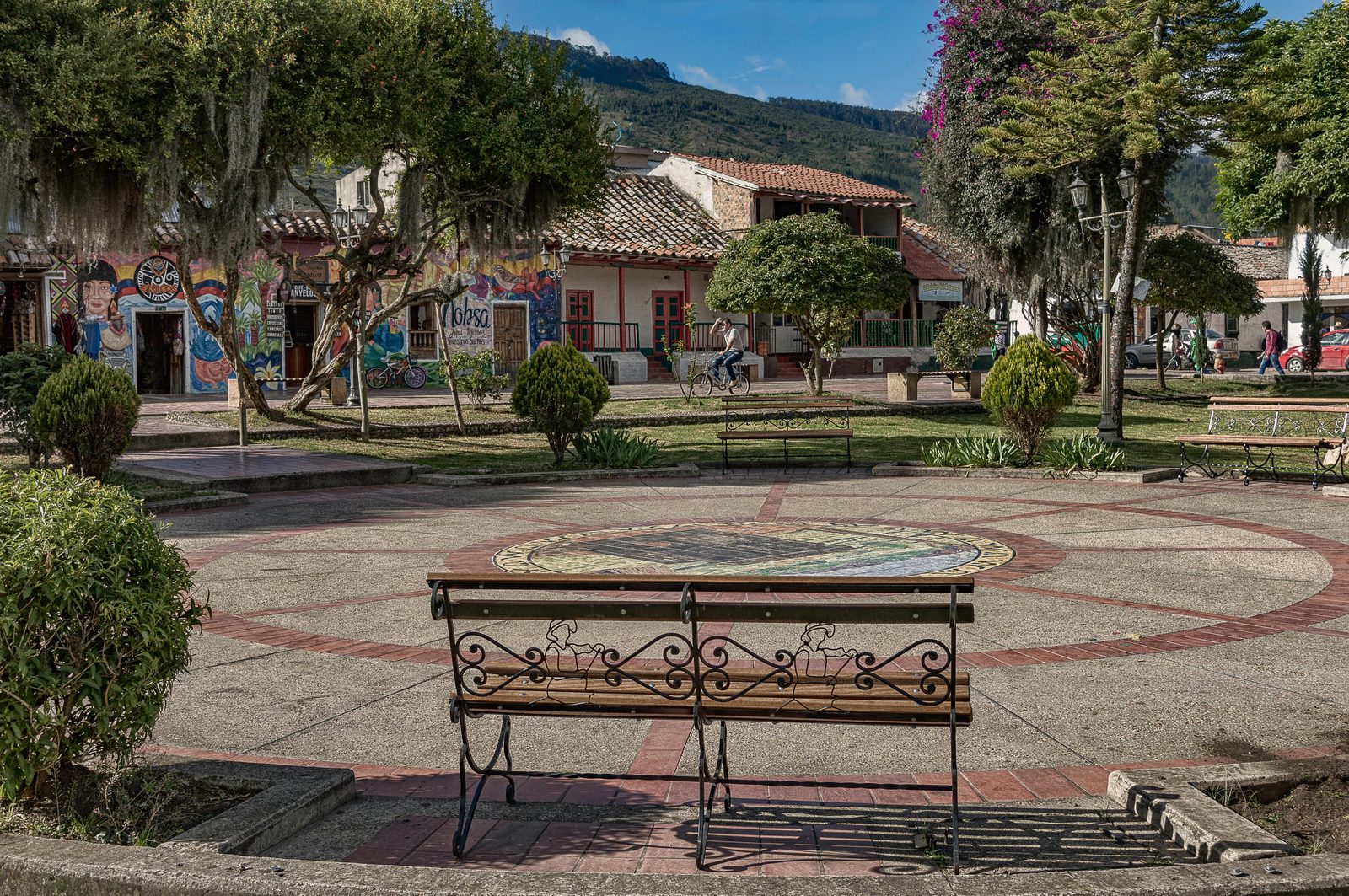
Nørrebro was named the coolest neighborhood in the world by Time Out in 2021, and it has held onto that by doing almost nothing that feels touristy. Just north-west of the lakes (Søerne) that ring Indre By, it’s the most culturally diverse and densely populated of the bunch. The streets are louder, the food is cheaper and more interesting, and the mix of languages on any given block is genuinely remarkable.
What to see in Nørrebro
- Superkilen — a kilometre-long public park by BIG, Topotek 1 and Superflex, furnished with 108 objects sourced from 60 nationalities: a Moroccan fountain, Iraqi swings, Brazilian benches and a black octopus slide from Japan.
- Assistens Cemetery — the green lung of Nørrebro, where locals sunbathe among the graves of Hans Christian Andersen, Søren Kierkegaard and Niels Bohr.
- Jægersborggade — a single block of independent shops, coffee roasters and a Michelin-starred restaurant.
- Blågårdsgade — a car-free street with bars, cafés and a Sunday flea market.
- The lakes (Sortedams Sø, Peblinge Sø) — a 6 km walking and cycling circuit separating Nørrebro from Indre By.
Food in Nørrebro
This is the best district in the city for cheap, high-quality eating. Manfreds does farm-to-table natural wine, Kiin Kiin Bao Bao serves Michelin-level Thai in a casual room, and Ramen to Bíiru pulls a local queue. Sankt Peders Bageri is the go-to for kanelsnegle (cinnamon snails), and coffee lovers head to Coffee Collective’s Jægersborggade location. Along Nørrebrogade you’ll also find some of the city’s most authentic shawarma, falafel and Pakistani dal.
Who should base themselves in Nørrebro
Younger travelers, budget travelers, repeat visitors, and anyone who cares more about where they eat dinner than where they sleep. Hotels are scarce, but you’ll find good short-term rentals and a few small guesthouses. Read our full Nørrebro guide for a day-by-day itinerary.
Christianshavn — canals, Christiania and quiet
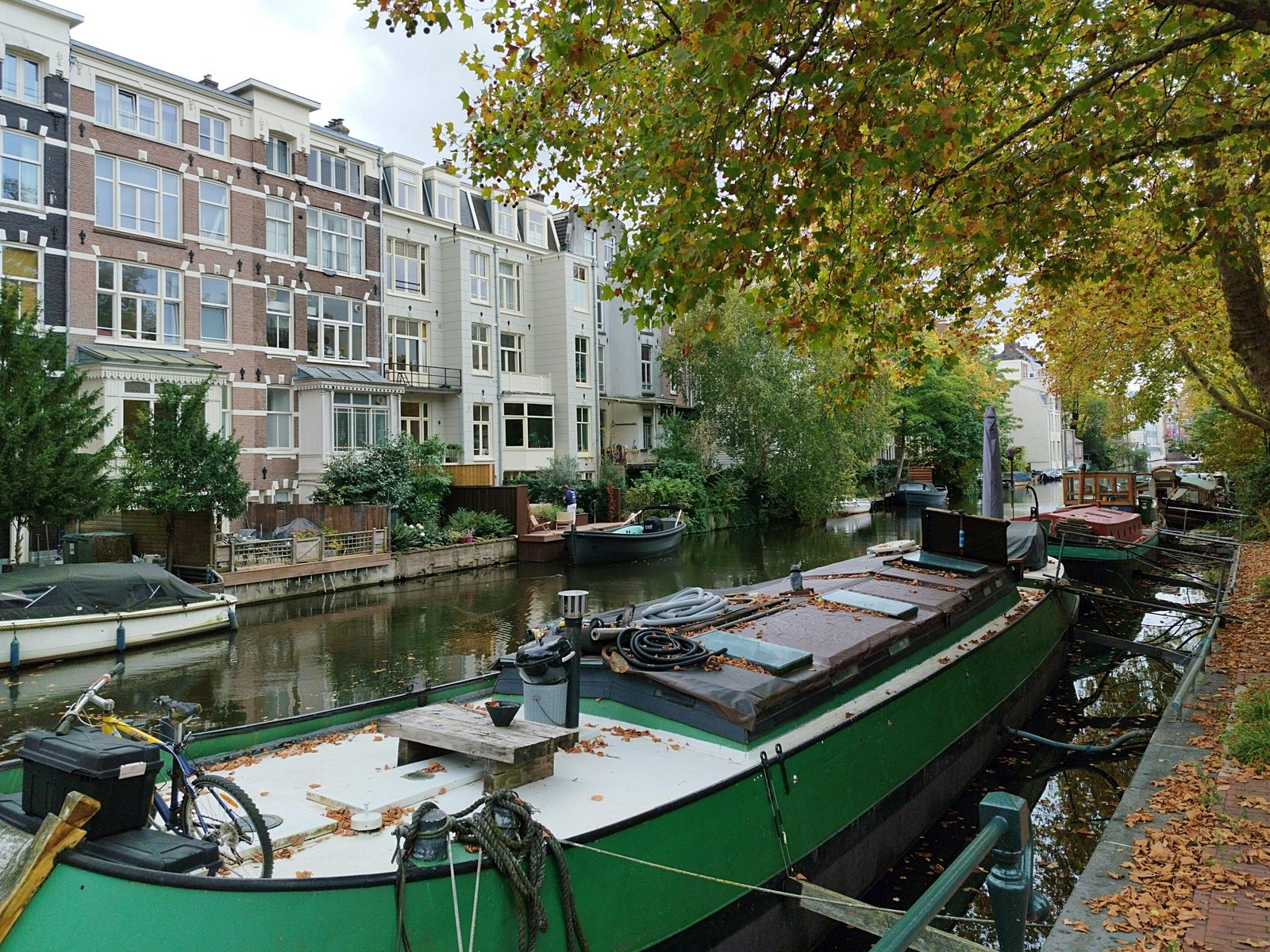
Christianshavn is Copenhagen’s canal district, built on reclaimed land east of Indre By by King Christian IV in 1617. He modelled it on Amsterdam — gridded canals, warehouses, merchant houses, wooden barges — and as you walk Overgaden Oven Vandet and Overgaden Neden Vandet (the streets either side of the main canal) you can still read that four-hundred-year-old plan intact. It’s one of the most photogenic corners of the city, and one of the quietest.
What to see in Christianshavn
- Church of Our Saviour (Vor Frelsers Kirke) — climb the 400-step helical outdoor staircase to the top of the spire for the best panoramic view of Copenhagen.
- Christianshavns Kanal — the main canal, lined with houseboats, café tables and small wooden rowing boats for rent in summer.
- Freetown Christiania — the self-governing community founded by squatters in 1971. Pusher Street was dismantled by residents in 2024; today Christiania is safe, family-friendly and full of street art, homemade architecture and the Loppen music venue.
- Christianshavns Torv — the small canal-side square with cafés, a Metro entrance and a Saturday flea market.
- Inderhavnsbroen (Kissing Bridge) — a pedestrian-and-bike bridge that slides open sideways to connect Christianshavn and Nyhavn.
Food in Christianshavn
Noma has moved on (the new site is out on Refshaleøen, below), but the district is still foodie-rich. Barr sits in Noma’s old dining room and cooks elevated North Sea fare. Rabes Have is one of the oldest inns in the city. Lagkagehuset began as a single Christianshavn bakery and is now a nationwide chain, but the flagship on Torvegade is still the best of them.
Who should base themselves in Christianshavn
Romantic couples, photographers, and anyone who’d take a quiet evening canal walk over a nightclub any day. CPH Living is a floating hotel on the canal, and the CopenHill complex (with its rooftop ski slope) is a short bike ride north. For more, see our full Christianshavn guide.
Frederiksberg — green, elegant and its own city
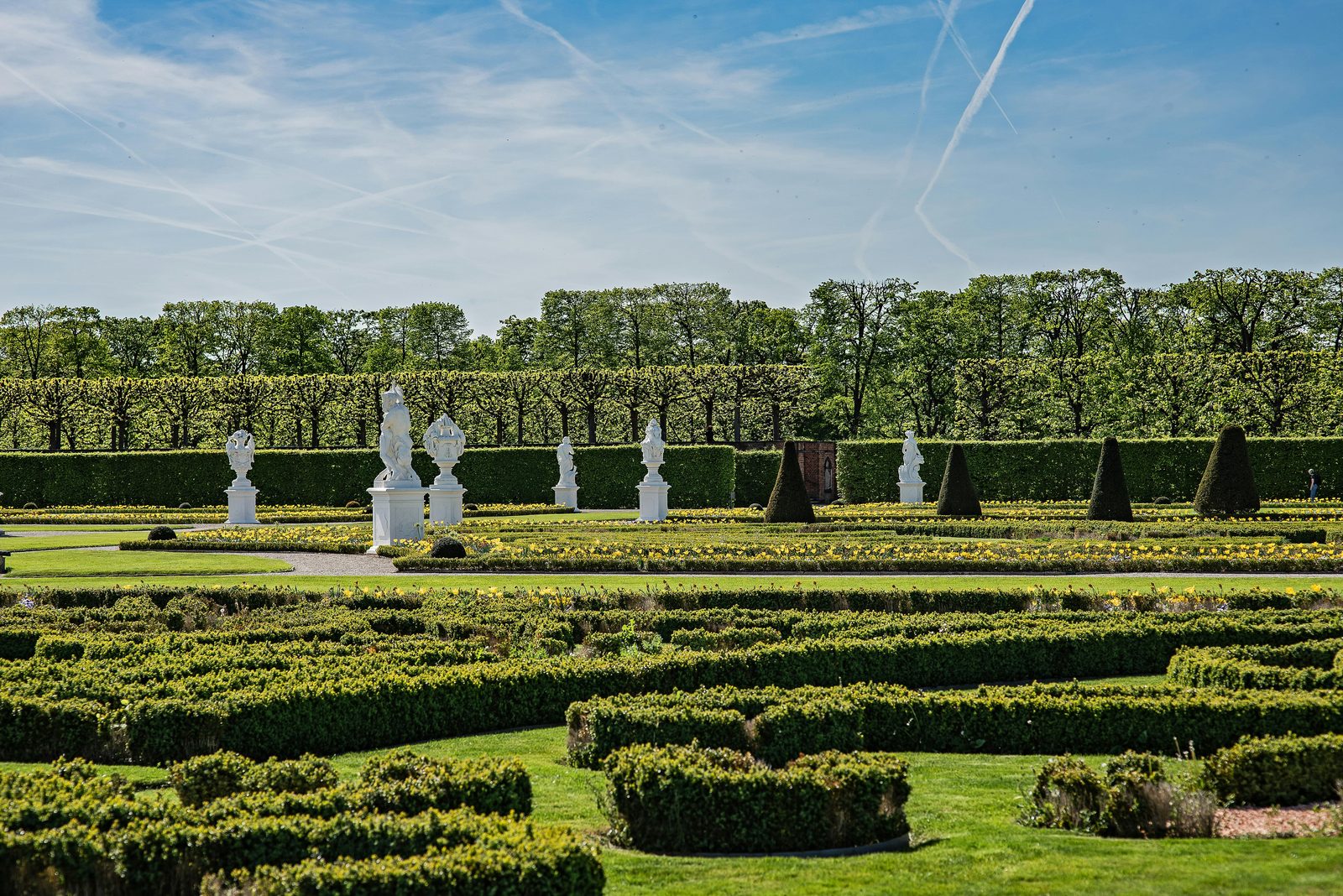
Frederiksberg technically isn’t part of Copenhagen at all — it’s a separate municipality with its own mayor, completely surrounded by the capital. You’ll cross the invisible border without noticing. It’s the most elegant district around here: tree-lined boulevards, grand old apartment buildings, high-end boutiques, and some of the best parks in the city. Locals only half-jokingly call it Copenhagen’s answer to Paris.
What to see in Frederiksberg
- Frederiksberg Gardens — the 32-hectare royal park around Frederiksberg Palace, with canals you can row in summer, a Chinese Pavilion, and distant views of the zoo’s elephants.
- Copenhagen Zoo — one of Europe’s oldest zoos (founded 1859) with more than 4,000 animals and the Foster + Partners elephant house.
- Cisternerne — a contemporary art space built inside the old underground cisterns beneath Søndermarken park.
- Søndermarken — the wooded park across from Frederiksberg Gardens, perfect for a run.
- Storm P. Museum — a small, very Danish museum dedicated to the 20th-century cartoonist.
- Værnedamsvej — the food-and-boutique street on the border with Vesterbro.
Who should base themselves in Frederiksberg
Families, second-time visitors, slower travelers, and anyone with a rental apartment and children in tow. Metro lines M1 and M3 serve the area, and you can reach Indre By in about 10 minutes. Read our full Frederiksberg guide for neighborhood walks and coffee spots.
Østerbro — family-friendly parks and waterfront
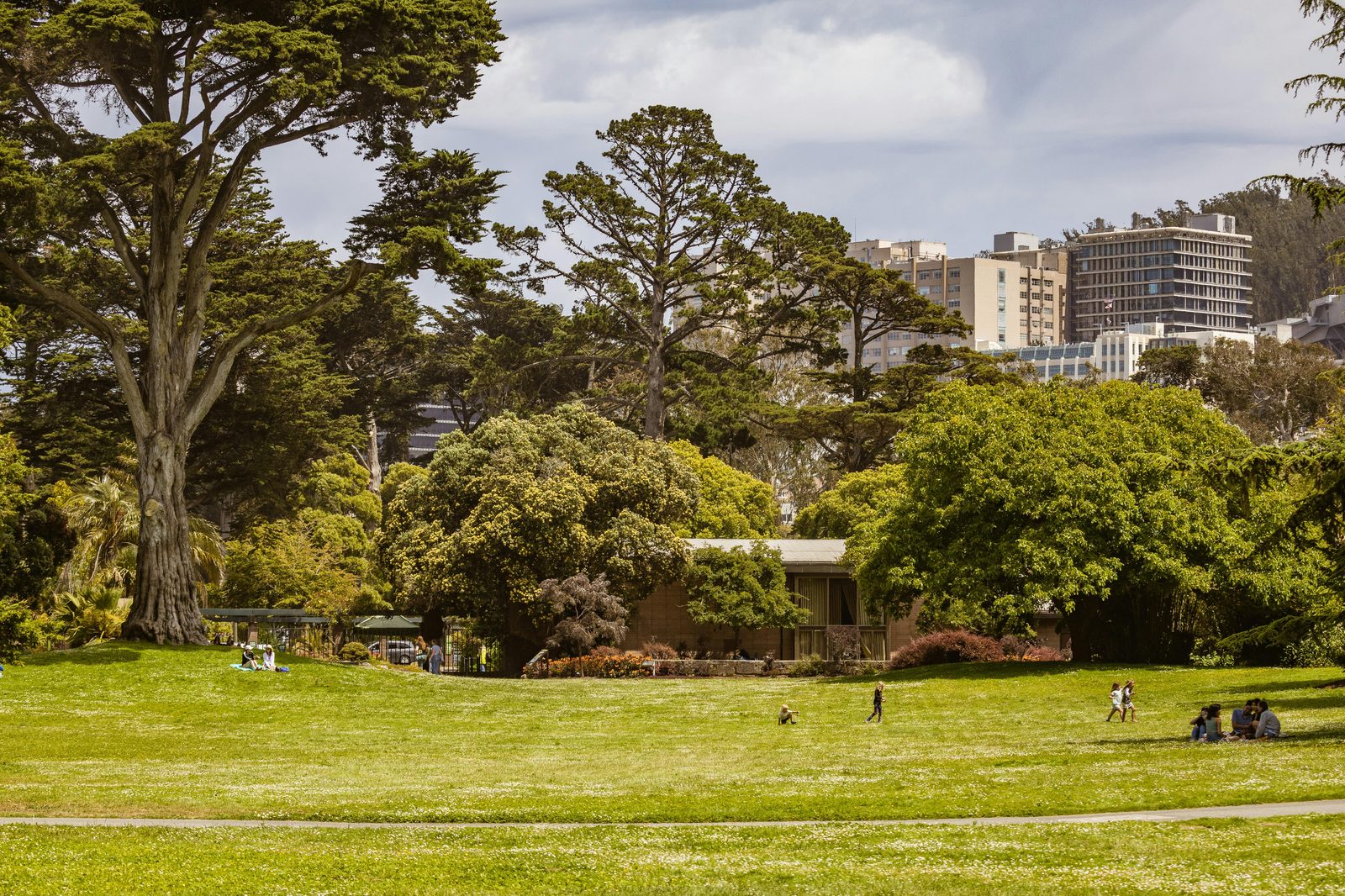
Østerbro runs north of Indre By, up along the harbour to the Little Mermaid and inland to Fælledparken. It’s the greenest of the central districts and easily the most family-oriented: wide streets, handsome late-19th-century apartment blocks (bay windows, parquet floors), tree-lined cycle paths, and more prams per square kilometre than anywhere else in the city.
What to see in Østerbro
- Fælledparken — Copenhagen’s second-largest park and the city’s favourite picnic spot, with one of the largest skateparks in Northern Europe (4,500 m²), a traffic playground where children learn to cycle, and the Parken football stadium on its edge.
- Den Lille Havfrue (The Little Mermaid) — the Edvard Eriksen sculpture on the Langelinie promenade, unveiled in 1913.
- Kastellet — a perfectly star-shaped 17th-century citadel, still in military use but open to walkers, just south of the Little Mermaid.
- Nordhavn — the redeveloped northern harbour with new architecture, a harbour bath, and the Konditaget Lüders rooftop playground.
- Svanemøllen Beach — a sandy in-city beach, 20 minutes from Kongens Nytorv.
- Garnisonskirkegården and the northern edge of Assistens Cemetery — green walking spaces popular with locals.
Food and drink in Østerbro
It’s not as food-famous as Vesterbro or Nørrebro, but there are quiet gems. Hellerup House is a refined all-day brasserie, Rebel is a Michelin-starred French-Danish spot on Nordre Frihavnsgade, and Kalaset does excellent brunch. Meyers Deli sells the classic Claus Meyer pastries and smørrebrød, and the Nordhavn harbour bath has a summer-only food-truck scene.
Who should base themselves in Østerbro
Families with small children, travelers on longer stays, and anyone who wants space and a neighborhood feel rather than a sight-heavy itinerary. Hotels are limited, but the Charlottehaven aparthotel is a favourite. See our full Østerbro guide for a family-first itinerary.
Refshaleøen — post-industrial food, saunas and new Noma
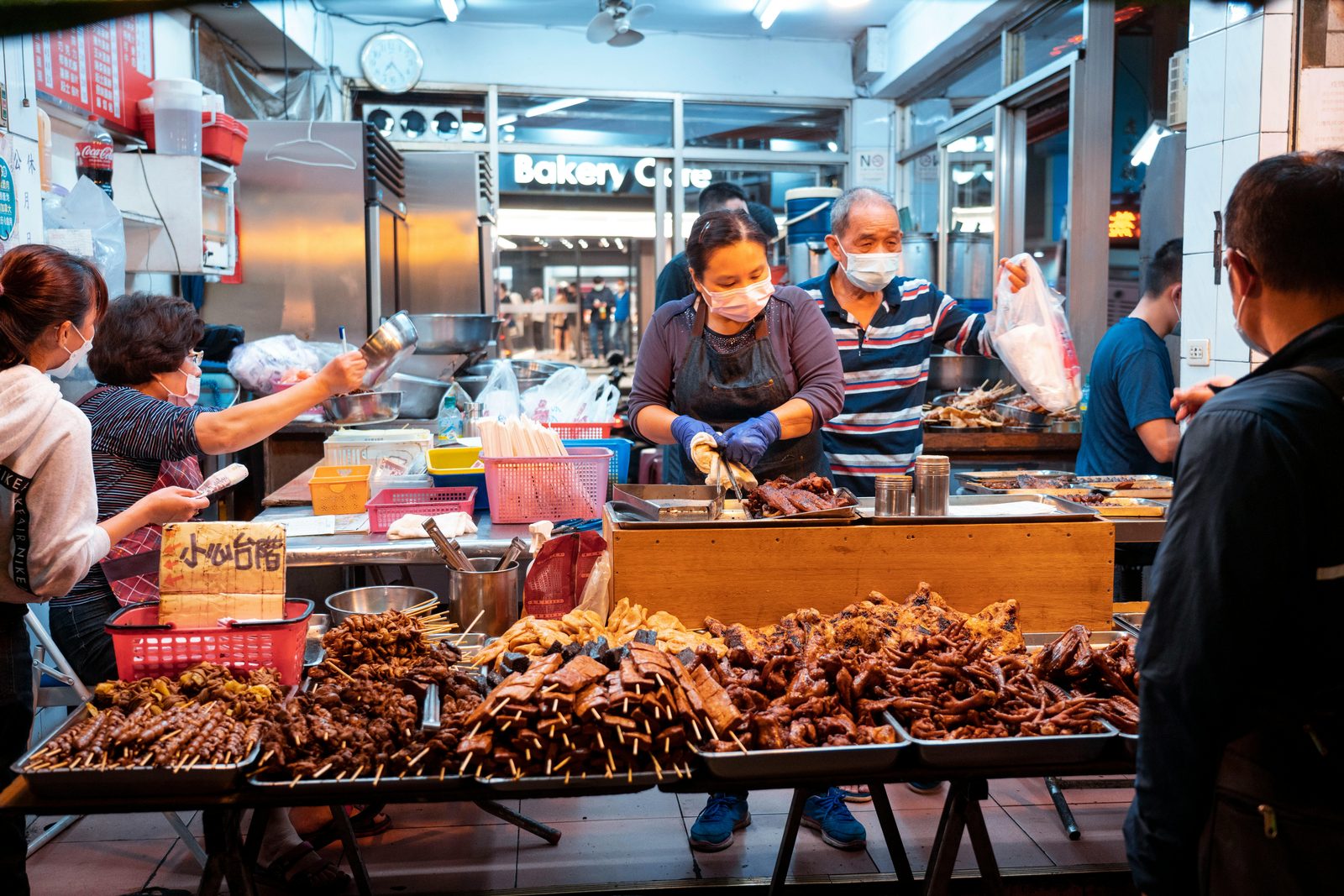
Refshaleøen is an artificial island on the northeast edge of Amager — a former shipyard, quietly abandoned in 1996, that over the last decade has turned into one of the most exciting food, design and culture destinations in the city. It’s about 15 minutes from Nyhavn on harbour bus 992 or 991, or an easy 20-minute bike ride along the water. If you have time for only one “new Copenhagen” district, make it this one.
Reffen and the new Noma
Reffen is the largest street food market in Northern Europe — roughly 35 stalls, 10 bars and a small on-site brewery across a 12,000 m² waterfront site, open about April to October. The food is cheap, the view looks straight onto the harbour, and in summer DJs play late. Nearby, the new Noma 2.0 occupies a farm-like campus of old military buildings. Around them you’ll find Baghaven (a wild-ale brewery), Amass (Matt Orlando’s sustainability-focused restaurant) and Alchemist (a two-Michelin-star experience in a former shipyard hall).
What else to do on Refshaleøen
- La Banchina — the seaside wine bar with its own swim dock and sauna.
- CopenHot — hot tubs and harbour saunas for a Danish take on wellness.
- Copenhagen Contemporary — a big-hall contemporary art museum housed in an old welding factory.
- Empirical — the experimental distillery runs tours and a walk-in bar.
- Lille Bakery — a Refshaleøen original, famous for its laminated pastries and slow weekend brunches.
Who should come to Refshaleøen
Everyone, really — but especially food travelers, design lovers and repeat visitors. This is a day-trip district: there are no hotels on the island. Read our full Refshaleøen guide for the smartest order to visit the food spots in.
Holmen — Opera House and naval history
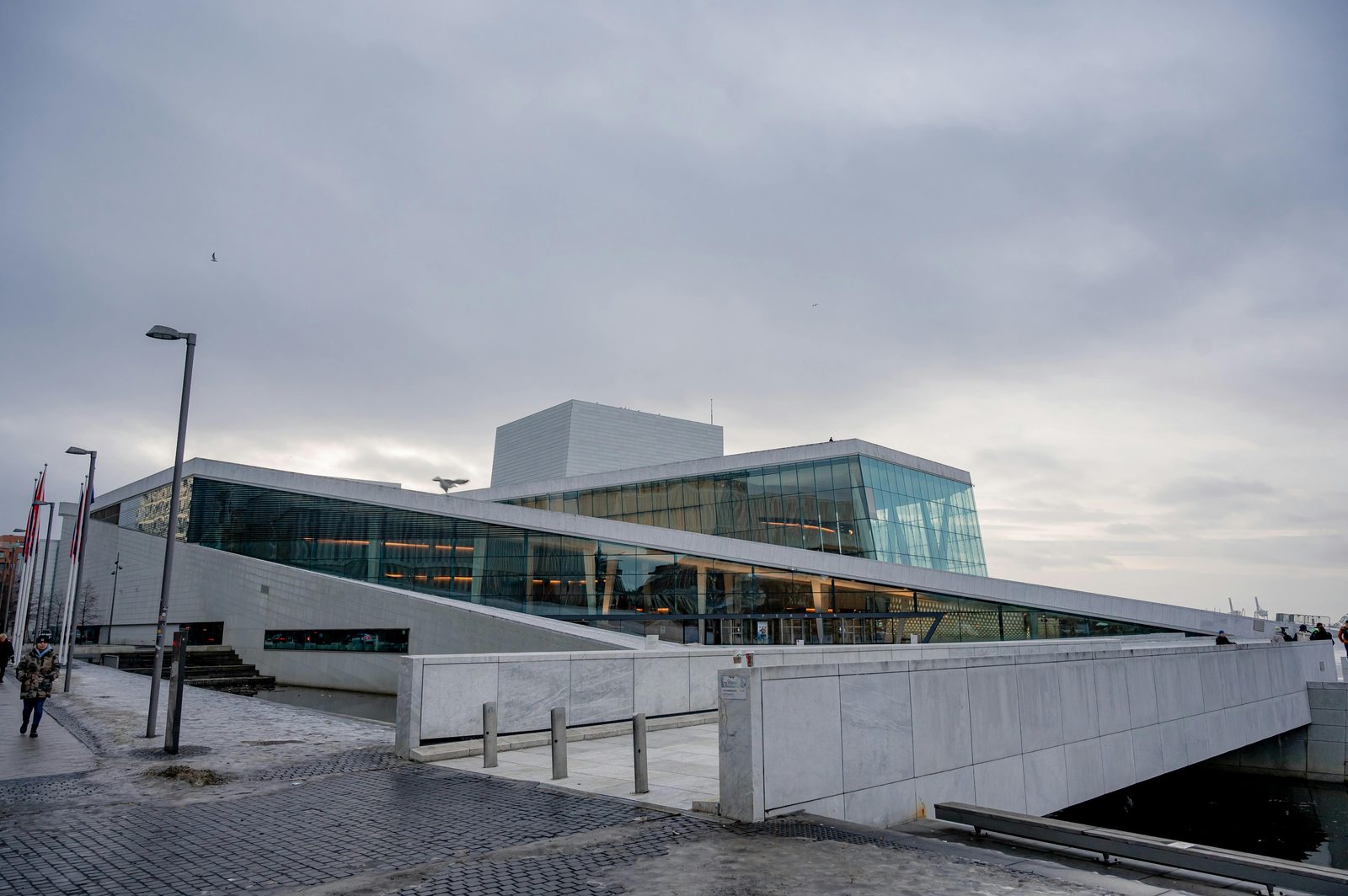
Holmen is the cluster of islands between Christianshavn and Refshaleøen — a former naval base decommissioned in the 1990s and reborn as home to the Royal Danish Opera, the Royal Academy’s school of architecture, and a growing mix of design studios, houseboats and the odd floating sauna. The Henning Larsen–designed Opera House, with its 32-metre cantilevered roof, is the obvious landmark, sitting directly across the harbour from Amalienborg Palace — the shipping magnate Mærsk McKinney Møller’s gift to the nation.
What to see on Holmen
- Operaen (Copenhagen Opera House) — an 1,800-seat main auditorium, guided tours, summer ballet and outdoor concerts.
- Arsenaløen and Nyholm — preserved naval yards with 18th-century buildings, a tall mast and a waterside walking loop.
- Den Grå Hal — an old covered dock hosting concerts, markets and art exhibitions.
- Frederiksholm kanal — the narrow canal running between the islands, lined with colourful boathouses.
- The Royal Academy (KADK) — the architecture and design school, open during its end-of-year exhibitions.
Who should come to Holmen
Design and architecture fans, opera-goers, and anyone walking or cycling between Nyhavn and Refshaleøen. See our full Holmen guide for a self-guided architecture walk.
Carlsberg Byen — inside the old brewery
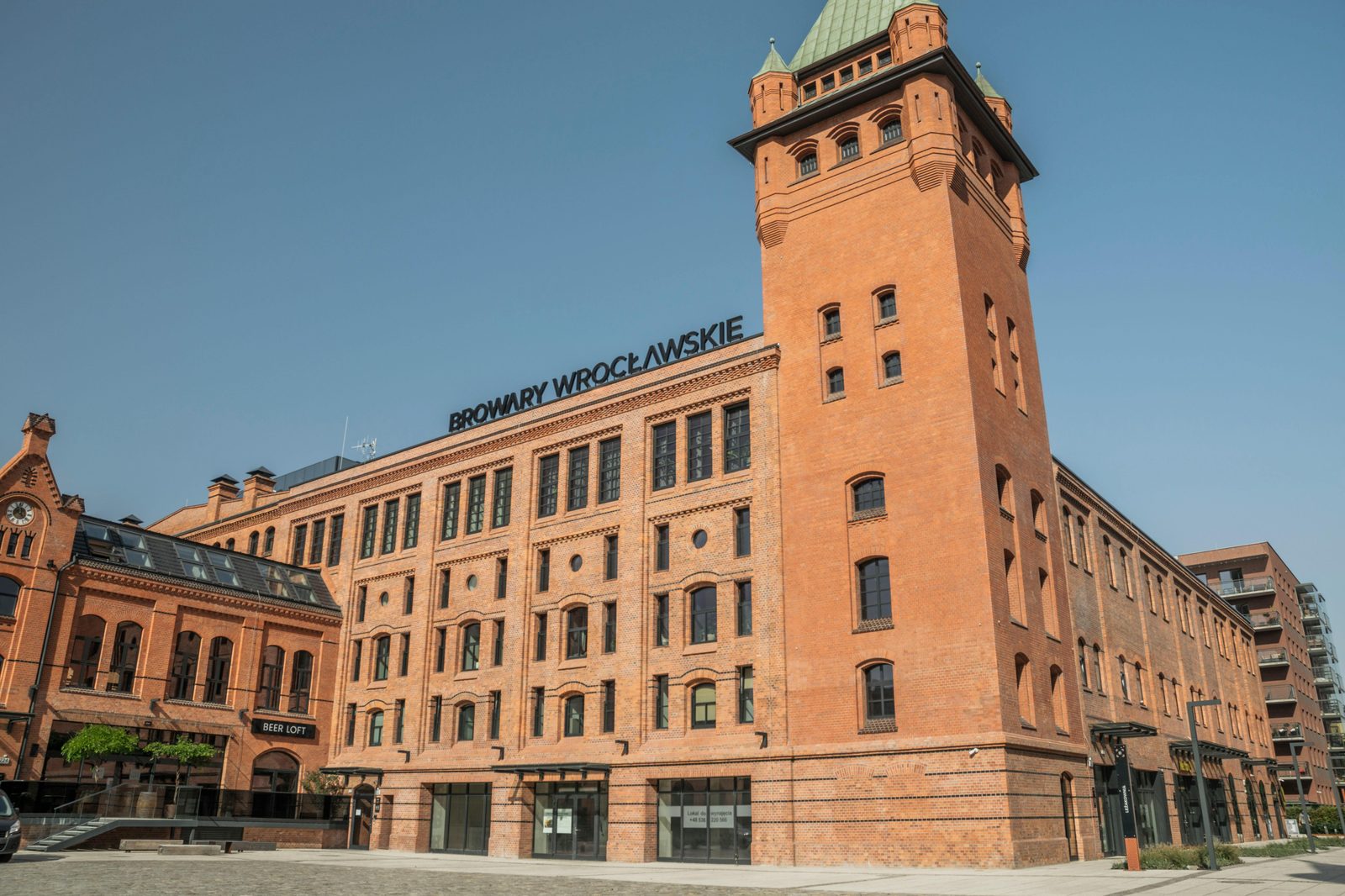
Carlsberg Byen (the Carlsberg City District) is the newest proper neighborhood in Copenhagen, built across the 33-hectare site of the old Carlsberg brewery in southwestern Frederiksberg. Carlsberg brewed here from 1847 to 2008; when production moved out, the city turned the site into a mixed-use district of apartments, shops, schools and workspaces that keeps around 15% of the original historic brewery buildings intact. The Elephant Gate, built in 1901 and topped with four granite elephants, is still the way in.
What to see in Carlsberg Byen
- The Elephant Gate (Elefantporten) — four granite elephants holding up a tower, designed by Vilhelm Dahlerup.
- Home of Carlsberg — the visitor centre inside the old brewery, with tastings, the original Carlsberg laboratory and the world’s largest collection of unopened beer bottles.
- Ny Carlsberg stables and horses — you can still see the working brewery horses that pull the old delivery wagons on public holidays.
- Carlsberg Station — a new S-train station built into the district; reaching the area from Indre By takes about 10 minutes.
- Bohrs Tårn and the Carlsberg high-rises — new towers named after the Bohr family (the Carlsberg Laboratory funded Niels Bohr’s physics work).
Who should come to Carlsberg Byen
Beer fans, architecture-curious visitors, and travelers pairing a half-day in Vesterbro with the brewery experience. See our Carlsberg Byen guide for a route that links it to Vesterbro and Frederiksberg.
Sydhavn — Copenhagen’s emerging harbour district
Sydhavn (“South Harbour”) sits south of the central station, at the lower end of Vesterbro. For most of the 20th century it was a working harbour of grain silos, dockworkers’ housing and very little reason to visit; now it’s one of the fastest-changing districts in the city. The Sluseholmen canal quarter — built in the early 2000s on Amsterdam-style principles, all narrow canals and small houseboats — is the best-known new corner. Teglværkshavnen and Islands Brygge to the north bring harbour baths, summer bars and the Metro M4 line.
What to see in Sydhavn
- Sluseholmen — a planned “mini-Amsterdam” of 1,200 apartments arranged around eight small canals, with one of the best harbour baths in the city.
- Havneholmen — offices and apartments overlooking the harbour, next to the Fisketorvet shopping centre.
- Kalvebod Brygge — the 2 km promenade on the Indre By side of the harbour, popular for cycling and the harbour bath at Bryggen.
- Karens Minde Kulturhus — a community cultural centre with events, concerts and a weekly flea market.
- Vestre Kirkegård — Copenhagen’s largest cemetery, a peaceful 54-hectare park behind Sydhavn.
Who should come to Sydhavn
Urbanists, long-stay travelers, and anyone curious about how Copenhagen is growing. See our full Sydhavn guide for the best harbour-bath swims.
Best neighborhoods to stay in
If you’re trying to decide where to base yourself, here’s our rough ranking for a first-time visitor. There’s a fuller analysis in our dedicated complete guide to picking a base.
| Your priority | Best neighborhood | Why |
|---|---|---|
| Seeing sights on foot | Indre By | Within walking distance of almost everything tourists want to see. |
| Food & nightlife | Vesterbro | Best concentration of restaurants and bars; 5 min walk from Central Station. |
| Local feel, budget | Nørrebro | Cheaper eating, more culture, still only 20 min walk to city centre. |
| Couples, romance | Christianshavn | Canals, quiet streets, beautiful bridges. |
| Families | Frederiksberg or Østerbro | Green, safe, lots of space, near the zoo and Fælledparken. |
| Second-time visitors | Refshaleøen (day trip) + Vesterbro (base) | Pairs hipster-new and design-classic. |
| Architecture / design | Holmen or Nordhavn | New Copenhagen architecture concentrated in these two. |
| Slow stays, apartments | Frederiksberg, Østerbro, Sydhavn | Best residential rental supply. |
Which one is best for you?
First-timers with only 2–3 days
Stay in and around Indre By. Add a half-day in Christianshavn (canal plus the Church of Our Saviour tower), an evening in Vesterbro (dinner in Kødbyen), and a morning on Refshaleøen (Reffen for lunch, then a sauna and a swim). That covers the essentials without a forced march.
Foodies
Your axis runs Vesterbro → Refshaleøen → Nørrebro. Plan a dinner in each and use the days between for harbour walks and pastries in Indre By. Reserve Noma months ahead; reserve Alchemist even earlier.
Families with young children
Base in Frederiksberg or Østerbro. Frederiksberg Gardens, the zoo, Fælledparken, Tivoli and the harbour baths at Islands Brygge and Nordhavn will fill a week with zero “I’m bored” moments.
Design-and-architecture travelers
Move between Holmen, Refshaleøen, Nordhavn (Østerbro) and Ørestad. The hit list: the BIG-designed Mountain Dwellings and 8 House, the CopenHill energy plant and ski slope, and the Black Diamond library on the Indre By waterfront.
Repeat visitors
Skip most of Indre By and go deep into a single district — Nørrebro, Vesterbro or Refshaleøen — for four or five days. Rent an apartment, cycle everywhere, and take the S-train to Klampenborg for a beach day at Bellevue.
Getting between the neighborhoods
The good news: nothing is far. The very good news: you’ll almost never need a car or a taxi. Every district in this guide is reachable in 15 minutes or less from Copenhagen Central Station by one of four modes.
- Bike — the fastest way across most of the city. Rent from Donkey Republic, Swapfiets or your hotel. All ten areas here are joined by protected cycle lanes. See our bike rental guide for where to hire one.
- Metro (M1–M4) — driverless trains every 2–4 minutes, 24/7. The M3 City Ring circles all the central neighborhoods; M4 runs through Sydhavn and up to Orientkaj in Nordhavn.
- Harbour bus (havnebus) — yellow ferries 991, 992 and 993 cross the harbour and stop at Nyhavn, Holmen, Refshaleøen, Islands Brygge and Teglholmen, all on a normal transport ticket.
- On foot — comfortably the best way to experience Indre By and Christianshavn.
A single 2-zone ticket (a billet) covers any mix of Metro, S-train, city bus and harbour bus for one hour and costs around DKK 26 — worth checking the latest fare before you travel. A Copenhagen Card bundles all public transport with free entry to more than 80 attractions. For the full breakdown, see our getting around Copenhagen guide.
Local tips for exploring the city
- Walk the full length of Strøget once, then never again. Beyond that single afternoon, the interesting streets are always one block off the pedestrian spine.
- Rent a bike on day one. You’ll move three times faster than walking, and faster than the Metro for anything under 3 km.
- Cross the harbour on foot at least twice — once over Inderhavnsbroen (Nyhavn → Christianshavn) and once over Lille Langebro (Indre By → Islands Brygge). The harbour is the city’s spine.
- Use the lakes (Søerne) as your compass. If you can see the lakes, Indre By is on one side and either Nørrebro, Østerbro or Frederiksberg is on the other.
- Book dinners early. For the small, good rooms (Relæ, Manfreds, Kødbyens Fiskebar, Apollo) you’ll want to reserve at least a week out.
- Budget for one harbour bath or sauna. Sweating in a wooden box and jumping into the harbour is one of the quintessential Copenhagen experiences.
- Don’t skip the small districts. Refshaleøen, Carlsberg Byen and Sydhavn are where locals spend weekends — they’re not tourist filler.
Frequently asked questions
How many neighborhoods does Copenhagen have?
Copenhagen municipality has 10 official administrative districts, and Frederiksberg is an 11th, technically separate municipality inside the city. In practice, travelers talk about the ten neighborhoods covered in this guide plus a few emerging corners (Ørestad, Nordhavn, Amager Strand).
Which is the best Copenhagen neighborhood for first-time visitors?
Indre By is the most convenient base for a first trip — you can walk to Nyhavn, Tivoli, Rosenborg and Strøget. If you want a slightly more local feel within walking distance of the centre, Vesterbro is the next-best choice.
What is the coolest neighborhood in Copenhagen?
Nørrebro — voted the coolest neighborhood in the world by Time Out in 2021. It’s kept the reputation because it’s still genuinely residential, multicultural and affordable. Vesterbro is the runner-up for visitors who want a bit more polish.
Is Copenhagen safe at night?
Yes, very. All of the neighborhoods here are safe to walk after dark. Keep the usual big-city eye on your belongings around the Central Station, Nyhavn and Tivoli, and you’ll be fine. Nørrebro occasionally makes Danish headlines for gang conflict, but it isn’t directed at tourists and rarely touches visitors.
Is Christiania safe to visit?
Yes. Freetown Christiania is safe to visit in 2026. The open cannabis market on Pusher Street was dismantled by residents in spring 2024, and the area has returned to its original creative, co-operative feel. Don’t photograph individual people without asking, and respect the community’s rules.
Which Copenhagen neighborhood is best for shopping?
Indre By for international brands and Strøget. Værnedamsvej (on the Vesterbro/Frederiksberg border) for Danish boutiques. Jægersborggade in Nørrebro for independent designers. Elmegade for vintage.
Where do locals actually hang out?
In summer: on the lakes (Søerne), at the harbour baths at Islands Brygge or Sandkaj in Nordhavn, at Reffen on Refshaleøen, in Fælledparken, and at the Bellahøj outdoor pool on hot weekends. Year-round: in small cafés all over Nørrebro and Vesterbro.
How many days do I need to see the main neighborhoods?
Three days covers Indre By, Christianshavn and one of Vesterbro or Nørrebro. Five days lets you add Refshaleøen, Frederiksberg and Østerbro, with time for a half-day out to the Louisiana museum or Dragør. Seven days means you’re no longer rushing and can settle into a single district.
Copenhagen isn’t a city of monuments. It’s a city of neighborhoods — and the best thing a visitor can do is get out of the centre and spend an unhurried morning in one of them.
Planning a full trip? Pair this neighbourhood guide with our core guides: The best things to see and do, where to stay, the food guide and getting around. Each district above has its own detailed page too — bookmark the ones you want to explore.
Last updated: July 2026.