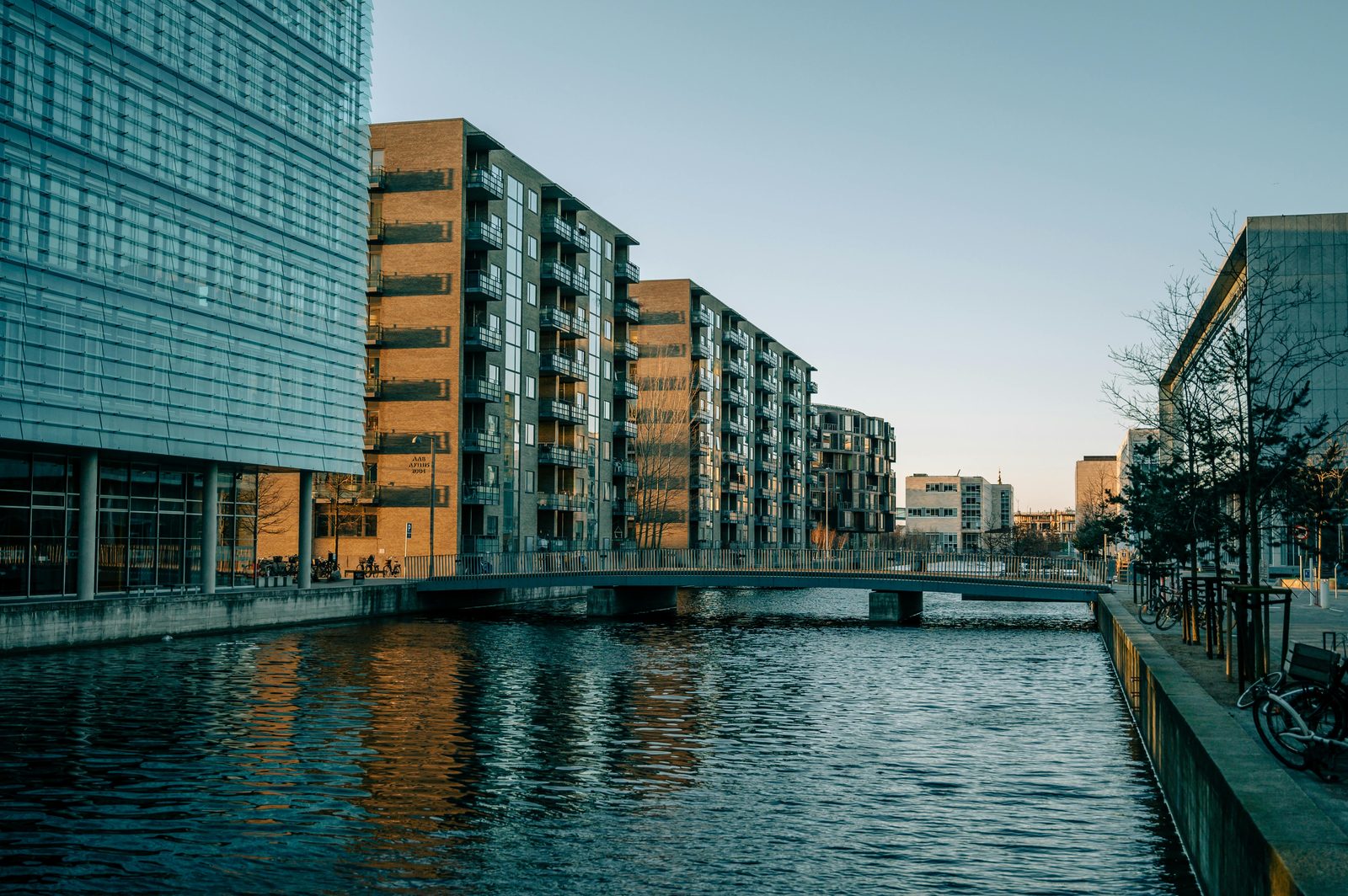
For 160 years, this patch of Copenhagen smelled of hops. Carlsberg City Copenhagen — Carlsberg Byen to locals — is the old brewery that brewed here from 1847 to 2008, now being reborn as a residential and cultural quarter with eleven historic brewery buildings kept intact. Come for the beer story: the theatrical 1901 Elephant Gate, Home of Carlsberg and its collection of more than 22,000 beer bottles, the historic Tap Room, and the surprising legacy of a brewing family who invented the pH scale and bankrolled a world-class art museum. It’s an easy hop from the centre and pairs neatly with Vesterbro or Frederiksberg. Here’s how to spend a few hours here.
It’s one of the newer entries in our Copenhagen neighborhoods guide — a district still finding its feet, wedged between lively Vesterbro and leafy Frederiksberg.
Carlsberg City at a Glance
| Fact | Detail |
|---|---|
| History | Carlsberg brewery 1847–2008; redevelopment ongoing since 2010 |
| Founder | J.C. Jacobsen (1811–1887) |
| Location | Between Vesterbro and Frederiksberg |
| Defining sights | Elephant Gate, Home of Carlsberg, Tap Room, Carlsberg Foundation |
| Best for | Beer enthusiasts, industrial heritage, modern architecture |
| Best transport | S-tog Carlsberg Station (1 stop from Copenhagen Central) |
| Atmosphere | Industrial heritage meets modern residential |
| Visit time | 2–3 hours for Home of Carlsberg plus a walk |
| Best season | Year-round; Home of Carlsberg is indoors |
Straight answer on whether it’s worth your time: if you like beer, brewing history or urban design, absolutely. If you don’t, the Elephant Gate is a five-minute photo stop and you can move on. There’s no shame in the quick version.
Top Things to Do in Carlsberg City
1. Home of Carlsberg

Home of Carlsberg is the anchor of any visit. It’s a self-guided experience through the original brewery building: exhibits on the beer’s history, the atmospheric old Tap Room, brewing demonstrations, and one 40cl draught Carlsberg (or a soft drink) thrown in. An adult ticket is 215 DKK (2026). It is listed as a Copenhagen Card attraction, but check the card’s current terms before you count on a discount. You’ll want 1.5 to two hours, and last entry is two hours before closing. It’s open daily, typically 10:00 to 18:00, though it’s worth checking current hours before you go. It’s well put together — engaging even if you’re only mildly curious about beer.
If you have read about the old Carlsberg Visitor Center, note what changed when it became Home of Carlsberg: the ticket now includes a single 40cl draught rather than two tastings, and plenty of guides have not caught up. Our full review of Home of Carlsberg covers the new ticket and whether it is worth the money.
2. The Elephant Gate

The Elephant Gate is the district’s calling card, and it’s a genuine showstopper: four life-sized granite elephants shouldering an arch, the Carlsberg name spelled out above in elaborate ironwork. Architect Vilhelm Dahlerup designed it in 1901, and it’s free to admire from the street. It photographs beautifully at any hour, and it’s the one thing to see even if you skip everything else.
3. The Original Brewery Buildings
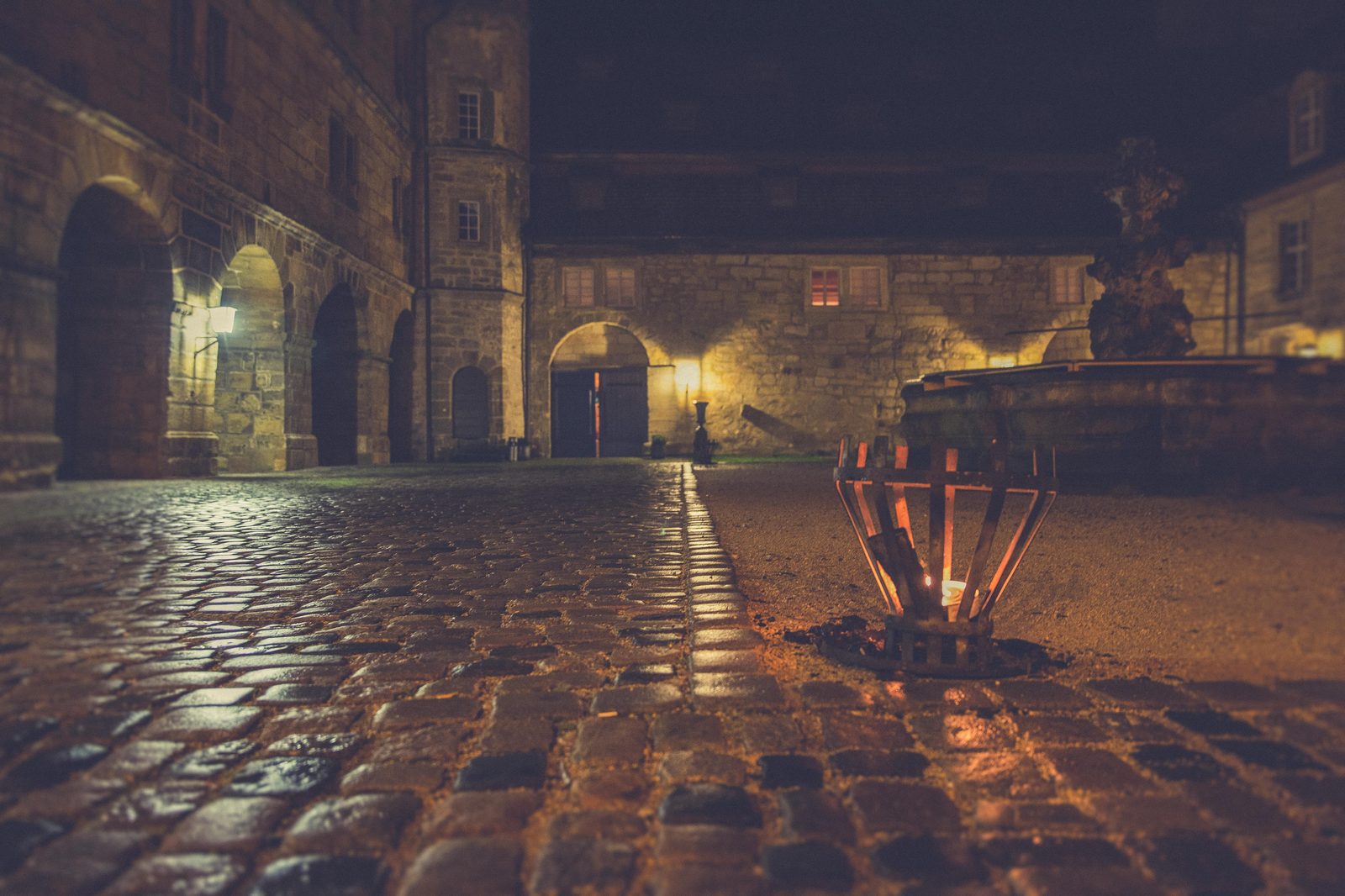
Eleven historic brewery buildings survive amid the new development, and wandering the cobblestone courtyards is free and rewarding. Look out for the original Brewhouse, the Bottling Hall, and the Carlsberg Stables — where dray horses still pull beer wagons in 19th-century recreations — alongside the old Tap Room. It’s a rare chance to see heavy industrial architecture kept as living streetscape rather than fenced-off museum piece.
4. The Beer Heritage
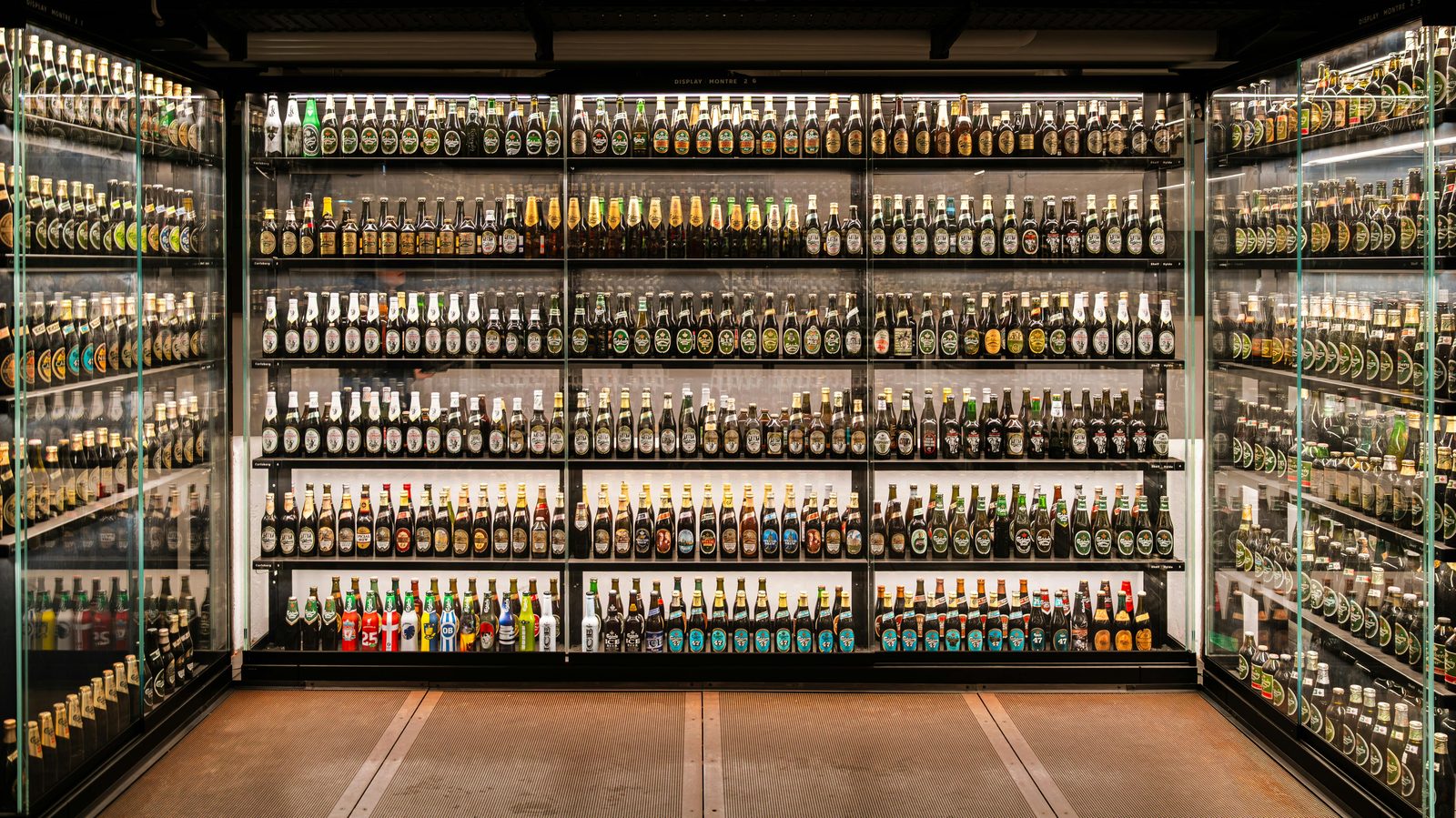
Here’s where the story gets genuinely interesting. J.C. Jacobsen founded the brewery in 1847 and named it after his son Carl plus the Latin “berg” (hill). What sets it apart is how scientific the whole enterprise was — Home of Carlsberg traces a legacy that goes well beyond lager:
- J.C. Jacobsen — the founder, obsessed with quality and brewing science
- The Carlsberg Laboratory — founded 1875; the first to industrialise pure lager yeast
- The pH scale — invented here by S.P.L. Sørensen in 1909
- The Carlsberg Foundation — founded 1876; still funds Danish science and the arts
- The Tuborg merger — 1970; both beers are still made by Carlsberg Group
5. Carl Jacobsen’s Art Legacy

Carl Jacobsen, J.C.’s son (1842–1914), turned beer money into one of Copenhagen’s finest cultural gifts. He founded the Ny Carlsberg Glyptotek in the city centre in 1897, filling it with Egyptian, Greek and Roman antiquities plus a superb collection of French Impressionist paintings. It sits across town rather than in the district itself, but it’s pure Carlsberg legacy — our Ny Carlsberg Glyptotek guide covers a visit.
6. Beer Tastings
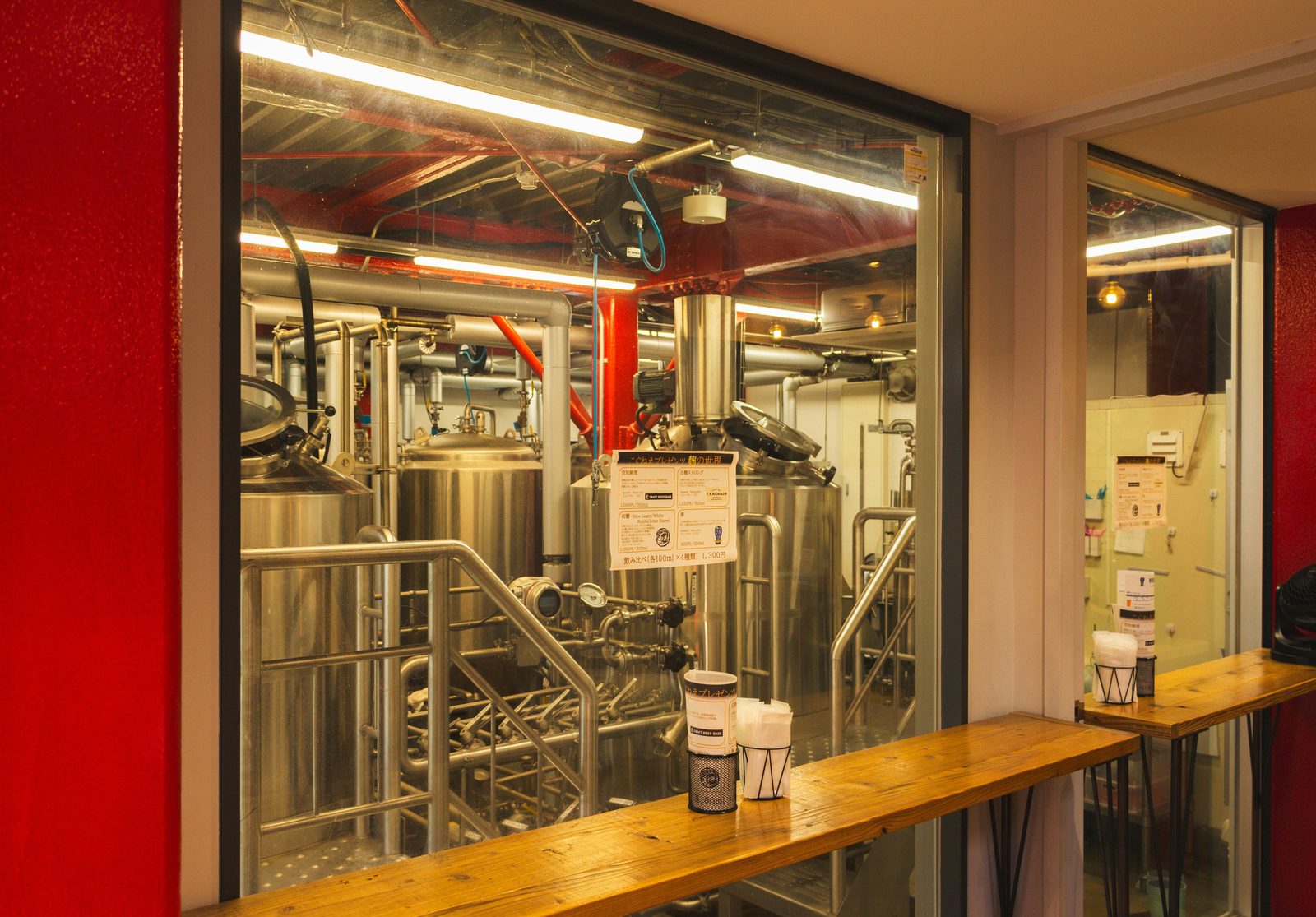
Your ticket includes one 40cl draught Carlsberg, not the two tastings older guides mention. If you catch the bug, Home of Carlsberg sells a beer tasting experience and a tour of the Carlsberg cellars as paid add-ons. Designated drivers and kids can take a soft drink or water instead, so nobody’s left out.
7. Walk the New Quarter

Half the interest here is watching a district get built. Since 2010, around 3,000 new homes have gone up under the Carlsberg Master Plan, threaded between the preserved brewery halls rather than replacing them. Wander and you’ll see old brick and new glass in constant conversation, with cafés, shops and small studios opening as the community fills in. It’s a working case study in how a city keeps its industrial past without freezing it.
8. Pair It with the Neighbours

The district sits neatly between Vesterbro to the north and Frederiksberg to the west, so it slots into a bigger day out. A 10–15 minute walk gets you to Mikkeller Bar for Vesterbro’s craft beer, or to the elegant Frederiksberg Have park. String them together for a proper west-Copenhagen wander — our Frederiksberg Copenhagen guide picks up where this one leaves off.
A Short History

The backstory makes the visit richer. J.C. Jacobsen founded the brewery in 1847, fixated on quality lager and scientific method, and built the Carlsberg Laboratory in 1875 to bring science to brewing. After a bitter falling-out with his son Carl, he set up the Carlsberg Foundation in 1876, mandating that profits fund Danish science and the arts — a structure that still runs today. Carl, meanwhile, built his own rival brewery, Ny Carlsberg, and spent its profits on the Glyptotek. The two firms merged in 1906, brewing eventually moved to Fredericia in Jutland in 2008, and the redevelopment you see today began in 2010.
How to Get There
It sits just south of Vesterbro, and it’s genuinely quick to reach:
- S-tog to Carlsberg Station — one stop from Copenhagen Central, about 3 minutes
- Walk from Vesterbro — around 15 minutes from Sønder Boulevard
- Walk from Frederiksberg — around 15 minutes from Frederiksberg Have
- Cycle — about 10 minutes from central Copenhagen
- Bus 1A — direct from Indre By
See our Copenhagen transportation guide for tickets and passes.
A Walking Route (about 3 hours)
- Take the S-tog from Copenhagen Central to Carlsberg Station
- Walk to the Elephant Gate and photograph the 1901 arch
- Do Home of Carlsberg (1.5–2 hours, a draught beer included)
- Wander the courtyards and the new development
- Look in at the historic Tap Room
- Stroll into Vesterbro for a craft beer at Mikkeller Bar
- Or head 15 minutes to Frederiksberg Have park
Where to Eat
Dining is limited but improving as the district fills in. For now:
- The Carlsberg Bar — beer and food inside Home of Carlsberg
- The Tap Room — a historic 19th-century pub feel
- Mikkeller Bar, Vesterbro — 15 minutes away for serious craft beer
- Frederiksberg Have cafés — for something more upscale nearby
Realistically, treat this as a morning or afternoon stop and eat properly in one of the neighbouring districts afterwards.
Practical Tips
- Budget 1.5–2 hours for Home of Carlsberg, its exhibits and your included beer
- Copenhagen Card — Home of Carlsberg is listed as a card attraction; check the current terms before you count on a saving
- Closed on major holidays — typically 1 January and 24–25 December
- Non-alcoholic option — swap the included beer for a soft drink or water
- Free photos outside — the Elephant Gate and exteriors cost nothing
- Pair it with Vesterbro for a full beer-themed day
- It’s family-friendly — child-friendly exhibits and the stable horses go down well
- Check age rules — younger children are usually free
- Confirm hours ahead — opening times can shift seasonally
- Toilets — inside Home of Carlsberg
Carlsberg City Copenhagen FAQs
What is Carlsberg City?
It’s the former Carlsberg brewery district (1847–2008), now being redeveloped into a residential and cultural quarter between Vesterbro and Frederiksberg. The draws are Home of Carlsberg, the landmark Elephant Gate, the historic Tap Room, and eleven preserved brewery buildings woven into new housing.
How much is Home of Carlsberg?
An adult ticket is 215 DKK (2026). That covers the self-guided tour, the exhibits and one 40cl draught Carlsberg, or a soft drink. It’s usually open daily from 10:00 to 18:00, with last entry two hours before closing, but check the current hours before you head over.
Is Carlsberg still brewed here?
No. Brewing moved to Fredericia in Jutland in 2008, so there’s no active production on-site any more. What remains in Copenhagen is Home of Carlsberg, the preserved heritage buildings and the growing residential quarter around them.
What’s the Elephant Gate?
It’s the district’s most famous landmark — four granite elephants holding up an arch, with the Carlsberg name in ornate ironwork above. Vilhelm Dahlerup designed it in 1901, and it’s free to view from the street. It’s the one photo everyone takes here.
How do I get there?
Take the S-tog from Copenhagen Central to Carlsberg Station — one stop, about 3 minutes. Alternatively it’s a 15-minute walk from Vesterbro or Frederiksberg, a 10-minute cycle from the centre, or a ride on bus 1A from Indre By.
Should I visit?
Yes, if you’re into beer, industrial heritage or how cities reinvent old sites — budget two to three hours including Home of Carlsberg. If none of that grabs you and time is tight, just swing by the Elephant Gate for a photo and spend your energy on Vesterbro or Frederiksberg instead.
Is it family-friendly?
Yes. Home of Carlsberg has child-friendly exhibits, under-6s go free, and the included drink can be a soft drink, so the whole family can join in. Under-18s must come with an adult. The Carlsberg Stables horses tend to be a hit with kids too.
Can I see the original brewery buildings?
You can — eleven are preserved within the district, including the Elephant Gate, the Tap Room, the Brewhouse, the Carlsberg Stables, the Bottling Hall and the Foundation building. A free self-guided walk through the courtyards takes you past them all.
Related Reading
- Sydhavn — harbour swimming at Islands Brygge, GoBoat rentals, the Sluseholmen canals and the best sunsets.
- What’s actually worth your time in Copenhagen
- Life on the Christianshavn canals — the canals, the Vor Frelsers spire and Freetown Christiania next door.
- Nørrebro — Jægersborggade, Superkilen and the best bakeries in the city.
- Indre By — Strøget, the Round Tower and most of the postcard sights in one district.
- Day-by-day Copenhagen itineraries
- Refshaleøen — Reffen street food, Copenhill’s ski slope and the old shipyard sheds.
- Exploring Holmen
- Exploring Østerbro
Final Thoughts
Carlsberg Byen is one of Copenhagen’s most thoughtful bits of city-making — a brewery that refused to become a ruin. Home of Carlsberg is a genuinely good couple of hours for anyone with even a passing interest in beer, and the Elephant Gate is worth the three-minute train ride on its own. Roll it into a west-side day with Vesterbro’s craft-beer bars or Frederiksberg’s park, and you’ve got a rewarding half-day off the standard tourist track. It won’t be everyone’s priority — but for the beer-curious and the design-minded, it’s a real find.
Last updated: July 2026.