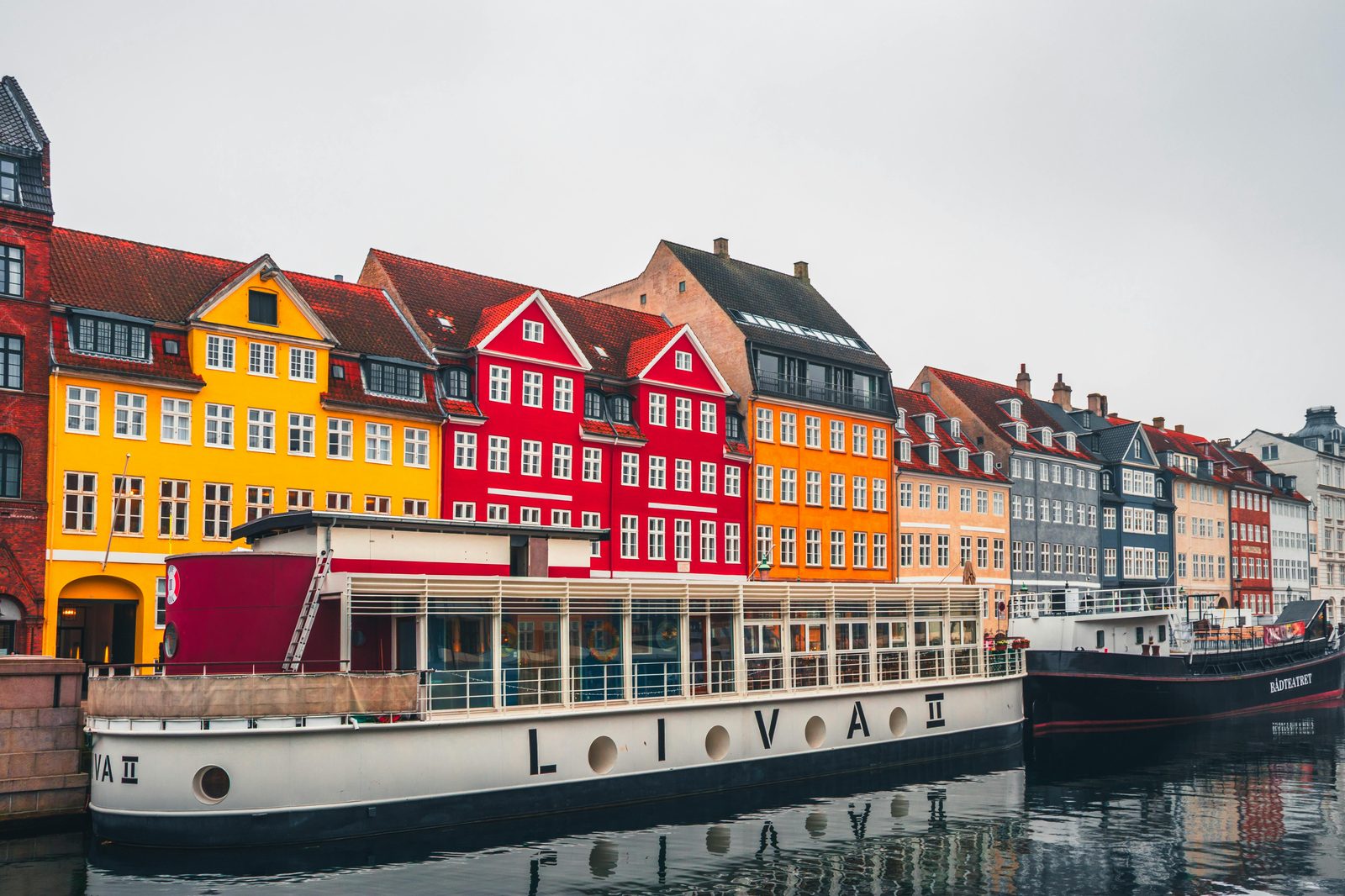
Copenhagen is one of those rare capitals you can actually walk. Nearly everything inside the old fortification ring sits within a 25-minute stroll, which means a good Copenhagen itinerary isn’t about rushing — it’s about picking the right two or three anchors a day and letting the canals fill the gaps. On this page you’ll find seven tested plans: a tight 1-day highlights loop, a 2-day classic, the ever-popular 3-day trip, and 4- to 7-day versions that fold in Roskilde, the Louisiana museum, and a hop over the Øresund Bridge to Malmö. Each stop lists hours, what to book, and how to get there.
Here’s the thing most guides get wrong: this is a slow-travel city, and treating it like a checklist backfires. People who try to cram fourteen museums into a long weekend leave exhausted and a little resentful. Locals plan a day around one or two big anchors — a museum, a long lunch, a harbour walk — and leave room for coffee and canal-gazing. The routes below follow that rhythm: two to four anchor stops a day, real food built in, and enough transit slack that you actually arrive on time. Pick the length that fits your trip, or mix and match days.
How to Plan Your Days
Before you start slotting stops into days, three decisions make every plan run smoother:
- Pick your season first. A June trip can end with a swim at the Islands Brygge harbour bath at 10 pm in broad daylight. A December visit ends inside Tivoli’s Christmas market at 4 pm because the sun’s already gone. Our best time to visit Copenhagen guide breaks it down month by month.
- Decide on the Copenhagen Card. It bundles public transport and 80+ attractions for 24 to 120 hours. For three days or more taking in Rosenborg, Christiansborg, Amalienborg, Tivoli, the Blue Planet aquarium and a castle or two, the 72-hour card breaks even fast — see whether the Copenhagen Card is worth it for your plan. For a one-day walking-and-café blitz, skip it.
- Rent a bike on day one, or don’t. Most Copenhageners cycle everywhere, and a bike can compress a three-day plan into two. But if it’s your first time riding in a European city or cobblestones make you nervous, the metro is fast, spotless and runs around the clock. Our Copenhagen transportation guide and the dedicated bike rental in Copenhagen guide cover both.
Where to Stay for an Easy Itinerary
Where you sleep decides how much time you lose commuting. For any trip of three days or less, base yourself in Indre By (the old town) or Vesterbro, just west of Central Station. Every route below starts from one of those two areas. For longer stays you can drift out to Nørrebro or Østerbro — cheaper, quieter, but add 10 to 15 minutes of metro time to most stops. Our where to stay in Copenhagen guide has the full neighbourhood breakdown.
Walking vs. Metro vs. Bike: When to Use Each
For each section below we flag the fastest way between stops. Rule of thumb: walk anything under 1.5 km (most of Indre By), bike between 1.5 and 5 km, and take the metro for longer hops or foul weather. Trains run every 2 to 4 minutes in the daytime and every 5 to 7 at night. A single two-zone ticket is around 24 DKK; a 24-hour CityPass Small runs about 80 DKK. For the deeper detail, see the Copenhagen Metro guide.
Copenhagen in 1 Day: The Highlights
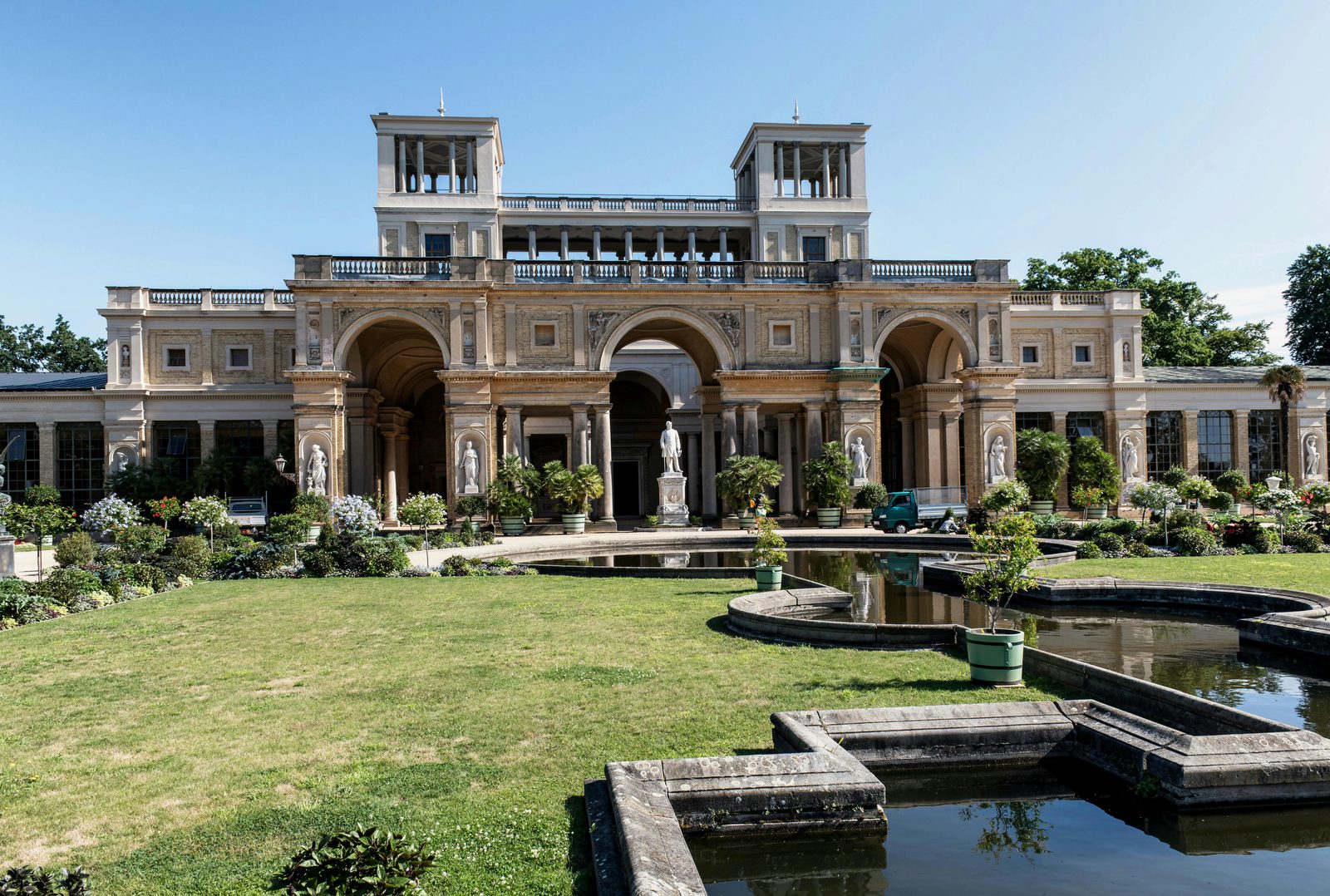
One day is tight but genuinely doable. If you’re on a layover, a cruise-port day, or bolting Copenhagen onto a longer Scandinavia trip, this loop hits the five most-searched stops with coffee and lunch breaks baked in. Total walking: about 6 km. Total spend without the Copenhagen Card: roughly 600 to 800 DKK including one sit-down meal and Tivoli entry. Want the hour-by-hour version with restaurant picks? It’s laid out in our Copenhagen 1-day itinerary.
Morning (9:00–12:30): Nyhavn, Amalienborg, Kastellet
Start at Nyhavn by 9:00 — it’s the most photographed street in Denmark and blessedly empty for the first hour before the tour groups land. Walk the northern canal side (more on the harbour in our Nyhavn guide), grab coffee at Sankt Peders Bageri two blocks inland, then head north-east along the water. By 10:30 you’ll reach Amalienborg Palace for the noon Changing of the Guard — the full ceremony runs if the monarch is in residence, a shorter version if not. From there it’s a 10-minute walk to the Little Mermaid at Langelinie. Give her 15 minutes; she’s small, and the real draw is the Kastellet star fortress you cross to reach her.
Afternoon (12:30–17:00): Lunch, Christiansborg, Rundetårn
Cut back through Bredgade to Aamanns 1921 (Niels Hemmingsens Gade 19–21) for proper smørrebrød — the Danish open-faced sandwich, around 160 to 220 DKK for three pieces and a beer. At 14:30 cross to Slotsholmen island for Christiansborg Palace: parliament, royal reception rooms, and a genuinely gripping underground ruin of the original 1167 castle. The combined ticket is about 175 DKK; allow 90 minutes. Then walk into Indre By and climb the Round Tower (Rundetårn) — 209 metres of spiral ramp, no steps, with a 360° view up top. Around 40 DKK, 30 minutes.
Evening (17:00–23:00): Strøget, Tivoli Gardens
Wander Strøget, the 1.1 km pedestrian spine, back toward Central Station. Hungry now? Duck into Torvehallerne food hall near Nørreport, or hold out for Tivoli. From 19:00 to 23:00, spend the evening inside Tivoli Gardens — the world’s second-oldest amusement park, opened in 1843 and the very place that inspired Walt Disney. Entry is about 175 DKK; rides cost extra via a wristband (around 300 DKK) or coupons. Have dinner at one of Tivoli’s 40-odd restaurants — Grøften is the classic Danish choice — and see our full Tivoli Gardens guide for what to ride. The lit-up gardens after dark are the best photo you’ll take home.
If you’ve only got one day, think of it as a harbour walk with interruptions — Nyhavn, Amalienborg and the Little Mermaid all string along the waterfront, and you barely need a map.
— Local tip from a 10-year Copenhagen resident
Two Days: The Classic Add-On
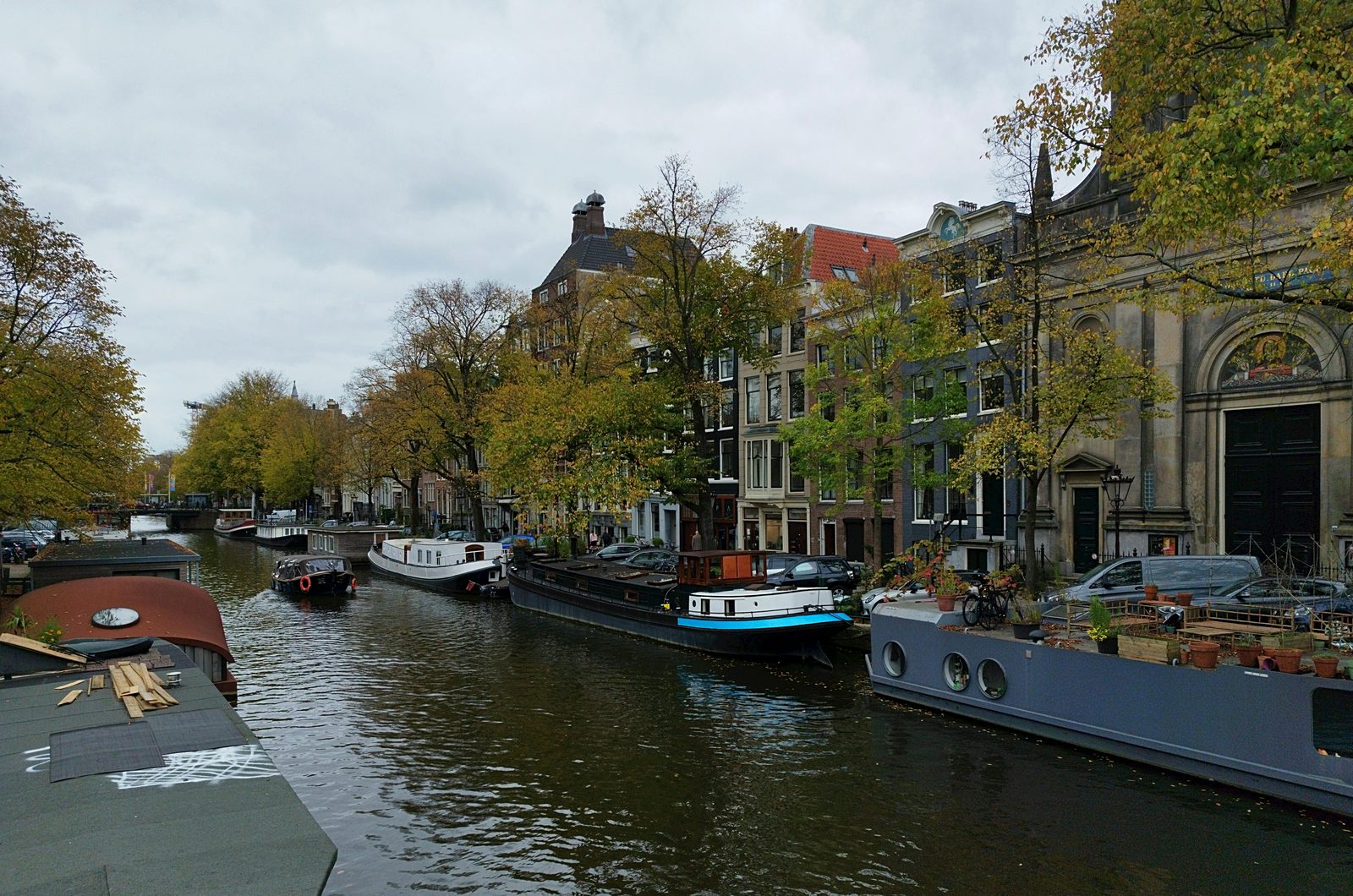
A second day is where the city really opens up. Day 1 is the highlights loop above. Day 2 crosses the harbour to Christianshavn, takes in Freetown Christiania, climbs the golden spiral of Vor Frelsers Kirke, and spends the afternoon in a second neighbourhood — Vesterbro for the Meatpacking District, or Nørrebro for Assistens Cemetery and Jægersborggade. The full timed version lives in our Copenhagen 2-day itinerary.
Day 2 Morning: Christianshavn & Vor Frelsers Kirke
Take the metro to Christianshavn (M1/M2, one stop from Kongens Nytorv). This is the city’s 17th-century Dutch-inspired canal district — quieter than Nyhavn and still lived-in. Wander Strandgade and Overgaden Neden Vandet, then at 10:00 climb Vor Frelsers Kirke (Church of Our Saviour): 400 steps up an external golden spiral to a 90-metre platform. The last 150 are outdoors and get narrow and exposed — about 71 DKK, and worth skipping if heights unnerve you. On a clear day you’ll see the whole city and the Øresund Bridge.
Day 2 Midday: Freetown Christiania
Five minutes’ walk to Freetown Christiania — the self-declared autonomous commune founded in 1971 on an old military base. No photos on Pusher Street; people enforce it, so respect it. Browse the workshops, the murals and Christiania Bikes (the original cargo-bike maker), then eat at Morgenstedet (vegetarian, cash only) or Spiseloppen (sit-down, reservation smart).
Day 2 Afternoon: Pick a Second Neighbourhood
Back across the harbour by metro. Two strong options:
- Vesterbro / Kødbyen (Meatpacking District) — once red-light, now the city’s best bar-and-restaurant strip. Mikkeller Bar for craft beer, Bio Mio for casual organic dining, Lidkoeb for a hidden cocktail.
- Nørrebro (Assistens Cemetery, Jægersborggade) — Hans Christian Andersen and Kierkegaard both rest at Assistens, which doubles as a working park. Then graze the 400-metre Jægersborggade: Coffee Collective, Meyers Bageri, Manfreds wine bar.
Cap the day with dinner at Reffen (April–October, a big outdoor street-food market on Refshaleøen) or a Michelin table if you booked two or three months out. Our guide to where to eat in Copenhagen has the full spread.
Three Days: The Most Popular Trip

Three days is what most long-weekend visitors book, and for good reason — it’s the sweet spot. Days 1 and 2 as above; day 3 goes deep: the National Museum of Denmark, then the Design Museum (or the Ny Carlsberg Glyptotek if sculpture’s more your thing), a Torvehallerne lunch, a harbour tour by boat, and Tivoli if you didn’t finish it earlier. This is the day the 72-hour Copenhagen Card (about 1,129 DKK) almost always pays for itself — it covers every museum and every tour boat here. Our Copenhagen 3-day itinerary walks the whole thing hour by hour.
Day 3 Morning: National Museum of Denmark
Start at the National Museum of Denmark (Nationalmuseet) on Prinsens Palæ, a 10-minute walk from Central Station. Free on Tuesdays and always for under-18s; otherwise around 100 DKK, free with the Copenhagen Card. The Viking and Bronze Age halls are world-class — this is where the 3,500-year-old Sun Chariot and the Egtved Girl live. Allow two to three hours, and head straight for Prehistoric Denmark on the ground floor and the Viking hall before the groups arrive around 11:00. Our National Museum guide has the highlights.
Day 3 Lunch: Torvehallerne Food Hall
Ten minutes north to Torvehallerne (Israels Plads, Nørreport metro): 60 stalls under two glass roofs — Hallernes Smørrebrød, Ma Poule for French rotisserie, Gorm’s Pizza, Coffee Collective, and the cheese counter at Arla Unika. Budget 150 to 200 DKK. It’s the best casual lunch in the city and walkable from almost anywhere downtown.
Day 3 Afternoon: Harbour Tour + Ny Carlsberg Glyptotek
Walk to Gammel Strand and catch a Stromma canal tour (around 109 DKK, one hour) or the cheaper Netto-Bådene (about 50 DKK, also an hour) — both free with the Copenhagen Card. The boat slips past the Black Diamond library, the Opera House, the Little Mermaid from the water, and back via Nyhavn. After, walk to the Ny Carlsberg Glyptotek near Tivoli — a spectacular sculpture museum with a palm-filled winter garden and Denmark’s finest Ancient Egyptian and Roman collection. Free Tuesdays, around 125 DKK otherwise; the Glyptotek guide has more.
Day 3 Evening: Tivoli or a Concert
If you skipped or rushed Tivoli on day 1, tonight’s the night. Friday evenings from May to September bring free open-air rock concerts (Fredagsrock) to the outdoor stage. Prefer classical? Check the Royal Danish Opera schedule (roughly 120 to 900 DKK) — the Opera House on Holmen is widely called one of the world’s most beautiful. Book those tickets two to four weeks ahead; they sell out.
Four Days: A Neighbourhood Deep-Dive

Add a fourth day and you can spend it entirely in one neighbourhood — usually Nørrebro or Vesterbro — wandering slowly, eating lunch on a side street, sitting in a park, seeing the city the way locals do. This is the day that turns a generic visit into a place you’ll want to return to. The Copenhagen 4-day itinerary lays out both neighbourhood options in full, and our Copenhagen neighbourhoods guide helps you choose.
Day 4: Nørrebro From Morning to Night
Start at Coffee Collective on Jægersborggade (opens 8:00), Denmark’s most-awarded roaster. Walk the 400-metre street — ceramics studios, Manfreds wine bar, Meyers Bageri for rye and pastries. At 10:30 cross to Assistens Cemetery, where Hans Christian Andersen, Søren Kierkegaard and Niels Bohr all lie in a 40-hectare public park. Locals sunbathe between the graves; it isn’t morbid, it’s extremely Copenhagen.
Lunch at Mirabelle (sourdough bakery and restaurant on Guldbergsgade) or Manfreds (natural wine, shareable plates, no lunch reservations). Afternoon: swim or sunbathe at Havnebadet Sandkaj in Nordhavn, 15 minutes by bike or metro. Evening: dinner at Atelier September or Bæst (the country’s most famous sourdough pizza — book two weeks ahead), then natural wine at Ved Stranden 10 on the way back.
Alternate: Day 4 in Vesterbro
Prefer the Meatpacking District and flea markets? Swap in Vesterbro: Tycho Brahe Planetarium in the morning, Carlsberg Byen (the old brewery) and the Elephant Gates, coffee at Prolog, lunch at Madklubben or Hija de Sanchez (Noma-alum tacos). Afternoon around Kødbyen, then cocktails at Lidkoeb or Curfew.
Five Days: Adding Louisiana
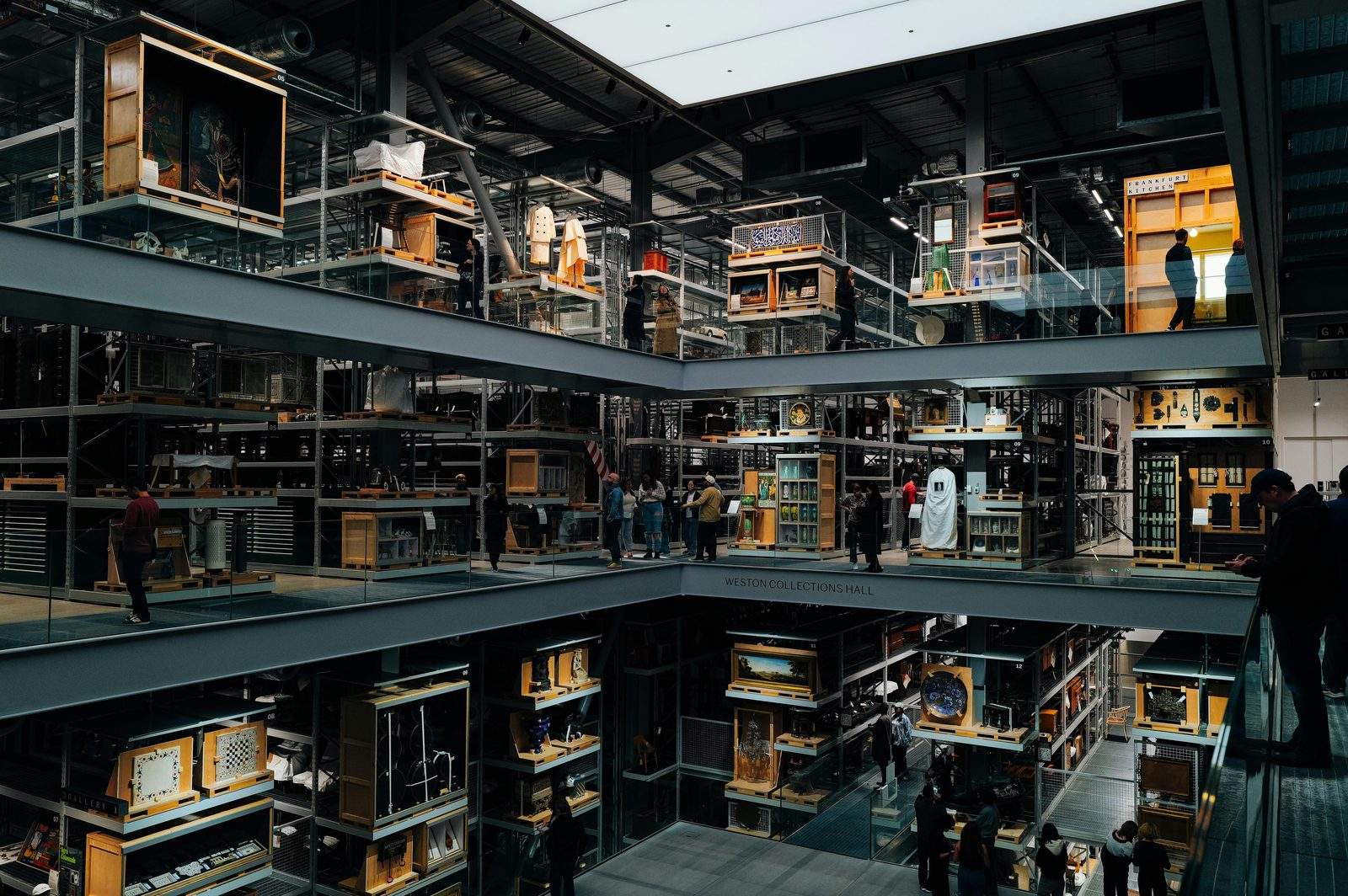
A fifth day earns you a day trip to Louisiana Museum of Modern Art, 35 km north along the coast at Humlebæk — roughly 40 minutes by train from Central Station (about 82 DKK round trip, free with the Copenhagen Card). The museum alone is a half-day of contemporary art in an extraordinary seaside building; pair it with Humlebæk village, or push on to Helsingør for Kronborg Castle. The Copenhagen 5-day itinerary and our full day-trip guide have more options.
Day 5 Morning: Train to Humlebæk
Take the 9:00 regional train from Københavns Hovedbanegård. They run every 20 minutes; buy from the DSB app or the machines. Get off at Humlebæk and walk 10 minutes east through quiet streets to Louisiana. Open 11:00 Tuesday to Sunday, closed Mondays; adults around 145 DKK, free with the Copenhagen Card. Allow three to four hours.
Louisiana holds a permanent collection (Giacometti, Rauschenberg, Calder, a Kusama Infinity Mirror Room), a rotation of big temporary shows, and a famous sculpture park sloping to the Øresund strait. The sea view alone justifies the train. Eat in the café — surprisingly excellent, big salads and homemade cake — or bring a sandwich from Torvehallerne for the sculpture lawn.
Day 5 Afternoon: Kronborg Castle (Optional)
Feeling energetic? Ride 20 more minutes north to Helsingør and Kronborg Castle — the 16th-century Renaissance fortress on the narrowest point of the Øresund and Shakespeare’s setting for Hamlet. Around 145 DKK, free with the Copenhagen Card. Underground casemates, royal apartments, and a clear view of Sweden 4 km away. Skip it if you’re flagging — Louisiana on its own is a full day. Train back around 17:30 to 18:00, then a relaxed dinner in Vesterbro or Indre By.
Six Days: Roskilde and the Vikings

Day six heads west to Roskilde, Denmark’s medieval capital, a 25-minute regional train ride (about 110 DKK round trip, free with the Copenhagen Card). Two world-class sights sit here: the Viking Ship Museum with five original 11th-century longships, and Roskilde Cathedral, a UNESCO World Heritage Site and burial place of 39 Danish kings and queens.
Day 6 Morning: Roskilde Viking Ship Museum
Train from Central Station, then a 15-minute walk down to the harbour. The Viking Ship Museum (Vikingeskibsmuseet) holds five ships scuttled in the fjord around 1070 AD as a defensive barrier and recovered in 1962, displayed in a purpose-built hall. Outside, a working boatyard builds full-size replicas with original techniques — you can sail one in summer (around 200 DKK, 50 minutes, May–September). Adults about 170 DKK, free with the Copenhagen Card. Allow two to three hours.
Day 6 Afternoon: Roskilde Cathedral and Town
Walk 15 minutes back up the hill to Roskilde Cathedral — built 1170 to 1280 in red-brick Gothic, UNESCO-listed since 1995, still the royal burial church. Entry around 90 DKK. The chapels span 900 years of tombs, from medieval stone sarcophagi to Queen Margrethe II’s modernist one. After, wander the old town — medieval streets and a good food hall (Mungo Park or Restaurant Raadhuskælderen). Train back by 17:30.
One planning note: if you only have time for a single day trip, Louisiana is more visually striking but Roskilde is more historically important. Viking fans, prioritise Roskilde; art fans, Louisiana.
Seven Days: Add Malmö, Sweden
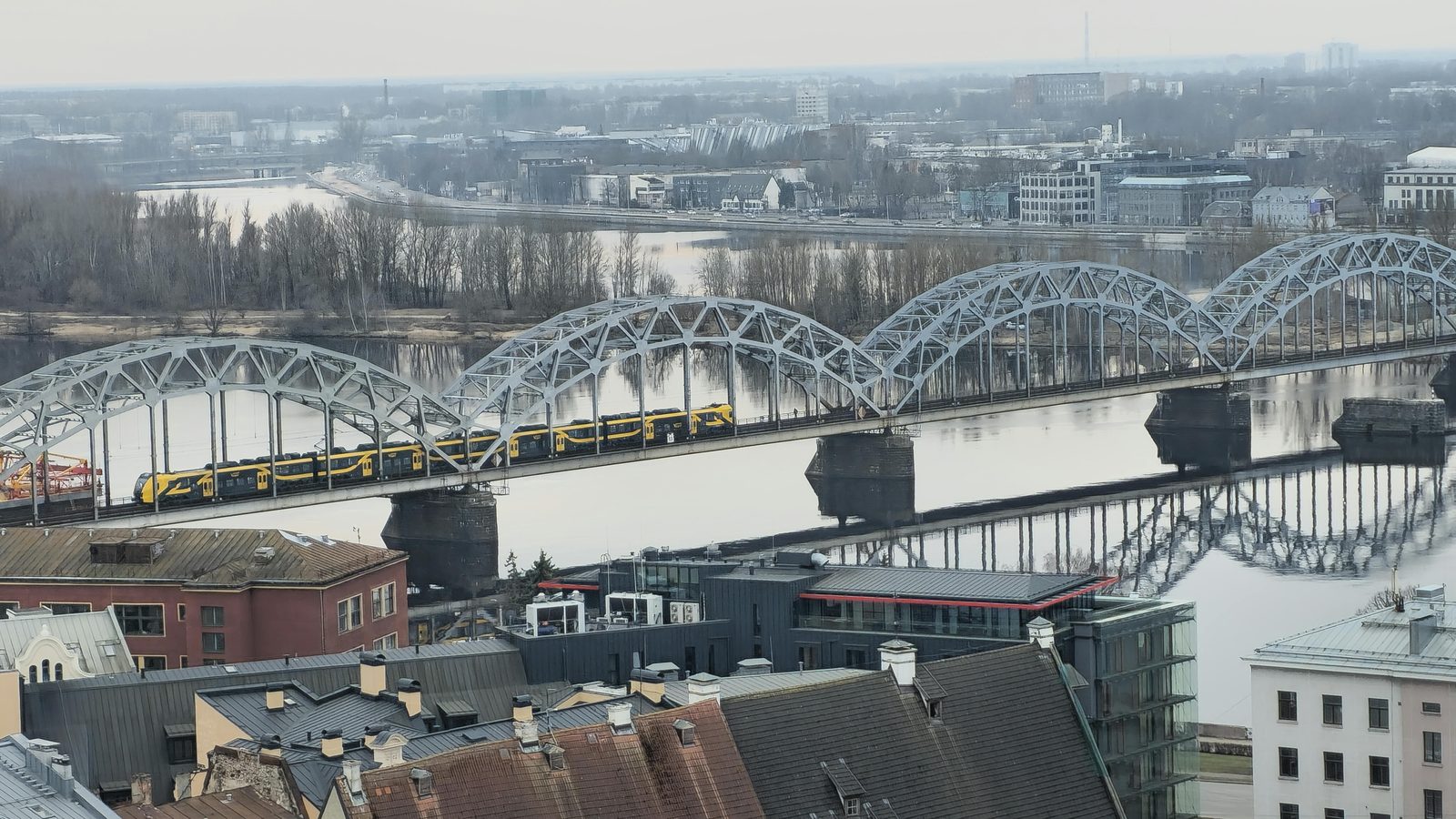
A full week lets you do the classic three-day highlights, both day trips, a neighbourhood day, a full Tivoli day, and — the crown on the whole thing — cross the Øresund Bridge to Malmö, Sweden. The train takes 35 minutes from Copenhagen Central to Malmö Central. You’ll be in a different country, with different currency and a different weekly rhythm, by lunchtime. The Copenhagen to Malmö guide covers tickets and border control in detail.
Day 7: Copenhagen to Malmö Day Trip
Buy a round-trip ticket to Malmö from the DSB app (around 280 DKK in 2026). Passport control is technically required since 2016, so bring your passport. Swedish currency is SEK; most places take cards, many also DKK and euro. A workable plan:
- 10:00 Arrive Malmö Central — walk into Gamla Staden (Old Town), coffee at Lilla Torg.
- 11:00 Lilla Torg and Stortorget — the two central squares, half-timbered buildings, market stalls.
- 12:30 Lunch in Gamla Staden — try Bastard (neo-bistro) or Restaurang Johan P (classic Swedish).
- 14:00 Turning Torso — Calatrava’s 190-metre residential tower, best viewed from Västra Hamnen.
- 15:30 Ribersborg beach + Kallbadhus — an iconic open-air cold bath on a 19th-century pier, around 95 SEK.
- 18:00 Train back — a daylight crossing of the Øresund Bridge at sunset is unforgettable.
Alternative Day 7: A Slow Day in the City
If Malmö sounds like too much, spend day 7 on the things you’ve walked past all week: the Designmuseum Danmark, a long lunch at the Glyptotek café, a second harbour tour (at sunset this time), and a sauna at La Banchina on the waterfront. A restorative day to process the trip before you fly home.
A Copenhagen Weekend (Friday–Sunday)
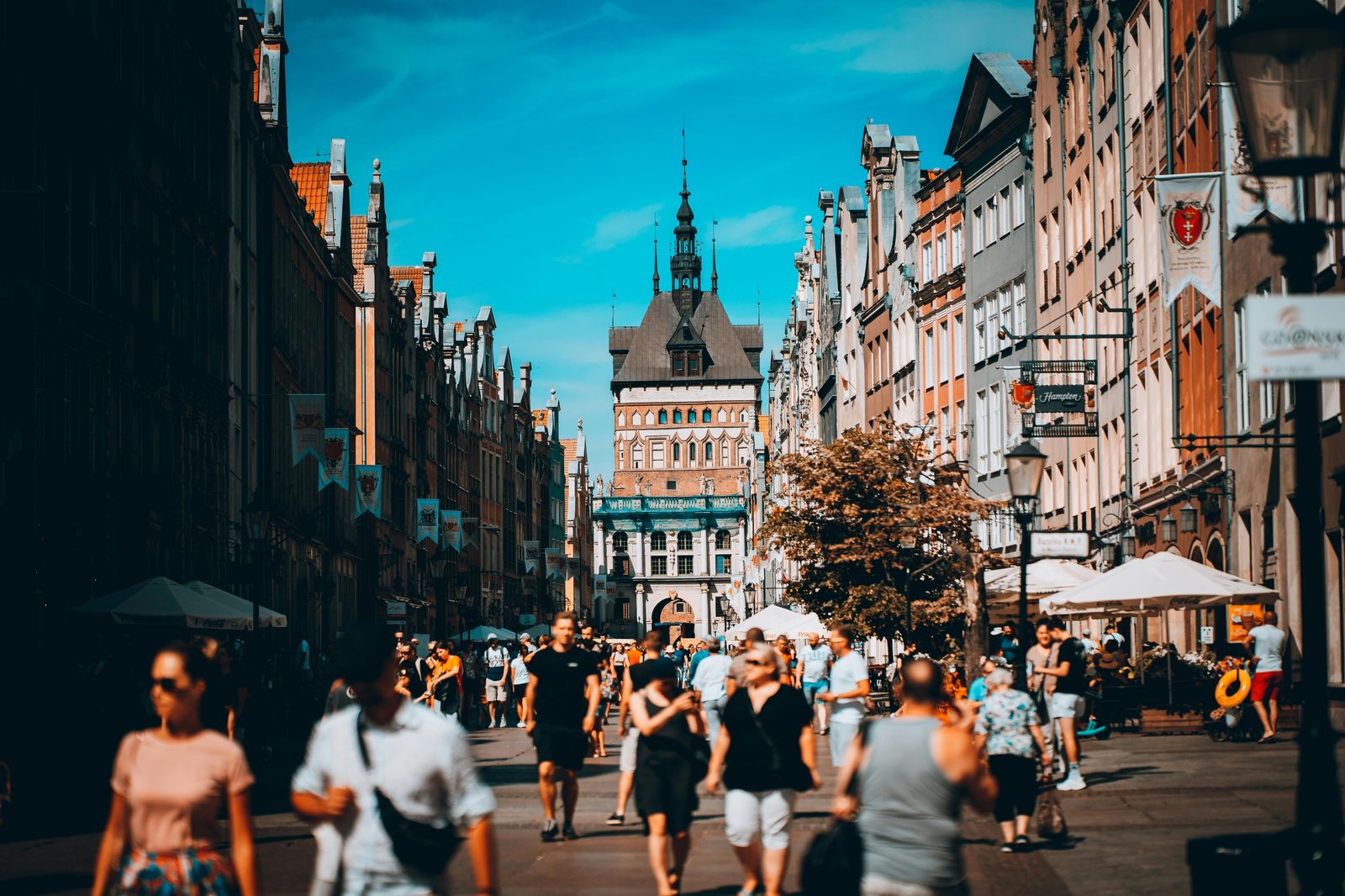
The Friday-to-Sunday break is the single most common trip European travellers book here. Three days is enough to see the highlights without feeling rushed, and Danish shops keep tourist-friendly weekend hours (most open 10:00–17:00 Saturday, noon–16:00 Sunday). We’ve built the whole thing out in our Copenhagen weekend guide.
Friday Evening: Arrive and Unwind
Land by 18:00 (most flights from London, Paris and Berlin arrive in the afternoon). The train from the airport is 15 minutes and around 36 DKK to Central Station — our airport to city centre guide covers every option. Drop bags, walk to Nyhavn for a drink, dinner at Höst (new-Nordic, book two weeks ahead) or Aamanns Etablissement. Early night.
Saturday: The Classic Loop
Run the 1-day highlights above: Nyhavn → Amalienborg → Little Mermaid → smørrebrød → Christiansborg → Rundetårn → Tivoli in the evening. On a Saturday, stretch it with a longer sit-down lunch and more café breaks — don’t try to force day-3 content in.
Sunday: Christianshavn + Brunch
Sunday brunch is an institution here. Book 10:00 at Mirabelle (Nørrebro) or Mad & Kaffe (Vesterbro). Metro to Christianshavn after, walk Overgaden Neden Vandet, climb Vor Frelsers Kirke, see Christiania, then a 15:00 harbour tour. Airport train back by 17:00 for evening flights.
Summer Version: Harbour Baths and Bike Rides
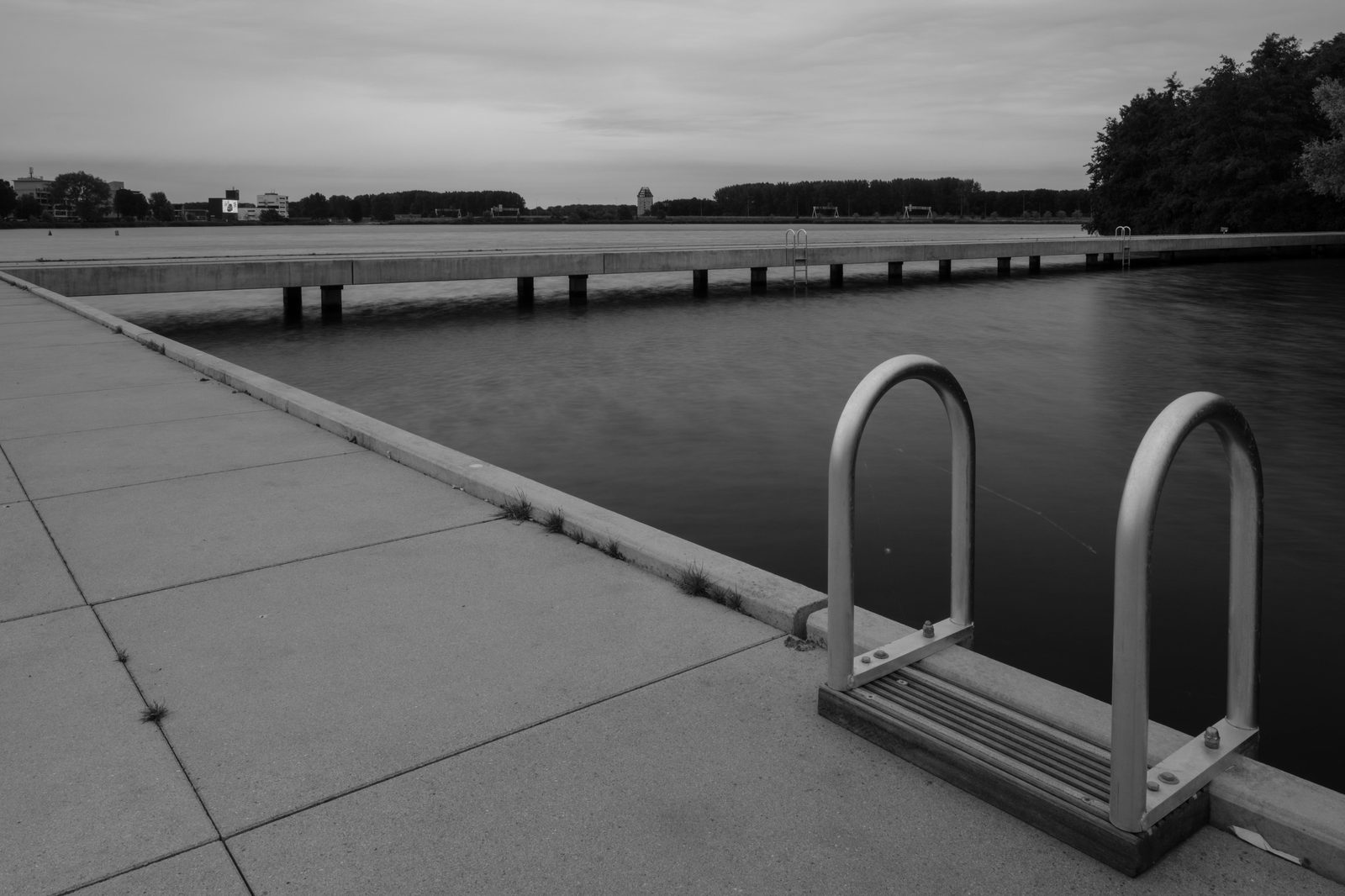
Visiting between mid-June and late August? Rewrite your plan around the water. The harbour here is clean enough to swim in — bacteriologically safer than most European city rivers — and the city has built five free public harbour baths along it. A summer trip usually swaps one museum afternoon a day for a swim stop.
The Five Harbour Baths
- Islands Brygge — the original, opened 2002, south of the centre. Six pools including a shallow kids’ pool. Walk or bike 10 minutes from Central Station.
- Fisketorvet — central, a shopping-mall setting but a great 50 m lap lane.
- Sluseholmen — far south in the canal district, usually least crowded.
- Sandkaj (Nordhavn) — modern concrete islands, most popular with the under-35s.
- Svanemølle Strand — an actual sandy beach 6 km north; metro or bike.
All five are free and unstaffed, open June to September (official swimming 9:00–19:00, though people are in from dawn to 23:00). Flag system: green means the water’s clean; red means heavy rain just overloaded the sewers and you should wait 24 hours.
Building a Bike Day In
A full cycling day looks like this: rent from Donkey Republic, Bycyklen or your hotel (60–150 DKK/day; see the bike rental guide). Ride the Harbour Circle — an 11 km protected route around the inner harbour past Nyhavn, the Opera, Christianshavn, the Little Mermaid and Nordhavn. Coffee at La Banchina, swim at Islands Brygge, lunch at Reffen on Refshaleøen, sunset swim at Sandkaj. Every guidebook buries this on page 200; it shouldn’t — it’s the most fun day you’ll have.
What Each Day Costs
A realistic budget for 2026 (mid-range traveller — not backpacker, not luxury) works out roughly like this per person per day. If you’re watching every krone, our complete guide to visiting cheaply cuts these numbers hard.
| Category | Per day (DKK) | Per day (EUR) | Per day (USD) |
|---|---|---|---|
| Hotel (mid-range double, split per person) | 750 | 100 | 108 |
| Breakfast (café or bakery) | 70 | 9 | 10 |
| Lunch (smørrebrød, food hall, or casual) | 180 | 24 | 26 |
| Dinner (mid-range sit-down, 1 drink) | 380 | 51 | 55 |
| 2 attraction entries / tours | 280 | 37 | 40 |
| Public transport (CityPass or walking) | 80 | 11 | 12 |
| Coffee, snacks, small extras | 120 | 16 | 17 |
| Total per person per day | 1,860 | 248 | 268 |
That’s roughly 13,000 DKK / €1,740 / $1,880 per person for a 7-day trip, flights aside. Cut 25 to 30% with the Copenhagen Card, one self-cooked meal a day, and wine at home rather than in restaurants. Add 40% for Michelin dinners, luxury hotels or extra harbour tours.
For the full breakdown, including three-day and seven-day totals at three spending levels and what two people sharing a room really saves, see how much a trip to Copenhagen costs.
Comparing the Lengths
Still weighing up how many days? This table sums up what each length actually delivers and where the trade-offs land.
| Length | Main activities | What you miss | Who it’s for |
|---|---|---|---|
| 1 day | Nyhavn, Amalienborg, Little Mermaid, Christiansborg, Tivoli evening | Day trips, deep neighborhoods, harbour baths | Layover, cruise port day, add-on to Scandinavia trip |
| 2 days | Day 1 + Christianshavn, Christiania, Vesterbro or Nørrebro | Day trips, full museum time | Short weekend add-on, connecting flight stopover |
| 3 days | Day 2 + National Museum, harbour tour, Glyptotek | Day trips (Louisiana, Roskilde), Malmö | Most common — long weekend from Europe |
| 4 days | Day 3 + full neighborhood day (Nørrebro or Vesterbro) | Both day trips, Sweden | Deeper tourists, foodies, design fans |
| 5 days | Day 4 + Louisiana Museum of Modern Art | Roskilde Vikings, Malmö | Art lovers, slower-paced travelers |
| 6 days | Day 5 + Roskilde Viking Ships and Cathedral | Sweden | History buffs, families |
| 7 days | Day 6 + Malmö, Sweden day trip | Nothing critical | Full-week travelers, ‘see it all’ tourists |
Itineraries for Different Travellers
The day-by-day plans above suit most trips, but a few travellers want a route shaped around them:
- Couples — sauna sessions, canal dinners and slow mornings feature heavily in our Copenhagen for couples plan.
- Solo travellers — where to eat alone comfortably, hostel vs. hotel, and the safest late routes are in the Copenhagen solo travel guide.
- Tight layovers — if the city is just a connection, the Copenhagen layover guide tells you exactly what fits in 3, 6 or 8 hours.
- Families — stroller routes, toddler food and which museums to skip are in Copenhagen with kids.
Practical Tips for Every Trip
Booking and Reservations
- Noma, Geranium, Alchemist: book two to three months ahead. The top tables release quarterly and sell out same-day.
- Tivoli: buy online and skip the queue. The entry-plus-wristband bundle beats buying them separately.
- Copenhagen Card: buy before your trip at copenhagencard.com. The clock starts when you first scan it on transit, not at purchase.
- Canal tours: no reservation needed in shoulder season; book two days ahead in July and August.
- Bike rentals: Donkey Republic and Bycyklen via app, no reservation needed. Hotel rentals are often cheapest per day.
What to Pack by Season
- Summer (June–August): light jacket for evenings, rain shell, swimsuit for the harbour baths, comfy walking shoes.
- Shoulder (April–May, September–October): layers, waterproof shell, scarf, closed shoes.
- Winter (November–March): warm coat, gloves, hat, boots, thermals. It hits -5°C regularly, wind chill -10°C.
- Full packing list, month by month, in our seasonal what to pack for Copenhagen guide.
Currency, Tipping, Language
- Currency: Danish kroner (DKK). €1 ≈ 7.45 DKK. Cards and Apple/Google Pay work almost everywhere; carry 100 DKK cash for markets.
- Tipping: built into prices by law. Round up for exceptional service (5–10%). Not expected in taxis.
- Language: nearly everyone under 60 speaks excellent English. Learn tak (thank you) and skål (cheers) and you’re set.
- Tap water: excellent and drinkable everywhere.
Copenhagen Itinerary FAQs
Is 3 days enough for Copenhagen?
Three days is the most popular length because it’s exactly enough for the central highlights: Nyhavn, the royal palaces, Tivoli, Christianshavn, the main museums and a food-hall lunch. You won’t fit day trips to Louisiana or Roskilde, and you’ll barely scratch Nørrebro or Vesterbro, but the trip still feels complete. If you can stretch to four or five days, do — the jump in depth is huge.
Is Copenhagen walkable?
Very. The inner city is about 2.5 km across and the sightseeing zone is smaller still, so a three-day walking-only trip is completely feasible. You’ll average 15,000 to 20,000 steps a day. Bring good shoes, accept that cobblestones are hard on ankles, and use the metro for the longer hops.
What’s the best time to visit?
Late May through early September is peak — long daylight, harbour baths open, outdoor street food, most festivals. June is the single best month: long days, not yet crowded, everything in bloom. July and August are busiest and priciest. December is magical for Christmas markets and Tivoli, but daylight’s gone by 15:45. November, February and March are the bleakest — skip them for a first visit. See our month-by-month best time to visit Copenhagen guide.
Should I buy the Copenhagen Card?
Run the math against your plan. The 72-hour card is around 1,129 DKK (2026) and covers 80+ attractions plus all transport. Break-even is roughly 1,100 DKK of entries in 72 hours. A three-day trip taking in Rosenborg (145), Christiansborg (175), Glyptotek (125), National Museum (100), a canal tour (109), Rundetårn (40), a Louisiana day (145) and transport (240) lands at 1,079 DKK — right at break-even before Tivoli. For any three-plus-day visit with museums and a day trip, the card wins. Full breakdown in our is the Copenhagen Card worth it guide.
Can I do Copenhagen and Sweden in one trip?
Easily. Malmö is 35 minutes by train from Central Station, Lund about 50, Helsingborg an hour. Most week-long trips add Malmö as a day trip (day 7 above), and the ambitious tack on a Stockholm extension via the five-hour direct train. Carry a passport — border control is occasional but real.
Are these trips family-friendly?
Very. Tivoli was practically built for families, the National Museum has a free children’s museum, the Blue Planet is Europe’s largest aquarium, and every harbour bath has a shallow kids’ section. Our Copenhagen with kids guide covers stroller routes, toddler food, and which museums to skip with under-10s.
How much walking should I plan per day?
Plan four to six hours of walking a day in a compact trip, plus one to two hours standing in museums. That means breakfast and a rest, a big morning walking block, a long lunch, a medium afternoon block, and a calm evening. If you’re not used to walking, add a day and build in afternoon breaks.
Common Copenhagen Itinerary Mistakes
After years of watching visitors plan trips here, the same avoidable slip-ups come up again and again. Dodge these and your days will run smoother.
- Over-scheduling day one. Jet lag plus a packed first day is a recipe for a miserable afternoon. Keep day one loose — the harbour walk above is perfect precisely because you can bail out of it at any point and nap.
- Booking the Little Mermaid as a headline stop. She’s a small statue on a rock, best seen in passing on the way to Kastellet. Don’t cross the city just for her.
- Ignoring the weather flag on harbour baths. A red flag after heavy rain means the water’s briefly unsafe — check before you jump.
- Trying to do both day trips in a short visit. Louisiana and Roskilde each eat a full day. On anything under five days, pick one.
- Assuming everything’s open Monday. Louisiana, several museums and some restaurants close on Mondays. Build your museum days around Tuesday to Sunday, and use Monday for neighbourhoods and walking.
- Underestimating dinner reservations. The restaurants worth planning around fill up weeks ahead. Book the two you care about before you leave home; wing the rest.
Start Planning
Every route on this page is tested and walkable — not theoretical. Pick a length that matches your time (three days is the safe pick, five is the best value, seven is the complete experience), settle on a season, and book the two anchor restaurants you actually care about. Everything else — tickets, metro, bike rentals — can be sorted day-of. This is a city that rewards slow travellers; pack a paperback for the café breaks.
Not sure which of these to pick? We have written the decision out separately: how many days you actually need in Copenhagen compares one to five days side by side, explains where the diminishing returns start, and says plainly when a fourth day is only worth it if you spend it out of the city.
Want to go deeper on any piece? Start with our complete things to do in Copenhagen guide, the where to stay in Copenhagen neighbourhood guide, our complete restaurant and food-hall guide, and the Copenhagen neighbourhoods breakdown.
Last updated: July 2026.