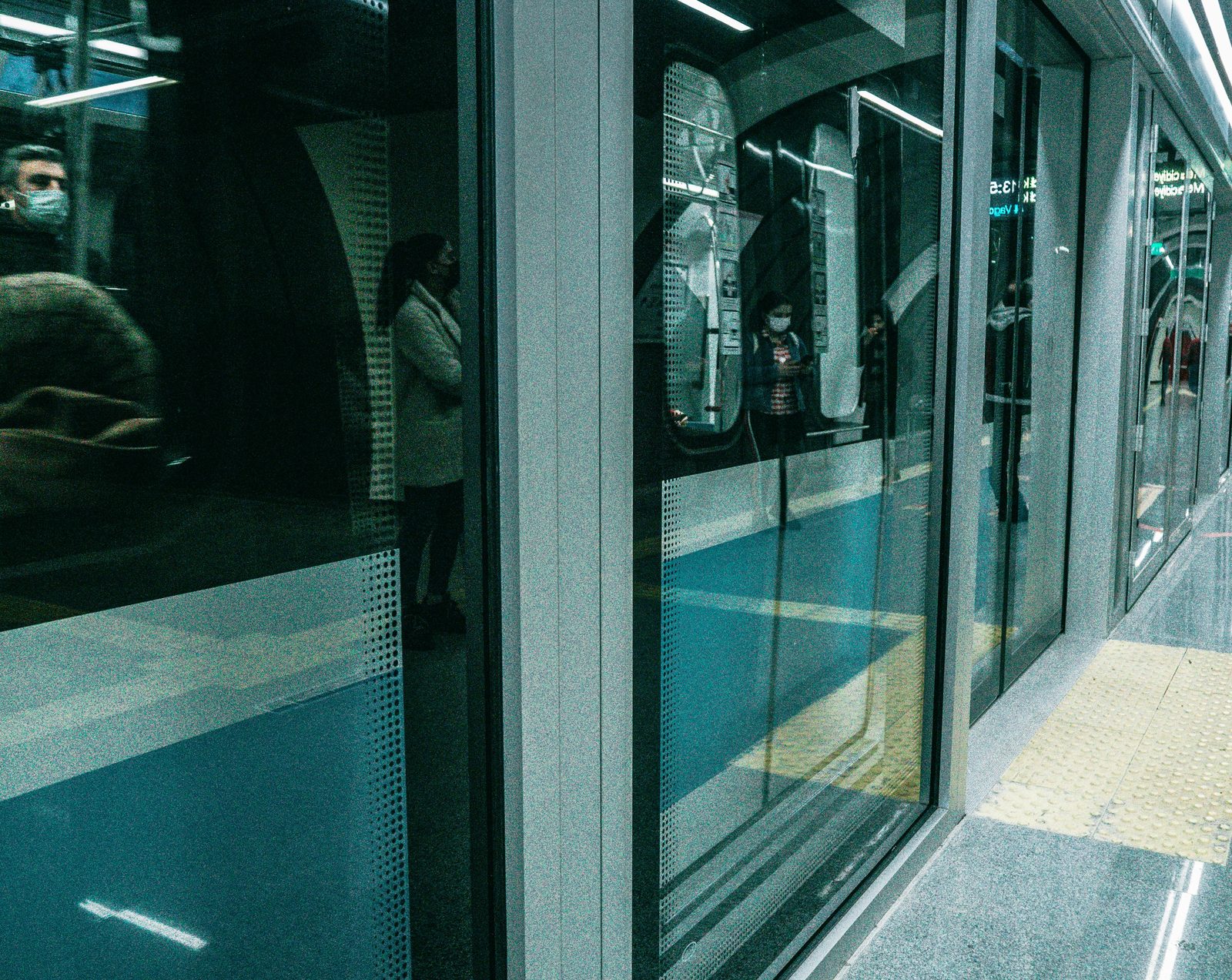
Grab the front seat. There’s no driver’s cab up there, so you get a clean view straight down the tunnel — and it’s the quickest way to fall for how Copenhagen moves. This Copenhagen Metro guide is your shortcut to riding it like you’ve done it a hundred times: the system is fully automated, runs around the clock, and carries about 121 million passengers a year across four lines and 39 stations, with trains every 2–4 minutes at peak. Below, we cover all four lines, which stations drop you at which sights, exactly what a ticket costs, how to buy one in under a minute, and how the whole thing knits together with buses, the S-tog and the harbour buses. It’s the fastest way around the city — here’s how to use it well.
If you only remember one thing, make it this: the Metro is your default for anything central or airport-bound, and it never sleeps. For the wider network — buses, bikes, trains, taxis and how it all connects — start with our complete guide to getting around Copenhagen, then come back here for the rail detail.
The Copenhagen Metro at a Glance
| Fact | Detail |
|---|---|
| Lines | 4: M1, M2, M3 Cityringen, M4 |
| Stations | 39 (after the 2024 M4 extension) |
| Operation | 24/7 — Europe’s only 24-hour metro |
| Frequency | 2-4 min peak; 6 min off-peak; 15-20 min overnight |
| Network length | 38 km total |
| Driverless | Yes — fully automated since 2002 |
| Annual passengers | 121 million |
| Daily passengers | ~350,000 |
| Operated by | Metro Service A/S (Hitachi Rail STS) |
| Single ticket (zone 1-2) | 30 DKK adult |
| 24-hour ticket | 80 DKK (all zones) |
| City Pass 24h | 100 DKK (covers metro, bus, train) |
The Four Lines, Explained

Four lines, and you’ll likely use two of them. M1 and M2 share track through the centre before splitting, while M3 loops the inner city and M4 runs the harbour spine. Here’s how each one works and where it takes you.
M1 (green) — Vanløse to Vestamager
The green line opened in 2002 and runs from Vanløse in the northwest through the centre — Nørreport, Kongens Nytorv, Christianshavn — down to Vestamager. The stops that matter to visitors are Nørreport (for Torvehallerne and Rosenborg), Kongens Nytorv (for Nyhavn) and Christianshavn (for Christiania). Beyond that it heads into Ørestad and the university quarter, useful mainly if you’re staying out that way.
M2 (yellow) — Vanløse to Copenhagen Airport
The yellow line also opened in 2002 and was extended to the airport in 2007. It’s the fastest link between the centre and the terminal: Kongens Nytorv to CPH in 13 minutes flat. It shares track with M1 as far as Christianshavn, then peels off through Lergravsparken and Amager Strand to the airport (Kastrup Lufthavn). If you land at CPH, this is almost certainly your first ride — our Copenhagen Airport to city centre guide walks through the transfer in detail.
M3 Cityringen (red) — the 17-station loop
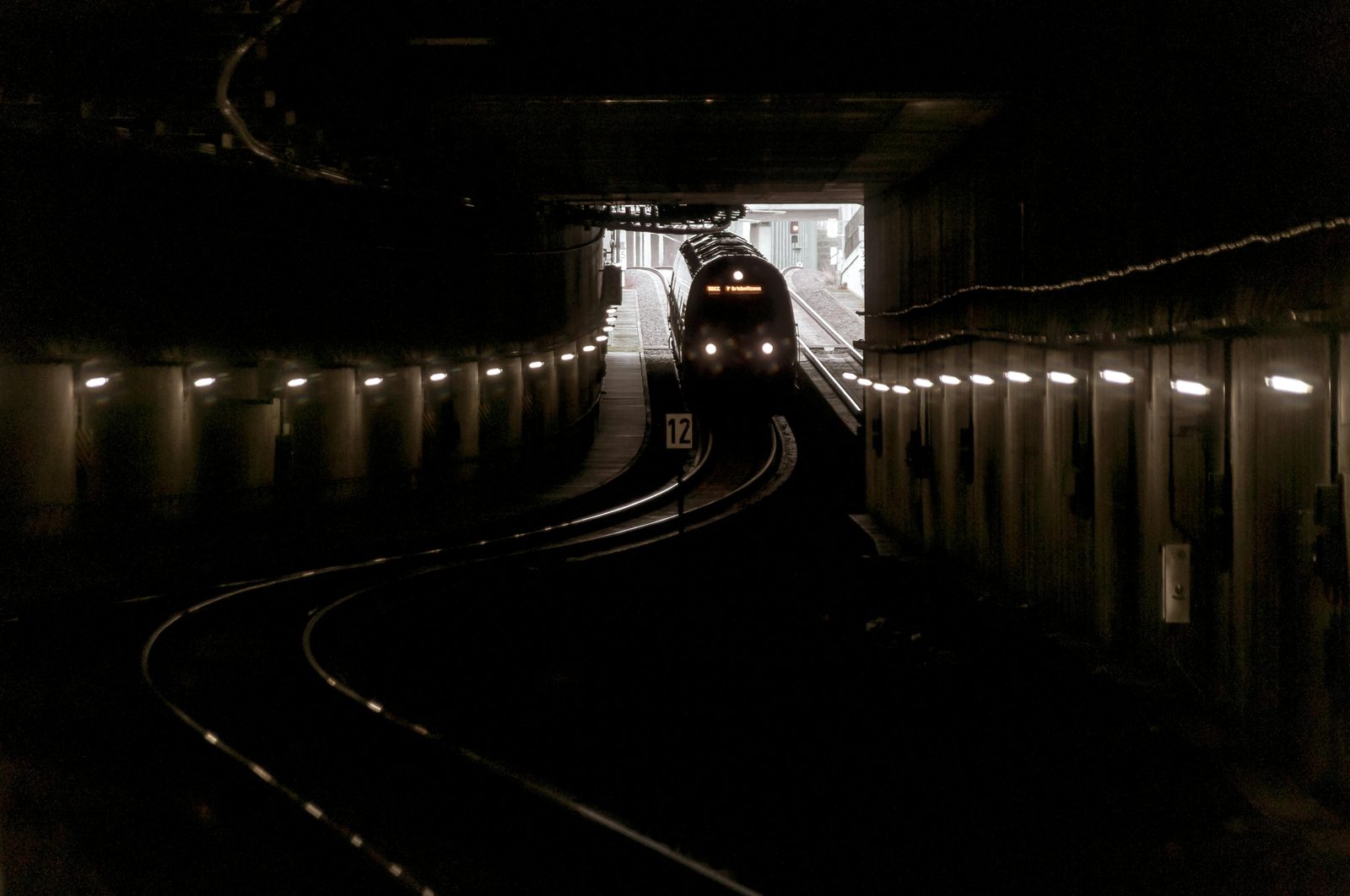
This is the one that changed the city. The red loop opened in September 2019 — the capital’s biggest infrastructure project of the century at 22 billion DKK — and its 15.5 km ring finally connected the neighbourhoods the old lines skipped: Vesterbro, Nørrebro, Østerbro, Frederiksberg and the centre. Trains run both ways, and a full loop takes 24 minutes. For hopping between districts in a single day, it’s the most useful line by a distance. Planning to explore several areas back to back? Our Copenhagen itinerary guide maps a few routes that lean on Cityringen.
M4 (blue) — Sydhavn to Orientkaj
The blue line opened in 2020, with the Sydhavn (south) and Orientkaj (north) extensions added in 2024. It links Hovedbanegården (Central Station) through Kongens Nytorv up to the redeveloped Orientkaj harbourfront, sharing stations with M3 around the central loop. You’ll mostly meet it if you’re heading for Nordhavn or arriving by mainline train.
Best Stations for Sightseeing
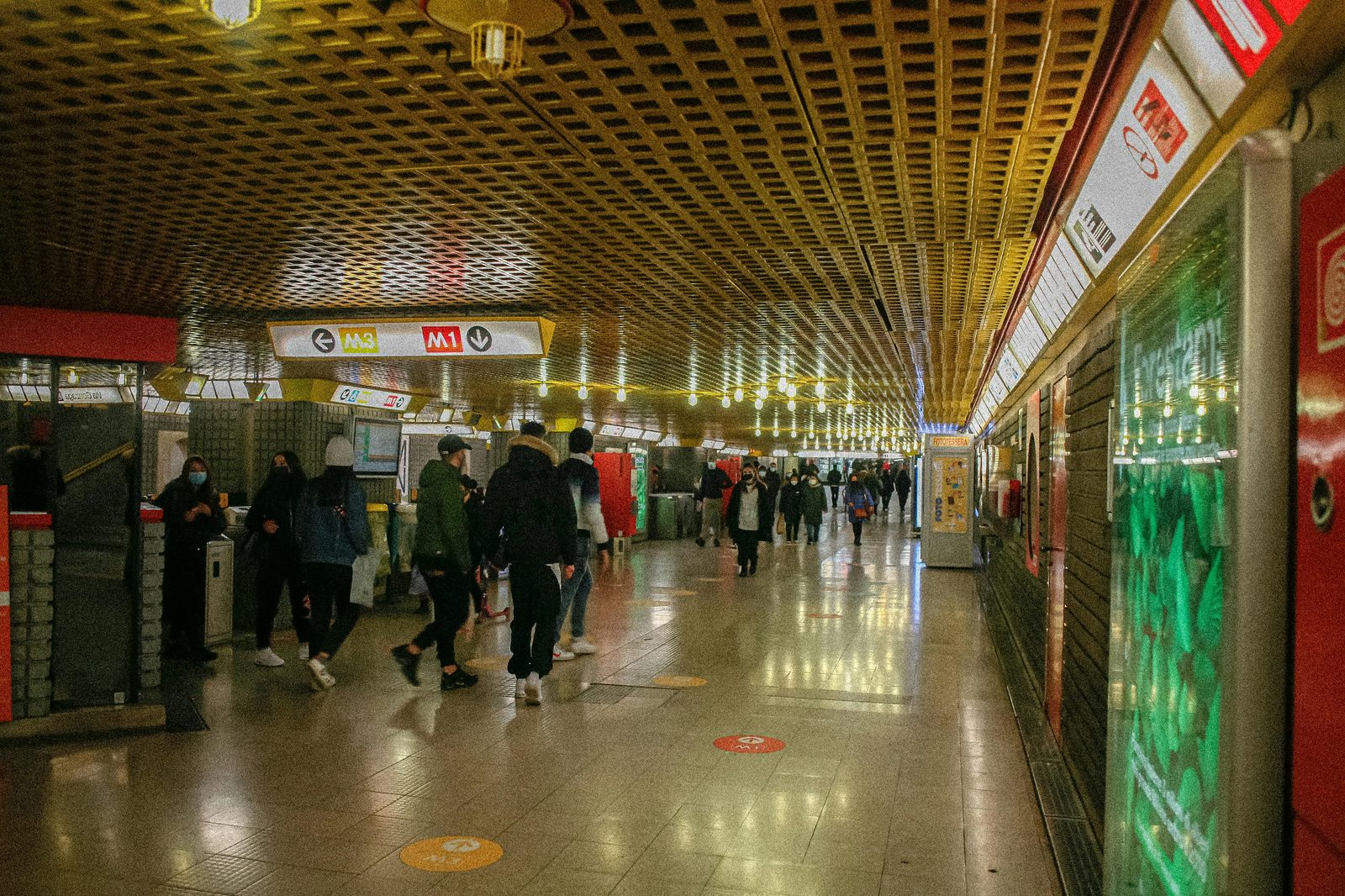
You can plan half your sightseeing around these stops. Here are the ones worth knowing before you go:
- Nørreport (M1, M2, M3) — Torvehallerne food market, Rosenborg Castle, King’s Garden. Also the city’s busiest interchange with the S-tog and regional trains.
- Kongens Nytorv (M1, M2, M3, M4) — Nyhavn is a 5-minute walk, with Charlottenborg right there too.
- Christianshavn (M1, M2) — Christiania and the canal district.
- Hovedbanegården (M3, M4) — Central Station, with Tivoli a 3-minute walk away.
- Marmorkirken (M3) — the Marble Church and Amalienborg Palace, and about 15 minutes on foot to the Little Mermaid.
- Frederiksberg Allé (M3) — Frederiksberg Have and Copenhagen Zoo (roughly 15 minutes’ walk).
- Forum (M3) — Carlsberg Brewery is about 10 minutes away.
- Copenhagen Airport (Kastrup) (M2) — straight to the terminal, 13 minutes from Kongens Nytorv.
A cheap thrill worth doing once
Ride a full loop of M3 Cityringen — 24 minutes, both directions available — and you’ll surface at a different neighbourhood every couple of stops. It’s the fastest orientation lap of the city you can buy, and it’s covered by any day pass you already hold.
Tickets and Pricing

Fares are zone-based — 1, 2, 3, or all zones. Most of central Copenhagen plus the airport sits within zones 1–3.
| Ticket type | Price | Best for |
|---|---|---|
| Single ticket 1-2 zones | 30 DKK | One short trip in central Copenhagen |
| Single ticket 1-3 zones | 40 DKK | One trip including the airport |
| 24-hour all-zone ticket | 80 DKK | A single tourist day |
| 72-hour all-zone ticket | 200 DKK | A 3-day trip |
| City Pass 24h | 100 DKK | 1 day of metro + bus + harbour bus |
| City Pass 72h | 270 DKK | 3 days of metro + bus + harbour bus |
| Copenhagen Card 24h | 569 DKK | Transport plus 80+ attractions |
| Rejsekort travel card | Pay-as-you-go | Long-stay residents and students |
Here’s the honest calculus. For a 3-day-plus visit with lots of sightseeing, the Copenhagen Card bundles the metro with free entry to 80 attractions — our Copenhagen Card review runs the numbers on whether it pays off for your itinerary. For one or two days, the City Pass 24h at 100 DKK is the sweet spot. Single tickets only really win if you’ll ride just once or twice a day. For every ticket type across the whole network, see our Copenhagen public transport tickets guide.
How to Buy a Ticket
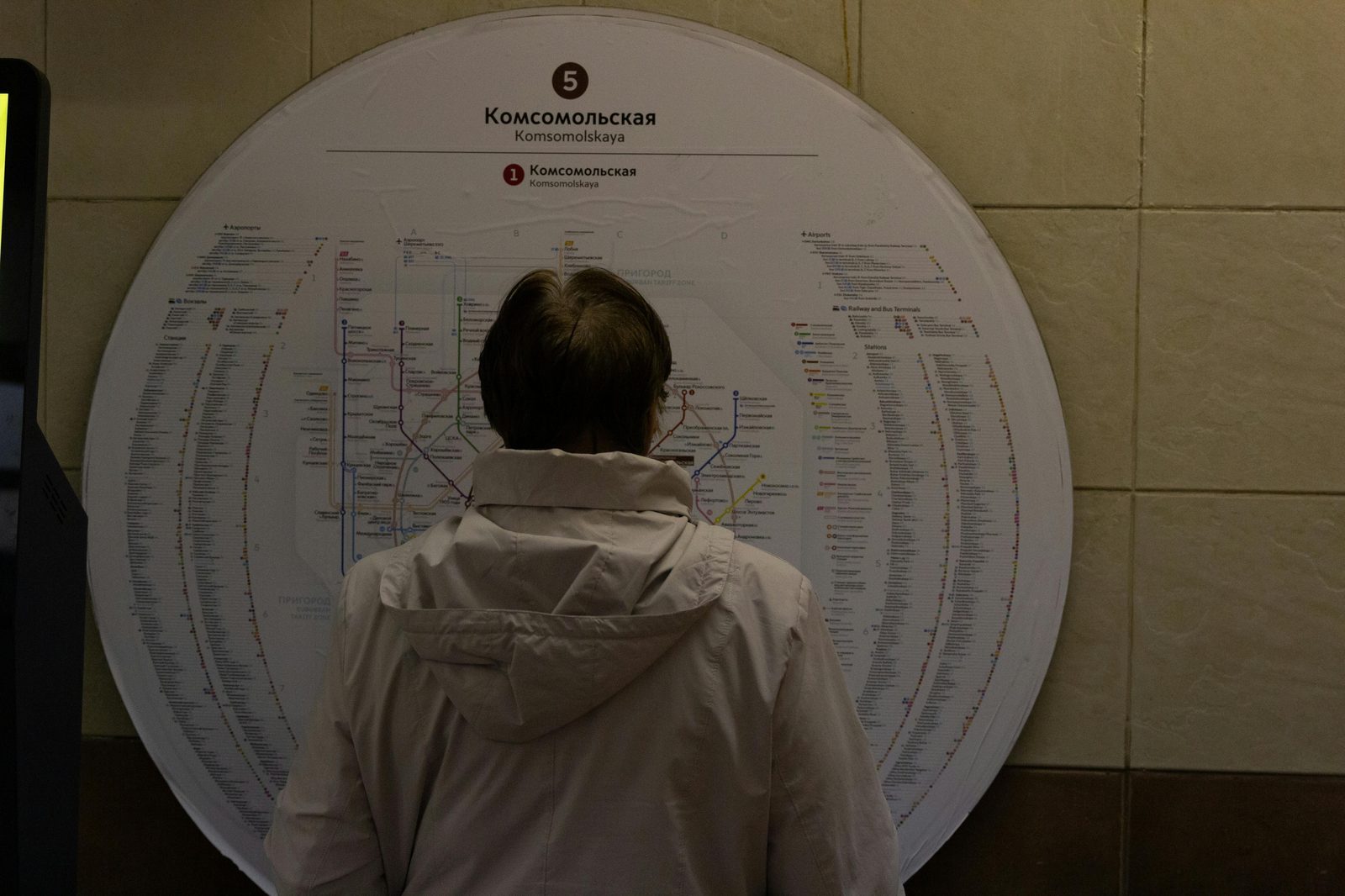
- The DOT app (easiest for visitors) — buy any ticket on iOS or Android, no account needed, pay by card.
- Self-service machines at every station — they take Visa, Mastercard and Apple Pay.
- Rejsekort travel card — a refillable tap-on/tap-off card, worth it only for longer stays.
- Tourist information — the Copenhagen Visitor Center sells the City Pass and Copenhagen Card.
- DSB ticket office at the airport — handy to buy on arrival.
There are no ticket barriers — the system runs on trust, with random conductor checks. Just make sure you always hold a valid ticket before you board: fare-dodging fines start at 1,000 DKK, and inspectors aren’t swayed by "I’m a tourist."
Metro vs S-tog vs Buses
| Mode | Best for | Speed | Coverage |
|---|---|---|---|
| Metro (M1-M4) | Central Copenhagen + airport | Fastest | 39 stations central |
| S-tog (suburban trains) | Suburbs + day trips (Helsingør, Roskilde) | Fast | 85+ stations regional |
| Bus (1A, 2A, 5C, etc.) | Where the metro doesn’t reach | Slower | Citywide |
| Harbour bus (991, 992, 993) | Scenic Christianshavn-Nyhavn | Slow but scenic | Harbour route |
In short: the metro is fastest for central trips and the airport, the S-tog handles the suburbs and day trips, and buses fill the gaps in between. One ticket covers all of them, so mix and match freely — and for the wider picture, including Copenhagen train travel, our getting around Copenhagen guide ties it together.
Operating Hours
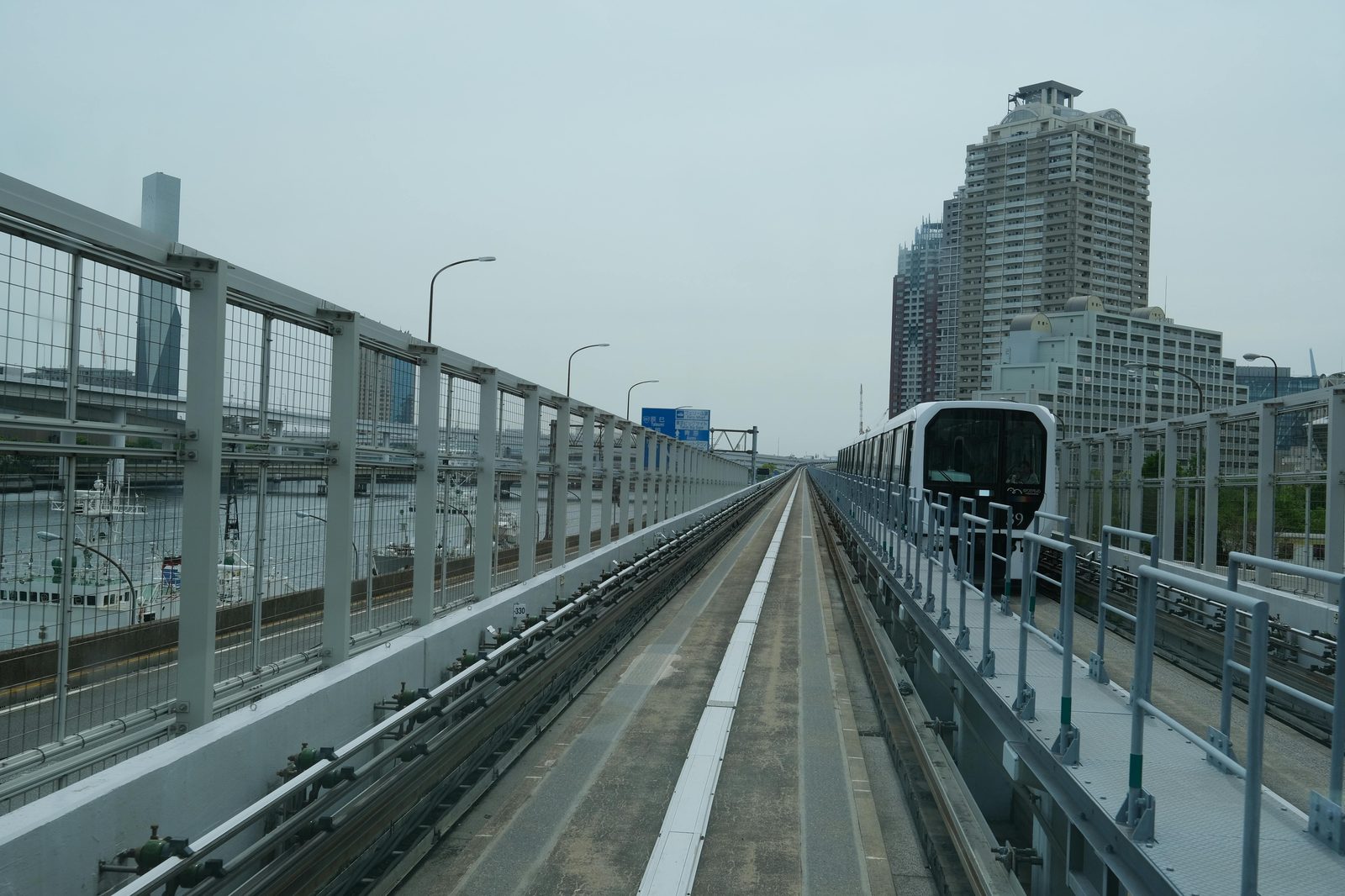
The metro runs 24 hours a day, every day, all year — a genuine rarity in Europe. What changes is how long you wait:
- Peak (07:30-09:00, 16:00-18:00 weekdays): every 2-4 minutes
- Off-peak (daytime): every 4-6 minutes
- Evening (21:00-00:00): every 6-9 minutes
- Overnight (00:00-05:00): every 15-20 minutes
- Weekends: a touch less frequent overnight, otherwise normal
- Holidays (Christmas Eve and the like): reduced service — check the Metro app
Accessibility
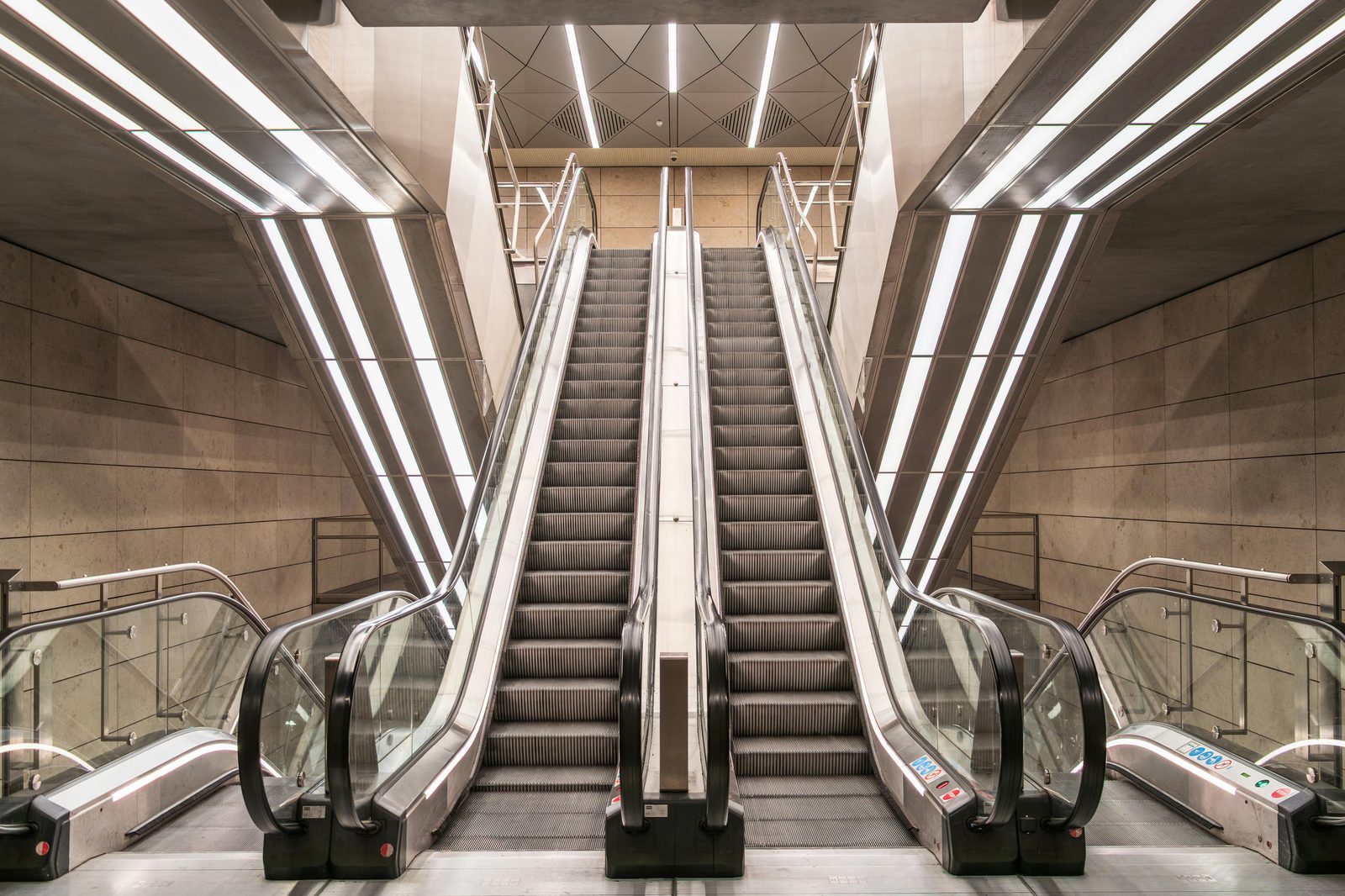
Accessibility is genuinely excellent here:
- Step-free access at every station via lift or ramp
- Tactile guidance for visually impaired travellers
- Audio announcements at all stations and on every train
- Service dogs welcome — no muzzle or leash restrictions
- Wheelchair accessible — designated spaces in every carriage
- Bikes allowed except 07:00-09:00 and 15:30-17:30 on weekdays; a 12 DKK bike supplement applies
- Stroller-friendly — no extra charge
Safety and Etiquette

The metro is clean, safe and quiet — and locals like to keep it that way. A few unspoken rules:
- Stand on the right on escalators; walk on the left.
- Mind the gap — though platform screen doors handle most of the risk for you.
- No food on trains — drinks are fine, and there’s no smoking anywhere.
- Keep it quiet. Copenhageners value calm carriages; speak softly.
- Sort your ticket before boarding. Random checks, fines from 1,000 DKK.
- Luggage is no problem — big bags fit fine outside the rush.
- Watch your things on the airport run — pickpocketing is rare but it’s the one route where it’s reported.
- There’s an emergency intercom in every carriage if you need it.
Copenhagen Metro Guide FAQs
Is the Copenhagen Metro 24/7?
Yes — it runs 24 hours a day, 7 days a week, all year round. Frequency drops to every 15-20 minutes overnight (00:00-05:00), but the service never stops, which means you never need a cab home after a late night out.
How much is a metro ticket?
A single ticket for zones 1-2 is 30 DKK. A 1-3 zone single (which covers the airport) is 40 DKK. A 24-hour all-zone ticket is 80 DKK, while the City Pass 24h at 100 DKK is the best tourist value since it also covers buses and harbour buses.
How do I get from the airport to the city centre?
Take the M2 from Copenhagen Airport (Kastrup) to Kongens Nytorv — 13 minutes, trains every 4-6 minutes, 40 DKK. Our Copenhagen Airport to city centre guide covers every option side by side.
Is the metro really driverless?
Completely — it’s been fully automated since it opened in 2002, one of the first systems in the world to run driverless at full city scale. The trains are built by Hitachi Rail STS (formerly Ansaldo). Sit at the front for the best view.
How does M3 Cityringen work?
It’s an underground loop with trains running in both directions; a full circuit takes 24 minutes. Its 17 stations connect Vesterbro, Nørrebro, Østerbro, Frederiksberg and the centre. It opened in September 2019 and is the handiest line for neighbourhood-hopping.
Are the stations accessible?
Yes — every station is fully step-free, with lifts, ramps, tactile guidance and platform screen doors. Service dogs are welcome, and each carriage has designated wheelchair space.
Can I take a bike on the metro?
Yes, outside the weekday peaks (07:00-09:00 and 15:30-17:30), with a 12 DKK bike supplement on top of your passenger ticket. If you’d rather ride above ground, our Copenhagen bike rental guide covers where to hire one.
Where do I buy a ticket?
Via the DOT app (easiest), the self-service machines at every station, the Copenhagen Visitor Center, or the DSB ticket office at the airport. There’s no ticket validation — it’s an honour system with random checks.
Related Reading
- Walking tours — free tip-based walks plus food, history and architecture tours.
- Crossing to Malmö — the Øresund train, the bridge, and what a day in Sweden costs.
- The city’s headline sights
- Whether to take a taxi
The Verdict
For a visitor, this is about as good as a city metro gets: around the clock, driverless, spotless, with platform screen doors, trains every couple of minutes at peak, a direct airport line and — thanks to Cityringen — proper neighbourhood coverage. Buy the City Pass 24h at 100 DKK, or the Copenhagen Card if you’re doing a lot of attractions, and keep the DOT app handy for one-off single tickets. Keep this Copenhagen Metro guide handy for the line and ticket details, then just ride. Grab the front seat at least once, watch the tunnel rush toward you, and you’ll get why locals barely think twice about how they cross their city.
Last updated: July 2026. Photo credits: images via copenhagentourism.org media library.


