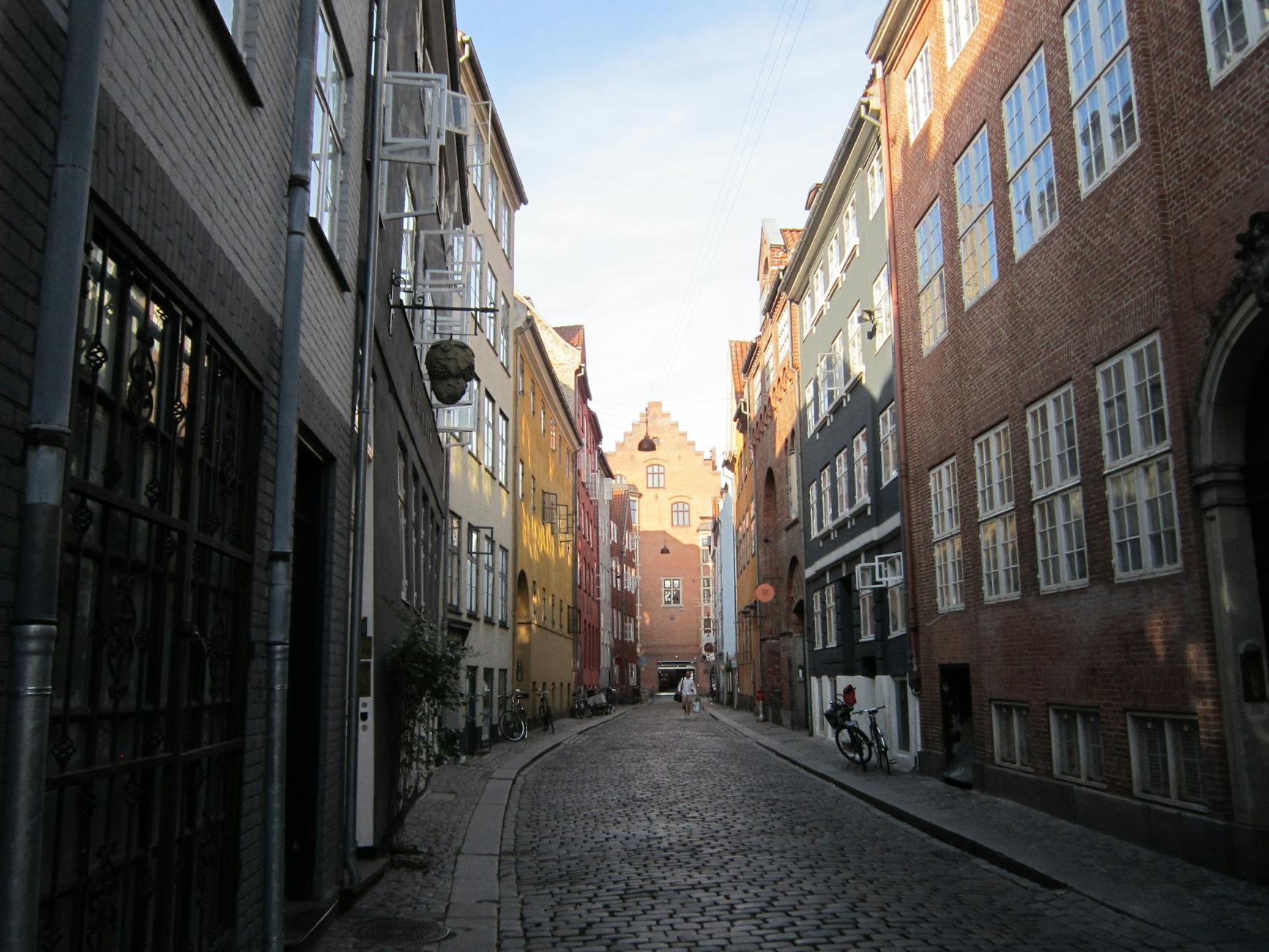
There is no single right answer for the best time to visit Copenhagen — but there are much better answers depending on what kind of trip you want. The Danish capital changes character dramatically across the year: green and full of cyclists in May, packed and festive in July, hushed and golden in October, dark and candlelit in December. This pillar guide breaks down every season, every month, and every major trade-off — weather, crowds, prices, daylight hours, festivals and what you will actually be able to do — so you can pick the window that fits your trip.
Spoiler: for most travelers, the sweet spot is late May through mid-September, and within that range, June is the all-round winner. But a March weekend at a fraction of the price or a December trip built around Tivoli’s Christmas lights can each be extraordinary. Use the monthly breakdown below to match your priorities.
Best time to visit Copenhagen at a glance
| Your priority | Best months | Why |
|---|---|---|
| Overall best weather & activity | June – August | Long days, 18+ hours of daylight, 18–22°C, everything open. |
| Best value (weather + price) | May, early June, September | Near-summer weather, 20–30% cheaper hotels, thinner crowds. |
| Fewest crowds | Late Oct – early Dec, Jan – Feb | Locals-only pace, short queues, cheapest hotels of the year. |
| Christmas magic | Late November – 23 December | Tivoli, gløgg, æbleskiver, ice rinks, Kongens Nytorv market. |
| Cheapest month | January or February | Post-holiday lull, hotels 40%+ off peak rates. |
| Festivals & nightlife | Late June – early August | Roskilde, Copenhagen Jazz Festival, Copenhagen Pride, Distortion. |
| Cycling & outdoor activity | May – September | All 454 km of bike lanes usable, harbour baths open June – Aug. |
| Northern lights | No (wrong latitude) | Copenhagen is too far south; go to North Jutland or Norway instead. |
What is in this guide
- Copenhagen’s climate, in one paragraph
- Spring in Copenhagen (March – May)
- Summer in Copenhagen (June – August)
- Autumn in Copenhagen (September – November)
- Winter in Copenhagen (December – February)
- Month-by-month breakdown
- Festivals and events throughout the year
- Copenhagen weather and daylight table
- When is Copenhagen busiest?
- When are hotels cheapest?
- What to pack for each season
- Best time to visit Copenhagen for your trip
- Local tips on picking the right week
- FAQ
Copenhagen’s climate, in one paragraph
Copenhagen has a mild oceanic climate. The sea moderates temperatures, so summers rarely get hot and winters rarely get very cold. Average July highs are about 22°C (72°F); average January highs are about 3°C (37°F). Rain and wind are possible year-round, but the heaviest rainfall actually falls in August. The real driver of what you can do in Copenhagen is not temperature — it is daylight. In late June the sun sets after 10 pm and you get 17½ hours of light; in late December the sun sets before 3:45 pm and you get about 7 hours. That single fact changes the feel of the city more than anything else.
Spring in Copenhagen (March – May)

Spring is when Copenhagen exhales. Cafés push their tables back outside, locals get back on their bikes, and the city’s parks turn a wild, almost too-bright green. Temperatures climb from around 6°C in early March to 16–17°C by late May. The main trade-off is that early spring (March and the first half of April) can still feel wintery and grey, with sudden cold snaps — while late May is nearly summer, just without summer prices.
What’s open and worth doing in spring
- Tivoli’s summer season opens in the first week of April and runs through late September.
- Cherry blossoms at Langelinie Park peak in the last week of April (check the Sakura Festival dates for the exact year).
- Frederiksberg Gardens and Kongens Have fill with picnickers as soon as daytime temperatures hit 15°C.
- Bike rentals come back in force — Donkey Republic, Swapfiets and hotel bikes are all affordable and widely available.
- Day trips become pleasant — Louisiana Museum, Kronborg Castle and Dragør are all 30–60 minutes away by train.
Spring downsides
March weather is unreliable: an afternoon can swing from sunny 12°C to grey 4°C with wind. Harbour baths are closed. Outdoor swimming, kayaking and many harbour boat tours do not start until May. Hotels are still mid-season priced for Easter week, when Copenhagen sees a mini-peak of European travelers — book early if Easter falls in your window.
Summer in Copenhagen (June – August)

Summer is the obvious answer to the question of the best time to visit Copenhagen, and for most visitors it is the right one. Daytime temperatures are comfortable (17–22°C average, with occasional heat waves to 28°C), the harbour is warm enough to swim in, Tivoli is in full bloom, and the famous Danish daylight stretches until 10 pm. Everything is open and everything is happening. You are not alone — peak season runs mid-June through mid-August and the popular sights (Nyhavn, The Little Mermaid, Tivoli) will be busy — but Copenhagen is a big enough city that the crowds never feel overwhelming the way they do in Barcelona or Amsterdam.
Highlights of a summer trip
- Harbour baths — Islands Brygge, Fisketorvet, Sandkaj (Nordhavn) and Sluseholmen (Sydhavn) are all free and open daily.
- Tivoli summer season in full swing, with Friday Rock concerts and the Illuminations show nightly.
- Copenhagen Jazz Festival — 10 days in early July, 1,200+ concerts across the city, most free.
- Sankt Hans Aften (June 23) — midsummer bonfires at Amager Strand and beaches across the country.
- Outdoor cinema at Kongens Have, Frederiksberg and Refshaleøen on summer evenings.
- Late-dinner culture — book a table at 8:30 pm and still have 90 minutes of natural light.
- Cycling day trips — out to Klampenborg beach, the Deer Park at Dyrehaven, or up the coast to Humlebæk.
What summer costs
This is peak season, and prices reflect it. Mid-range hotels that cost DKK 1,200 in March run DKK 2,200–2,800 in July. Boutique hotels in Indre By and Vesterbro routinely hit DKK 3,500+ per night on weekends. Restaurant reservations for dinner — especially Saturday nights — should go in four to six weeks ahead for anywhere with a Michelin star and two weeks ahead for anywhere good. The airport sees peak throughput in July; if you are flexible, fly in on a Tuesday or Wednesday.
June vs. July vs. August
June is the sweet spot — almost-peak weather, slightly-below-peak prices, the longest days of the year, and a pre-school-holidays calm that disappears once July begins. July is the warmest month and the busiest — good for festivals, less good for avoiding queues. August is nearly as warm as July and has the richest cultural calendar (Copenhagen Opera Festival, Fashion Week, Copenhagen Pride), but statistically receives the most rainfall of any month and the second half often turns noticeably cooler. If you can only pick one summer month, pick June.
Autumn in Copenhagen (September – November)

Autumn is the quiet favorite of Copenhagen locals, and arguably the best time to visit Copenhagen for second-time travelers. September still feels like summer for its first two weeks — 18–19°C highs, most harbour baths open, outdoor dining in full effect — but the crowds thin dramatically and hotel prices drop. October brings the city’s most photogenic light (golden hour stretches across the afternoon) and trees in Frederiksberg Gardens, Kongens Have and Assistens Cemetery turn orange. November is grey and windy but hyggelig in a specific Danish way — think candlelit cafés, wool jumpers and the first glimpse of Christmas lights going up on Strøget.
Why autumn is underrated
- Short queues — Rosenborg Castle, Nyhavn canal tours and The Little Mermaid are near-empty on weekdays.
- Better restaurant availability — Noma, Alchemist and Geranium are still near-impossible but mid-tier Michelin spots open up.
- Autumn festivals — Copenhagen Cooking & Food Festival in late August / early September, CPH:DOX documentary film festival in late autumn, Culture Night in mid-October.
- Design and architecture weeks — 3daysofdesign in June and Finders Keepers markets scattered through autumn.
- New menus — Copenhagen restaurants lean into seasonality; autumn menus feature game, mushrooms, plums and the first sloe berries.
Autumn weather realities
September averages 17°C high / 11°C low. October averages 12°C / 7°C. November drops to 7°C / 3°C and is the month most likely to confront you with cold horizontal rain. The wind off the harbour can make 7°C feel like 1°C — dress in layers and bring a waterproof shell. Daylight also drops fast: Copenhagen loses about 4 minutes of light per day through autumn, so a mid-November visit means the sun sets around 4 pm. Most harbour baths close by mid-September.
Winter in Copenhagen (December – February)

Winter is a tale of two Copenhagens. December is bright and busy — Tivoli’s Christmas season, Kongens Nytorv ice rink, Christmas markets across Indre By, gløgg everywhere, and a short, very specific kind of low-sun winter light that makes the city look like a painting. January and February are the quietest, cheapest and greyest months of the year. If you have the patience for overcast skies and limited daylight, you will have Copenhagen largely to yourself.

Christmas in Copenhagen (mid-November to 23 December)
This is one of the best reasons to visit Copenhagen at all. Tivoli’s Christmas season runs from mid-November to early January and the park transforms into a storybook winter market with ice skating, wooden stalls selling gløgg and æbleskiver (pancake puffs), thousands of lights and a daily reindeer appearance. Smaller Christmas markets set up at Kongens Nytorv, Højbro Plads, Nyhavn (one of the most photogenic), and inside the Meatpacking District. The short days become a feature, not a bug — everything is lit. Book hotels 6–8 weeks ahead for the three weekends before Christmas; these are the busiest non-summer weekends of the Copenhagen year.
January and February
These are the deepest-discount, lowest-tourism months on the calendar. Expect 1–5°C, short days (sunset around 4 pm in January, 5 pm by the end of February), occasional snow and a distinctly local-feeling city. Most museums, restaurants and design stores are open — only the outdoor activities (harbour baths, canal tours, Tivoli’s normal season) are closed. If you love cozy — bakeries, coffee shops, candlelit wine bars, the Copenhagen Light Festival which runs the first three weeks of February — this is the best time to visit Copenhagen if you can handle grey weather.
Month-by-month breakdown
January
Cheapest month of the year. Average 3°C / −1°C. 7–9 hours of daylight. Tivoli is closed (Christmas season ends early January, Winter in Tivoli reopens mid-February). Wonderful for cafés, museums and local life. Copenhagen Light Festival starts in the last week of January.
February
Still cheap, still quiet, but daylight is noticeably back. Average 4°C / 0°C. Best month for the Copenhagen Light Festival and a rising season for restaurants (reservations loosen). Winter in Tivoli (mid-Feb) is a highlight for families.
March
Shoulder month. Weather is the most unpredictable of the year — a week of 12°C and sunshine can precede a weekend of cold rain. 11–13 hours of daylight. Hotel prices still low. Easter week (if it falls here) sees a small tourist spike.
April
A pivot month. Tivoli reopens for its summer season in the first week. Cherry blossoms peak at Langelinie in the last week. Temperatures climb to 10–13°C. Still affordable but starting to get busier.
May
Arguably the best single month if you want near-summer weather at better prices. 13–17°C average. 15–16 hours of daylight. Harbour baths start opening in mid-May. Locals are visibly happier. Distortion street party takes over Nørrebro and Vesterbro over 5 days in early June (sometimes billed to May in marketing).
June
Peak weather without peak crowds (for the first three weeks). Longest days of the year — sunrise around 4:30 am, sunset around 10 pm. Distortion festival early in the month, Sankt Hans Aften (midsummer bonfires) on June 23, 3daysofdesign mid-month. If you can only do one month, this is the best time to visit Copenhagen.
July
Warmest month (18°C average, 22°C typical high). Copenhagen Jazz Festival runs 10 days in early July with 1,200+ concerts. Peak tourist density at Nyhavn and Tivoli. Hotels at yearly peak. If you love festivals and long evenings, this is worth the prices. Mid-week flights in / out save 20%.
August
Still summer but the heat breaks and rainfall is highest of the year. Copenhagen Opera Festival, Copenhagen Cooking & Food Festival, Fashion Week, Copenhagen Pride (mid-month) and the city-wide CPH PIX film festival. Hotels remain expensive. School holidays end mid-month and the second half feels quieter.
September
The single best month for value-per-day. 17°C / 11°C. 11–13 hours of daylight. Crowds drop hard after the first week. Harbour baths often stay open through mid-month. Hotel prices fall 20–30% from August peaks. If May is the best pre-summer month, September is the best post-summer month.
October
Autumn colour peaks around October 15. 12°C / 7°C average. Halloween in Tivoli runs the full month with pumpkins and themed shows. Kulturnatten (Culture Night) in mid-October opens most museums and institutions until midnight with one cheap ticket. CPH:DOX international documentary festival runs in late October.
November
The quietest mainstream-tourism month of the year. 7°C / 3°C, shorter days (sunset 4 pm by month-end), lots of rain. Hotels cheap. Tivoli’s Christmas season opens in the second week — book that weekend specifically if you can. Otherwise excellent for indoor culture: the Glyptotek, SMK (National Gallery), Designmuseum Danmark and Louisiana Museum.
December
Christmas Copenhagen. 4°C / 1°C. Daylight bottoms out on December 21 (about 7 hours). Tivoli’s Christmas season, Kongens Nytorv ice rink, candlelit restaurants, the Nyhavn Christmas market and Christmas lights on every shopping street. Hotels are expensive for the three weekends before Christmas, then collapse in price for the week between Christmas and New Year’s. New Year’s Eve is riotous — Danes set off their own fireworks from the streets; Tivoli stays open late.
Copenhagen weather and daylight table
All figures are monthly averages from the Danish Meteorological Institute’s climate normal. Use them as a rough planning guide — Copenhagen’s actual weather on any given day can still surprise you.
| Month | Avg high | Avg low | Daylight (avg) | Rainy days | Tourist crowds | Hotel prices |
|---|---|---|---|---|---|---|
| January | 3°C / 37°F | -1°C / 30°F | 7 h 45 m | 15 | Very low | Lowest |
| February | 4°C / 39°F | 0°C / 32°F | 9 h 45 m | 12 | Very low | Low |
| March | 6°C / 43°F | 2°C / 36°F | 11 h 45 m | 12 | Low | Low |
| April | 11°C / 52°F | 5°C / 41°F | 14 h | 11 | Medium | Rising |
| May | 16°C / 61°F | 9°C / 48°F | 16 h 15 m | 11 | Medium | Medium |
| June | 20°C / 68°F | 13°C / 55°F | 17 h 30 m | 11 | High | High |
| July | 22°C / 72°F | 15°C / 59°F | 17 h | 11 | Peak | Peak |
| August | 22°C / 72°F | 14°C / 57°F | 15 h 15 m | 13 | Peak | Peak |
| September | 17°C / 63°F | 11°C / 52°F | 13 h | 13 | Medium | Falling |
| October | 12°C / 54°F | 7°C / 45°F | 10 h 45 m | 14 | Low | Low |
| November | 7°C / 45°F | 3°C / 37°F | 8 h 30 m | 14 | Low | Low |
| December | 4°C / 39°F | 0°C / 32°F | 7 h 15 m | 15 | Christmas spike | Christmas spike |
Festivals and events throughout the year

Copenhagen runs a thick cultural calendar and often the choice of month comes down to which festival you want to catch. Here are the biggest annual fixed events worth planning around.
| Event | Usual dates | What it is |
|---|---|---|
| Copenhagen Light Festival | Late Jan – mid Feb | Three-week citywide art lighting installation. |
| Winter in Tivoli | Mid Feb – early Mar | Shortest Tivoli season, magical for kids. |
| CPH:DOX | Late Mar | Largest documentary film festival in Scandinavia. |
| Tivoli Summer Season Opens | Early April | Full park opens; summer begins officially. |
| Sakura Festival (Langelinie) | Last week April | Cherry blossoms at Langelinie Park. |
| Distortion Festival | Early June | 5-day urban music & street party across Nørrebro and Vesterbro. |
| 3daysofdesign | Mid-June | Danish design showcase across the city. |
| Sankt Hans Aften | June 23 | Midsummer bonfires at the beaches. |
| Copenhagen Jazz Festival | Early July (10 days) | 1,200+ jazz concerts, most free. |
| Copenhagen Opera Festival | Early August | Indoor and outdoor opera for one week. |
| Copenhagen Pride | Mid-August | Week of events + huge parade day. |
| Copenhagen Fashion Week | Early August & late January | Street style goldmine. |
| Copenhagen Cooking & Food Festival | Late Aug – early Sep | 10 days of pop-ups, dinners and tastings. |
| Kulturnatten (Culture Night) | Mid-October | One cheap ticket, ~250 institutions open until midnight. |
| Halloween in Tivoli | All of October | Pumpkins and themed shows in the park. |
| CPH PIX Film Festival | Early November | Local film festival, multiple venues. |
| Tivoli Christmas Season | Mid-Nov – Dec 31 | The single biggest winter tourist draw. |
| New Year’s Eve | Dec 31 | Very loud — Danes fire their own fireworks from the streets. |
When is Copenhagen busiest?

Copenhagen has two big tourism peaks: the summer high season (roughly June 20 – August 20, with the sharpest spike during the Copenhagen Jazz Festival in early July), and the three weekends before Christmas. Beyond those peaks, Easter week and Denmark’s October half-term school break (week 42) generate smaller local bumps. The quietest weeks of the year are the first two weeks of November, the second half of January, and the first half of February.
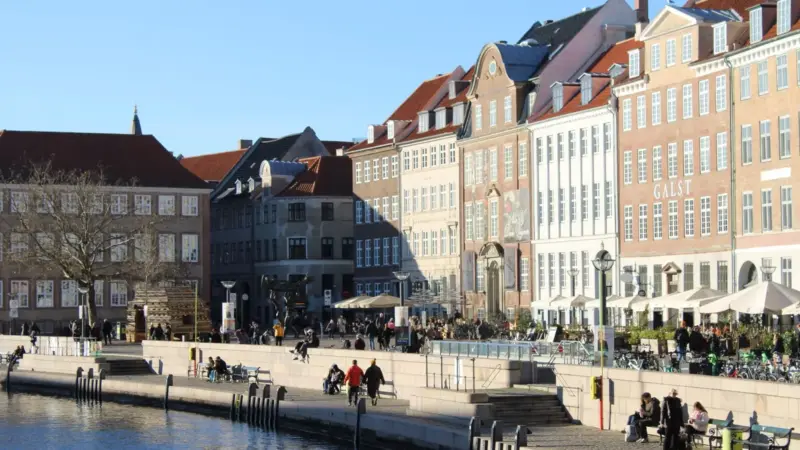
Practically, that means: if you are heading to Tivoli, Nyhavn, the Little Mermaid or the Church of Our Saviour tower in peak season, go before 10 am or after 6 pm for the best experience. Nyhavn is most photogenic at golden hour. The Little Mermaid is most tolerable before the cruise-ship groups arrive mid-morning. Rosenborg Castle’s crown jewels line snakes out the door by 11 am in July — be there for opening at 10.
When are hotels cheapest in Copenhagen?
Copenhagen is the most expensive Scandinavian capital for accommodation on peak summer weekends. Here is the rough pricing map for a central 4-star on a Friday night, based on a three-year average of Copenhagen hotels.
| Season | Typical Friday rate | vs. peak |
|---|---|---|
| January – mid-February | DKK 1,100 – 1,500 | −55% |
| Late Feb – March | DKK 1,300 – 1,800 | −45% |
| April | DKK 1,500 – 2,100 | −35% |
| May | DKK 1,800 – 2,400 | −20% |
| June | DKK 2,100 – 2,800 | −10% |
| July – August (peak) | DKK 2,400 – 3,300 | — |
| September | DKK 1,800 – 2,400 | −20% |
| October | DKK 1,500 – 2,000 | −35% |
| November (pre-Christmas) | DKK 1,300 – 1,700 | −50% |
| Dec weekends before Christmas | DKK 2,200 – 3,000 | −5% |
| Dec 26 – Dec 30 | DKK 1,200 – 1,600 | −55% |
Two counter-intuitive deals to know about: the week between Christmas and New Year is genuinely cheap (the tourists have gone home), and the three weekends before Christmas are as expensive as July. Weekday stays in January are the best value on the calendar. For a deeper breakdown including neighborhood-specific prices, see our Where to Stay in Copenhagen pillar.
What to pack for each season

Spring (March – May)
Layered clothing, a rain shell, one warm jumper or light jacket, comfortable walking shoes with decent grip (cobblestones), and sunglasses — the spring light can be surprisingly bright. A hat and light gloves for March; a Breton shirt and espadrilles by late May.
Summer (June – August)
Light layers. Temperatures at 8 am can be 13°C and at 2 pm can be 25°C. A rain shell for August showers. Sunscreen — you will burn faster than you expect at 56° latitude. A swimsuit for the harbour baths. Comfortable cycling-friendly clothes; do not wear your good white jeans on the bike lanes.
Autumn (September – November)
Waterproof shoes, a proper waterproof jacket, a warm middle layer (wool jumper, fleece), scarf and gloves by November. Danes layer obsessively — copy them.
Winter (December – February)
A proper winter coat, thermal layers, waterproof boots with decent tread (snow and slush are slippery on cobblestones), gloves, a warm hat, a scarf. Hand warmers are worth packing if you are coming from a warmer climate. Pack a pair of shoes you can take off at the door of cafés — many Danish homes, and some restaurants in winter, expect you to.
Best time to visit Copenhagen for your trip
First-time visitors
June. You get almost-peak weather, the longest days of the year, and the broadest range of open attractions without the July hotel peak. Second choice: September.
Couples and honeymoons
Late May or early September — warm enough for harbour dinners, cool enough for walking, and you’ll have easier reservation access at the city’s best restaurants.
Families with young kids
June if you are flexible with schools; otherwise the first two weeks of July (warm, daylight, everything open). Avoid February (short days, Tivoli closed for most of the month). For a full family guide, see our Copenhagen with Kids pillar.
Budget travelers
Mid-January through mid-February, or early November. Expect grey weather but unbeatable hotel rates and no queues.
Christmas travelers
December 6 – December 20 — Tivoli’s Christmas season is fully set up, all markets open, and you avoid the Dec 21 – 25 travel crunch.
Foodies
Late August into early September — Copenhagen Cooking & Food Festival, lots of pop-ups, harvest menus at Noma, Alchemist, Jordnær and Geranium, and reservations marginally easier than July. See our Copenhagen Food Guide for specific restaurants.
Design and architecture travelers
Mid-June for 3daysofdesign; early February for Copenhagen Fashion Week if you like street style.
Northern lights seekers
Do not come to Copenhagen — it is too far south. Fly north: Tromsø, Rovaniemi or Abisko are the right bets. If aurora is high on your list, consider Copenhagen as a 2–3 day stopover before heading further north.
Local tips on picking the right week
- Avoid the school holidays if you can. Danish autumn half-term (week 42, mid-October) and winter half-term (week 7 or 8 in February) pack local attractions.
- Aim for a Tuesday–Thursday arrival. Hotels are cheapest mid-week, restaurants have more tables, and you can hit weekend events without paying weekend rates for the full trip.
- Book Tivoli-season visits for the off-peak hours. Weekday early-afternoon in summer, weekday early evening in Christmas season.
- Check for special events before booking. When Eurovision, UEFA qualifiers or a big Roskilde weekend lands in Copenhagen, hotel rates spike citywide.
- Pack for the weather and for the weather you might not get. A summer heatwave needs a swimsuit; an August week can need a raincoat. Bring both.
- Rent a bike for the second day, not the first. Spend day one walking Indre By to orient yourself — then bike everywhere after.
- Mondays are museum day(s) off. Many Copenhagen museums close on Mondays; check opening hours before building a Monday itinerary around a single big museum.
Frequently asked questions
What is the cheapest month to visit Copenhagen?
January is the cheapest, followed closely by February and early November. Expect hotel rates 40–55% below the July peak. The week between Christmas and New Year is also surprisingly cheap.
What is the warmest month in Copenhagen?
July is marginally the warmest, averaging 22°C highs, closely followed by August. Heat waves into the high 20s and occasional 30°C+ days can happen, but rarely last more than a few days.
Is Copenhagen worth visiting in winter?
Yes — but choose carefully. December is excellent for Christmas markets and Tivoli’s winter season. January and February are quiet, cheap and cozy, if you can handle grey skies and short days. Avoid winter if short daylight would frustrate you or if harbour baths and outdoor activities are core to your plan.
Does it rain a lot in Copenhagen?
Copenhagen averages 170 rainy days per year (a day with at least 0.1 mm of rain), spread relatively evenly. August is the rainiest month. The rain is usually light and passing rather than all-day downpours, and locals treat an umbrella as optional if they have a hood. Bring waterproof shoes.
When do Copenhagen’s harbour baths open?
Islands Brygge (the flagship harbour bath) typically opens in mid-May and closes in mid-September. Sandkaj (Nordhavn) is open year-round but only lifeguarded in summer. Fisketorvet opens in early June. Check the Copenhagen Municipality website in the spring you’re traveling for exact dates.
Can I see the northern lights in Copenhagen?
Essentially no. Copenhagen is at latitude 55.7°N, well south of the auroral zone. Very rarely, during exceptionally strong geomagnetic storms, the northern sky over Copenhagen can glow, but you cannot plan a trip around it. Go to North Jutland (Skagen) or cross to Norway, Sweden or Finland if aurora is the goal.
How many days do I need in Copenhagen?
Three days covers the essential sights at a sustainable pace. Four to five days lets you add half-day excursions and dig into Vesterbro, Nørrebro or Refshaleøen. See our Copenhagen Itinerary pillar for a day-by-day plan for trips from one to seven days.
What is the best time to visit Copenhagen to avoid crowds?
The first two weeks of November and the second half of January are the least-touristed weeks of the year. You will share the city almost entirely with locals, museums will be empty, and hotel prices will be at their lowest.
When does Tivoli open and close each year?
Tivoli Gardens runs four seasons: Summer (early April – late September), Halloween (all of October), Christmas (mid-November – January 1), and Winter in Tivoli (mid-February – early March). The park is closed for four weeks in October/November and again in January/February between seasons.
If you can only pick one month, pick June. If you want Copenhagen to yourself, pick November. If you want magic, pick the two weeks before Christmas. Every other month has its moment — but those three reliably deliver.

Once you have a month picked, plan the rest of the trip with our other pillars: things to do, where to stay, the food guide, getting around, and the neighborhoods. Together they cover the whole picture — what to do, when to come, where to sleep and how to get between it all.