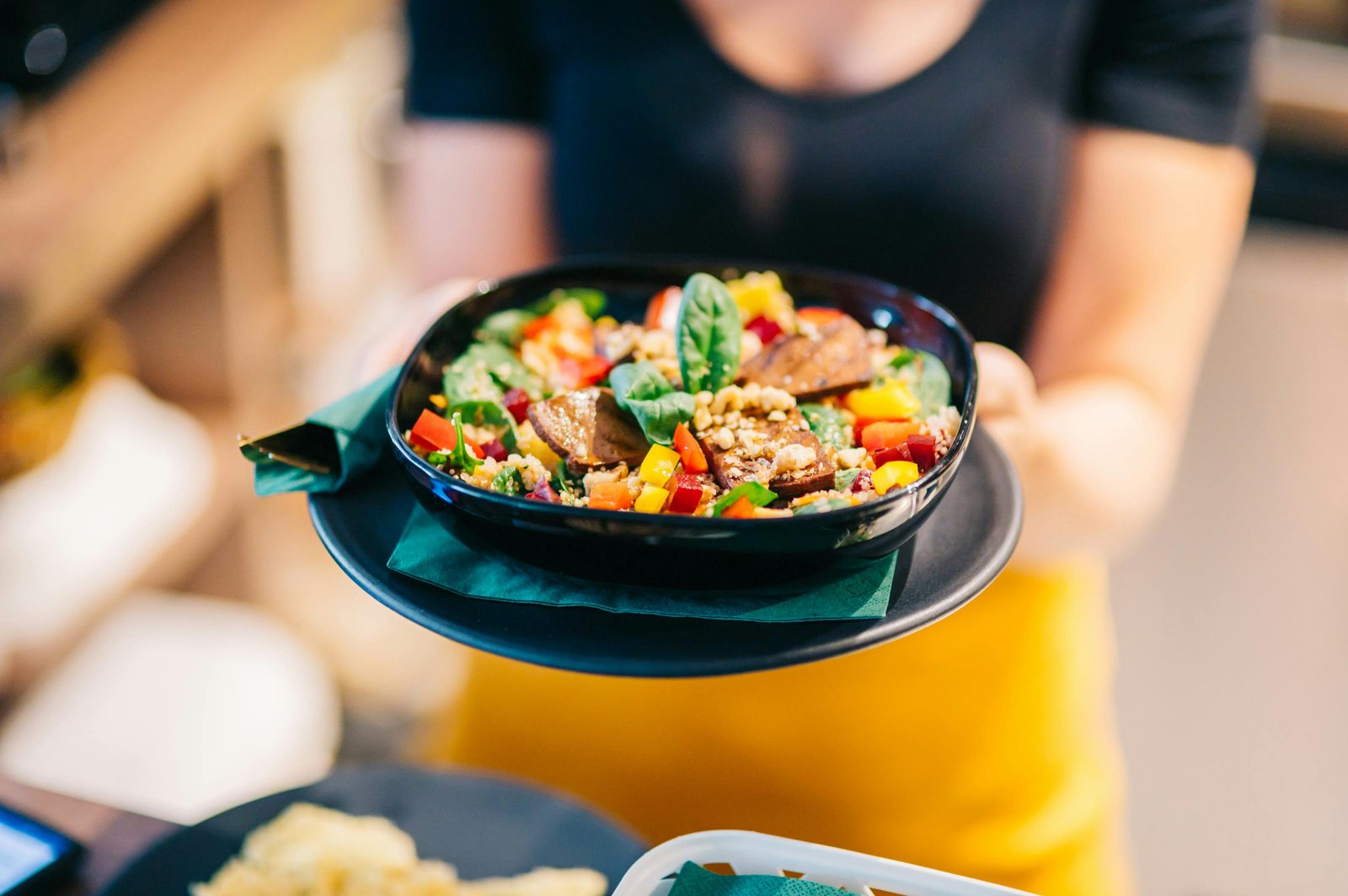
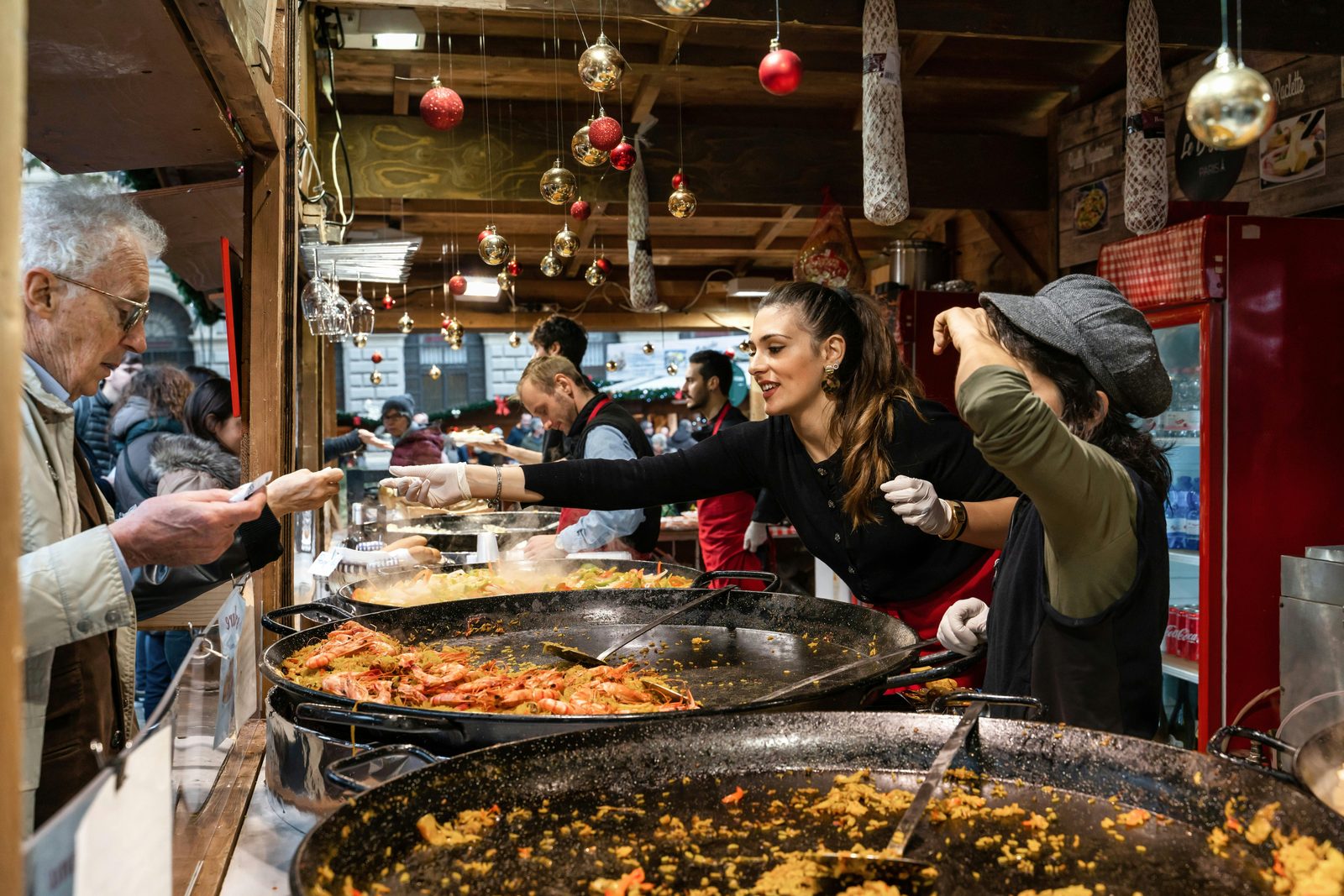
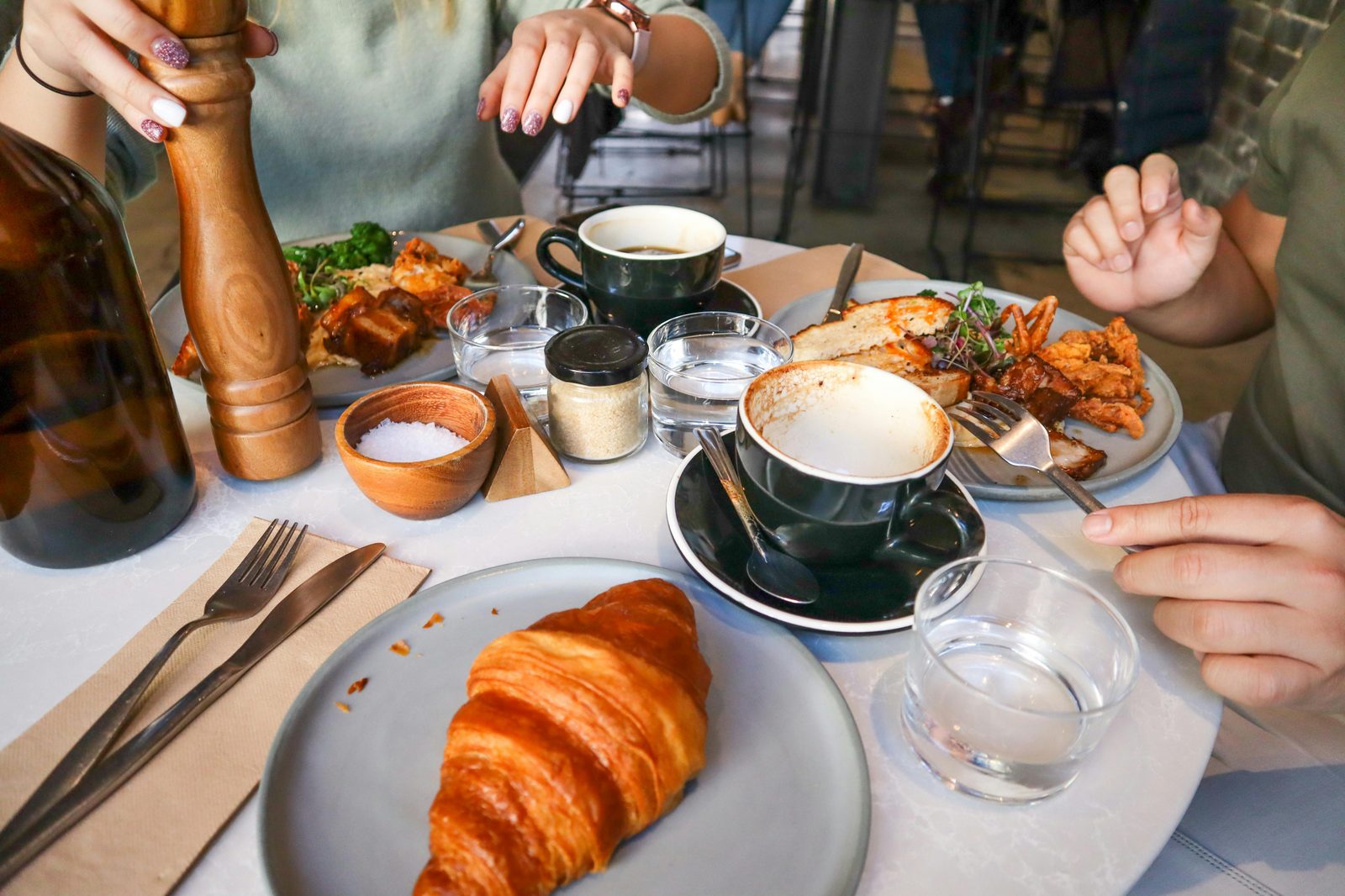
So you want to eat well in Copenhagen. Good news: this is one of the easiest cities in Europe to do exactly that, whatever you’re spending. The best food in Copenhagen spans four three-Michelin-star kitchens, more than 29 stars across roughly 19 restaurants, an entire global movement (New Nordic) that was drafted here, and — just as importantly — cardamom buns, harbour-side street food, and a hot dog that Danes will happily queue for. You don’t need a huge budget to eat memorably here. You need a rough plan and a bit of appetite.
This 2026 guide is the map. It covers where to eat smørrebrød, which Danish pastries actually deserve the hype, how to get a table at Noma without losing your mind, where to find great meals under 100 kr, and which neighbourhoods reward hungry travellers the most. Consider it the hub — each section links out to a deeper guide when you want the full story. Whether you’ve got three days or a full week, here’s how to eat your way through the city.
Copenhagen Food Scene at a Glance
| Stat | Details |
|---|---|
| Michelin stars in Copenhagen | 29+ stars across 19 restaurants (2026) |
| Three-star restaurants | Noma, Geranium, Jordnær, Alchemist |
| Signature dishes | Smørrebrød, Danish pastries, rød pølse, New Nordic tasting menus |
| Best food markets | Torvehallerne (central), Reffen (harbour) |
| Cheap eat benchmark | Hot dog 40–55 DKK, great meals 75–120 DKK |
| Sit-down dinner average | 350–550 DKK per person (mid-range) |
| Tipping culture | Not expected — service is included |
| Top food neighborhoods | Vesterbro (Meatpacking), Nørrebro, Østerbro, Indre By |
| Stat | Details |
|---|---|
| Michelin stars in Copenhagen | 29+ stars across 19 restaurants (2026) |
| Three-star restaurants | Noma, Geranium, Jordnær, Alchemist |
| Signature dishes | Smørrebrød, Danish pastries, rød pølse, New Nordic tasting menus |
| Best food markets | Torvehallerne (central), Reffen (harbour) |
| Cheap eat benchmark | Hot dog 40–55 kr, great meals 75–120 kr |
| Sit-down dinner average | 350–550 kr per person (mid-range) |
| Tipping culture | Not expected — service is included |
| Top food neighbourhoods | Vesterbro (Meatpacking), Nørrebro, Østerbro, Indre By |
Here’s what this guide covers, in the order you’ll probably want it:
- What makes Copenhagen’s food scene special
- Smørrebrød: the Danish open-faced sandwich
- New Nordic cuisine explained
- Copenhagen’s Michelin scene
- Danish pastries and the best bakeries
- Specialty coffee
- Best brunch spots
- Reffen and street food
- Torvehallerne food market
- Cheap eats under 100 kr
- The iconic Danish hot dog
- Vegan and vegetarian Copenhagen
- Classic Danish dishes to try
- Best food by neighbourhood, plus practical tips and a real FAQ
What Makes Copenhagen’s Food Scene Special
The food here is the product of one of the most remarkable culinary shifts of the last twenty years. When René Redzepi and Claus Meyer opened Noma in 2003 and drafted the New Nordic Manifesto in 2004, Danish food had a reputation — not always a kind one — for being heavy, brown and salted. Two decades later the city has four three-Michelin-star restaurants, more specialty coffee shops per capita than almost anywhere in Europe, and a whole generation of ex-Noma chefs who’ve gone on to open some of its most-loved bakeries, wine bars and casual restaurants.
But this isn’t only a fine-dining town, and that’s the part people miss. You can eat beautifully here on a modest budget. A hot dog from a street cart is taken as seriously as a tasting menu; the best pastry in the city might cost you 35 kr; and you can eat very well without ever booking a table. The scene is also mercifully compact — most of the city’s great eating sits within a 30-minute walk of Nørreport station — which makes it easy to plan meals around your sightseeing rather than the other way round.
Five things that set Copenhagen apart
- Hyper-local sourcing. Even casual restaurants name their farms, foragers and fishermen on the menu.
- Seasonality. Menus change with whatever’s being pulled from the ground that week — asparagus in May, chanterelles in August, root vegetables in January.
- No tipping. Staff are paid a living wage and service is almost always included. A tip is a nice gesture for exceptional service, never an obligation.
- Quality across price points. A 50 kr cinnamon bun at Juno gets the same care as a 4,500 kr tasting menu at Geranium.
- Coffee culture. Specialty coffee is central to daily life here, not a fringe thing — Denmark is a genuine coffee powerhouse.
Smørrebrød: The Danish Open-Faced Sandwich You Have to Try
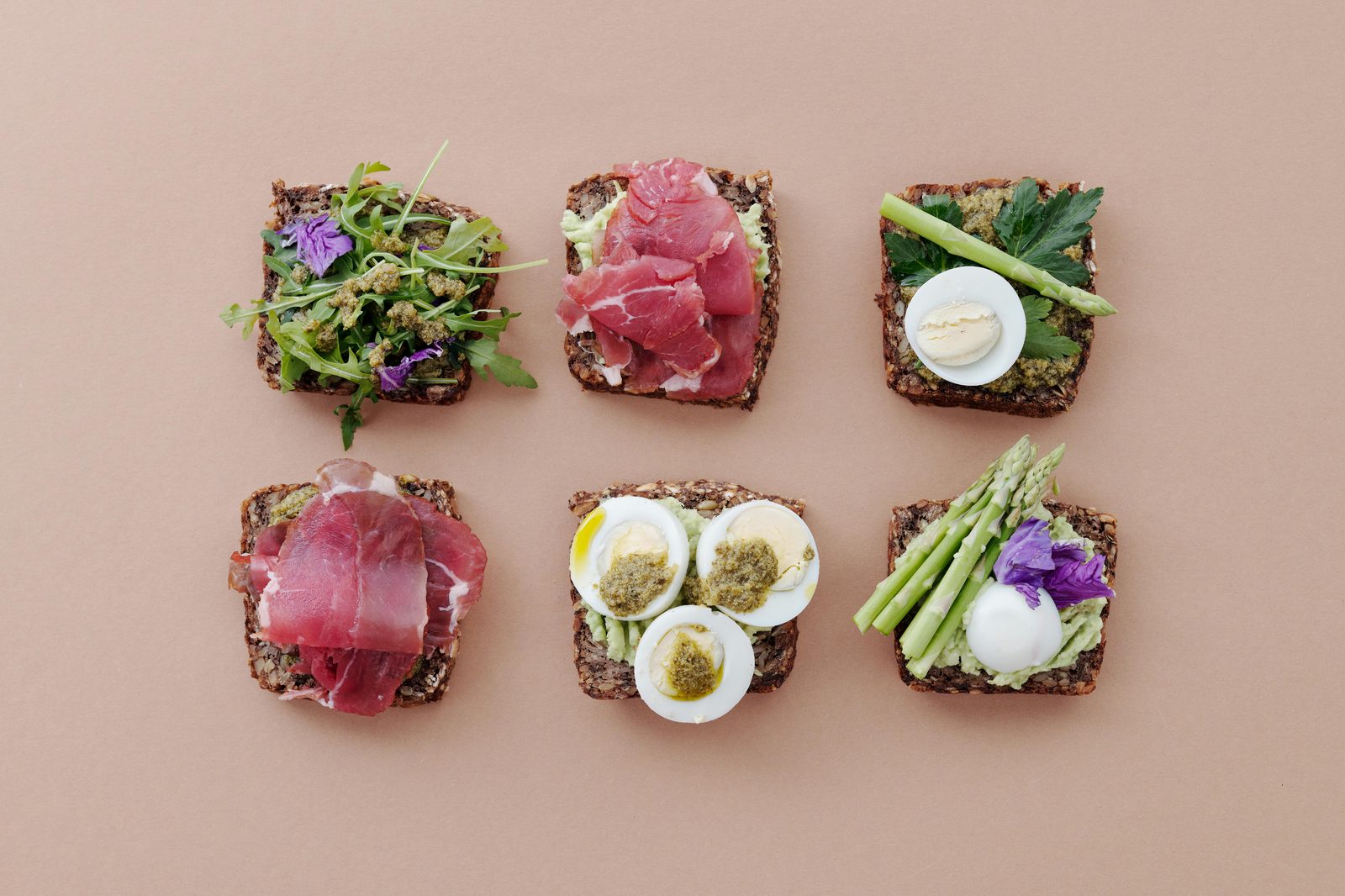
If you eat just one traditional Danish dish, make it smørrebrød. The word literally means “butter-bread”: a thick slice of dense, dark rye (rugbrød), a generous smear of salted Danish butter, and a topping that runs from pickled herring to roast beef, from shrimp and dill mayonnaise to crisp-skinned flæskesteg pork. Depending on where you eat it, it’s either a humble working lunch or a highly composed plate of edible micro-architecture.
A few rules worth knowing. Smørrebrød is a lunch thing — you’ll almost never see it at dinner — and it’s best with a snaps (Danish aquavit) or an open Pilsner. Three or four pieces between two people is normal, and most places expect you to share. Some of the best of it hides in the modest basement rooms of century-old restaurants where the recipes have barely moved in generations. For the full shortlist and what to order at each, see our guide to the best smørrebrød in Copenhagen.
The smørrebrød greats: where locals actually eat
- Restaurant Schønnemann — open since 1877, this basement institution near Nørreport is the definitive old-school experience. Dark wood, antique lamps, and herring cured the same way for 148 years.
- Aamanns 1921 — chef Adam Aamann’s contemporary take, honouring tradition (curing, smoking, salting) while reinventing the plating. Several locations, including the original 1921 near Kongens Have.
- Palægade — central, elegant, rebuilt after a 2020 fire. Classic lunchtime smørrebrød, then a French-inspired dinner menu.
- Selma — chef Magnus Pettersson’s modern, Michelin-recognised smørrebrød restaurant, regularly listed among the city’s most inventive lunches.
- Hallernes Smørrebrød (Torvehallerne) — the easiest, cheapest way to taste great smørrebrød if you’re short on time. Counter service inside the food hall.
Ordering tip: pick at least one classic — herring with curry mayo and capers, shrimp with dill and lemon, or fried plaice with remoulade — then add one “chef’s” piece. Expect 85–180 kr per piece at mid-range spots.
New Nordic Cuisine Explained

You can’t tell the story of eating here without New Nordic cuisine. The movement began with the New Nordic Manifesto of 2004, drafted in Copenhagen by a group of Scandinavian chefs and food professionals led by Redzepi and Meyer. Its ten points committed restaurants to purity, seasonality, sustainability, regional ingredients, old techniques like salting and fermenting, and a renewed interest in the land and sea around the Nordic capitals.
In practice it looks like this: barely-cooked beetroot with aged cheese and hazelnuts; reindeer heart cured in pine ash; a seaweed broth with hand-dived scallops; wild Danish lobster with unripe strawberries and juniper. It’s obsessive about terroir — where a single ingredient comes from, exactly — and about foraging and fermentation. Above all, it reintroduced the idea that Scandinavian cooking had something of its own to offer the world. Our deeper explainer on New Nordic cuisine unpacks every principle.
How to eat New Nordic in Copenhagen
You don’t need to book Noma to get it. Hundreds of restaurants work within New Nordic principles at every price point — from neighbourhood wine bars serving fermented cabbage with aged butter to ambitious mid-range spots like Kadeau, Barr, Relæ alumni projects and Høst. Look for menus that name Danish farms and Nordic fishing waters and lean on wild herbs like sorrel, juniper and sea-buckthorn.
Copenhagen’s Michelin Scene: 29 Stars, 19 Restaurants
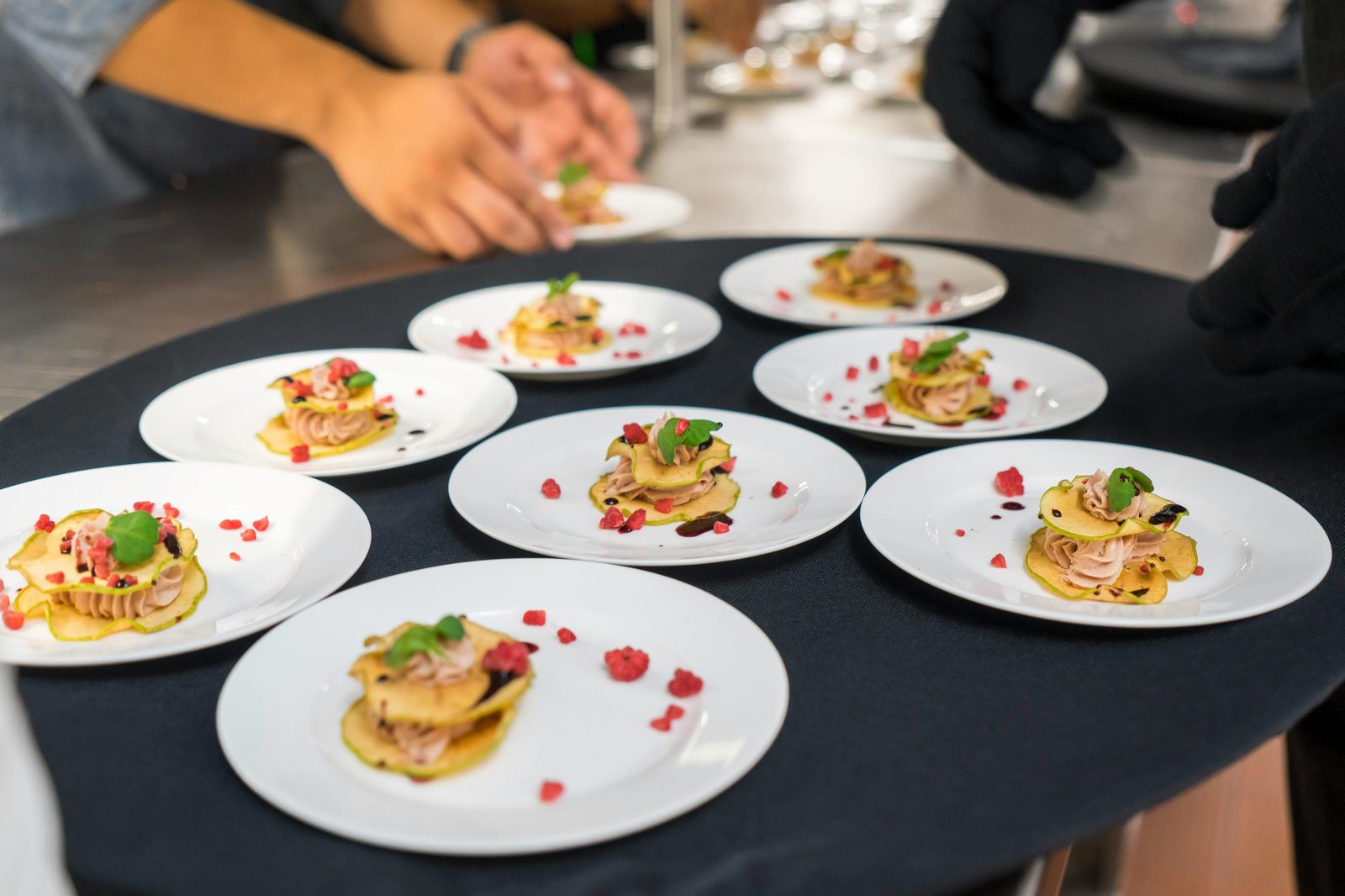
Copenhagen is the densest Michelin city in Northern Europe. The guide currently awards 29+ stars across 19 restaurants, with four three-star kitchens — Noma, Geranium, Jordnær and Alchemist — putting it in the same bracket as Paris and Tokyo for top-tier dining. Here’s what you actually need to know before you book.
Three-Michelin-star restaurants in Copenhagen
- Noma — Redzepi’s landmark, repeatedly named the best restaurant in the world. Seasonal menus (seafood, vegetable, game) rotate three times a year. Noma is reinventing itself as a test kitchen and is winding down its current restaurant format, so timing matters — see our guide to booking Noma.
- Geranium — Rasmus Kofoed’s restaurant on the 8th floor overlooking Fælledparken. Plant-forward, technical, unforgettable, and arguably the most consistent fine dining in the city.
- Jordnær — Eric Vildgaard’s restaurant in Gentofte, just north of the centre. Serious seafood focus, warm family-run feel, three stars since 2022.
- Alchemist — Rasmus Munk’s 50-course, five-hour “holistic cuisine” experience under a planetarium dome. More performance than meal, and it books months out.
Two-star and one-star highlights
Two-star restaurants include AOC, Kadeau, Kong Hans Kælder (which earned Copenhagen’s first Michelin star back in 1983) and Koan. Among the one-stars, standouts include Marchal (inside Hotel d’Angleterre), Formel B, Alouette (rooftop, Nordhavn), JATAK (Nørrebro), Aure (seafood) and Søllerød Kro (historic, north of the city). For the full round-up and how to book each, see our guide to Copenhagen’s Michelin-starred restaurants.
How far ahead should you book? Noma and Geranium release tables three months out and fill within minutes. Alchemist books roughly two months ahead. Two-stars like Kadeau and AOC usually have tables 4–6 weeks out; for one-stars, 2–4 weeks is normally enough except on weekends.
Danish Pastries and the Best Bakeries in Copenhagen
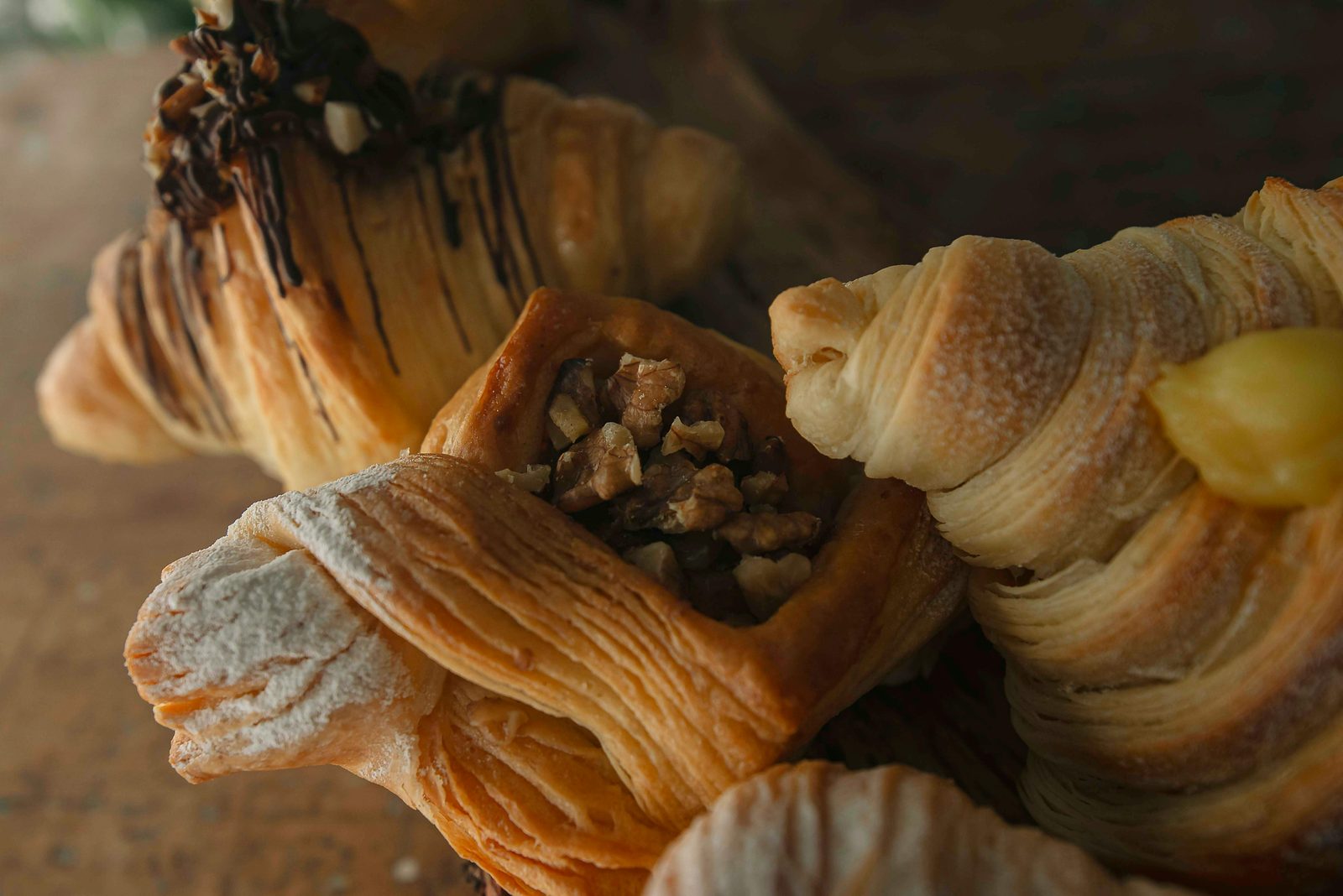
Let’s clear up a myth first: what Americans call a “Danish” isn’t the centrepiece of modern Copenhagen pastry culture. The real stars are the kanelsnegl (cinnamon snail), the kardemommebolle (cardamom bun), the tebirkes (poppy-seed rectangle), the spandauer, and a lamination-obsessed croissant scene that rivals Paris. A generation of bakers — many with Noma on their CV — have turned this into a global bakery destination.
The bakeries you need to visit
- Juno the Bakery (Østerbro) — opened in 2017 by ex-Noma pastry chef Emil Glaser. Named the city’s best bakery by Berlingske in both 2024 and 2025. Its cardamom bun is the benchmark every other cardamom bun gets judged against.
- Hart Bageri — founded by British-born Richard Hart after Redzepi recruited him. Their kouign-amann-style cardamom bun, made from leftover croissant dough, is genuinely extraordinary. Now 10+ locations.
- Lille Bakery (Refshaleøen) — harbour-front sourdough and pastry pioneer, worth the cycle or ferry out east.
- Andersen & Maillard (Nørrebro) — coffee roastery and bakery hybrid; the morning bun and anything laminated is a knockout.
- Sankt Peders Bageri (Indre By) — the city’s oldest bakery, going since 1652. Famous for the “Onsdagssnegl”, the Wednesday cinnamon snail, sold only on Wednesdays.
- Albatross & Venner (Torvehallerne) — savoury pastries are the focus here, though the kouign-amann is excellent too.
A cardamom-bun crawl is a completely legitimate way to structure a morning: start at Juno, cycle to Andersen & Maillard, and finish at Hart Bageri by early afternoon. For the full ranked list including under-the-radar neighbourhood spots, read our guide to the city’s best bakeries and our complete Danish pastries guide.
Specialty Coffee in Copenhagen

Quietly, this is one of the best coffee cities on earth. The movement’s founding shop, Coffee Collective, opened on Jægersborggade in Nørrebro in 2008 and set the standard for Danish light-roasted coffee. There are now six Coffee Collective locations plus a dense scene of excellent independents: Prolog, April Coffee, La Cabra, Andersen & Maillard, Democratic Coffee. Baristas here know their stuff, pour-overs are taken seriously, and even corner cafés either roast their own or buy from a named local roaster.
Must-visit coffee shops
- Coffee Collective — the Jægersborggade original is the pilgrimage; the Torvehallerne counter is the easiest drop-in.
- Prolog — specialty coffee in the Meatpacking District with a second site in Østerbro. Excellent baristas; small, perfect pastries.
- April Coffee — minimalist, design-forward roastery that feels more like an art gallery. Pour-over focused.
- La Cabra — Aarhus-born roastery with a Copenhagen outpost, known for light, juicy roasts.
- Democratic Coffee — inside the Central Library on Krystalgade. The croissants are legendary and the queue moves fast.
- Andersen & Maillard — Nørrebro; best paired with a morning bun or cardamom pastry.
For a full map and opening hours, read our best coffee shops in Copenhagen guide.
Best Brunch Spots in Copenhagen
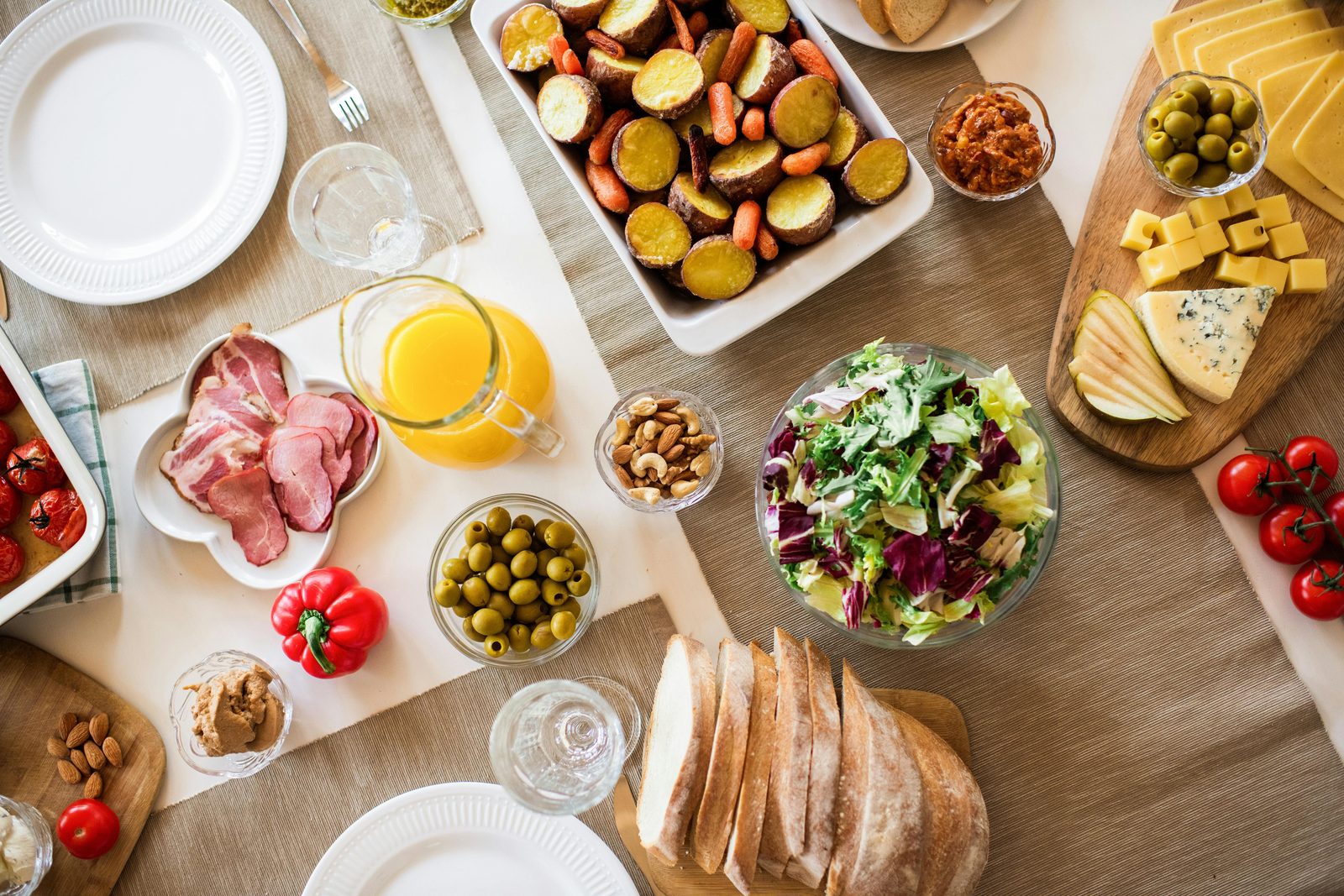
Weekend brunch here is enthusiastic bordering on competitive. Most cafés serve brunch plates rather than individual dishes — expect a platter with scrambled eggs, rye bread, cheese, cured ham, yoghurt and granola, smoked salmon, avocado and a pastry. The best slow-Saturday spots are almost always neighbourhood cafés with sunny corner seating.
Where locals actually brunch
- Mad & Kaffe (Vesterbro, Frederiksberg, Østerbro) — the modern Copenhagen brunch: pick 3, 5 or 7 small dishes from a long list. Weekend queues are real; arrive 15 minutes before opening or book ahead.
- Sidecar (Nørrebro) — by day one of the biggest and best brunch buffets in town; by night an Asian bao bar. Weekend-only for the full experience.
- Apotek 57 (Fredericiagade) — chic and thoughtful, with strong coffee and a short, excellent menu.
- Bottega Barlie (Fredericiagade) — Italian-leaning Sunday brunch with a set menu; sister to Apotek 57.
- The Union Kitchen (Indre By) — American-style done well: buttermilk pancakes, Benedicts, hash browns.
- Ø12 (Østerbro) — a local favourite in the quieter embassy streets, with high-quality coffee and a focused menu.
For a full ranked list including cheaper options, see our best brunch in Copenhagen guide.
Reffen and Copenhagen Street Food

Copenhagen invented a format you now see everywhere: the harbour-side shipping-container street food market. The original — Copenhagen Street Food on Papirøen (Paper Island) — ran from 2014 to 2017 and drew 1.5 million visitors in four years. Its successor, Reffen, opened in May 2018 on the old industrial island of Refshaleøen and is now Northern Europe’s largest street food market: 10,000 square metres, 54 stalls, live concerts, flea markets, and a view straight across the harbour to the city centre.
What to eat at Reffen
The 54 stalls turn over every season. Perennial favourites include Danish smørrebrød with a twist, wood-fired pizzas, Vietnamese bánh mì, Mexican tacos (try the Hija de Sanchez sister operations), Nordic seafood in buns, and strong vegan options. Prices beat central restaurants — 85–150 kr for a substantial dish — and the setting, beer in hand among the containers and industrial murals, is one of the city’s signature food experiences. Reffen runs April through October, typically weekends from 11am. See our complete guide to the city’s street food for the current stall list and how to get there by bike, harbour bus or on foot.
Other street food markets worth a stop
- Broens Gadekøkken (Bridge Street Kitchen) — a small, polished harbour-side market next to Inderhavnsbroen. Handy for a quick lunch near Nyhavn.
- Absalon (Vesterbro) — not street food exactly, but a community dining hall serving affordable set dinners in an ex-church. Be ready to share a long table.
- Tivoli Food Hall — a curated hall inside Tivoli Gardens; a good pit-stop if you’re already at the amusement park.
Torvehallerne: Copenhagen’s Indoor Food Market Guide

If Reffen is the raw, industrial, outdoor face of the city’s food scene, Torvehallerne is its polished year-round counterpart. Right next to Nørreport Station, the market opened in 2011 in two glass-and-steel halls. It houses more than 60 stands — many of them small independents — and it’s the single best food-shopping stop for visitors.
Torvehallerne stalls worth hunting down
- Coffee Collective (Hall 1) — arguably the best coffee under any roof in the city.
- Hallernes Smørrebrød — classic open-faced sandwiches at fair prices. Shrimp, herring and egg-and-potato are the hits.
- Hija de Sanchez — Mexican tacos and corn from former Noma pastry chef Rosio Sanchez.
- Grød — an all-day porridge bar: oats, buckwheat, savoury rice, all with Scandinavian toppings.
- Albatross & Venner — savoury pastries and bread, modern techniques.
- Den Grønne Kutter — fresh seafood and outstanding oysters.
- Is a Bella — organic gelato with rotating seasonal flavours.
- Unika — a cheese stall from Arla with aged Nordic cheeses you won’t find abroad.
Visiting tip: go between 10:30am and 12:30pm on a weekday for the best energy without the weekend crush, and do one full loop before you order — it’s easy to commit to a stall and then spot something better two counters later. For a stall-by-stall walkthrough, read our ultimate Torvehallerne guide.
Cheap Eats in Copenhagen — Great Food Under 100 DKK
Yes, the city is expensive. But the best food here isn’t necessarily the priciest. There’s a whole subculture of casual, excellent, fast, fairly priced places where a meal lands under 100 kr (about $14 / €13) — the Copenhagen most locals actually eat in, five days a week.
Under 100 DKK favourites
- Slagter Lund — flæskesteg (pork-belly sandwich), 95 kr. An Indre By butcher with a legendary takeaway counter.
- Poulette (Nørrebro) — Nashville-style hot fried chicken sandwich and a mapo tofu sandwich, both 95 kr.
- Hija de Sanchez — taco trio 120 kr (just over the line), pork al pastor gringa 95 kr.
- Comé Rice Kitchen — onigiri (Japanese rice balls) 35 kr each, two for 65 kr.
- Itacho Sushi — 12 California rolls 110 kr; 16-piece mixed platter from 139 kr.
- Grød — filling porridge bowls from 79 kr, the city’s best cheap breakfast.
- Gasoline Grill — arguably the best burger in town, around 110 kr. Multiple locations; the original’s in an old petrol station.
- Falafel Azerbaijan (Nørrebro) — generous, authentic falafel wraps around 60 kr.
- Pølsevogn hot dogs — 40–55 kr, the cheapest filling meal in the city.
For a lot more, see our Copenhagen cheap eats guide. Neighbourhood tip: Nørrebro is the cheapest part of town for eating out — walk Jægersborggade, Nørrebrogade and Blågårdsgade for honest Middle Eastern, Pakistani, East African and East Asian food.
The Iconic Danish Hot Dog (Rød Pølse)

No food guide is complete without the pølsevogn — the Danish hot dog cart — and its signature product, the rød pølse (red sausage). The bright red pork-and-veal sausage goes in a long bun topped with “det hele” (the works): yellow mustard, ketchup, remoulade (a sweet-sour Danish sauce), raw chopped onions, crispy fried onions and sliced pickles. It’s a uniquely Danish flavour combo — salty, sharp, sweet, sour, crunchy and soft all at once — and it costs 40–55 kr.
The best pølsevogns in Copenhagen
- DØP – Den Økologiske Pølsemand (next to the Round Tower, Rundetårn) — certified organic sausages, cult following, worth the queue. Central and iconic.
- Annies Kiosk (Nyhavn) — the photo-friendly harbour hot dog stop, especially at night.
- John’s Hotdog Deli — takes the pølsevogn upmarket with brioche buns and chilli-spiked remoulade.
- Harry’s Place (Nørrebro) — a 1960s legend slightly off the tourist trail. The “Børge” sausage is the local order.
Vegan and Vegetarian Copenhagen
This is arguably the most vegan-friendly capital in Scandinavia. Geranium dropped animal products from its tasting menu years ago, and plant-forward cooking is baked into the New Nordic ethos — so even traditionally meat-heavy restaurants do serious vegetable dishes. Dedicated vegan spots run from fine dining to fast casual.
Top vegan and vegetarian picks
- Ark (Nørrebro) — the city’s premier plant-based fine dining. A tasting menu built on fermentation, charring and wild Danish plants.
- Souls — several locations; an all-day vegan menu from bowls to burgers.
- 42Raw — a dependable plant-based chain for juices, bowls and smoothies.
- Plant Power Food — vegan fast food done well: burgers, tacos, fries.
- Astrid og Aphrodite (Nørrebro) — a small natural-wine bar with mostly vegetable-focused small plates.
Our best vegan restaurants in Copenhagen guide covers every dietary preference, including fully raw and gluten-free.
Classic Danish Dishes You Need to Try
Beyond smørrebrød and pastries, Denmark has a deep repertoire of traditional dishes you’ll find on Copenhagen menus — especially at restaurants that lean “dansk klassik.” These are the ones worth ordering at least once.
- Flæskesteg — roast pork with crackling, usually with red cabbage, brown gravy and sugar-browned potatoes. A winter classic, especially at Christmas.
- Stegt flæsk med persillesovs — crispy fried pork belly with parsley sauce and boiled potatoes. Voted Denmark’s national dish in a 2014 public vote.
- Frikadeller — pan-fried pork-and-veal meatballs, served hot with potatoes and gravy or cold with rye bread.
- Hakkebøf — beef patties with caramelised onions, potatoes and pickles. Working-lunch comfort food.
- Æbleskiver — spherical pancakes eaten at Christmas with jam and powdered sugar.
- Rødgrød med fløde — red berry compote with cream. A summer dessert, and a famous Danish tongue-twister.
- Wienerbrød — the real “Danish pastry.” The name means “Viennese bread” because the technique arrived with Austrian bakers in the 1800s.
- Rugbrød — dense Danish rye, the base for all smørrebrød. Most Danes eat some form of it daily.
- Koldskål — a sweet, cold buttermilk soup eaten in summer, often with crumbled kammerjunker biscuits on top.
Best Food in Copenhagen by Neighbourhood
The city’s best eating is spread across several neighbourhoods, each with its own personality. Our Copenhagen neighbourhoods guide maps where to stay and explore; here’s the fast version by culinary strengths.
Indre By (the Old Town)
The historic centre is home to the classic smørrebrød institutions (Schønnemann, Palægade, Aamanns 1921), old bakeries like Sankt Peders Bageri, and several Michelin-starred hotel restaurants (Marchal inside Hotel d’Angleterre, Kong Hans Kælder). It’s also where most tourists eat, so prices run slightly higher — but the quality is high.
Vesterbro and the Meatpacking District (Kødbyen)
Vesterbro is the city’s hippest neighbourhood, and the Meatpacking District is its most concentrated food zone. Come for wine bars, Mother (the city’s best sourdough pizza), Kul, Pate Pate, War Pigs barbecue and craft beer, and the original Mikkeller taproom. This is also Noma- and Geranium-alumni territory — watch for new openings here with ex-Noma chefs.
Nørrebro
The most multicultural neighbourhood, and arguably the best eating-per-krone ratio in town. Jægersborggade alone has Coffee Collective, Manfreds (natural wine and small plates), Relæ alumni projects and a wall of local bakeries. Pakistani, Middle Eastern, Turkish and East African restaurants cluster along Nørrebrogade and Blågårdsgade.
Østerbro
Quieter and more residential, but home to Juno the Bakery (the city’s most celebrated), Prolog Østerbro, Ø12 and several good neighbourhood restaurants. A good base if you want to eat well without the noise of central Copenhagen.
Refshaleøen and Nordhavn
Harbour-front former industrial zones, now home to Reffen, Alchemist, La Banchina (a summer seaside café), Amass, Lille Bakery and Alouette. It’s a 15-minute bike ride from the centre. If you’re serious about contemporary Copenhagen food, Refshaleøen deserves a full afternoon.
Frederiksberg
A leafy residential neighbourhood with strong bakeries (Hart Bageri), beautiful garden cafés and a few destination restaurants tucked into elegant townhouses. Great for a quieter, food-focused stay.
Practical Tips for Eating in Copenhagen
Reservations
Mid- to high-end restaurants book up, especially at weekends. Popular mid-range places (Manfreds, Pluto, Kadeau, Høst) want a booking 2–3 weeks ahead; Michelin-starred restaurants typically release tables 2–3 months out. The easiest platform is each restaurant’s own website — Copenhagen doesn’t lean on OpenTable the way the US does.
Tipping
Not expected. Service is included. For exceptional service you can round up or add 5–10%, but it’s a gesture, not an obligation. Staff are paid a living wage, which is exactly why menu prices look steep — the tip is already baked in.
Payment
The city is effectively cashless. Cards (Visa, Mastercard), Apple Pay and the Danish MobilePay app work everywhere, including hot dog carts. You’ll almost never need cash.
Meal times
Lunch runs noon to 2pm. Dinner usually starts between 6 and 8pm — most restaurants stop seating by 9pm and kitchens close around 10pm. Sundays are quiet, and plenty of places close entirely on Sunday and/or Monday.
Alcohol
Denmark has a superb craft beer scene (Mikkeller, To Øl, Warpigs, Carlsberg Jacobsen and dozens of microbreweries). Natural wine is a serious movement here — Pompette, Ved Stranden 10 and Rødder & Vin are pilgrimages. Snaps (Danish aquavit) is the traditional pairing with smørrebrød.
Dietary restrictions
Copenhagen is extremely accommodating. Vegan, vegetarian, gluten-free and dairy-free diets are well understood, and almost every restaurant can work around them — just flag it when you book.
Copenhagen Food FAQ
What is the most famous food in Copenhagen?
Smørrebrød — the traditional Danish open-faced rye-bread sandwich — is the city’s most famous food. Eaten at lunch, topped with anything from pickled herring to roast beef and served on dark rugbrød with salted butter, it’s the one dish every visitor should try at least once.
How much does dinner cost in Copenhagen?
Budget dinners run 85–150 kr per person (street food, pølsevogn, cheap eats). Mid-range sit-down dinners average 350–550 kr per person with a drink. Michelin tasting menus range from around 1,500 kr (one-star) to 4,500+ kr (three-star Geranium, Noma, Alchemist).
Is Noma still open?
Yes, Noma is still open at its Refshalevej location as of 2026, but it’s transitioning into a “test kitchen” model. Its original three-season restaurant format (seafood, vegetable, game) continues through scheduled end-dates. Book as early as possible via noma.dk; our full Noma guide has the current details.
What should I eat for breakfast in Copenhagen?
The classic Danish breakfast is simple: rugbrød with cheese, butter, cold cuts and a soft-boiled egg — easy to assemble at any hotel or from a supermarket. For something more indulgent, head to a bakery for a cardamom bun, croissant or tebirkes with a specialty coffee. Danes usually eat a small breakfast; the big weekend meal is brunch.
How expensive is Copenhagen for food?
More expensive than most European capitals, but less so than Oslo or Zurich. A coffee runs 35–50 kr, a bakery pastry 30–55 kr, a hot dog 40–55 kr, a mid-range lunch 150–250 kr per person, and a three-course dinner with wine 500–750 kr per person at a mid-range restaurant. Choose carefully and you can eat very well on 250–400 kr a day.
Do I need to speak Danish in restaurants?
No. Almost every restaurant operates in English, menus are often printed in both languages, and staff universally speak fluent English.
What is the best neighbourhood for food in Copenhagen?
For first-timers who want the full range — smørrebrød, pastries, coffee, fine dining — Indre By and the Meatpacking District in Vesterbro are ideal. For the best cheap eats and the most multicultural scene, head to Nørrebro. To stay close to the action, see our guide to Copenhagen’s best areas to stay.
Is tap water safe to drink in Copenhagen?
Yes — the tap water is among the best in the world and comes free at every restaurant. Just ask for vand fra hanen (tap water).
Are there late-night food options in Copenhagen?
Most restaurants stop serving by 10pm, but 7-Eleven (open 24 hours and widely rated the best in Europe) sells fresh sandwiches, pastries and hot food through the night. Central pølsevogns often stay open late, and shawarma and kebab shops in Nørrebro run until 2–4am on weekends.
Our Top Picks: Best Food in Copenhagen by Category
| Category | Our pick | Why |
|---|---|---|
| Best smørrebrød | Schønnemann | 148 years of practice, zero compromise. |
| Best three-star experience | Geranium | Plant-forward, warm service, arguably the city’s most consistent fine dining. |
| Best cardamom bun | Juno the Bakery | The bun that defined the category. |
| Best coffee | Coffee Collective (Jægersborggade) | Where Danish specialty coffee started. |
| Best brunch | Mad & Kaffe | Flexible small-plate format; neighbourhood energy. |
| Best street food | Reffen | 54 stalls, harbour setting, all-season lineup. |
| Best indoor market | Torvehallerne | 60+ stalls, central, year-round. |
| Best cheap eat | DØP hot dog (Rundetårn) | Iconic, organic, 50 DKK. |
| Best vegan | Ark | Fine dining done entirely with plants. |
| Best burger | Gasoline Grill | Simple, perfect, 110 DKK. |
| Category | Our pick | Why |
|---|---|---|
| Best smørrebrød | Schønnemann | 148 years of practice, zero compromise. |
| Best three-star experience | Geranium | Plant-forward, warm service, arguably the city’s most consistent fine dining. |
| Best cardamom bun | Juno the Bakery | The bun that defined the category. |
| Best coffee | Coffee Collective (Jægersborggade) | Where Danish specialty coffee started. |
| Best brunch | Mad & Kaffe | Flexible small-plate format; neighbourhood energy. |
| Best street food | Reffen | 54 stalls, harbour setting, all-season lineup. |
| Best indoor market | Torvehallerne | 60+ stalls, central, year-round. |
| Best cheap eat | DØP hot dog (Rundetårn) | Iconic, organic, 50 kr. |
| Best vegan | Ark | Fine dining done entirely with plants. |
| Best burger | Gasoline Grill | Simple, perfect, 110 kr. |
Eating Copenhagen by Season
What you eat here shifts dramatically with the calendar. Menus at New Nordic restaurants change every few weeks, and a few ingredients are worth timing a trip around. If you’re weighing up dates, our best time to visit Copenhagen guide pairs nicely with this.
Spring (March–May)
Ramsons (wild garlic), nettles, white asparagus from southern Funen, new potatoes, and Danish strawberries turning up in May. Rhubarb works its way into desserts, and ramsløg butter shows up on toast at every serious bakery.
Summer (June–August)
The strongest season. Fresh Danish strawberries, raspberries, cherries and blueberries; new potatoes with salted butter; Nordic seafood at its peak (langoustines, lumpfish roe, mackerel, plaice). Outdoor restaurants open along the harbour (La Banchina, Broens Gadekøkken) and Reffen is in full swing.
Autumn (September–November)
Game season. Venison, wild boar, Danish apples and pears, chanterelles and porcini dominate menus. Noma’s game season is particularly celebrated, and many top restaurants build their autumn menus around foraging.
Winter (December–February)
Traditional comfort food: flæskesteg with red cabbage, duck with browned potatoes, æbleskiver with jam, and gløgg (Danish mulled wine). Christmas lunches (julefrokost) in December are a huge tradition. Many New Nordic restaurants use winter to show off fermentation and preservation — pickles, cured meats, aged cheeses, salted things that taste of summer.
How to Book the Best Food in Copenhagen
Booking is a genuine skill here. The best restaurants release reservations at a set time — typically exactly two or three months in advance, to the day — and popular slots go in minutes. Here’s the short guide.
- Plan ahead. As soon as you know your dates, write down exactly which nights you want to dine at Michelin-starred restaurants.
- Check each restaurant’s release schedule. Noma and Geranium release three months ahead; Alchemist closer to two; one-stars are typically six weeks out.
- Set a calendar reminder for the release moment. 10am Copenhagen time is the common slot — be at your computer with the booking page open.
- Be flexible on day and time. A weekday, or the earliest or latest slot, improves your odds dramatically.
- Join waitlists. Every top restaurant has one, and cancellations happen constantly as dates approach.
- Consider lunch. Michelin lunch menus are often shorter, cheaper and much easier to book than dinner.
If you want to guarantee at least one standout meal, book a Michelin-starred lunch early in your trip and let the rest of your eating happen organically. Pair this guide with our roundup of Copenhagen’s best attractions to build out the rest of your itinerary around it.
A Two-Day Eating Plan (If You Want One)
Not sure how to string it together? Here’s a loose, tested framework you can bend to your own pace. It assumes you’re staying somewhere central and happy to walk or cycle.
- Day one, morning: a cardamom bun and pour-over at Juno the Bakery in Østerbro, then cycle south for a second coffee at Coffee Collective on Jægersborggade.
- Day one, lunch: smørrebrød in the cellar at Schønnemann — book ahead, order herring plus one chef’s piece, and don’t skip the snaps.
- Day one, dinner: wine bar and small plates in the Meatpacking District (Vesterbro), or a sourdough pizza at Mother if you’d rather keep it casual.
- Day two, morning: a slow small-plate brunch at Mad & Kaffe (arrive before opening to dodge the queue).
- Day two, afternoon: cycle out to Refshaleøen for Reffen and Lille Bakery, taking the long way back along the harbour.
- Day two, evening: if you snagged a booking, a Michelin lunch or dinner is the trip-maker; if not, a rød pølse from DØP by the Round Tower is a fittingly local finish.
Swap freely — the point is to alternate one splurge with several cheap, brilliant meals rather than spending big at every sitting. That’s how locals actually eat here, and it’s how the city’s food is best understood.
If you want to know what the dishes actually are before you sit down — stegt flæsk, frikadeller, karrysild, tarteletter, risalamande — we have written a separate dish-by-dish reference. Our guide to traditional Danish food covers twenty of them, with an honest verdict on each and the season it belongs to.
Related reading
- Complete pre-trip guide
- Complete guide to the city’s calendar
- Roundup of day trips from the capital
- Complete guide to shopping in Copenhagen
Final Thoughts
Here’s the honest takeaway after all of it: Copenhagen rewards hungry travellers whether your budget is tight or lavish. One blow-out Michelin lunch will make the trip, sure — but so will a 35 kr cardamom bun eaten on a bench by the harbour, a shared plate of smørrebrød in a 148-year-old cellar, and a rød pølse at midnight. Chase one great booking, then let curiosity do the rest. Spis godt — eat well.
Last updated: July 2026. Photo credits: hero and section images via the site’s media library.