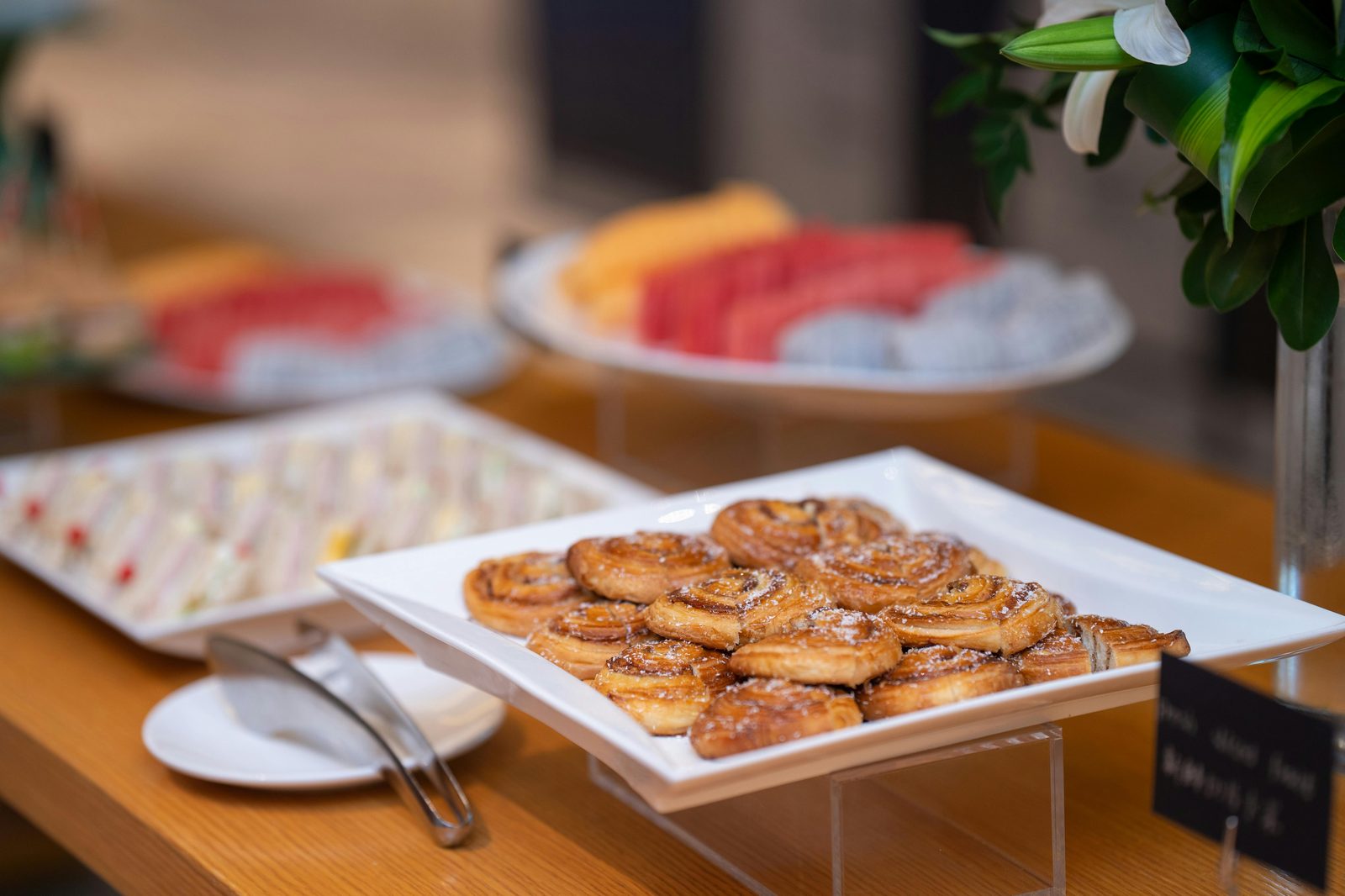
What English speakers lump together as “a Danish” is, in Copenhagen, an entire tradition — laminated, cardamom-scented, custard-filled, glaze-topped, and refined here for 180 years. The Danes call the whole family wienerbrød, literally “Vienna bread,” and this guide to Danish pastries Copenhagen walks you through the ten you actually need to try, where to buy each, roughly what they cost, the coffee to drink alongside, and the slightly absurd 1840 Vienna origin story behind the world’s most misnamed pastry.
If you’d rather choose by bakery than by pastry, our best bakeries in Copenhagen guide ranks the shops; this one is about the pastries themselves.
The ten at a glance
| Pastry | What it is | Best Copenhagen bakery | Price (DKK) |
|---|---|---|---|
| Kanelsnegle | Cinnamon snail (laminated) | Hart Bageri (Wed) | 20-45 |
| Spandauer | Custard or jam in laminated dough | Andersen & Maillard | 30-50 |
| Tebirkes | Marzipan + poppy seed | Sankt Peders Bageri | 25-45 |
| Kardemommesnurre | Cardamom bun | Juno the Bakery | 40-50 |
| Frøsnapper | Twisted seed pastry | All bakeries | 25-45 |
| Hindbærsnitter | Raspberry sandwich cookie | Conditori La Glace | 35-55 |
| Kringle | Pretzel-shaped almond | Reinh. van Hauen | 45-95 |
| Romkugler | Rum-truffle balls | Most bakeries | 25-45 |
| Klejner | Deep-fried Christmas cookies | Conditori La Glace (Christmas) | 40-65 |
| Wienerbrød (general) | Umbrella term | Universal | Variable |
The plot twist: they’re not Danish
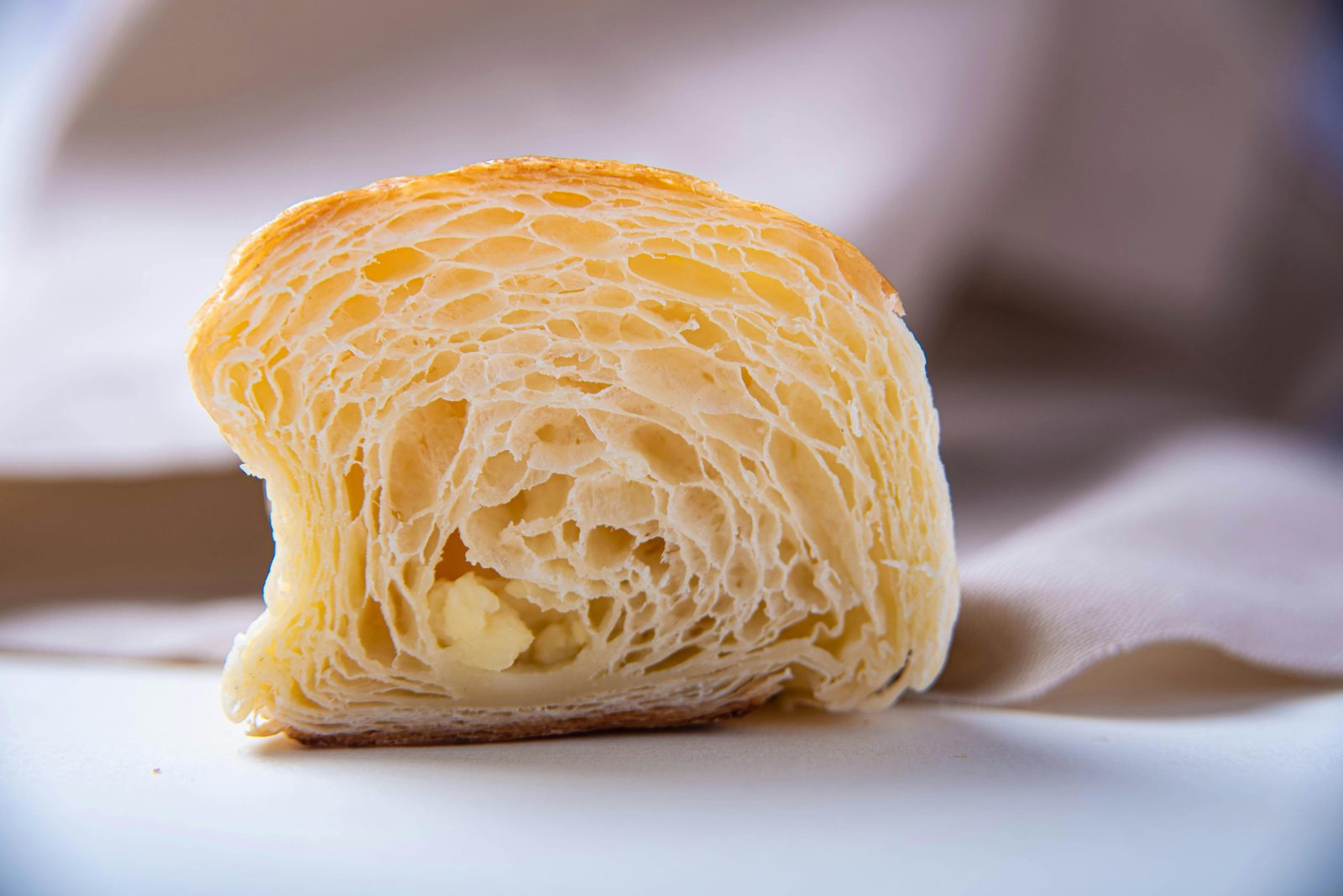
Here’s the fun part: the Danish pastry isn’t Danish at all. It arrived in Copenhagen in 1840, during a bakers’ strike, when local owners brought in Austrian “Wiener” bakers as replacements. The Austrians came with their laminated-dough techniques, the Danish bakers watched, and when the strike ended they kept the skills — christening the results wienerbrød. Over the next 180 years, Danish bakers piled on more butter, leaned into cardamom and almond, and perfected those glossy glazes until “Danish pastry” became a global name.
The irony writes itself: in Austria today, what the world calls a Danish is still just Plundergebäck. The Danes took someone else’s technique and turned it into a brand.
The 10 you have to try
1. Kanelsnegle — the cinnamon snail

If there’s one, it’s this: a spiral of laminated dough rolled around cinnamon-sugar, baked glossy and gold, sometimes glazed. The “snail” shape gives it the name, and it’s the pastry most of the world pictures when someone says “Danish.”
Where to try it: Hart Bageri on Wednesdays (35 DKK, gone by 11:00), Sankt Peders Bageri on Wednesdays (20 DKK, gone by 09:30), or the Brød chain any day. Some shops sneak cardamom into theirs; Sankt Peders keeps it classic.
2. Spandauer — the custard round

The spandauer is a round of laminated dough cradling custard, jam or marzipan, dusted with icing sugar. (The name nods to the Berlin district of Spandau — more central-European heritage.) That flat, glazed “Danish” you grew up with from the supermarket? It’s a distant, watered-down cousin of this.
Where to try it: Andersen & Maillard (Nørrebro), Hart Bageri, Conditori La Glace. Ask which filling they’ve got — vanilla custard, apricot, raspberry or marzipan-and-chocolate — for 35–50 DKK.
3. Tebirkes — the poppy-seed breakfast
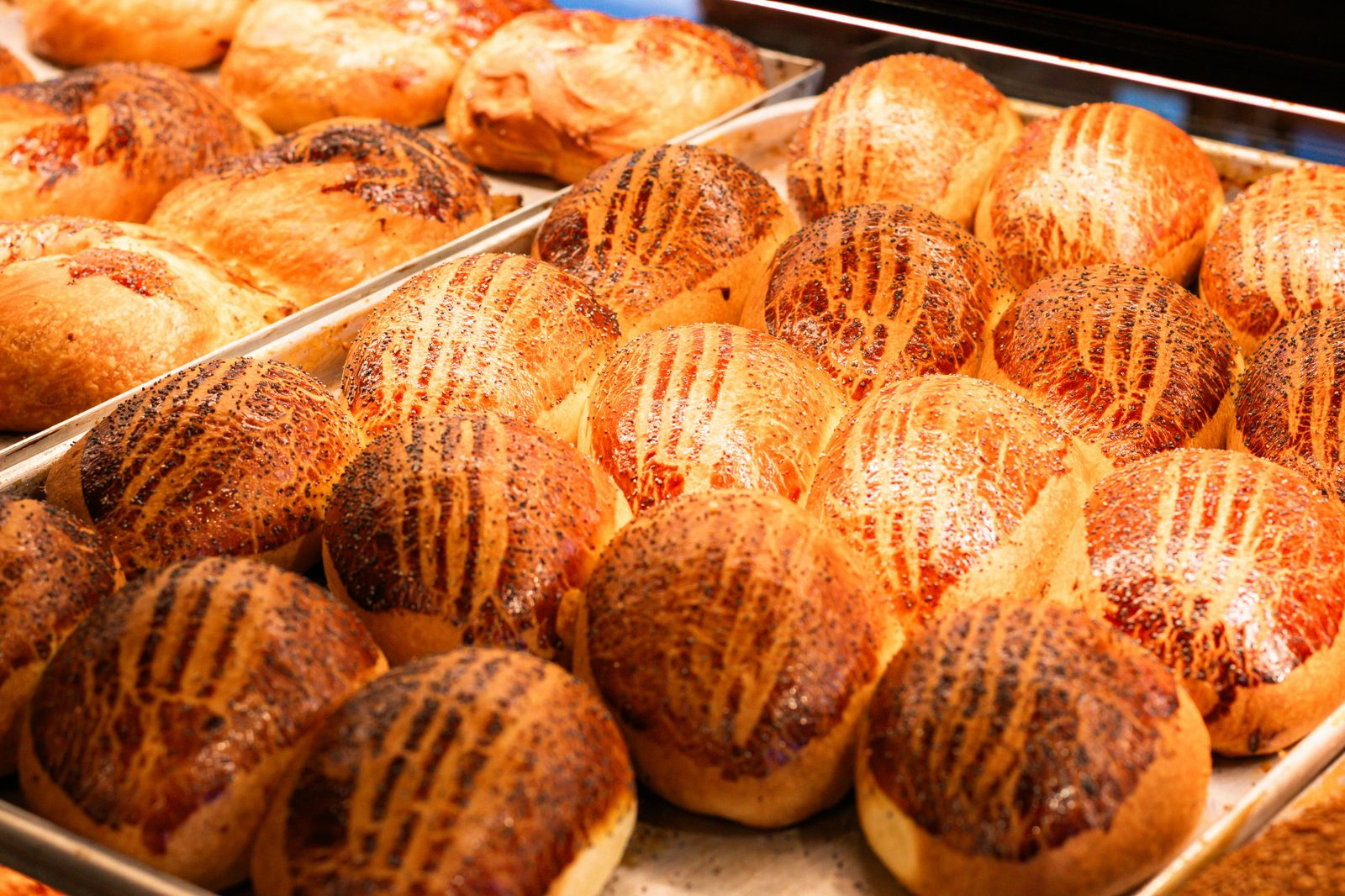
Less famous internationally, more loved at home: the tebirkes is laminated dough filled with marzipan and crusted in poppy seeds, cut into rectangles with that telltale crisscross top. It’s the Danish breakfast pastry, and the almond note is why.
Where to try it: Sankt Peders Bageri (going since 1652, and the traditional standard at 25 DKK), Reinh. van Hauen (1850), or Andersen & Maillard.
4. Kardemommesnurre — the cardamom bun
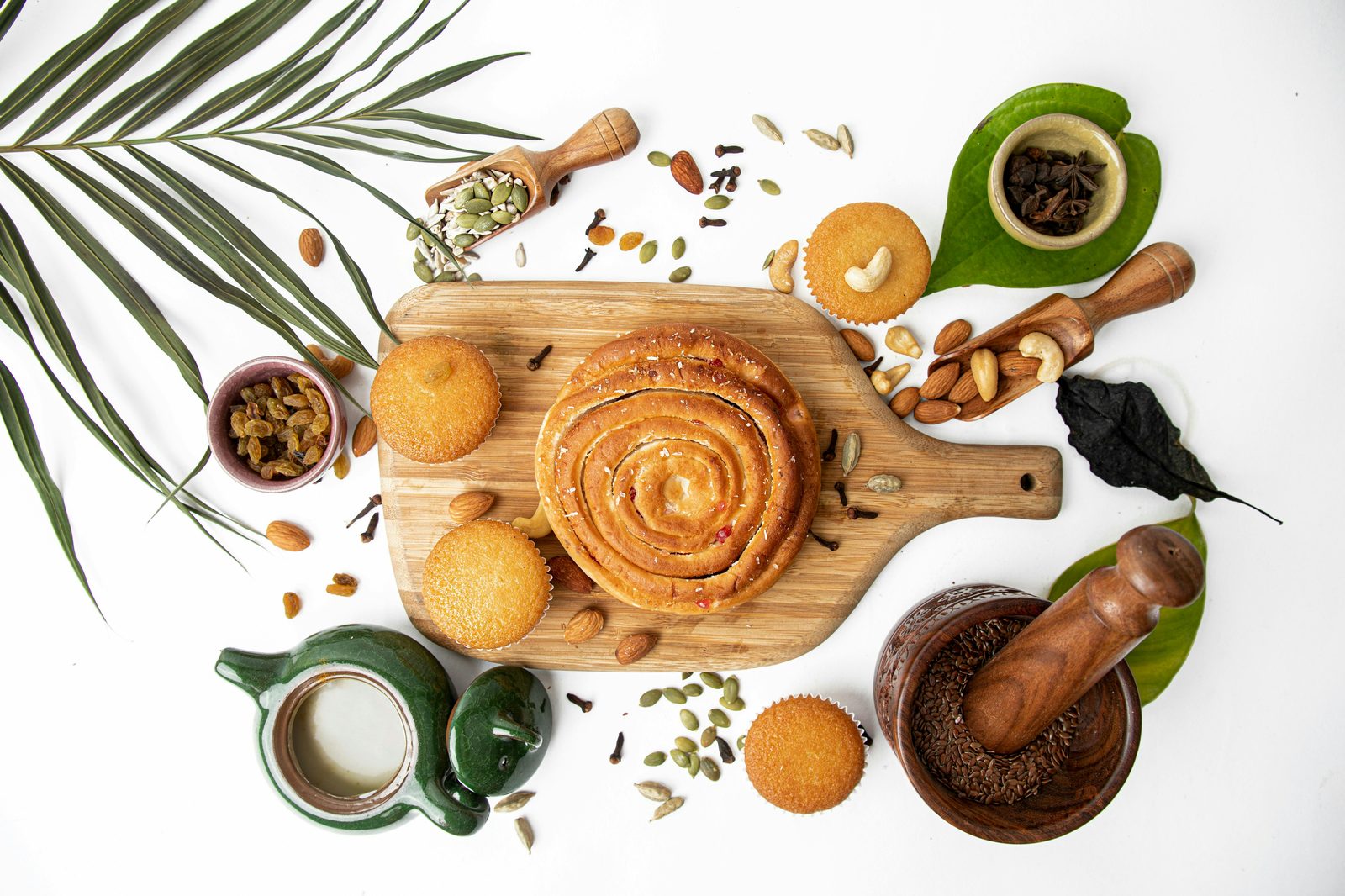
This is the one that went viral. Juno the Bakery in Østerbro turned the humble cardamom bun into a phenomenon — chef Emil Glaser’s version, a knotted spiral of laminated dough packed with crushed cardamom and sugar and topped with pearl sugar, pulls 800–1,000 sales a day. The aroma alone is worth the trip.
Where to try it: Juno the Bakery (Århusgade 48, about 45 DKK — order two, honestly). Also excellent at Lille Bakery (Refshaleøen), Hart Bageri and Andersen & Maillard. Juno’s write-ups in the New York Times, Eater and BBC weren’t hype — it earns them.
5. Frøsnapper — the seed twist
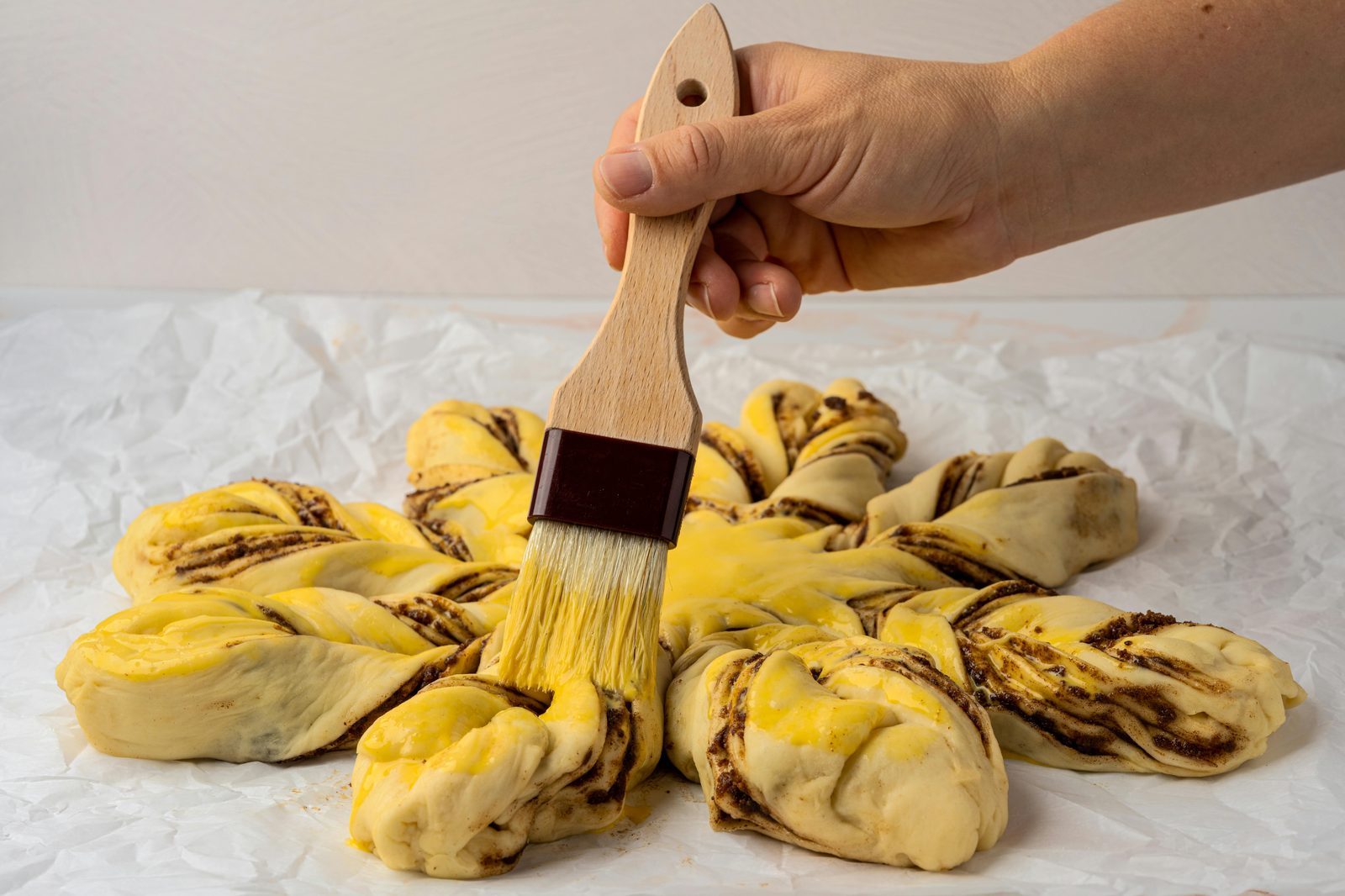
The frøsnapper is a long, twisted length of laminated dough crusted in sesame and poppy seeds. It leans savoury, and plenty of Danes eat it split with butter and cheese as a breakfast bread rather than a sweet.
Where to try it: everywhere — every bakery makes one. Sankt Peders for the traditional take, Hart Bageri for the artisan version, Brød for convenience, all around 25–45 DKK.
6. Hindbærsnitter — the raspberry slice
Pure Danish childhood: two layers of shortbread sandwiching raspberry jam, topped with pink icing and rainbow sprinkles. It’s more cookie than laminated pastry, but it’s firmly part of the bakery canon and it’s the one Danes get nostalgic about.
Where to try it: Conditori La Glace (a specialist since 1870), Reinh. van Hauen, or the Brød chain, at 35–55 DKK.
7. Kringle — the sharing pastry
A big pretzel-shaped pastry filled with almond paste and scattered with flaked almonds, sometimes glazed. It’s a weekend or special-occasion bake, meant to be sliced and shared, and it’s harder to find than the smaller everyday pastries.
Where to try it: Reinh. van Hauen (Mikkel Bryggers Gade) for the traditional shape, Conditori La Glace for a cake-style version, at 45–95 DKK and enough for four to six.
8. Romkugler — the rum ball
The thrifty classic: chocolate-coated cake balls flavoured with rum, soaked breadcrumbs and raspberry jam — traditionally a bakery’s way of using up day-old cake. You’ll find them at any old-school Danish bakery, though they’ve largely vanished from the fancy modern ones.
Where to try it: traditional bakeries citywide, at 25–45 DKK.
9. Klejner — the Christmas cookie
Strips of cardamom dough twisted through themselves and deep-fried, then dusted with sugar. These are Christmas-only, appearing November and December, and Conditori La Glace makes the definitive Copenhagen batch. Danes eat them on Christmas evening with gløgg (mulled wine).
Where to try it: Conditori La Glace and Reinh. van Hauen through the festive season, at 40–65 DKK a bag.
10. Wienerbrød — the catch-all
Finally, the word that ties it together. Wienerbrød literally means “Vienna bread,” and it’s the umbrella term for all of the above. See it on a menu and it could mean a kanelsnegl, a spandauer, a tebirkes — any laminated pastry. Don’t let it throw you; it’s just the collective noun.
Where to buy Danish pastries in Copenhagen

Broadly, Copenhagen’s bakeries fall into three camps, and it helps to know which you’re walking into.
The artisan newcomers
Hart Bageri (Vesterbro), Juno the Bakery (Østerbro), Lille Bakery (Refshaleøen), Andersen & Maillard (Nørrebro). Long-fermented sourdough doughs, top-grade butter, and premium prices (40–60 DKK). These are the Instagram bakeries, and the quality backs it up. Our best bakeries guide ranks them.
The heritage institutions
Sankt Peders Bageri (1652), Reinh. van Hauen (1850), Conditori La Glace (1870). Cheaper (20–55 DKK), less photogenic, and more authentic for it. Sankt Peders’ Wednesday-only kanelsnegl at 20 DKK is the best budget pastry in the city.
The reliable chains
Brød, Det Rene Brød (organic), Detail. Mid-range (20–45 DKK), everywhere, and perfectly good if not thrilling — handy for a breakfast pastry when the specialty spots are too far or too queued.
What to drink with them
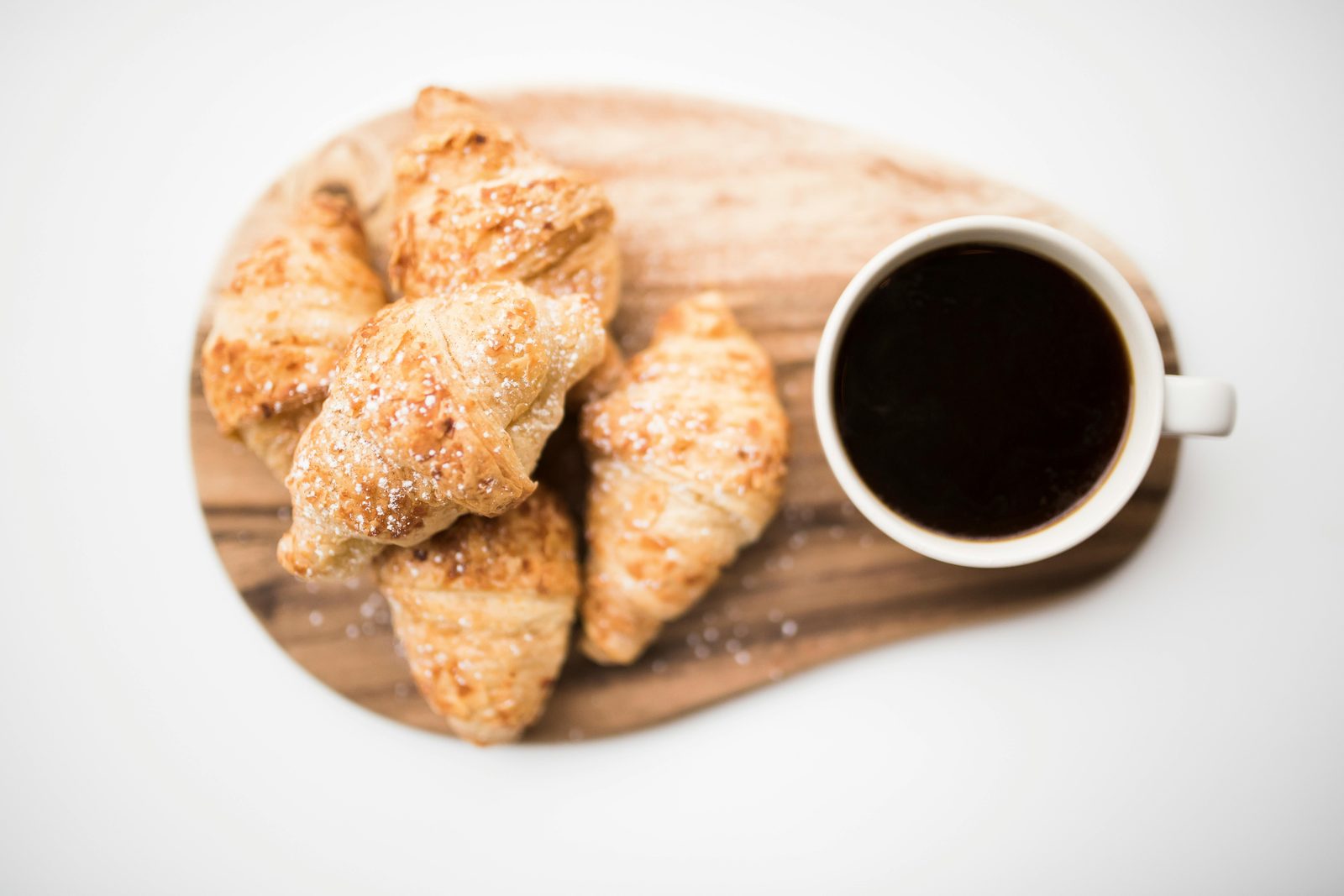
Strong filter coffee is the traditional partner; espresso is the newer arrival. A few pairings that genuinely work:
- Kanelsnegl + flat white — the cinnamon-sugar cuts the bitterness.
- Spandauer + filter — a single-origin Ethiopian at Coffee Collective is a lovely match.
- Tebirkes + a darker espresso — the marzipan stands up to a deeper roast.
- Kardemommesnurre + a V60 — Juno’s bun with a La Cabra pour-over is a perfect Østerbro morning.
- Hindbærsnitter + a lighter filter — the pastry’s already sweet.
For the cafés behind these cups, see our best coffee shops guide.
The unwritten rules

- Hands for the laminated ones (snegle, spandauer); a fork for the cake-style (klejner, hindbærsnitter).
- Eat them the day they’re baked — and don’t refrigerate.
- Reviving yesterday’s? Thirty seconds in the oven brings it back.
- Morning is the moment — pastry and coffee, sitting in the bakery, is the traditional way to do it.
- Weekend afternoon works too — the family coffee-and-cake ritual is real.
- Christmas has its own line-up — klejner, æbleskiver and julekager, November to December only.
Taking them home
Some pastries survive the journey; most don’t. Here’s the honest breakdown:
- Travels well: vacuum-packed rugbrød (three weeks), klejner at Christmas (two weeks), an unfilled spandauer (a day if kept cool).
- Doesn’t travel: cardamom buns (past their best within 12 hours), kanelsnegle (same-day only), custard-filled spandauer (needs the fridge).
- Ask Hart Bageri to vacuum-pack rugbrød — they’ll do it on request, and it keeps three weeks at room temperature.
- Checked or carry-on? Vacuum-packed loaves are fine either way; fresh pastries survive a flight under 12 hours but lose their edge.
- Airport backup: Lagkagehuset at CPH sells cardamom buns and spandauer for last-minute grabs, though it’s a clear step down from the city bakeries.
Frequently asked questions
What’s the most famous Danish pastry?
The kanelsnegl (cinnamon snail) is the best-known abroad, and the spandauer is the closest to what Americans call “a Danish.” The kardemommesnurre (cardamom bun) is catching up fast, thanks largely to Juno the Bakery.
Are Danish pastries actually Danish?
No — they’re Austrian in origin. The technique reached Copenhagen in 1840 when Austrian bakers filled in during a strike, and Danish bakers adopted and refined it over the next 180 years. Even the word, wienerbrød, means “Vienna bread.”
What do they cost?
At the artisan bakeries (Hart, Juno), 35–55 DKK a pastry; at the heritage ones (Sankt Peders, Reinh. van Hauen), 20–45; at the chains, 20–40. A slice of cake at Conditori La Glace runs 60–95.
Which bakery is best?
Hart Bageri overall (especially the Wednesday kanelsnegl), Juno for cardamom buns, Andersen & Maillard for the coffee-and-croissant pairing, and Sankt Peders (1652) for the budget classics. Our best bakeries guide ranks them all.
When should I go?
Early — 07:30 to 09:30. For Hart’s Wednesday snegle, be there at 07:30 sharp (gone by 11:00); for Juno’s cardamom buns, aim for the 07:00 opening to beat the queue. Pastries are always best the day they’re baked.
Are they vegetarian?
Most are — kanelsnegle, spandauer, tebirkes, kardemommesnurre and frøsnapper all qualify, and romkugler usually do. Klejner sometimes use lard, so check that one with the bakery.
Can I fly home with them?
Yes — vacuum-packed rugbrød and klejner travel best (two to three weeks). Fresh snegle and spandauer survive a day’s flight but lose about a third of their magic. Have Hart vacuum-pack the rugbrød for you.
How do they differ from croissants?
Both are laminated butter doughs, but wienerbrød is richer, sweeter, egg-heavy and usually filled, while a croissant is leaner, plainer and empty. Andersen & Maillard does both beautifully if you want to compare.
Pastry is the sweetest end of a food culture that is otherwise built on rye bread, pork and herring. For the savoury side — and the seasonal sweets like æbleskiver and risalamande — see our guide to traditional Danish food.
Related reading
- Eating well in Copenhagen.
- Copenhagen’s plant-based scene — from Michelin-noted Ark to casual Souls, vegan burgers.
- The Michelin-starred restaurants — Geranium, Alchemist, Jordnær and more, with prices, dishes and how to book.
- Best brunch in Copenhagen.
- Best smørrebrød — the savoury Danish classic.
- Torvehallerne.
- Cheap eats in Copenhagen.
- Family travel in Copenhagen.
Final thoughts
The great joke of Danish pastries Copenhagen is that they’re not Danish — they’re Austrian wienerbrød, refined over 180 years into something the world now happily credits to Denmark. Whatever you call it, the city’s 30-odd bakeries make it worth a proper morning. Hart Bageri’s Wednesday kanelsnegl is the artisan benchmark, Juno owns the cardamom bun, Sankt Peders keeps the 20-DKK tradition alive, and Conditori La Glace handles the grand occasions. Pair it with strong filter coffee, eat it the same day, and vacuum-pack a rugbrød for the journey home. Budget 75–110 DKK for a real pastry-and-coffee breakfast, and go early — the best ones sell out before lunch.
Last updated: July 2026. Photo credits: images courtesy of copenhagentourism.org.