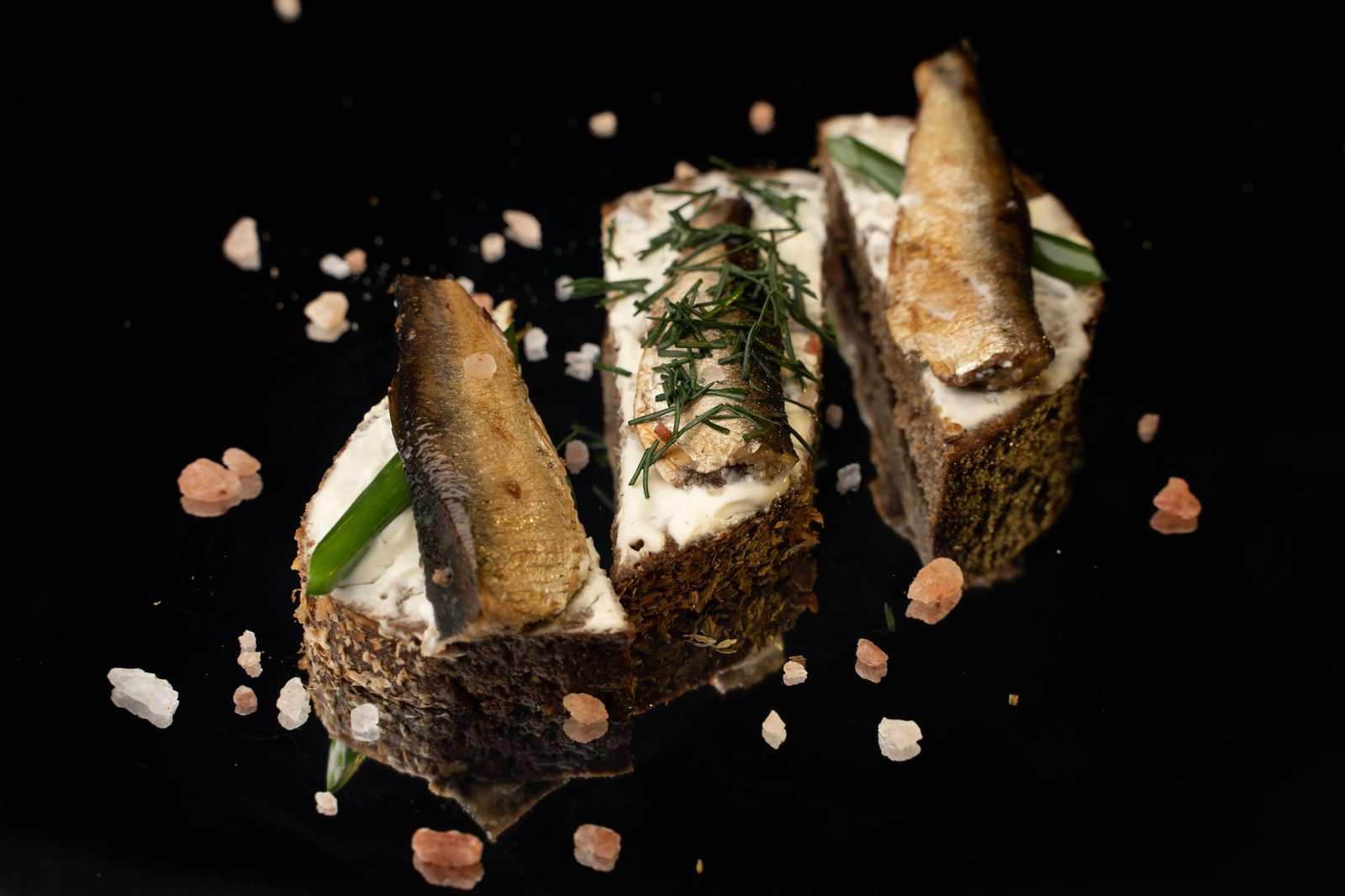
Here’s the one Danish dish you shouldn’t leave Copenhagen without eating: smørrebrød. It’s an open-faced sandwich, sure, but calling it that undersells it. Picture a thin slice of dense, sour rye (rugbrød) turned into a small composed plate — pickled herring, rare roast beef with remoulade, fried plaice with a mountain of shrimp — eaten with a knife and fork, ideally with an ice-cold aquavit alongside. This guide ranks the 12 best smorrebrod Copenhagen restaurants for 2026, from the 1877 cellar at Restaurant Schønnemann to the modern-Nordic plates at Selma, with current prices, signature pieces and the etiquette that keeps you from getting side-eyed.
Smørrebrød (say it “SMUR-broh”) is a lunch tradition Copenhageners still practise daily, and it’s one of the most distinctive things you can eat in the city. If you’re mapping out your eating more broadly, this pairs naturally with our Copenhagen food guide. Here’s where to go, what to order, and how to do it right.
| Restaurant | Style | Price per smørrebrød (DKK) | Founded |
|---|---|---|---|
| Restaurant Schønnemann | Traditional 1877 institution | 115-225 | 1877 |
| Aamanns 1921 | Modern traditional | 95-180 | 2006 |
| Aamanns Etablissement | Aamanns flagship Indre By | 120-195 | 2014 |
| Selma | Modern Nordic innovation | 165-240 | 2017 |
| Restaurant Kronborg | Classic Danish, hidden | 90-180 | Pre-WWII |
| Hallernes Smørrebrød | Torvehallerne stall | 75-145 | 2011 |
| Royal Smushi Café | Modern + miniature | 85-145 | 2008 |
| Restaurant Tight | Traditional with twist | 115-195 | 2008 |
| Restaurant Møller | Vesterbro neighborhood | 95-175 | 2012 |
| Café Halvvejen | Authentic working-class | 75-135 | Old-school |
| Restaurant Pram | Christianshavn modern | 120-185 | 2018 |
| Restaurant Højbro Plads | Tourist-popular Indre By | 105-165 | 2010 |
What Makes a Great Smørrebrød?
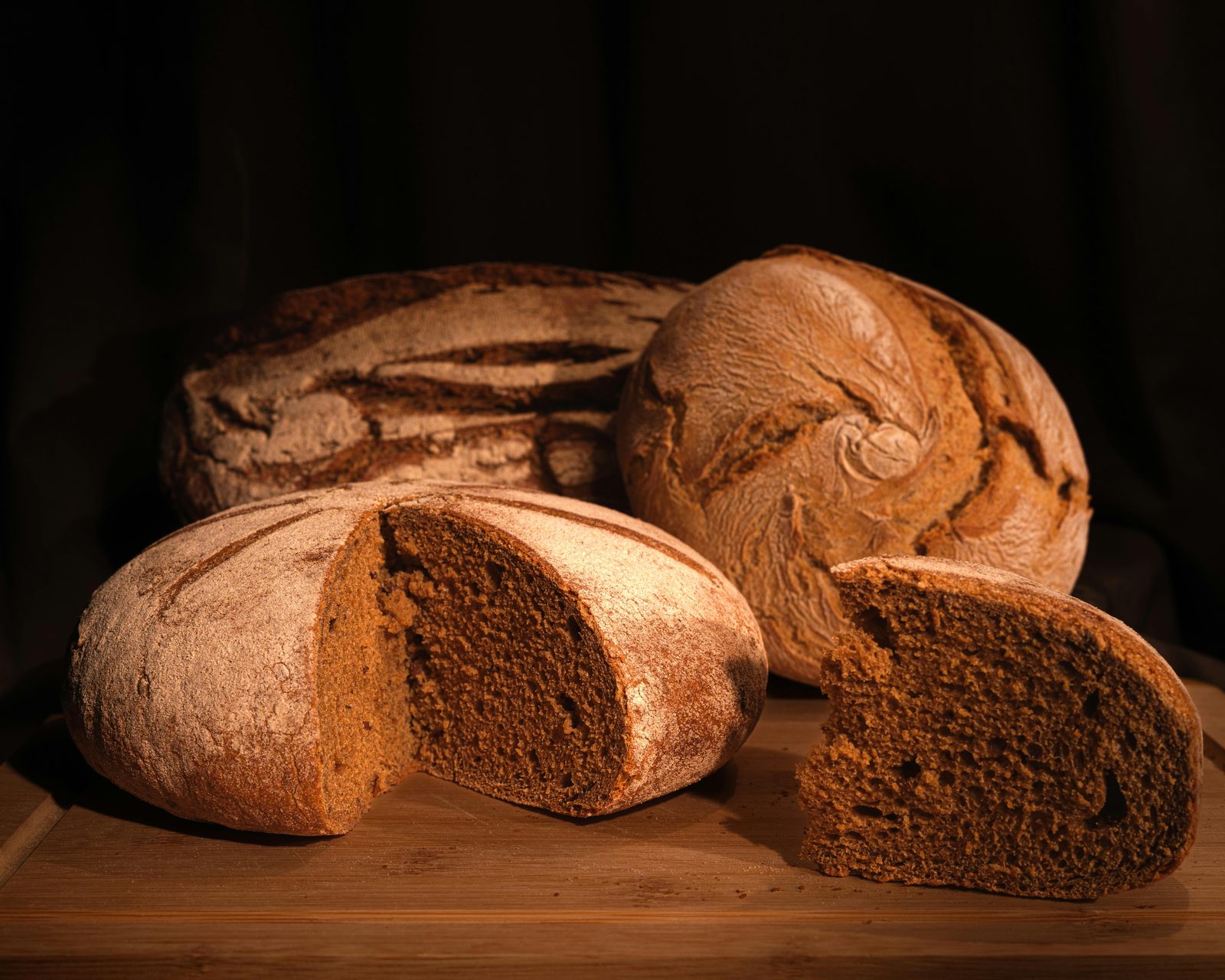
Three things separate a proper piece from a sad afterthought:
- The rye bread. Rugbrød is dense, sour-leavened and packed with whole grains, seeds, cracked rye and sometimes molasses. It has to be actual Danish rugbrød — never ordinary sandwich bread. The best places bake their own or source from specialist bakers like Hart Bageri.
- Generous, composed toppings. Each piece carries five to eight distinct elements, precisely arranged: a protein base, a sauce or condiment, garnish vegetables, fresh herbs, and final flourishes like pickled onion, capers or citrus zest. It’s engineered for both looks and balance.
- Knife-and-fork service. You don’t eat smørrebrød with your hands — the pieces are far too elaborately stacked. Press the toppings down with your fork, cut with your knife, then eat. Pick one up and the room will notice.
The 12 Best Smørrebrød Restaurants in Copenhagen
1. Restaurant Schønnemann — the 1877 institution

In the same Hauser Plads basement since 1877, Schønnemann is the definitive Copenhagen smørrebrød experience: dark wood, white tablecloths, professional waiters in white aprons. There are 60+ options on the printed menu plus daily specials, and more than 100 aquavits behind the bar (50+ of them Danish, distillery-aged). It’s lunch only, and reservations are essential — book 2–4 weeks ahead. If you only do one, do this one.
- Price: 115–225 kr per piece; a full traditional 4-course lunch with aquavits runs 600–900 kr.
- Best for: first-timers, traditional purists. Address: Hauser Plads 16. Lunch only, Mon–Sat, closed Sun.
2. Aamanns Etablissement — the modern-traditional flagship

Aamanns Etablissement (2014, Niels Hemmingsens Gade 19) is chef Adam Aamann’s Indre By flagship. Aamann started modernising Copenhagen smørrebrød back in 2006 — same traditional ingredients, lighter dressings, more vegetables, beautiful plating — and he’s the most internationally recognised name in the field. Both lunch and dinner served.
- Price: 120–195 kr per piece; a 4-piece lunch tasting is 595 kr.
- Best for: modern-leaning, design-conscious diners. Locations: Etablissement (flagship), 1921 (the original, Østerbro), and Aamanns Deli & Take Away.
3. Selma — the most innovative
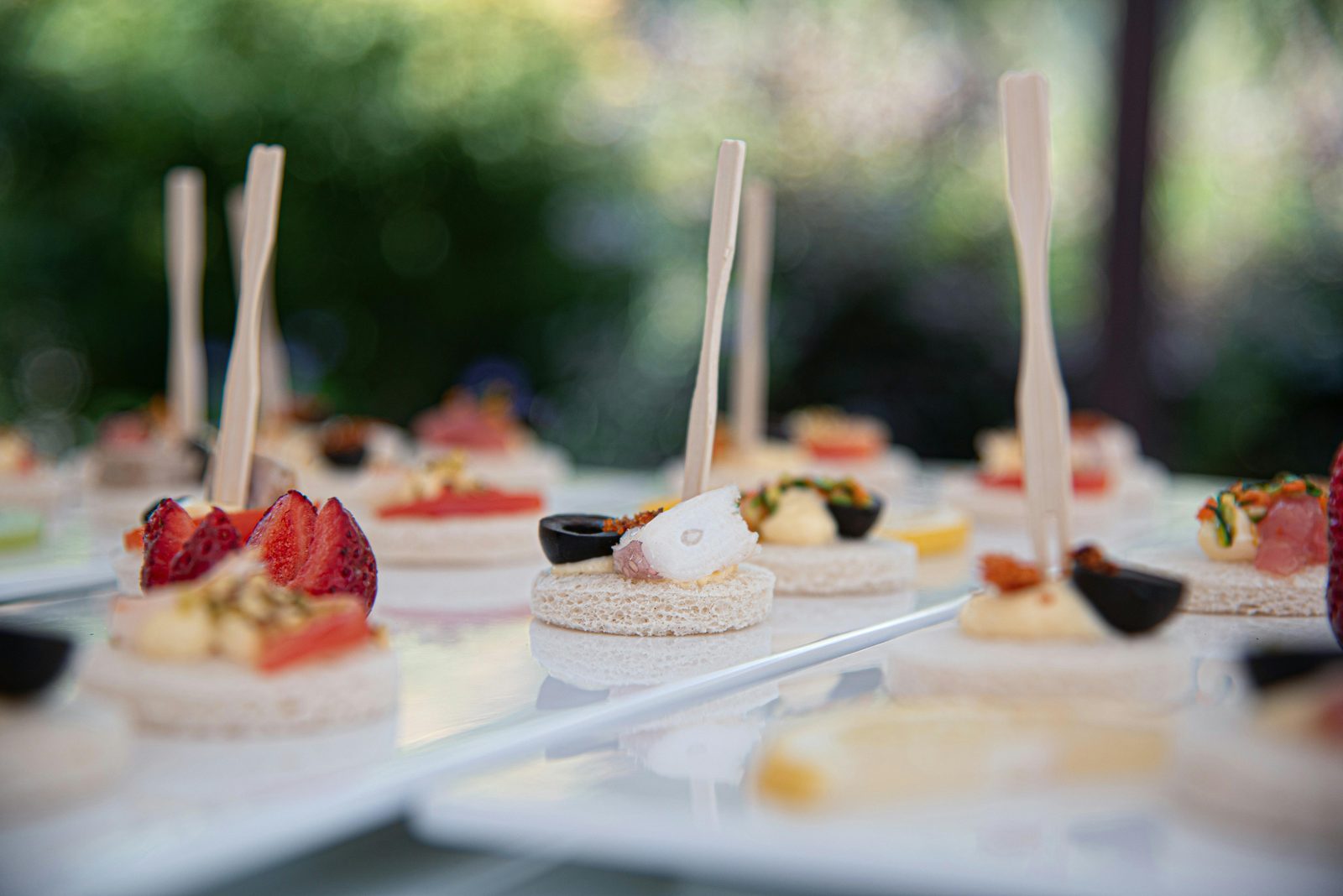
Selma (Rømersgade 20, 2017) is the city’s most inventive modern smørrebrød. Chef Magnus Penn (ex-Noma) builds seasonal Nordic interpretations — lacto-fermented vegetables, foraged herbs, unusual protein pairings — and it holds a Bib Gourmand. Think of it as smørrebrød with a Noma sensibility. If you’ve eaten the classics and want something that surprises you, come here.
- Price: 165–240 kr per piece; a 6-piece tasting is 895 kr.
- Best for: adventurous foodies and New Nordic fans. Reservations: 2–4 weeks ahead. For the fine-dining end of that spectrum, see our Michelin restaurants in Copenhagen guide.
4. Restaurant Kronborg — the hidden classic
On Brolæggerstræde, Kronborg is the locals’ answer to “where’s the best smørrebrød?” It’s a pre-WWII place, largely unknown to tourists, with no English menu and no modern reinterpretation — just 100% classic Danish smørrebrød. Reservations required; lunch only.
- Price: 90–180 kr per piece. Best for: an utterly untouristy experience. Address: Brolæggerstræde 12.
5. Hallernes Smørrebrød — best casual, at Torvehallerne
Inside Torvehallerne (Israels Plads 1), Hallernes is the best-value option: an open counter with 15–20 daily varieties, no reservations, eaten at communal tables or taken away. The quality-to-price ratio is excellent, and you can pair it with a wander round the market. See our Torvehallerne guide for the rest of the stalls.
- Price: 75–145 kr per piece. Best for: budget travellers, takeaway, a quick pre-sightseeing lunch.
6. Royal Smushi Café — mini smørrebrød
Inside the Royal Copenhagen porcelain flagship on Amagertorv 6, this café serves “smushi” — small-format pieces about a third of the usual size. Lighter and perfect for sampling several, served in a porcelain-lined dining room. Undeniably photogenic.
- Price: 85–145 kr per smushi (three to five makes a meal). Best for: lighter appetites and a pretty lunch.
7–12. Quick picks
- Restaurant Tight (Hyskenstræde 10): traditional with a twist, modern dining room. 115–195 kr.
- Restaurant Møller (Vesterbro): neighbourhood smørrebrød at neighbourhood prices. 95–175 kr.
- Café Halvvejen (Krystalgade): an authentic, working-class smørrebrød joint. 75–135 kr.
- Restaurant Pram (Christianshavn): modern smørrebrød with a canal-side terrace. 120–185 kr.
- Restaurant Højbro Plads (Højbro Plads 21): tourist-popular, English menu, central. 105–165 kr.
- Aamanns 1921 (Østerbro): the original Aamanns — smaller, more residential. 95–180 kr.
The Classic Pieces You Have to Try
Sild (pickled herring)

Sild is the essential starter — pickled herring on rugbrød with raw onion, capers, sometimes hard-boiled egg, and a cold aquavit on the side. Variations include curry herring (karrysild), tomato herring (tomatsild), and herring with dill. Tradition says you always begin a smørrebrød lunch with sild, so start here.
Stjerneskud (“shooting star”)
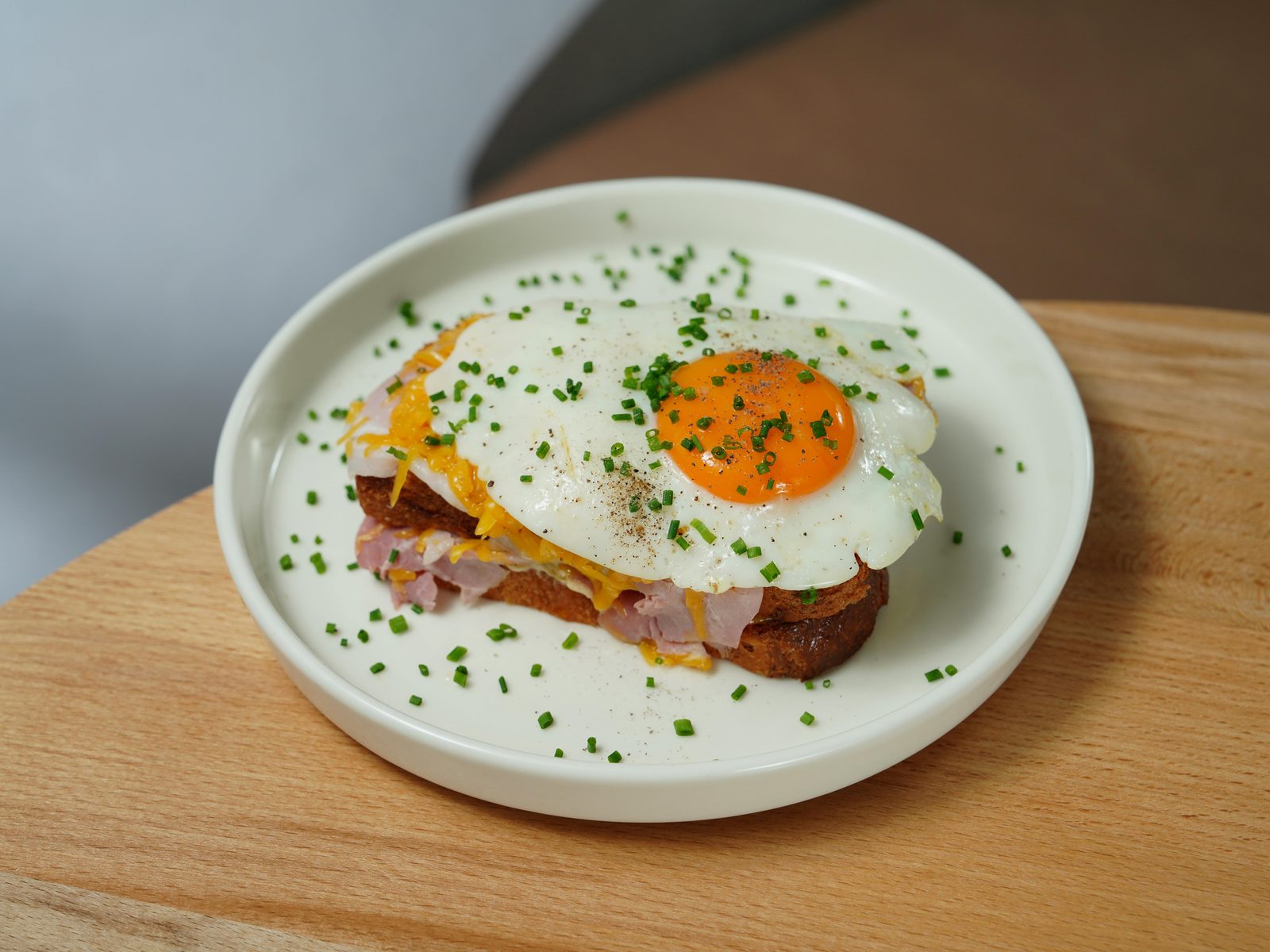
The most iconic and most photographed piece: a rugbrød base topped with a pan-fried plaice fillet, a mound of small Greenland shrimp, smoked salmon, dill mayonnaise, a slice of lemon, fresh dill and a boiled egg. Often served as a single showpiece. The version at Schønnemann is about as good as it gets.
Roastbeef med remoulade

Thinly sliced rare roast beef on rugbrød with remoulade (a creamy Danish mustard sauce studded with finely chopped pickles), crispy fried onions, freshly grated horseradish and pickled cucumber. The most carnivore-friendly piece, and a fixture at every traditional place.
Leverpostej (liver pâté)
Warm Danish liver pâté on rugbrød with crispy bacon, sautéed mushrooms, beetroot and pickled cucumber. A winter staple in traditional restaurants — the Schønnemann version is a classic.
Æg & rejer (egg and shrimp)
Hard-boiled egg topped with a mound of fjord shrimp, dressed with mayo and dill and finished with lemon. Lighter than the elaborate compositions, and usually the second piece after sild in a traditional lunch.
Gammeldags ost (old-fashioned cheese)
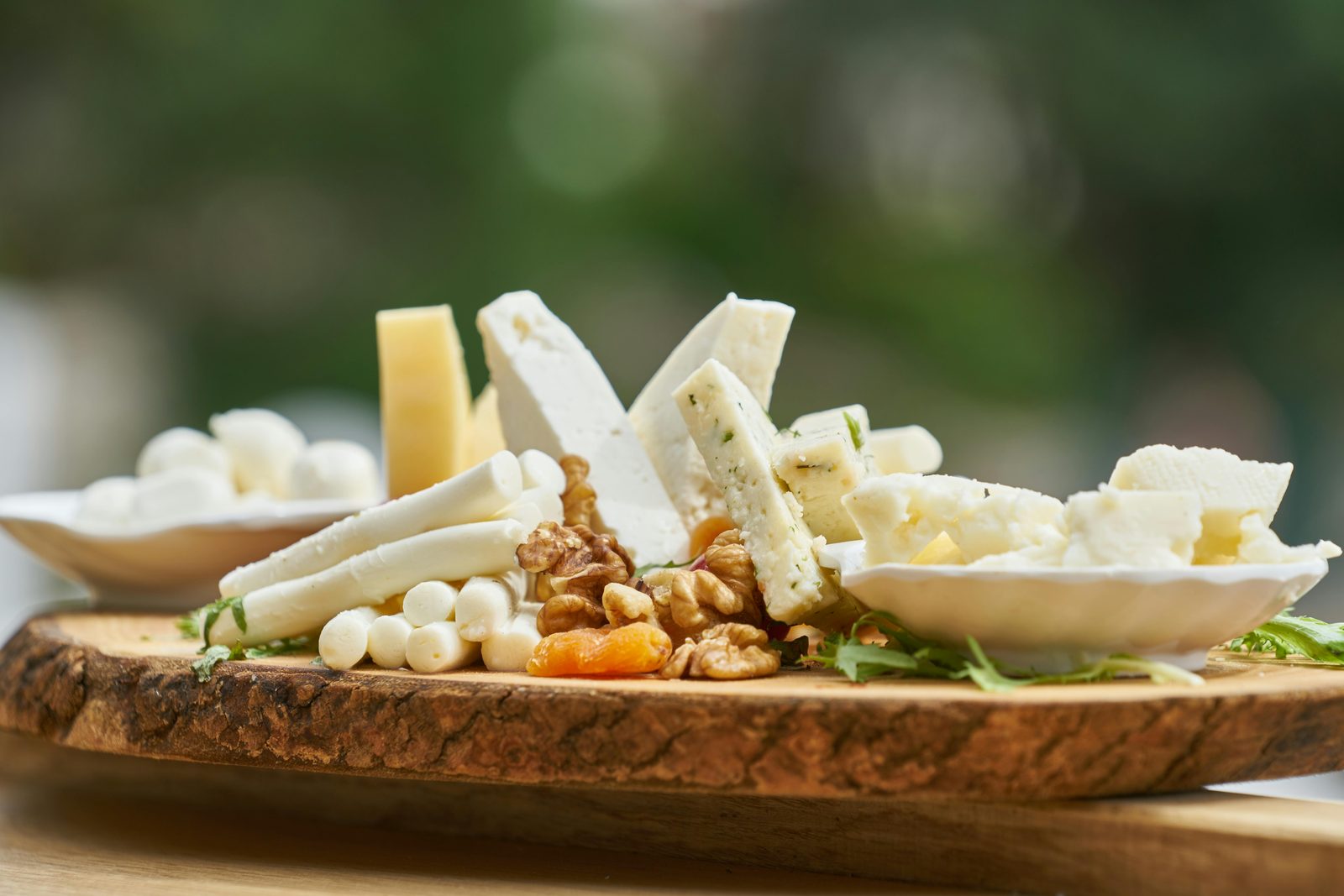
Strong yellow Danish cheese on rugbrød with raw onion rings, beetroot, capers and meat aspic — the traditional final piece before dessert. It’s a big flavour and not for everyone, but it’s part of the full experience.
Smørrebrød Etiquette
- Order in sequence. Herring (sild) first, then fish, then meat, finishing with cheese. It’s paced deliberately for flavour.
- Knife and fork, always. Never with your hands — press down, slice, eat.
- Pace yourself. A traditional lunch is 4–7 pieces over 1.5–2 hours. This is a meal, not a snack.
- Aquavit with herring. Take a small shot (15–25ml) of cold aquavit with your herring, and say “skål!” before you drink.
- Beer, not wine. Carlsberg or Tuborg pilsner is the move; beer and aquavit are the traditional pairings.
- Order a couple at a time. Don’t order everything at once — order one or two, eat, then order more. The kitchen prefers the rhythm.
- Tipping. Service is included; round up 5–10% only if it was excellent.
Aquavit — the Traditional Pairing

Aquavit (snaps) is the classic smørrebrød companion, especially with herring. Danish aquavit is distilled from grain and flavoured with caraway, dill, fennel or citrus, and it’s served ice cold in shot glasses. The ritual: a small sip with the herring, “skål!”, then a bite of fish. Schønnemann pours 100+ Danish aquavits, and their tasting flight (around 45 kr a shot) is a highlight in its own right.
Taking Smørrebrød Home
Want to recreate it back home? Stock up here:
- Hart Bageri (Vesterbro): the best rugbrød in the city; they can vacuum-pack it for travel. Our guide to the city’s best bakeries has more.
- Torvehallerne fishmonger: jarred pickled herring (sild) that’ll fly home fine.
- Magasin du Nord food hall: aquavit (Aalborg, Linie, Brøndum) and jarred herring.
- Royal Copenhagen flagship: traditional smørrebrød plates and glasses. For more, see our Copenhagen shopping guide.
Frequently Asked Questions
What exactly is smørrebrød?
A Danish open-faced sandwich on dense, dark, sour rye bread (rugbrød), topped with composed ingredients — pickled herring, roast beef with remoulade, fried plaice with shrimp, liver pâté, smoked salmon or strong cheese. Eaten with a knife and fork at lunch, with aquavit and beer.
Where is the best smorrebrod Copenhagen has to offer?
Schønnemann (1877) is the consensus pick for traditional; Aamanns Etablissement for modern-traditional; Selma for the most innovative; Hallernes for the best casual. Choose by the style you’re after — all serve genuinely excellent smørrebrød.
How much does it cost?
75–145 kr per piece at casual spots (Hallernes, Café Halvvejen), 95–195 kr at traditional restaurants (Schønnemann, Aamanns), and 165–240 kr at the innovative end (Selma). A typical 4-piece lunch with aquavit and beer runs 500–900 kr per person.
Do I need a reservation?
Yes for sit-down restaurants — Schønnemann, Aamanns and Selma all want 2–4 weeks’ notice for lunch. Hallernes at Torvehallerne and the casual/takeaway spots are walk-in.
Is smørrebrød a lunch or a dinner thing?
Traditionally lunch only — Schønnemann, Café Halvvejen and most classic places serve it from roughly 11:30 to 15:00. Aamanns and Selma do both lunch and dinner, but at heart it’s a Danish lunch tradition.
Is there much for vegetarians?
Most modern places offer 2–4 vegetarian pieces — Selma, Aamanns and Hallernes have the widest choice, with vegetable-and-egg, mushroom, and beet-and-cheese versions common. Flag dietary needs when you book.
Can I get it to take away?
Most traditional restaurants prefer dine-in. Aamanns Deli & Take Away (Frederiksberg) specialises in takeaway, and Hallernes at Torvehallerne is takeaway-friendly. Honestly, though, most smørrebrød doesn’t travel well — eat it at the restaurant if you can.
Smørrebrød is one dish in a much larger lunch tradition that also takes in karrysild, stjerneskud, warm leverpostej and tarteletter. We cover the whole canon, lunch table and dinner table, in our guide to traditional Danish food.
Related Reading
- The New Nordic movement — the 2004 manifesto, the techniques, and where to taste it.
- Where vegans eat well — from Michelin-noted Ark to casual Souls, vegan burgers.
- Budget meals in the city — where Hallernes also fits.
- Copenhagen itinerary — slotting a smørrebrød lunch into your days.
Final Thoughts
A proper smørrebrød lunch is one of the clearest windows into how Copenhageners actually eat — a 1.5-to-2-hour ritual, not a sandwich grabbed on the run. Schønnemann is the definitive traditional experience, Aamanns the modern-traditional standard, Selma the most inventive. Order herring first, finish with cheese, keep your knife and fork in hand, take the aquavit ice cold, and budget 90–240 kr a piece. Reserve 2–4 weeks ahead for the sit-down places. Do it at that pace and you’ll understand why the city has eaten this way for 150 years.
Prices and opening days change — check each restaurant before you go. Last updated: July 2026.