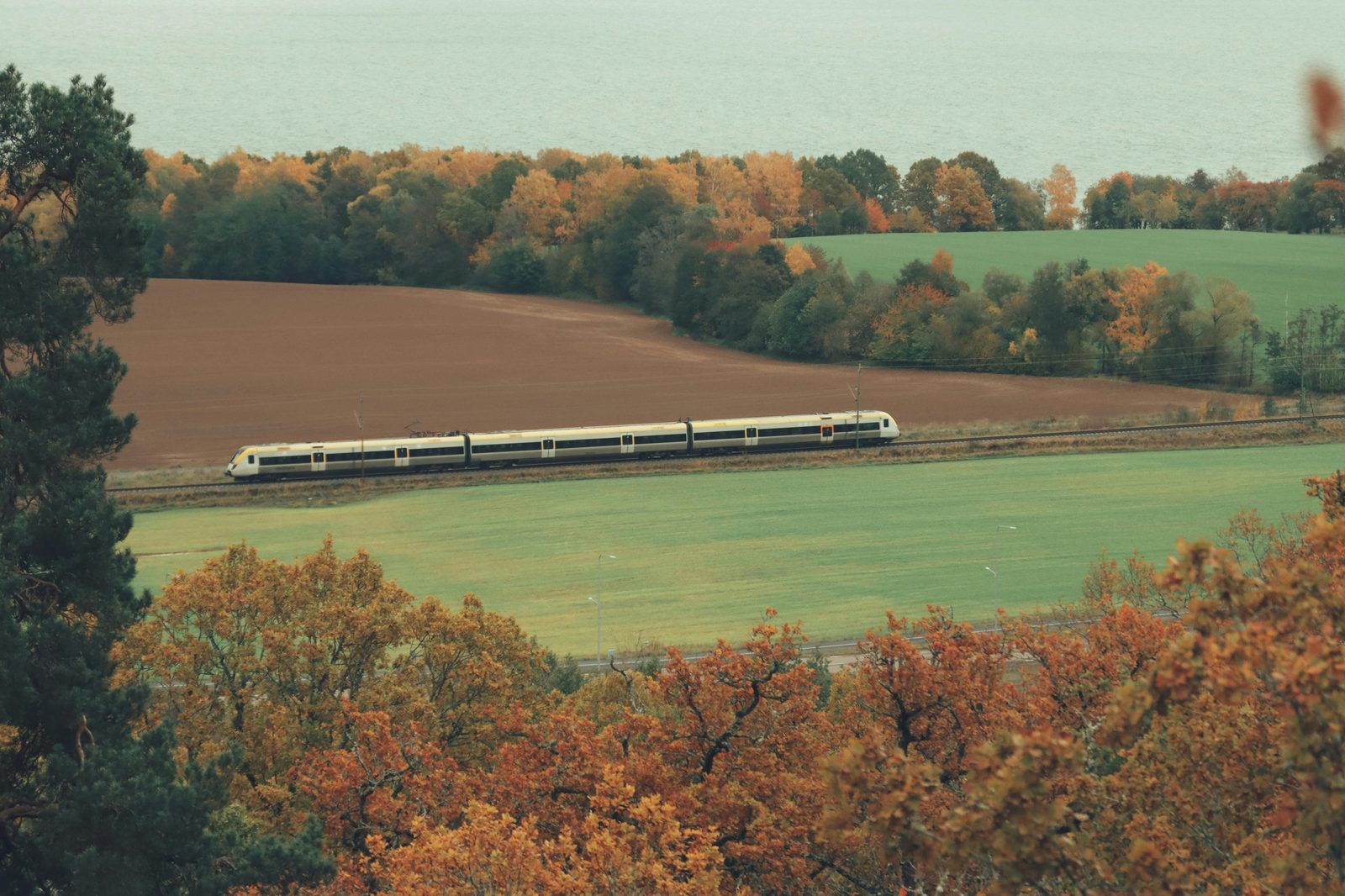
Here’s the thing most people don’t realise until they arrive: some of Denmark’s best sights aren’t in Copenhagen at all. The best day trips from Copenhagen are Renaissance castles, Viking ship halls, chalk cliffs and even a Swedish city — and nearly all of them sit under an hour away by direct train from Copenhagen Central Station. You can leave after breakfast and be back for dinner without ever renting a car.
This guide walks through twelve excursions, roughly in the order we’d send a first-time visitor, with the real train times, current-ish ticket prices, what’s actually worth your time, and who each place suits. Prices and timetables shift, so treat the numbers as a planning guide and check the DSB or Rejseplanen app the morning you go.
Short on time? If you’ve only got one free day, make it Kronborg or Louisiana. Two days frees you up to add Roskilde. A full week lets you work down the list to the cliffs, the deer park, and Sweden. Every trip below is doable on public transport from København H — most on a standard Øresund ticket or a cheap DSB Orange fare.
How to Plan Day Trips from Copenhagen
Before you pick a destination, the practical side of day trips from Copenhagen matters. Danish trains are punctual, clean and cheap by Scandinavian standards, but the ticket-booking landscape has a few layers. Here is what you need to know before you step out of your hotel.
Trains, Øresund tickets and the DSB app
Almost every trip in this guide uses DSB (Danish state railways) or Øresundståg (Sweden-Denmark cross-border trains). Both operate from Copenhagen Central Station (København H), a five-minute walk from Tivoli. Download the DSB app before you leave your hotel — it sells single tickets, 24-hour city cards, and the cheap DSB Orange long-distance fares (from 99 DKK to Odense if booked the day before).
For trips across the Øresund Bridge to Malmö or Lund, buy an Øresund ticket from the DSB app or the SkyTraX machines at København H. A one-way adult ticket to Malmö costs around 110 DKK (≈ €15). A return is often no cheaper than two singles, so buy as you go if your plans are flexible. Children under 12 travel free with a paying adult on DSB and Øresundståg.
Travel cards: Copenhagen Card vs. Rejsekort vs. single tickets
- Copenhagen Card — covers free travel on DSB regional trains, S-trains, buses and the metro within zones 1–99, which reaches Helsingør, Hillerød, Roskilde and Køge. It also includes entry to 80+ attractions including Kronborg, Frederiksborg, the Viking Ship Museum and Louisiana Museum. Best for 2–3 busy days of sightseeing with at least one castle among your day trips from Copenhagen.
- Rejsekort — Denmark’s pay-as-you-go smartcard. Lowest per-journey price once you’re outside city zones. Worth buying if you stay longer than 5 days and want to hop on trains without thinking.
- Single tickets — perfect for one or two one-off excursions. The DSB app generates a QR code on your phone; no need to print anything.
For most first-time visitors doing one or two big excursions, single tickets on the DSB app are easiest. For anyone doing three or more attractions plus castles, the Copenhagen Card usually pays for itself on day two.
When to go: seasons, weather and opening hours
The calendar changes day trips from Copenhagen dramatically. Summer (June–August) is peak time — long daylight, outdoor museums open, harbour cruises in full swing, gardens in bloom. Winter (November–February) cuts daylight to seven hours, and some outdoor sites like Møns Klint’s steps to the beach are closed for safety. Shoulder season (April–May, September–October) is the sweet spot: mild weather, shorter queues, and most attractions open.
See our full guide to timing your trip for a month-by-month breakdown. A good rule of thumb for day trips from Copenhagen: save outdoor-heavy excursions (Møns Klint, Stevns, Dyrehaven, Dragør) for May–September, and lean into indoor options (Louisiana, Viking Ship Museum, Kronborg interior) year-round.
Which excursion suits which traveller
If you want the bottom line, here is the short version. History buffs should head to Roskilde Cathedral and the Viking Ship Museum or Kronborg Castle. Art lovers will lose themselves at the Louisiana Museum. Architecture and romance point to Frederiksborg. Families do best at Dyrehaven + Bakken. Foodies should ride the Øresund train to Malmö or Lund. Nature seekers want Møns Klint or Stevns Klint. Literature fans have to visit Odense. The full matrix is at the end of this guide.
1. Malmö, Sweden — Across the Øresund Bridge
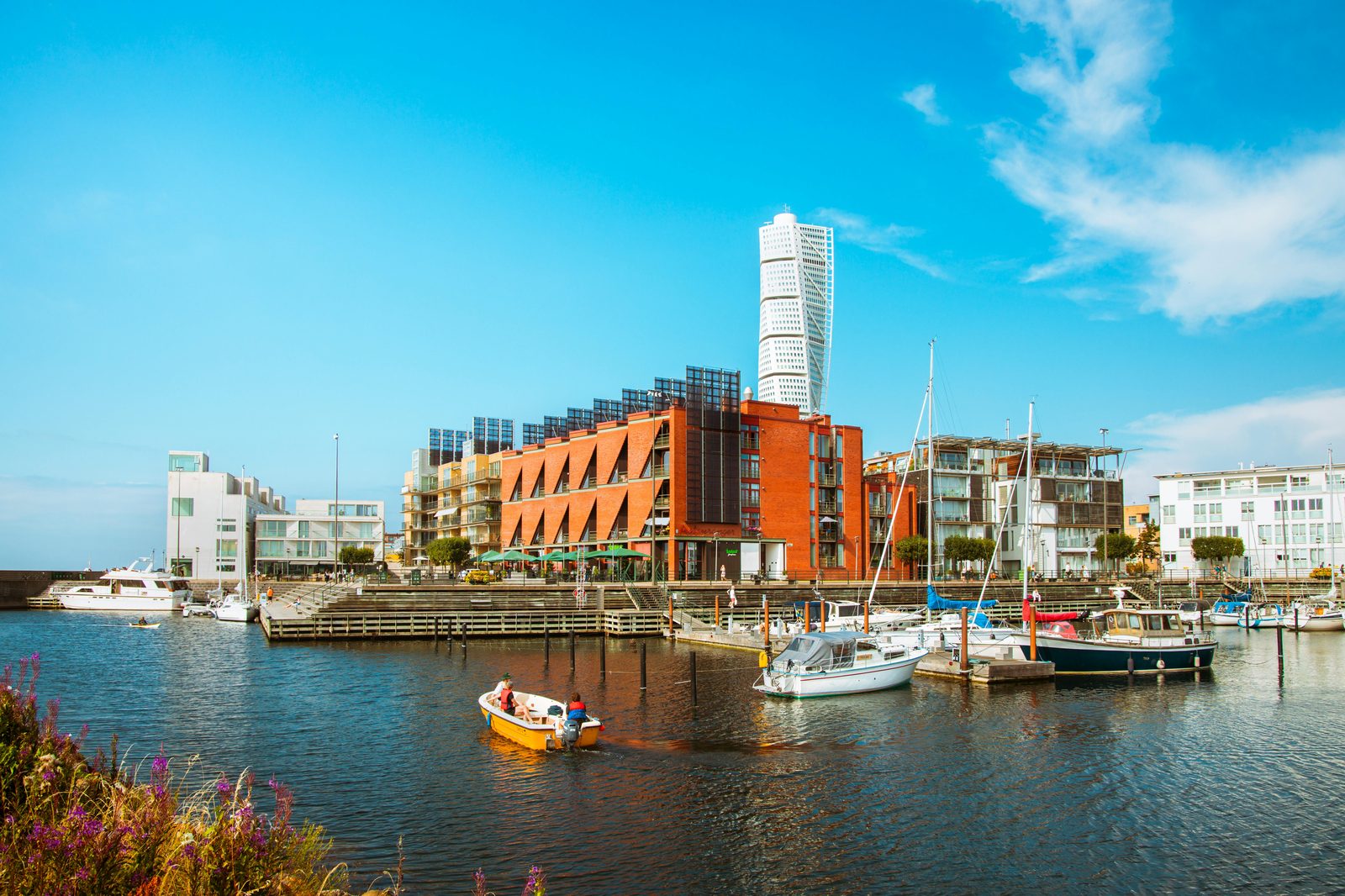
Malmö is the easiest international destination on any list of day trips from Copenhagen. Trains leave Copenhagen Central about every 20 minutes and cross the Øresund Bridge — made famous by the Nordic noir series The Bridge — into Sweden in roughly 35 minutes. You pass through passport control on the train, not at a border stop, and arrive at Malmö Central Station right in the middle of town. For a full breakdown of timings, food and what to see, read our dedicated Malmö day trip from Copenhagen guide.
Sweden’s third-largest city is denser, grittier and more multicultural than Copenhagen. The old town is tiny and walkable, arranged around two big squares — Stortorget and Lilla Torg — and packed with cafés, outdoor terraces and street food stalls. The Turning Torso, a 190-metre twisting skyscraper by Santiago Calatrava, looms over the waterfront and is the easiest photo you’ll take all week.
What to see in Malmö
- Stortorget and Lilla Torg — the medieval main square and its intimate café-lined sister square.
- Malmöhus Castle — Sweden’s oldest Renaissance castle, with a quirky multi-museum complex inside.
- Västra Hamnen (Western Harbour) — a redeveloped waterfront district with the Turning Torso, pebble beaches and some of Sweden’s best architecture-watching.
- Ribersborg Kallbadhus — a century-old cold bath and sauna house on a pier, 80 SEK for an afternoon of naked Scandinavian bliss (gendered, no swimsuits).
- Folkets Park — Sweden’s oldest public park, with weekend food markets and live music in summer.
Practical info — Malmö
- Travel time: 35 minutes, Øresundståg or DSB from Copenhagen Central.
- Ticket: ~110 DKK / ~155 SEK one way. Children under 12 free.
- Passport: Required. ID checks are occasional but unpredictable.
- Time budget: 4–6 hours covers the old town and harbour; a full day if you add Malmöhus and a long lunch.
- Currency: Swedish krona (SEK). Most places take cards; a few market stalls prefer Swish (Swedish Venmo) — cash is increasingly rare.
2. Roskilde — Viking Ships and Royal Tombs

Roskilde is the single most rewarding short-haul option among day trips from Copenhagen. The medieval capital of Denmark from the 10th to the 15th century, Roskilde sits 25 minutes west of Copenhagen on a direct regional train, and its two UNESCO-worthy attractions — the Viking Ship Museum and Roskilde Cathedral — can both be seen in a single afternoon. We cover it in depth in our Roskilde day trip guide.
The Viking Ship Museum is the big draw. Five original 11th-century longships were raised from the fjord in 1962 after a thousand years underwater. You can see them in the main Viking Ship Hall, watch traditional boatwrights reconstruct replicas in the adjoining yard, and in summer you can sail on one. The museum café has a viking-era menu — smoked fish, rye bread, apples — that is worth the 120 DKK starter.
What to see in Roskilde
- Viking Ship Museum (Vikingeskibsmuseet) — five original ships plus a working reconstruction yard. Allow 2–3 hours.
- Roskilde Cathedral — UNESCO World Heritage, the burial place of 40 Danish kings and queens from Harald Bluetooth onwards.
- Stændertorvet — the town square for an outdoor lunch, especially on market-day Saturdays.
- Roskilde Festival — the biggest music festival in northern Europe, late June / early July. If your trip overlaps, the whole city changes character for ten days.
- Ragnarock Museum of Pop, Rock & Youth Culture — a playful 2016 Danish music museum for anyone into rock history.
Practical info — Roskilde
- Travel time: 25 minutes by direct IC or Re regional train from Copenhagen Central.
- Ticket: ~55 DKK one way on DSB, or included in the Copenhagen Card.
- Viking Ship Museum admission: 180 DKK adult (2026), free with Copenhagen Card.
- Time budget: Half a day at a minimum, a full day if you walk down to the harbour and back.
- Best paired with: a stop at Roskilde Cathedral on the walk between the station and the museum — the cathedral is a five-minute detour.
3. Louisiana Museum of Modern Art — Humlebæk
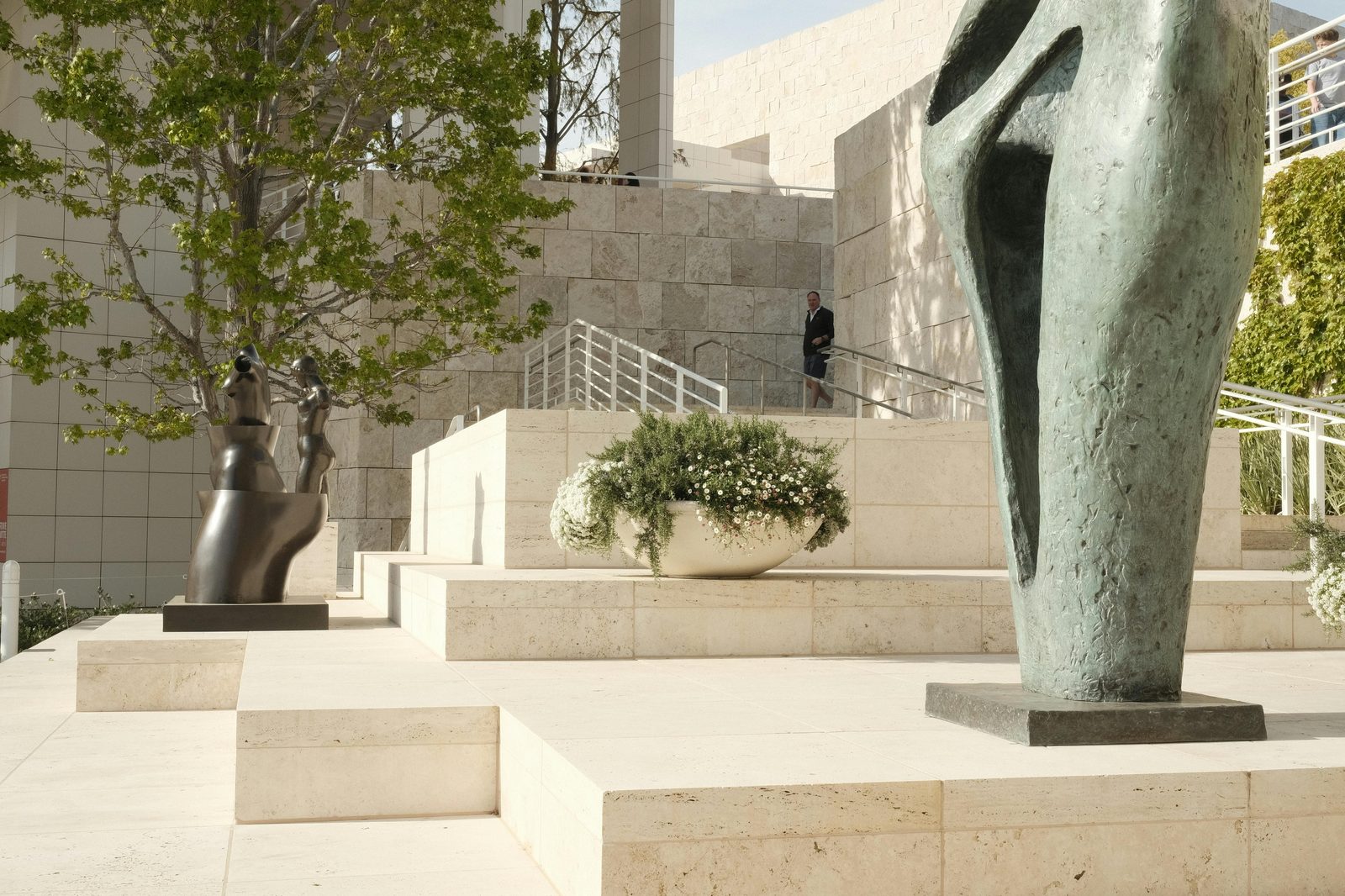
Of all the day trips from Copenhagen, Louisiana Museum of Modern Art in Humlebæk is the one art lovers rank first. It is the best art museum in Scandinavia and one of the most atmospheric in the world. Perched on a cliff overlooking the Øresund Sea, with Sweden visible on clear days, the museum combines major rotating exhibitions of modern masters with a permanent sculpture park that stretches down to the water. See our full Louisiana Museum day trip guide for train tips and current shows.
The collection leans heavily on the 20th century — Giacometti, Calder, Picasso, Warhol, Jean Dubuffet, Yayoi Kusama — but the architecture is the real star. Jørgen Bo and Vilhelm Wohlert designed the museum in 1958 as a low, glass-walled procession through the trees. You never feel stuck indoors. A long lunch at the museum café, with the terrace over the sea, is an essential part of the visit.
What to see at Louisiana
- The sculpture park — Henry Moore, Richard Serra, Alexander Calder, Jean Dubuffet’s Manoir d’Essor. Wander slowly.
- Permanent collection — including major works by Anselm Kiefer, Yayoi Kusama (a mirror room), Andy Warhol and Gerhard Richter.
- Children’s Wing — a hands-on studio and play area that’s kept children engaged since 1994.
- Rotating blockbuster exhibitions — check what’s on before you go. 2026 opens with major retrospectives; the museum usually runs 6–8 big shows a year.
- Louisiana Café — the terrace lunch is the best art-museum meal in Europe. Plan for 90 minutes.
Practical info — Louisiana
- Travel time: 35 minutes by DSB train from Copenhagen Central to Humlebæk, then a 10-minute walk north along Gl. Strandvej.
- Ticket: ~64 DKK one way.
- Admission: 160 DKK adult (under 18 free), free with Copenhagen Card.
- Time budget: 4–5 hours minimum. Most people underestimate how long they’ll want to stay.
- Best paired with: Kronborg Castle — Humlebæk is halfway between Copenhagen and Helsingør, so you can do both in one long day.
4. Kronborg Castle — Shakespeare’s Elsinore
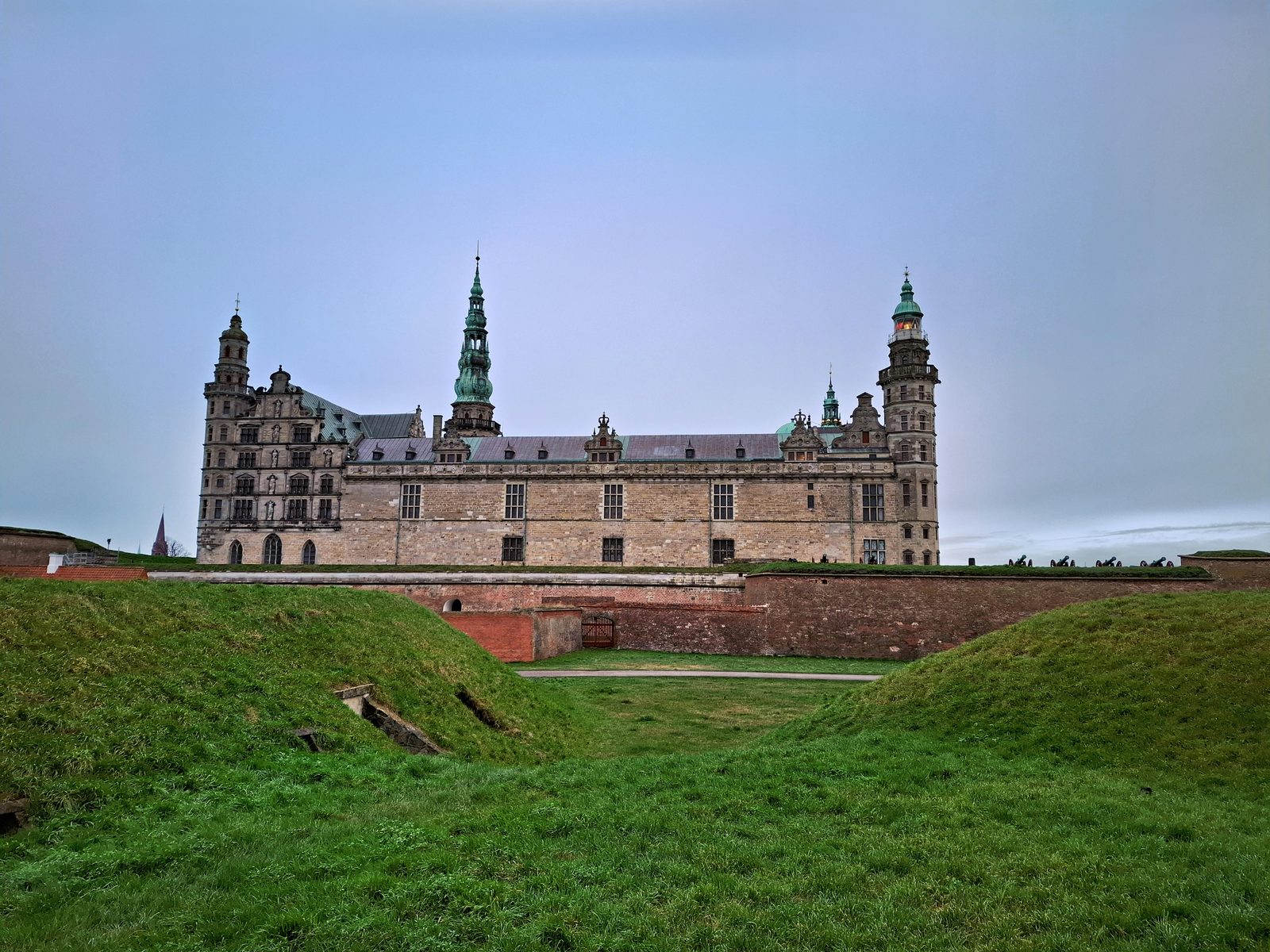
Kronborg is the most cinematic entry on any list of day trips from Copenhagen. The Renaissance fortress juts into the narrowest point of the Øresund Sound, two kilometres from Sweden, and Shakespeare chose it as the setting for Hamlet without ever visiting. The castle has stood guard over the shipping lane since 1420, collected passage tolls on every vessel that entered the Baltic for four centuries, and was declared a UNESCO World Heritage site in 2000. Our guide to Kronborg Castle guide covers tickets, the Hamlet angle and pairing it with Louisiana.
Inside, the castle is a mix of lavish Renaissance royal apartments, a long chapel, and a haunting network of casemates beneath the ramparts — where Danish national hero Holger Danske sleeps in stone, said to wake when Denmark is in its greatest need. Summer weekends see actual performances of Hamlet in the courtyard. It’s worth timing a visit for one.
What to see at Kronborg
- The Royal Apartments — lavishly restored Renaissance state rooms, including the Great Hall (60 metres long, once the largest in northern Europe).
- The Casemates — damp, echoing tunnels under the ramparts and the statue of Holger Danske.
- The Chapel — miraculously survived the 1629 fire that destroyed most of the interior.
- Maritime Museum of Denmark — a daring underground museum by Bjarke Ingels, built into a former dry dock right next to the castle. Worth an hour.
- Helsingør old town — ten minutes from the castle, a well-preserved merchant city with a busy harbour and some of the prettiest cobbled lanes in Denmark.
Practical info — Kronborg
- Travel time: 45 minutes by direct IC or Re train from Copenhagen Central to Helsingør Station, then a 15-minute walk.
- Ticket: ~115 DKK one way, or free with Copenhagen Card.
- Admission: 165 DKK adult, free with Copenhagen Card.
- Time budget: 3–4 hours for the castle and ramparts; add 2 hours if you include Helsingør old town and the Maritime Museum.
- Bonus: From Helsingør you can take the ferry to Helsingborg, Sweden, in 20 minutes — you can add a hot Swedish waffle to your castle day.
5. Frederiksborg Castle — Denmark’s Baroque Water Palace
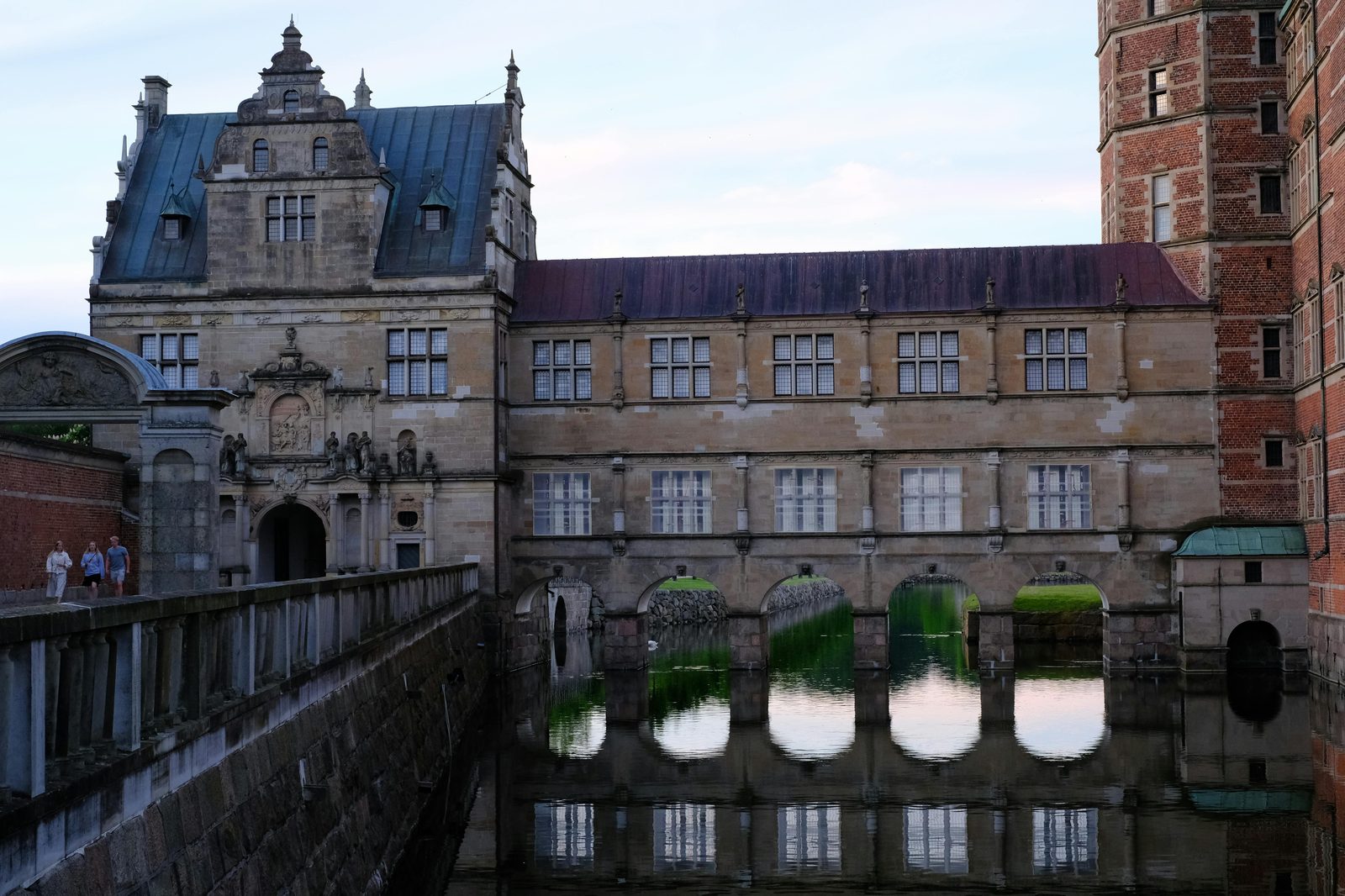
If Kronborg is brooding and military, Frederiksborg is romantic and ornamental. Built by King Christian IV on three small islands in a lake, the red-brick castle in Hillerød is the most photographed building in Denmark outside Copenhagen. It’s a 40-minute S-train from Copenhagen — the easiest castle choice among day trips from Copenhagen — and its Baroque gardens are the finest example of 17th-century French landscape design in Scandinavia. For hours, garden tips and museum highlights, see the Frederiksborg Castle day trip guide.
Inside, the castle houses the Museum of National History, which traces Denmark from the Vikings to the present through 500 years of portraits, armour, royal jewels and battlefield paintings. The Royal Chapel, where Danish monarchs were anointed from 1671 to 1840, somehow survived the devastating 1859 fire that gutted most of the building. It’s arguably the most perfectly preserved Renaissance chapel interior in Europe.
What to see at Frederiksborg
- Museum of National History — 500 years of Danish history across 60+ rooms. Allow 2 hours.
- Great Hall — reconstructed after the 1859 fire; still astonishing.
- Royal Chapel — the original 17th-century coronation chapel; survived the fire intact.
- Baroque Gardens — terraces, parterres, crowned monograms in box hedging; free to visit year-round.
- Carriage Museum — in the outbuildings, a quick half-hour for anyone into horses.
Practical info — Frederiksborg
- Travel time: 40 minutes by S-train line A from Copenhagen Central or Nørreport to Hillerød Station, then bus 301/302 or a 20-minute walk.
- Ticket: S-train fare ~40 DKK, covered by Copenhagen Card.
- Admission: 90 DKK adult (2026), free with Copenhagen Card.
- Time budget: 3–4 hours castle and gardens; a quick half-day trip overall.
- Best paired with: visiting on the way to Louisiana — both are north of Copenhagen on different lines, but a clever itinerary can combine them with one DSB transfer at Hillerød.
6. Dragør — Denmark’s Best-Preserved Fishing Village
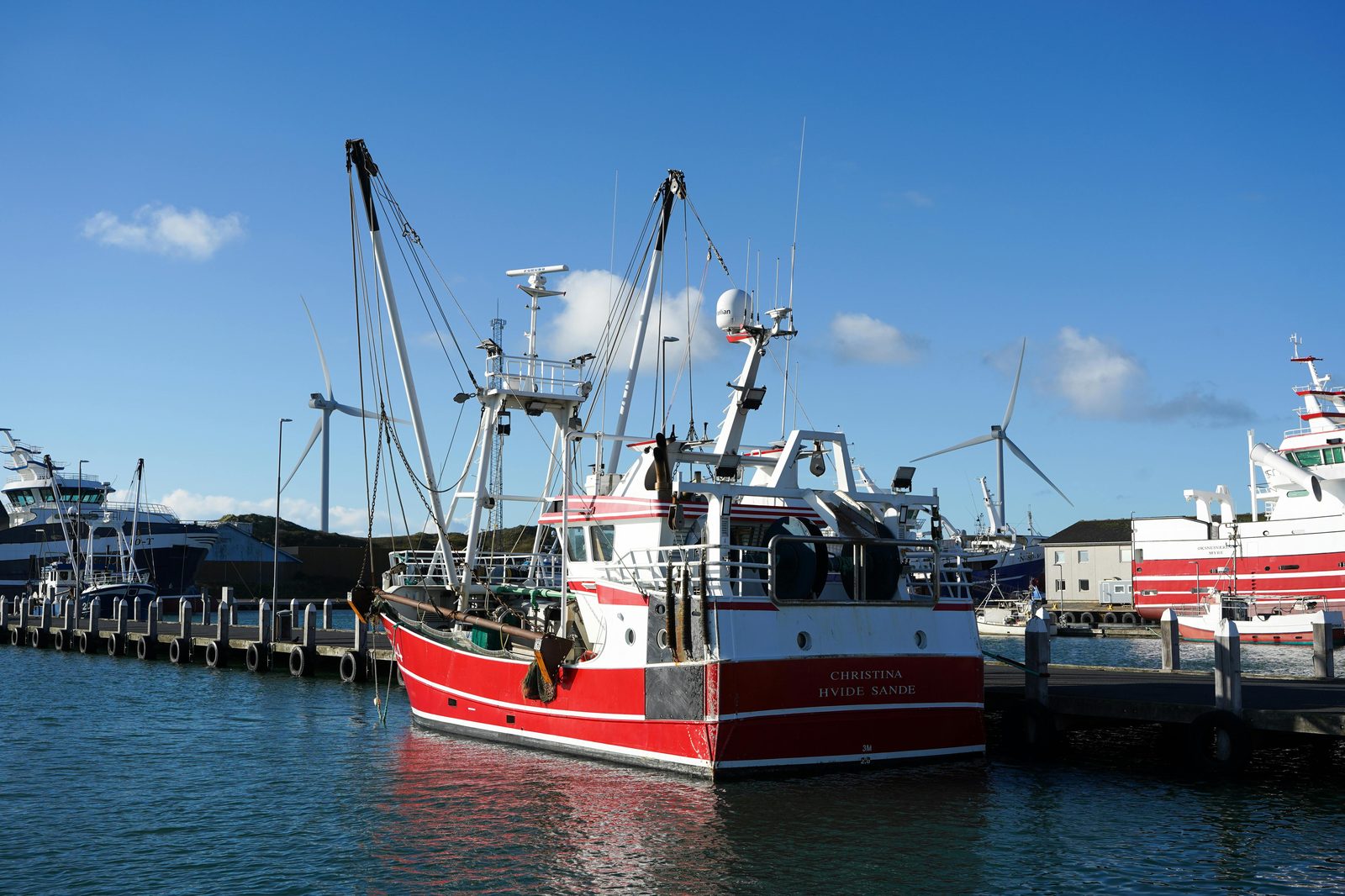
Dragør is the most relaxing entry in our day trips from Copenhagen list, and the one that feels most unlike the capital. A 30-minute bus ride from the city brings you to a tight grid of yellow-ochre fishermen’s cottages, cobbled lanes and a tiny working harbour that has barely changed since the 18th century. The village was settled by Dutch farmers in 1521 on a royal invitation, and a few of the oldest houses on the island of Amager still bear Dutch-style stepped gables.
There is no grand attraction — the appeal is the town itself. Wander the harbour. Eat pickled herring and smoked eel at Dragør Røgeri, the working smokehouse beside the pier. Walk the coastal path south of the village for views of the Øresund Bridge. In summer, locals swim from the public beach; in winter, the waterfront cafés serve hot chocolate and æbleskiver. It’s the kind of trip that leaves you convinced you’ve just spent a weekend at the seaside.
What to see in Dragør
- Old Dragør (Gamle By) — the protected 18th-century grid of yellow cottages. An hour of wandering is mandatory.
- Dragør Harbour — working fishing boats, an open market in summer, a small maritime museum.
- Dragør Røgeri (smokehouse) — smoked mackerel and herring taken away in paper. A Copenhagen tradition.
- Amager Museum — a small open-air display of Dutch-Danish farmer heritage inside a 1682 farmhouse.
- Kongelunden forest — a royal oak-planted forest 3km south of the village, good for a summer picnic.
Practical info — Dragør
- Travel time: 35 minutes by bus 250S from Copenhagen Central directly to Dragør Stationsplads.
- Ticket: 36 DKK one way on the DSB app or Rejsekort (zones 1–3).
- Time budget: Half a day is plenty; a full day if you add a harbour lunch and a coastal walk.
- Best season: May to September; January and February many cafés close.
- Best paired with: Copenhagen Airport is one stop before Dragør, so some travellers schedule this as a stopover day on departure.
7. Møns Klint — White Chalk Cliffs and Turquoise Water
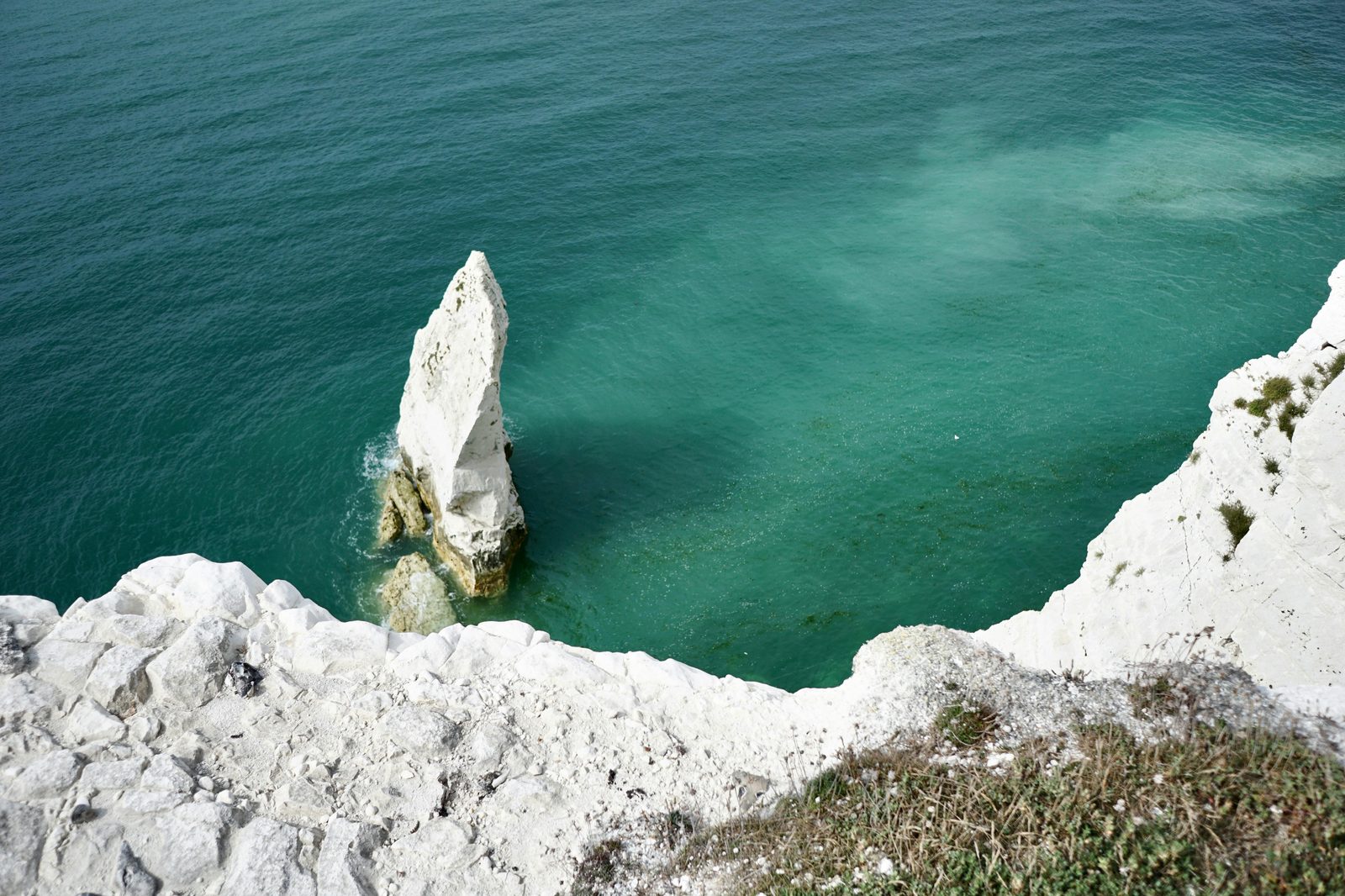
If you want dramatic nature among your day trips from Copenhagen, Møns Klint delivers. The 120-metre chalk cliffs on the east coast of the island of Møn are the highest in Denmark and among the most photogenic in northern Europe. Chalk-white walls plunge straight into turquoise Baltic water, backed by 70 million-year-old beech forest — it looks Caribbean for a country at latitude 55°. Getting there without a car takes planning — our Møns Klint day trip guide lays out every option.
The drive from Copenhagen takes about 1 hour 45 minutes, and public transport takes closer to three hours each way, which is why most visitors either rent a car or join a guided bus tour. At the top of the cliffs, the GeoCenter Møns Klint is a smart little geology museum with a panoramic viewpoint. A steep wooden staircase of 497 steps descends to the beach, where flint fossils — sea urchins and belemnites — lie in the shingle. Bring a bag if you want to bring one home.
What to see at Møns Klint
- The cliffs — walk the clifftop path for the classic turquoise-meets-white panorama.
- 497 steps down to the beach — steep, closed in winter for safety.
- GeoCenter Møns Klint — a 90-minute museum on the geology and dinosaurs. Family-friendly.
- Liselund Park — a small romantic landscaped park 10 minutes’ drive away, with a thatched-roof manor house.
- Fanefjord Church — famous for medieval frescoes; a 20-minute detour.
Practical info — Møns Klint
- Travel time: 1h45 by car or 3h+ by train and bus from Copenhagen.
- Options: Rent a car for the day (cheapest Copenhagen rental from 500 DKK), or join a Møns Klint guided bus tour from Copenhagen (around 750 DKK including GeoCenter entry).
- Admission: Cliffs are free; GeoCenter 165 DKK adult.
- Time budget: A full day regardless of transport.
- Best season: May to September; the steps are closed November to March.
8. Stevns Klint — UNESCO Dinosaur-Extinction Cliffs
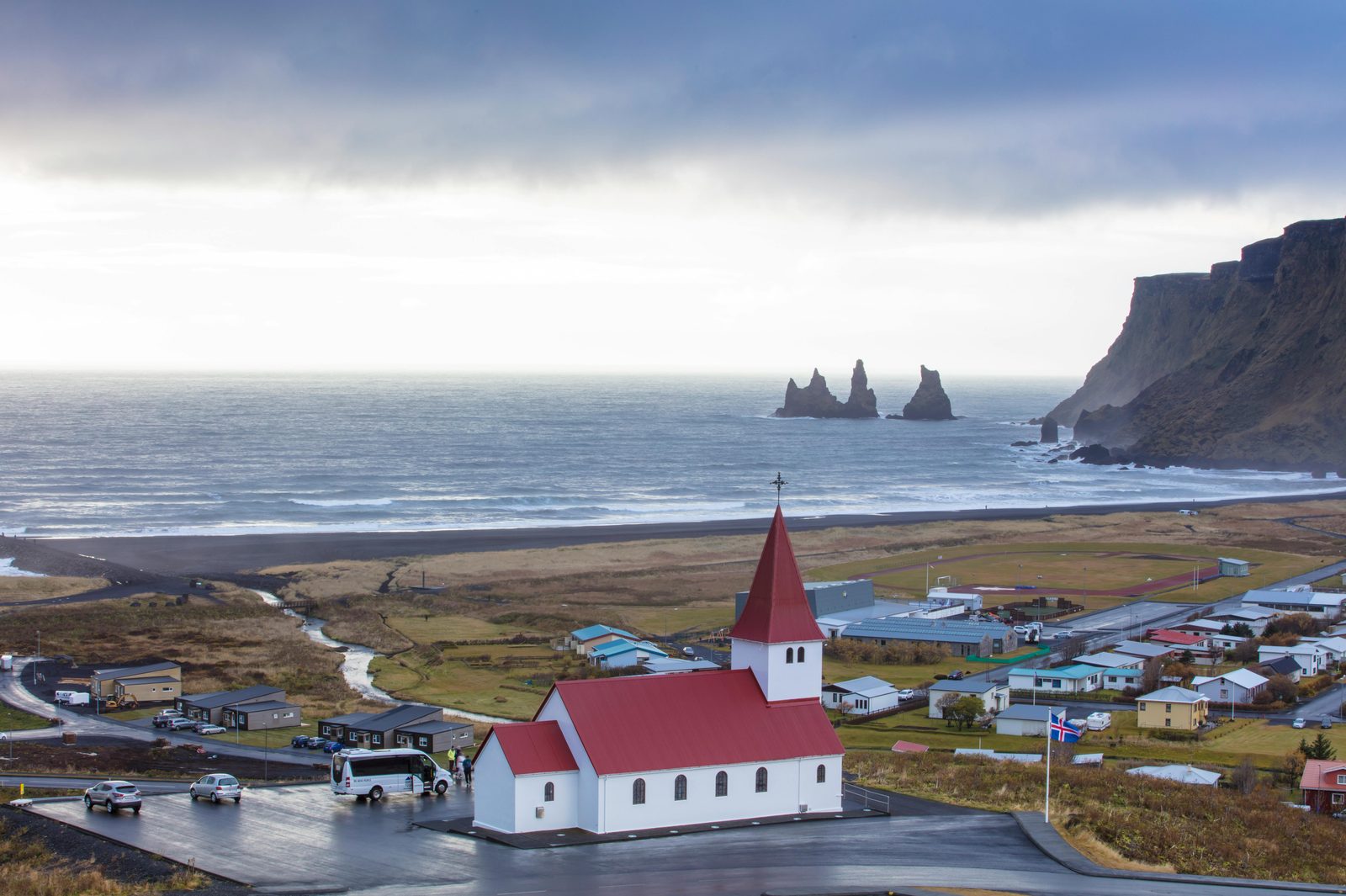
Stevns Klint is the closer, less-crowded cousin of Møns Klint — only about an hour south of Copenhagen — and it comes with a serious scientific credential. In 2014 UNESCO declared Stevns a World Heritage site because it contains the clearest visible trace on Earth of the asteroid impact that killed the dinosaurs 66 million years ago. The dark grey ‘fish clay’ layer between the chalk is packed with iridium from the asteroid itself. The full Stevns Klint day trip guide covers the Cold War fort and how to get there.
You can walk along the 17-km cliff path from Rødvig to Bøgeskov, see the dramatic cliff-edge ruined Højerup Old Church (half of it fell into the sea in 1928), and visit the Cold War-era Stevnsfort, a massive underground NATO installation that was a primary target in any third world war. Many travellers skip Stevns in favour of Møns — but if you have limited time or don’t want to drive three hours, this is the smart substitute.
What to see at Stevns Klint
- Højerup Old Church — the 13th-century church perched on the edge, half-collapsed into the sea; a Danish icon.
- The cliff path — flat coastal walking for as little or as much as you want.
- Stevns Klint Experience — a new visitor centre opened in 2024 with the K-T boundary geology exhibit.
- Stevnsfort Cold War Museum — a vast underground NATO radar and missile base, open summers only.
- The fish-clay K-T boundary — you can literally touch the line between the age of dinosaurs and the age of mammals.
Practical info — Stevns Klint
- Travel time: 1 hour by car; 1h30 by train to Rødvig Station plus a 15-minute walk.
- Ticket: ~100 DKK one way to Rødvig on DSB.
- Admission: Cliff and path free. Experience centre ~140 DKK.
- Time budget: Half a day walking the cliff; a full day including the fort.
- Best season: April to October; winter winds on the cliff path are brutal.
9. Odense — Hans Christian Andersen’s Fairy-Tale Birthplace

Odense, on the island of Funen, is the longest of our day trips from Copenhagen — 1 hour 10 minutes by direct intercity train from Copenhagen, and worth every minute. Denmark’s third-largest city is where Hans Christian Andersen was born in 1805, and the whole old quarter has been preserved as a kind of national literary shrine. The centrepiece is the new H.C. Andersen House museum, designed by Japanese architect Kengo Kuma, opened in 2021 and half-buried in a garden.
The rest of Odense is deeply likeable — a quiet, green, surprisingly hip university city with a compact medieval core, a walkable river, and excellent food at prices 20% lower than Copenhagen. Tinderbox 2026 (a major Danish summer festival) runs at the end of June. If you’re on a Copenhagen trip of five days or more, Odense is the smartest long-distance choice among day trips from Copenhagen.
What to see in Odense
- H.C. Andersen House — the 2021 Kengo Kuma museum around the poet’s birthplace. Allow 2–3 hours.
- H.C. Andersen’s Childhood Home — the tiny cottage he grew up in, a few streets away.
- St. Canute’s Cathedral (Sankt Knuds Kirke) — a red-brick Gothic cathedral with the preserved remains of Saint Canute (King Canute IV) in the crypt.
- Brandts Klædefabrik — a creative old textile-factory quarter reinvented as galleries and street-food halls.
- Fyrtøjet — a children’s cultural house themed around Andersen’s stories, perfect if you’re travelling with kids.
Practical info — Odense
- Travel time: 1h10 by direct IC train from Copenhagen Central. No transfer required.
- Ticket: From 99 DKK one way with DSB Orange (book the day before on the app), or around 300 DKK last-minute.
- Admission: H.C. Andersen House 180 DKK adult.
- Time budget: Full day. Leave Copenhagen by 08:00 and you can be back by 20:00 with a long lunch and two museums.
- Best paired with: Nyborg Castle on the way back (a small 12th-century fortress at the bridgehead to Zealand) if you have your own car.
10. Lund, Sweden — The Medieval University Town

Lund is the most underrated of all day trips from Copenhagen. A 50-minute Øresund train from Copenhagen drops you in a cathedral town founded in 990 AD, home to Scandinavia’s oldest university (1666) and one of the best-preserved medieval cores in Sweden. Where Malmö is busy and modern, Lund is quiet, cobbled, full of bicycles and bookshops, and stunning in every season.
The Lund Cathedral (Lunds domkyrka) is the oldest Romanesque cathedral in northern Europe, consecrated in 1145. At noon every day, its astronomical clock from 1425 chimes and three wooden kings emerge. The university quarter spreads out around Kungshuset and the Lundagård park, and the Kulturen open-air museum — 30+ historic buildings moved here since 1892 — is one of the oldest museums of its type in the world.
What to see in Lund
- Lund Cathedral — 12th-century Romanesque; don’t miss the noon clock show.
- Kulturen — an open-air history museum with 30 reconstructed houses from across Sweden.
- Lund University and Universitetsbiblioteket — the university library dates from 1907, photogenic inside and out.
- Lundagård park and Kungshuset — the old royal residence at the heart of student life.
- Historical Museum of Lund — Viking and medieval Scandinavia; the largest Viking collection in Sweden after Stockholm.
Practical info — Lund
- Travel time: 50 minutes on the Øresundståg from Copenhagen Central.
- Ticket: ~125 DKK one way; children under 12 free.
- Admission: Cathedral free. Kulturen 120 SEK.
- Time budget: 5–6 hours. Lund is tiny and walkable.
- Best paired with: Malmö on the way back. The Øresund train stops at Malmö Central — you can spend the morning in Lund and the afternoon in Malmö for one ticket.
11. Dyrehaven and Bakken — The UNESCO Deer Park
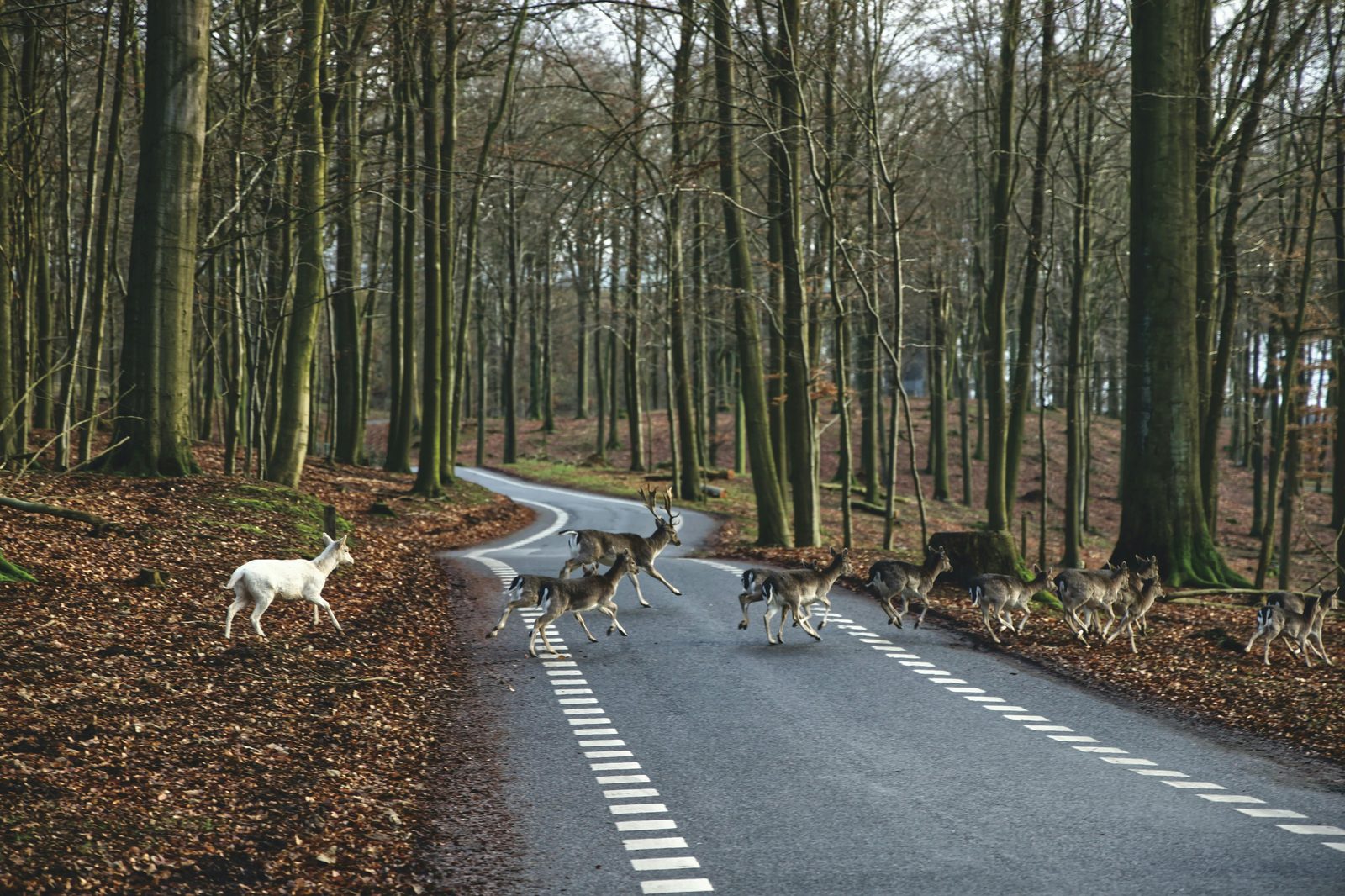
Just 20 minutes north of Copenhagen by S-train, Jægersborg Dyrehave is a 1,000-hectare royal hunting park that’s been protected since 1670 and was added to the UNESCO World Heritage list in 2015 as part of the Par Force Hunting Landscape. Today around 2,000 red, fallow and sika deer roam free, and the park’s ancient oak-lined avenues radiate from the 18th-century Eremitage Palace at the centre.
At the southern edge of the park, next to Klampenborg Station, is Bakken — officially the world’s oldest operating amusement park, open since 1583 and still running a wooden rollercoaster from 1932. Admission is free; you pay only for the rides. Pair the deer park walk with a few Bakken rides and an outdoor lunch and you have one of the most classic day trips from Copenhagen, especially for families.
What to see in Dyrehaven and Bakken
- Eremitage Palace — the 1736 hunting lodge at the centre of the park. You can walk to it along 18th-century hunting avenues.
- Deer herds — autumn rutting season (September–October) is the most dramatic; spring calves are born in May.
- Bakken amusement park — free entry, 70+ rides including the 1932 Rutschebanen wooden coaster. Open late March to late August.
- Dyrehavsbakken Forest — a lovely 2–3-hour walking loop from Klampenborg back to the station via Eremitagen.
- Bellevue Beach — right next to Klampenborg Station, one of the closest sandy beaches to Copenhagen for a summer swim.
Practical info — Dyrehaven / Bakken
- Travel time: 20 minutes by S-train line C from Nørreport or København H to Klampenborg.
- Ticket: ~40 DKK one way, covered by Copenhagen Card.
- Admission: Dyrehaven free, Bakken free entry, Bakken rides pay-as-you-go or unlimited ride band from 289 DKK.
- Time budget: 3–5 hours; a full day if you add Bakken plus Bellevue.
- Best paired with: this is the classic family excursion — see our Copenhagen with kids guide for the full family plan.
12. More Day Trip Options — Koge, Hornbaek, Aarhus and Beyond
The twelve options above cover 90% of visitors’ needs, but a week-long stay unlocks a few more excursions worth knowing about:
- Køge — a pretty medieval merchant town 35 minutes south with Denmark’s largest concentration of 17th-century half-timbered houses. Underrated.
- Hornbæk and the Danish Riviera — a string of sandy beaches and summerhouse towns on the North Zealand coast. Hornbæk Station is 1 hour by DSB, and the beach is a 5-minute walk.
- Aarhus — Denmark’s second city, about 3 hours by direct train. Too far for most day trips, but doable with an early start; see our Copenhagen to Aarhus guide on whether to day-trip or stay over. Worth it for the ARoS rainbow panorama and the Old Town open-air museum.
- Egeskov Castle — a 16th-century moated castle on Funen, 1h45 by train. Often combined with Odense.
- Bornholm — Denmark’s sunny Baltic island, around 3 hours by train plus ferry and only realistic as a 2-day trip; we plan it out in the Copenhagen to Bornholm guide.
- Christiansø — a fortified speck of an island in the Baltic beyond Bornholm, and Denmark’s smallest inhabited community. It only makes sense bolted onto a Bornholm trip — see the Christiansø day trip guide.
- Rungstedlund — the home of Karen Blixen (Isak Dinesen, Out of Africa) 30 minutes north on the coastal line; now a small museum and garden.
Of these, Køge and Hornbæk fit into a proper day excursion. Aarhus, Egeskov and Bornholm really deserve an overnight — if your itinerary allows, consider staying over and treating them as mini-breaks rather than trying to squeeze them into one day from Copenhagen.
Copenhagen Day Trip Comparison Table
Quick-glance comparison of all twelve destinations. Travel times are from Copenhagen Central Station (København H).
| Destination | Travel time | One-way fare (DKK) | Best for | Season |
|---|---|---|---|---|
| Malmö (Sweden) | 35 min train | ~110 | Food, architecture, easy international | Year-round |
| Roskilde | 25 min train | ~55 | History, Vikings, UNESCO cathedral | Year-round |
| Louisiana Museum | 35 min train + walk | ~64 | Modern art, architecture, sea views | Year-round |
| Kronborg (Helsingør) | 45 min train | ~115 | Castles, Shakespeare, maritime history | Year-round |
| Frederiksborg (Hillerød) | 40 min S-train | ~40 | Castles, Baroque gardens, royal history | Year-round |
| Dragør | 35 min bus | ~36 | Fishing village, relaxed half-day | May–Sep best |
| Møns Klint | 1h45 by car | Rental or tour | Nature, chalk cliffs, hiking | May–Sep |
| Stevns Klint | 1h–1h30 | ~100 | Nature, UNESCO geology | Apr–Oct |
| Odense | 1h10 train | 99–300 | Literature, H.C. Andersen | Year-round |
| Lund (Sweden) | 50 min train | ~125 | Medieval university town | Year-round |
| Dyrehaven + Bakken | 20 min S-train | ~40 | Families, wildlife, amusement park | Bakken: Mar–Aug |
| Køge / Hornbæk | 35 min–1h | ~55–80 | Low-key Danish towns and beaches | May–Sep |
How to Choose Between Day Trips from Copenhagen
If you still can’t decide, here is a simple decision tree based on traveller type. All recommendations assume a first-time visitor with 1–3 spare days on their Copenhagen itinerary.
By interest
- History / Vikings: Roskilde → Kronborg → Frederiksborg in that order.
- Modern art and architecture: Louisiana is non-negotiable. Add the Maritime Museum next to Kronborg.
- Nature and hiking: Møns Klint if you have a car; otherwise Stevns Klint or Dyrehaven.
- Families with young children: Dyrehaven + Bakken, then Dragør for a slow second day.
- Foodies: Malmö or Lund — lower Scandinavian prices, great food halls, and a fresh set of New Nordic restaurants.
- Literature / fairy tales: Odense — Andersen’s Denmark is a real pilgrimage.
- Rainy-day fallback: Louisiana Museum beats any outdoor excursion the moment it rains.
By length of stay
- Just one free day: pick Kronborg (most visually dramatic) or Louisiana (best all-weather choice).
- Two free days: Louisiana + Kronborg together (same train line), plus Roskilde.
- Three free days: add Malmö on day three, or Frederiksborg if you skipped it.
- A full week: work your way down the list, pairing Lund + Malmö into a single Sweden day and Stevns + Køge into a single south-Zealand day.
Practical Tips for Day Trips from Copenhagen
Booking trains
- Download the DSB app before you fly out. It sells tickets for every destination in this guide.
- For trips to Odense, buy DSB Orange tickets the day before for fares as low as 99 DKK. These are non-refundable but released 60 days in advance.
- For international trips to Malmö or Lund, use Øresundståg or DSB. Both depart from Copenhagen Central.
- Children under 12 travel free with a paying adult on all DSB and Øresundståg services.
- Trains run approximately every 10–30 minutes to every destination on this list during daylight hours.
What to bring
- Passport for any trip to Sweden (Malmö, Lund, Helsingborg).
- A light waterproof regardless of season — Danish coastal weather turns fast.
- Sturdy shoes for cobbled old towns (Dragør, Roskilde, Odense) and clifftop paths (Møns, Stevns).
- Cash is rarely needed — Denmark and Sweden are essentially cashless. A contactless card or Apple Pay covers 99% of transactions.
- Snacks — Danish station food is better than most, but long trips to Odense benefit from a home-packed lunch.
Timing your day
Leave Copenhagen on the 08:00–09:00 departures to maximise daylight, beat the tour-bus crowds at Kronborg and Louisiana, and catch the morning noon-clock chime at Lund Cathedral. Return trains run until past midnight in summer and until about 23:00 in winter. None of these day trips from Copenhagen require an overnight — every option here fits comfortably in a single day from a Copenhagen base.
Day Trips from Copenhagen — Frequently Asked Questions
What are the best day trips from Copenhagen for a first-time visitor?
For first-time visitors, the top two day trips from Copenhagen are Kronborg Castle and Louisiana Museum. Kronborg is Shakespeare’s Hamlet setting, 45 minutes by direct train, UNESCO World Heritage, and pairable with Helsingør old town. Louisiana is the best choice for art lovers and the smartest all-weather option. Both are on the same coastal train line, so ambitious travellers do both in one long day.
Can I include Sweden among my day trips from Copenhagen?
Yes, easily. Malmö is 35 minutes and Lund is 50 minutes by direct train from Copenhagen Central over the Øresund Bridge. You’ll need your passport — ID checks are random but do happen — and a one-way ticket costs around 110–125 DKK. Most visitors combine Lund in the morning with Malmö in the afternoon as a single day trip from Copenhagen to Sweden.
Is the Copenhagen Card worth it for day trips from Copenhagen?
If you’re doing two or more castles, yes. The Copenhagen Card covers Kronborg, Frederiksborg, Louisiana, the Viking Ship Museum, Den Blå Planet and Bakken rides, plus all DSB and S-trains within zones 1–99. On a 3-day card with one castle and Louisiana, you’ll break even. Add a Roskilde trip and you’re clearly ahead. For a single excursion, buy single tickets on the DSB app instead.
How far in advance should I book train tickets for day trips from Copenhagen?
For short trips (Roskilde, Kronborg, Malmö, Lund, Louisiana, Frederiksborg), you don’t need to book ahead — fares are fixed and the DSB app sells them in real time. For Odense and longer intercity trips, book DSB Orange fares the day before for the cheapest price (99 DKK instead of 300 DKK walk-up). Tickets for Møns Klint guided bus tours should be booked at least a week ahead in summer.
Can I do Møns Klint as a day trip without a car?
Technically yes — train plus connecting bus — but it takes three hours each way and severely cuts your time at the cliffs. Better options are to rent a car (500–700 DKK for the day from Copenhagen) or to book a guided Møns Klint bus tour (around 750 DKK including GeoCenter entry). If Møns Klint feels like too much logistics, Stevns Klint is the cleverer substitute — UNESCO credentials, closer, and easily reached by train plus a 15-minute walk.
What are the best day trips from Copenhagen with kids?
Dyrehaven plus Bakken is the easy winner — 20 minutes by S-train, free entry to the deer park and amusement park (you pay for rides), and plenty of space for children to run. For something more educational, the Viking Ship Museum in Roskilde is hands-on and genuinely gripping for school-age kids. For rainy days, the Experimentarium at Hellerup or Den Blå Planet aquarium (both 15–20 minutes from Copenhagen) work better. See the full family guide for more ideas.
Are Berlin or Stockholm realistic day trips from Copenhagen?
No. Berlin is 7 hours by train or a 1-hour flight plus transfer — a minimum 2-day trip. Stockholm is 5 hours by train, also an overnight trip at best. For international day-trip range from Copenhagen, stick to Malmö, Lund and Helsingborg. Longer trips to Oslo or Hamburg are possible but need an overnight.
Do I need cash for day trips from Copenhagen?
Almost never. Denmark and Sweden are two of the most cashless countries in the world — even the smallest rural café takes contactless cards. A few truly tiny attractions (Amager Museum in Dragør, some Stevns Klint parking meters) still like coins, but these can be paid via app. Bring a credit card with no foreign-transaction fees and you’re set.
Plan Your Copenhagen Base for These Day Trips
Every destination in this guide assumes you’re based in Copenhagen itself. If you haven’t booked yet, see our complete where to stay in Copenhagen guide for neighbourhood breakdowns — for easy access to day trips from Copenhagen, stay close to Copenhagen Central Station (Indre By, Vesterbro or Nørreport) so you can be on a train in ten minutes.
If you’re still building your Copenhagen plan, our Copenhagen itinerary guide shows how to fit day trips from Copenhagen into a 3-, 5- or 7-day schedule. For when to go, read the best time to visit Copenhagen guide — most day trips from Copenhagen run year-round, but Møns Klint, Dragør and Dyrehaven are noticeably better in summer.
Ready to pick your first day trip? We recommend starting with Roskilde or Kronborg on day two of any Copenhagen visit — both are under an hour, both are rewarding in any weather, and both give you a sense of the wider Zealand landscape that Copenhagen sits in. Every one of these day trips from Copenhagen is stress-free, under an hour in most cases, and covered by standard DSB tickets. Go explore.
The best Copenhagen visits use the city as a base, not as a destination. Half your week should be inside Copenhagen and half beyond it — that is how you come home with a real sense of Denmark.
copenhagentourism.org editorial
Day trips are the best use of a fourth day and a poor use of a second. If you are still deciding how long to stay, our guide to how many days you need in Copenhagen works out when it makes sense to leave the city and when it does not.
Travelling with children? Our family day trips from Copenhagen ranking reorders these by travel time, family cost and the ages each one suits.


