
Danes call Bornholm “the sunshine island,” and they say it with a particular fondness — this little Baltic outpost, closer to Sweden and Poland than to the Danish mainland, gets more sun than anywhere else in the country and packs an absurd amount of good things into a small space: the largest castle ruin in Northern Europe, medieval round churches, white-sand beaches, a serious art-and-craft scene, and smokehouses turning out the herring that defines Danish summer. A Copenhagen to Bornholm trip is the most rewarding multi-day escape in this whole guide, and two days is just enough to fall for it.
One important heads-up before we start, because nearly every other guide gets it wrong: the cheap direct bus from Copenhagen stopped running in April 2026. So let me give you the genuinely current 2026 options, then a two-day plan that makes the most of the island.
Copenhagen to Bornholm at a glance
- Train + fast ferry (via Ystad): ~3.5 hours, the best no-car option
- Direct ferry from Køge: ~5.5 hours (an overnight sailing exists)
- Fly: ~35 minutes, Copenhagen to Rønne
- Heads-up: the old direct Copenhagen–Rønne bus ended in April 2026
- Passport: needed if you transit Sweden via Ystad
- Ideal length: 2 days minimum; 3–4 to do it justice
How to get from Copenhagen to Bornholm
Train + fast ferry via Ystad
The classic route: take a train from Copenhagen across to Ystad in Sweden (changing at Malmö), timed to connect with the Bornholmslinjen fast ferry, which crosses to Rønne in about 80 minutes. Door to door it’s roughly 3.5 hours, and you can buy it as a single combined ticket. Because you pass through Sweden, carry your passport or national ID — spot border checks happen.
Direct ferry from Køge
If you’d rather stay entirely within Denmark, the ferry from Køge (about 40 minutes south of Copenhagen by S-train) sails directly to Rønne in around 5.5 hours, including a handy overnight sailing. Slower, but no Sweden transit and no ID fuss.
Fly
The fastest option by far: DAT flies Copenhagen to Bornholm Airport (Rønne) in about 35 minutes, several times a day. For a tight two-day trip, flying in and out maximises your time on the island and is well worth considering. For the wider context of getting around the region, my getting around Copenhagen guide is a useful primer.
Getting there: the options compared
| Option | Time | Pros | Cons |
|---|---|---|---|
| Train + fast ferry (via Ystad) | ~3.5 hrs | One combined ticket; scenic; frequent | Transits Sweden (passport); a change of mode |
| Ferry from Køge | ~5.5 hrs | All-Danish; overnight option; relaxed | Slowest; Køge is south of the city |
| Fly (CPH–Rønne) | ~35 min | By far the fastest; maximises a short trip | Priciest; less scenic; book ahead |
For a two-day trip, I usually fly at least one way to claw back time on the island. For a more leisurely long weekend, the train-and-ferry combo is the classic, atmospheric choice.
Getting around Bornholm
Bornholm is made for cycling — the signposted Cycle Route 10 loops the entire island in about 105 km of mostly dedicated paths, with short distances between sights and constant sea views. Rentals (including e-bikes, ideal for the hillier north) are easy to find in Rønne and the towns. If you’d rather not pedal, a rental car gives the most freedom, and the BAT public buses connect every town and most attractions, with bike racks on board. For a two-day trip without a car, a mix of bus and e-bike works beautifully.
What to see in two days
Hammershus
Start with the showstopper. Hammershus, on the dramatic northwest cliffs, is the largest castle ruin in Northern Europe — sprawling stone walls perched 74 metres above the sea, free to explore, with a smart visitor centre. Pair it with a walk on the wild Hammerknuden headland and the emerald Opalsøen lake nearby.
The round churches
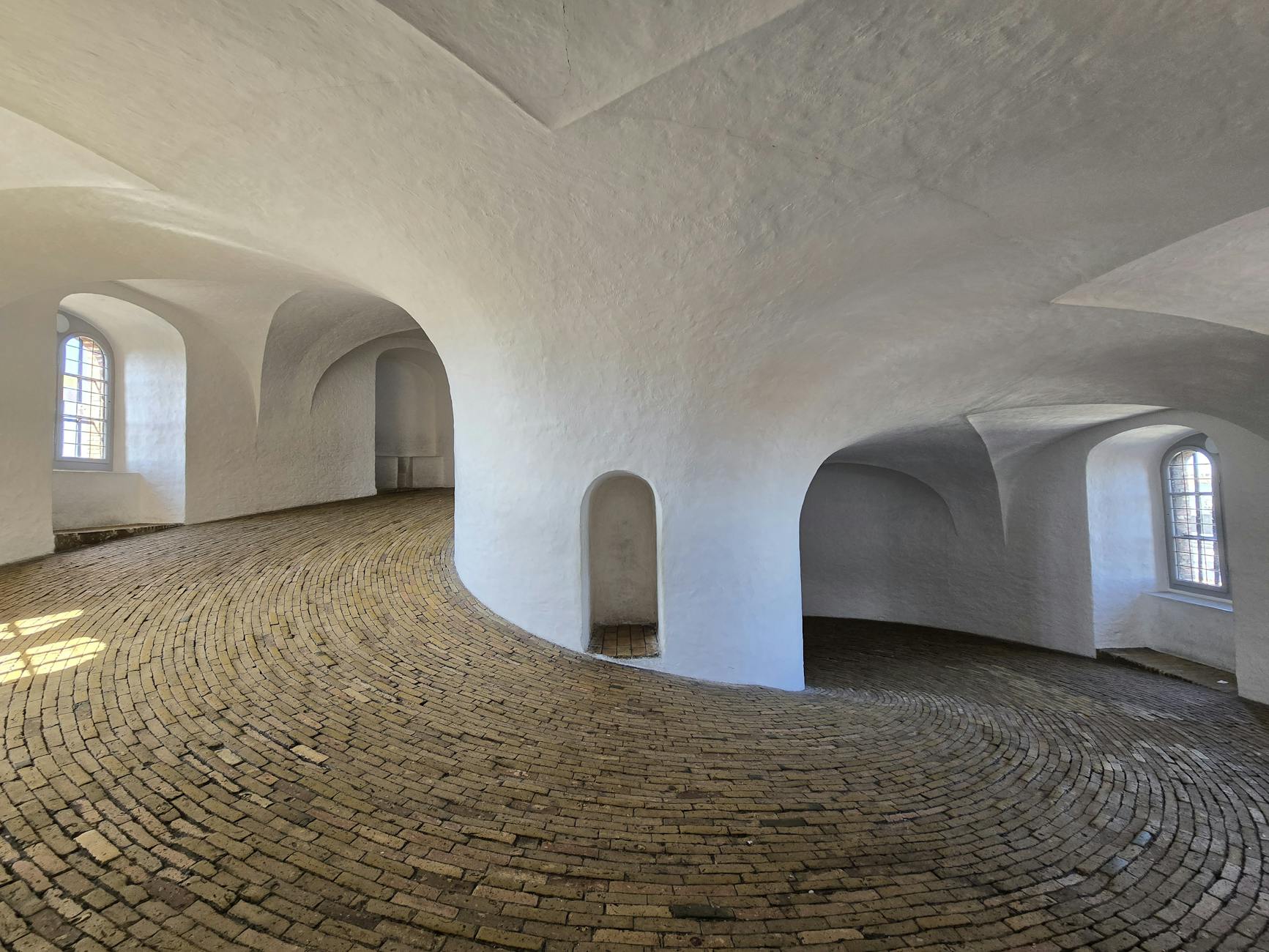
Bornholm’s four 12th-century round churches (rundkirker) are unique — whitewashed, fortress-like, built to be both sacred and defensible. Østerlars is the largest and most striking, with a massive central pillar and faint Romanesque murals. They’re scattered across the island and make great cycling waypoints.
Svaneke and Gudhjem
Svaneke, on the east coast, is Denmark’s best-preserved market town — a maze of 16th- and 17th-century streets, with the easternmost brewery in the country, Svaneke Bryghus, and a thriving crafts scene. Just up the coast, the cliffside fishing village of Gudhjem is all smokehouses and windmills — and it’s the harbour from which the ferry sails to the tiny island of Christiansø — an unmissable half-day hop I cover in detail below.
Beaches, cliffs and art
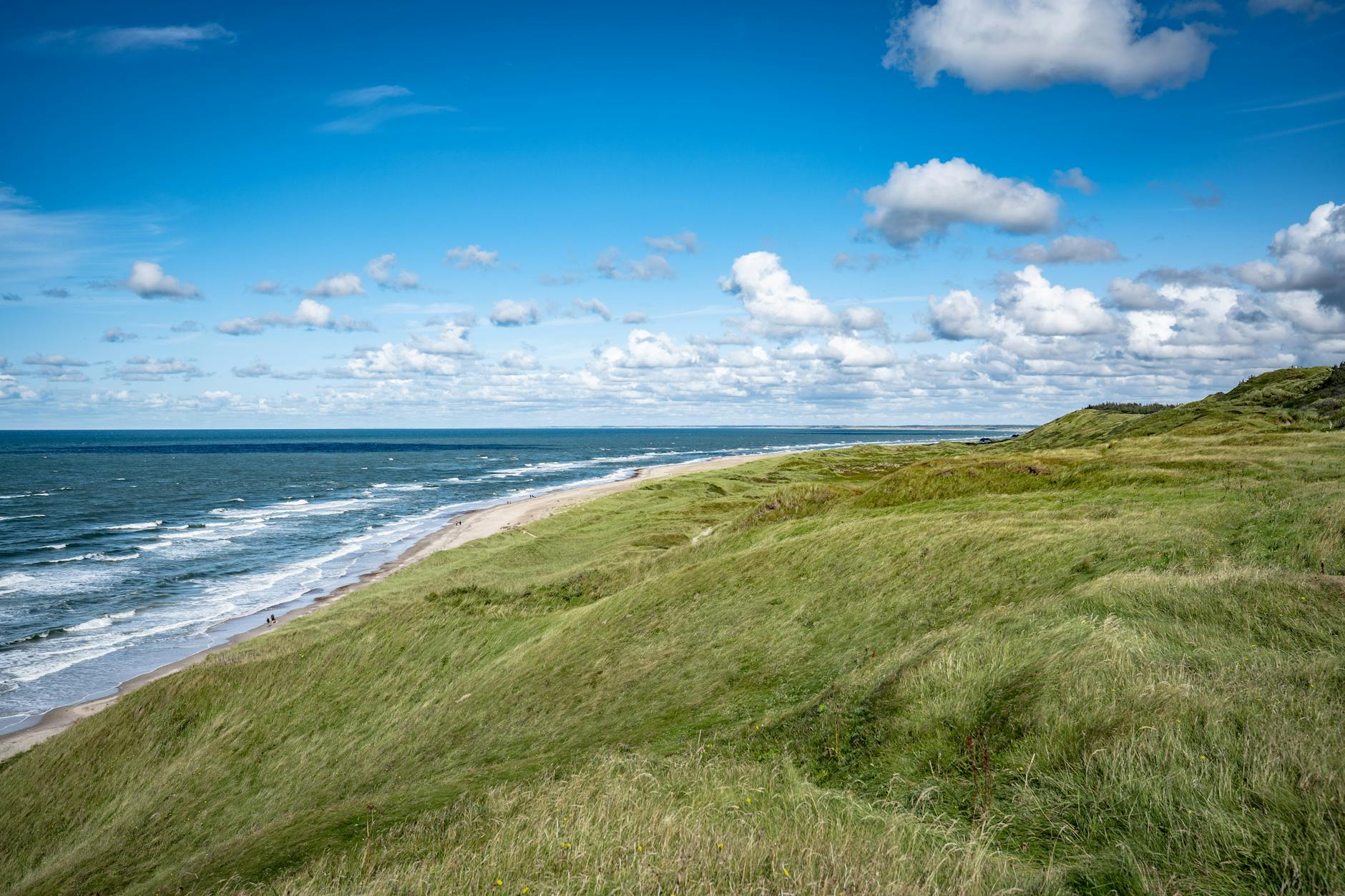
In the south, Dueodde is a glorious sweep of fine white sand and dunes — the sand was once so fine it was used in hourglasses. North of Gudhjem, the Helligdomsklipperne sea cliffs sit beside the award-winning Bornholms Kunstmuseum. The island also has a renowned glass and ceramics scene, with studios like Baltic Sea Glass worth seeking out, and the family-friendly NaturBornholm science centre near Aakirkeby.
What to eat: smoked herring and more
You haven’t done Bornholm until you’ve eaten “Sol over Gudhjem” — “sun over Gudhjem,” a piece of smoked herring on dark rye, topped with a raw egg yolk, radish, chives and onion. Eat it at a working røgeri (smokehouse); Gudhjem, once known as the town of a hundred chimneys, is the spiritual home. Beyond herring, the island is a genuine food destination, with local ice cream, Svaneke beer, artisan producers, and even a Michelin star at Kadeau on the south coast — a fitting extension of the wider Copenhagen food scene.
A suggested 2-day itinerary
Day 1 — the north: arrive in Rønne, head straight for Hammershus and a walk on Hammerknuden, lunch in Sandvig or Allinge, then the Helligdomsklipperne cliffs and Bornholms Kunstmuseum, finishing with a smokehouse dinner in Gudhjem. Stay the night in Gudhjem or Svaneke, which keeps day two short on transit.
Day 2 — the east and south: visit the Østerlars round church, wander Svaneke (brewery, crafts, that perfect old townscape), then either relax on Dueodde beach in the south or, if your timing allows, take the ferry from Gudhjem to Christiansø, before heading back to Rønne or the airport.
Where to stay on Bornholm
For a two-day trip, base yourself on the east or north coast rather than in Rønne, so you wake up near the prettiest scenery. Gudhjem is my top pick — cliffside charm, smokehouses on the doorstep, and the Christiansø ferry leaving from its harbour. Svaneke is equally lovely and a touch quieter. Both have a good range of guesthouses, small hotels and holiday apartments. Rønne makes sense only if you’re flying out early and want to be near the airport and ferry port. In July and August, book accommodation well ahead — the island fills up.
Exploring Bornholm by bike
If you’re at all comfortable on two wheels, cycling is the quintessential Bornholm experience. The island is laced with dedicated, mostly traffic-free paths, and the signposted Cycle Route 10 loops the whole coast in about 105 km, broken into four manageable stages. Distances between towns are short, the scenery is constant, and e-bikes (widely rented, with charging points across the island) flatten the hillier north so you don’t have to be an athlete. For a two-day trip you might cycle a single stage — say Gudhjem to Svaneke along the east coast — rather than the whole loop, mixing in the BAT buses, which carry bikes, for the longer hops. It’s the way the island is meant to be seen — and if cycling in Denmark is new to you, our bike rental in Copenhagen guide covers the basics before you go.
Visiting Bornholm with kids
Bornholm is a wonderful family destination. The white-sand beach and shallow water at Dueodde are made for children, the Hammershus ruins are a giant adventure playground of history, and NaturBornholm in Aakirkeby is a hands-on nature and science centre that’s a hit on a rainy day. Watching herring being smoked at a røgeri, spotting seabirds on the Christiansø ferry, and renting bikes with child seats or trailers all add up to an easy, active trip. The short flight makes the journey painless with little ones, and the island’s low-key, safe feel lets families relax.
Best time to visit
Bornholm is firmly a summer island — May to September is when the sun shines, the ferries and flights run most often, and the smokehouses, Christiansø ferry and attractions are all open. Late May to June and September are the sweet spots: warm enough, but quieter and cheaper than the July–August peak. Be aware that much of the island goes quiet off-season, with reduced transport and many seasonal spots closed. My best time to visit Copenhagen guide gives the broader seasonal picture.
Mistakes to avoid
- Booking the old direct bus. It ended in April 2026 — use the train+ferry, the Køge ferry, or fly.
- Forgetting your passport. You need ID if you transit Sweden via Ystad.
- Expecting a direct Copenhagen ferry. There isn’t one — it’s Køge or via Sweden.
- Not pre-booking in peak season. Ferries, flights, cars and bikes sell out in July–August.
- Trying to see it all in two days without a plan. Pick north on day one, east/south on day two.
Is a Bornholm trip worth it?
More than worth it — Bornholm is, for my money, the most complete getaway near Copenhagen: history, dramatic coast, beaches, food and a relaxed island rhythm all in one place. Two days gives you a proper taste; three or four lets you slow right down. It’s the grand finale of a Danish summer trip — and don’t leave without the ferry hop to Christiansø. If your route takes you through Sweden, you might also enjoy breaking the journey with a Malmö day trip or a castle stop like Kronborg on the way out of the city.
The art, craft and design scene
Bornholm has quietly become one of Scandinavia’s most important hubs for arts and crafts, and it’s a thread worth following around the island. The clear Baltic light has drawn painters for over a century — the “Bornholm School” of modernists is celebrated at the clifftop Bornholms Kunstmuseum, one of the most beautifully sited museums in Denmark. The island is especially famous for glass and ceramics: studios like Baltic Sea Glass near Gudhjem let you watch glassblowers at work, and the former Nexø ceramics tradition lives on in workshops across the island. Many makers open their studios to visitors, so you can buy directly from the artist. If you collect handmade things, leave room in your luggage.
A taste of Bornholm: the food producers
Beyond the smoked herring, Bornholm markets itself — rightly — as a gourmet island, and the density of quality producers is remarkable for somewhere so small. Alongside the working smokehouses (røgerier), you’ll find artisan caramel and candy makers (the famous Bornholm bolcher), local ice-cream dairies, the Svaneke Bryghus brewery, mustard and chocolate makers, and farm shops selling the island’s produce. At the top end, Kadeau holds a Michelin star for its terroir-driven New Nordic cooking on the south coast. Following your appetite is honestly one of the best ways to plan a Bornholm itinerary — the island rewards grazing.
Stretching it to three or four days
Two days covers the headlines, but Bornholm genuinely rewards a longer stay if you can spare it. With three or four days you can slow the pace dramatically: cycle a full stage of the coastal route, spend a lazy afternoon on the white sands of Dueodde, take the ferry across to Christiansø without rushing, work through the round churches and art studios, and still have time for long smokehouse lunches. The island shifts from “things to tick off” to “a place to simply be,” which is its real magic. If you’ve come all the way from Copenhagen, and especially if you’ve flown in to save travel time, those extra days are easy to justify.
Practical tips for your trip
A few final pointers. Book transport and accommodation early for July and August — the island is hugely popular with Danes and Germans in peak summer, and ferries, flights, hire cars and the best guesthouses fill up. If you’re transiting Sweden via Ystad, keep your passport or ID handy. Bornholm is best with your own wheels — a hire car or bike — as bus times can be sparse outside summer. Many attractions, smokehouses and the Christiansø ferry are seasonal, running roughly April/May to October, so an off-season visit is quieter but more limited. And bring layers: even the “sunshine island” gets Baltic breezes off the water.
Bornholm in a nutshell: why go
If you’re still weighing whether Bornholm justifies the journey from Copenhagen, here’s the case in brief. Nowhere else in Denmark concentrates so much variety into a single, bikeable island: a clifftop castle ruin that rivals anything on the mainland, four round churches found nowhere else in the world, white-sand beaches that wouldn’t look out of place in the Baltic’s holiday brochures, a food culture built on smoke and craft, and a thriving community of artists drawn by that famous clear light. Add the easy day-hop to Christiansø and you have a destination that feels far more remote and distinctive than its modest size suggests. It takes a bit more effort to reach than a quick train ride up the coast — but that effort is exactly why it stays uncrowded and unspoiled, and why the Danes who go once tend to keep going back.
A note on slow travel
Bornholm rewards a change of pace. This isn’t a place to power through a checklist; it’s a place to rent a bike, follow the coast, stop at a smokehouse when you smell one, and let the island set the rhythm. The distances are short, the roads are quiet, and the sea is never far away. If you arrive with a rigid hour-by-hour plan, loosen it — some of the best moments here are the unplanned ones: a deserted cove, a potter’s open studio, a sunset from a harbour wall with an ice cream in hand. Build in slack, and the sunshine island will do the rest.
Frequently asked questions
How do you get from Copenhagen to Bornholm?
By train and fast ferry via Ystad in Sweden (~3.5 hours), by direct ferry from Køge (~5.5 hours), or by a 35-minute flight to Rønne. The old direct bus stopped running in April 2026.
Is there a direct ferry from Copenhagen to Bornholm?
Not from Copenhagen itself. The direct Danish ferry sails from Køge, about 40 minutes south of the city; otherwise you go via Ystad in Sweden.
Do you need a passport to go to Bornholm?
Yes, if you travel via Ystad in Sweden, as there can be border checks. The Køge ferry and the flight stay within Denmark.
How many days do you need in Bornholm?
Two days covers the highlights; three to four lets you explore at a relaxed pace and add the Christiansø ferry.
Can you visit Bornholm without a car?
Yes — the island is excellent for cycling (Cycle Route 10 loops it in ~105 km), and BAT buses connect all the towns and main sights.
What is Bornholm famous for?
Smoked herring (“Sol over Gudhjem”), its four medieval round churches, the Hammershus castle ruin, white-sand beaches, a strong glass-and-ceramics scene, and being Denmark’s sunniest spot.
Don’t miss the ferry to tiny Christiansø from Gudhjem, and browse all the day trips from Copenhagen to round out your itinerary.
Last updated: July 2026. Photos via copenhagentourism.org.


