
Tucked into the Baltic, an hour’s sail beyond Bornholm, there’s a place that feels like it slipped out of time: a 17th-century fortress island with no cars, no dogs, around ninety permanent residents, and a quirk of governance that makes it unlike anywhere else in Denmark — it’s run directly by the Ministry of Defence. This is Christiansø, Denmark’s smallest community and its easternmost point, and a Christiansø day trip is one of the most offbeat, memorable little adventures the country offers.
Let me be upfront about one thing, because it trips people up: you cannot reach Christiansø from Copenhagen and back in a single day. It’s reached from Bornholm. But if you’re already planning a Bornholm trip — and you should be — fitting in Christiansø is gloriously worth it. Here’s exactly how.
Christiansø day trip at a glance
- Where: the Ertholmene islands, ~18 km northeast of Bornholm
- Getting there: ferry from Gudhjem on Bornholm (~1 hour)
- Not reachable as a same-day trip directly from Copenhagen — go via Bornholm
- Ferry fare: around 260 DKK adult return (more in high season)
- Time on the island: typically ~3 hours on a day trip
- No cars, no dogs, no bikes on the ferry — just your own two feet
How to get to Christiansø
First, get to Bornholm
Christiansø is a two-leg journey, and the first leg is reaching Bornholm. From Copenhagen your options are the train-and-fast-ferry combination via Ystad in Sweden (~3.5 hours), the direct ferry from Køge, or a quick 35-minute flight to Rønne. I’ve laid all of this out in detail in my Copenhagen to Bornholm guide — start there to plan the bigger trip.
Then, the ferry from Gudhjem
From the pretty harbour town of Gudhjem on Bornholm’s north coast, the Christiansøfarten ferry has been making the crossing since 1959. The sail takes about an hour. In 2026, departures from Gudhjem are typically around 10:00–10:30 in the morning with a 13:00 return (with extra and evening sailings in peak summer), giving day-trippers roughly three hours ashore. Adult return fares are about 260 DKK (closer to 320 in high season). Book online, collect your ticket in the red shed at the harbour, and be at the quay 15 minutes before departure. Two firm rules: bicycles are not allowed on board, and dogs are banned on the islands altogether (there’s even a dog-minding service in Gudhjem).
The story of Christiansø
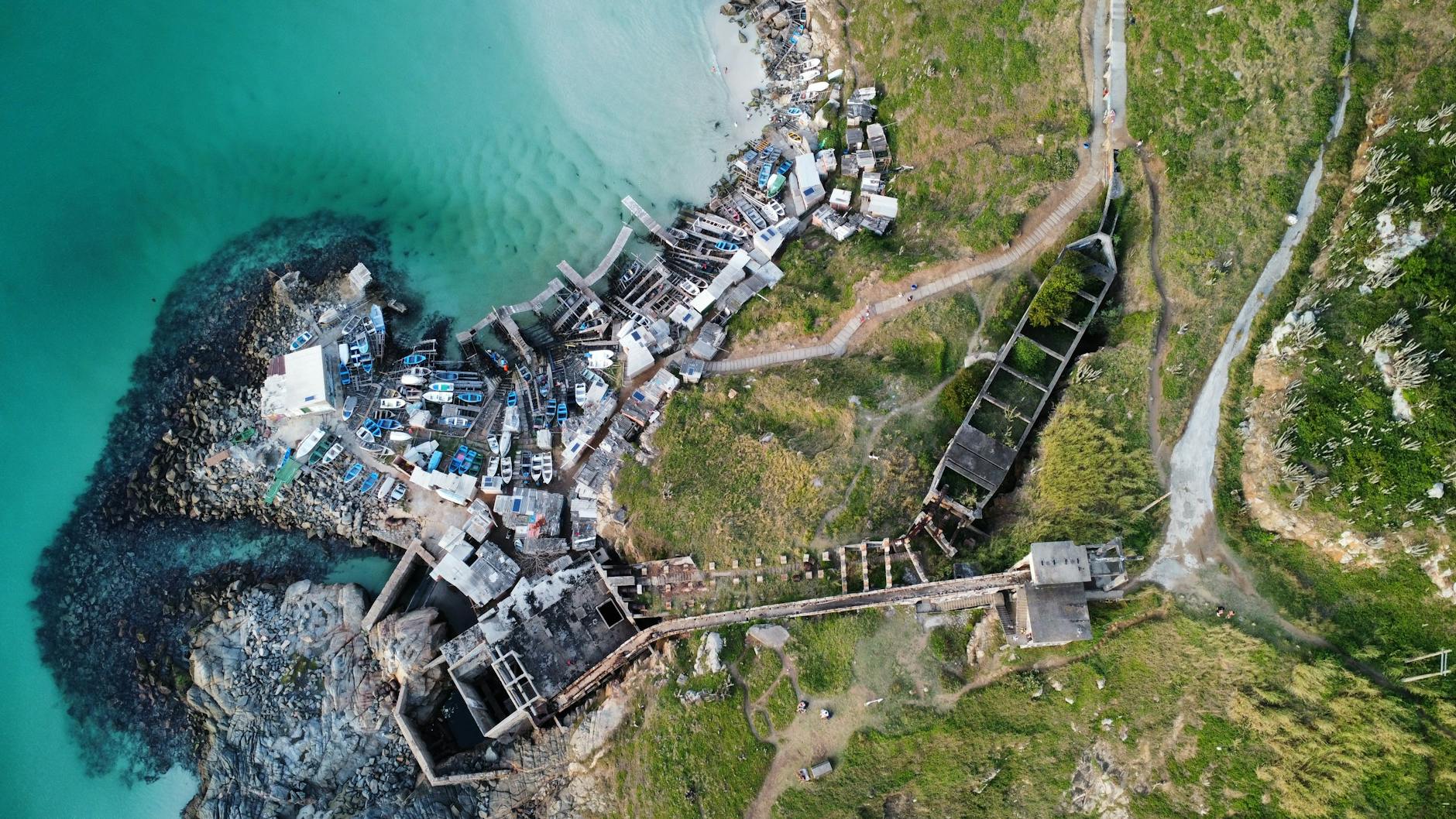
This is no ordinary island, and the history is half the appeal. After Denmark lost the provinces of Scania to Sweden in 1658, King Christian V ordered a naval fortress built here in 1684 to keep watch on the Swedish fleet — the first purpose-built naval base of its kind. It served the Danish navy until 1855. Today the whole archipelago, known as Ertholmene, remains state property administered directly by the Ministry of Defence rather than any normal municipality. The result is a place beautifully preserved in amber: ramparts, cannon, cobbles, and a tiny, tight-knit community of around 90 people — the smallest in Denmark.
Fortress, prison and a famous prisoner
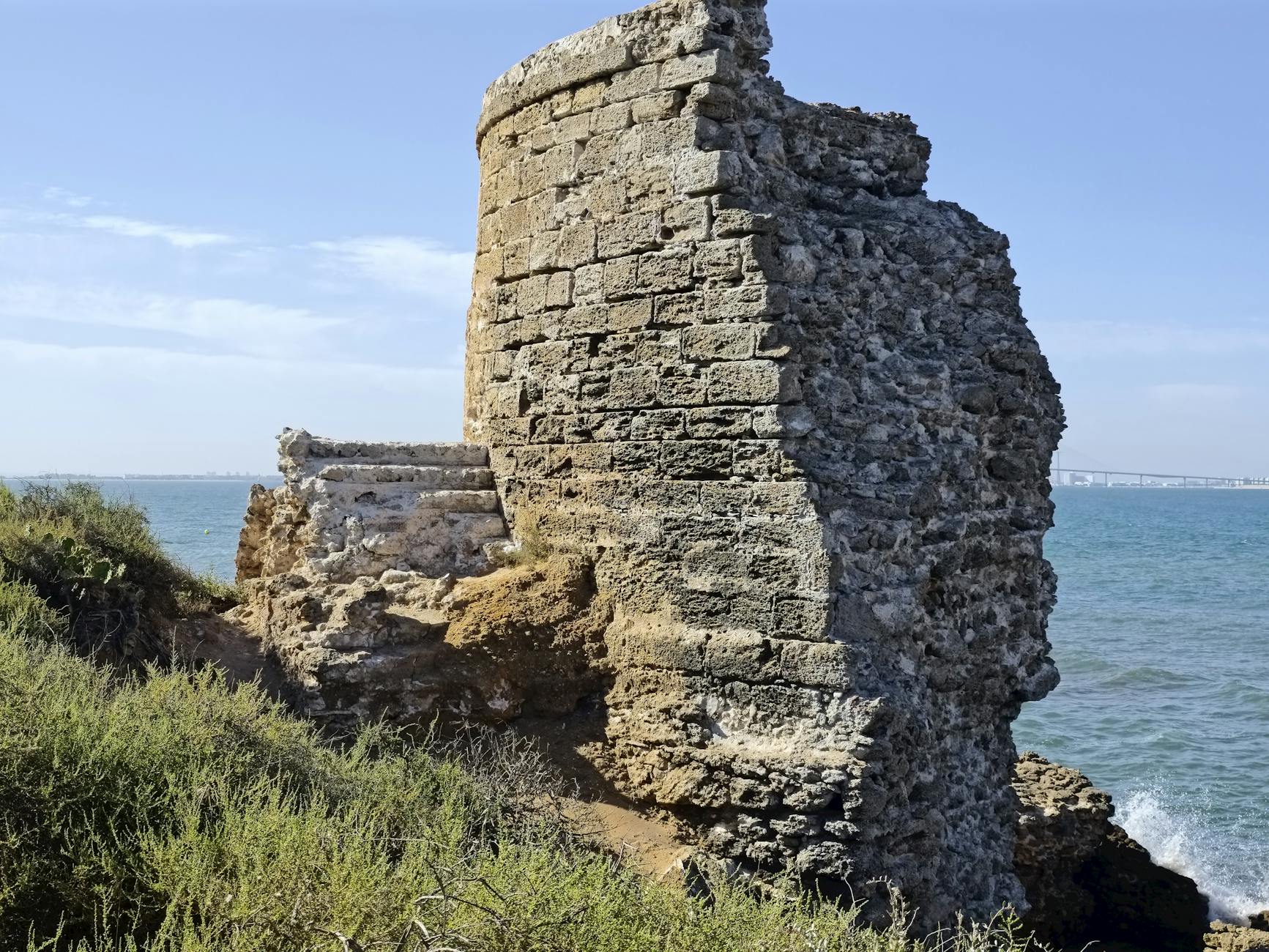
Dig a little further into the past and it gets wonderfully strange. After it stopped being a front-line naval base, the fortress found a second life as a state prison — its isolation in the Baltic made escape all but impossible. Its most famous inmate was Jacob Jacobsen Dampe, a firebrand who in the 1820s dared to campaign for democracy and a constitution in what was then an absolute monarchy. He was sentenced to death, reprieved, and exiled to Christiansø for years of solitary confinement. Walking the ramparts today, with nothing but sea in every direction, you can feel exactly how complete that isolation must have been. The towers, the cannon and the thick stone walls all date from the great fortification push under Christian V — a reminder that this peaceful little island was once Denmark’s anxious eastern eye on a Swedish enemy.
What to do in your few hours ashore
The good news is that Christiansø is small enough to savour fully in an afternoon. It’s actually two islands — Christiansø and Frederiksø — linked by a footbridge, with the uninhabited bird sanctuary of Græsholm offshore.
Walk the ramparts and climb the towers
Stroll the complete ramparts loop around both islands — it’s a gorgeous, gentle walk with the Baltic on every side. Climb Storetårn (the Big Tower) on Christiansø, now a museum and lighthouse, and Lilletårn (the Little Tower) on Frederiksø, an old cannon turret. Tower admission is around 75 DKK for adults (40 for children), bought at the island shop or kiosk.
Swim in the clear Baltic
The water around Christiansø is astonishingly clear, and there are easy places to swim off the rocks and the boardwalk on Frederiksø. On a warm day, this is the highlight — bring your swimwear.
Eat smoked herring
The island’s little smokehouse turns out smoked and marinated herring, a tradition said to have been introduced by Scottish soldiers in the early 1800s. There’s also one inn, the Christiansø Gæstgiveri, for a proper lunch, plus a small grocer with a bakery. Tucking into smoked herring on a 340-year-old fortress island, with seabirds wheeling overhead, is exactly the kind of experience that makes this trip stick in the memory.
Wildlife and the natural world
Ertholmene is a protected nature reserve as much as a fortress, and the wildlife is a genuine draw. The islands host Europe’s largest breeding colony of eider ducks — in spring the females nest astonishingly close to the paths — and grey and harbour seals are often seen hauled out on the rocks. The uninhabited islet of Græsholm is a strict bird sanctuary (no landing) alive with razorbills, guillemots and gulls. The surrounding Baltic is clean and clear, which is why the swimming is so good. Curiously, the only wild land mammal that lives here is the hedgehog. Pack binoculars if you’re a birder; this is one of the best seabird spots in the country.
Your three hours ashore, mapped out
Because the day-trip window is short and fixed, a little planning pays off. Here’s how I’d spend a typical 10:30-arrival, 13:00-departure visit:
- 11:30 — Step off the ferry and walk straight up onto the ramparts of Christiansø for the big-picture views.
- 11:50 — Cross the footbridge to Frederiksø and climb Lilletårn.
- 12:10 — Back over to Storetårn, the lighthouse-tower with the best panorama.
- 12:30 — Quick swim off the Frederiksø boardwalk, or smoked herring from the smokehouse.
- 12:50 — Final stroll to the harbour; be at the quay 15 minutes before the 13:00 ferry.
If you can grab a later or evening sailing in peak summer, do — an extra couple of hours lets you add a proper lunch at the inn and a slower wander.
Can you stay overnight?
You can, and in high summer it’s a magical idea: the day-trippers leave on the afternoon ferry and the island empties out. Options are limited — the six-room inn, a quirky hostel in a former prison (“Ballonen”), a cabin, and a small campsite — so book far ahead for the late-June to late-July peak.
Best time to visit and what to bring
Christiansø is a summer destination — the ferry runs most frequently from roughly May to September, dropping to a sparse mailboat service in winter (our full guide to when to visit has the wider seasonal picture). Bring water, sun and wind protection, swimwear and good shoes, and consider carrying a little cash as a backup, since facilities are tiny. Public toilets exist, but there’s no ATM.
Visiting Christiansø with kids
For the right family, Christiansø is a small adventure children adore: a real fortress to clamber over, towers to climb, ducks and seals to spot, and clear water to swim in — all on a car-free island where they can roam more freely than almost anywhere else. The boat trip there is part of the fun. Two practical notes: dogs are banned, so leave the family pet on Bornholm, and keep little ones close on the unfenced ramparts and harbour edges. Pack water, snacks and swimwear, since facilities are minimal. Older children fascinated by pirates, soldiers and islands will be in heaven — our full guide to Copenhagen with children has more family ideas.
Mistakes to avoid
- Trying to day-trip from Copenhagen directly. It can’t be done there and back in a day — go via Bornholm.
- Bringing a bike or a dog. Bikes aren’t allowed on the ferry and dogs are banned on the islands.
- Cutting the return ferry too fine. The afternoon departure is fixed — miss it and you’re staying the night.
- Not pre-booking in summer. The ferry and the few beds fill up in peak season.
- Assuming departures from other Bornholm towns. The regular ferry sails from Gudhjem.
Is a Christiansø day trip worth it?
If you’re the kind of traveller who collects places that feel genuinely different, Christiansø is a gem — tiny, timeless, car-free and steeped in odd history. It’s not a headline sight, and that’s precisely its charm. Slot it into a Bornholm trip rather than treating it as a standalone, and it’ll likely become the quirky highlight you talk about most. For the wider picture, it sits among the more adventurous day trips from Copenhagen — and pairs in spirit with cross-water hops like the Malmö day trip if you enjoy a journey over the sea.
A nature reserve in the Baltic
Christiansø and its sister islets aren’t just a fortress — the whole Ertholmene archipelago is a protected nature reserve, and the wildlife is one of the best reasons to come. The islands are home to Europe’s largest breeding colony of eider ducks, and in spring the females nest right beside the footpaths, unbothered by passing visitors. Grey and harbour seals bask on the surrounding skerries, and the uninhabited islet of Græsholm — strictly off-limits to landings — is a riot of nesting seabirds, including razorbills and guillemots that are rare elsewhere in Denmark. The clear, clean Baltic water around the islands is excellent for a bracing swim. If you have any interest in birds or wildlife, pack binoculars; few places in the country pack so much into so small an area.
What’s actually on the island
For somewhere so tiny, Christiansø is surprisingly self-contained — which is part of its charm. There’s a small grocer (Købmanden) with a bakery, the one inn (Christiansø Gæstgiveri) serving meals, the famous smokehouse for herring, a little gallery, a church and a school for the handful of island children. The two museum-towers, Storetårn and Lilletårn, hold exhibits on the island’s military past. There’s no ATM and facilities are minimal, so although cards are increasingly accepted, carrying a little cash is wise. Public toilets are available near the harbour. Manage your expectations — this isn’t a place of attractions so much as a place of atmosphere — and you’ll love it.
The wider story of Ertholmene
The full name of the little world you’re visiting is Ertholmene, “the pea islands,” a cluster of rocky outcrops that form the easternmost scrap of Danish territory. Only Christiansø and Frederiksø, joined by their footbridge, are inhabited; the rest are left to the birds and seals. The islands’ unusual status — owned by the state and run directly by the Ministry of Defence, with their own local council rather than belonging to a municipality — is a living relic of their origin as a 17th-century naval stronghold. There are no private cars, no inheritable property (homes are leased to residents), and a deep sense of community among the roughly 90 people who live here year-round. It’s about as far from mainland Danish life as you can get while still being in Denmark.
Tips for a smooth visit
A handful of practical pointers. Book the ferry online in advance in summer — it sells out, and sailings can be cancelled in rough weather, so build in flexibility. The crossing can be choppy; if you’re prone to seasickness, take something beforehand. Wear good walking shoes for the cobbles and ramparts, bring swimwear, water, sun and wind protection, and remember there’s no luggage storage to speak of, so travel light. Above all, watch the return-ferry time like a hawk — it’s fixed, often early afternoon, and missing it means an unplanned overnight on an island with very few beds. Get those basics right and Christiansø delivers one of the most singular days out in all of Denmark.
Planning the Bornholm–Christiansø combo
Since Christiansø only really works as part of a Bornholm trip, a little joined-up planning goes a long way. The smart approach is to base yourself in or near Gudhjem for at least one night, since that’s where the Christiansø ferry departs — it saves you a cross-island dash to make the morning sailing. Treat the island as a half-day within a two-or-three-day Bornholm itinerary: catch the late-morning ferry over, spend your three hours exploring the ramparts and towers, and return for a smokehouse dinner back in Gudhjem. In peak summer, when extra and evening sailings run, you could even take an afternoon boat and enjoy the island after the day-trippers leave. Book both your Bornholm travel and the Christiansø ferry well ahead for July and August, and check the sailing schedule the moment you firm up your dates, since it shifts through the season.
When to skip it
Honesty matters, so here’s when Christiansø might not be for you. If you’re visiting Bornholm outside the summer season, the ferry runs only a sparse mailboat service and the island’s facilities are largely shut — it’s atmospheric but bleak. If your time on Bornholm is very tight (a single day), spending half of it on a boat may not be the best use of the trip when Hammershus, Svaneke and the smokehouses beckon. And if the forecast is rough, sailings can be cancelled, so it’s a poor choice to pin a fixed plan on. But given decent summer weather and a relaxed multi-day Bornholm trip, Christiansø is the kind of small, strange, perfect place that ends up being the story you tell first when you get home.
Frequently asked questions
Can you do Christiansø as a day trip from Copenhagen?
Not directly — there’s no same-day round trip from Copenhagen. You reach Christiansø by ferry from Bornholm, so it’s best added to a Bornholm trip.
How do you get to Christiansø?
Take the Christiansøfarten ferry from Gudhjem on Bornholm; the crossing takes about an hour.
How much is the Christiansø ferry?
Around 260 DKK for an adult return, rising to about 320 DKK in high season. Book online in advance during summer.
Are there cars on Christiansø?
No — the island is entirely car-free, and bicycles aren’t allowed on the ferry either. You explore on foot.
Why is Christiansø special?
It’s Denmark’s easternmost point and smallest community (~90 people), a preserved 17th-century naval fortress administered directly by the Ministry of Defence.
Can you stay overnight on Christiansø?
Yes — there’s a small inn, a hostel, a cabin and a campsite, but beds are very limited, so book well ahead in summer.
Christiansø is the jewel of a Bornholm trip — see how it fits among the more adventurous Stevns Klint and cliff-and-coast escapes near Copenhagen.
Last updated: July 2026. Photos via copenhagentourism.org.


