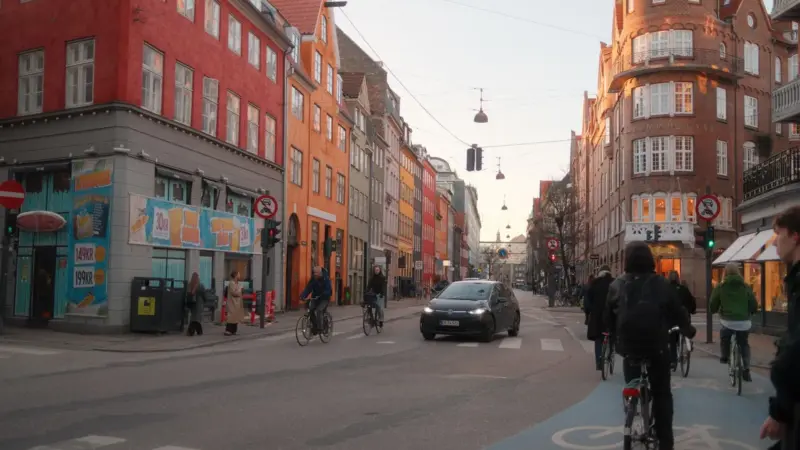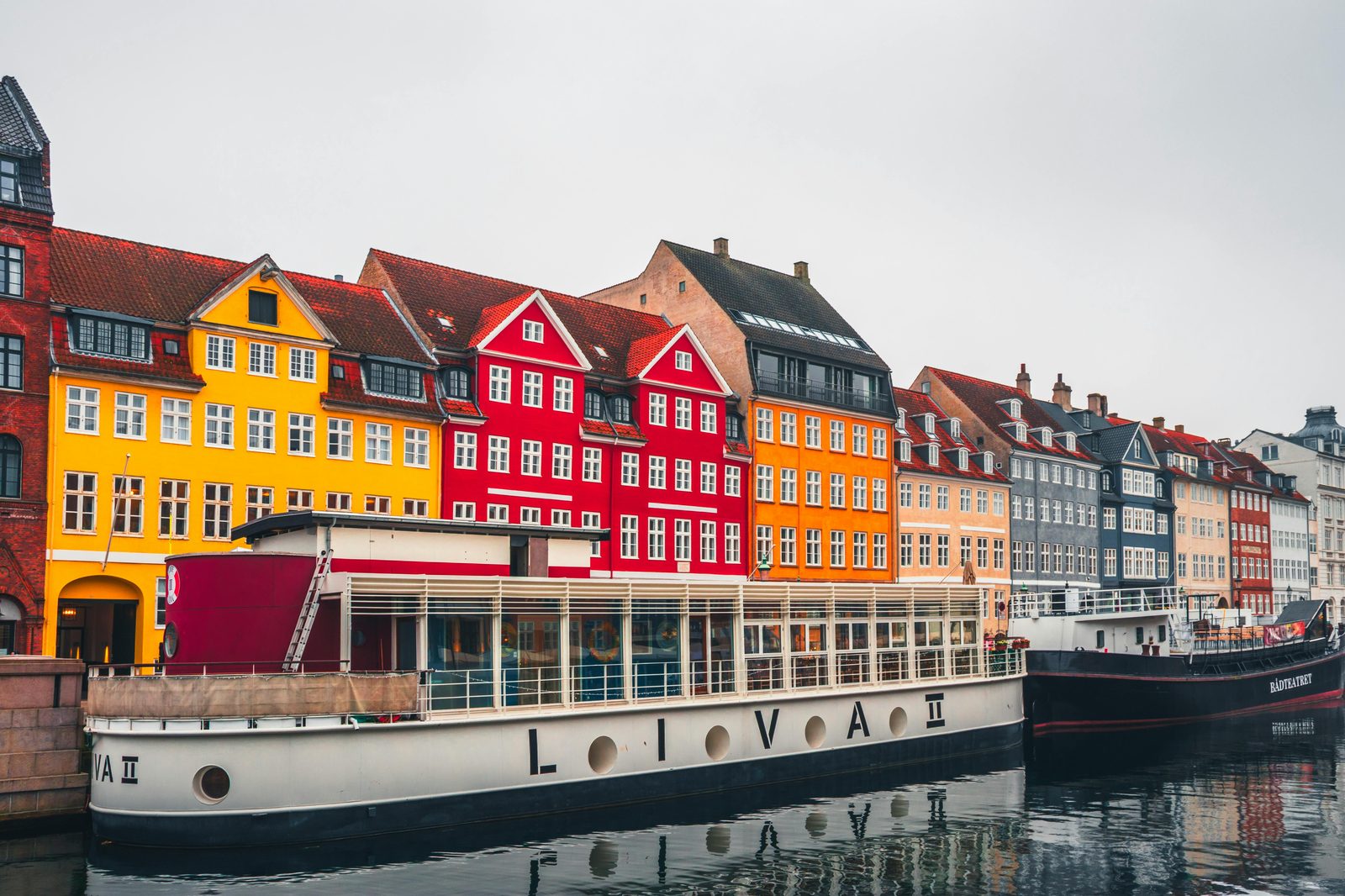
Copenhagen’s historic centre is about two kilometres across. You can walk from Tivoli to Nyhavn in twenty-five minutes and pass most of the postcard in the process, which is why so many people give the city a single day on a wider European trip and leave convinced they have seen it. They have seen the outline. The honest answer to how many days in Copenhagen is three, and the reason is not that there is more to tick off — it is that days two and three are when you stop looking at the city and start using it.
Below is what each length of trip actually buys you, where the diminishing returns kick in, and the specific circumstances that change the answer. Every day count here links through to a full hour-by-hour itinerary if you want the detailed version.
The Short Answer
| Days | What you get | Who it suits |
|---|---|---|
| 1 day | The centre, on foot, and nothing else | Layovers and cruise calls |
| 2 days | The centre plus one neighbourhood | A weekend city break, and the most common choice |
| 3 days | The city properly, with an afternoon off | Most first-time visitors — the right answer |
| 4 days | Three days plus one day trip | Anyone who wants a castle or Sweden |
| 5 days | Two day trips, or one genuinely slow week’s worth of city | Repeat visitors and summer |
| 7+ days | Bornholm, Aarhus, or living here for a bit | A holiday rather than a city break |
If you are booking flights right now and do not want to read the rest: three nights, arriving Thursday evening, leaving Sunday afternoon. That gives you two full days and two half days, covers everything below, and lands on the weekend when the food markets and flea markets are running.
One Day: Enough for the Outline, Not the City

A single day works better in Copenhagen than in most European capitals, because the sights are absurdly close together and the airport is fifteen minutes from the centre on the M2 metro. You can genuinely do Strøget, Rundetårn, Nyhavn, Amalienborg and the Little Mermaid in a day and still eat well.
What you will not get is any sense of what living here feels like, which is the actual attraction. You will not cross a bridge into Christianshavn, you will not sit in a park, and you will not see the inside of a museum worth the entry fee. One day in Copenhagen is a highlights reel of a city whose appeal is texture rather than monuments.
It is, however, an excellent layover. Copenhagen Airport is one of the few in Europe where a five-hour connection is genuinely worth leaving for — the metro runs every few minutes and drops you at Kongens Nytorv. See our layover guide for the timings, and the one-day itinerary if a day is what you have.
Verdict: better than skipping the city. Not a trip.
Two Days: The Standard Weekend, and It Works
Two days is what most people book and it is a legitimate answer. Day one does the historic centre — the palaces, the tower, the harbour front, Tivoli in the evening. Day two crosses the water to Christianshavn or heads out to Nørrebro or Vesterbro, which is where the food, the bars and the actual population are.

The compromise you make at two days is depth. You will pick one neighbourhood instead of three, one big museum instead of two, and you will almost certainly skip the harbour bath, the design shops and any kind of unstructured wandering. You will also be moving at a pace that makes the city feel busier than it is, which is a strange thing to say about somewhere this calm.
Two days also does not survive bad weather. Copenhagen in the rain is a fine indoor city, but if one of your two days is written off by horizontal drizzle you have effectively had a one-day trip. Our two-day itinerary sequences it to minimise that risk, and the weekend guide covers the Friday-to-Sunday shape.
Verdict: genuinely good, and the most common answer for a reason. One day short of the right one.
Three Days: The Right Answer
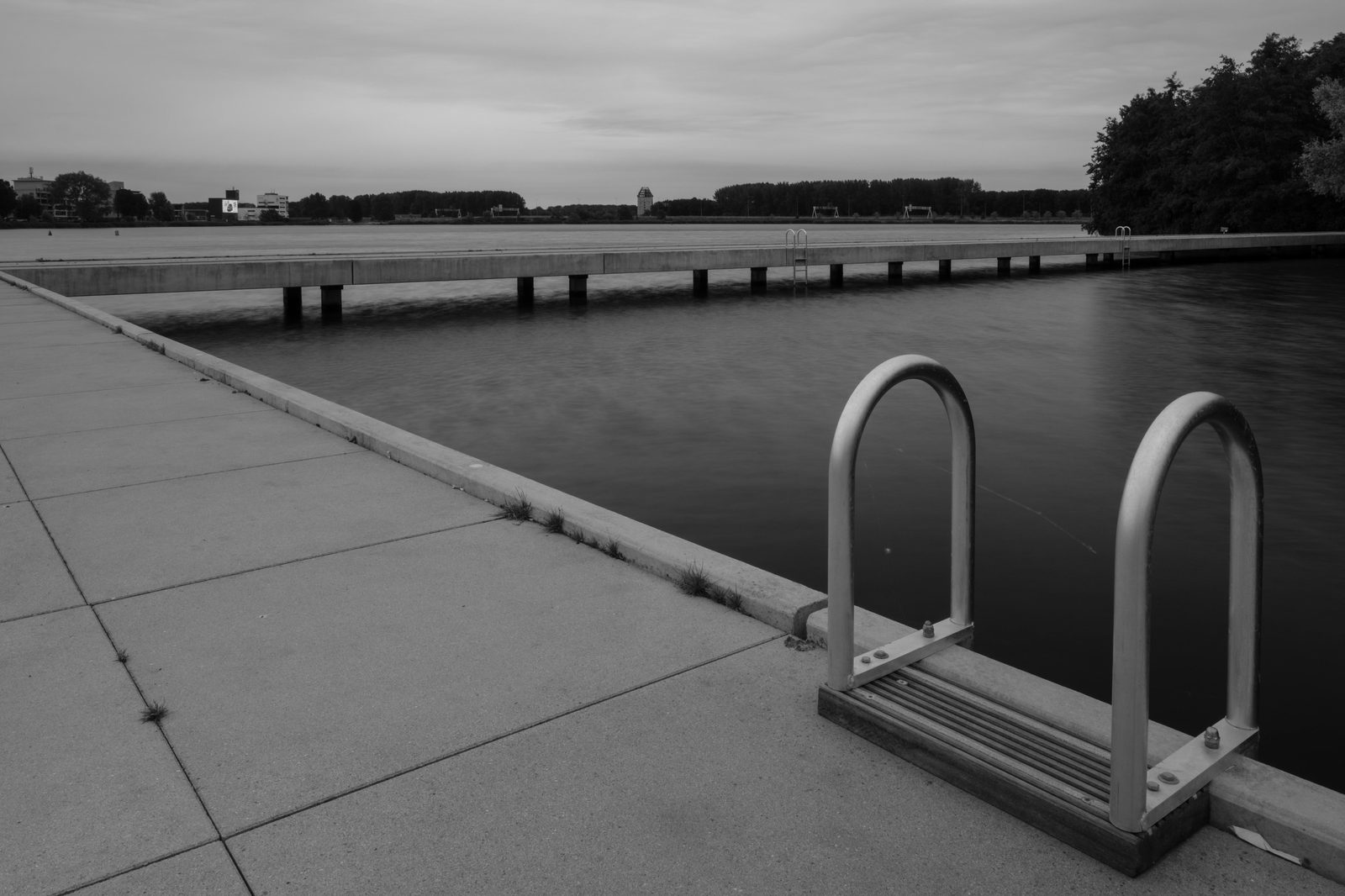
Three days is where Copenhagen stops being a list. It is enough to see the centre without rushing, spend a full day in the residential neighbourhoods, take a proper afternoon in a major museum, and still have a few hours that are not allocated to anything. That last part is the point.
The specific things a third day unlocks are the ones people remember: swimming at Islands Brygge in summer, an hour in the Glyptotek’s winter garden, the walk out to Refshaleøen for street food, a bakery route through Nørrebro, the Assistens Cemetery where Hans Christian Andersen and Kierkegaard are buried and where locals sunbathe between the graves. None of these survive a two-day cull, and all of them are more distinctive than the Little Mermaid.
Three days also gives the weather a vote. If day two is wet you move the outdoor plan to day three and lose nothing. That flexibility is worth more in Denmark than in almost any other European destination, because the forecast here changes hourly and nobody, including the Danes, plans around it. Full breakdown in the three-day itinerary.
Verdict: the answer for a first visit. If you are choosing between three days in Copenhagen and four days split with somewhere else, choose the three.
Four Days: Add a Day Trip
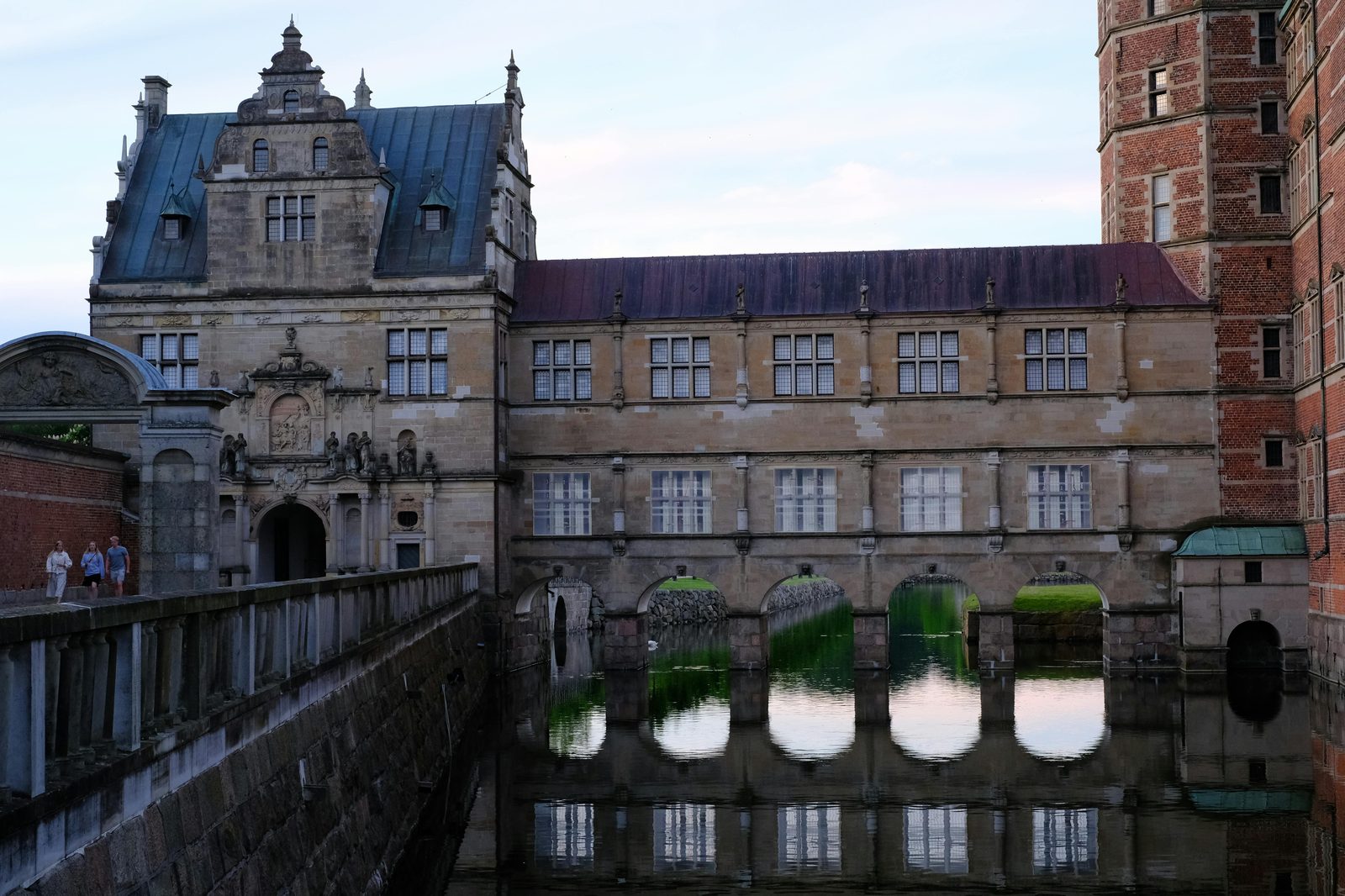
The fourth day is where the answer changes character. Three days covers Copenhagen; a fourth day is best spent leaving it, because Zealand and southern Sweden are unusually accessible and the trains are fast, frequent and included in a reasonable ticket.
- Louisiana Museum of Modern Art, 35 minutes north on the coastal line. Sculpture park over the Øresund, and arguably the best museum in Scandinavia. Details here.
- Frederiksborg Castle at Hillerød, about forty minutes. An enormous Renaissance palace on three islands in a lake, and the single most impressive building in Denmark. How to do it.
- Kronborg at Helsingør, Hamlet’s castle, on the water opposite Sweden. Guide here.
- Malmö, another country, 35 minutes across the Øresund Bridge. Worth it for the crossing alone.
- Roskilde, 25 minutes, for the Viking ship museum and the cathedral where the Danish monarchs are buried. Details.
Pick one, not two. The temptation on a four-day trip is to stack day trips back to back and end up having seen a lot of trains. Our full day trips guide ranks them, and the four-day itinerary builds the day around one.
Verdict: the best-value marginal day of the whole trip, but only if you leave the city with it.
Five Days: Two Day Trips, or None
At five days the trip splits into two reasonable shapes and one bad one.
The good shapes: three city days plus two day trips, or four city days plus one, with the extra city day spent doing things at half speed — a long lunch, a swim, a second visit to a neighbourhood you liked, an afternoon in a design shop with no intention of buying anything. Both work. The second is better in summer, when the harbour and the parks justify the slower pace and the light lasts until eleven at night.
The bad shape is five days of relentless sightseeing, which is how people end up saying Copenhagen is smaller than they expected. It is smaller than they expected. That is a feature. Our five-day itinerary is built around the slower version.
Verdict: excellent in June, July and August. Harder to fill in February, when a fifth day is four hours of daylight and a museum you have already seen.
When the Answer Changes

Summer stretches the city
Copenhagen in July has daylight until about 22:00, swimmable harbour water and a completely different outdoor life. Days genuinely last longer here, and five days in summer feels shorter than three in winter. Add a day for a June-to-August trip.
Winter compresses it
In December and January the useful daylight runs roughly 08:45 to 15:45, which is seven hours, and a large part of the appeal moves indoors. Two or three days is plenty. The exception is the four weeks of Christmas markets, which are worth a dedicated trip and are better in the dark anyway.
Travelling with children changes the maths
Everything takes longer, and the attractions children actually want — Tivoli, Den Blå Planet, the Experimentarium, the zoo — are all half-day commitments rather than hour-long ones. Four days with kids covers roughly what three does without. See our family guide.
Budget travellers should think in days, not hours
Copenhagen is expensive and the fixed costs — flights, the first night’s hotel — are the same whether you stay two nights or four. The marginal cost of an extra day is a hotel night plus food, which means longer trips get cheaper per day. If money is the constraint, the answer is fewer, better-planned days rather than a rushed schedule; our budget guide and trip cost breakdown have the numbers.
What Actually Fits in a Day Here
A useful calibration, because Copenhagen distances mislead people in both directions. The centre is small enough that three or four sights in a morning is realistic. But the good bits are spread across water: Refshaleøen, Holmen and Christianshavn are all a bridge or a harbour bus away, and each is a half-day rather than a stop.
| Block | Realistic content |
|---|---|
| A morning | Two central sights plus coffee, or one museum done properly |
| An afternoon | One neighbourhood, walked, with a stop |
| A half day | Refshaleøen, Holmen, or the Carlsberg district |
| A full day | One day trip out of the city, door to door |
| An evening | Tivoli, or dinner and one bar — not both |
The harbour bus, incidentally, is a normal public transport route on a normal ticket that runs the length of the waterfront and shows you more than most canal tours — see getting around Copenhagen for how it slots in. It saves a chunk of any itinerary.
The Case Against a Longer Trip
Someone should say this plainly: Copenhagen does not reward a week the way Rome or Istanbul does. The museum stock is good but not deep, the historic centre is compact, and after five or six days you are either repeating yourself or making increasingly ambitious day trips. It is a superb three-to-four-day city and a merely fine seven-day one.
If you have a week, the better move is to use Copenhagen as a base for two or three days and then go somewhere else in Denmark — Bornholm for the island, Aarhus for the second city, Møns Klint for the chalk cliffs. That is a Denmark trip rather than a Copenhagen one, and it is a better use of seven days than seven days here.
Frequently Asked Questions
Is 2 days enough in Copenhagen?
Yes, for the centre plus one neighbourhood. You will see the highlights and eat well, but you will skip the harbour, most of the museums and any unstructured time. Two days works; three is better.
How many days do you need in Copenhagen?
Three for a first visit. That covers the historic centre, a full day in the residential neighbourhoods, one major museum and enough slack for the weather. Add a fourth day only if you intend to leave the city on it.
Is 5 days too long in Copenhagen?
Not in summer, when the daylight runs to 22:00 and the harbour is swimmable. In winter it is a stretch — you get about seven hours of usable light a day and the appeal moves indoors. Five days in winter works better as three in the city plus two day trips.
Is Copenhagen worth a week?
As a base, yes; as a single destination, not really. After five or six days you are repeating yourself. A better week combines two or three days in Copenhagen with Bornholm, Aarhus or the Møns Klint coast.
How many days do you need in Copenhagen with kids?
Four covers roughly what three does without children. Tivoli, Den Blå Planet and the Experimentarium are each half-day commitments rather than quick stops.
Can you see Copenhagen in one day?
You can see the outline — Strøget, Rundetårn, Nyhavn, Amalienborg, the Little Mermaid — because the centre is about two kilometres across. You will not see what makes the city good, which is the neighbourhoods and the water. It is an excellent layover and a thin trip.
Related Reading
- The Copenhagen itinerary hub every day count in one place, with the routes drawn out.
- Three days in Copenhagen the version we would book ourselves.
- Day trips from Copenhagen what to do with a fourth or fifth day.
- The best time to visit the season changes the right trip length more than anything else.
- Where to stay in Copenhagen which base suits which length of trip.
Final Thoughts
Three days, arriving Thursday evening and leaving Sunday afternoon. That is the recommendation and it holds for most people, most of the year. It is long enough that the city stops being a checklist and short enough that you leave still wanting the harbour swim you did not fit in, which is the right way to leave anywhere.
Add a fourth day if there is a castle or a Swedish city you want. Add a fifth if it is July. And if you only have one day, take it — the metro from the airport is fifteen minutes and the outline is genuinely lovely. Just do not conclude from it that you have been to Copenhagen.