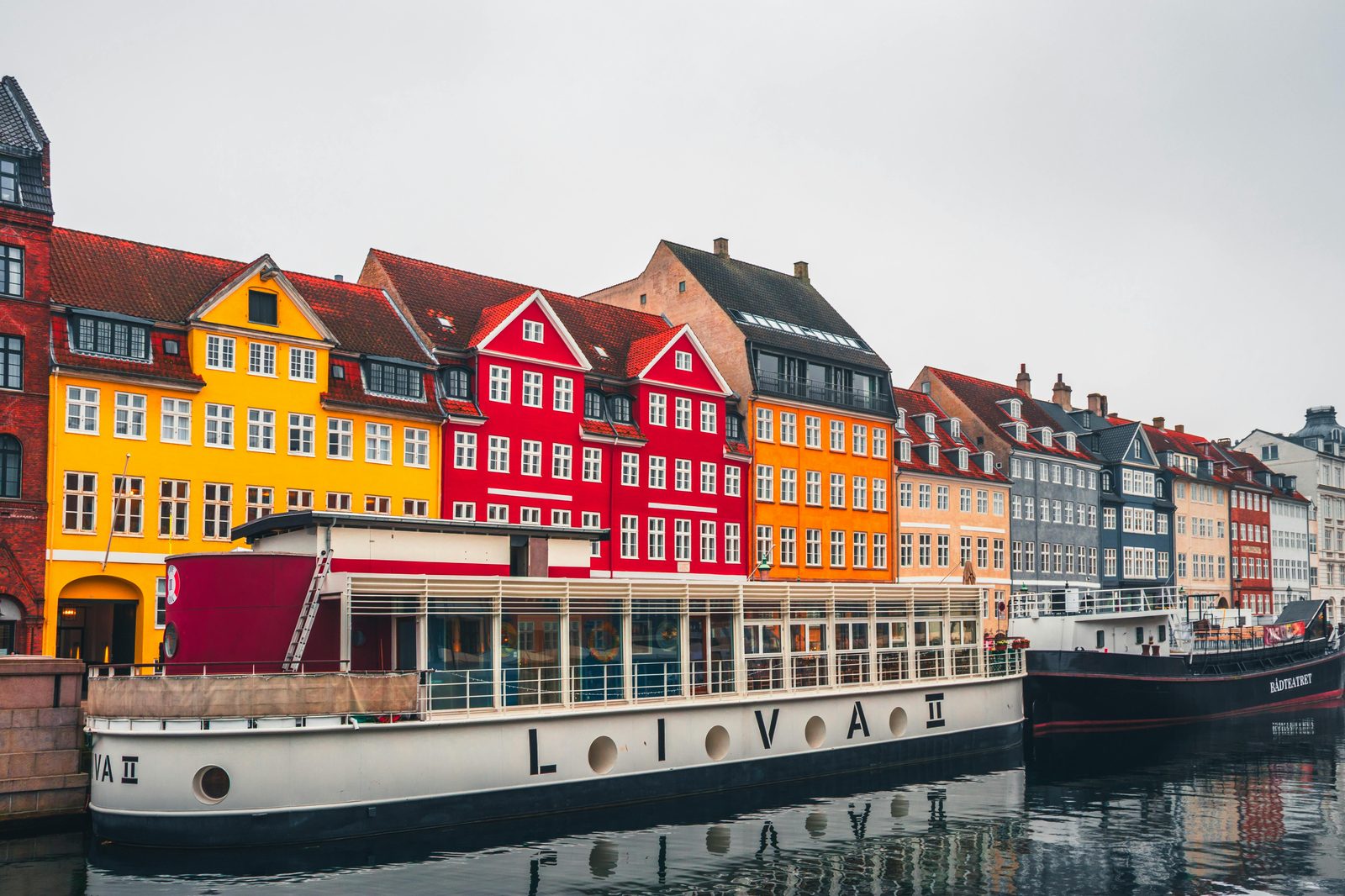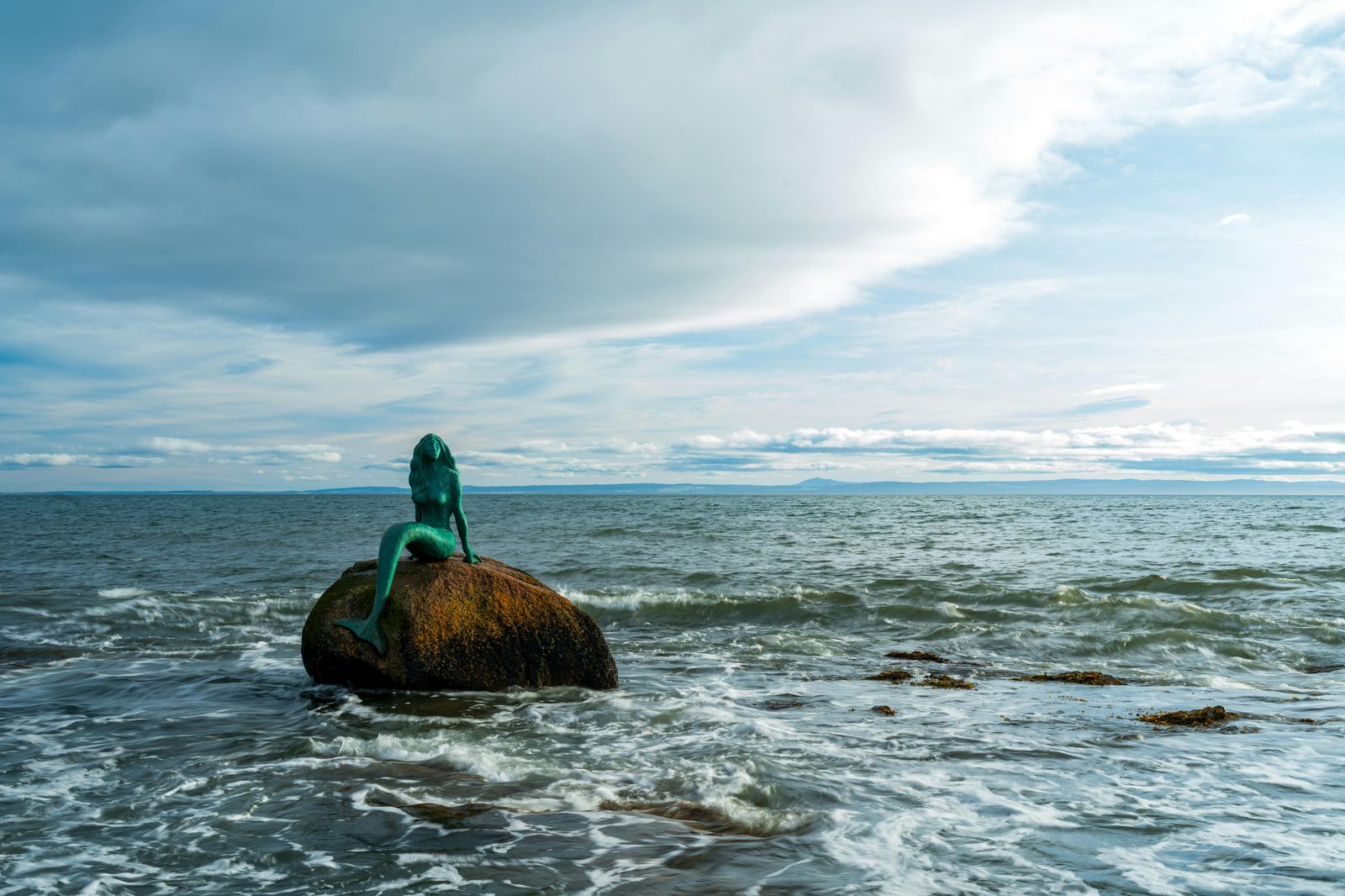
Let’s be honest up front: she’s smaller than you think. The Little Mermaid is 125 cm of bronze on a rock just off the Langelinie promenade, she’s usually ringed by a crowd, and travel writers love to call her a let-down. And yet she’s been Copenhagen’s emblem since 1913, and she still tops most lists of the city’s headline sights.
Here’s the short version: yes, visit — but come for the walk, not just the statue. The Little Mermaid statue in Copenhagen sits at the end of a gorgeous 30-minute harbour stroll past Amalienborg, the Gefion Fountain and the Kastellet fortress. Go early or late to dodge the tour buses. This guide covers the backstory, how to get there, the best photo angles and what to pair it with.
Little Mermaid Statue Copenhagen at a Glance
The Little Mermaid statue Copenhagen has welcomed millions of visitors since 1913. Before you walk to Langelinie, here are the essential facts.
| Fact | Detail |
|---|---|
| Danish name | Den lille Havfrue |
| Location | Langelinie promenade, 1263 Copenhagen |
| Unveiled | 23 August 1913 |
| Sculptor | Edvard Eriksen (1876–1959) |
| Commissioned by | Carl Jacobsen (Carlsberg brewery, 1909) |
| Inspiration | Hans Christian Andersen’s 1837 fairy tale ‘Den lille Havfrue’ |
| Material | Bronze on a granite boulder |
| Height | 125 cm (4 ft 1 in) — much smaller than visitors expect |
| Weight | 175 kg |
| Best time to visit | Early morning (7:00–9:00) in summer; late afternoon in winter |
| Cost | Free, 24/7 access |
| Nearest station | Østerport (5 min walk) — S-tog and Metro M3/M4 |
| Annual visitors | ~1 million |
The Hans Christian Andersen Fairy Tale

Hans Christian Andersen wrote “Den lille Havfrue” in 1836 and published it in his 1837 collection. The original is darker than Disney’s 1989 film: in Andersen’s version the mermaid is given legs by the sea witch but every step feels like walking on knives, the prince marries another woman, and rather than killing the prince to return to the sea (as her sisters urge), the mermaid throws herself into the waves and dissolves into sea foam. A bittersweet redemption follows — she becomes a “daughter of the air” who can earn an immortal soul through three centuries of good deeds.
Andersen wrote the story while staying with friends in the Danish countryside, recovering from an unrequited crush on Edvard Collin (the son of his patron Jonas Collin). Many literary scholars read the mermaid as a coded self-portrait — a creature who can never fully belong with the one she loves, no matter how much she sacrifices. It is widely regarded as one of Andersen’s saddest and most personal fairy tales.
For more on Andersen’s Copenhagen, see the Hans Christian Andersen sections of our Nyhavn Copenhagen guide — he lived in three houses on the canal.
How the Statue Came to Be
In 1909, Danish brewer Carl Jacobsen — son of the founder of Carlsberg, and an obsessive art collector — saw a Royal Danish Ballet performance of Fini Henriques’s ballet “The Little Mermaid” at the Royal Danish Theatre. The lead role was danced by prima ballerina Ellen Price. Jacobsen was struck enough that he commissioned a sculpture of the mermaid for his hometown of Copenhagen.
Edvard Eriksen, a Royal Academy of Fine Arts sculptor, was hired in 1909. Ellen Price was the original model — she sat for the head only. When Eriksen asked her to pose nude, she refused. So Eriksen used his own wife, Eline Eriksen, as the model for the body. The split is visible: the face is delicate, dancer-poised; the body is stockier and more grounded. Both women are commemorated by a small inscription on the boulder.
The statue was cast in bronze in 1913, set on a granite boulder hauled from the harbour seabed, and unveiled on 23 August 1913. Jacobsen donated it to the city of Copenhagen on the condition that it never be moved. The Eriksen family still owns the artistic copyright — they have aggressively defended it against unauthorised commercial reproductions, including a famous 2007 lawsuit against the Danish Conservative People’s Party for using the statue’s image on campaign material.
Visiting the Little Mermaid — Practical Guide
The Little Mermaid statue Copenhagen is open-air, free, and accessible 24 hours a day. There are no tickets, queues or time-slots. The trick is timing your visit to avoid the crush.
Best Time to Visit
Tour buses arrive from 09:30 onwards; by 10:30 in summer the area in front of the statue is six rows deep. For a clean photo:
- Summer (June–August): Arrive 7:00–8:30 — Copenhagen sunrise is around 4:30 so the light is already good.
- Spring & autumn (April–May, September–October): 8:30–9:30 is fine; the cruise-bus rush starts 30 minutes later than peak summer.
- Winter (November–February): Anytime — the cruise ships don’t dock and visitor numbers drop 90%. Late afternoon golden hour (15:30–16:00) gives the best light.
- Sunset photography: Mid-July sunset is 21:45; the statue catches warm side-light from 21:00. Most tourist groups have gone by then.
How to Get There

The Little Mermaid statue is on Langelinie quay, about 2 km north of Nyhavn. There are several ways to reach it.
| From | How | Time |
|---|---|---|
| Nyhavn | Walk along the harbour through Amalienborg and Kastellet | 25–30 minutes |
| Central Station | Take train to Østerport, then walk east | 15 minutes total |
| Kongens Nytorv (M1/M2/M3/M4) | Walk via Amalienborg and Kastellet | 20–25 minutes |
| Marmorkirken (M3) | Walk east through Amalienborg | 12 minutes |
| Bus 1A or 26 | Stop: Indiakaj or Langelinie | 10 minutes from city centre |
| Hop-on bus tour | Most stop at Langelinie | Variable |
| Harbour bus 991/992 | Stop: Nordre Toldbod (10 min walk away) | Slow but scenic |
The waterfront walk from Nyhavn is by far the best approach. See our Copenhagen transportation guide for harbour-bus and Metro tips.
What to Expect — Honestly

The Little Mermaid statue is famously underwhelming on first viewing. She is small (125 cm — about the height of an 8-year-old child), placed close to shore, and almost always surrounded by other tourists. Mark Twain allegedly remarked on his 1873 Copenhagen visit (40 years before the statue existed) that “the world’s most beautiful city deserves nothing less than a statue of a mermaid”; modern visitors often joke about the irony now that she’s here.
But: the setting is genuinely lovely (open harbour, the Øresund stretching east toward Sweden, ships passing on the way to the cruise terminal), the surrounding walk is one of the most beautiful in any European capital, and you’re combining it with Kastellet, the Gefion Fountain and Amalienborg in a 90-minute waterfront circuit. Manage your expectations: don’t come for the statue alone — come for the walk.
Combining the Little Mermaid with Nearby Attractions
The single biggest mistake first-time visitors make is treating the Little Mermaid statue as a quick photo stop. In reality there are four major attractions within 600 metres — combine all of them in a 2-hour itinerary.
Kastellet (the Citadel)
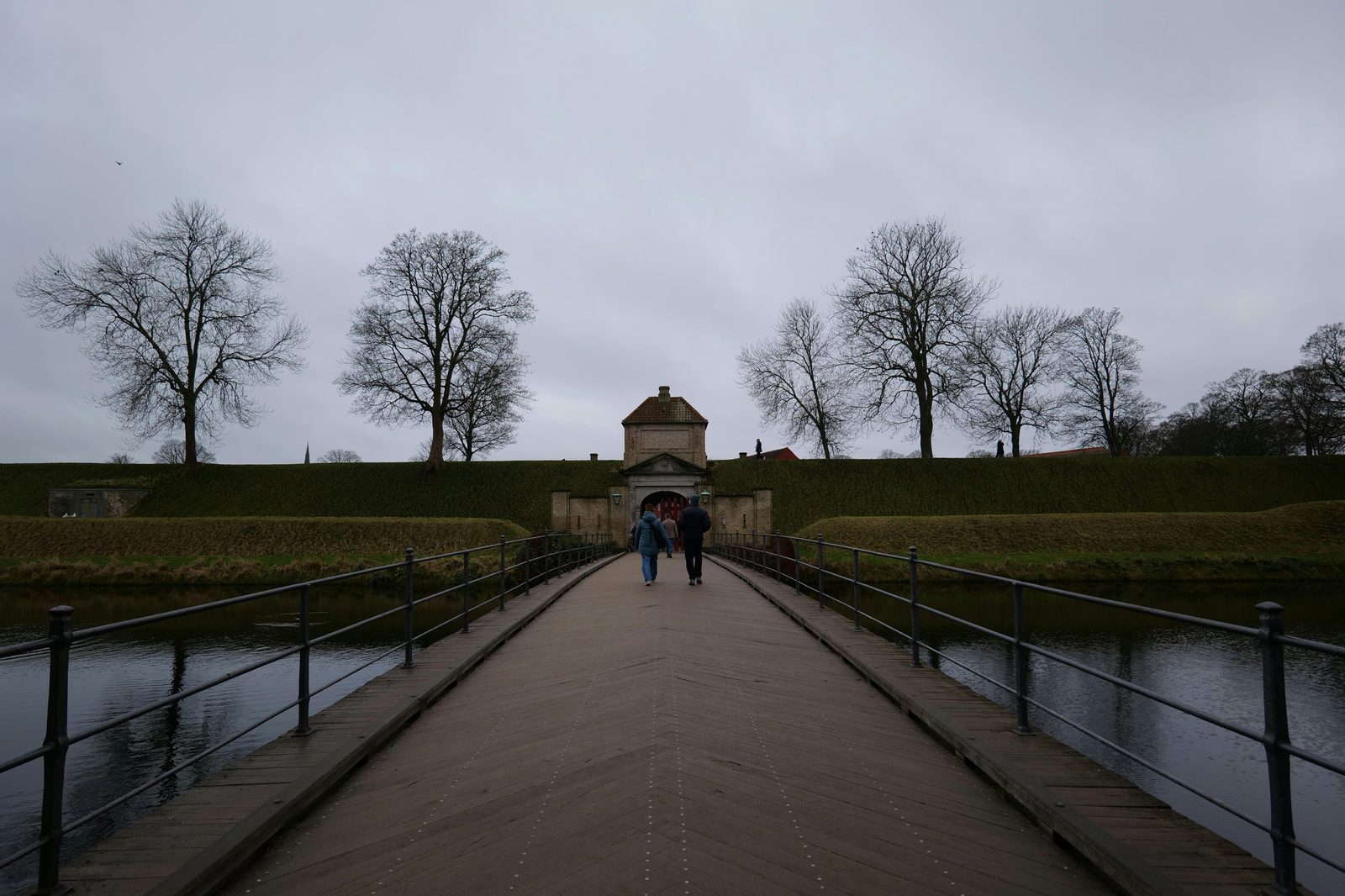
Kastellet, just south of the Little Mermaid, is one of Northern Europe’s best-preserved star-shaped fortresses. Built in 1664 under Frederick III, it’s still an active military base but the grounds are open to walkers from 06:00 to 22:00. Free entry. Highlights: the windmill (1847, the only functioning windmill in central Copenhagen), the church (1704), the small commandant’s house, and the moat ramparts which give the best aerial view of the fortress’s star geometry. Allow 30 minutes.
Gefion Fountain
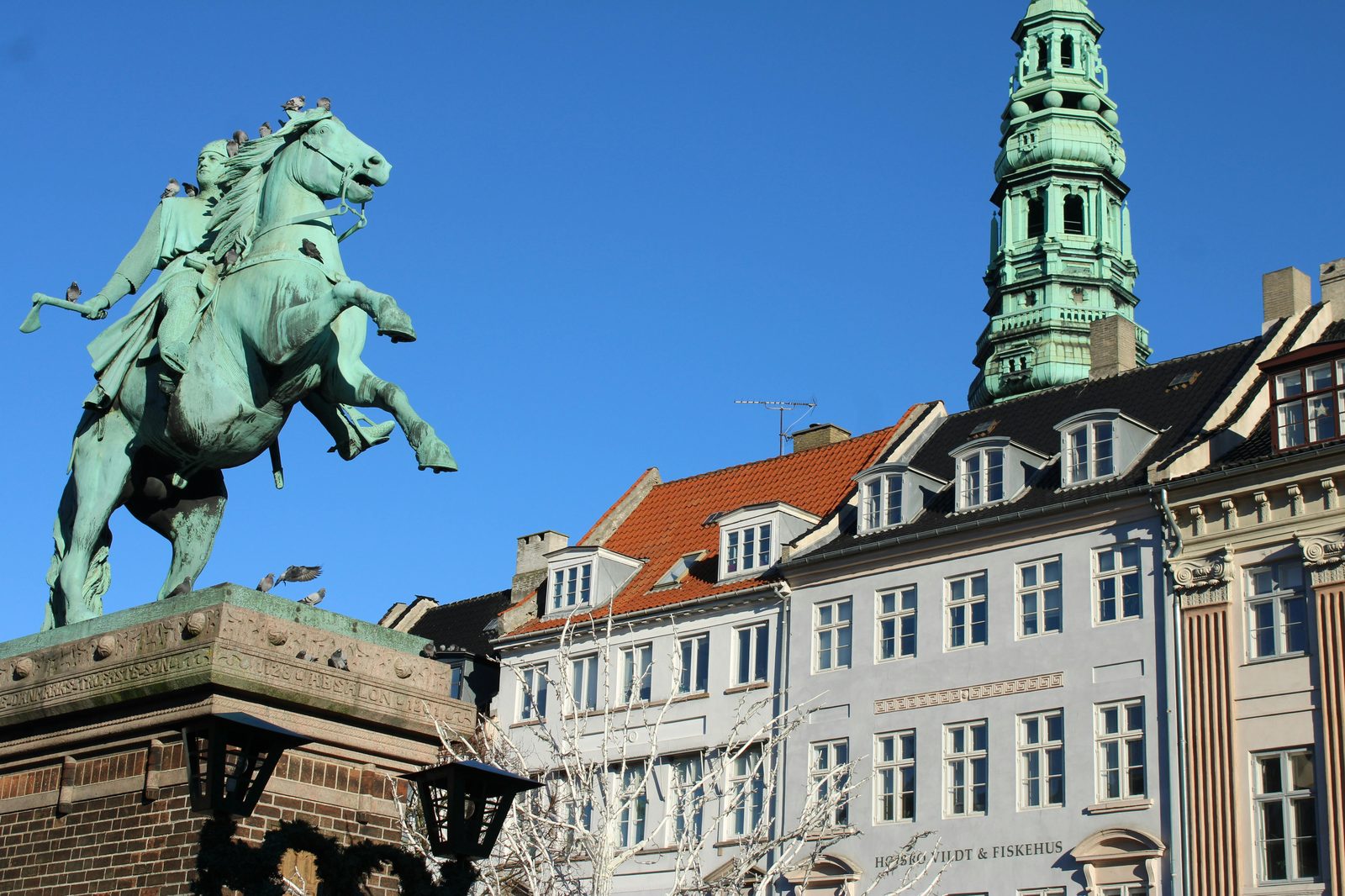
Between Kastellet and the Little Mermaid sits the Gefion Fountain (1908) — Copenhagen’s largest sculpture group. It depicts the Norse goddess Gefion ploughing four oxen into a sea, a Danish creation myth in which Gefion tricked King Gylfi of Sweden out of as much land as she could plough in a day and a night, then turned her four sons into oxen to plough Zealand (the Danish island Copenhagen sits on) out of Sweden. The fountain was a gift from the Carlsberg Foundation — the same Jacobsen family who commissioned the Little Mermaid five years later. Allow 5 minutes.
Amalienborg Palace
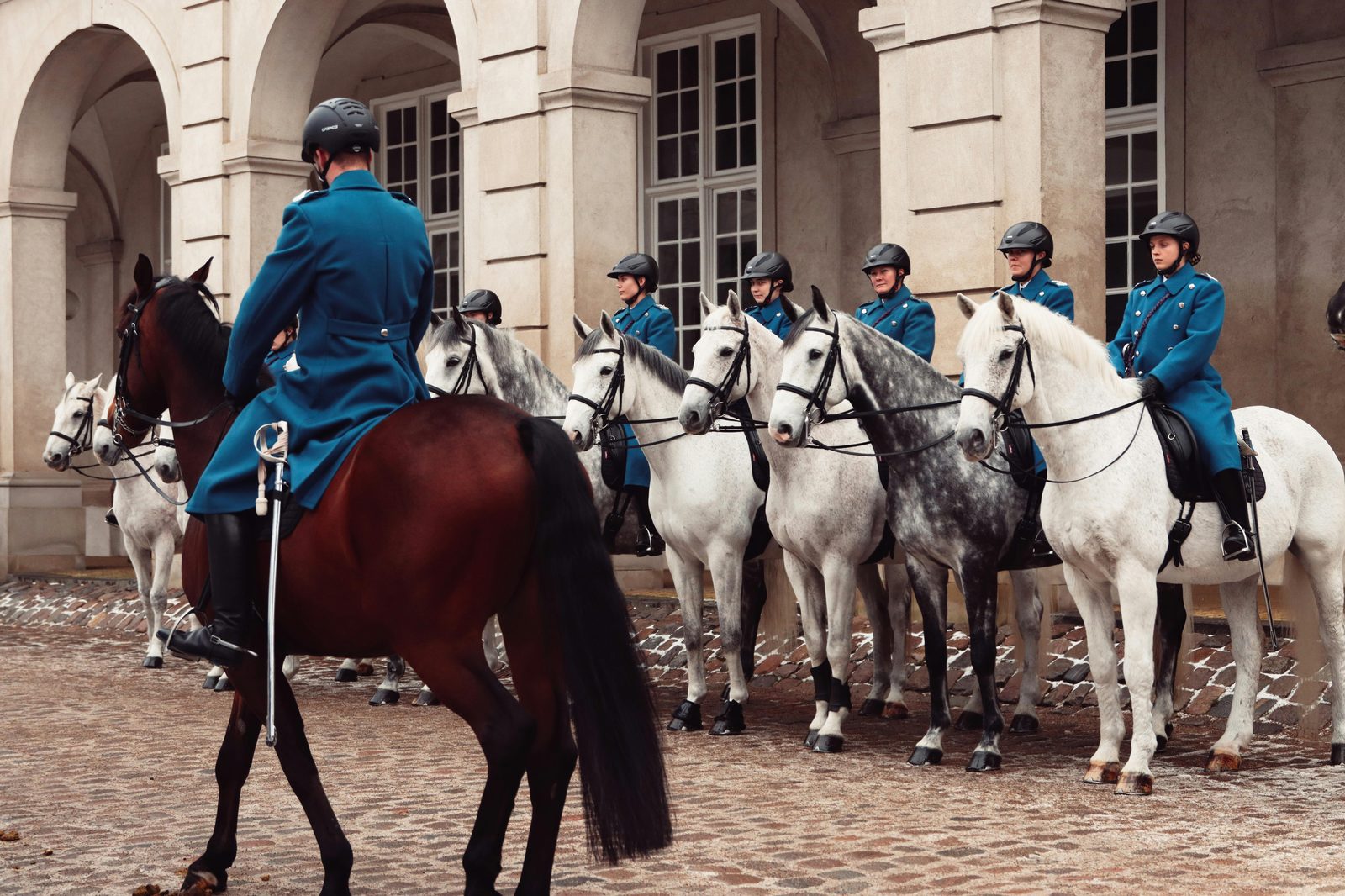
Walking back toward Nyhavn, you pass Amalienborg Palace — the Danish Royal Family’s winter residence. Four symmetrical rococo palaces around an octagonal square. The Royal Life Guard parade marches through every day at 11:30 from Rosenborg Castle, arriving at Amalienborg for the Changing of the Guard at 12:00. Free to watch in the square. The Amalienborg Museum (palace entry, 130 DKK) opens the private rooms of the late King Frederik IX and Queen Ingrid to visitors.
St Alban’s Church
A small English Anglican church built in 1885 in neo-Gothic style — sitting beside the Gefion Fountain, with spire and lawn. It looks transplanted from the Cotswolds and is a pleasant counterweight to the harbourside modernity. Free entry; services in English on Sundays at 10:30. Allow 5 minutes.
The Little Mermaid Has Had a Rough Century
The Little Mermaid statue Copenhagen has been vandalised so often that her current head, arm and rocky foundations are all replacements or repaired versions. A short list of incidents:
- 1964: Decapitated by Situationist activists; head never found, replaced by a recast from Eriksen’s original mould.
- 1984: Right arm sawn off; recovered two days later and reattached.
- 1990: Decapitated again; head recovered after 50 days.
- 1998: Decapitated for the third time, head recovered.
- 2003: Blasted off her boulder with explosives; recovered from harbour, refurbished.
- 2004: Doused with red paint by environmental activists.
- 2006, 2017, 2020, 2023: Repeatedly painted in protest colours — Russian, Hong Kong, climate, racial justice.
- 2010: The original was loaned to the Shanghai World Expo for six months — the only time she has ever left Denmark.
After each incident the city of Copenhagen restores the statue and welcomes her back. The Eriksen family’s original 1913 plaster moulds still exist, allowing recasts of any damaged part. Modern security includes lighting, occasional patrols and CCTV — but no fence, on the explicit wish of Carl Jacobsen’s 1913 donation agreement that she remain accessible to all.
Photography Tips for the Little Mermaid
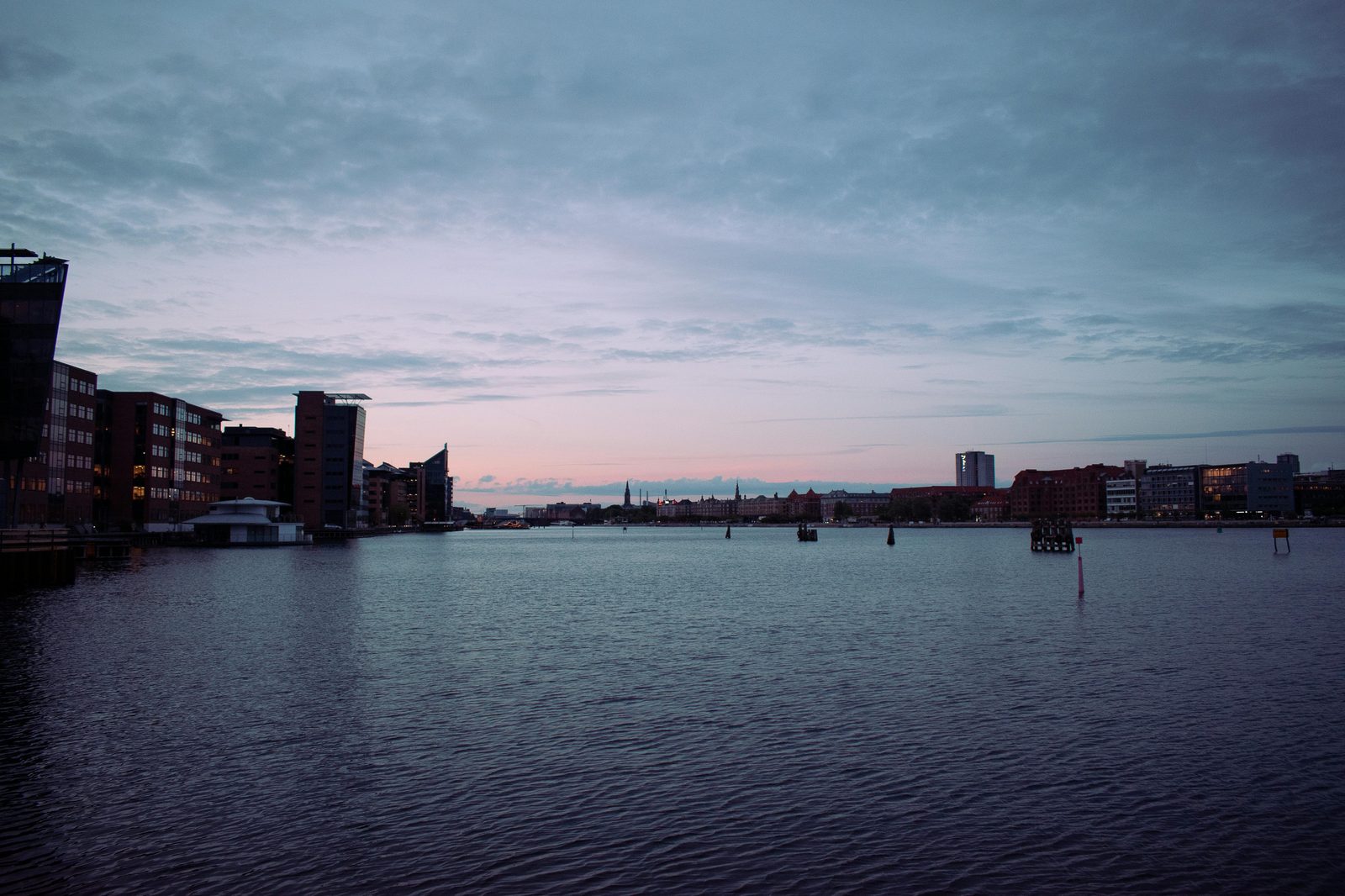
The mermaid is small and notoriously hard to photograph well — but the right angle and time make all the difference.
- Side-on profile (most flattering): Stand on the quayside path 6 metres south of her boulder. Side light at golden hour gives the bronze its best tone.
- Three-quarter from the path: The classic tourist angle. From 4 metres back, you frame her with the harbour and (often) a passing ship.
- Up-close from the rocks (illegal but possible at low water): Some visitors clamber onto the foreshore rocks at low tide. The harbour police actively discourage this — and it’s genuinely dangerous.
- Wide angle including Kastellet windmill: Step 30 metres back along the path; the windmill silhouette appears in the background.
- Reverse view across the harbour: A drone shot is now banned in central Copenhagen since 2022. Forget it.
Is the Little Mermaid Statue Worth Visiting?
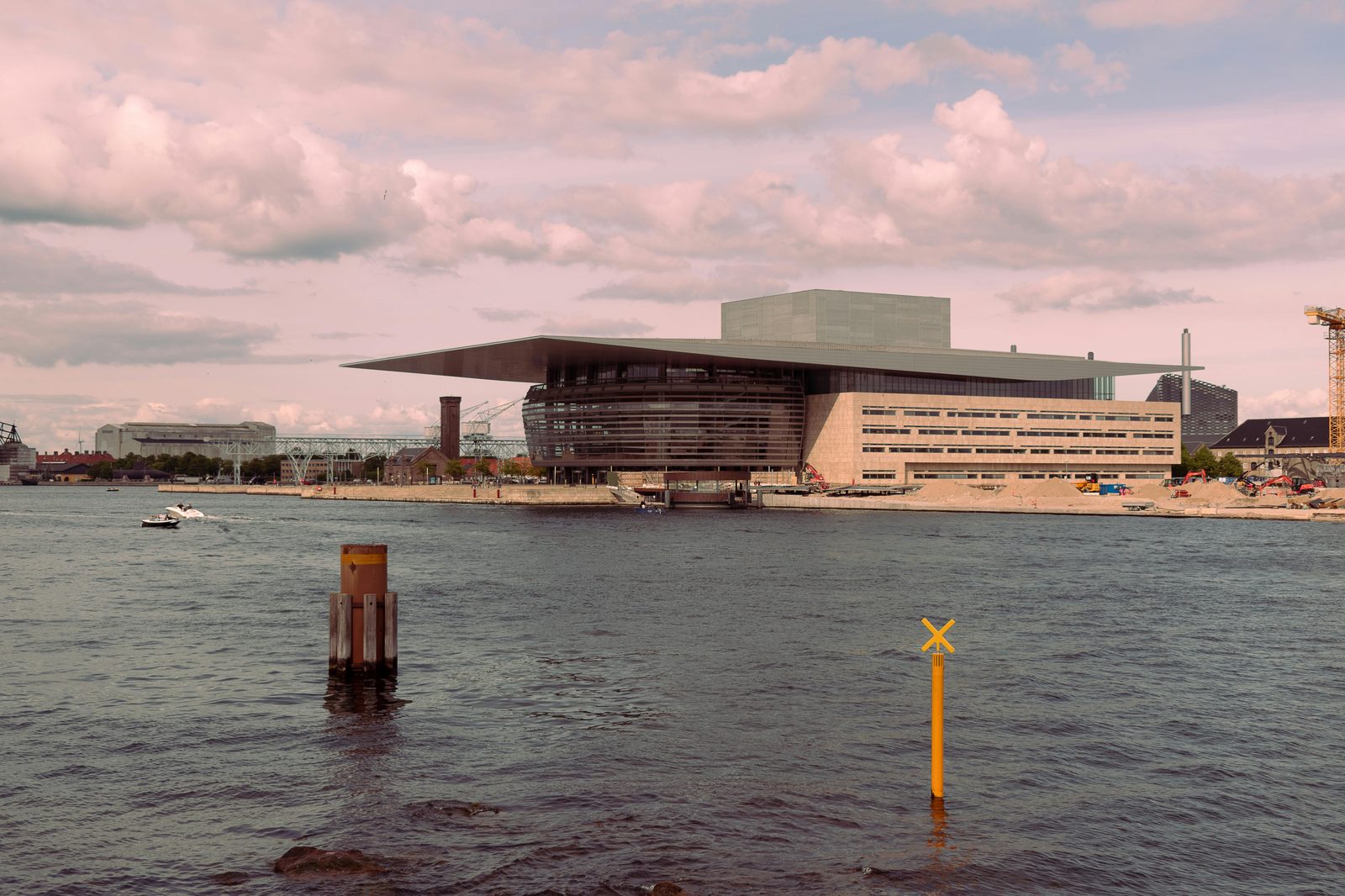
Honest answer: yes, but combine it with the surrounding walk. The statue on its own is a 5-minute look — most visitors leave faintly disappointed by the size. But as a destination at the end of a 30-minute waterfront stroll from Nyhavn, taking in Amalienborg, the Royal Yacht, St Alban’s Church, the Gefion Fountain, Kastellet ramparts and the Little Mermaid in sequence — it is one of the most memorable city walks in Northern Europe. Allow 90 minutes for the round trip. If you’re weighing up entry costs across the city, our Copenhagen Card review covers what’s included nearby, and the same harbour looks even better after dark — see Copenhagen after dark.
Skip if: You only have 4 hours in Copenhagen and you’ve never seen Tivoli. Tivoli is a more rewarding use of limited time. Visit if: You have a half-day or longer, you like a coastal walk, and you appreciate the kind of cultural-historical layering that Andersen’s fairy tale, Carlsberg’s patronage, and 110 years of paint-and-saw protests give the place.
Little Mermaid FAQs
How big is the Little Mermaid statue?
125 cm tall (about 4 feet 1 inch) — roughly the size of an 8-year-old child. Most visitors are surprised by how small she is. The smallness is intentional — she is meant to look like a mermaid clinging to a rock at the water’s edge, not a monumental statue.
Is the Little Mermaid statue free to visit?
Yes, completely free. There are no tickets, no fences, no opening hours. She is on a public quay and accessible 24 hours a day, year round.
How do I get to the Little Mermaid from Tivoli or Central Station?
From Central Station: take the S-tog or local train one stop to Østerport, then walk 5 minutes east through Kastellet. Total: 15 minutes. Walking the whole way along the harbour is also possible (40 minutes through Nyhavn) and very scenic. From Tivoli: same — Tivoli is across the road from Central Station.
Is the Little Mermaid the original 1913 statue?
The version on display is the original 1913 Eriksen bronze, repaired multiple times after vandalism but using the original casts. Replicas exist in Solvang, California (1976) and Greenville, Michigan (1994). The original left Denmark only once, for the 2010 Shanghai World Expo.
How much time should I spend at the Little Mermaid?
5–10 minutes at the statue itself. But budget 90 minutes for the full Langelinie circuit (Gefion Fountain → Kastellet → Little Mermaid → walk back through Amalienborg).
Is the Little Mermaid wheelchair accessible?
The Langelinie quayside path is paved and flat — fully wheelchair accessible. The statue itself sits on a boulder a few metres into the water, viewable from the path. Kastellet has unpaved gravel paths on the ramparts; wheelchair users may want to skip the rampart walk.
Has the Little Mermaid statue ever been beheaded?
Yes — three times: in 1964, 1990, and 1998. Heads from the 1990 and 1998 incidents were recovered; the 1964 head was never found, and a recast from Eriksen’s original 1913 plaster moulds was used to repair her. She has also lost an arm (1984) and been blasted off her boulder (2003).
What’s the best souvenir of the Little Mermaid?
Royal Copenhagen porcelain (the porcelain Little Mermaid figurine in their Blue Fluted collection has been a classic since 1920) or a vintage 1960s-70s Bing & Grøndahl plate, available at flea markets in Frederiksberg. See our guide to the city’s shopping districts for where to buy these. Avoid the cheap mermaid figurines from souvenir shops on Strøget — Eriksen family lawyers have aggressively pursued unauthorised reproductions for decades.
Related Reading
- The Round Tower — the spiral ramp, the observatory and the city view from the top.
- The National Museum of Denmark — Viking halls, the Sun Chariot and a free children’s museum.
- Tivoli Gardens Copenhagen — the obvious paired attraction.
- Copenhagen itinerary — day-by-day plans including the Langelinie walk.
- Copenhagen with kids — kid-friendly things to combine with the Mermaid visit.
- Copenhagen’s neighbourhoods — the Indre By and Frederiksstaden context.
- The Ny Carlsberg Glyptotek — Roman sculpture and French painting under the winter garden dome.
- Best time to visit Copenhagen — when to do the Langelinie walk.
- Christiansborg Palace — climb its tower for the best free view in the city.
Final Thoughts: Is She Worth It?
The Little Mermaid is misunderstood. Visitors who arrive expecting a Statue of Liberty leave underwhelmed; visitors who arrive expecting a quiet bronze sculpture at the end of a beautiful harbour walk leave delighted. She is small, modest, and sometimes surrounded by 200 strangers all taking the same photo. But she is also Carl Jacobsen’s gift to Copenhagen, Edvard Eriksen’s most-recognised work, the visual signature of Hans Christian Andersen’s saddest fairy tale, and a reminder of why Copenhagen has become one of Europe’s most quietly self-confident capitals. Walk to her along the harbour, give her ten minutes, and walk back through Kastellet and Amalienborg. You will leave understanding why Copenhagen has chosen this small mermaid, of all possible monuments, to represent itself to the world.
Last updated: July 2026. Opening hours and access can change — check official sites before visiting.