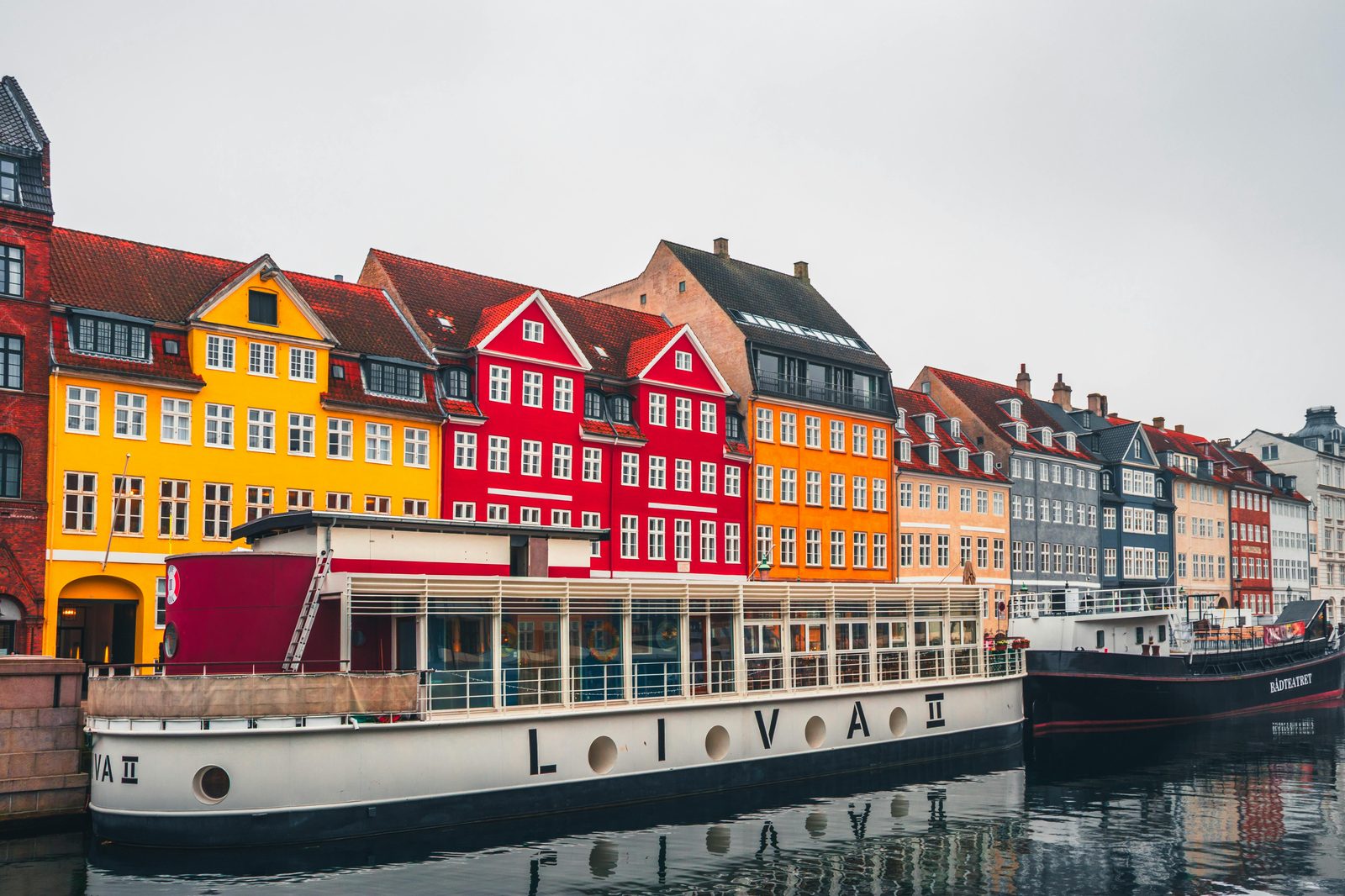
Copenhagen has a fearsome reputation for prices, and it’s mostly deserved — but doing Copenhagen on a budget is genuinely achievable with a bit of planning. Stay in a hostel dorm, self-cater from Netto, take the free walking tours, walk or cycle instead of paying for transit, and lean on the city’s abundant free sights, and you can have a great trip on 600 to 1,000 DKK a day. Visit in the off-season and accommodation halves again. This guide breaks down realistic daily costs, the cheapest beds, where to eat well for little, the free activities worth your time, and the small hacks that add up.
It’s the money-conscious lens on the wider Copenhagen itinerary — the same city, minus the expensive bits you won’t miss. The good news is that a lot of what makes Copenhagen special (the harbour, the canals, the parks, the neighbourhoods) costs nothing at all.
At a Glance
| Tier | DKK/day | What you get |
|---|---|---|
| Backpacker | 400-700 DKK | Hostel dorm, supermarket meals, walking, free sights |
| Budget | 700-1,000 DKK | Private hostel room, cheap eats + one restaurant, City Pass |
| Mid-range | 1,500-2,500 DKK | Mid hotel, restaurants daily, 2-3 paid attractions |
| Comfort | 3,000-5,000 DKK | Boutique hotel, fine dining, all attractions |
| Luxury | 5,000+ DKK | d’Angleterre, Noma, everything |
Cheap Places to Stay

Your options, cheapest first:
- Generator Hostel — central; dorm 200–400 DKK, private 600–1,000 DKK.
- Steel House Copenhagen — a luxury hostel with a rooftop pool; dorm 250–500 DKK, private 800–1,500 DKK.
- Cabinn — budget chain; private rooms 600–900 DKK.
- Globalhagen Hostel — near Christianshavn; dorm 250–400 DKK.
- Sleep In Heaven — Nørrebro design hostel; dorm 250–400 DKK.
- Airbnb private room — 400–700 DKK; cheaper outside Indre By.
- Couchsurfing — free, if less reliable.
- Camping — Charlottenlund or Klampenborg on the outskirts; 100–150 DKK plus a tent.
See our best hostels in Copenhagen guide, or the best cheap hotels if a dorm isn’t for you.
Eating for Less
Self-Catering
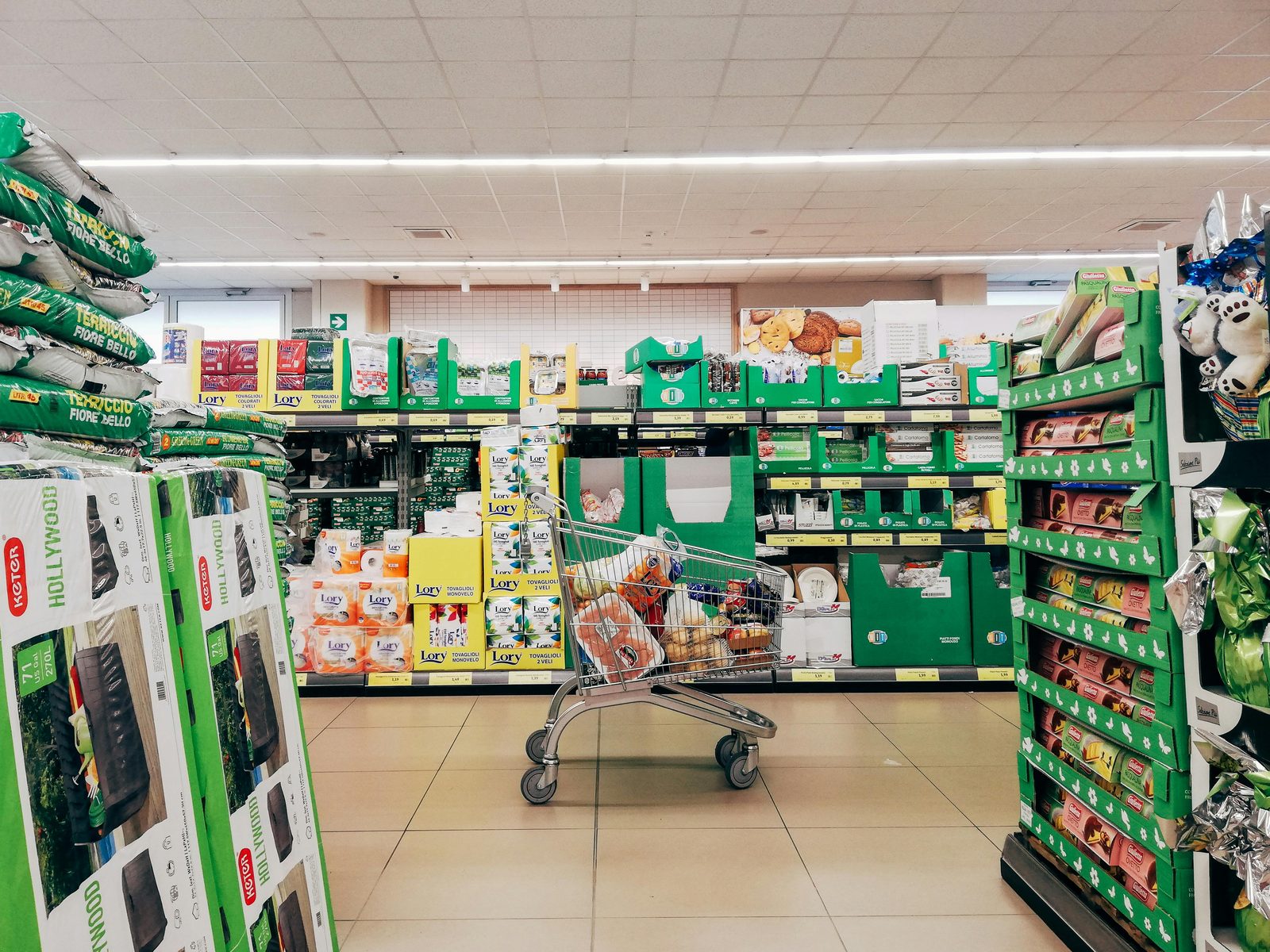
The supermarkets, cheapest first: Netto (the cheapest, more than 50% under restaurant prices), Lidl, Føtex (mid-range, better produce), Irma (premium organic) and the co-op Dagli’Brugsen. Sample meals at 40–80 DKK each:
- Breakfast — yoghurt, granola and fruit (35 DKK).
- Lunch — a bread-cheese-tomato-ham sandwich (50 DKK).
- Dinner — pasta with sauce and cheese (60 DKK, serves two).
- Picnic — bread, cheese, cured meat and fruit (80 DKK, serves two).
- Coffee — supermarket beans (10 DKK vs 50 DKK in a café).
- Beer — Carlsberg or Tuborg from a supermarket (8–12 DKK vs 60–80 DKK in a bar).
Cheap Eats Out
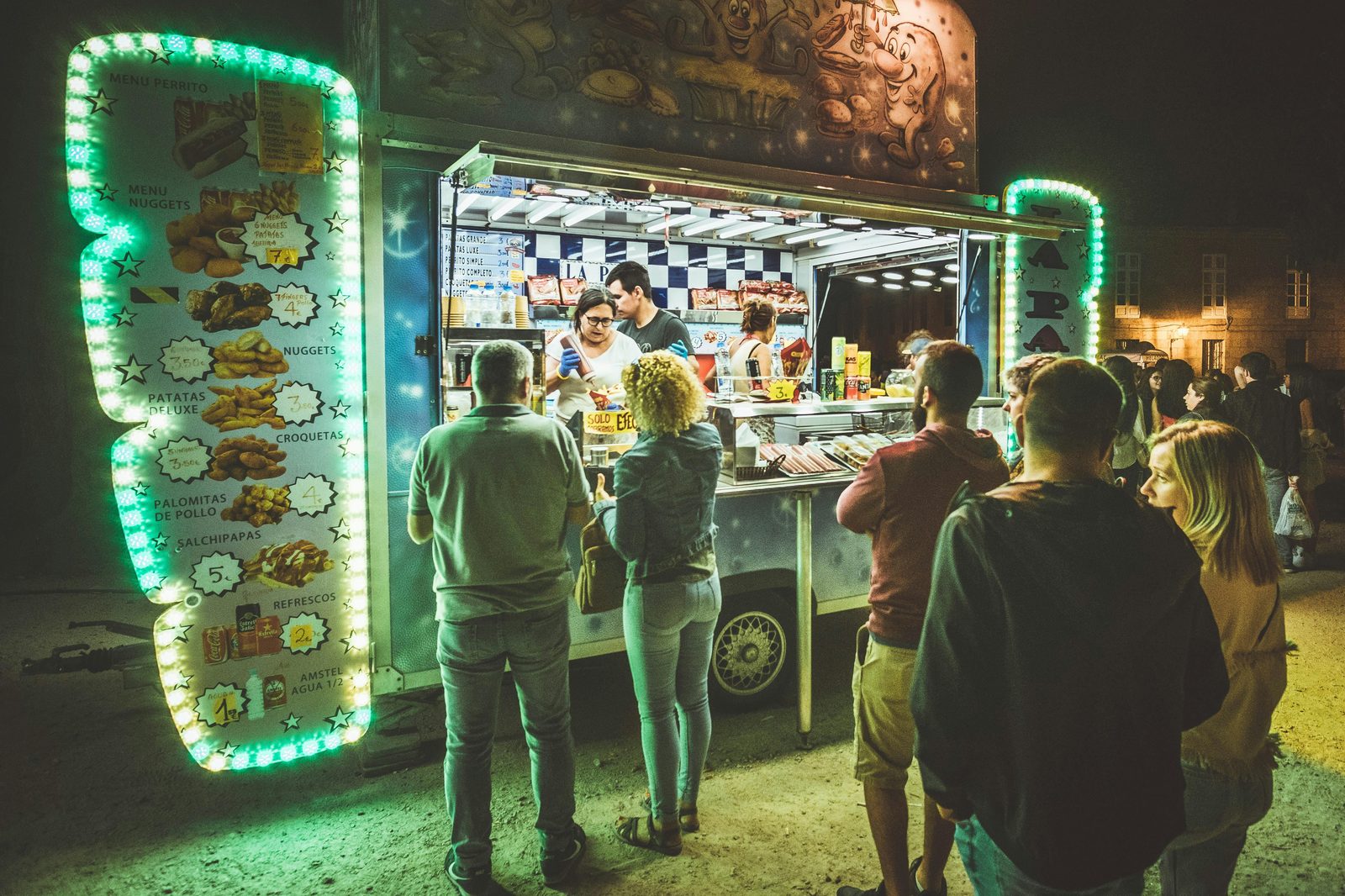
- Hot dogs — a local institution; 30–50 DKK, everywhere.
- Salam (Nørrebro) — the best falafel and shawarma; 75–110 DKK.
- Hallernes Smørrebrød (Torvehallerne) — 75–110 DKK, walk-up.
- Mother pizza (Vesterbro) — Naples-style sourdough; 145 DKK, shareable.
- Pomodoro (Nørrebro) — Italian; 115–165 DKK.
- Souls (Vesterbro) — vegan brunch; 165 DKK, big portions.
- Reffen (Refshaleøen) — street food; 50–150 DKK.
- 7-Eleven hot dogs and sandwiches — 30–60 DKK.
See our cheap eats in Copenhagen guide.
Park Picnics

The best picnic spots: Frederiksberg Have (formal gardens and a lake), Fælledparken (the biggest park), Sønder Boulevard (Vesterbro’s linear park), Kongens Have (central, with Rosenborg in view), Assistens Cemetery (Nørrebro’s atmospheric green) and Islands Brygge Park (for the Sydhavn sunset). Every neighbourhood has a Netto nearby; 80–150 DKK feeds two generously.
Getting Around for Less
Your options, cheapest first:
- Walking (free) — covers most of the centre; 5–7 km a day.
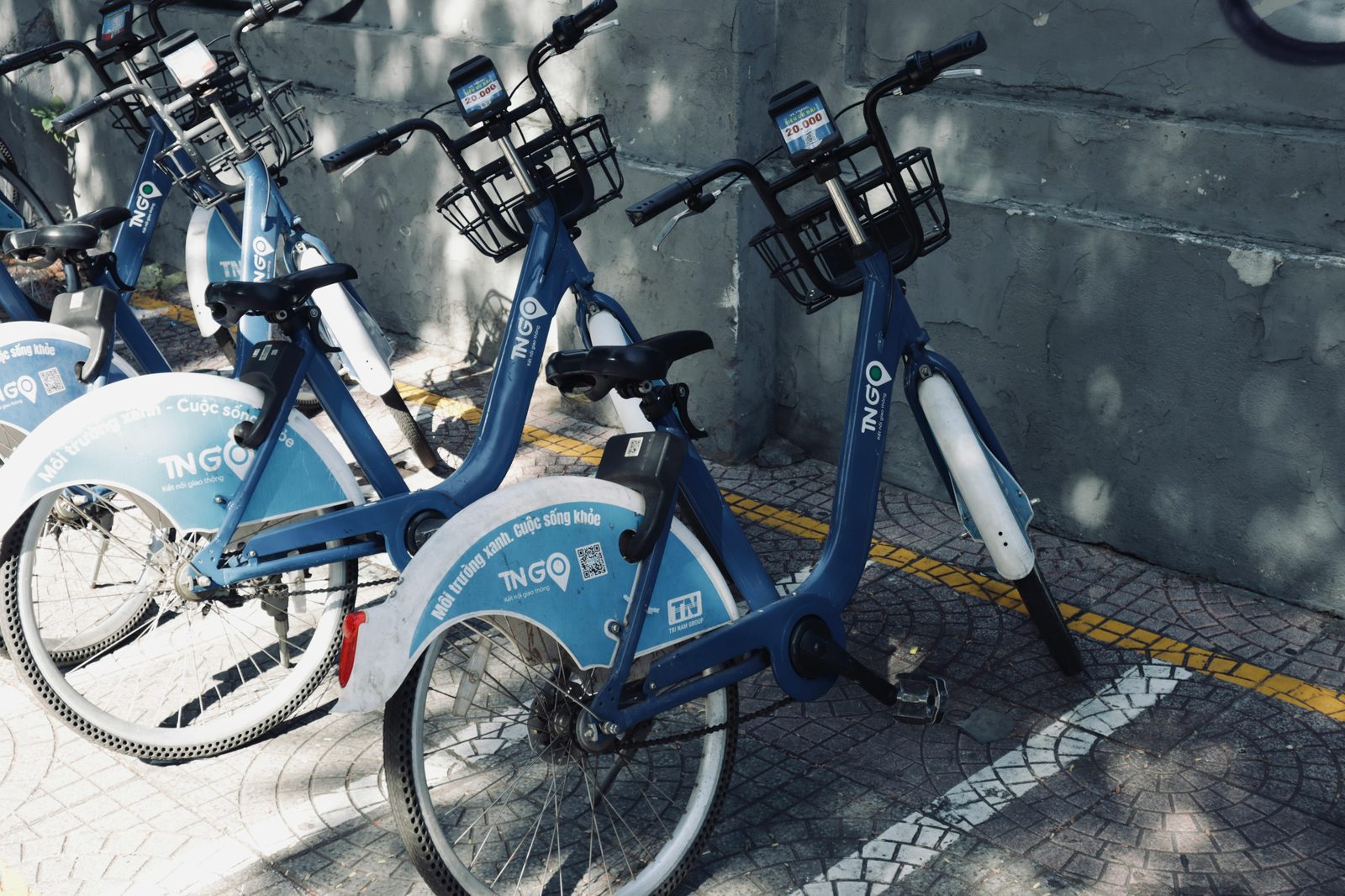
- Donkey Republic bike — 95 DKK/day; cheaper than a day’s transit and faster.
- A single transit ticket — 30 DKK for two zones; 40 DKK for the airport.
- City Pass 24h — 100 DKK; metro, bus, S-tog and harbour bus.
- City Pass 72h — 270 DKK (about 90 DKK a day).
- Avoid taxis — 50 DKK to start plus 14 DKK a km.
- Skip the Copenhagen Card — at 569 DKK for 24h, it only pays with four-plus paid attractions.
Our public transport tickets guide has the full detail.
The Best Free Things to Do
Free Walking Tours
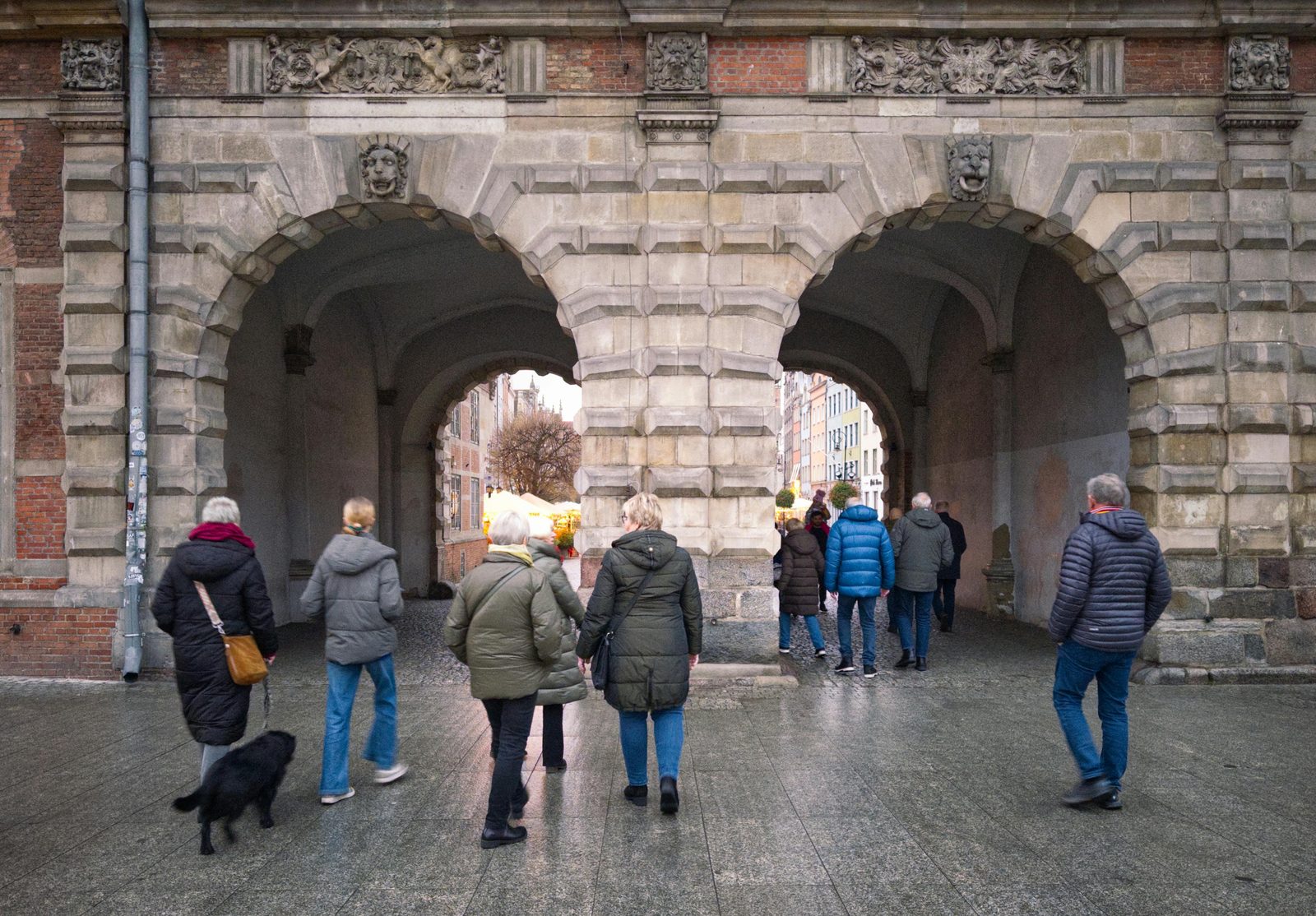
- SANDEMANs Free Walking Tour — 3 hours; tip-based (50–150 DKK suggested).
- Free Walking Copenhagen — 2.5 hours; the alternative.
- The Royal Quarter tour — the royal sights.
- A Christiania resident-led tour — donations expected.
See our walking tours guide.
Free Museums
- The National Museum of Denmark — the full sweep of Danish history.
- SMK (National Gallery) — the national art collection.
- The Black Diamond library — architecture and a harbour view.
- Christiansborg’s Castle Tower — free panoramic views.
- Rundetårn’s ground floor — free (the top is paid).
- The Glyptotek on Tuesdays — free admission.
Free Sights and Walks
- Walk Strøget — 1.1 km of pedestrian street, free.
- Photograph Nyhavn — the painted houses.
- The Christianshavn canals — an atmospheric wander.
- Vor Frelsers Kirke spire — 65 DKK, and worth it.
- Christiania — free entry, donations encouraged.
- The walk to the Little Mermaid — a free coastal stroll.
- The Kastellet ramparts — a free star-fortress walk.
- Frederiksberg Have — free formal gardens.
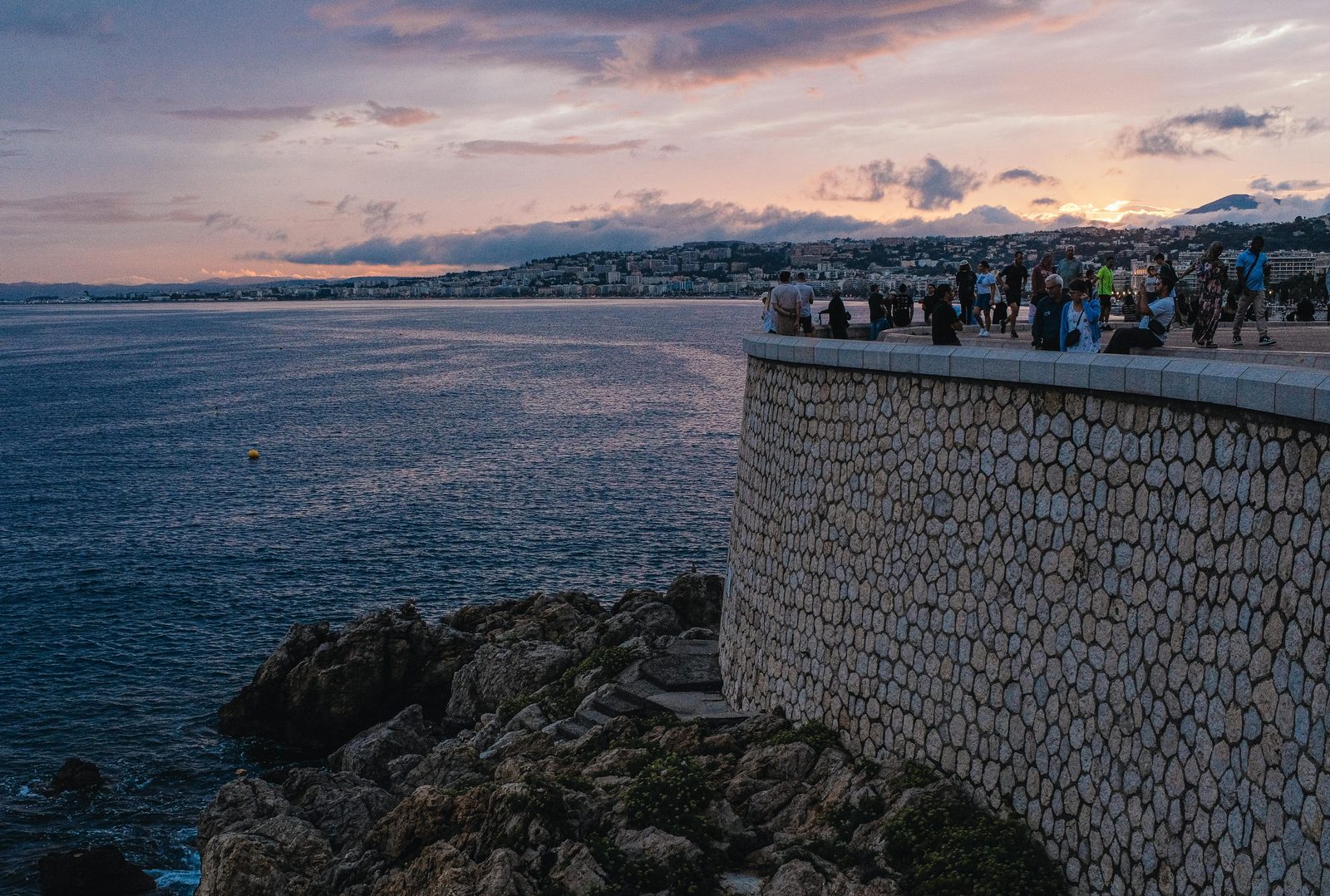
- The Sydhavn / Islands Brygge sunset — the city’s best.
- The Cykelslangen — free architecture to walk or ride.
- Refshaleøen — a free, atmospheric industrial wander.
- The Bispebjerg cherry blossoms — April only, free.
Our free things to do in Copenhagen guide has the full list.
What’s Worth Paying For
Being frugal doesn’t mean skipping everything. A few paid things earn their keep:
- Vor Frelsers Kirke spire (65 DKK) — the best view in the city, cheaply.
- Rundetårn (40 DKK) — central, and a fun spiral climb.
- Carlsberg Visitor Center (195 DKK) — includes two beer tastings.
- Tivoli (145 DKK) — a magical evening; rides cost extra.
- A Nyhavn canal tour (135 DKK) — an hour of orientation.
- A Donkey Republic bike (95 DKK/day) — covers far more ground than your feet.
Money-Saving Tips

- Carry a reusable water bottle — the tap water is excellent and free.
- Refill at public fountains — they’re all over the city.
- Sleep outside the centre — Nørrebro and Frederiksberg beat Indre By on price.
- Come off-season (Oct–Feb) — hotels drop 40–60%.
- Fly midweek — Monday to Thursday is cheaper.
- Swap the Little Mermaid for Christiania — both free, one more interesting.
- Skip the Copenhagen Card unless you’ll hit four-plus attractions.
- Cook one or two meals a day — it saves 200–400 DKK for a couple.
- Cycle rather than take the metro — a day’s bike hire undercuts daily transit.
- Do a free walking tour on day one — orientation and company at once.
- Drink at supermarkets, not restaurants — beer is 10 DKK versus 60–80 DKK.
- Use the free toilets — at metro stations, parks and museums.
A Daily Cost Breakdown
These are the lean numbers. For the full picture at three spending levels, including worked three-day and seven-day totals and what a couple sharing a room actually saves, see our breakdown of what a Copenhagen trip costs.
| Item | Backpacker | Budget | Mid-Range |
|---|---|---|---|
| Accommodation | 200 DKK (dorm) | 400 DKK (private hostel) | 1,500 DKK (mid hotel) |
| Breakfast | 30 DKK (supermarket) | 50 DKK (café) | 100 DKK (café) |
| Lunch | 60 DKK (picnic) | 100 DKK (cheap eats) | 200 DKK (restaurant) |
| Dinner | 80 DKK (cooked) | 150 DKK (cheap eats) | 350 DKK (restaurant) |
| Transport | Walk (free) | 100 DKK (City Pass) | 100 DKK (City Pass) |
| Activities | Free + tour (50 DKK tip) | 100 DKK (1 attraction) | 300 DKK (2 attractions) |
| Daily total | 420 DKK | 800 DKK | 2,550 DKK |
A 3-Day Plan on 800 DKK a Day
Day 1: Free Walking + Indre By
- Breakfast at the hostel or a supermarket (30 DKK).
- SANDEMANs free walking tour (50 DKK tip).
- Lunch at Hallernes Smørrebrød (110 DKK).
- Rundetårn (40 DKK) and a free Strøget walk.
- Dinner: Mother pizza in Vesterbro (145 DKK).
- A free Sydhavn sunset.
- Day total: about 700 DKK.
Day 2: Christianshavn + Refshaleøen
- A Hart Bageri kanelsnegle and coffee (60 DKK).
- The Vor Frelsers Kirke spire (65 DKK).
- Walk the Christianshavn canals (free).
- Lunch at Reffen (75 DKK; April–October).
- A La Banchina sauna (65 DKK).
- Walk Refshaleøen and CopenHill (free).
- Dinner: a supermarket picnic in a park (80 DKK).
- Day total: about 700 DKK.
Day 3: Vesterbro + Free Museums
- Breakfast from Netto with supermarket coffee (40 DKK).
- The National Museum (free; 2 hours).
- A free Strøget and city-centre walk.
- Lunch at Salam falafel in Nørrebro (95 DKK).
- Walk Sønder Boulevard and Vesterbro (free).
- The Carlsberg Visitor Center (195 DKK).
- Dinner: cooked at the hostel (60 DKK).
- Day total: about 700 DKK.
FAQs
Is Copenhagen expensive?
Yes — it’s among Europe’s priciest cities, with restaurants, hotels and alcohol running 30–50% above the European average. But budget travel is very doable through hostels, supermarkets and free attractions; it just takes a little planning.
How much does a day cost?
Backpacker: 400–700 DKK. Budget: 700–1,000 DKK. Mid-range: 1,500–2,500 DKK. Comfort: 3,000–5,000 DKK. Luxury: 5,000 DKK and up.
What’s the cheapest way to visit?
A hostel dorm, supermarket meals, walking, free attractions and an off-season visit. A backpacker pace of around 400 DKK a day is possible, and October to February runs 40–60% cheaper than peak summer.
Should I buy the Copenhagen Card on a budget?
Usually not — the 24h card (569 DKK) only pays off with four or more paid attractions, and budget travellers typically do one or two a day. A City Pass 24h (100 DKK) covers transit far more cheaply. See our is the Copenhagen Card worth it guide.
How do I save on food?
Self-cater one or two meals a day at Netto (40–80 DKK a meal), picnic in the parks, and lean on cheap eats — hot dogs (30–50 DKK), Salam falafel (75 DKK), Hallernes smørrebrød (75–110 DKK). Skip restaurant drinks (10 DKK at a supermarket versus 60–80 DKK at a bar). Our cheap eats guide has more.
The best free things to do?
A Strøget walk, Nyhavn photos, the Christianshavn canals, Christiania, Fælledparken, Frederiksberg Have, the Kastellet ramparts, the Little Mermaid, the Cykelslangen, a Sydhavn sunset, the National Museum, SMK, and the free walking tours. See our free things to do guide.
The cheapest places to stay?
A Generator dorm (200–400 DKK), a Cabinn private room (600–900 DKK), an Airbnb private room (400–700 DKK), or camping on the outskirts (100–150 DKK plus a tent). See our best hostels guide.
The cheapest months?
October to April, with hotels 40–60% below peak summer, and January–February the cheapest of all. The trade-off is the dark and cold and less harbour life; May is the best shoulder-season balance.

Drinking is where a Copenhagen budget quietly leaks, and it does not have to. A 50cl Tuborg is 15.50 DKK at REMA 1000 against about 60 in an ordinary bar, and the brown bars in Vesterbro sell five bottles for 100. We have put the full comparison in our guide to beer prices in Copenhagen, deposit system included.
Related reading
Final Thoughts
Doing Copenhagen on a budget is far more achievable than the city’s reputation suggests — 400–700 DKK a day as a backpacker, 700–1,000 DKK with a few comforts. Stay at Generator, self-cater at Netto, do the free walking tours, cycle instead of paying for transit, and lean into the free museums and the harbour, the canals and the parks that cost nothing. Skip the Copenhagen Card unless the maths works, and come October to February for the cheapest beds. Plan a little and this becomes one of Europe’s most rewarding budget trips — proof that the best of a place rarely comes with the biggest bill. Travelling alone too? Our Copenhagen solo travel guide pairs neatly with this one.
Last updated: July 2026.