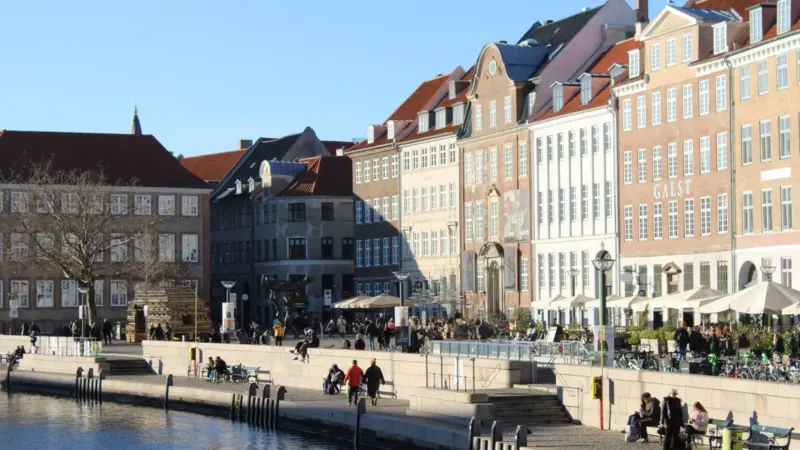
Walk from Café Grotten on Sønder Boulevard to the water at Nyhavn and you cover about 1.5 kilometres. Over that distance the price of a beer roughly quadruples. There is no single beer price Copenhagen can quote you, because the city runs four parallel drinking economies that barely acknowledge each other.
This page prices all four — the bodega, the ordinary bar, the craft taproom and the supermarket — with the tourist waterfront as a fifth category of its own. Everything below was checked in September 2026, from operator price lists where operators publish them. Treat the figures as the right order of magnitude rather than a guarantee; Danish bars re-print their lists once or twice a year and nobody warns you.
What a Beer Costs in Copenhagen: The Short Table
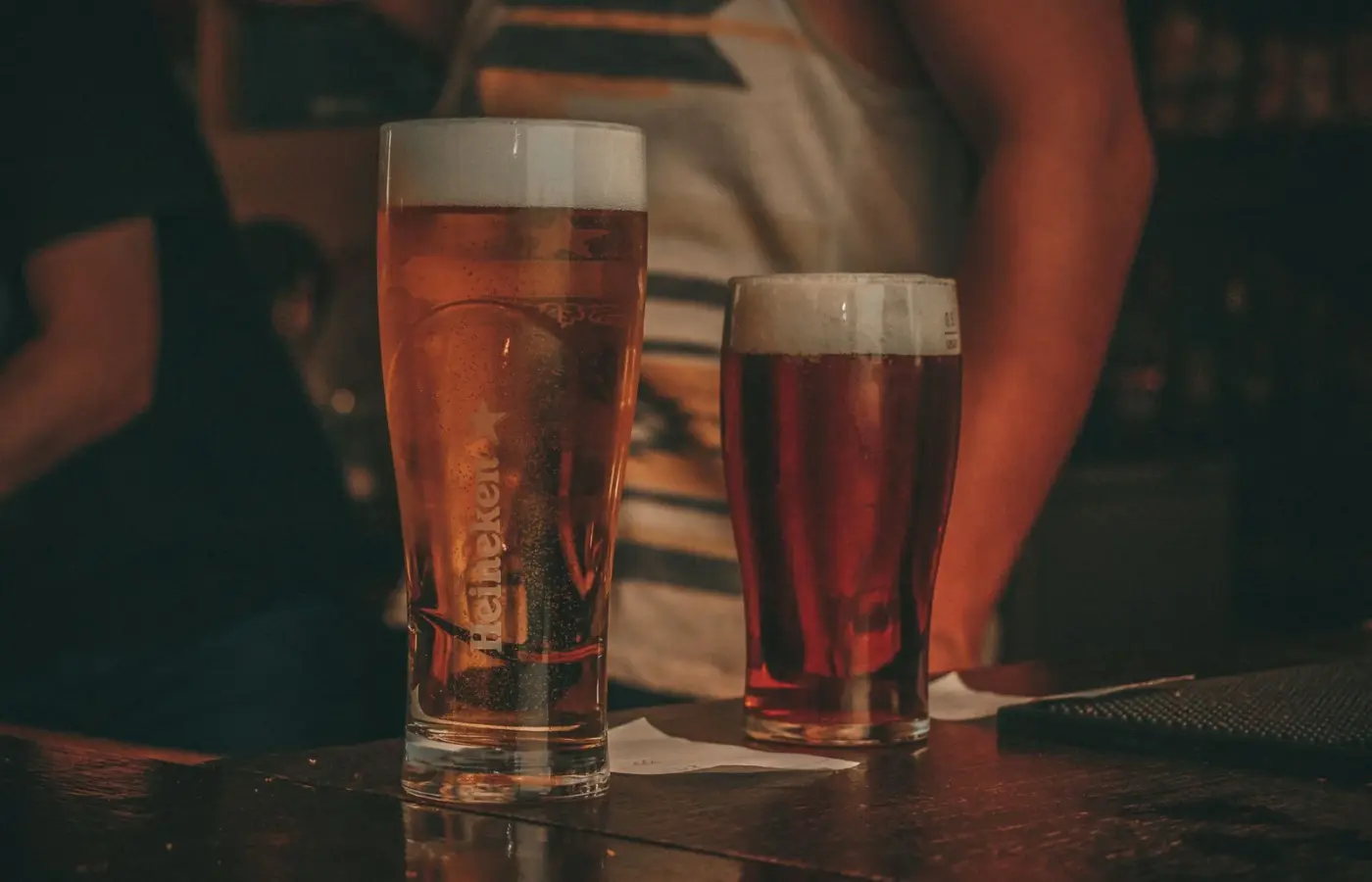
If you want one number to budget against, use 60 DKK. That is the median half-litre of draught in an ordinary bar, and it is the figure our full Copenhagen price breakdown builds its daily budget on. Here is the spread around it.
| Where you are drinking | 0.5L draught, or nearest pour | Roughly |
|---|---|---|
| Supermarket, 0.5L can or bottle | 15.50–22.50 DKK plus pant | €2–3 |
| Bodega (brown bar) | 40–75 DKK | €5–10 |
| Ordinary bar or café | 50–75 DKK, median 60 | €8 |
| Brewpub or craft taproom, 40cl | 60–95 DKK | €8–13 |
| Craft bar, 25cl tasting pour | 48–65 DKK | €6–9 |
| Nyhavn canal terrace | 75–110 DKK | €10–15 |
| Hotel bar or rooftop | 75–95 DKK | €10–13 |
The useful thing there is not the top or the bottom. It is that the gap between a bodega and an ordinary bar — often two doors apart on the same street — is wider than the gap between an ordinary bar and a rooftop. Copenhagen prices by what kind of room you have walked into, not by postcode.
The Bodega Is the Cheat Code
A bodega is a Danish brown bar: fluorescent-lit, laminate tables, a fruit machine, handball on the television with the sound off, and regulars who have held the same stool since about 1994. They are not charming in the way a guidebook means charming. They are, however, where the beer is.
- Café Grotten, Sønder Boulevard, Vesterbro. Bottles at 28 DKK, or five for 100.
- Barkowski, Vesterbro. Also five for 100. Louder, younger, later.
- Eiffel Bar, Wildersgade 58, Christianshavn. Open 09:00 to 03:00 daily, beer 45–55 DKK. The nine-in-the-morning opening is not a typo.
- Hviids Vinstue, Kongens Nytorv 19. Founded 1723, the oldest bar in the city, 55–75 DKK, open 10:00 to 01:00.
Hviids is the one worth memorising. It sits on the corner of Kongens Nytorv, ninety seconds from the Nyhavn quay, which means you can read a terrace menu offering a beer at 95 DKK, walk away, and drink in a room that has been serving since the reign of Frederik IV for sixty. Nobody stops you. The only reason more people do not do it is that the frontage is unremarkable and the sign is small. Our guide to Copenhagen’s bars has the rest of them by neighbourhood.
Nyhavn and the View Tax
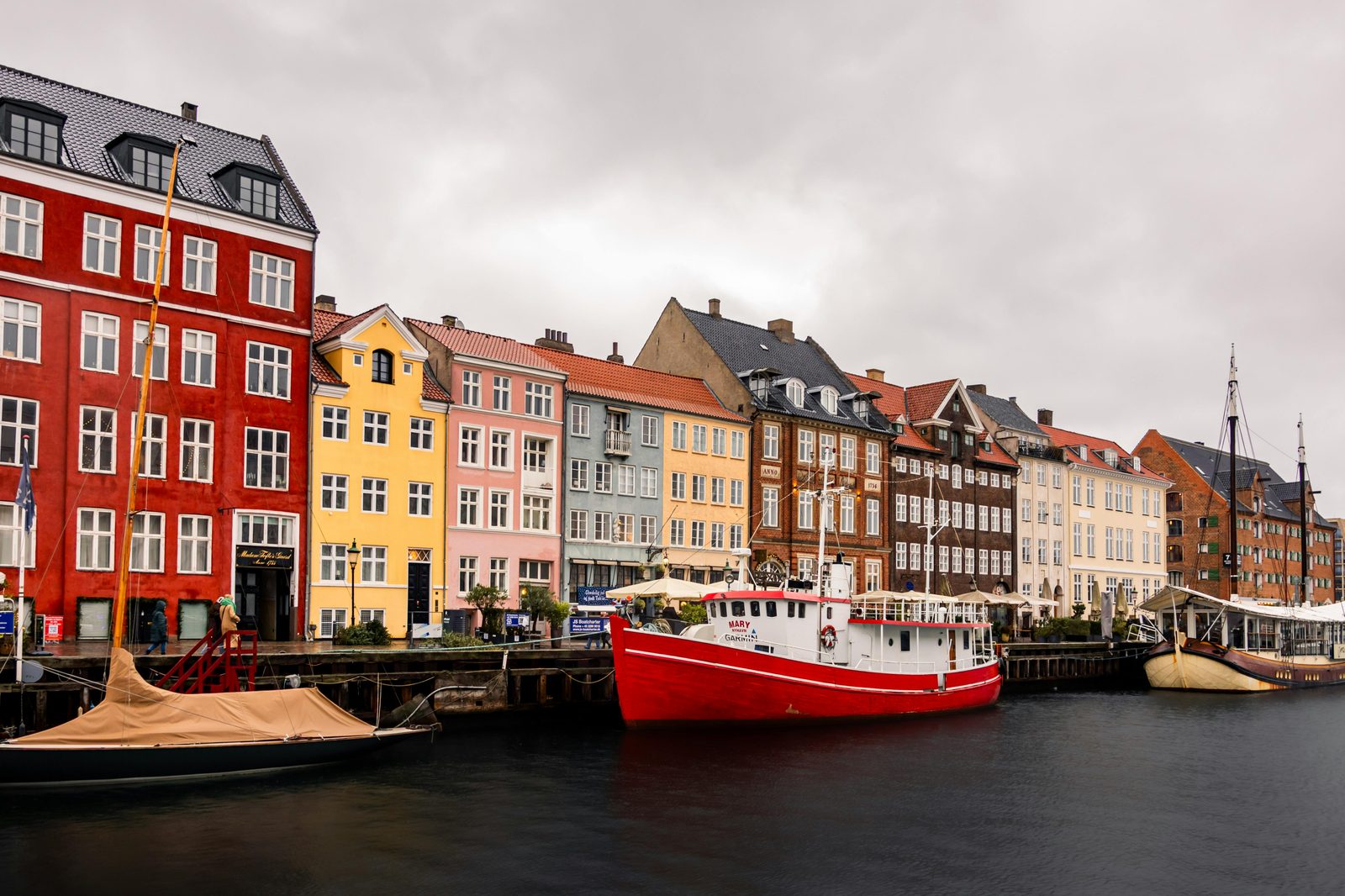
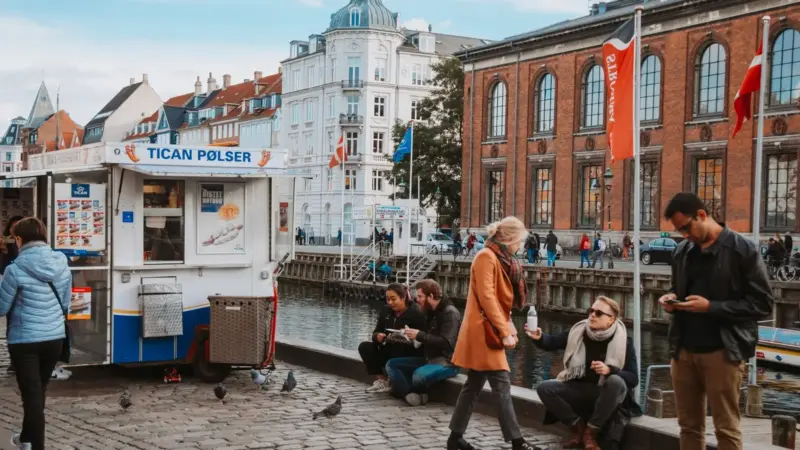
Reported prices on the Nyhavn terraces run from about 75 DKK to comfortably over 100, and nobody down there publishes a list you can check in advance. That vagueness is itself the warning: menus go out on boards, and the summer terrace rate is not the February indoor rate.
The honest verdict, though, because the internet has become tediously sniffy about this: one beer on the Nyhavn quay is worth paying for. You are buying forty minutes of the best-looking harbour in Northern Europe with a drink in your hand, and 95 DKK is less than most cities charge for a comparable view. It is the second and third that are the mistake, and the food is a far worse deal than the drink. Have one, look at the boats, walk inland. Our Nyhavn guide covers which terraces are actually pleasant to sit at.
Craft Beer: Where Price Per Centilitre Runs Away

Copenhagen effectively invented modern gypsy brewing and has the taprooms to prove it. It also has a pricing structure that catches people out: craft beer here is sold in 20cl, 25cl and 40cl pours rather than half-litres, and the small pour is not proportionally cheaper.
| Venue | What they charge |
|---|---|
| BRUS, Nørrebro | 20cl 40–65 DKK; 40cl 60–95; 1.5L pitcher 240–400 |
| Ølbaren, Elmegade | 25cl 48–58 DKK; 40cl 67–81 |
| WarPigs, Kødbyen | 60–90 DKK across 22 taps |
| Mikkeller Viktoriagade | The highest price per centilitre in the city |
Run the arithmetic on the Ølbaren list: a 25cl pour at 58 DKK works out at 232 DKK a litre against 162 for the 40cl at 81. Ordering small to save money costs you 43 per cent more per unit of beer. If you are drinking one thing all evening, order the big pour; the tasting glasses exist so you can try five different beers, and that is the only case where they make financial sense. Mikkeller’s Viktoriagade original still pours well but charges a brand premium that BRUS, brewing on the premises and publishing its prices, does not. If you have one craft stop in you, make it BRUS — more on the streets around it in our Nørrebro guide and Vesterbro guide.
The same arithmetic holds at every serious beer bar in the city. For the bar-by-bar picture, from the original Mikkeller cellar on Viktoriagade to the Mikkeller bar inside Tivoli, plus Taphouse’s 61 taps, Fermentoren and the celebrated brewery that has no bar at all, see our guide to Copenhagen craft beer.
One correction, because it is still in circulation: the Nørrebro Bryghus brewpub is closed. Royal Unibrew bought the brand and the brewing in January 2023 and the Ryesgade bar was not part of the deal. The premises are an Indian restaurant now.
Supermarket Beer, and the Deposit Nobody Explains
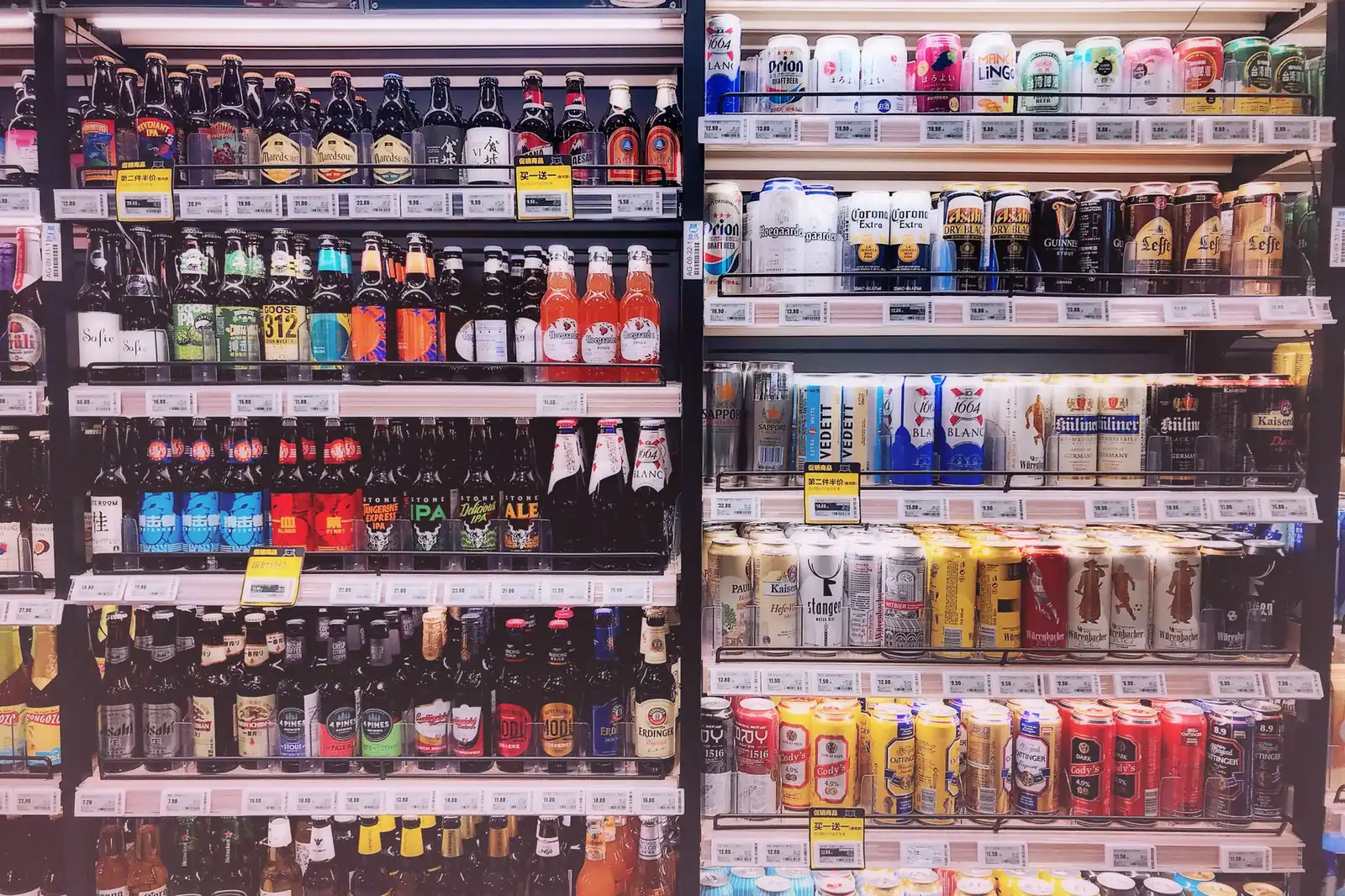
A 50cl Tuborg Classic is 15.50 DKK at REMA 1000 and 22.50 at MENY — a quarter of bar price, and the single biggest lever on a drinking budget here. Danish supermarkets sell beer until 22:00 at most branches, with no licence counter and no state monopoly. That is a genuine advantage over Sweden, and the reason a certain volume of weekend Øresund traffic runs towards Copenhagen rather than away from it.
Then there is pant, the deposit, which is added at the till and regularly convinces visitors they have been overcharged:
| Pant class | Container | Deposit |
|---|---|---|
| A | Glass bottles and cans under 1 litre | 1.00 DKK |
| B | Plastic bottles under 1 litre | 1.50 DKK |
| C | Anything from 1 to 20 litres | 3.00 DKK |
You get every øre back at the reverse-vending machine inside any supermarket: feed the empties in, take the voucher to the till. Treat pant as a float, not a cost. And if you are leaving town with empties, leave them beside a public bin rather than in it — someone will collect them within the hour, and that is an accepted part of how the system works. Two corrections for anyone holding an older guidebook: Irma is gone, all 65 stores closed by Coop in 2023, and ALDI has left Denmark altogether. The chains you will walk past are Netto, REMA 1000, Føtex and MENY, and our budget Copenhagen guide covers the rest of the self-catering maths.
Why It Costs What It Does, and It Is Not the Tax
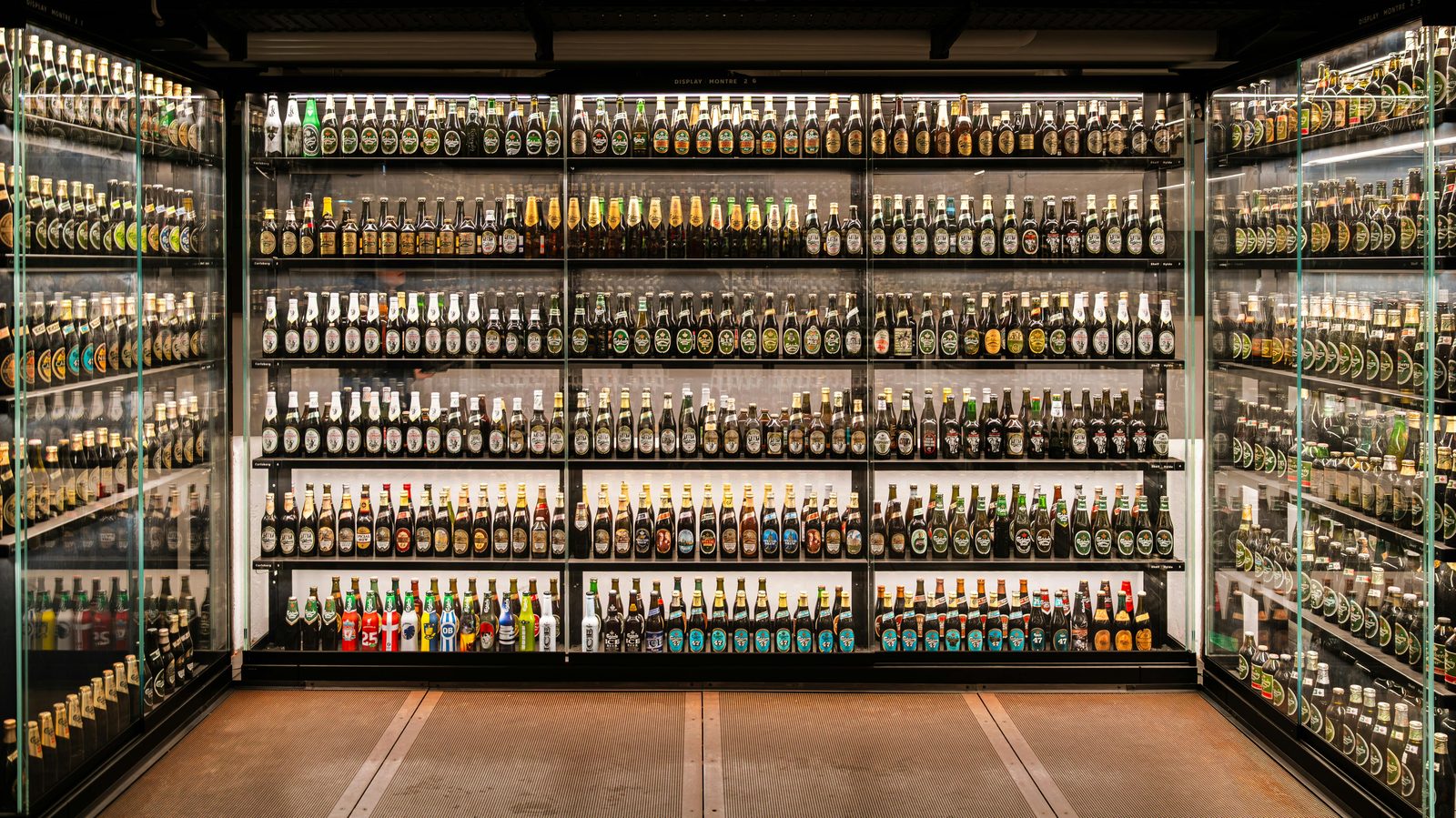
Everyone assumes Scandinavian beer prices are a sin-tax story. In Norway and Sweden that is broadly true. In Denmark it is almost entirely false, and this is the most useful thing on the page.
The Danish Ministry of Taxation’s own worked example puts the excise duty on a 33cl can at 4.6 per cent ABV at roughly 0.74 DKK. Seventy-four øre. Scale that to a half-litre and you are still inside two kroner of duty on a sixty-krone beer, under three per cent of what you hand over, and the rates were held flat going into 2027.
What actually makes the price is VAT and overheads. Denmark charges a flat 25 per cent VAT with no reduced rate for hospitality, unlike almost every other country in Europe, so twelve kroner of that sixty-krone beer is tax before anything is poured. The rest is central Copenhagen rent and Danish wages, in a country with no tipped minimum and no expectation that customers top up staff pay — which is why tipping here is genuinely optional. You pay the staff in the price of the beer instead of in a line at the bottom of the bill. Denmark also cut its own beer duty years ago to stop Danes driving to Germany for the weekend shop, which is exactly why the supermarket is cheap and the bar is not. The tax is not the villain. The rent is.
Ordering Without Getting Upsold
Four Danish words save money at the bar:
- Fadøl — draught, usually the cheapest thing on the list.
- Flaske — bottled, and often dearer than draught for the same beer.
- Stor and lille — large and small. In a normal bar a stor fadøl is 0.5L, a lille 0.25 or 0.3L.
- Klassisk — the house lager, as opposed to whatever seasonal thing the bar would rather sell you.
Say “en stor fadøl, tak” and you get the house draught at house price. Say “a beer, please” in English and you get whatever the bartender reaches for, which in a busy room is frequently the dearer tap. That is not malice, it happens everywhere, but the phrase takes four seconds to learn and saves fifteen or twenty kroner a round.
Happy Hour Barely Exists Here
Do not plan around it. Happy hour is not a Danish institution the way it is in Britain or the United States, and the bars that run one tend to be the international-facing places in Indre By and the hotel bars. Where it exists it runs 15:00 to 18:00 or 16:00 to 19:00 and takes ten to twenty kroner off — real, but not transformative, since a discounted beer in a mid-range bar still lands at 45 to 55 DKK, which is simply bodega price anyway.
The Danish version of a cheap night is a large draught in a brown bar and no expectation that you buy a round every twenty minutes. The city drinks slowly and late; very little opens before four in the afternoon and the metro runs all night, both of which our guide to Copenhagen after dark covers properly.
What a Realistic Drinking Budget Looks Like
| Kind of evening | What it involves | Per person |
|---|---|---|
| Supermarket and a park bench | Four cans, somewhere with a view | 70–90 DKK |
| Bodega night | Five beers at Grotten or Barkowski | 100–130 DKK |
| Normal night out | Three beers in ordinary bars | About 180 DKK |
| Craft crawl | Four 40cl pours across two taprooms | 280–340 DKK |
| One Nyhavn beer, then inland | One terrace beer plus two elsewhere | About 215 DKK |
| Cocktail bar evening | Three cocktails at 130 DKK | About 390 DKK |
Beer is not what breaks a Copenhagen budget. Restaurants are, as our full trip-cost breakdown sets out, and cocktails run to roughly double per drink — see the cocktail bar guide if that is the evening you want. Three beers a day in ordinary bars is about 180 DKK, less than one mid-range main course.
Frequently Asked Questions
How much is a beer in Copenhagen?
About 60 DKK for a half-litre of draught in an ordinary bar, with a normal range of 50 to 75. A bodega charges 40 to 75, a craft taproom 60 to 95 for a 40cl pour, a Nyhavn terrace 75 to 110, and a supermarket 15.50 to 22.50 plus a one-krone deposit.
Why is beer so expensive in Copenhagen?
Not tax on the beer — the excise duty on a 33cl can is about 0.74 DKK. It is the flat 25 per cent VAT with no hospitality rate, plus central Copenhagen rents and Danish wages, which are paid in the price rather than in tips.
Is supermarket beer really that much cheaper?
Dramatically. A 50cl Tuborg Classic is 15.50 DKK at REMA 1000, roughly a quarter of bar price. Denmark has no state alcohol monopoly and supermarkets sell beer until about 22:00.
What is pant on Danish beer?
A refundable deposit added at the till: 1.00 DKK on glass bottles and cans under a litre, 1.50 on small plastic bottles, 3.00 on containers of one to twenty litres. Return the empties to any supermarket reverse-vending machine and you get all of it back.
Is it cheaper to drink in Malmö?
No. Sweden runs a state alcohol monopoly, Systembolaget, with restricted hours and no supermarket sales. Weekend traffic across the Øresund tends to run towards Copenhagen for exactly this reason.
The rooftop premium is one of the more predictable lines in that table: expect 75 to 95 DKK for a half-litre against 50 to 75 at street level, and a cocktail nearer 160 than 130. Our guide to Copenhagen’s rooftop bars works out which terraces earn it.
Those four bar words are part of a slightly longer list worth knowing before you land — including how to ask for tap water by name rather than paying for bottled. Our guide to Danish phrases for travellers has forty, with pronunciations that work.
Related Reading
- Is Copenhagen expensive? prices everything else in the city against the same sources.
- The best bars in Copenhagen sorts the drinking by neighbourhood, bodegas included.
- Copenhagen on a budget the wider version of the supermarket-and-a-park strategy.
- Cheap eats in Copenhagen what to eat once the money has gone on beer.
- Carlsberg City the brewery district the whole Danish beer story starts in.
Final Thoughts
Copenhagen has a reputation for punishing drink prices that it only half deserves. The bars in the middle of the tourist map are expensive; the ones two streets behind them are not, and the supermarket is cheaper than most of Europe because Denmark spent years cutting duty to keep its own citizens out of Flensburg. That 1.5 kilometres from Sønder Boulevard to the Nyhavn quay contains a fourfold price difference and no difference at all in the beer.
So have the one on the water, learn to say en stor fadøl, find the brown bar with the fruit machine, and keep the empties. Nobody here will think less of you for any of it. They invented all four moves.