
Skip the car — the train will take you further, faster, and with a better view. Copenhagen train travel spans three layers: the S-tog suburban network for quick day trips, DSB intercity services to the rest of Denmark, and international links to Sweden, Germany and beyond. It all radiates out from Copenhagen Central (Hovedbanegården), Scandinavia’s busiest hub, where seven S-tog lines meet frequent trains to Aarhus, Odense and Aalborg, plus the Øresundståg to Malmö and the ICE to Hamburg. If you’re travelling car-free, this is your best friend. Below we break down every train type, what tickets cost, S-tog versus DSB, how to buy, and the best Danish destinations you can reach straight from the central station.
Trains are the backbone of car-free travel here, working hand in glove with the metro, buses and bikes — see our complete guide to getting around Copenhagen for how it all connects, and read on for the rail specifics.
Copenhagen Train Travel at a Glance
| Type | Use case | Operator | Price example |
|---|---|---|---|
| Metro M1-M4 | Central Copenhagen + airport | Metroselskabet | 30-40 DKK single |
| S-tog (suburban trains) | Copenhagen suburbs + day trips (Helsingør, Roskilde, Hillerød) | DSB | 30-60 DKK |
| DSB Intercity | Aarhus, Odense, Aalborg, Esbjerg | DSB | 200-400 DKK |
| Lyntog (express) | Faster Copenhagen-Aarhus-Aalborg | DSB | 300-500 DKK |
| Øresundståg | Copenhagen-Malmö-Lund-Sweden | Øresundståg (joint Danish-Swedish) | 105 DKK |
| ICE Berlin/Hamburg | Copenhagen-Hamburg-Berlin | DB + DSB | From 380 DKK |
| Snälltåget | Copenhagen-Stockholm overnight | Snälltåget | From 600 SEK |
The S-tog Suburban Network
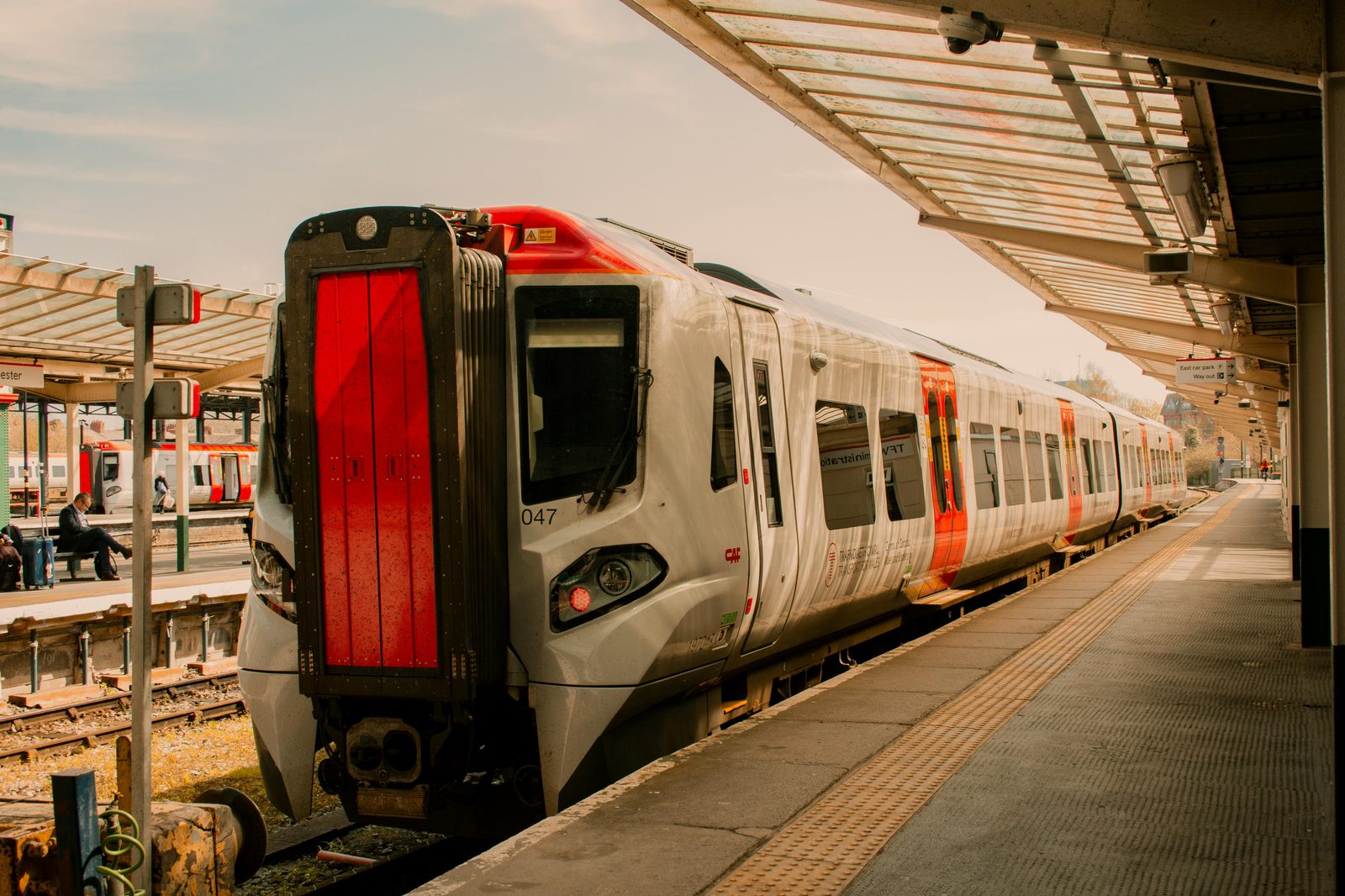
The S-tog is Copenhagen’s suburban rail — seven lines (A, B, C, E, F, H and the ASv/EX express) covering the metro area and the suburbs beyond:
- Frequency: every 10 min at peak, every 20 off-peak, every 60 late at night
- Hours: 05:00-00:30 on weekdays, 05:00-01:30 at weekends
- Coverage: 85+ stations across the city and out into the region
- Day trips: Helsingør (Kronborg Castle, 45 min), Hillerød (Frederiksborg Castle, 35 min), Roskilde (50 min)
- Price: the same zone-based fares as the metro (30-60 DKK depending on zones)
- Free with the Copenhagen Card, and included in 24-hour all-zone tickets
The best S-tog day trips
This is where the S-tog earns its keep — some of Denmark’s best days out are a short, cheap ride away:
- Helsingør (45 min, C-line) — Kronborg Castle (Hamlet’s) and the Maritime Museum
- Hillerød (35 min, A-line) — Frederiksborg Castle and its museum
- Roskilde (50 min, B-line) — the Viking Ship Museum and Roskilde Cathedral
- Klampenborg (15 min, C-line) — Bakken (the oldest amusement park in the world) and Dyrehaven, the deer park
- Vedbæk (25 min, C-line) — a lovely coastal walk along the Øresund
For full itineraries, see our day trips from Copenhagen guide.
S-tog, metro or intercity — which do I need?
It confuses first-timers, so here’s the shortcut. Staying in town or heading to the airport? That’s the metro. Doing a castle or Viking day trip within the region? That’s the S-tog, on your normal zone ticket. Crossing to another Danish city like Aarhus or Odense? That’s a DSB intercity train, which needs its own separate ticket, ideally an Orange one booked ahead.
DSB Intercity Trains
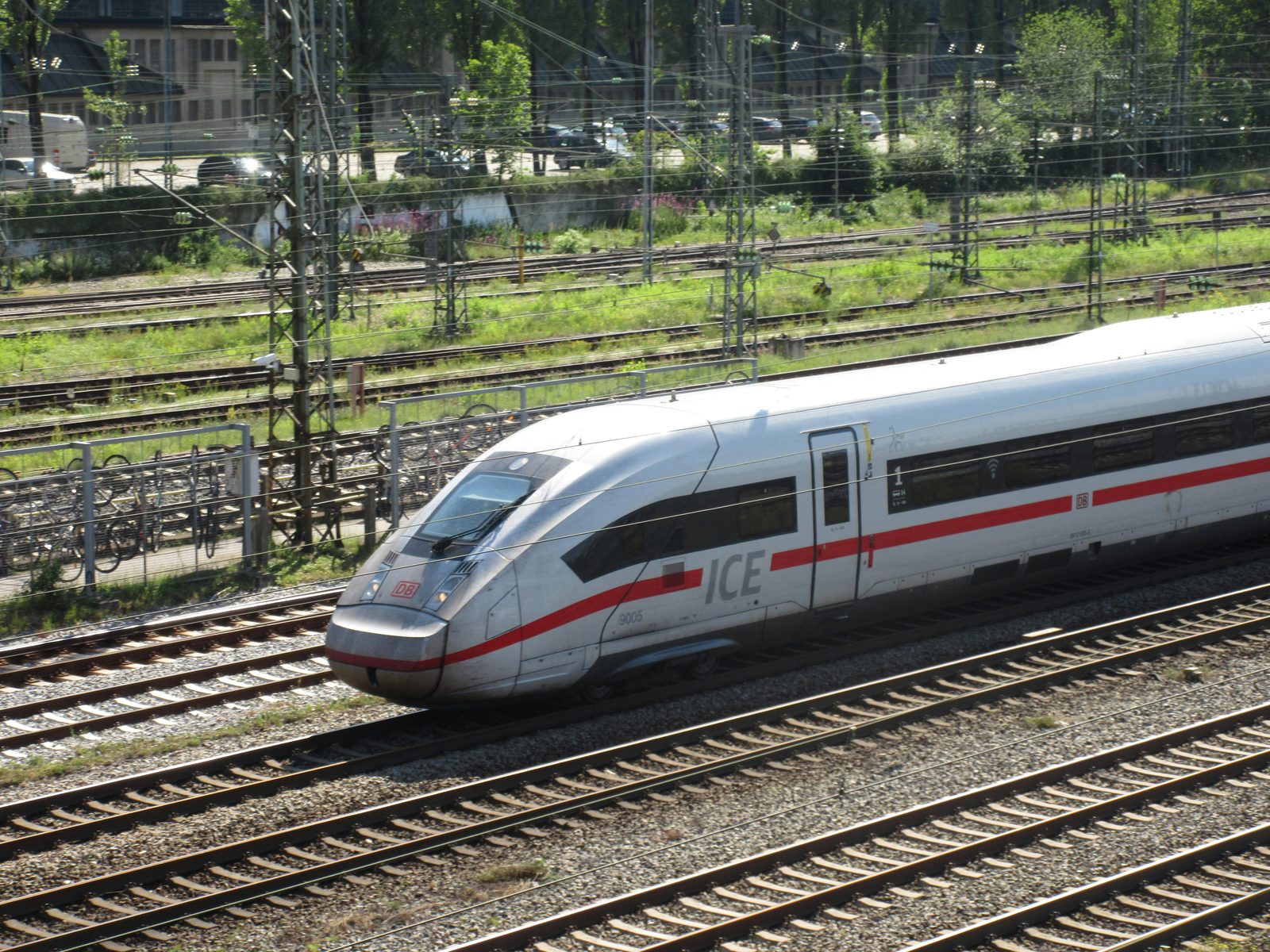
DSB (Danish State Railways) runs the intercity trains out of Copenhagen Central to the rest of the country:
| Destination | Time | Frequency | Price (one-way) |
|---|---|---|---|
| Roskilde | 25 min | Every 20 min | 75 DKK |
| Odense | 1h 15min | Every 30 min | 200-260 DKK |
| Aarhus | 3h 20min | Hourly | 300-400 DKK |
| Aalborg | 4h 30min | Hourly | 400-500 DKK |
| Esbjerg | 3h 30min | Hourly | 350-400 DKK |
| Helsingør | 45 min | Every 30 min | 75 DKK |
| Frederikshavn | 5h 30min | Hourly | 500-600 DKK |
Copenhagen to Aarhus by train
The most popular long hop — Copenhagen to Aarhus — takes 3 hours 20 minutes on the Lyntog, or 3 hours 50 on a standard intercity, running hourly. It’s 300-400 DKK one-way at the counter, but book 60-90 days out and you can snag an Orange ticket for as little as 200 DKK. Worth setting a reminder for.
International Connections

Copenhagen Central is well plugged into its neighbours, so a rail trip abroad is genuinely easy:
- Sweden: the Øresundståg to Malmö (35 min, 105 DKK), every 20 minutes
- Sweden: Snälltåget overnight to Stockholm (8h, from 600 SEK)
- Sweden: SJ to Gothenburg (3h 50min, changing at Malmö)
- Germany: the ICE to Hamburg (5h, from 380 DKK)
- Germany: the EuroNight service via Hamburg to Berlin (from 600 DKK)
- Norway: reachable via Sweden; there’s no direct service
Malmö is the obvious first taste of cross-border rail — our Copenhagen to Malmö train guide has the full day-trip rundown.
Copenhagen to Hamburg by train
The ICE high-speed train to Hamburg takes 5 hours, using the Femern Belt ferry for now — that changes in 2029 when the new Femern Belt Tunnel opens and cuts the trip to about 2.5 hours. There’s one service a day, from 380 DKK with Saver Fares. If you love a scenic journey, the ferry crossing is a quirk worth catching before the tunnel takes over.
Copenhagen to Stockholm by overnight Snälltåget
Snälltåget runs an overnight train to Stockholm (8 hours), leaving Copenhagen Central at 22:00 and arriving at 06:00. It’s from 600 SEK / 470 DKK in a seat, or from 1,200 SEK in a sleeper berth. Go for the berth — waking up in Stockholm having skipped a hotel night is a genuinely lovely way to travel.
How to Buy Tickets

- The DSB app (best option) — paperless mobile tickets for all DSB and Øresundståg services
- dsb.dk — full booking with seat reservations on intercity trains
- Self-service machines at every station — Visa, Mastercard and Apple Pay
- Station ticket offices — staffed at the big stations, and handy for international tickets
- On-board inspector — for emergencies only, and there’s a 20 DKK surcharge
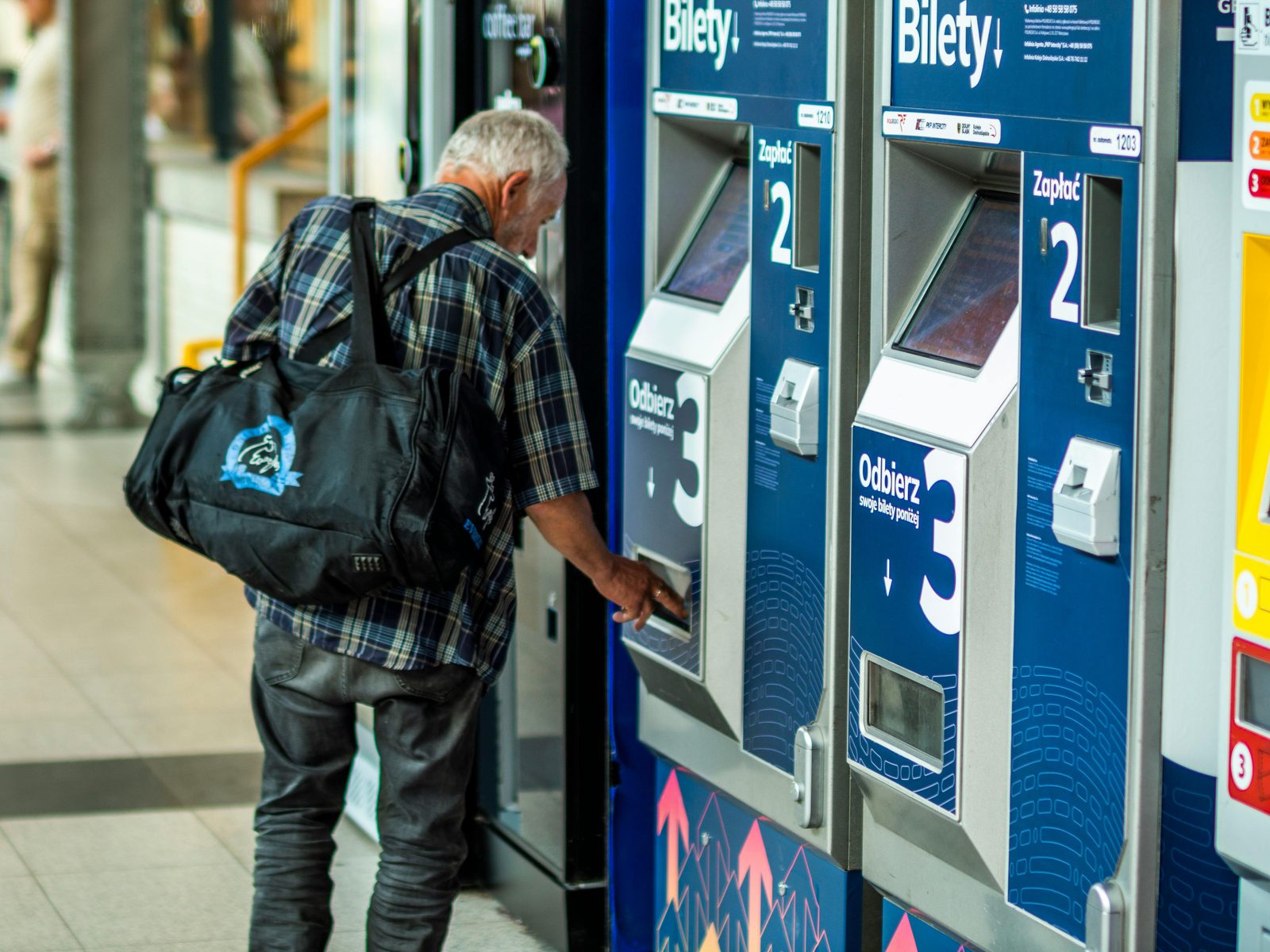
The one insider move: Orange tickets. These advance-purchase, paperless fares sold through the DSB app run 40-60% cheaper than walk-up. They go on sale 60-90 days before travel and are non-refundable — but for any intercity trip, they’re a no-brainer. For every ticket type across the whole network, see our Copenhagen public transport tickets guide.
Ticket Types and Pricing
| Ticket type | When to use | Saving |
|---|---|---|
| Standard one-way | Walk-up; flexible | Baseline |
| Orange ticket | Booked in advance via the DSB app | 40-60% off standard |
| DSB1 (1st class) | Premium with food/drink included | +50% over standard |
| BusinessClass | Business travellers; quiet zones | +30% over standard |
| Round-trip ticket | Same-day return; off-peak | Up to 25% off |
| DSB Pendlerkort | Monthly commuter pass | Best for residents |
| Eurail/Interrail pass | Multi-country journey | Includes most DSB |
| Copenhagen Card | Tourist; covers S-tog + Metro + 80 attractions | Free transport |
Copenhagen’s Train Stations
Copenhagen has several stations, and knowing which is which saves confusion:
- Hovedbanegården (Central Station) — the main hub, for all intercity and international trains
- Nørreport Station — a big interchange (S-tog + Metro M1/M2/M3) serving most lines
- Østerport Station — in the northeast; intercity, S-tog and the harbour bus
- Vesterport Station — just west of Central Station
- Copenhagen Airport (Kastrup) — direct DSB trains to Sweden and across Denmark
- Helsingør Station — the northern terminus, with a ferry to Helsingborg in Sweden
Tips for Smooth Train Travel

- Use the DSB app — paperless, cheaper Orange fares and real-time updates
- Book 60-90 days ahead for the best international and intercity Orange fares
- Validate before boarding — paper tickets need machine validation; mobile tickets validate automatically
- It’s an honour system with checks — random inspectors, and fines from 1,000 DKK
- Bikes are welcome — a 12 DKK supplement on most services, but not during peak hours
- Free Wi-Fi on intercity — though it gets patchy out in the countryside
- Power at every seat on intercity trains
- Reserve on the Lyntog — seat reservation is required (the red ticket); optional on other intercity trains
- There’s a food cart on most intercity routes, but it’s pricey (60 DKK for a coffee)
- Quiet zones exist — look for the ‘Stille Zone’ carriages on intercity trains
- Kids ride cheap — under-12s free with an adult, 12-17s at half price
- Pets travel too — small ones free, larger ones a 12 DKK supplement
Copenhagen Train Travel FAQs
How do I buy a train ticket?
The DSB app is easiest (paperless mobile tickets), followed by the machines at every station, the dsb.dk website, or a station ticket office. Orange tickets bought through the app save 40-60% if you book 60+ days ahead.
How long is the train to Aarhus?
The Lyntog express takes 3 hours 20 minutes; a standard intercity is 3 hours 50, running hourly. It’s 300-400 DKK one-way, or from 200 DKK with an advance Orange ticket.
Can I take a train to Berlin?
Yes, changing at Hamburg — the whole trip is 7-8 hours via ICE, from 600 DKK with Saver Fares. The Femern Belt Tunnel, opening in 2029, will cut the Copenhagen-Hamburg leg from 5 hours to about 2.5.
Are the trains punctual?
Very — Danish trains run better than 90% on time. The S-tog is reliable, and intercity trains are occasionally 5-15 minutes late, but overall it’s well ahead of the continental European average.
Can I use a Eurail pass?
Yes — Eurail Global, Eurail Denmark and Interrail passes cover DSB, the S-tog and the Øresundståg. Some seat reservations and surcharges apply on the Lyntog and international ICE services.
Are the trains expensive?
Standard fares are mid-range for Europe, but Orange tickets via the DSB app are excellent value (40-60% off). Copenhagen to Aarhus from 200 DKK on an Orange fare is very competitive.
Can I bring a bicycle?
Yes — bikes are allowed on most DSB and S-tog services with a 12 DKK supplement, though not during the weekday peaks (07:00-09:00 and 15:30-17:30). Our bike rental guide covers hiring one.
Where is Copenhagen Central Station?
Hovedbanegården is at Bernstorffsgade 16, just south of Rådhuspladsen (City Hall Square). The Metro M3/M4 connects directly, and it’s a 5-minute walk to Tivoli Gardens.
Related Reading
- Walking tours — free tip-based walks plus food, history and architecture tours.
- The city’s metro network
- Airport to city centre
- Copenhagen Card review
- Taxi options in the city
The Verdict
Copenhagen train travel is up there with Europe’s best — punctual, modern, well-connected and genuinely affordable if you book ahead. Lean on the S-tog for suburbs and day trips (Helsingør, Roskilde, Hillerød), DSB intercity for Aarhus and Odense, the Øresundståg for Malmö, and the ICE for Hamburg and Berlin. Whatever you do, download the DSB app and grab Orange tickets 60+ days out for those 40-60% savings. Copenhagen Central is your springboard into Denmark and Scandinavia — and honestly, the train is the nicest way to see any of it.
Last updated: July 2026. Photo credits: images via copenhagentourism.org media library.


