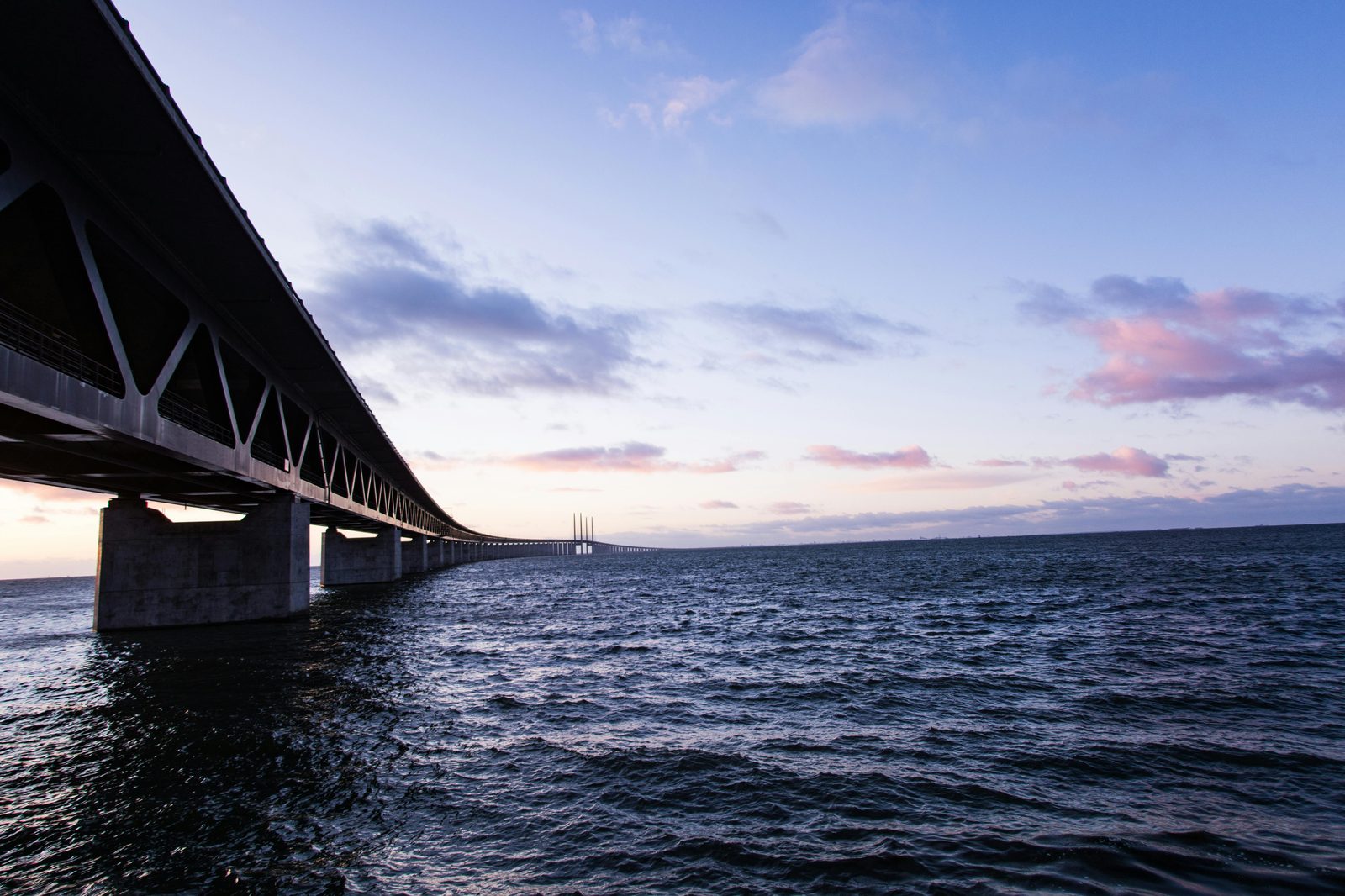
You can eat breakfast in Denmark and coffee in Sweden without breaking a sweat. The Copenhagen to Malmo crossing is one of the easiest international day trips in Europe — 35 minutes by train over the cinematic Øresund Bridge, with departures every 20 minutes for about 134 SEK / 105 DKK. Yes, you’re swapping countries, languages and currencies in the space of half an hour, but it feels utterly seamless. On the far side waits Sweden’s third city: the medieval square of Stortorget, Calatrava’s twisting Turning Torso, the long sweep of Ribersborg beach, and a café scene that rivals anything back in Denmark. This guide covers every way across — train, car and bus — plus the passport rules, the currency question, and the best things to do once you arrive.
A Malmö day trip is one of the most rewarding things you can add to a Copenhagen visit, and it slots neatly onto the same rail network you’re already using — see our complete guide to getting around Copenhagen for the bigger transport picture, and our day trips from Copenhagen guide for more ideas beyond the bridge.
Copenhagen to Malmo at a Glance
| Fact | Detail |
|---|---|
| Distance | 27 km via Øresund Bridge |
| Train time | 35 minutes (Øresundståg from Copenhagen Central) |
| Train frequency | Every 20 min daytime; every 60 min late night |
| Train price | 105 DKK / 134 SEK one-way; 210 DKK return |
| Bridge length | 16 km (8 km bridge + 4 km tunnel + 4 km island) |
| Car time | 35-45 min (depending on traffic) |
| Car toll | 460 DKK / 660 SEK each way |
| Bus time | 55-70 min (Flixbus) |
| Bus price | From 100 DKK |
| Currency | Sweden uses SEK; Denmark uses DKK |
| Passport required | Yes — border checks reinstated in 2016 |
| Time zone | Same as Denmark (CET/CEST) |
Copenhagen to Malmo by Train — the Easy Winner
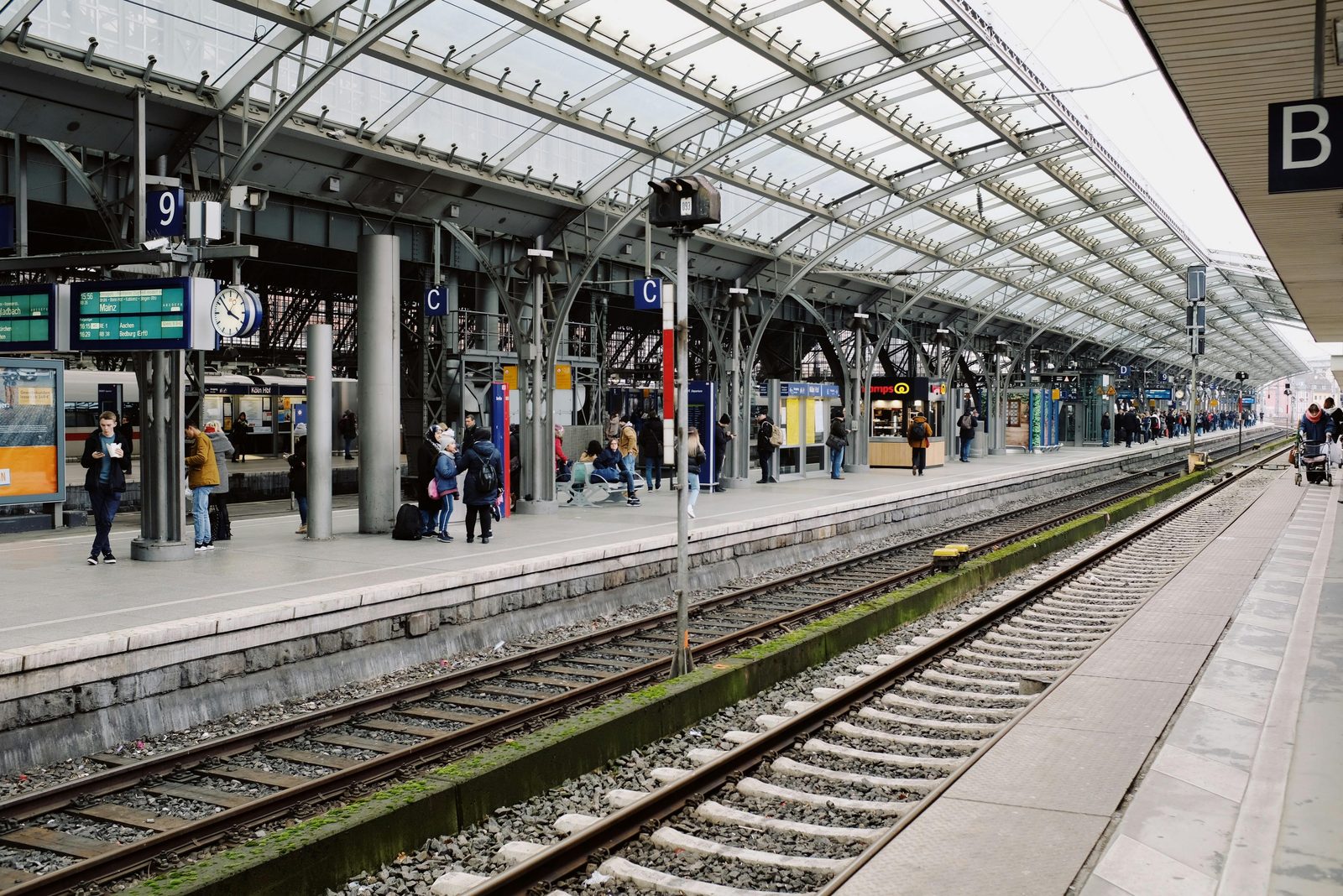
For nearly everyone, the Øresundståg train is the way to go — fast, frequent and nothing to think about:
- Departs from Copenhagen Hovedbanegården (Central Station) and Copenhagen Airport
- Frequency: every 20 minutes daytime, every 60 minutes late at night
- Travel time: 35 minutes Copenhagen Central → Malmö Central; just 22 minutes from the airport
- Ticket: 105 DKK / 134 SEK one-way, 210 DKK return, with 25-39% off using a rail card
- Buy tickets: the SJ app, the DOT app, the station ticket office, or self-service machines
- Eurail passes work, though surcharges may apply
- Border checks: at Hyllie (the first Swedish stop) — random ID checks
- Luggage: no charge, and big suitcases fit easily
- Wi-Fi: on most services
A tip worth banking: if you’re arriving into Copenhagen and heading straight for Malmö, you don’t even need to go into the city first — the same train stops at the airport, 22 minutes out. For the wider rail network, our Copenhagen train travel guide has the detail.
By Car
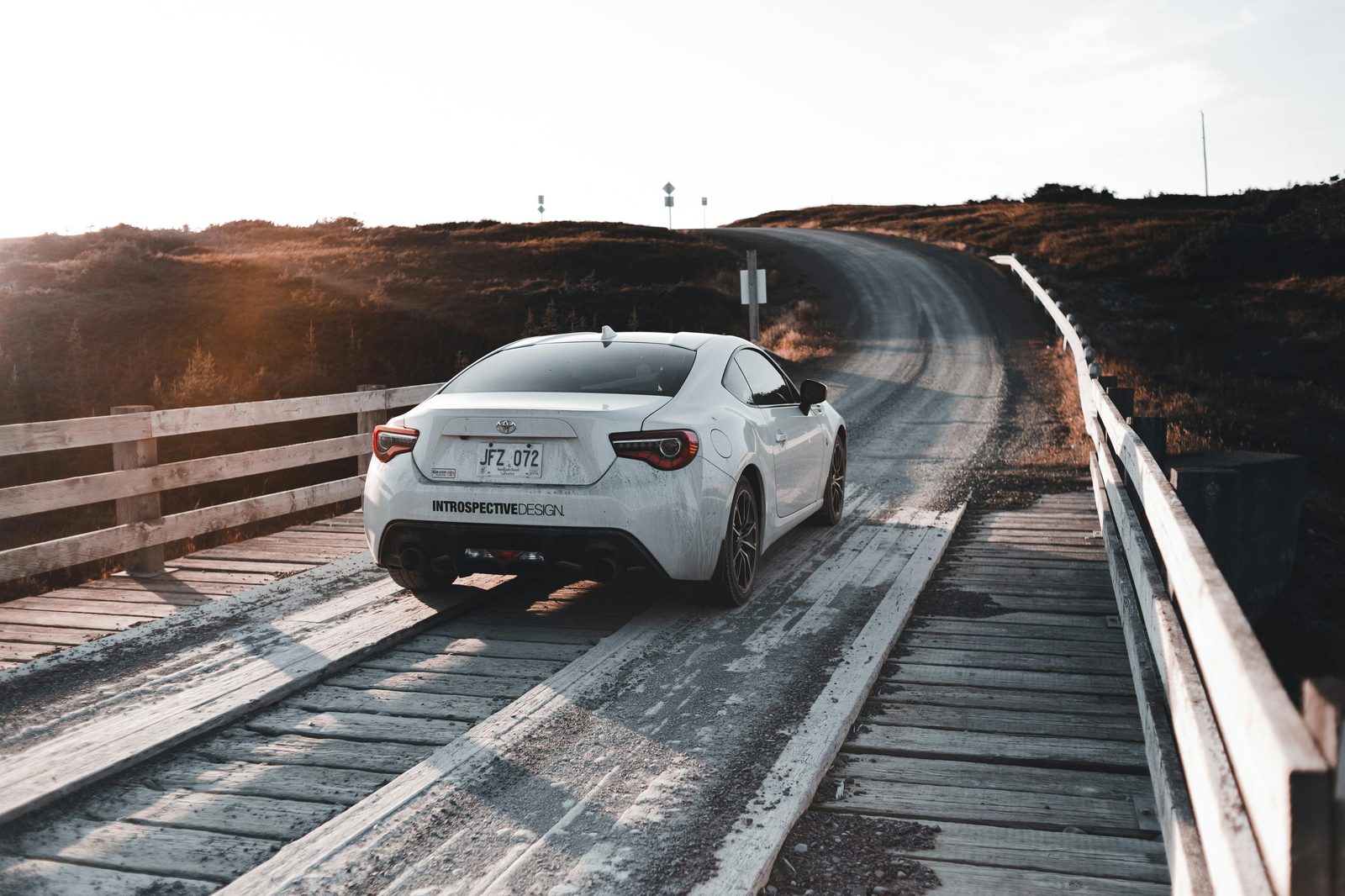
Driving across the Øresund Bridge takes 35-45 minutes, but the toll makes it pricey for a solo day trip:
- Toll: 460 DKK / 660 SEK each way (single car under 6m); cheaper with Brobizz/EasyGo
- Toll plaza: at Lernacken on the Swedish side — pay by card or cash
- EasyGo electronic toll — for regular crossers, saving 10-15%
- Best for: families, multiple stops, or exploring beyond Malmö
- Parking in Malmö: limited free spots; metered street parking 10-30 SEK/hour
- Park-and-ride: at Hyllie station on the Swedish side
Honestly, unless you’re a family of four or pushing on into the Skåne countryside, the train beats driving on both cost and hassle — no toll, no parking, and you can nap on the way home.
By Bus
Flixbus and Vy Bus4you both run the route, and it’s the budget floor if you book early:
- Travel time: 55-70 minutes (slower than the train thanks to traffic)
- Price: from 100 DKK / 130 SEK; book ahead for the cheapest fares
- Frequency: every 1-2 hours
- Departs from: the bus stops at Copenhagen Central Station
- Best for: budget travellers who don’t mind the extra time
Passport and Border Checks

This is the one thing people forget, so don’t: Sweden reinstated border checks in 2016, and you’ll need proper ID. Specifically:
- A passport (or EU national ID card) — required for all travellers
- Random checks at Hyllie — the first Swedish station, where staff verify ID
- A driving licence alone is NOT enough — you need a passport or EU ID
- Non-EU travellers: a passport with a Schengen entry stamp; Sweden follows the same Schengen rules as Denmark
- Visas: if yours covers Schengen, you can cross freely
- Timing: the train check usually takes about 30 seconds; car crossings are checked at the toll plaza
Currency: Swedish vs Danish Kronor
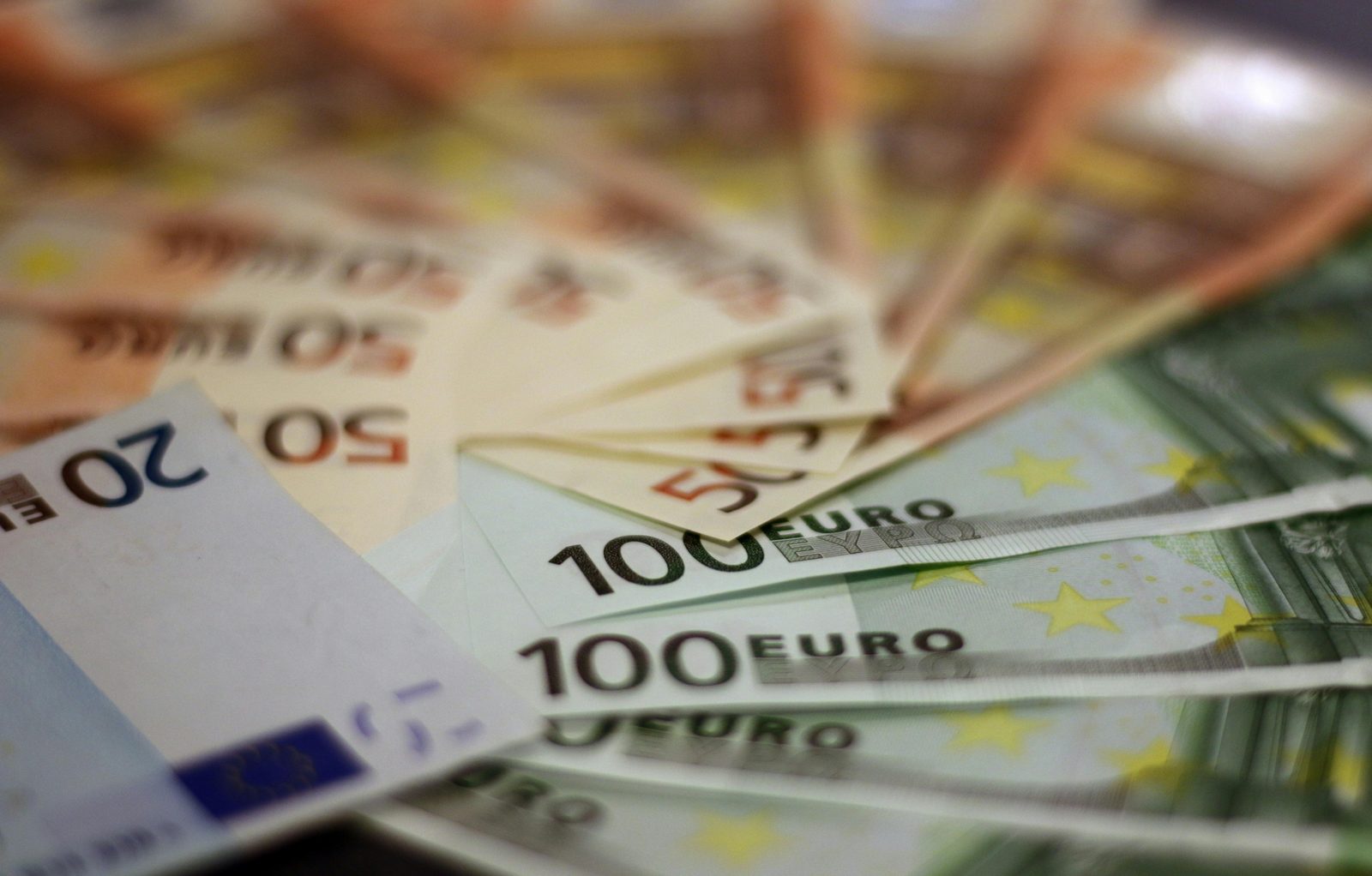
Cross the strait and the money changes — Sweden uses Swedish kronor (SEK), not Danish kroner (DKK):
- Exchange rate: roughly 1 DKK = 1.55 SEK (it moves)
- Cards everywhere: Sweden is even more cashless than Denmark; cards are accepted universally
- ATMs in Malmö: at Malmö Central, Lilla Torg and Triangeln
- Do you need cash? Almost certainly not — cards cover everything
- Exchange: a Forex office at Malmö Central, plus exchange at CPH airport
- SEK in Denmark? No — DKK is Denmark-only, SEK is Sweden-only
- Tipping: not required, same as Denmark
The practical upshot: don’t bother hunting for a currency exchange before you go. Just tap your card, and if you somehow need cash, grab it from an ATM once you’re there.
Top Things to Do in Malmö
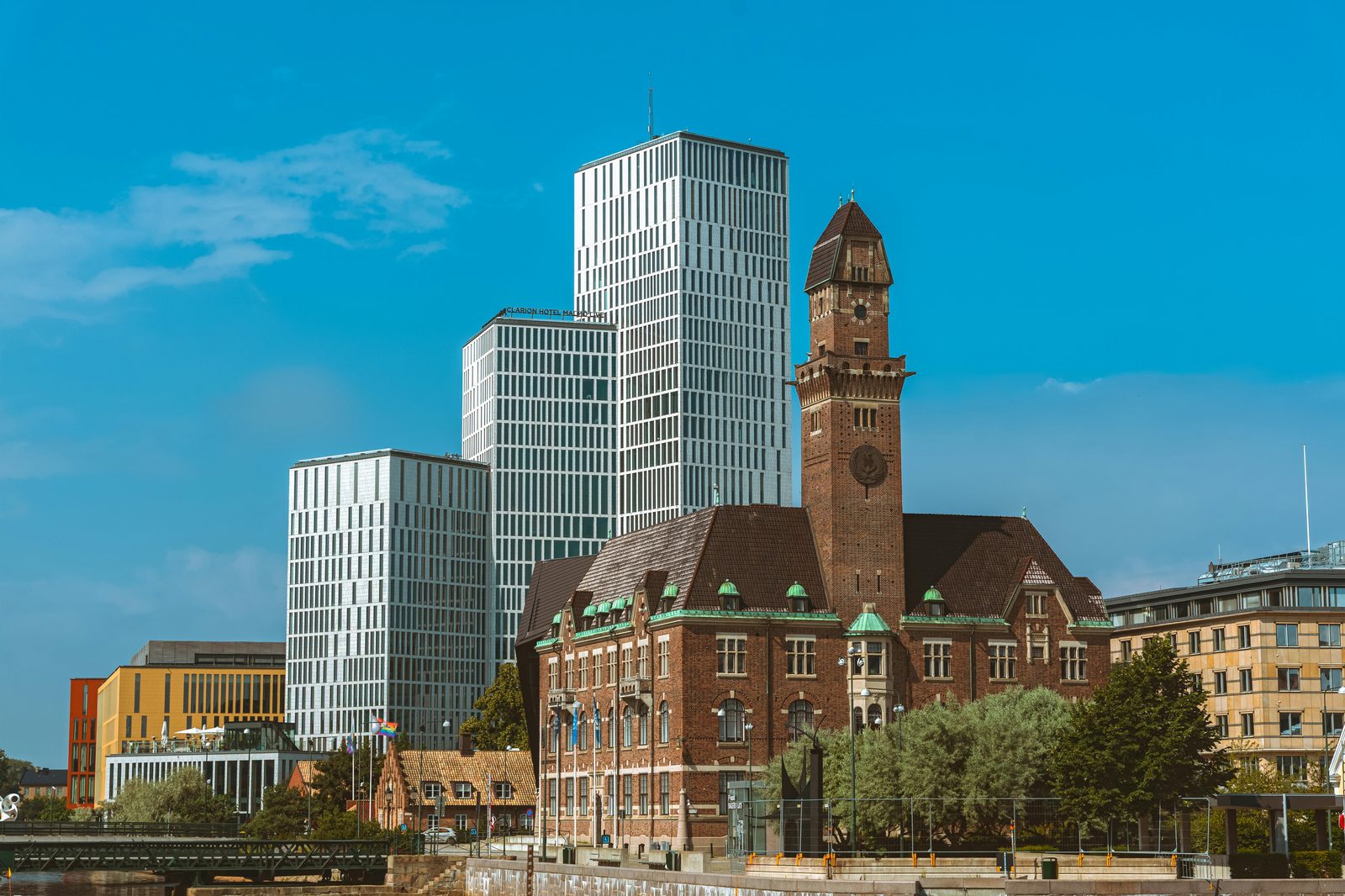
Malmö packs a lot into a walkable centre. Here’s what to prioritise on a single day.
1. Stortorget, the main square
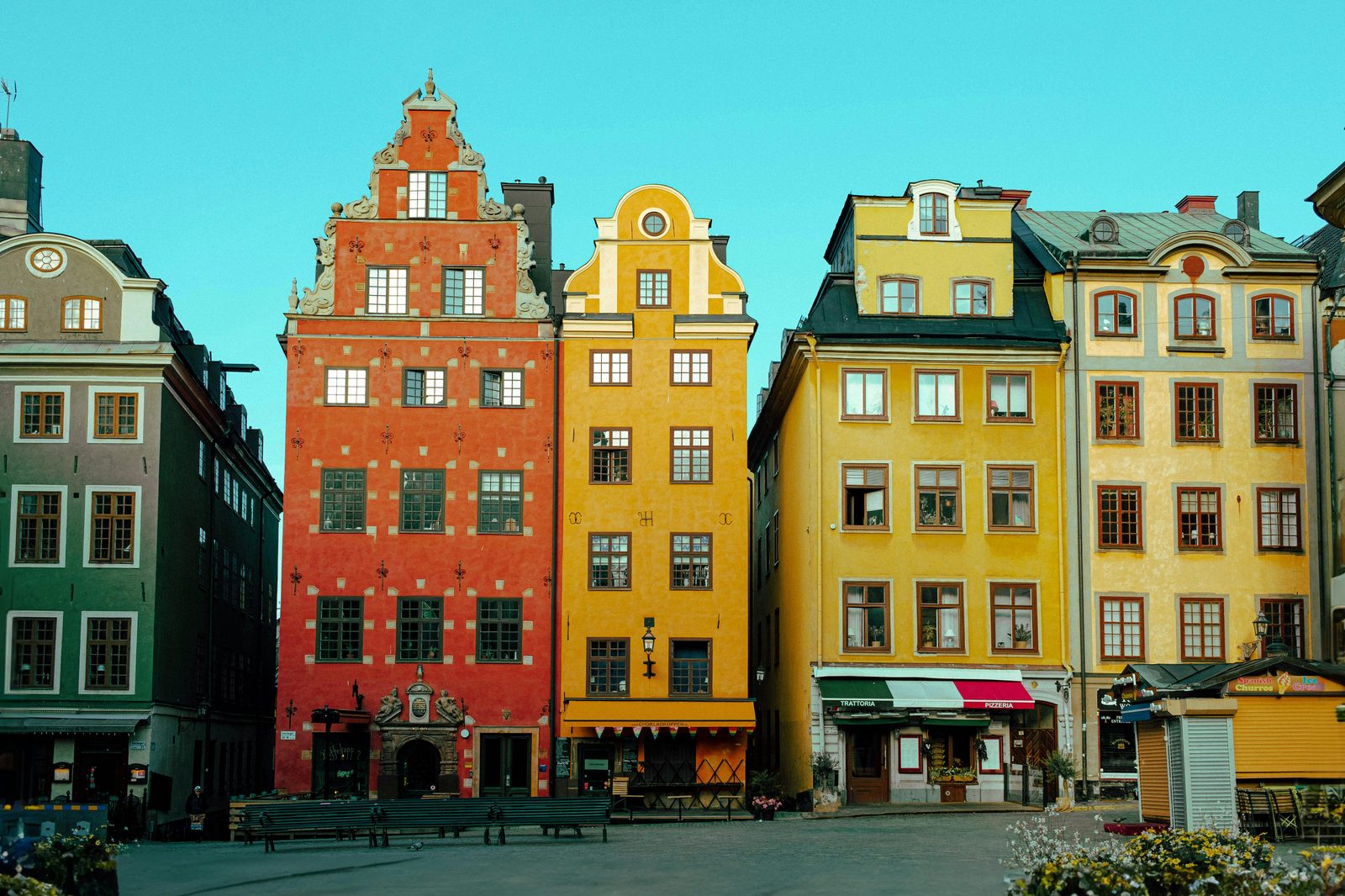
Stortorget is Malmö’s medieval heart — Renaissance façades wrapped around the 1547 city hall, one of Northern Europe’s oldest, with a statue of King Carl X Gustav at the centre. In summer the cafés spill outside. Wander down the neighbouring Södergatan pedestrian street and you’ll find plenty more cafés and shops.
2. Lilla Torg + Västra Hamnen
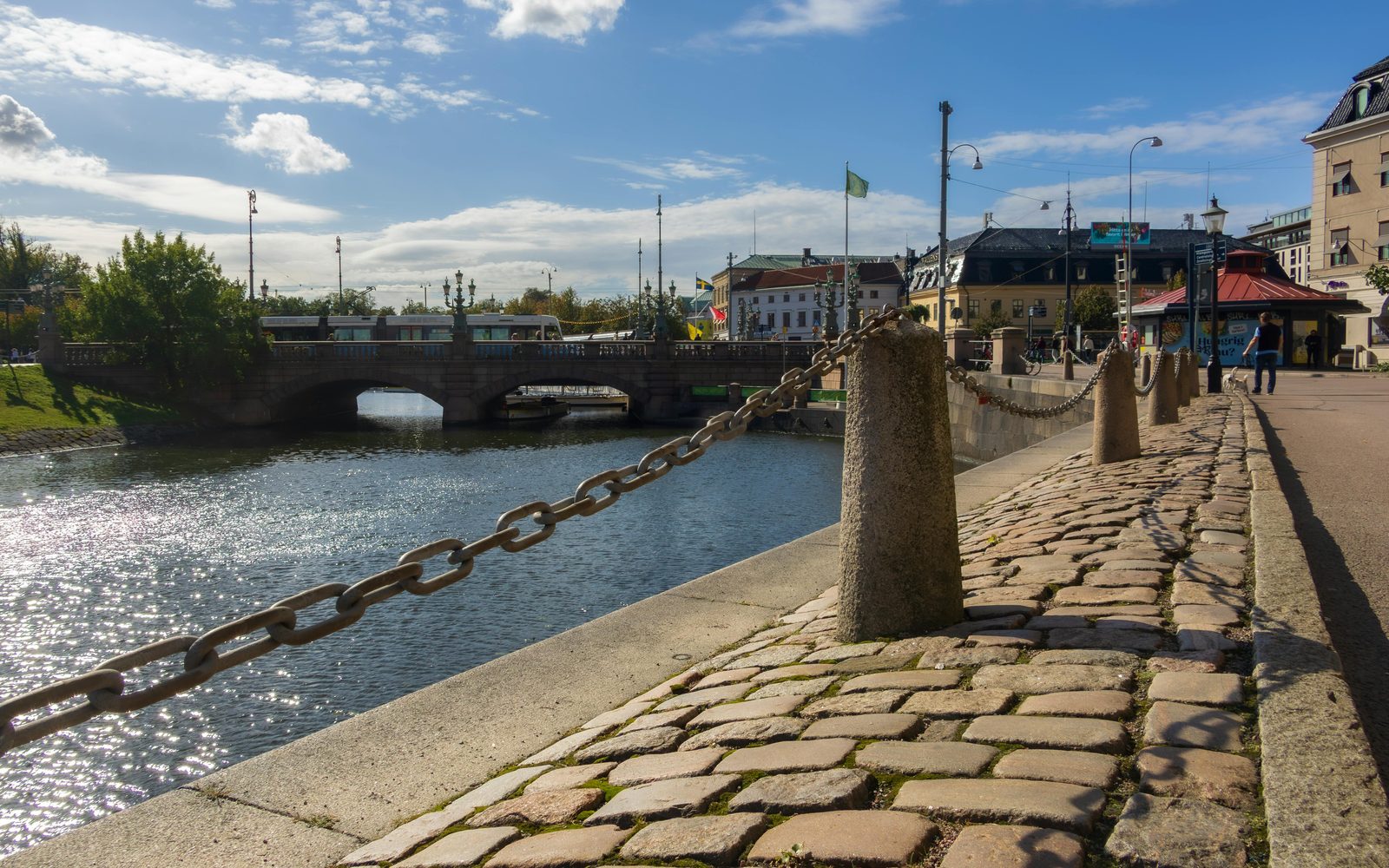
Lilla Torg (Little Square) is the most photogenic corner of town — half-timbered houses now filled with restaurants and cafés. From there, walk out to Västra Hamnen (the Western Harbour), the sleek modern waterfront where you’ll find the Turning Torso, the Bo01 sustainable-architecture experiment, and a canal-side promenade lined with new apartments.
3. Turning Torso
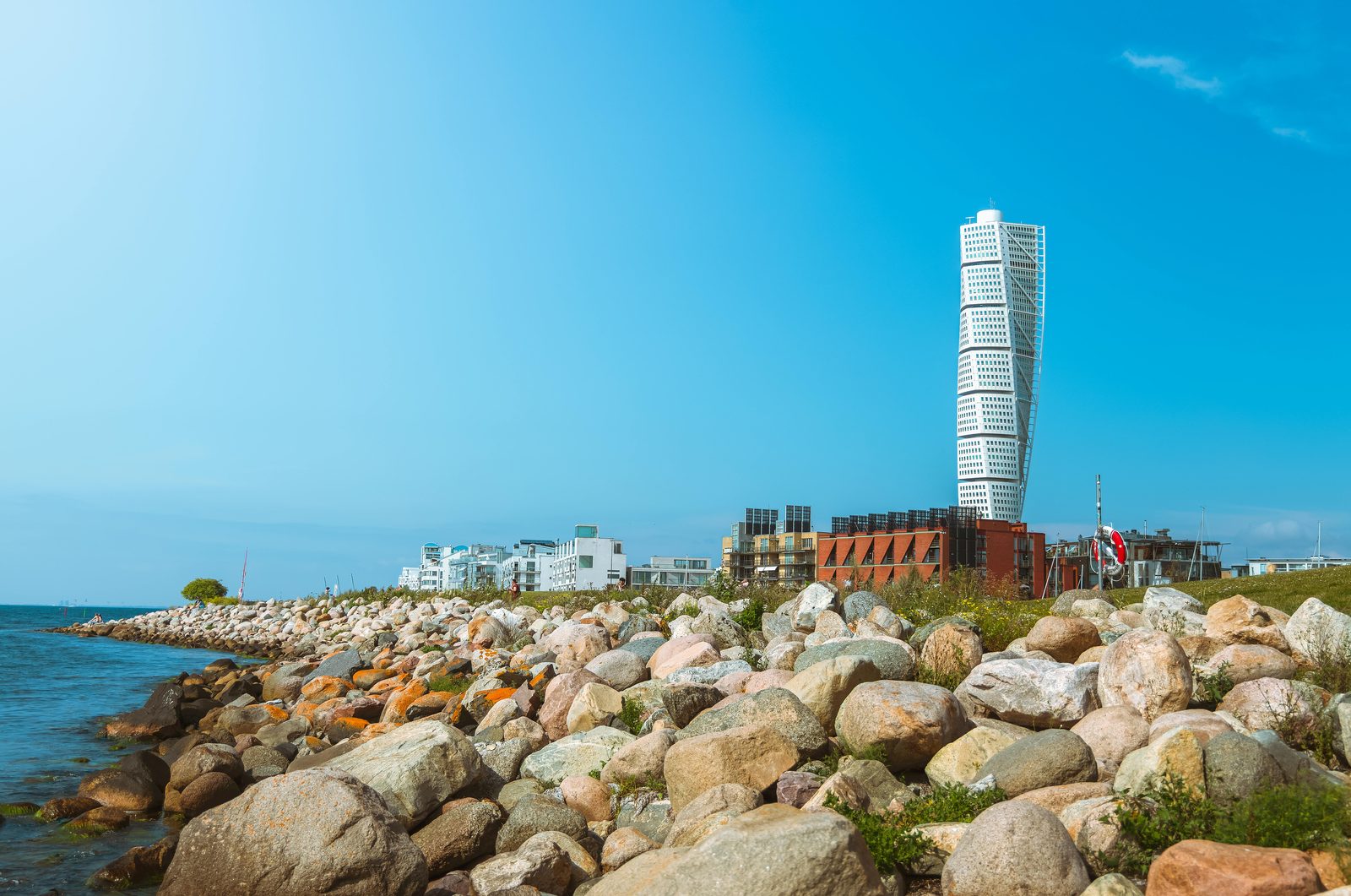
Santiago Calatrava’s Turning Torso (2005) is Scandinavia’s tallest building at 190 metres — a 54-storey twist of glass and steel that’s become Malmö’s calling card. It’s residential, so there’s no public observation deck; photograph it from the waterfront, or splash out on the top-floor Skybar, which does weekend dining from 695 SEK with the views to match.
4. Ribersborg Beach
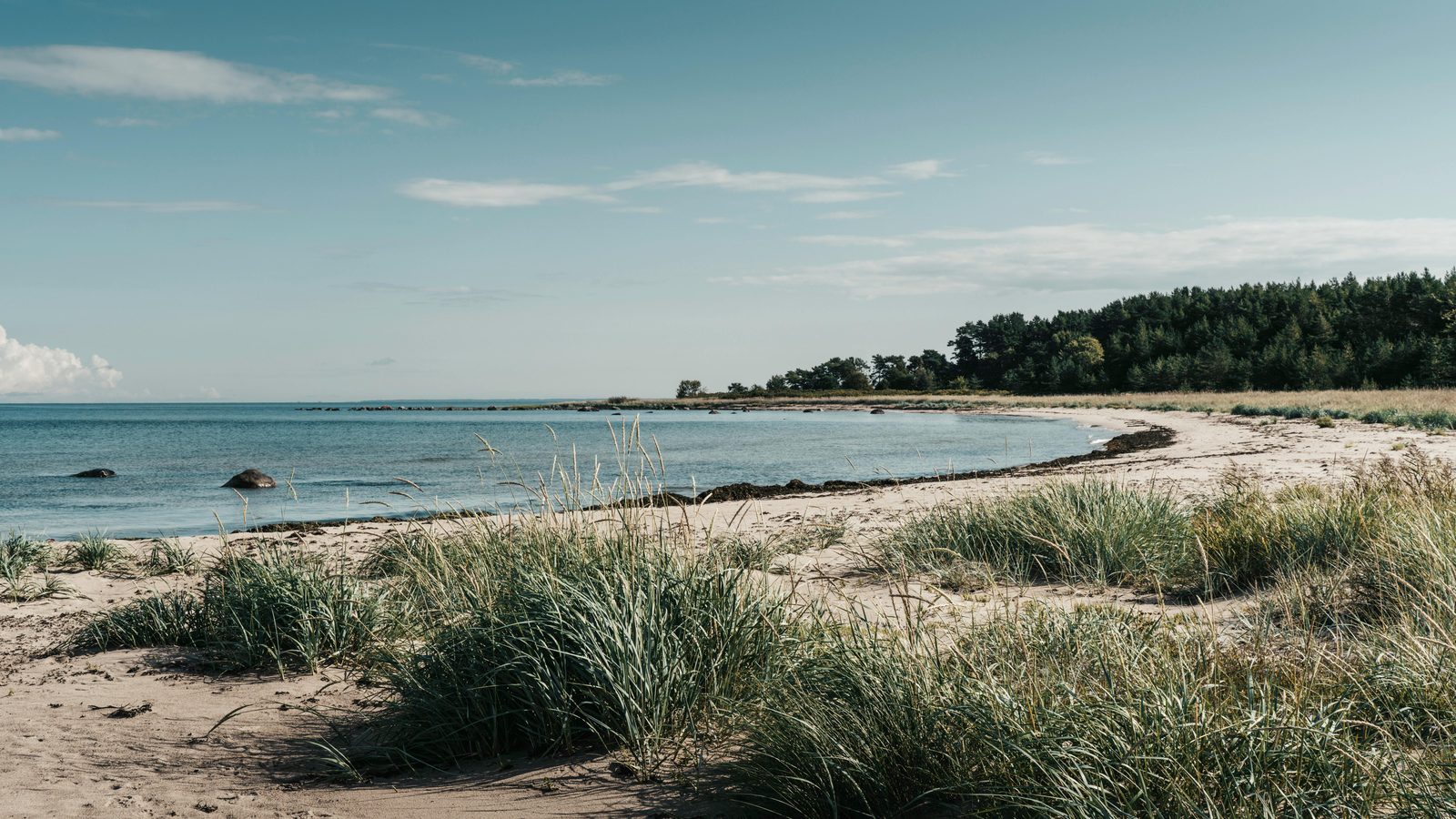
Ribersborg is Malmö’s 2.5 km sand beach, a 15-minute walk from the centre. At the far end sits the wonderful Ribersborg Open Air Bath (Kallbadhuset), a wood-fired sauna paired with a cold Baltic dip (165 SEK). It’s open year-round — a proper Scandinavian ritual if you’re brave enough for the water.
5. Malmö Castle (Malmöhus)
Malmöhus, built in 1434, is Scandinavia’s oldest preserved Renaissance castle, and today it houses the Malmö Museum (natural history, technology and art). Admission is 110 SEK, and it closes at 17:00.
6. St Peter’s Church (Sankt Petri Kyrka)
This 14th-century brick-Gothic church anchors the old town. Entry is free, the medieval frescoes are worth a look, and you can climb the tower for a view (50 SEK).
7. Folkets Park (People’s Park)
Sweden’s oldest public park (1891) is a lovely family stop — free to enter, with summer concerts, a small zoo, mini-golf and outdoor restaurants.
A Perfect One-Day Itinerary
Want it all mapped out? Here’s a full day that flows without rushing:
- 09:00 — Copenhagen Central Station, board the Øresundståg
- 09:35 — arrive Malmö Central; walk into the old town
- 09:45 — Stortorget and the Södergatan pedestrian street
- 10:30 — coffee at an outdoor café on Lilla Torg
- 11:00 — walk out to Västra Hamnen along the canal
- 11:30 — Turning Torso photo stop and a Bo01 architecture wander
- 12:30 — Ribersborg beach and the Kallbadhuset sauna (optional swim)
- 14:00 — lunch at Saluhall Malmö (the food market)
- 15:30 — Malmöhus Castle and the Malmö Museum
- 17:00 — Folkets Park, or coffee at Solde Kaffebar
- 18:30 — dinner at Vollmers (two Michelin stars) or Bastard for something casual
- 20:30 — the train back to Copenhagen Central
Where to Eat in Malmö
Malmö punches well above its weight on food. A few we’d point you to:
- Vollmers — two Michelin stars, Swedish fine dining; book 4+ weeks ahead
- Bastard — head-to-tail Nordic cooking, mid-range, reservations wise
- Solde Kaffebar — the city’s best specialty coffee
- Saluhall Malmö — a central food hall with a spread of vendors
- St Jakobs Stenugnsbageri — the pick of Malmö’s bakeries
- Mary Land — burgers, casual and cheerful
- Lilla Torg cafés — outdoor seating all summer
Practical Tips
- Buy a return ticket — it saves 25 DKK / 35 SEK over two singles
- Bring your passport — non-negotiable since the 2016 border checks
- Leave the cash — cards work everywhere; use an SEK ATM only if you must
- Same time zone — no clock changes, so a full day is easy
- Book Vollmers early — Malmö’s top table needs 4-6 weeks’ notice
- Pair it with Lund — the university town is just 20 minutes further north by train
- Pack layers — this is a coastal city and it can get windy
- Mind Mondays — most museums close, so aim for Tuesday-Sunday
- Remember it’s SEK — not DKK; cards are simplest for visitors
- An EU licence works for car rental and the toll plaza
Copenhagen to Malmö FAQs
How long does the trip take?
By train it’s 35 minutes from Copenhagen Central, or 22 minutes from the airport. By car, 35-45 minutes across the bridge. By bus, 55-70 minutes.
How much does it cost?
Train: 105 DKK / 134 SEK one-way, 210 DKK return. Car: a 460 DKK / 660 SEK toll each way, plus fuel. Bus: from 100 DKK each way.
Do I need a passport?
Yes — Sweden reinstated border checks in 2016. EU travellers can use a national ID card; everyone else needs a passport. A driving licence on its own won’t cut it.
Is Malmö worth the trip?
Very much so — you get a different national feel, a strong design culture, a sand beach, that spectacular bridge crossing, and even a two-Michelin-star restaurant. It works beautifully as a day trip, though 1-2 days lets you dig deeper. Our day trips from Copenhagen guide has more options.
How often do the trains run?
Every 20 minutes through the day (roughly 06:00-22:00), and every 60 minutes late at night and early morning. The service runs around the clock with reduced overnight frequency.
Can I use a Eurail pass?
Yes — Eurail Global, Eurail Sweden and Interrail passes all cover the Øresundståg route. Surcharges may apply on some services, and you’ll need to validate before boarding.
Where do the trains leave from?
Copenhagen Central Station (Hovedbanegården) is the main departure, and the Øresundståg also stops at the airport (Kastrup) — handy if you’re arriving and heading straight for Malmö.
Is Malmö safe?
For tourists in the central areas, yes. Stortorget, Lilla Torg, Västra Hamnen and Ribersborg are all fine day or night. Some outer suburbs are less so, but you’re unlikely to have reason to go there.
Related Reading
- A day in Malmö — 35 minutes over the Øresund into Sweden.
- Where to hire a bike — Donkey Republic, the city bikes and the shops worth using.
- Walking tours — free tip-based walks plus food, history and architecture tours.
- How to structure your days
- Public transport tickets
- Copenhagen Airport to city centre
- Whether to take a taxi
The Verdict
Crossing to Malmö is about the easiest international day trip you’ll ever take. The Copenhagen to Malmo train (the Øresundståg) at 35 minutes and 105 DKK is right for almost everyone — bring your passport, block out a single full day, and you’ll take in a medieval old town, Calatrava’s Turning Torso, the long sand of Ribersborg, and a meal at one of Sweden’s best restaurants. Feeling ambitious? Tack on Lund, 20 minutes further, for a fuller taste of Skåne. Either way, you’ll be back in Copenhagen for a nightcap — passport stamp and all.
If a day in Malmö leaves you wanting more of Sweden, Stockholm is about five and a half hours away by train. Our comparison of Copenhagen vs Stockholm helps if you are deciding which capital deserves the longer stay.
Last updated: July 2026. Photo credits: images via copenhagentourism.org media library.


