If you remember one rule, make it this: Copenhagen’s weather changes by the hour, so pack in layers. Knowing what to pack for Copenhagen really comes down to three non-negotiables — a layered wardrobe you can add to and peel off, waterproof shoes that can handle wet cobblestones and around 170 rainy days a year, and a compact umbrella for the showers that roll in without warning. On top of that, you tweak by season: heavy coats and thermals from December to February, light layers and swimwear in July and August, a medium jacket and flexibility in spring and autumn. This guide runs through the year-round essentials, the seasonal extras, a smart packing strategy, and what to leave at home.
It’s the practical companion to our complete guide on when to go — check the weather by month before you start folding.
The Year-Round Essentials
These come along on every trip, no matter the season:
- A compact umbrella — with about 157 rainy days a year, it earns its space
- Waterproof walking shoes — for wet cobblestones and 5–7 km of walking a day
- A light scarf — handy even in summer, when harbour evenings turn cool
- Layers — the temperature swings through the day
- Sunglasses — for long summer days and bright winter glare
- A Type C/E European adapter — for non-European devices
- A reusable water bottle — the tap water is excellent and free
- A day backpack — for the umbrella, a spare layer, water and shopping
- A slim wallet — cards work everywhere; you’ll barely touch cash
Get those right and the rest is just seasonal fine-tuning.
Temperatures at a Glance
Before you decide how heavy to pack, it helps to see the year laid out. These are rough averages — remember that a single day can swing several degrees and turn from sun to rain and back:
| Season | Typical highs | What it means for packing |
|---|---|---|
| Winter (Dec–Feb) | -2 to 4°C | Heavy coat, thermals, hat and gloves |
| Spring (Mar–May) | 5 to 16°C | Medium jacket plus flexible layers |
| Summer (Jun–Aug) | 18 to 22°C | Light layers, swimwear, a jacket for evenings |
| Autumn (Sep–Nov) | 7 to 17°C | Medium jacket, waterproofs, warm accessories late on |
The through-line is obvious: whatever the season, you’re layering and you’re keeping the rain out.
Spring (March–May)
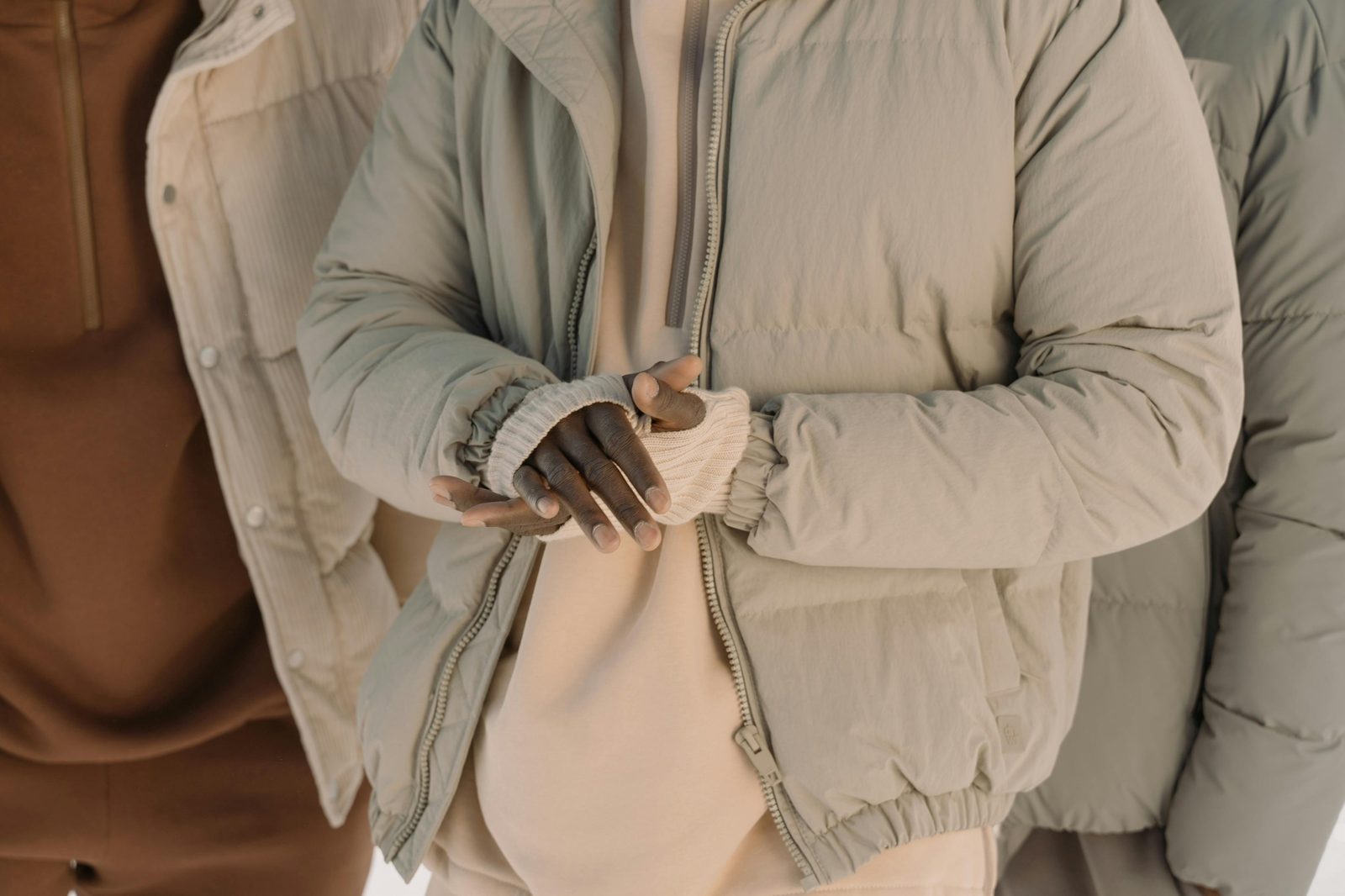
Spring is the trickiest season to pack for, swinging from a chilly 5°C in March to a mild 16°C by May. Lean on layers:
| Item | Why |
|---|---|
| Water-resistant medium jacket | March ~5°C, May ~16°C |
| Sweater and cardigan | Layers for shifting temperatures |
| Long trousers | Warm in March, lighter by May |
| Compact umbrella | Frequent showers |
| Waterproof shoes | Wet cobblestones |
| Sunglasses | Days lengthening fast |
| Light scarf | Chilly evenings |
| A camera | Cherry blossoms peak in April |
Our full spring guide has more on what the season’s actually like.
Summer (June–August)
Summer is the easiest month to dress for, but don’t be fooled into leaving the layers at home — evenings still dip to 12–14°C, and it’s the rainiest stretch of the year:
- Light layers — t-shirts plus a light sweater for the evening
- A light jacket — for those cooler nights
- Comfortable walking shoes
- Swimwear and a towel — the harbour baths are the whole point
- Sunscreen and sunglasses — for 16-plus hours of daylight
- A compact umbrella — July and August are the wettest months
- A light scarf — for breezy harbour evenings
- A picnic blanket — the parks fill up in good weather
Autumn (September–November)
Autumn slides from mild to properly cold, so pack across the range and expect rain:
- A water-resistant, medium-weight jacket
- Layers — t-shirt, sweater and light jacket, mixed as needed
- Waterproof shoes — the cobbles are permanently damp
- A compact umbrella — October brings about 63 mm of rain and November about 56 mm
- A light scarf — for the chilly evenings
- A warm hat and gloves — for late November’s bite
- A camera — it’s the best season for autumn colour
Winter (December–February)

Winter means business — cold, damp and windy, with the chill cutting through anything half-hearted. Pack properly:
- A heavy coat — down or wool, mid-thigh length
- A thermal base layer — under everything
- A warm sweater and cardigan — for layering
- A warm hat that covers your ears — the wind chill is brutal
- Insulated gloves — touchscreen-friendly if you can
- A wool scarf
- Waterproof boots — for slush and the odd snowfall
- Thermal socks
- Lip balm and moisturiser — the cold air is drying
Our Copenhagen in winter guide has the full seasonal lowdown.
The Right Footwear (This Matters Most)
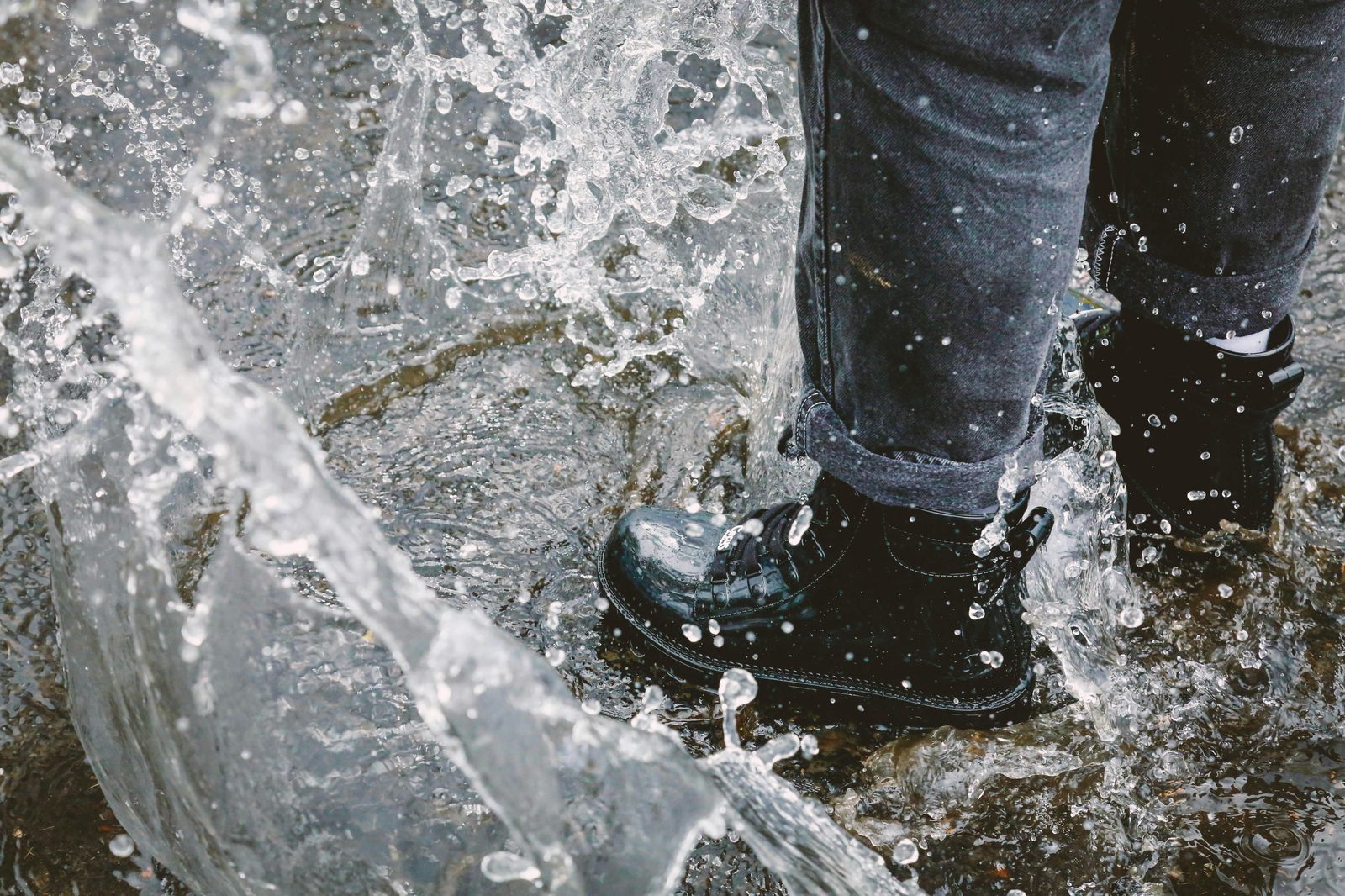
If you get one thing right, make it your shoes. Between about 157 rainy days a year, endless cobblestones and 5–7 km of daily walking, the wrong footwear will wreck a trip fast. My steer:
- Best year-round: waterproof leather boots (Camper, Ecco, Doc Martens)
- Best for summer: waterproof sneakers (On, Allbirds Mizzles)
- Best for winter: insulated waterproof boots (Sorel, Salomon)
- Best hiking-style: Lowa Renegade GTX or Salomon X Ultra
- Avoid: open-toed sandals, suede, fashion sneakers and heels
And break them in before you fly. Copenhagen days can rack up 5–15 km, and blisters on day one will follow you all week.
Electronics & Power
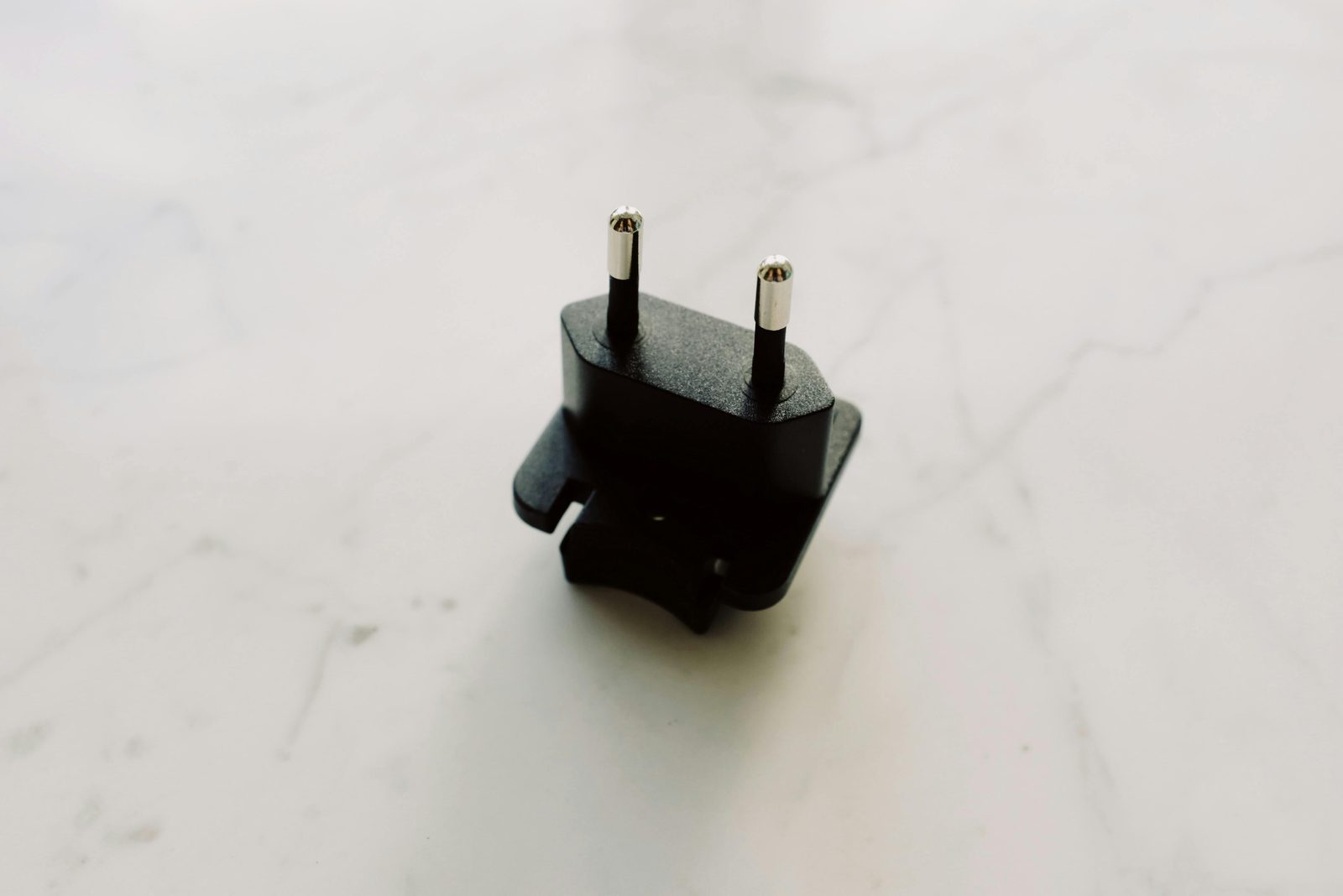
Denmark runs on Type C/E round two-pin plugs at 230V, which most modern devices (rated 100–240V) handle fine. Pack:
- A universal travel adapter — for non-European plugs
- Your phone charger and cable — USB-C is dominant here
- A power bank — for those long days out
- Camera, battery and a spare
- Noise-cancelling headphones — for the flight
USB charging turns up at plenty of hotels and cafés, so you’re rarely stuck for power.
What to Leave at Home
Just as useful as knowing what to bring — here’s what to skip and free up the space:
- Wads of kroner — cards and phone payments work everywhere; you’ll barely need cash
- Heavy formal wear — Copenhagen dresses casually, even for nice dinners
- A hair dryer — hotels supply them
- An iron — hotels and Airbnbs have them
- Piles of toiletries — Matas, the Danish drugstore chain, has everything
- A water purifier — the tap water is superb
- Multiple cameras — your phone is plenty for most shots
The rule of thumb: if you can easily buy it there, don’t lug it over.
Health & Toiletries
You don’t need to haul a full washbag across Europe — Matas, the Danish drugstore chain, and pharmacies (apotek) stock the lot. Bring the bits that are personal or hard to replace:
- Any prescription medication — with a copy of the prescription, in your carry-on
- Lip balm and hand cream — winter air and wind are drying
- A small first-aid kit — plasters especially, for new-shoe blisters
- Travel-size toiletries — top up at Matas rather than packing full bottles
- Sunscreen — easy to underestimate on those long summer days
- Reusable tote bag — shops charge for bags, and it doubles for beach or picnic days
A quick reassurance: pharmacies are common and staff almost always speak excellent English, so anything you forget is easy to sort once you arrive.
A Smart Packing Strategy
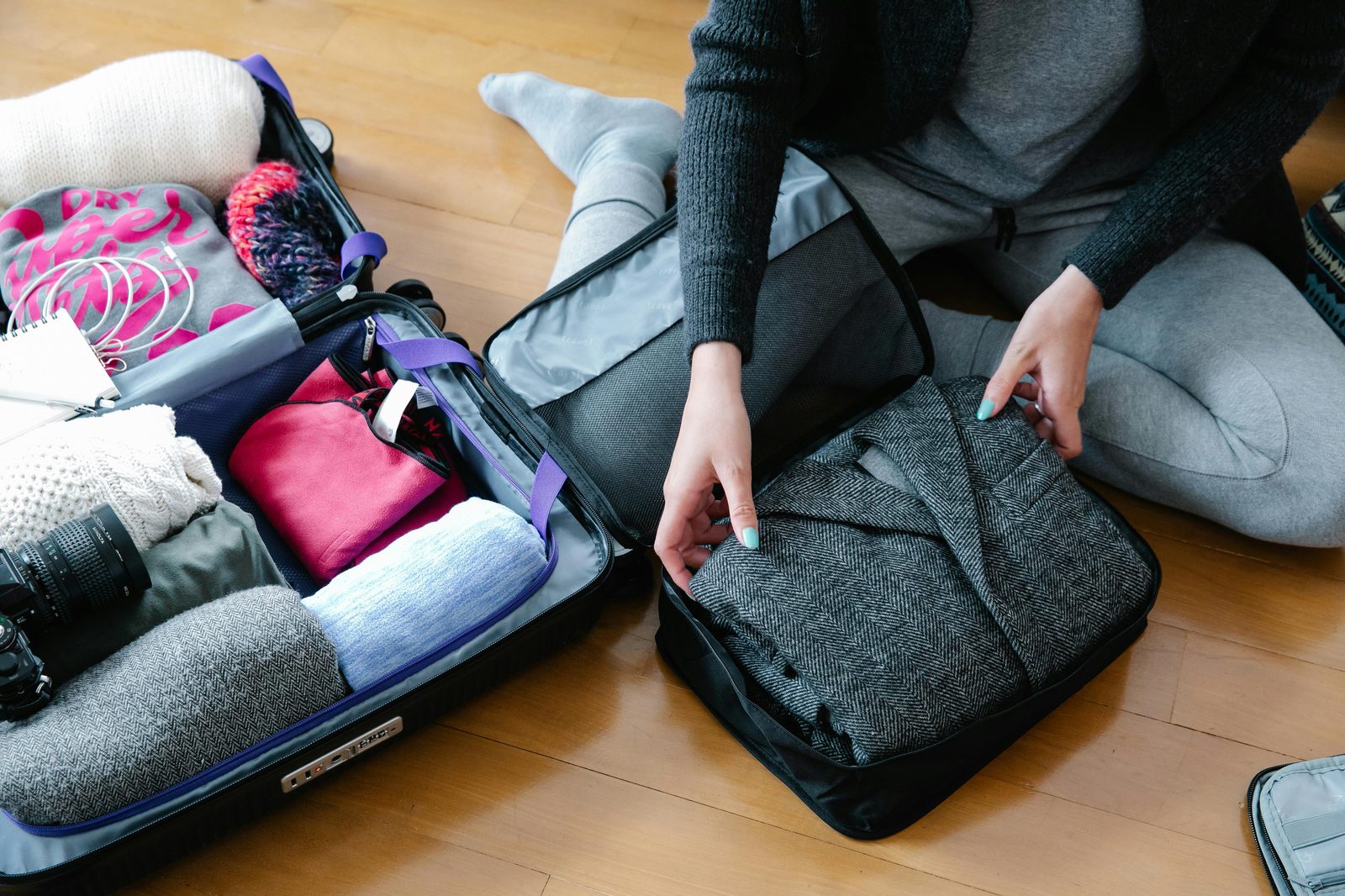
A few habits make a Copenhagen trip pack far more smoothly:
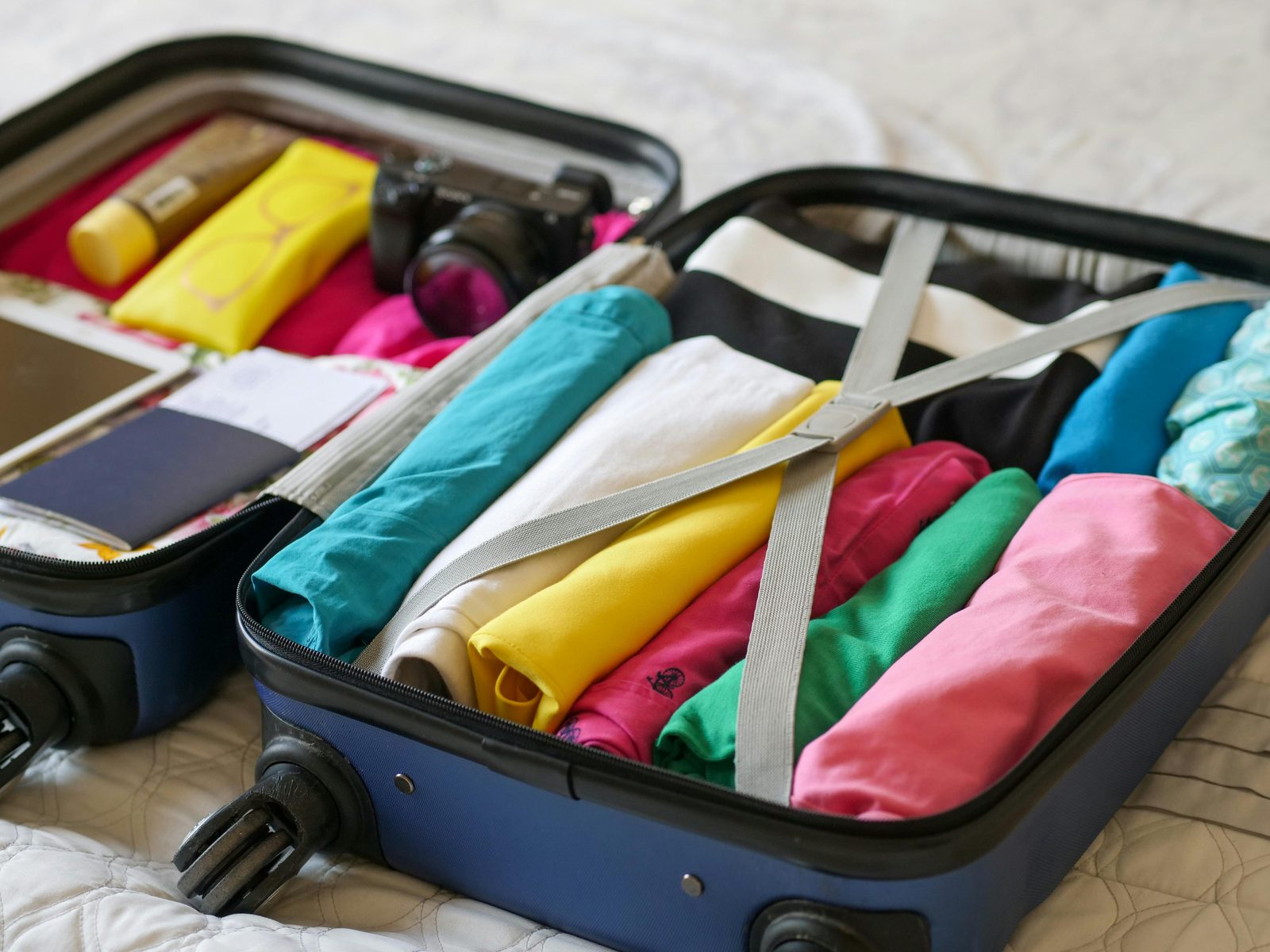
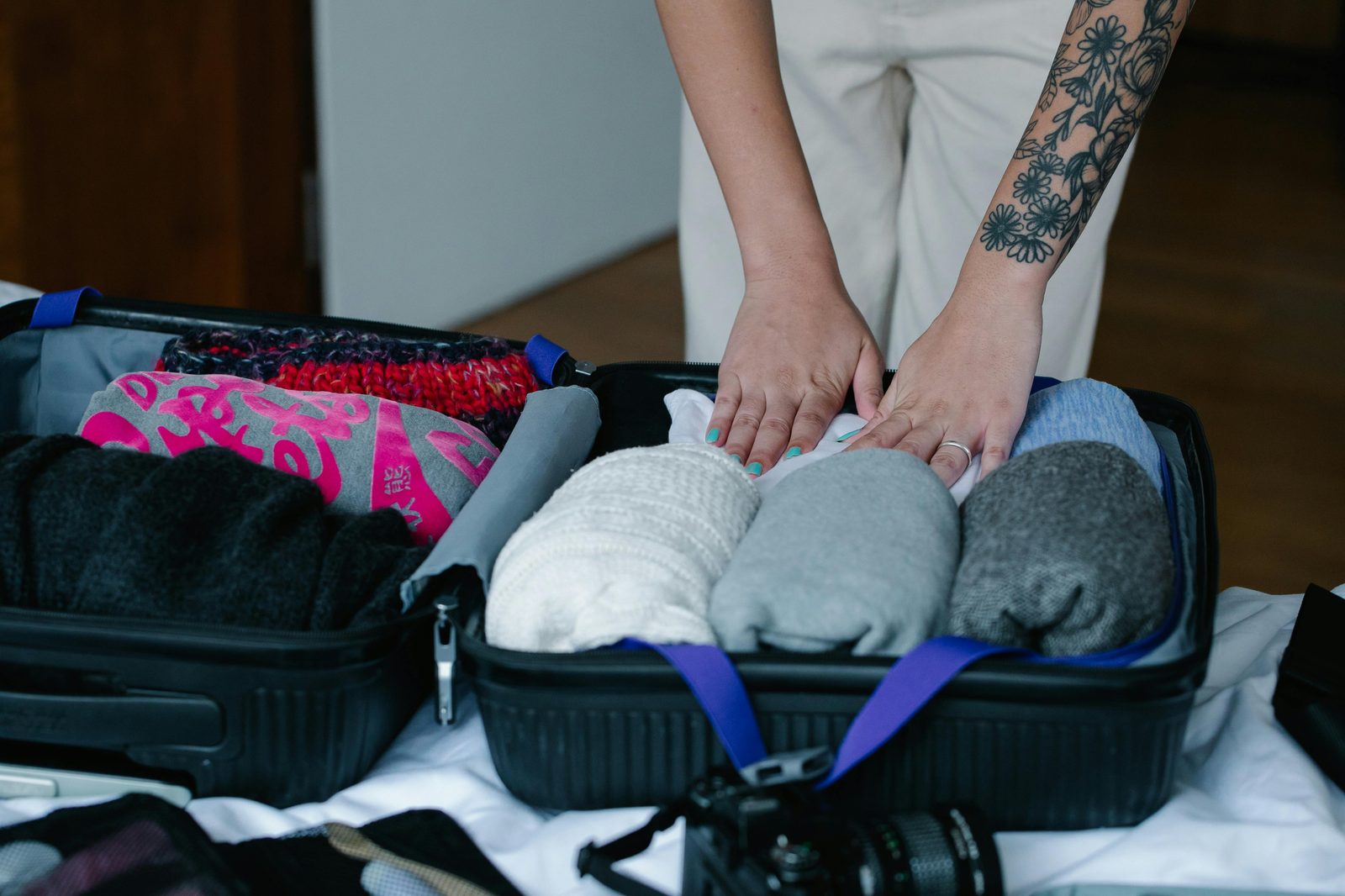
- Use packing cubes — a three-cube set: one for layers, one for accessories, one for shoes
- Think in layers — you’ll rarely need more than three or four at once
- Stick to one colour palette — neutrals plus one accent mix and match easily (very Danish, too)
- Keep rain gear in your carry-on — in case a shower greets you at the airport
- Leave 30% of your bag empty — you’ll want room for souvenirs
- Pack one nicer outfit — for a Tivoli evening or a special dinner
- Plan to buy the wool sweater there — it’s the classic Copenhagen souvenir
Your Daily Daypack
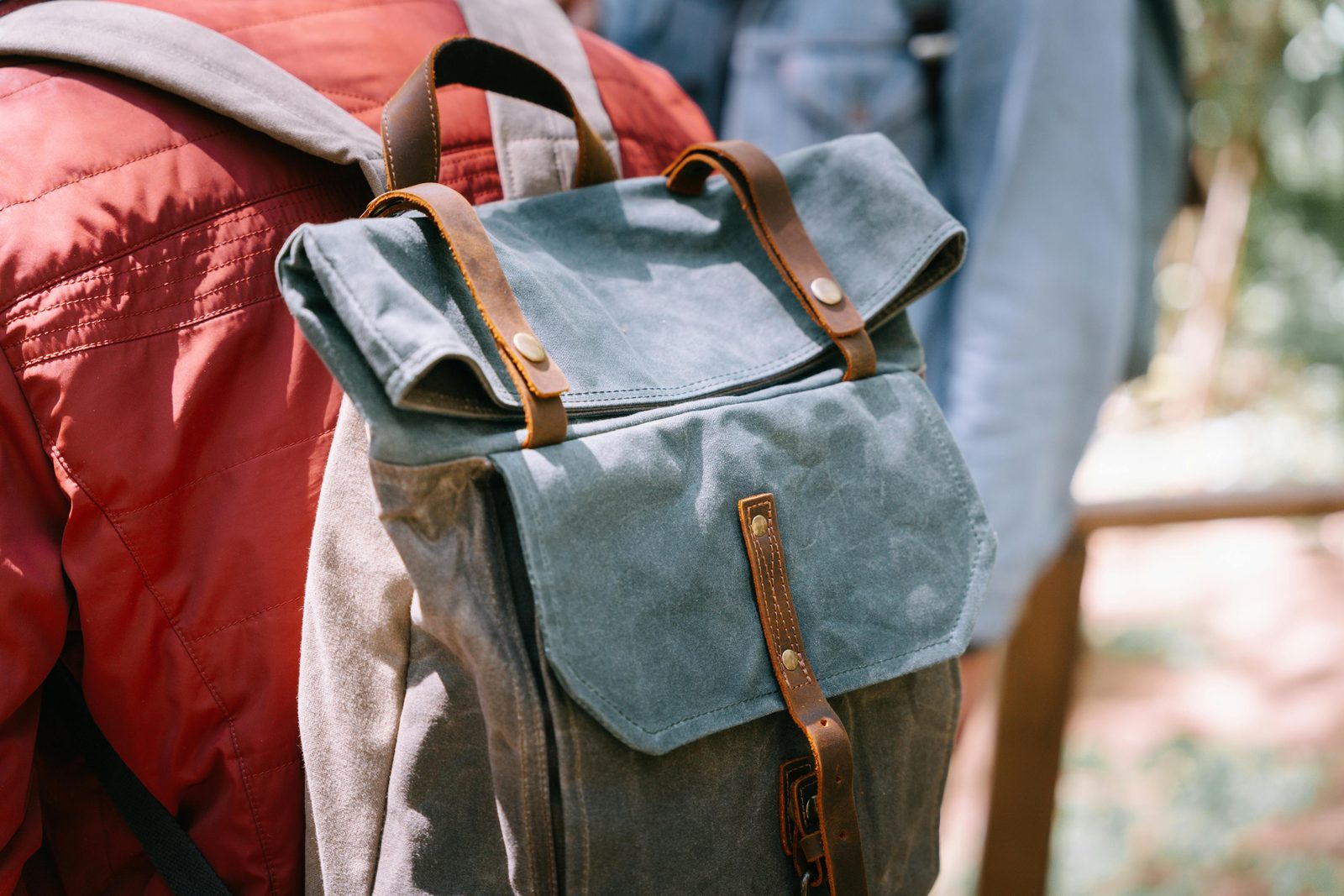
Whatever the forecast, throw these in a small daypack each morning:
- The umbrella — even on a sunny start
- A waterproof shell — for surprise showers
- Your water bottle
- A snack or two — for the gaps between meals
- Phone and charger
- Wallet and cards
- Sunglasses and sunscreen
- A light scarf
Packing by Trip Length
Long Weekend (3–4 Days)
Carry-on only is very doable. Pack four mix-and-match outfits, waterproof shoes, your layers, an umbrella and your electronics — and leave room for souvenirs.
Week-Long Visit (7–10 Days)
Step up to a medium bag. Seven layered outfits, two pairs of shoes, all your weather gear, and swimwear if it’s summer. Keep 30% of the bag free for what you’ll inevitably buy.
Extended Stay (2+ Weeks)
Go larger: 10–14 outfits, three pairs of shoes, full weather gear and proper toiletries. Anything beyond your capacity — clothes, books, kitchen bits — just buy locally.
Family with Kids
Per child, count on five to seven weather-appropriate outfits, waterproof shoes, a light raincoat, summer swimwear, any medications and snacks for the journey. Our family guide to Copenhagen has more family-specific tips.
Copenhagen Packing FAQs
What should I pack for Copenhagen?
The universals are waterproof walking shoes, a compact umbrella, a light scarf, layers, sunglasses and a Type C/E adapter. Then add season-specific extras — a heavy coat and thermals in winter, swimwear in summer, a medium jacket in spring and autumn.
How should I dress in Copenhagen?
Casual and functional, with a waterproof outer layer. Locals favour neutrals — black, grey, navy, beige — in good-quality fabrics, and lean minimalist rather than colourful. Comfortable walking shoes are a must; you’ll blend in far more easily in understated pieces than loud ones.
What shoes should I pack?
Waterproof walking shoes, year-round. Leather boots (Camper, Ecco), waterproof sneakers (Allbirds Mizzles) or insulated winter boots (Sorel) all work well. Steer clear of suede, open-toed sandals and grip-less fashion trainers — and break your shoes in before you travel.
Do I need an umbrella?
Yes — with about 157 rainy days a year, a compact umbrella that tucks into your daypack is well worth the space. The weather shifts within hours whatever the month, so it’s much better to carry it and not need it than the reverse.
What plug adapter do I need?
Denmark uses Type C/E European plugs — round, two-pin — at 230V. Bring a universal travel adapter for non-European devices; most modern electronics adjust voltage automatically, and USB charging is widely available at hotels and cafés.
Should I pack cash?
Barely any — Copenhagen is essentially cashless. Visa, Mastercard and Apple or Google Pay work almost everywhere, and ATMs are around if you’re caught short. Maybe carry 200–500 DKK for emergencies, but cards will handle the rest.
What should I not pack?
Skip the hair dryer, iron, bulky toiletries, heavy formal wear, a water purifier and spare cameras — hotels and shops cover most of it. Leaving them out frees up space for what you’ll buy while you’re there.
Can I buy clothes there?
Easily. H&M, Zara, Cos and Magasin du Nord cover the everyday, while Norse Projects, Wood Wood and Hay handle design. Vintage lines Istedgade, and a Danish wool sweater makes a classic souvenir. Our guide to the city’s shopping districts maps it all out.
Related Reading
- The December run-up to Christmas — Tivoli’s million lights, Christmas markets, hygge, Juleaften and NYE fireworks.
- Copenhagen in July — the warmest month, the Jazz Festival, harbour swimming and Tivoli.
- Where to find real hygge — what the word actually means, and the cafés where you will feel it.
- Copenhagen in summer
- Fall in Copenhagen
- The Christmas markets — which markets run when, and what gløgg and æbleskiver should cost.
- Copenhagen itinerary
Final Thoughts
Work out what to pack for Copenhagen and it all comes back to three things: layers, waterproof shoes and an umbrella. Build from there — heavy coats and thermals in winter, swimwear and sunscreen in summer, a medium jacket for the shoulder seasons — and you’ll be ready for whatever the sky throws at you, which with about 157 rainy days a year is a lot. Break your shoes in before you fly, leave a little room in the bag for a wool sweater and some candles, and don’t bother hauling cash. Nail the basics and Copenhagen’s fickle weather becomes a non-issue.
Last updated: July 2026.