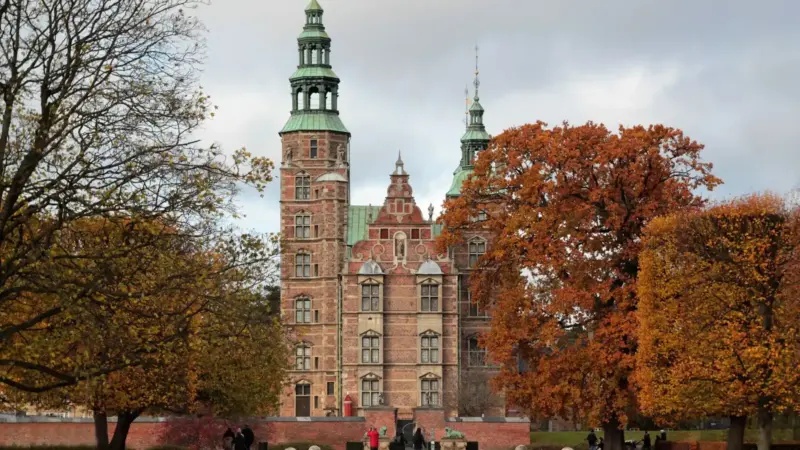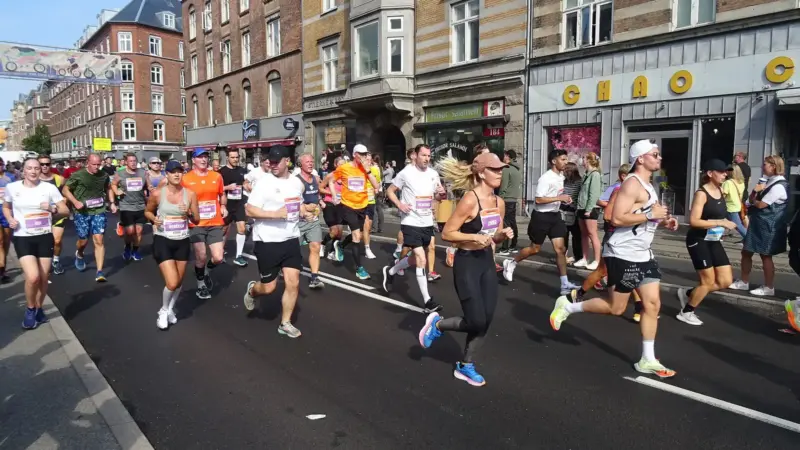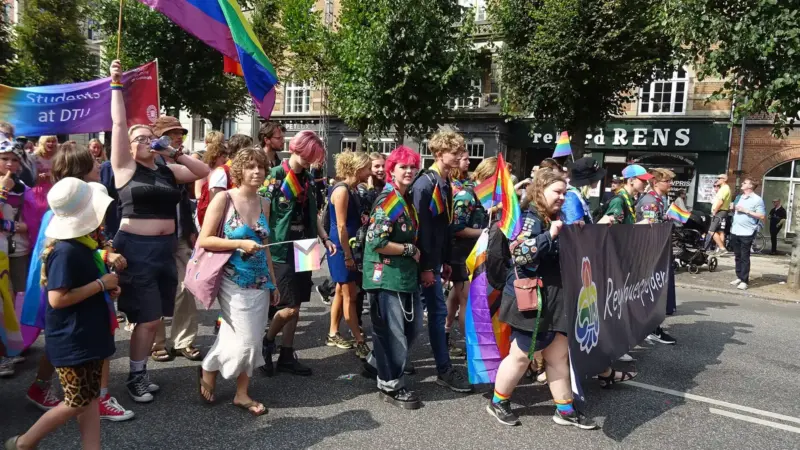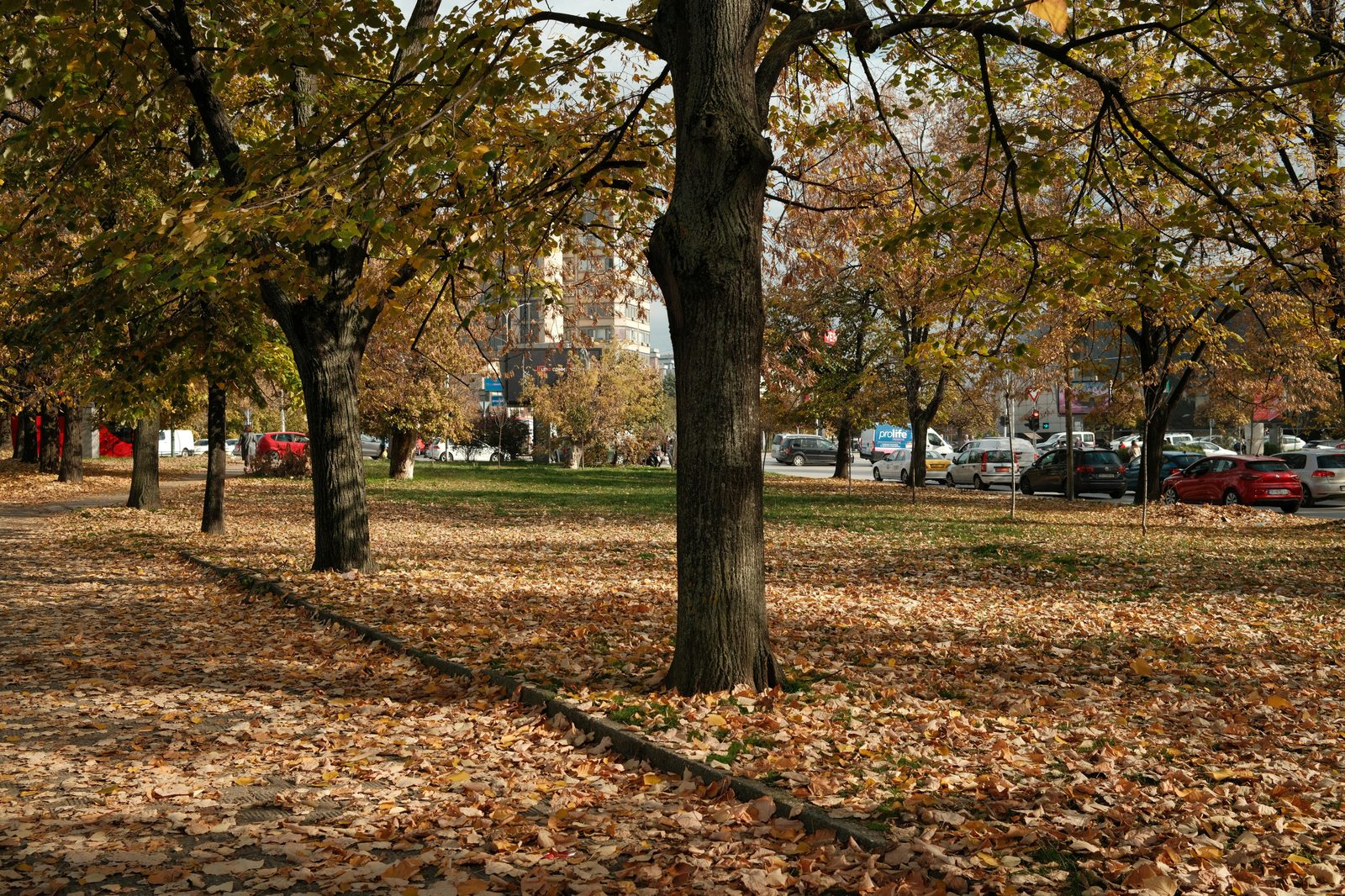
Ask a Copenhagener their favourite season and a surprising number will say autumn. Here’s why, in brief: Copenhagen in fall (September to November) means foliage peaking in Frederiksberg Have around mid-October, the start of proper hygge café season and far fewer tourists than summer. Add Tivoli Halloween and two strong film festivals and you’ve got a genuinely rich few months. The trade-off is the weather: variable, often wet (8–17°C), with the light draining away fast. Pack layers and an umbrella.
Each of the three autumn months feels different — September clings to summer, October is peak colour, November tips toward winter — so knowing the differences helps. Below: the best foliage walks, the hygge cafés, the festivals, what to eat and how the months compare. It all sits under our best time to visit Copenhagen guide.
Autumn at a glance
| Month | Avg High °C | Daylight | Highlights |
|---|---|---|---|
| September | 17°C / 63°F | About 14 hrs, falling to just under 12 | Mild shoulder season, locals return |
| October | 12-13°C / 54-55°F | 9.5-11.5 hrs | Autumn colors peak, Tivoli Halloween, CPH PIX film fest |
| November | 7°C / 45°F | 8-10 hrs | Cozy hygge season, main Christmas market opens 6 November |
Short version: September is the sweet spot, with summer’s tail end and thinner crowds; October brings the colour and Halloween; November is grey and dark but deeply hyggelig, with the Christmas markets arriving right at the end. The full climate detail is in our weather by month guide.
One caveat on the value: the crowds thin in September, but hotel rates do not. On Statistics Denmark’s hotel price index September was the second-dearest month of the year in both 2023 and 2025, behind only June. Our guide to Copenhagen in September has the numbers, the 2027 dates and the best weeks to pick.
The best things to do in Copenhagen in fall
1. Frederiksberg Have for the foliage
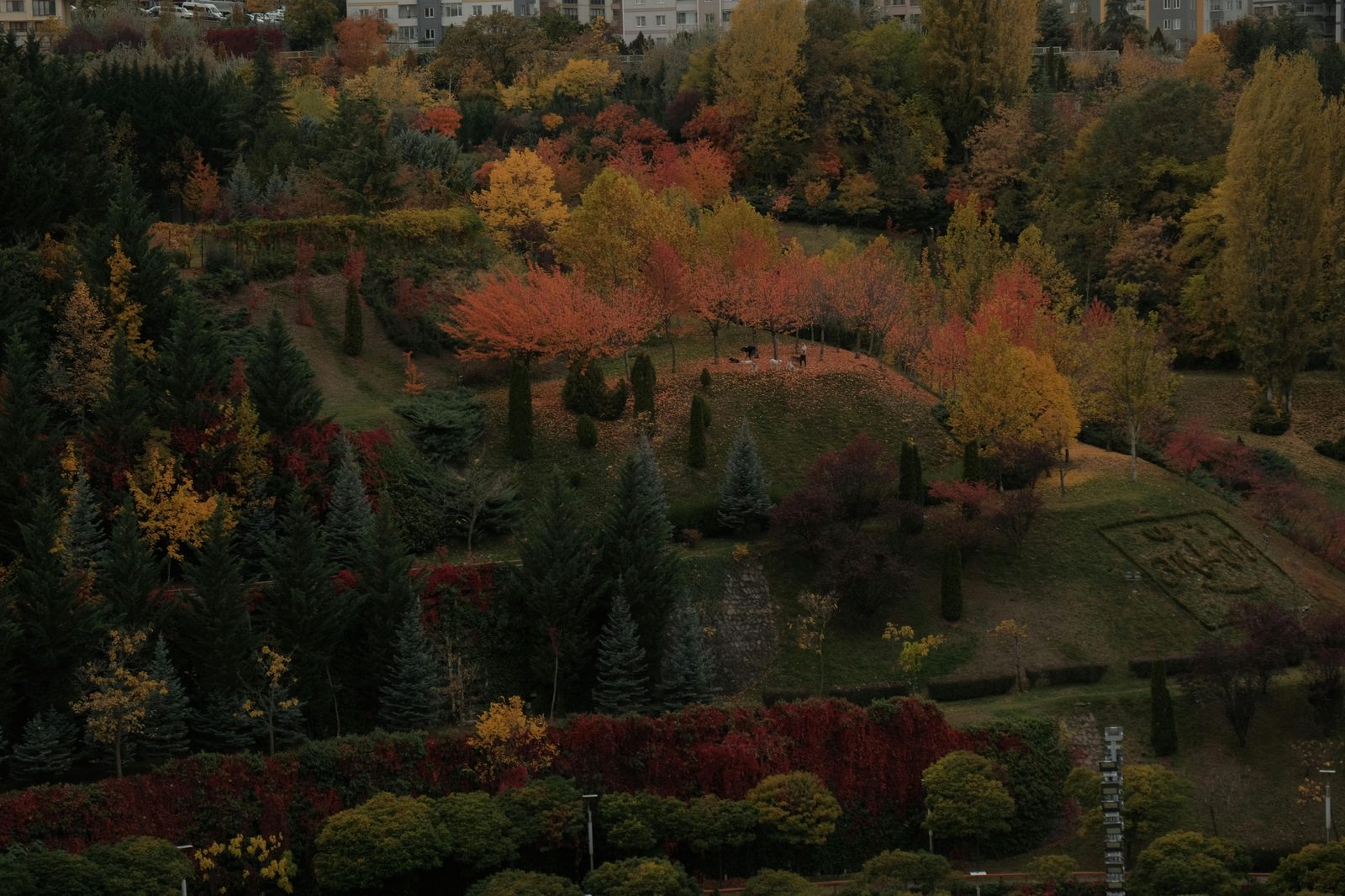
Frederiksberg Have is the city’s most elegant park, and it’s at its best in autumn — the formal gardens turn gold around mid-October, and the lake, the Chinese-style pagoda and the palace exterior all reflect beautifully. Entry is free, it’s open daily from about 07:00 with closing times that shift through the year, and a crisp mid-October morning here is hard to beat for foliage photography. Pair it with the neighbourhood in our Frederiksberg guide.
2. Tivoli Halloween (all October)

Tivoli Halloween runs from 2 October to 1 November 2026, about four and a half weeks, with more than 20,000 pumpkins across the gardens, themed decorations, a haunted house, and it stays firmly family-friendly rather than scary. Entry is priced by date, so check the ticket calendar on tivoli.dk; rides are extra. Go on a weekday afternoon or early evening to skip the weekend crush. Full details in our Tivoli Gardens guide.
3. Hygge café season

As the days shorten, the cafés light the candles and the whole city gets cosier — this is when hygge stops being a concept and becomes a way to spend an afternoon. Some of the best spots to hunker down:
- Café Wilder (Christianshavn) — a canal-side institution since 1984.
- Coffee Collective (Jægersborggade, Nørrebro) — the roaster’s original shop, open every day.
- Hart Bageri (Frederiksberg) — a bakery and coffee stop, founded in 2018 with Noma’s Rene Redzepi among its partners.
- La Cabra (Frederiksberg) — serious specialty coffee.
- Atelier September (Hellerup and Nordhavn) — a vegetarian café.
- Lille Bakery (Refshaleøen) — a bakery out on the old shipyard island.
For the whole philosophy and where to feel it, see our Copenhagen hygge guide.
4. A wander through Assistens Cemetery

Assistens Cemetery in Nørrebro is an 18th-century graveyard that doubles as a much-loved park, and it’s never more atmospheric than in autumn. Hans Christian Andersen and Søren Kierkegaard are both buried here, and the colours peak mid-to-late October. Entry is free and it’s open daily; check assistens.dk for current opening hours. It’s a park as much as a graveyard, so it’s less sombre than it sounds.
5. Catch a film festival
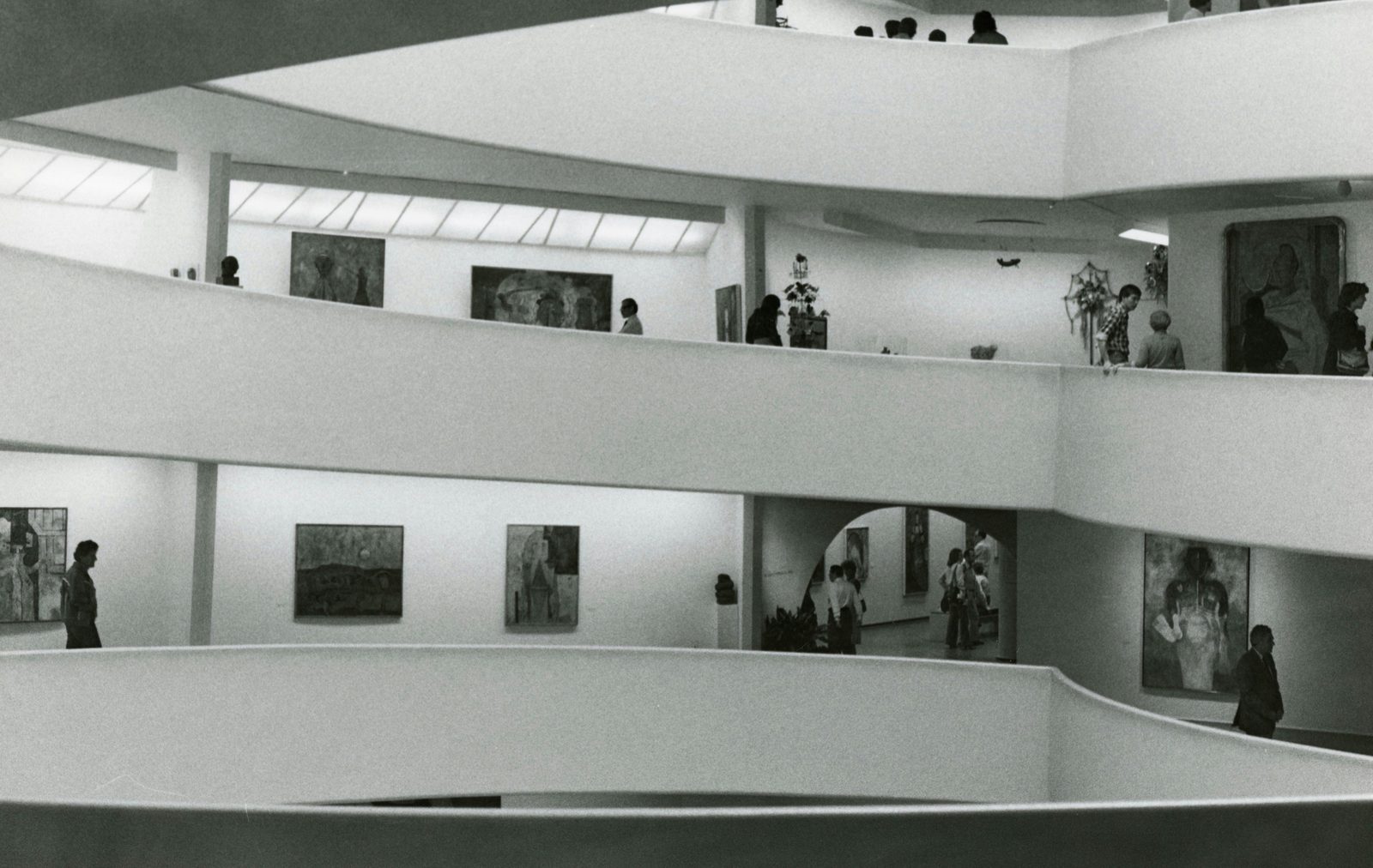
The wet weather has an upside: autumn is prime film-festival season. The line-up:
- BUSTER (early September) — a well-loved children’s film festival.
- CPH PIX (mid-October) — international cinema, centred on Cinemateket.
If the rain sets in, these plus the city’s museums make for an easy indoor day. For the full year-round line-up, see our events and festivals guide.
6. Chase the misty mornings
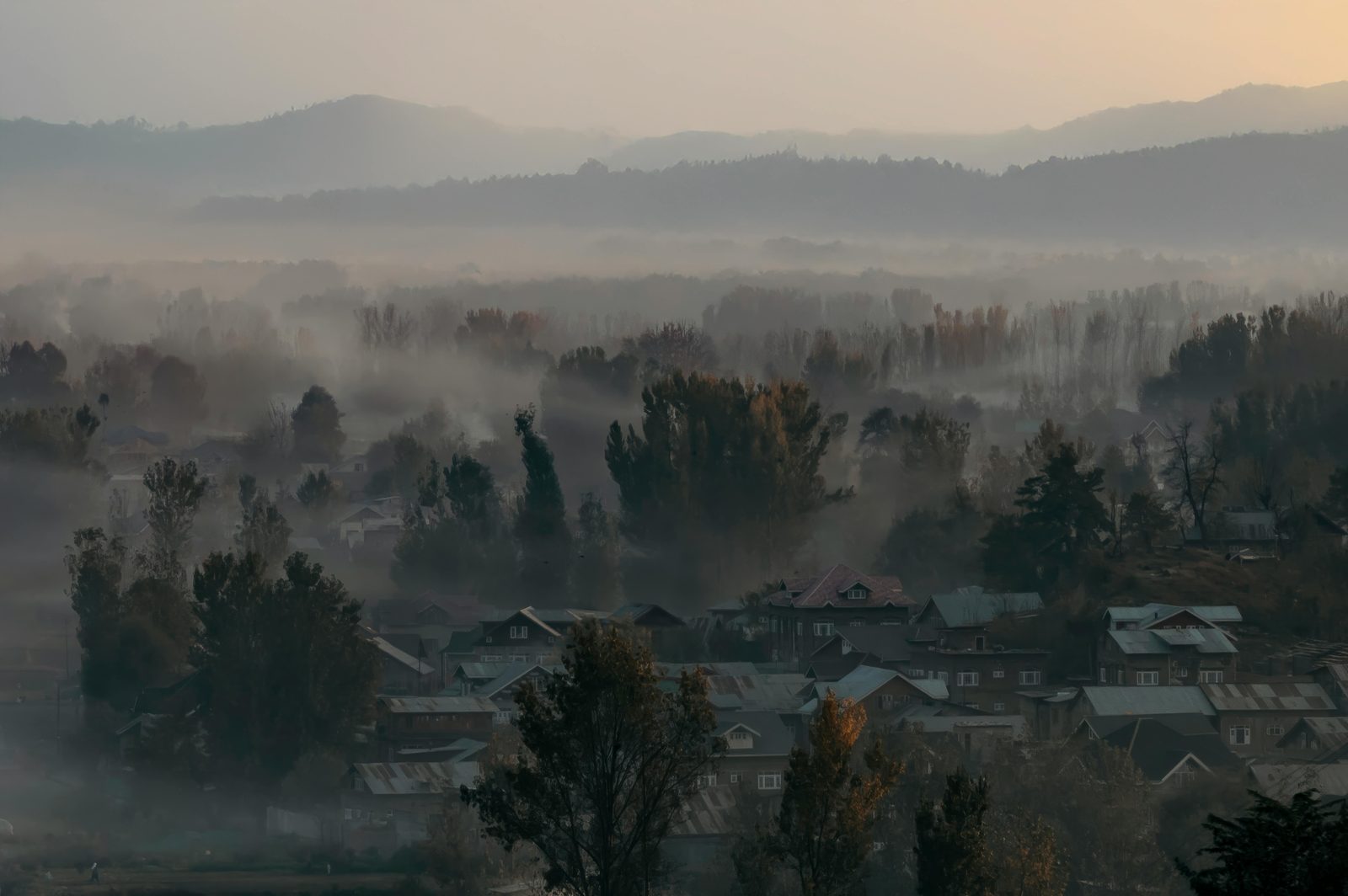
October and November mornings often deliver atmospheric mist, and it’s worth setting an early alarm for. The best places to catch it:
- The Lakes (Søerne) — the strip between Østerbro and Nørrebro.
- The Christianshavn canals — fog drifting over the water.
- Refshaleøen harbour — moody and industrial.
- Fælledparken — mist across the open meadow.
- Frederiksberg Have’s lake — formal-garden calm.
7. Eat the comfort food

Cold weather is an excuse to eat well, and Danish autumn cooking is built for it. Seek out:
- Frikadeller — Danish meatballs with potatoes and gravy.
- Stegt flæsk — the national dish, crisp fried pork belly with parsley sauce.
- Hearty smørrebrød — try Schønnemann or Aamanns.
- Hot chocolate — a fixture at every hygge café.
- Kanelsnegle — cinnamon rolls; Hart Bageri bakes them.
For where to eat across the year, our food guide has the full list.
8. Bispebjerg Cemetery, out of blossom season
Everyone knows Bispebjerg for its spring cherry blossoms, but the same 43 Japanese cherry trees turn a deep red-orange in autumn, and the combination of that colour with the cemetery’s quiet avenues makes for one of the city’s most distinctive fall scenes — and far fewer people than in April.
Autumn festivals and events
- Copenhagen Cooking & Food Festival (late August) — food events citywide.
- BUSTER children’s film festival (early September).
- CPH PIX international film festival (mid-October).
- Tivoli Halloween (2 October to 1 November).
- Christmas market opening (from 6 November) — the main market on Nytorv and Gammeltorv, then Tivoli Christmas from 13 November.
A quick word on hygge

Hygge (roughly “HOO-gah”) is the Danish knack for cosy contentment, and it comes into its own as the days shorten — candlelight, warm drinks, blankets, slow conversation, comfort food, and no rush to be anywhere. Autumn is when the city’s cafés, restaurants and homes lean into it hardest, all warm wooden interiors and flickering tea lights. It’s one of the most authentic things you can experience here, and we’ve written a whole guide on where and how to find it around the city.
What to pack for autumn

Autumn weather here is all about the layered approach, plus proper rain kit. The shortlist:
- A medium-weight jacket, ideally water-resistant.
- Layers — a t-shirt, sweater and light jacket combination.
- Waterproof shoes — the cobbles are wet more often than not.
- A compact umbrella — October and November bring 63 and 56 mm of rain respectively.
- A light scarf for chilly evenings.
- A warm hat and gloves for later November.
- A camera — the foliage and mist make this the best photography season.
For a full month-by-month checklist, see packing for Copenhagen.
How autumn compares to the other seasons
| Season | Pros | Cons |
|---|---|---|
| Fall (Sep-Nov) | Foliage, hygge, fewer crowds, lower prices, cozy | Variable weather, rain, shortening days |
| Summer (Jun-Aug) | Warmth, long days, harbor swimming, festivals | Peak crowds, June the priciest month |
| Spring (Mar-May) | Cherry blossoms, mild, Tivoli opens | Weather still cool, rain |
| Winter (Dec-Feb) | Christmas markets, hygge, cheapest prices | Dark, cold, limited daylight |
If you’re weighing autumn against the neighbouring seasons, our guides to summer and winter lay out the trade-offs in full.
A 3-day autumn itinerary
Day 1: foliage and hygge
- Morning: a foliage walk through Frederiksberg Have, then coffee at Hart Bageri.
- Lunch: specialty coffee and a bite at La Cabra, Frederiksberg.
- Afternoon: Home of Carlsberg.
- Evening: dinner at Café Wilder in Christianshavn.
Day 2: Nørrebro and its cemeteries
- Morning: an autumn walk through Assistens Cemetery.
- Lunch: Coffee Collective.
- Afternoon: the autumn colour at Bispebjerg Cemetery.
- Evening: a candlelit hour at Atelier September.
Day 3: Halloween and the old centre
- Morning: Indre By and the Round Tower.
- Lunch: classic smørrebrød at Schønnemann (book ahead).
- Afternoon: the National Museum.
- Evening: Tivoli Halloween (open daily from 11:00; closing times are on tivoli.dk).
Want a longer plan? Our full itinerary guide covers one to seven days.
Autumn FAQs
Is fall a good time to visit Copenhagen?
Very much — it’s one of the city’s most underrated seasons. Hygge culture kicks in, the foliage peaks in mid-October, there are far fewer tourists than in summer, and hotels are cheaper. The main trade-off is variable, often wet weather, so come prepared to layer up and duck into a café when it turns.
When do the autumn colours peak?
Mid-October is the sweet spot, when Frederiksberg Have, Fælledparken and Bispebjerg Cemetery are all at their most colourful. The turn starts in late September, and by early November most of the leaves are down — so mid-October is the window photographers want.
What’s the weather like in autumn?
September averages about 17°C with about 14 hours of daylight, falling to just under 12 by the end of the month; October drops to an average high of 12-13°C with 9.5-11.5 hours; November cools to roughly 7°C with 8–10 hours. Rain is frequent — about 56 to 63 mm a month in October and November — so layers, waterproof shoes and an umbrella are the essentials.
Is Tivoli open in autumn?
Yes — Tivoli’s summer season runs through late September, then Tivoli Halloween takes over from 2 October to 1 November. The park then closes before its Christmas season opens on 13 November. So the only gap is 2 to 12 November. More in our Tivoli Gardens guide.
What is hygge season?
It’s the cosy-contentment culture that peaks from about October through February. Autumn marks its start, when cafés bring out the candles and the seasonal menus. For many visitors it’s the most authentic slice of Copenhagen life — see our dedicated hygge guide.
Are the crowds smaller in autumn?
Yes — noticeably. September is still moderately busy, but October and November are quiet. Restaurants are easier to get into, too, so a more spontaneous trip becomes possible.
Should I visit in October?
October is one of the best months for the full autumn experience — peak foliage, Tivoli Halloween (2 October to 1 November), the CPH PIX film festival, hygge café season starting and thin crowds. The variable weather is the only real downside, and a good jacket handles that.
What festivals are on in autumn?
The Copenhagen Cooking & Food Festival (late August), BUSTER (early September), CPH PIX (mid-October), Tivoli Halloween (2 October to 1 November), and the Christmas markets opening from 6 November.
Keep planning
- Best time to visit Copenhagen — the season-by-season overview.
- Copenhagen in winter — what comes next.
- Copenhagen in December — Christmas and New Year.
- Copenhagen weather by month.
Final thoughts
Copenhagen in fall is the city at its most authentic. Hygge season begins, the locals are back from their summer holidays, and the whole place settles into a slower, cosier rhythm. Walk Frederiksberg Have at peak colour, chase the mist at the Lakes, warm up over a cinnamon roll at Hart Bageri, do a lap of Tivoli Halloween, and lose an evening to a candlelit café. Pack for changeable weather and bring an umbrella you don’t mind using — and you’ll understand why so many Copenhageners quietly rate this as their favourite season.
Last updated: July 2026. Festival dates, opening times and prices shift year to year — confirm the latest before you go.