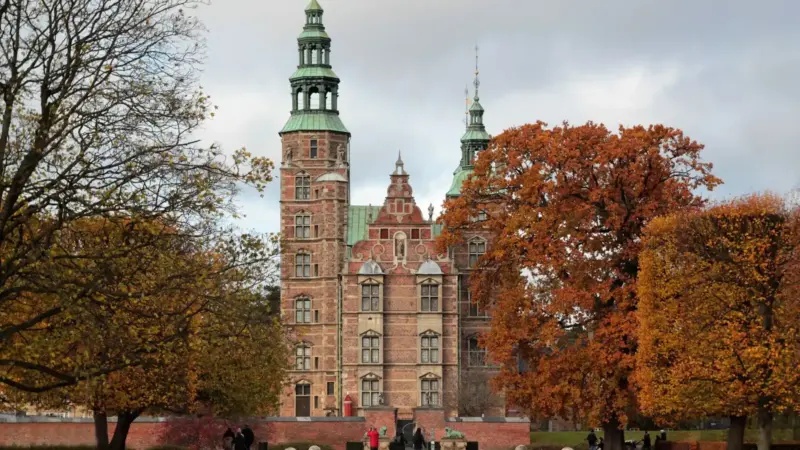
Winter is the city’s most magical season and its most misunderstood. Yes, Copenhagen in winter (December to February) is cold — lows around -2°C — and December gives you barely seven hours of daylight. But the city fights back with light: Tivoli’s million Christmas bulbs, illuminated shopping streets, candlelit hygge cafés, outdoor ice rinks, February’s Light Festival, and museum after warm museum. Add the lowest hotel prices and thinnest crowds of the year and it makes a genuinely compelling case — if you pack properly and lean into the cosiness.
The season splits neatly in two: December is all Christmas magic, while January and February are quiet, cheap and deeply local. Below: the best things to do, how to handle the short days, what to pack, and an honest pros-and-cons list. This guide sits under our guide to timing your trip, and for a laser focus on the festive month, see our December guide.
Winter at a glance
| Month | Avg High °C | Daylight | Highlights |
|---|---|---|---|
| December | 3°C / 37°F | 7 hrs | Tivoli Christmas, Christmas markets, magical lights, New Year |
| January | 2°C / 36°F | 7-8 hrs | Cheapest month; sales; museum culture; quiet city |
| February | 2°C / 36°F | 9-10 hrs | Copenhagen Light Festival; Distortion start; days lengthen |
The gist: December is festive and busier (and pricier on the pre-Christmas weekends), January is the cheapest, quietest month of the whole year, and February brings the Light Festival and the first real return of daylight. For the full climate picture, see our weather by month guide.
The best things to do in winter
1. Tivoli at Christmas (mid-November to early January)
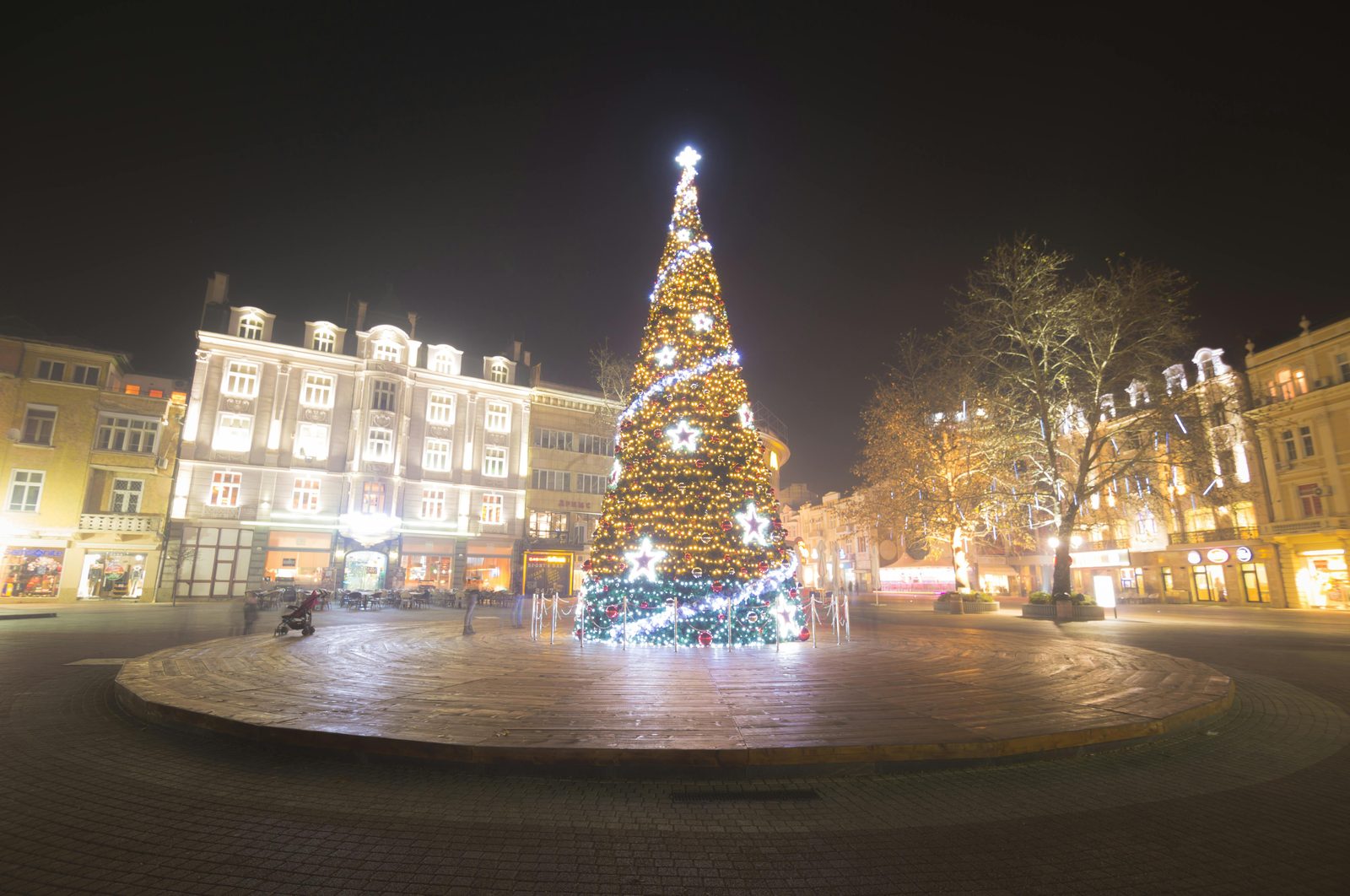
Tivoli’s Christmas season is the single most magical thing you can do here in winter. The park lights up with a million bulbs, decorations spill across every garden, a proper Christmas market of Danish stalls sells gløgg and treats, there’s an ice rink, and the rides run on in the cold. An adult ticket is 200 kr, rides extra; note it’s closed on Christmas Eve afternoon and on the 25th. Go after dark for the full effect. More in our Tivoli Gardens guide.
2. The Christmas markets
From late November through December, markets pop up all over the city. The pick of them:
- Tivoli Christmas Market — inside the park, the most magical setting.
- Nytorv and Gammeltorv — the main central market, free to enter, with mulled wine, gifts and food.
- Nyhavn — small but ridiculously photogenic against the coloured houses.
- Christianshavn — a lower-key, local atmosphere.
We’ve ranked them all — with dates, food and what to expect — in our guide to the Christmas markets.
3. Ice skating at Frederiksberg Runddel

Frederiksberg Runddel is a free outdoor ice rink, normally open from the last weekend of November to the end of February, so check the season before you go. Skate hire is 60 kr. There are seasonal rinks at Nytorv and Gammeltorv and at Broens Skøjtebane too. It’s a lovely, low-cost, family-friendly way to spend a crisp afternoon — and a very Danish one.
4. Café hygge
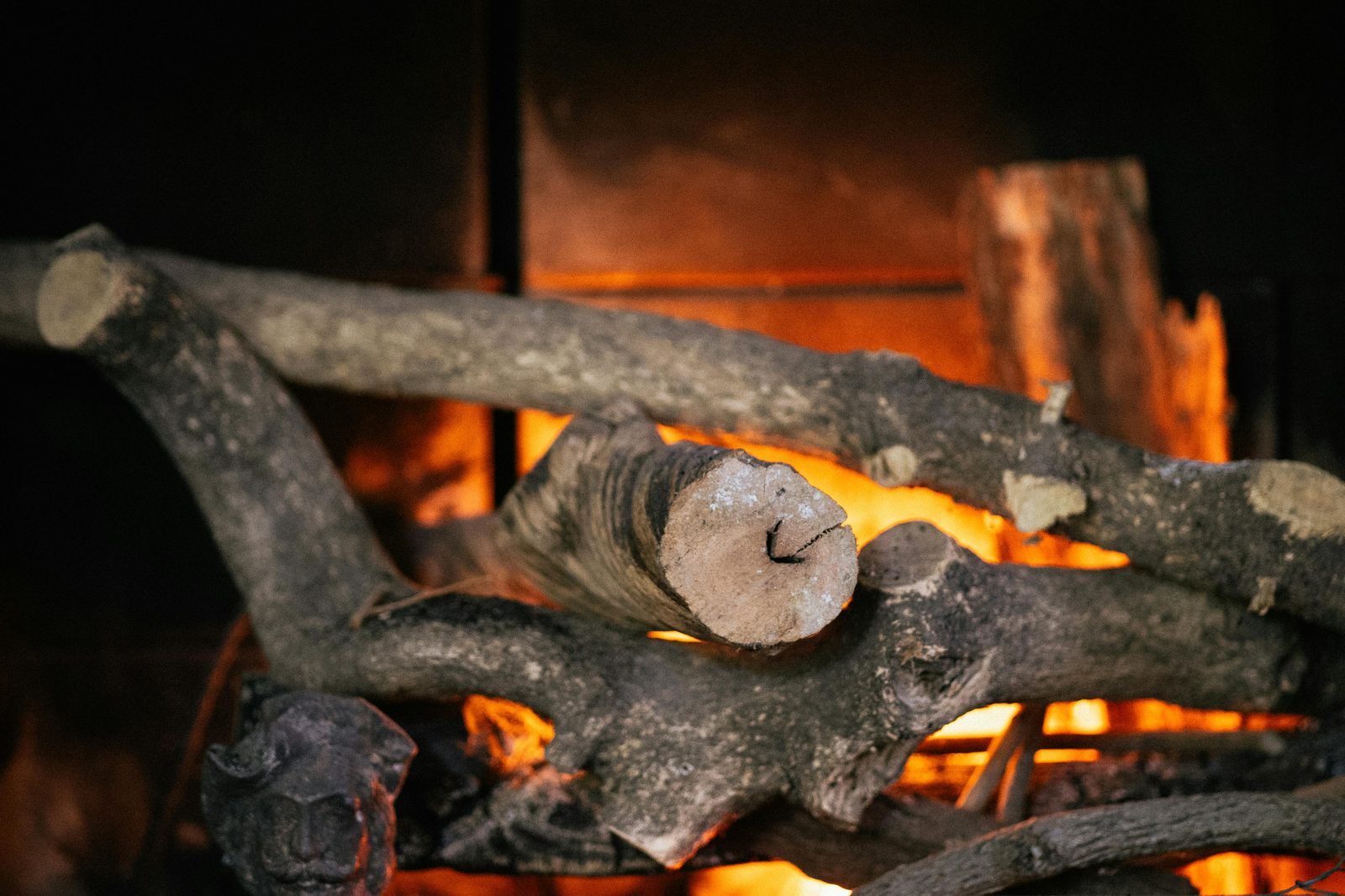
Winter is when hygge earns its reputation. Cafés bring out the candles, fire up whatever they’re allowed to, and turn cosy into an art form. Good places to thaw out:
- Café Wilder (Christianshavn) — the 1984 canal-side classic.
- Lidkøb (Vesterbro) — a three-floor, candlelit cocktail bar in a former pharmacy.
- Hart Bageri (Nørrebro) — bakery-and-coffee heaven.
- Coffee Collective (Jægersborggade) — warm, minimal, seriously good coffee.
- Atelier September (Hellerup) — a beautiful room to linger in.
For the whole cosy philosophy, our Copenhagen hygge guide is the place to start.
5. The Copenhagen Light Festival (February)
Just when the dark feels endless, February’s Copenhagen Light Festival transforms the city with light installations and projections from Danish and international artists. It’s free and outdoors, the harbour walk strings several installations together, and it gives you a genuine reason to be out after dark in the coldest month. A clever bit of Danish defiance against the winter.
6. Museum-hopping
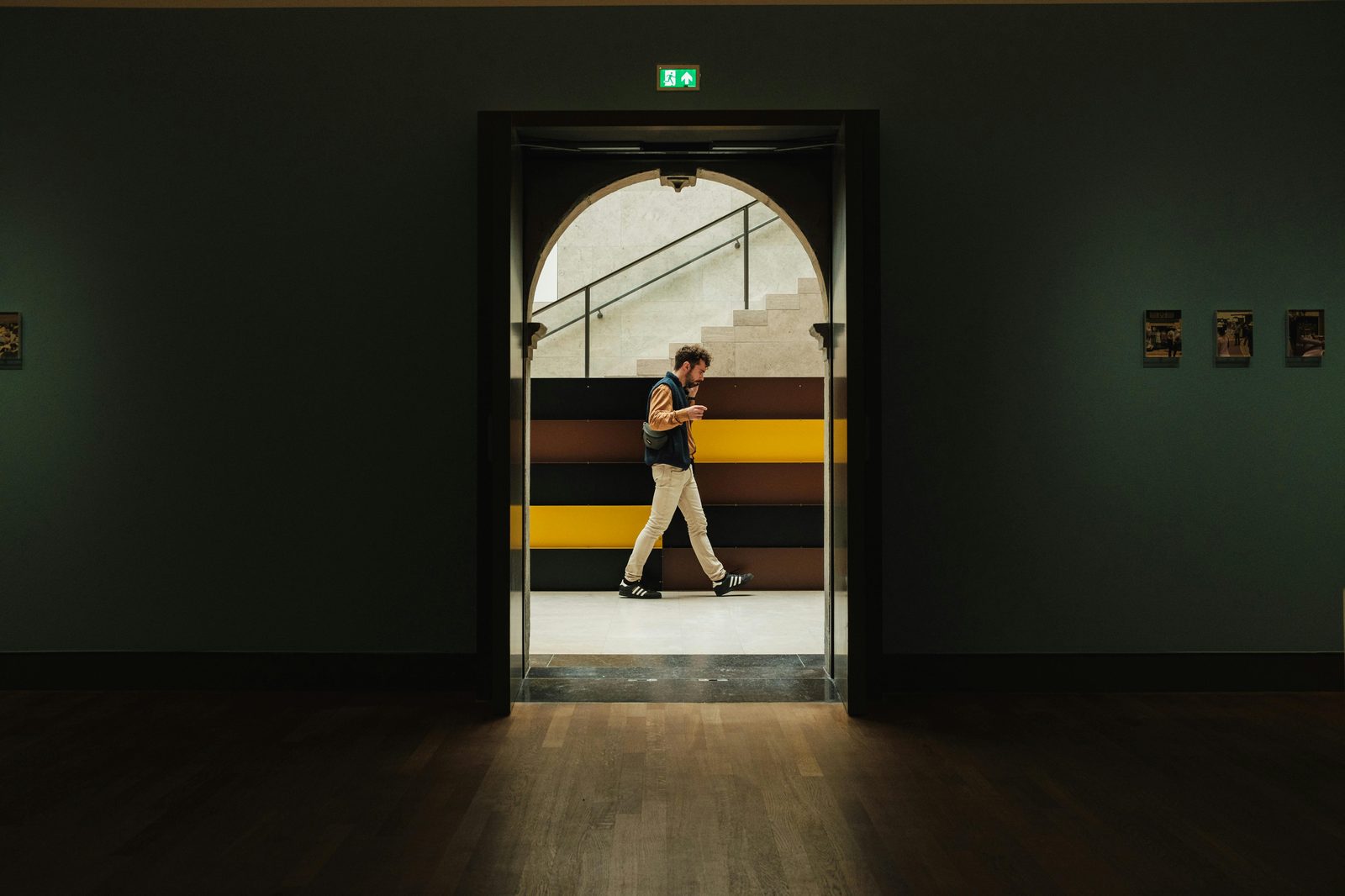
Short days and cold weather make winter the ideal time to work through the city’s museums — warm, indoors, and near-empty on a weekday. The pick:
- National Museum of Denmark — Vikings and Danish history; 150 kr, under-18s free.
- Ny Carlsberg Glyptotek — antiquities and Impressionists; 150 kr, free on the last Wednesday of the month.
- Designmuseum Danmark — the icons of Danish design; 140 kr for adults.
- SMK (National Gallery) — the national art collection; 140 kr for adults, under-18s free.
- The Round Tower — climb the spiral ramp; 60 kr for adults.
For a rainy-and-cold-day plan built around these, our things to do guide has more.
7. Drink gløgg

Gløgg — Danish mulled wine, served with raisins and almonds bobbing in the glass — is the drink of the season. You’ll find it at every Christmas market for around 50–75 kr, cheaper in the supermarkets if you want to warm up at your apartment, and in red, white and alcohol-free versions. Tivoli’s is often reckoned the best. It’s as much a hand-warmer as a drink.
8. New Year’s Eve fireworks
Copenhagen’s New Year’s Eve is genuinely wild, with fireworks going off citywide at midnight — and plenty set off by ordinary people from the streets. Where to watch:
- Rådhuspladsen (Town Hall Square) — the big public gathering.
- Nyhavn — canal reflections, but very crowded.
- Søndermarken / Frederiksberg Have — quieter and more local.
- Refshaleøen — a harbour view with fewer people.
Book any New Year’s dinner four to six weeks ahead. Trains wind down early, but the metro runs all night to get you home.
What to pack for winter

This is the one season you can’t pack light for. It’s the cold, plus the wind chill, plus the occasional wet day — so bring proper kit:
- A heavy coat — down or wool, mid-thigh length is ideal.
- Thermal base layers under your normal clothes.
- A warm sweater and cardigan for layering.
- A warm hat that covers your ears.
- Insulated gloves, touchscreen-compatible if you can.
- A wool scarf against the wind.
- Waterproof boots for slush and the odd snowfall, plus thermal socks.
- A compact umbrella — winter rain happens.
- Lip balm and moisturiser — the cold air is drying.
Our full full packing guide breaks it down by month.
Dealing with the short days

Daylight is the real challenge, bottoming out around seven hours at the December solstice — so it’s worth planning around:
- December 21 (solstice): sun up roughly 8:38 to 15:38 — about seven hours.
- January: 7–8 hours on average.
- February: climbing to 9–10 hours by month’s end.
- Twilight adds around an hour, giving you closer to nine usable hours in December.
- Save indoor plans for the dark ends of the day and get outside in the bright midday window.
- Lean into the lights — the whole city is beautifully lit from November through January, so the dark becomes part of the charm rather than a problem.
Getting outdoors despite the cold
If you don’t mind bundling up, plenty happens outside:
- The Christmas markets — a cup of gløgg makes the cold irrelevant.
- Tivoli at Christmas — magical even at -5°C.
- A lights walk — Strøget and the harbour are gorgeous after dark.
- Ice skating at Frederiksberg Runddel.
- The Light Festival in February, all outdoors.
- A cold-water dip — the sauna at La Banchina on Refshaleøen, for the brave.
- Cycling — the city clears the bike lanes within a couple of hours of snow, so locals just carry on.
Getting between it all is easy year-round; our full guide to getting around Copenhagen has the transport detail.
Winter: the honest pros and cons
| Pros | Cons |
|---|---|
| Cheaper hotels than in summer | Cold weather (-2 to 4°C) |
| Lowest tourist crowds | Short daylight (7-10 hrs) |
| Tivoli Christmas magic | Limited harbor swimming/cycling |
| Christmas markets + glogg | Some attractions reduced hours |
| Hygge cafe culture | Weather can be wet + windy |
| Indoor culture peak | Some Tivoli rides closed in cold |
| Light Festival February | Need to pack heavily |
| No queue at major sights | Outdoor activities limited |
A 3-day winter itinerary
Day 1: Christmas magic (December)
- Morning: an Indre By Christmas walk and the Hans Christian Andersen market.
- Lunch: classic smørrebrød at Schønnemann (book ahead).
- Afternoon: Tivoli at Christmas, roughly 16:00 onward.
- Evening: gløgg at the Tivoli Christmas market.
Day 2: hygge and a museum
- Morning: breakfast at Hart Bageri in Nørrebro.
- Lunch: Designmuseum Danmark and its café.
- Afternoon: the National Museum (warm and indoors).
- Evening: dinner at Café Wilder in Christianshavn.
Day 3: skating and the Light Festival
- Morning: a walk through Frederiksberg Have and a spin on the ice.
- Lunch: Lille Bakery on Refshaleøen.
- Afternoon: the galleries at Copenhagen Contemporary.
- Evening: the Light Festival walk (February) or another turn around Tivoli.
Need a longer plan? Our full itinerary guide covers one to seven days.
Winter FAQs
Is winter a good time to visit Copenhagen?
For Christmas markets, Tivoli’s festive season, the cheapest prices and the smallest crowds, absolutely. For outdoor activities, harbour swimming and long days, no. December delivers the Christmas magic; January and February are the bargain months for anyone happy to wrap up warm.
How cold is it?
Averages sit around 0–3°C with overnight lows near -2°C. Cold snaps to -10°C happen occasionally but are rare, and anything below -15°C is very unusual thanks to the maritime climate. The wind chill is the real bite, so a proper coat matters more than the raw number.
Does it snow?
Yes, on about 5–10 days a year, usually between December and February. It rarely piles up more than a few centimetres and seldom lasts long, so a picture-postcard snowy Copenhagen is possible but not something to count on.
How dark does it get?
Daylight bottoms out at about seven hours around December 21, with the sun up roughly 8:38 am to 3:38 pm. Twilight adds another hour or so. The saving grace is the lighting — the city is beautifully lit through the festive season, which genuinely takes the edge off the dark.
Is Tivoli open in winter?
Tivoli’s Christmas season runs from mid-November through early January (closed on Christmas Eve afternoon and the 25th). The park then closes until its Easter season begins. So January and February are the main gap — check the Tivoli website for exact dates.
When is Copenhagen cheapest to visit?
January is the cheapest month of the year, with cheaper hotels than in summer, the fewest tourists and the lowest restaurant demand. February is similar. It’s the best window for budget travellers willing to pack for the cold.
What festivals are on in winter?
Tivoli’s Christmas season (mid-November to early January), the Christmas markets (late November through December), New Year’s Eve (December 31) and the Copenhagen Light Festival (February), with the Distortion build-up starting late in the month.
How should I dress?
A heavy coat, thermal layers, a warm hat, gloves, a scarf, waterproof boots and thermal socks — the layered approach is essential. You’re dressing for cold (-2 to 4°C), wind chill and the possibility of rain all at once, so err on the warm side.
Keep planning
- When to visit Copenhagen — the season-by-season overview.
- Copenhagen in December and the Christmas markets.
- The Danish idea of hygge — the heart of winter here.
- What to pack for Copenhagen.
Final thoughts
Copenhagen in winter rewards anyone willing to embrace it. Tivoli under a million lights, gløgg at the Christmas markets, skating at Frederiksberg Runddel, candlelit cafés, February’s Light Festival, and warm museums to duck into when the wind turns — December is pure Christmas magic, and January and February are the cheapest, quietest months you’ll find. Pack a serious coat, plan your days around that short daylight window, and lean into the lights and the hygge. Do that, and you’ll discover the version of the city most visitors never bother to meet — and one of Europe’s genuinely cosiest winter breaks.
Last updated: July 2026. Opening dates, prices and festival schedules shift year to year — confirm the latest before you travel.