Spring is the season locals grin about, and honestly it’s the one I’d send a first-timer to before summer. Here’s the quick answer: Copenhagen in spring (March to May) means cherry blossoms peaking around mid-to-late April, Tivoli reopening for the season, café terraces spilling onto the pavements, and daylight stretching from 11 hours up to 17. It’s mild (4–13°C), far quieter than the July crush, and noticeably cheaper. The catch is the weather’s mood swings — pack for both sun and showers.
The three spring months feel quite different from one another, so the month you pick matters. Below you’ll find the best things to do, where to catch the blossoms, when Tivoli opens, what to throw in your bag, and which month suits your trip. For the wider seasonal picture, this guide sits under our guide to timing your trip.
Spring at a glance
| Month | Avg High °C | Daylight | Rainfall | Highlights |
|---|---|---|---|---|
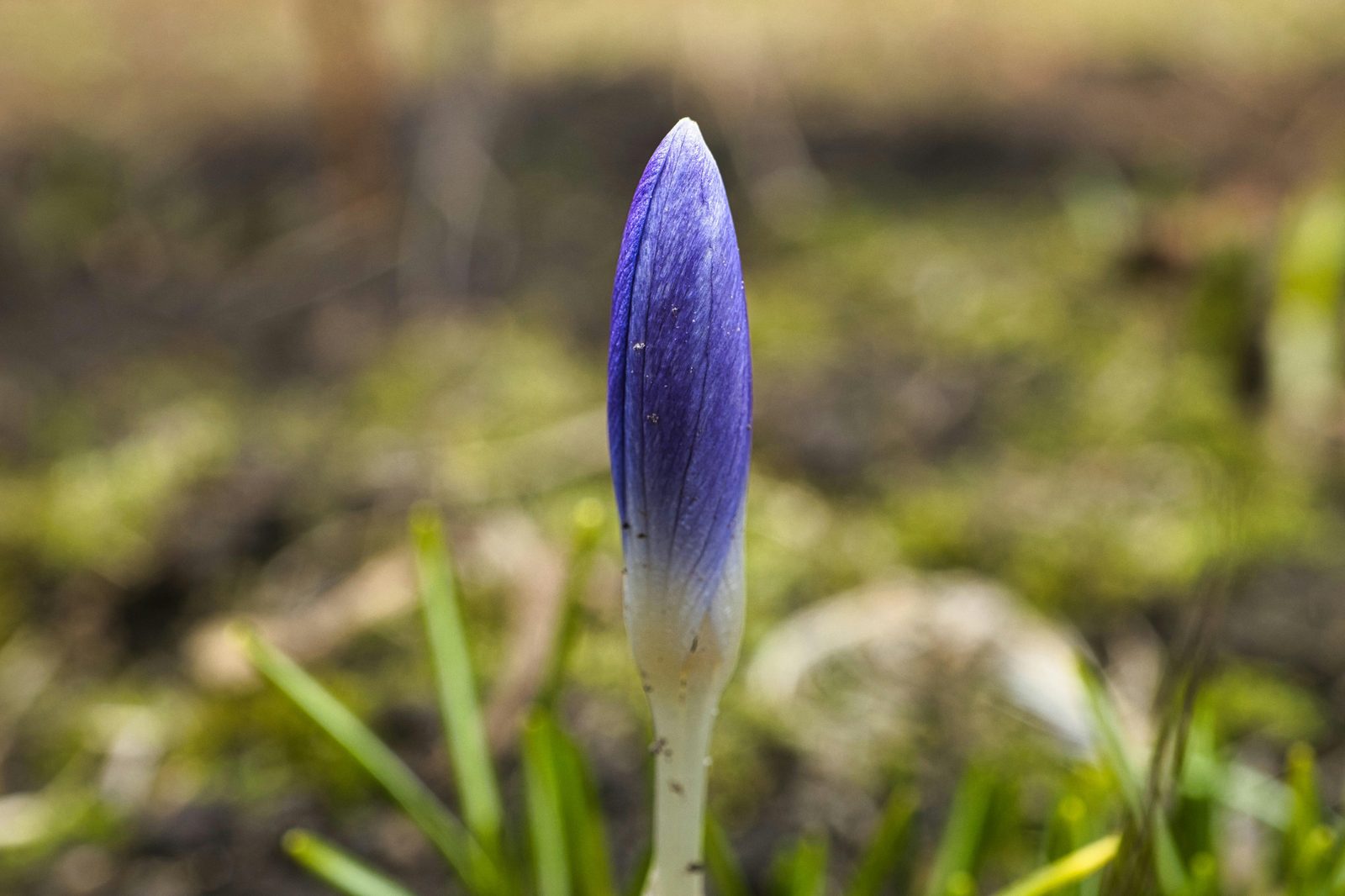
| March | 5°C / 41°F | 11-13 hrs | 39 mm | First crocuses, lengthening days, Light Festival |
| April | 12°C / 54°F | 13-15 hrs | 36 mm | Cherry blossoms, Tivoli opens, Easter market |
| May | 17°C / 63°F | 15-17 hrs | 47 mm | Full bloom, cafe terraces, Distortion festival |
The short version: March is still coat weather but cheap and quiet, April brings the blossom and Tivoli, and May is the crowd-pleaser — mild, in full bloom, and still ahead of the summer rush. If the numbers here interest you, our Copenhagen weather by month page has the full breakdown.
The best things to do in spring
1. Cherry blossoms at Bispebjerg Cemetery

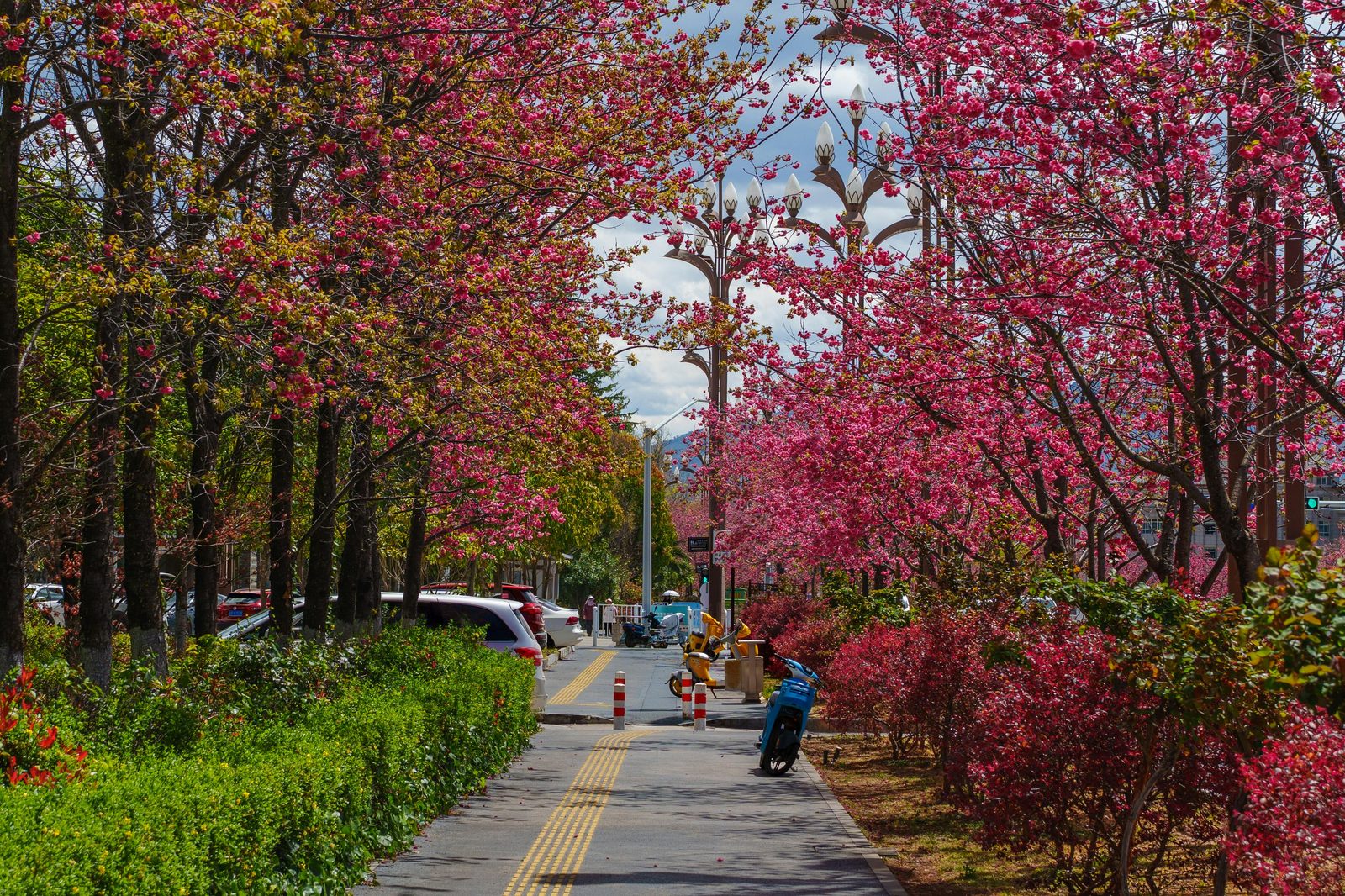
This is the big one. Bispebjerg Cemetery has more than 200 pink cherry trees lining a long avenue, and when they peak — usually mid-to-late April — it’s genuinely one of the loveliest sights in the city. Entry is free, but it is a working cemetery, so keep your voice down and be respectful. Go early on a weekday morning to beat the crowds and the harsh midday light, then wander south into Nørrebro for coffee afterwards.
2. Tivoli’s spring opening

Tivoli reopens in spring (the Easter season starts on 19 March in 2027, and the summer season follows on 30 March and runs through late September), and spring is arguably the prettiest time to see it — the gardeners plant more than 200,000 tulips, and the display is at its best before the summer crowds arrive. An adult ticket is around 145 kr; rides cost extra on top. Go on a weekday afternoon for the calmest experience. Full details in our Tivoli Gardens guide.
3. Frederiksberg Have in bloom

The city’s most elegant park comes alive from March through May with tulips, daffodils and magnolias, and Frederiksberg Palace looks its best mirrored in the lake. Entry is free and it’s open dawn to dusk. Bring a coffee, find a bench, and watch locals do exactly the same. Pair it with the neighbourhood in our Frederiksberg guide.
4. The first café terraces
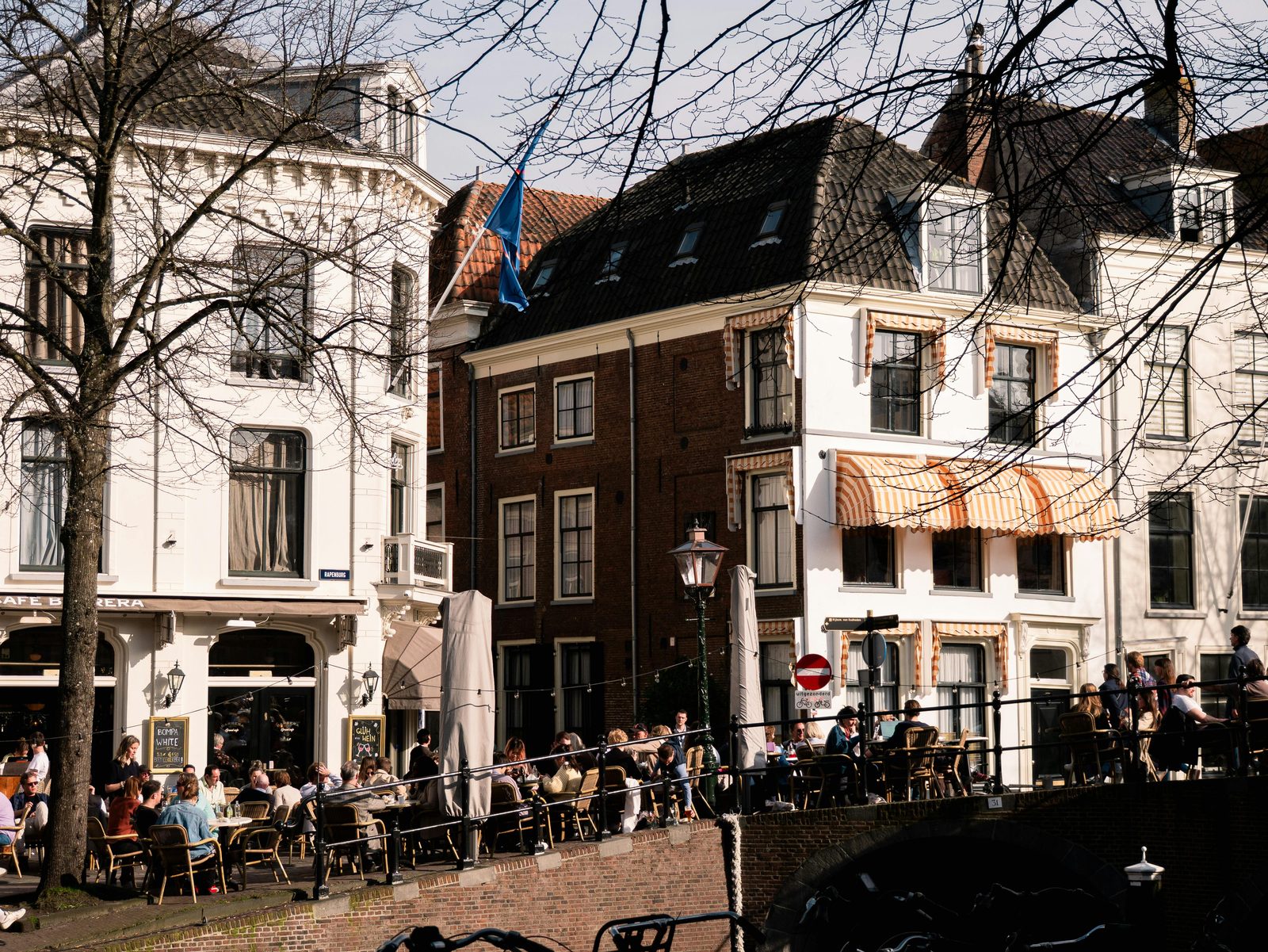
There’s a specific day each spring — usually in April — when the sun finally has some warmth in it and the entire city seems to move outdoors. Café terraces reopen everywhere: Café Wilder in Christianshavn, La Cabra in Vesterbro, the buzzing spots along Jægersborggade in Nørrebro. Sønder Boulevard turns into one long picnic. It’s not a “sight”, exactly, but it’s one of the real joys of spring here, and it’s free.
5. Get on a bike
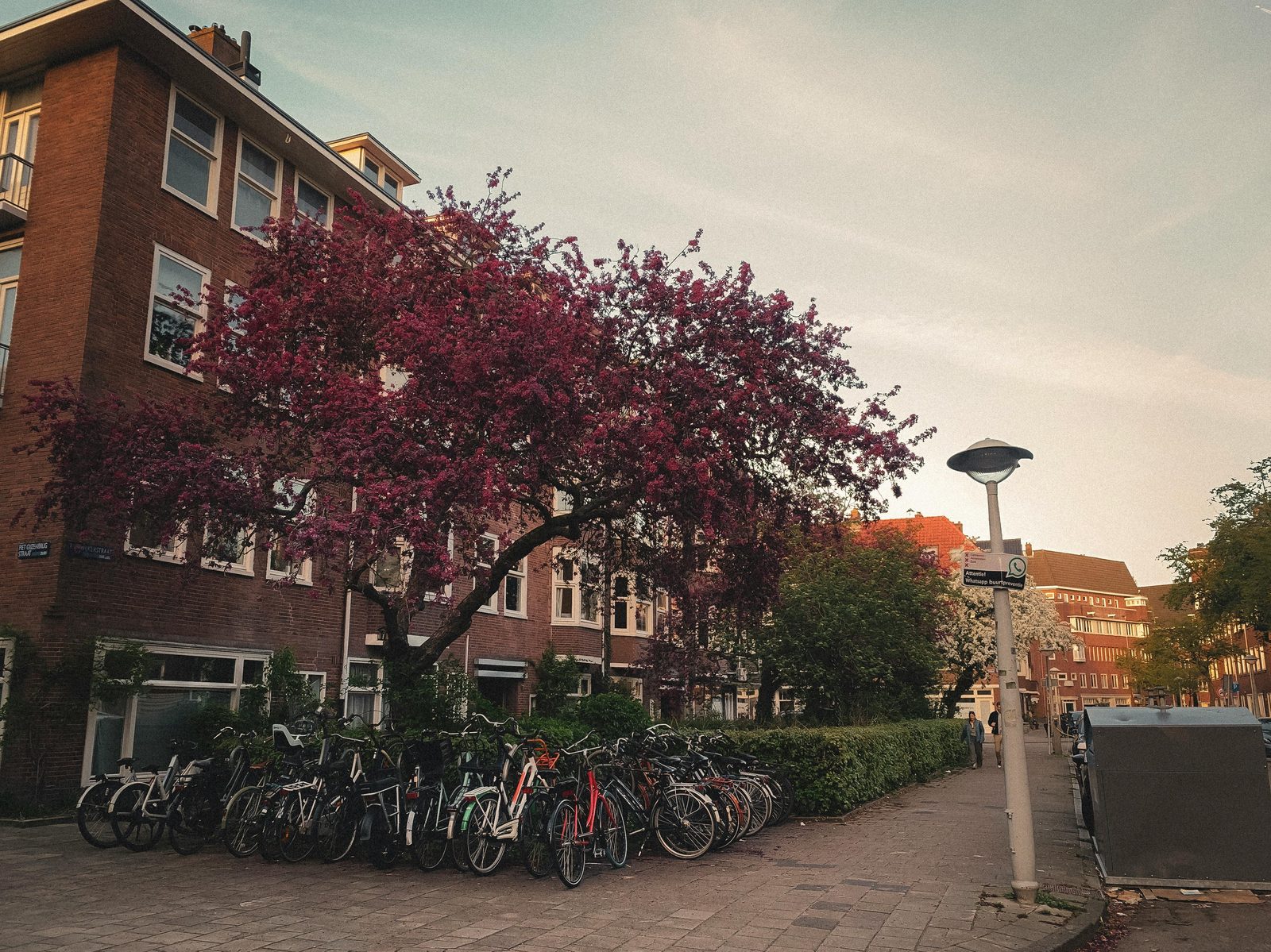
Mild temperatures plus long daylight make spring the best cycling season of the year, before the summer bike-lane traffic gets heavy. Donkey Republic rentals run around 95 kr a day, and the elevated Cykelslangen (“Bicycle Snake”) is a fun, easy ride with harbour views. Our bike hire guide covers the apps and the etiquette so you don’t get a bell rung at you.
6. The Royal Library Garden tulips
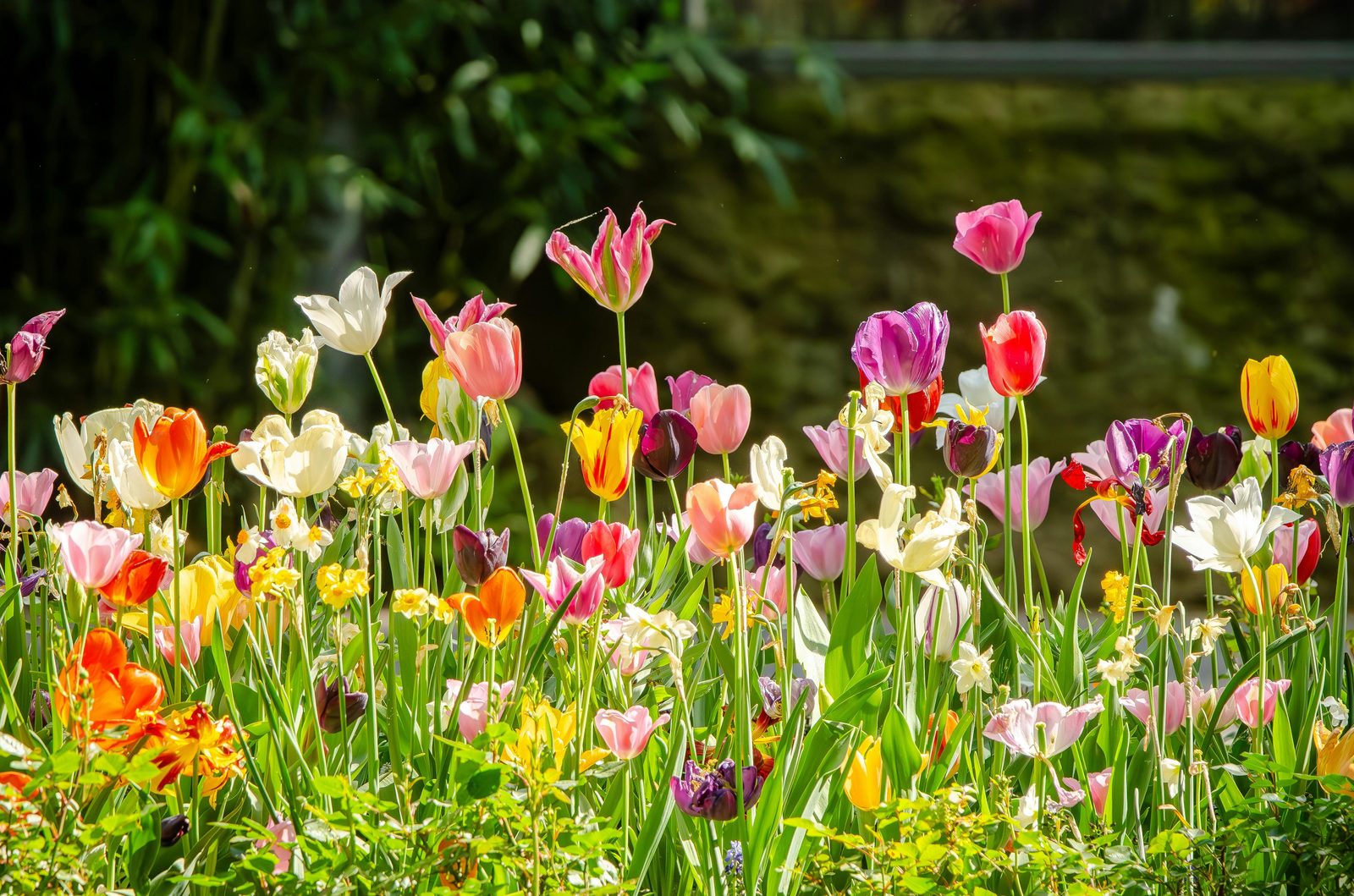
Tucked behind Christiansborg Palace, the Royal Library Garden is a small, quiet courtyard that erupts with tulips in late April and early May. It’s free, easy to miss, and one of the prettiest five-minute detours in the centre — a lovely pause between the palace and a smørrebrød lunch.
7. Distortion (late May)
If you’re here at the end of May, you can’t miss Distortion — the city’s biggest street festival, five days of block parties and club nights that draw well over 100,000 people through Nørrebro, Vesterbro and Refshaleøen. The daytime street parties are free; the evening events are ticketed. It’s loud, messy and a lot of fun. For everything else happening across the year, see our events and festivals guide.
8. Sankthansaften bonfires (June 23)
Right at spring’s edge, June 23 is Sankthansaften (Saint John’s Eve), Denmark’s midsummer night. Bonfires are lit at Fælledparken, Refshaleøen and Amager Strand, there’s communal singing, and the light barely fades — it’s one of the most atmospheric evenings of the whole year. Technically it’s the doorway into summer, but it belongs to anyone visiting in late spring too.
Cherry blossoms: where and when
If blossom is the whole reason you’re coming, here’s where to look — and a warning that timing shifts by a week or two each year, so build in some flexibility:
- Bispebjerg Cemetery — 200-plus trees and the city’s main event; peaks mid-to-late April.
- Langelinie Park — around 30 cherry trees near the Little Mermaid; mid-to-late April.
- Japanese Garden at Tivoli — small but photogenic; early April.
- Fælledparken — scattered cherry trees; mid-April.
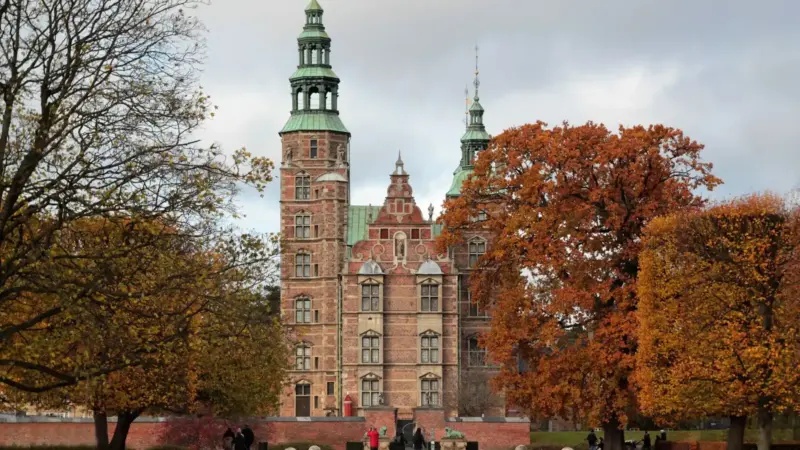
- Rosenborg Castle Garden (Kongens Have) — older trees; early April.
The Copenhagen Sakura Festival (late April) usually lines up with peak bloom, and it’s the best signal for exact dates. If you can keep your itinerary loose, you’ll dodge the heartbreak of arriving a week after the petals have dropped.
Spring weather and what to pack

Spring weather here changes fast — you can start a morning in a jacket and finish the afternoon in shirtsleeves, or the reverse. Layers are non-negotiable. Here’s the packing shortlist:
- A medium jacket for cooler mornings and evenings.
- A lighter layer underneath for warm afternoons.
- Comfortable, waterproof shoes — the cobbles stay wet after showers.
- A compact umbrella — reckon on 37–44 mm of rain across April and May.
- A light scarf for chilly evenings by the water.
- Sunglasses — the light is genuinely bright by May.
- A camera — this is the best photography season of the year.
Want the full checklist for every month? See packing for Copenhagen.
Spring markets and events
Spring keeps a busy calendar. The headliners:
- Copenhagen Light Festival (February into March) — light installations across the dark city.
- Easter market (March–April) — at Kongens Nytorv.
- Tivoli spring opening (from 19 March in 2027) — season launch with tulips.
- Bispebjerg cherry blossom peak (mid-to-late April).
- Royal Library Garden tulips (late April into early May).
- Copenhagen Photo Festival (early June).
- Distortion (five days, late May into early June).
Which spring month is best?
| Month | Pros | Cons |
|---|---|---|
| March | Cheaper, fewer tourists, lengthening days | Still cold (5°C); few outdoor activities |
| April | Cherry blossoms, Tivoli opens, mild | Variable weather; rain possible |
| May | Best balance: mild + bloom + low crowds | Higher prices than March/April |
My honest take: May wins for most people — the best balance of mild weather, full bloom and manageable crowds. Come in April if the cherry blossoms are the whole point, and accept the weather might not cooperate. And March is for budget travellers happy to trade warmth for low prices and empty museums.
A 3-day spring itinerary
Day 1: spring bloom highlights
- Cherry blossoms at Bispebjerg Cemetery (April), early to beat the crowds.
- Brunch at Souls in Vesterbro.
- An afternoon at Tivoli among the tulips.
- Dinner at Mother in the Meatpacking District.
Day 2: parks and cycling
- A walk through Frederiksberg Have and its tulips.
- Coffee at La Cabra in Frederiksberg.
- Cycle a loop of the Lakes (Søerne) into Nørrebro.
- A pastry at Hart Bageri, Nørrebro.
- Dinner in Nørrebro, a short ride from the Lakes.
Day 3: the old centre
- Tulips at the Royal Library Garden.
- A tour of Christiansborg Palace.
- Lunch at Schønnemann for classic smørrebrød.
- A wander down Strøget.
- Sunset at Islands Brygge on the harbour.
Want to stretch this to five or seven days? Our Copenhagen itinerary guide has longer plans.
Spring FAQs
Is spring a good time to visit Copenhagen?
Very much so — for many people it’s the best season. You get mild weather, far fewer tourists than summer, lengthening days and full bloom by April and May, all at lower prices than the July peak. The only real trade-off is unpredictable weather, so pack for both sun and rain.
When are Copenhagen’s cherry blossoms?
They peak mid-to-late April, though the exact week shifts each year. The best spots are Bispebjerg Cemetery (200-plus trees), Langelinie Park near the Little Mermaid, the Japanese Garden in Tivoli, and Fælledparken. Check the Sakura Festival dates and keep your plans flexible if blossom is a must-see.
When does Tivoli open in spring?
Tivoli opens for the spring in 2027 with its Easter season from 19 March, and the summer season runs from 30 March through late September. The 200,000-plus tulip display comes before the crowds build. Tickets are around 145 kr for adults, with rides charged separately.
What’s the weather like in Copenhagen in spring?
March averages about 5°C with 11–13 hours of daylight; April climbs to around 10°C with 13–15 hours and the first blossom; May reaches roughly 16°C with 15–17 hours and full bloom. Rain is possible throughout, so layers and an umbrella are essential.
What should I pack for Copenhagen in spring?
A medium jacket, layers you can add or shed, waterproof shoes, a compact umbrella, a light scarf and sunglasses. The weather can swing within a single afternoon, so a flexible, layered approach beats one heavy coat every time.
Are crowds smaller in spring?
Yes — March and April are much quieter than the June-to-August peak, and hotels are cheaper too. May starts to fill up but still feels far calmer than July. If you’re travelling in May, book accommodation a month or two ahead to lock in a good rate.
Do cafés have outdoor seating in spring?
They do — terraces start reopening in April with the first warm days, and by May they’re in full swing. The canal-side tables in Nyhavn and Christianshavn fill fast on sunny days, so grab a spot early or be ready to wait.
Should I visit Copenhagen in March?
March suits budget travellers and anyone who loves a quiet city. It’s cheaper and far less crowded, with lengthening days — but it’s still cold (around 5°C) and often wet, so it’s better for museums, cafés and hygge than for outdoor sightseeing.
Spring in Copenhagen does not start evenly. March is still a winter month wearing a spring label — grey, cheap and almost empty, and in 2027 Tivoli stays shut until the 19th. We have given it a page of its own: Copenhagen in March, including the documentary festival that makes the month worth a flight.
Keep planning
- Best time to visit Copenhagen — the season-by-season overview.
- Copenhagen in summer — what comes next.
- Tivoli Gardens and bike rental.
- Frederiksberg and multicultural Nørrebro neighbourhoods.
- Copenhagen in July
Final thoughts
Spring might be my favourite time to send someone here. You get the blossom at Bispebjerg, Tivoli’s tulips, Frederiksberg Have waking up, the first café terraces and Distortion to close things out — all with mild weather, long light and none of the summer crush. May is the safest bet, April is for blossom-chasers, and March rewards anyone happy to bundle up for a cheaper, quieter city. Pack layers and an umbrella, stay flexible on the blossom, and you’ll catch Copenhagen at its freshest.
If you’ve settled on the end of the season, I’ve written a whole guide to Copenhagen in May — the two 2027 holidays that shut the shops, the marathon weekend, the beech woods at Dyrehaven, and why the harbour swim can wait until June.
April is the month where spring actually lands — the terraces reopen, Tivoli starts its summer season and the blossom arrives at Bispebjerg and Langelinie. We have given it a page of its own: Copenhagen in April, including how to time the cherry blossom and how to behave in a working cemetery while you do.
Last updated: July 2026. Bloom timing, festival dates and prices shift year to year — confirm the latest before you book.