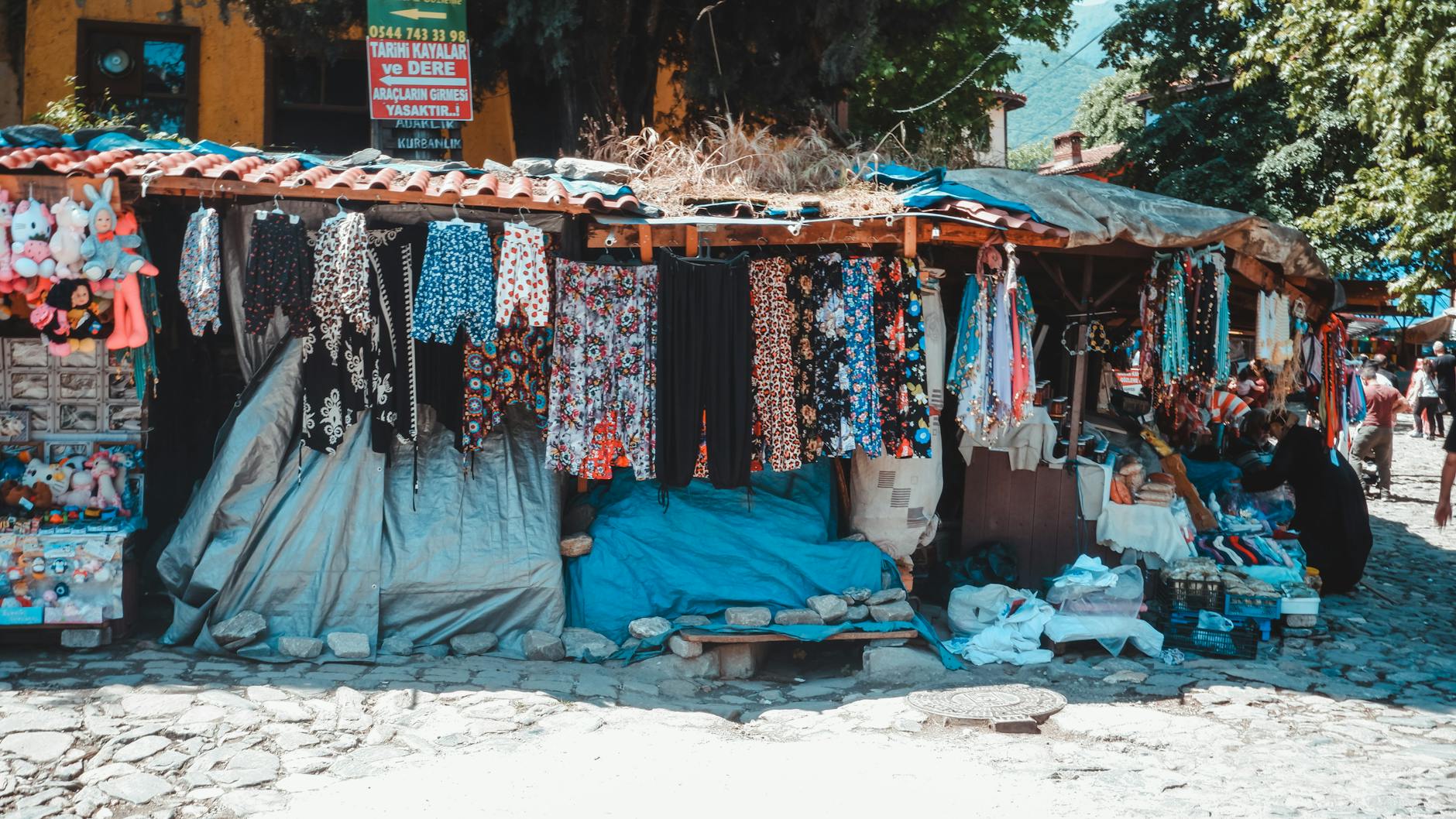
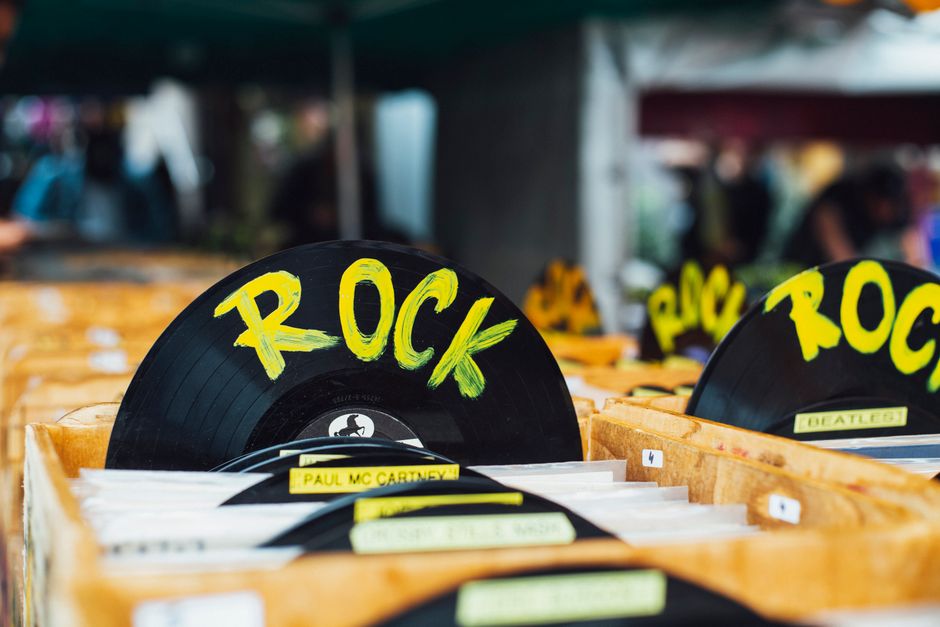
There’s a particular thrill to a Copenhagen loppemarked — the Danish flea market — on a bright Saturday morning: trestle tables piled with vintage Royal Copenhagen porcelain, teak furniture, old vinyl and other people’s beautiful cast-offs, all going for a fraction of shop prices if you know where to look. Copenhagen’s flea markets are one of the best (and cheapest) ways to take a slice of Danish design home, and bargain-hunting alongside the locals is genuinely good fun. You just need to know which market runs on which day, and when the season’s on.
This is a practical guide to Copenhagen’s flea markets — where they are, what days they run, what to hunt for, and how to spot a genuine piece of Danish porcelain from a fake.
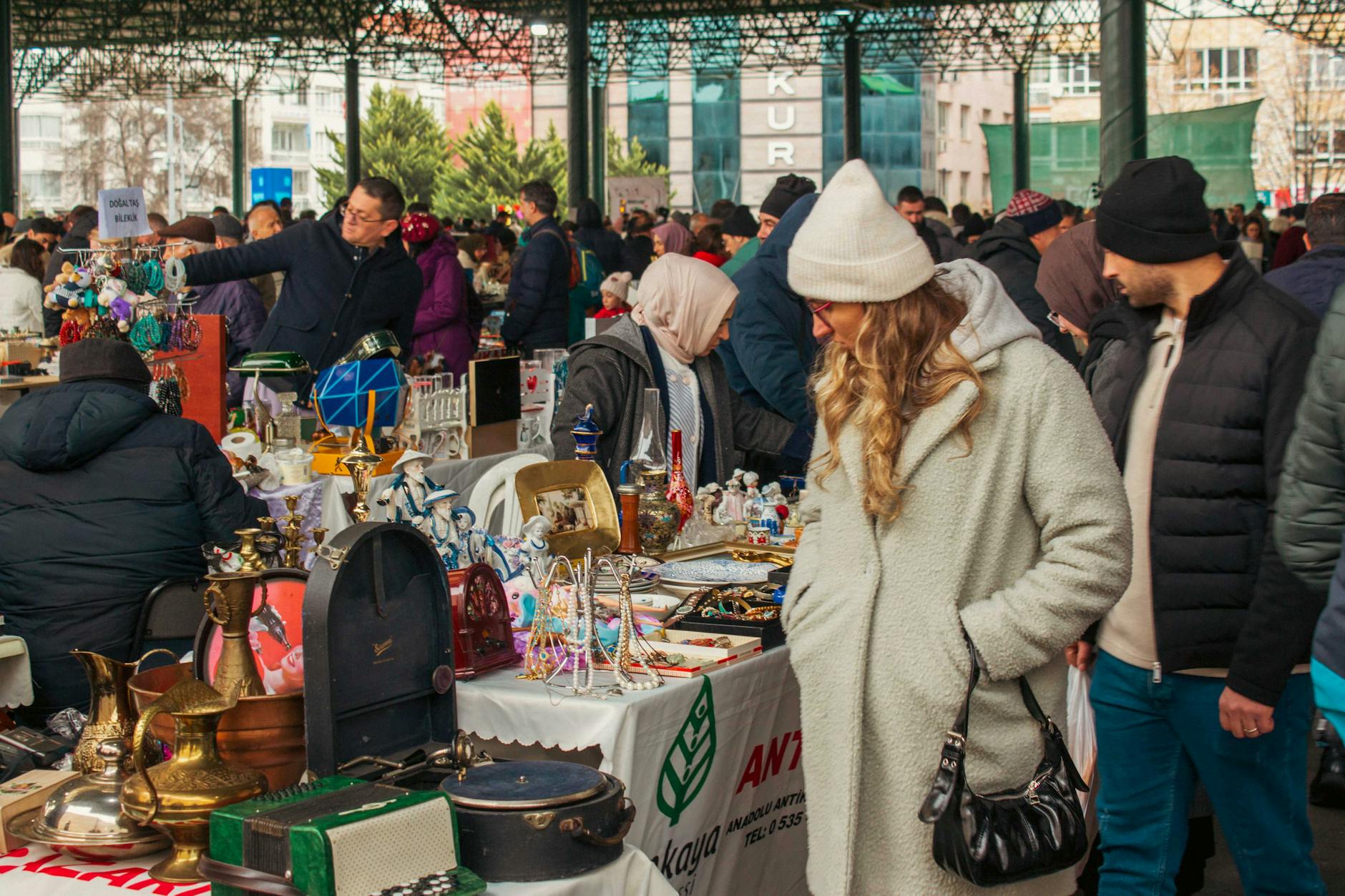
Copenhagen flea markets at a glance
- Season: outdoor markets run roughly late April/May to October
- Saturday: Frederiksberg, Israels Plads, the Nørrebro cemetery-wall market
- Sunday: Gentofte (one of the biggest), Veras Market
- What to hunt: Royal Copenhagen & Bing & Grøndahl porcelain, mid-century furniture, vinyl, glassware
- Bring: cash (many stalls are cash-only), and go early for the best finds
- Free to browse (a few indoor markets charge a small entry)
Days and seasons shift each year, so confirm a market’s current schedule on its website or Instagram before you go.
What is a “loppemarked”?
Loppemarked literally means “flea market” in Danish, and the culture around them is strong — Copenhageners love a bargain and a bit of sustainable second-hand treasure-hunting. They range from big, organised weekend markets on city squares to spontaneous neighbourhood pop-ups and permanent antique strips. The best are a brilliant, affordable counterpoint to the city’s pricey design shops: this is where you find the vintage Danish design, often for a song, sold by the people who lived with it.
The best flea markets, by day
Saturdays
- Frederiksberg flea market (Smallegade, by Frederiksberg Town Hall) — the most popular and central, every Saturday roughly 9am–3pm through the season. Great all-rounder for design, homeware and bric-a-brac.
- Israels Plads (Københavns Loppetorv) — right by Torvehallerne and Nørreport, every Saturday; central and easy, with everything from furniture to ceramics and vinyl.
- The Nørrebro cemetery-wall market — along Nørrebrogade by Assistens Kirkegård; quirky and local.
Sundays
- Gentofte flea market (behind Charlottenlund station, ~20 minutes by S-train) — one of the biggest and best for serious design hunters, Sundays through the season.
- Veras Market (under the Bispeengbuen bridge) — Sundays, focused on quality second-hand clothing, moving indoors to Nørrebrohallen in winter.
Antiques and specials
- Ravnsborggade in Nørrebro is a permanent antiques strip (open year-round) that also hosts a big street market a few times a year — higher-end, not bargain-bin.
- Thorvaldsens Plads / Gammel Strand hosts a long-running antiques market in the centre.
- Large indoor markets (at venues like TAP1/Carlsberg and the Bella Center) run a handful of weekends a year, especially handy in winter.
When is flea market season?
This matters: most of Copenhagen’s outdoor flea markets are seasonal, running roughly from late April or early May through to October. Things really get going in May, with the warm-weather months the peak. Outside that window, the action moves indoors — Veras shifts to Nørrebrohallen, and venues like Remisen and the Bella Center host indoor markets through winter. So if you’re visiting in the colder months, you can still get your fix; just check which indoor markets are on.
What to hunt for
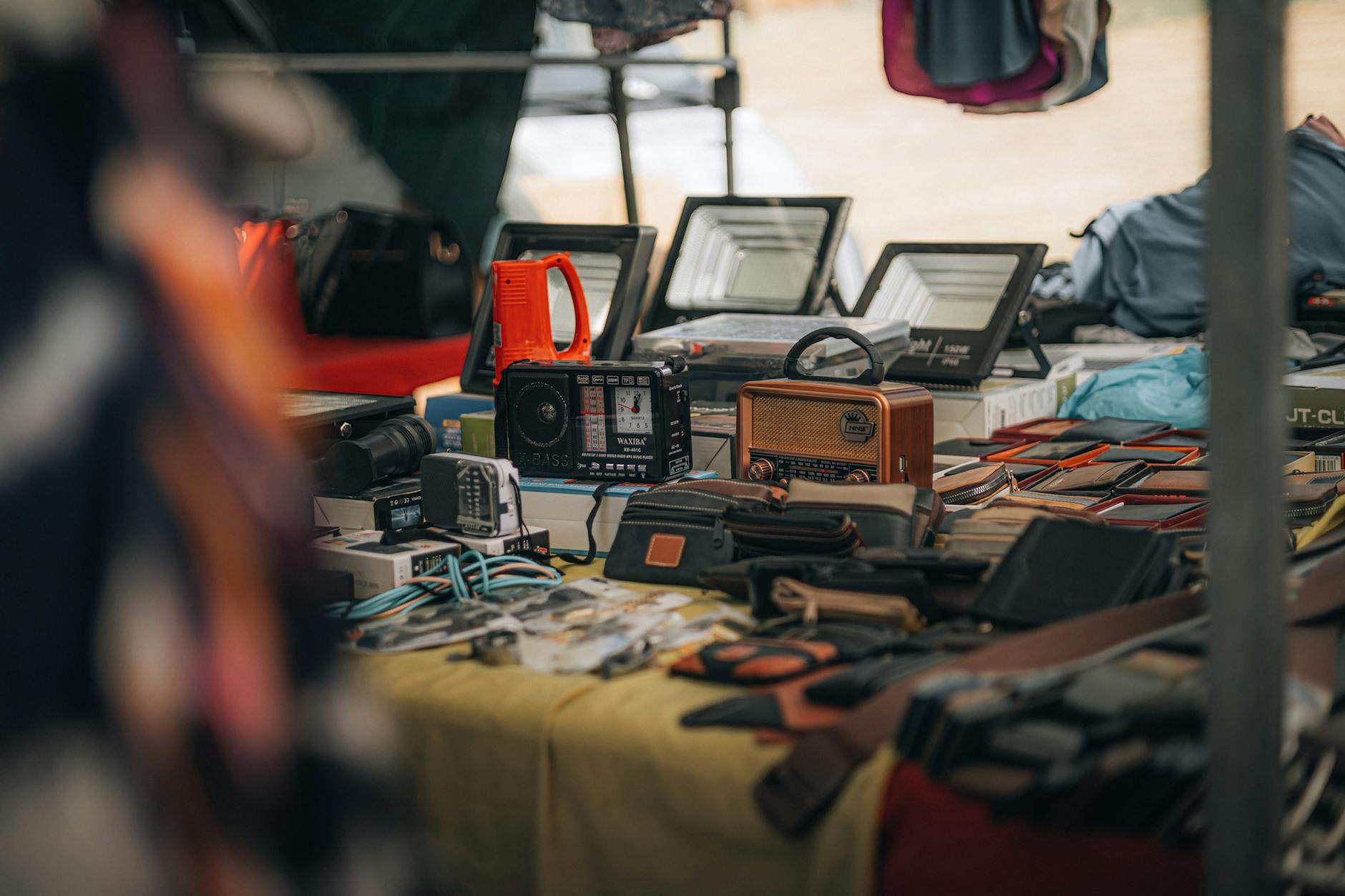
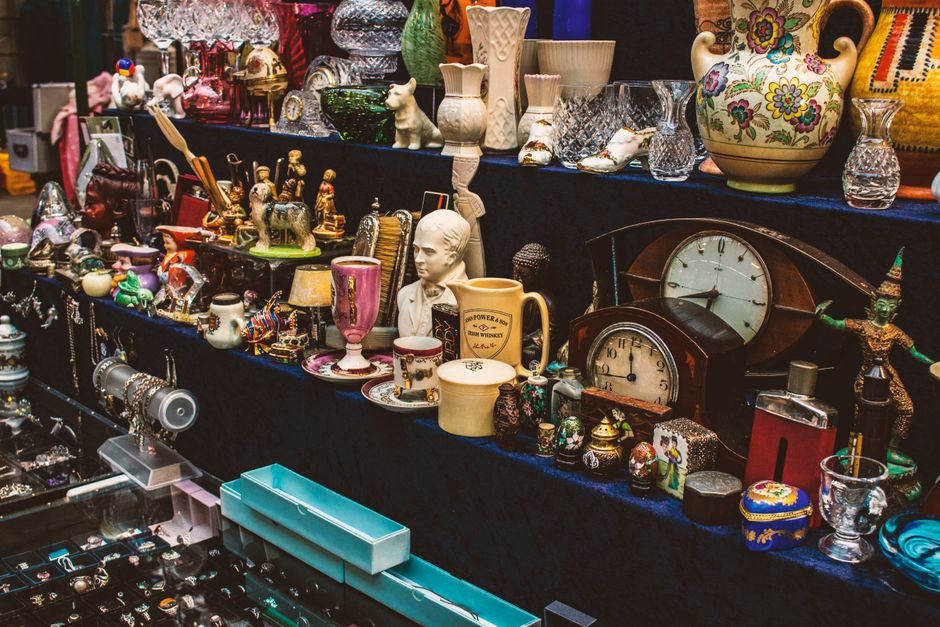
The big prizes for a visitor are Danish design at flea-market prices: vintage Royal Copenhagen and Bing & Grøndahl porcelain, mid-century teak furniture and lamps, sculptural Danish glass, silver, and old vinyl. These are exactly the items that cost a fortune in the design shops, turning up here for a fraction of the price. It’s the smartest way to bring home a genuine piece of Danish design — and it doubles as one of the best souvenirs from Copenhagen. For clothing rather than homeware, pair your market run with my best vintage shops guide.
How to spot genuine Danish porcelain
A quick collector’s tip, because it’s the most coveted find: check the backstamp on the underside. Genuine Royal Copenhagen carries three wavy lines (the “waves”); Bing & Grøndahl shows three towers (from Copenhagen’s coat of arms), often with “B&G” and “Kjøbenhavn Danmark.” The colour and wording of the stamp can even help date a piece. Learn those two marks and you can shop the porcelain tables with real confidence.
Practical tips
- Go early (9–11am) for the best pieces; come back after ~1pm for the cheapest end-of-day prices.
- Bring cash. Many stalls are cash-only, and the local MobilePay app generally needs a Danish account, so tourists can’t rely on it — carry small DKK notes.
- Haggle gently. A polite negotiation (aim ~20–30% off) is expected; a smile and exact change help.
- Getting there: most markets are easy by metro or S-train (Nørreport for Israels Plads, Charlottenlund for Gentofte). See Copenhagen’s transport network.
- It’s a great free day out even if you buy nothing — see more in my free things to do guide.
Your flea-market week, mapped
Because the markets are spread across days and neighbourhoods, a little planning means you can catch one whatever day you’re in town. Here’s the simple rhythm: Saturday is the big day — head to the central Frederiksberg market (by the town hall) or Israels Plads (next to Torvehallerne), and if you’re energetic, swing past the Nørrebro cemetery-wall market on Nørrebrogade. Sunday belongs to the suburbs and second-hand fashion: take the short S-train to Gentofte (one of the biggest design markets) and/or hit Veras Market under the Bispeengbuen bridge for clothing. Weekdays are quieter, but the permanent antiques shops on Ravnsborggade in Nørrebro are open year-round if you need a fix. Build a Saturday or Sunday morning around one market, go early, and you’ll have the best of it before lunch — leaving the afternoon for the design shops or a café.
Haggling and etiquette
Flea-market prices aren’t fixed, and a gentle haggle is part of the fun — but do it the Danish way, which is low-key and friendly rather than aggressive. A reasonable opening is to ask for around 20–30% off, especially if you’re buying a few things together or it’s later in the day. Smile, be polite, and have exact change ready — sellers warm to an easy transaction. Buying a bundle (“would you do all three for…?”) often gets a better price than haggling item by item. And remember that the curated antique shops (on Ravnsborggade, say) have firmer, fixed-ish prices than the trestle-table stalls — the further from a proper shop you are, the more room to negotiate. Above all, keep it warm: this is a social, sustainable, community affair, not a hard-nosed bazaar.
Getting your finds home
Half the joy is the hunt; the other half is working out how to get a teak lamp back to your suitcase. Small items — porcelain, glass, vinyl, silver, jewellery — travel easily; just wrap fragile porcelain carefully (a layer of clothes in the middle of your case works) and consider carrying the most delicate pieces in your hand luggage. Furniture and larger pieces are trickier: some Ravnsborggade antique dealers can arrange international shipping, but a trestle-table seller won’t, so be realistic about what you can physically carry home. A good rule: at a flea market, buy what fits in a bag; save the big furniture for the proper design and vintage shops that ship. Note too that flea-market and second-hand goods generally don’t qualify for the tourist VAT refund (that’s for new retail purchases), so the price you haggle is the price you pay.
Combining markets with the neighbourhoods
The lovely thing about flea-marketing in Copenhagen is that the markets sit in genuinely interesting neighbourhoods, so you get a local morning out as much as a shop. The Saturday markets put you in Frederiksberg (elegant, leafy) or right by Torvehallerne, the glorious food market, where you can graze afterwards — see the Torvehallerne guide for the best stalls. The Nørrebro markets drop you in the city’s coolest, most multicultural district — perfect for pairing with the cafés and shops of Nørrebro and the boutiques of Jægersborggade. So treat the flea market as the anchor of a half-day: hunt for treasure first thing, then eat and wander the area. It’s one of the most authentically local things you can do in Copenhagen, and one of the cheapest — more ideas in my Copenhagen on a budget guide.
Are Copenhagen’s flea markets worth it?
For anyone who loves vintage, design or just a good rummage — completely. They’re free to browse, full of genuine Danish treasures at a fraction of shop prices, and a window into how Copenhageners actually live and shop. Even if you come away empty-handed, a Saturday morning weaving between porcelain tables and teak chairs, coffee in hand, is a lovely, local way to spend time in the city. Go early, bring cash, learn the porcelain marks, and you might just carry home the best souvenir of your trip. Plan the rest with the full Copenhagen shopping guide, and cover the flagship stores on Copenhagen’s main shopping street while you’re in the centre.
The culture of the loppemarked
To really enjoy Copenhagen’s flea markets, it helps to understand how much they mean to the Danes. The loppemarked is woven into the national love of design, thrift and sustainability — Danes grow up surrounded by good design and have a deep, unsentimental instinct for reusing and rehoming beautiful objects rather than throwing them away. A Saturday morning at the market is as much a social ritual as a shopping trip: locals browse with coffee in hand, chat with sellers, and treat the hunt as a pleasant weekend pastime. Many stalls are run not by professional dealers but by ordinary people clearing out a flat or an inheritance, which is exactly why the prices can be so low and the finds so personal — you’re buying directly from the home the object came from. That community, no-pressure atmosphere is part of the charm, and it’s a window into how Copenhageners actually live: design-conscious, frugal in a stylish way, and quietly committed to giving good things a second life.
A collector’s guide to what to hunt for
Beyond the headline porcelain, a knowledgeable eye finds real treasure at Copenhagen’s markets, so here’s what’s worth grabbing. Royal Copenhagen and Bing & Grøndahl porcelain are the blue-chip finds — check the backstamps (three waves for Royal Copenhagen, three towers for B&G) and look for the Blue Fluted and Mussel patterns. Mid-century teak — small tables, candle holders, bowls, lamps — is abundant and a fraction of shop prices; the famous Danish designer furniture occasionally surfaces too. Danish silver, including Georg Jensen pieces, turns up among the jewellery. Sculptural Danish glass (Holmegaard) and ceramics from studios like Søholm reward a careful look. And for music lovers, the vinyl crates can hide gems. Even Danish design books and posters make great cheap finds. The key is to go in knowing a couple of names and marks; armed with even basic knowledge, you can spot quality others walk past, and bring home genuine Danish design for the price of a coffee and a bit of patience.
The seasonal rhythm — and where to go in winter
Timing matters more for flea markets than for any other kind of Copenhagen shopping. The big outdoor markets are seasonal, running from roughly late April or early May through to October, with the warm months the absolute peak — this is when Frederiksberg, Israels Plads, Gentofte and the rest are in full swing. If you’re visiting in summer, you’re spoiled for choice; just pick the right day (Saturdays for the central markets, Sundays for Gentofte and Veras). If you come in the colder months, don’t despair — the action simply moves indoors. Veras shifts to Nørrebrohallen, and venues like Remisen and the Bella Center host indoor markets through winter, while the permanent antique shops on Ravnsborggade are open year-round. So whatever the season, you can find a market; you just need to check what’s on, because the outdoor calendar genuinely shuts down for winter. Always confirm a specific market’s current dates on its website or social media before making a special trip — these calendars are set fresh each year.
Bargaining, budgets and the etiquette of the hunt
A successful flea-market morning runs on a few simple habits. Arrive early — between nine and eleven — if you want first pick of the best pieces, or come after lunch if you’d rather have the cheapest end-of-day prices as sellers pack up. Bring cash in small notes, because many stalls are cash-only and the local MobilePay app needs a Danish account that tourists don’t have. Haggle gently — a polite request for 20–30% off, ideally on a bundle, is expected and part of the fun, but keep it warm and friendly rather than hard-nosed; this is a community affair, not a hard bazaar. And budget realistically: most outdoor markets are free to browse, a few indoor ones charge a small entry, and individual finds can range from a few kroner for bric-a-brac to several hundred for quality porcelain or design. Go with cash, an early start and a relaxed attitude, and you’ll have both a great morning and, very likely, a genuine Danish treasure to show for it.
Final thoughts on Copenhagen’s flea markets
For anyone who loves a rummage, the loppemarkeder are among the most rewarding — and cheapest — things to do in Copenhagen. They’re where the city’s famous design heritage turns up at prices ordinary people can afford, where you shop alongside locals rather than tourists, and where even an empty-handed morning is a lovely, atmospheric way to spend a weekend in a great neighbourhood. Learn the porcelain marks, bring cash, go early, and check the season, and you might just carry home the best souvenir of your whole trip. Combine the markets with the city’s vintage shops and the design stores for a complete picture of how Copenhagen does second-hand and design — all mapped in the full shopping guide.
Last updated: July 2026. Photo credits: Jean Neves, Markus Spiske / Pexels.
Frequently asked questions
When is flea market season in Copenhagen?
Most outdoor flea markets run from roughly late April/early May through October, peaking in summer. Indoor markets cover the winter months.
What day are Copenhagen flea markets on?
Saturdays for Frederiksberg, Israels Plads and the Nørrebro wall market; Sundays for Gentofte and Veras Market. Always check current schedules before you go.
Are Copenhagen flea markets free to enter?
Most outdoor markets are free to browse; some indoor markets charge a small entry fee (around 10–40 DKK).
Do I need cash or can I pay by card?
Bring cash — many stalls are cash-only, and the local MobilePay app usually requires a Danish account, so tourists can’t rely on it.
What can you find at Copenhagen flea markets?
Vintage Royal Copenhagen and Bing & Grøndahl porcelain, mid-century teak furniture and lamps, Danish glass, silver, vinyl and bric-a-brac — often at a fraction of shop prices.
How do I spot genuine Royal Copenhagen porcelain?
Check the backstamp underneath: Royal Copenhagen has three wavy lines; Bing & Grøndahl shows three towers, usually with “B&G Kjøbenhavn Danmark.”
Keep hunting with the best vintage shops in Copenhagen, the full Copenhagen shopping guide, and ideas for the best souvenirs.


