Let me give you the honest local read on this one, because the question “is Copenhagen safe?” tends to attract either bland reassurance or scary headlines, and neither is much use. The truth is refreshingly simple: Copenhagen is one of the safest capital cities in the world, and the only risk most visitors will ever brush up against is the one in their own back pocket. Pickpockets, not danger, are what you actually need to plan for.
That said, “very safe” isn’t the same as “switch your brain off,” so here’s a genuinely useful, up-to-date 2026 safety guide — what the real (small) risks are, the neighbourhood reputations worth understanding, and exactly what to do if something does go wrong.
Is Copenhagen safe? The quick answer
- Overall: Yes — extremely safe, including for solo travellers, women and families.
- The real risk: Petty theft / pickpocketing in a few crowded tourist spots.
- At night: Generally very safe; streets are well-lit and busy, and the metro runs 24/7.
- Emergencies: Dial 112 (police/fire/ambulance), 114 for non-emergency police, 1813 for medical help.
- Tap water: Excellent and safe to drink — skip the bottled water.
How safe is Copenhagen, really?
Denmark consistently ranks among the most peaceful countries on Earth — it sits in the global top ten of the Global Peace Index and regularly tops indices for the safety of women travellers. Violent crime against tourists is genuinely rare, social trust is high, and Copenhagen’s streets stay lively and well-lit into the evening. You’ll see locals leaving babies napping in prams outside cafés and kids riding the metro alone — a decent barometer of how safe the city feels day to day.
One thing that confuses visitors: the US State Department lists Denmark at “Level 2 – Exercise Increased Caution.” Read that in context. It’s a general, Europe-wide posture tied to the broad risk of terrorism across the EU — the same level applied to much of Western Europe — not a comment on street crime in Copenhagen. It doesn’t mean the city is dangerous.
The real risk: pickpocketing
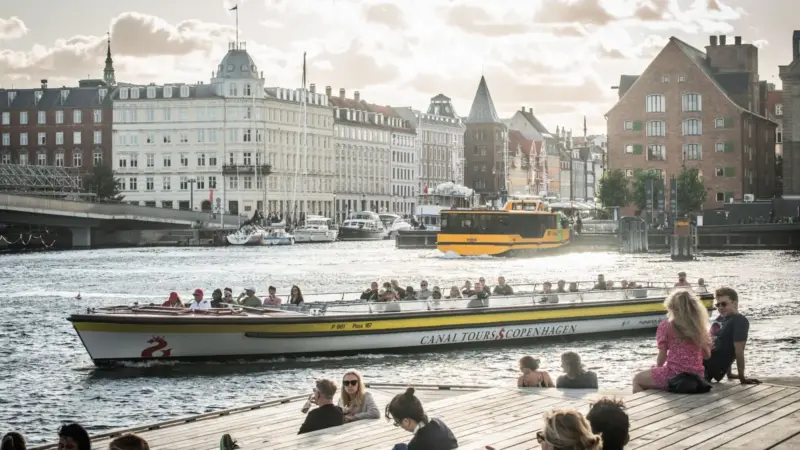
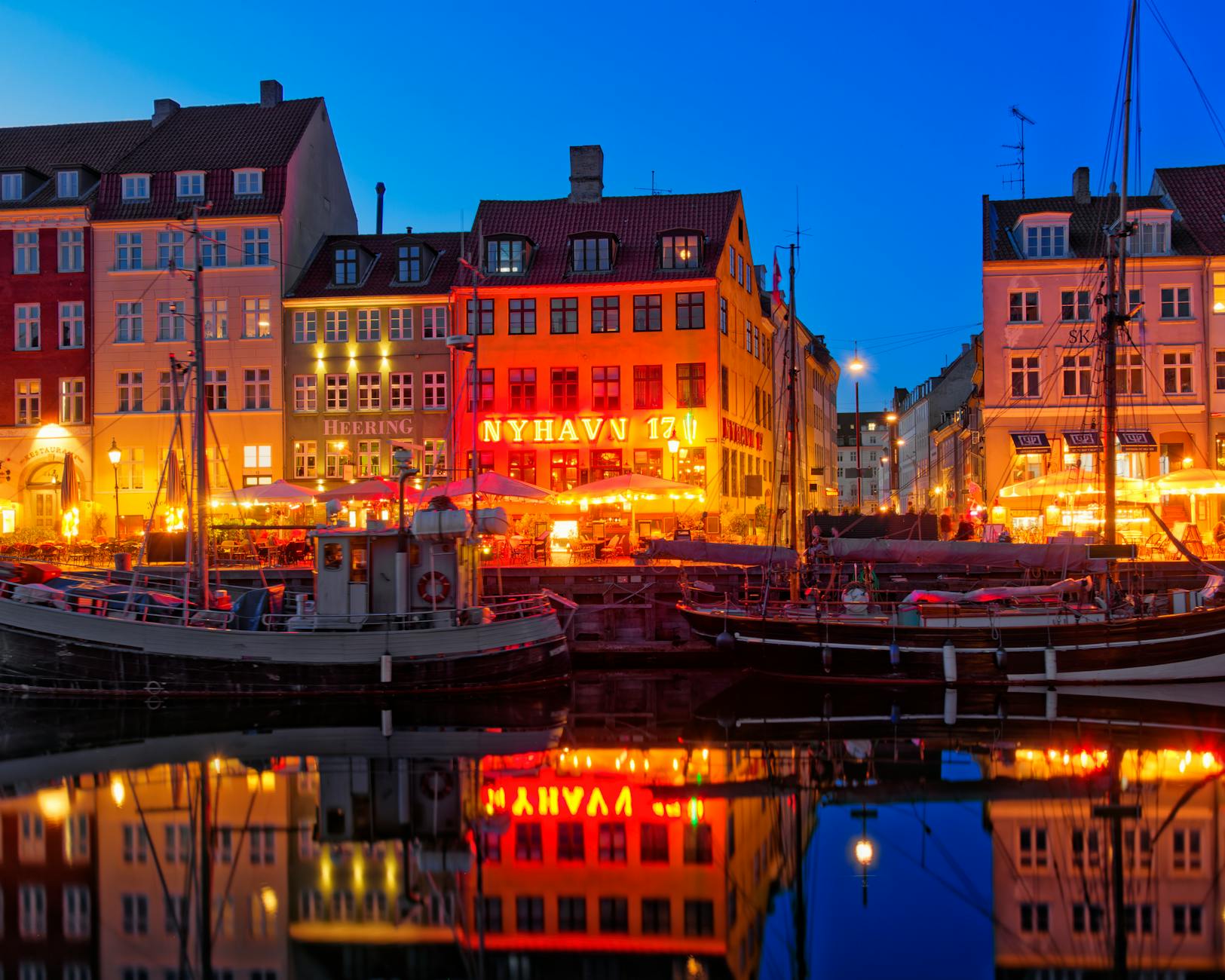
If anything spoils a Copenhagen trip, it’s petty theft. Pickpockets work the predictable places: Copenhagen Central Station, City Hall Square (Rådhuspladsen), the busy end of Strøget, Nyhavn, crowded buses and the metro, and festivals. They rely on distraction — a bumped shoulder, a staged question, a crowd surge.
Avoiding it is easy: use a zipped, cross-body bag and keep it in front of you in crowds; never hang a bag on the back of a café chair or leave a phone on the table; keep your wallet in a front pocket; and cover your PIN. Because Copenhagen is almost entirely cashless, you rarely carry much cash anyway, which quietly lowers the stakes. None of this requires paranoia — just the same habits you’d use in any busy European city.
Neighbourhoods: reputation vs reality
Almost everywhere a tourist goes in Copenhagen is safe day and night. Indre By (the centre), Nyhavn, Østerbro and Frederiksberg are leafy and very safe. Vesterbro is trendy and fine, with livelier nightlife around the Meatpacking District; the few streets immediately behind Central Station are a touch grittier but not dangerous.
Nørrebro is one of the city’s best areas for food and nightlife — vibrant and multicultural — and perfectly fine for visitors. It occasionally appears in news about gang-related incidents around Blågårds Plads, but that’s between rival groups and effectively never involves tourists; normal routes are fine, with just a bit more awareness late at night.
Christiania, the famous freetown, is walkable and generally peaceful. Its notorious open cannabis market on “Pusher Street” was shut down in 2024 — residents literally dug up the cobblestones after years of gang violence — and by all accounts it’s calmer now. Two rules still apply: no photography on or around the former Pusher Street, and don’t go looking for drugs or wander the back areas late at night.
Scams to watch for
Scams are rare here, but a few do the rounds:
- Fake police: “plainclothes officers” ask to inspect your wallet or ID. Real Danish police will readily show identification — you can verify by calling 114, and you never need to hand over your wallet.
- Petition / charity distraction: someone thrusts a clipboard at you while an accomplice goes for your bag.
- Friendship bracelet and street-gambling (shell) games on Strøget — just keep walking.
- Taxi overcharging: use marked, metered taxis or apps. Uber returned to Copenhagen in 2025, and Bolt and local firms like DanTaxi and Taxa 4×35 are all reliable.
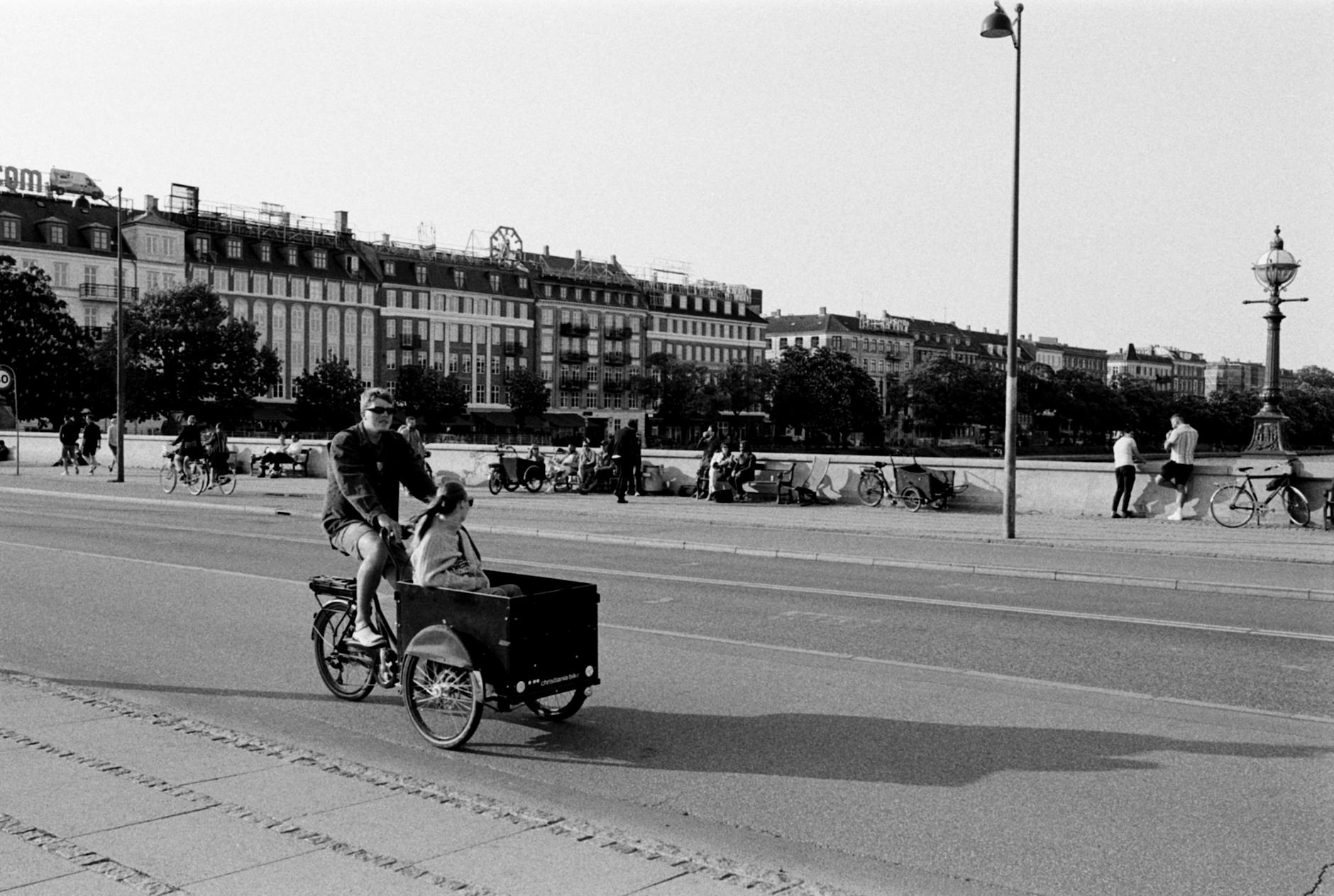
The risk nobody warns you about: bike lanes
Here’s a genuinely useful one. Copenhagen has hundreds of kilometres of dedicated cycle lanes, and cyclists move fast and have right of way in their lane. The most common way tourists come to grief isn’t crime at all — it’s stepping off a kerb into a bike lane without looking. Always check for bikes (look both ways) before crossing a cycle lane, especially when getting off a bus. If you rent a bike yourself, lock the frame and wheel — bike theft is actually the city’s most common crime.
Is Copenhagen safe at night?
Yes. The city centre, Nyhavn, Vesterbro and the main nightlife areas stay busy and well-lit, and the driverless metro runs 24/7, which makes getting home easy and safe. Use the same common sense you would anywhere — stick to lit, populated streets, keep an eye on your drink, and book a licensed taxi or rideshare if you’re out late and unsure.
Solo, female and LGBTQ+ travellers
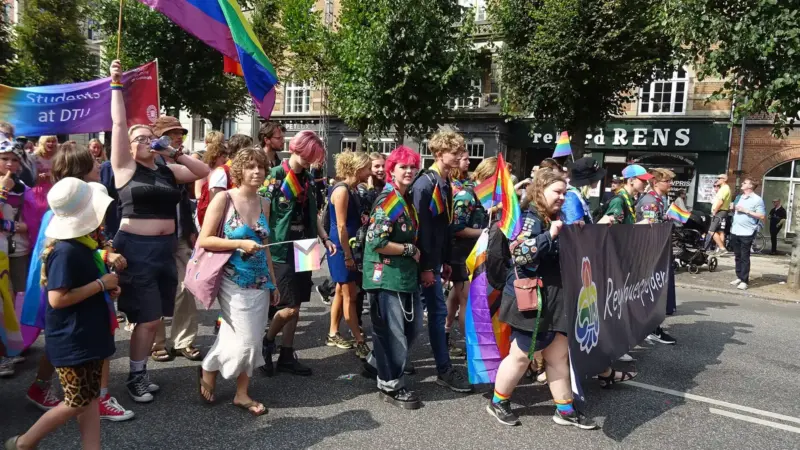
Copenhagen is one of the best cities in the world for solo travel and for solo female travellers — harassment is uncommon, and dining or exploring alone is completely normal. It’s also exceptionally welcoming to LGBTQ+ visitors; Denmark was the first country to recognise same-sex partnerships, and public displays of affection raise no eyebrows. I cover both in depth in my solo travel in Copenhagen and LGBTQ+ Copenhagen guides.
Health, water and emergencies
Memorise three numbers: 112 for any emergency (police, fire, ambulance), 114 for non-urgent police matters, and 1813 the medical helpline to call before heading to an emergency room. Pharmacies are marked “apotek,” some open 24 hours. Tap water is excellent — among the best in the world — so refill a bottle rather than buying. No special vaccinations are needed.
Swimming in the harbour: a quick safety note
Copenhagen is one of the rare capitals where you can swim in the city — the harbour baths at Islands Brygge and several Blue Flag beaches are clean and lovely in summer. One caveat: after heavy rain or a rare sewage overflow, the authorities temporarily post swim bans, so check the flag (green/red) and the official bathing-water status before you jump in. Some open-water stretches also have currents unsuitable for young children or weak swimmers.
If something does go wrong
- Pickpocketed or robbed: call 114 (or 112 if you’re in danger) to file a report — you’ll need it for insurance — and cancel your cards immediately.
- Lost passport: contact your embassy in Copenhagen.
- Always carry travel insurance with medical cover, and keep a photo of your passport on your phone and in the cloud.
Mistakes to avoid
- Letting headlines scare you. Gang news and the “Level 2” advisory sound alarming but don’t affect normal tourism.
- Getting complacent with your bag. Pickpockets are the one real risk — stay zipped and aware in crowds.
- Stepping into a bike lane without looking. A top cause of tourist mishaps.
- Photographing Pusher Street / Christiania. It’s not allowed and not worth the hassle.
- Buying bottled water. The tap water is superb — save your money.
The bottom line
Copenhagen is about as safe as a major city gets. Walk it confidently, day or night, keep your bag zipped in the obvious crowded spots, look before you cross a bike lane, and you’ve covered 95% of the real risk. For everything else you need to prepare, see the full guide to what to know before you go, and don’t stress about the language barrier — almost everyone speaks English in Copenhagen.
Neighbourhood-by-neighbourhood safety
Since “which areas should I avoid?” is the question behind the question, here’s an honest read on the districts you’re likely to visit:
- Indre By (city centre): Very safe day and night; the main caveat is pickpockets in the busy stretches of Strøget and around Rådhuspladsen.
- Nyhavn: Safe and lively; just mind your belongings in the crowds along the canal.
- Vesterbro: Trendy and fine. The streets immediately behind Central Station (around Istedgade’s far end) are the city’s old red-light fringe — grittier but not dangerous, and gentrifying fast.
- Nørrebro: Hip, multicultural and one of the best areas for food and nightlife. Occasional gang-related news around Blågårds Plads doesn’t involve tourists; just normal late-night awareness.
- Østerbro and Frederiksberg: Leafy, affluent and among the safest areas in the city — great for families.
- Christianshavn and Amager: Pleasant and safe; Christiania (within Christianshavn) is fine to wander, with the no-photos rule on the former Pusher Street.
The headline: there’s no part of central Copenhagen a visitor genuinely needs to avoid. The differences are about vibe, not danger.
Staying safe in winter
Copenhagen’s real seasonal “hazard” isn’t crime — it’s the weather and the dark. Winter days are very short (the sun can set by mid-afternoon in December), and pavements get icy. Wear shoes with grip, take it slow on cobbles and bridges, and use lights/reflectors if you cycle (it’s the law, and Danes take it seriously). The cold is manageable with proper layers; my Copenhagen packing guide covers what to bring. None of this is dangerous with a little preparation — it’s just the practical side of a northern winter.
Nights out: drink awareness
Copenhagen’s nightlife is famously relaxed and safe, but the usual big-city sense applies. Keep an eye on your drink, stick with your group, and use a licensed taxi or rideshare (Uber, Bolt, DanTaxi) to get home late rather than wandering unfamiliar areas alone. Drink-spiking is rare here, but never leave a drink unattended anywhere in the world. The good news: well-lit, busy streets and a 24/7 metro make getting home easy.
Health, pharmacies and insurance
Denmark’s healthcare is excellent. For non-urgent medical issues call the 1813 medical helpline (English-speaking) before going to a hospital; for emergencies it’s 112. Pharmacies are marked apotek, and some — like Steno Apotek near Central Station — open 24 hours for late-night needs. EU/EEA visitors should carry their EHIC/GHIC card; everyone else should travel with medical travel insurance, as care for visitors isn’t free. Tap water is superb, food hygiene standards are high, and no special vaccinations are needed.
Is Copenhagen safe for families?
Wonderfully so. This is a city built around children — wide pavements, parks everywhere, baby-changing facilities, and a culture so trusting that you’ll famously see prams left (with babies napping) outside cafés while parents sit inside. Traffic-calmed streets and the separated bike lanes make it easier to manage little ones, though those same bike lanes are the one thing to watch: teach kids to look for cyclists, not just cars, before crossing. For a full family rundown see my complete family travel guide.
A quick word on perspective
It’s worth stepping back: the things that sound alarming about Copenhagen — occasional gang headlines, the “Level 2” advisory, stories about Christiania — have essentially nothing to do with a tourist’s day. The thing that actually catches visitors out is mundane: a phone lifted from a back pocket on a crowded bus, or a near-miss stepping into a bike lane. Get the boring basics right and you’ll find Copenhagen not just safe, but one of the most genuinely relaxing big cities you’ll ever visit.
Scams, in a little more detail
None of these are common, but recognising them means they’ll never work on you. The fake-police approach is the one specific to Copenhagen worth memorising: someone in plain clothes claims to be police and asks to “check” your wallet or cash for counterfeit notes. Real Danish police don’t do this; they’ll show ID readily, and you can call 114 to verify. Never hand your wallet to anyone. The petition or charity clipboard is a classic distraction — while you’re reading, an accomplice works your pockets; a polite “no thanks” and keep walking is the move. On Strøget you may see shell games or “find the lady” card tricks with a crowd of shills pretending to win — it’s rigged, always. And with taxis, stick to clearly marked, metered cars or apps to avoid the rare overcharge. That’s genuinely the full roster; Copenhagen is not a scam-heavy city.
Seasonal safety through the year
The “risks” worth planning for are mostly about weather and daylight, and they shift with the seasons. Summer is long-dayed and easy, the peak for harbour swimming (mind the flag system after heavy rain) and busy, pickpocket-friendly crowds at the big sights. Autumn brings wind and rain — pack a waterproof. Winter means short days (dark by mid-afternoon in December), cold, and icy pavements and bridges; sensible footwear and a slower pace handle it, and the festive markets are a delight. Spring is changeable but lovely. None of this is dangerous with a little preparation, and Copenhagen’s infrastructure copes with weather far better than most cities. Dress for it — my packing guide and best time to visit guide both help.
Embassies, documents and being prepared
A little preparation makes any rare mishap easy to handle. Before you go, photograph your passport and key documents and store them in the cloud, and note the address and number of your country’s embassy in Copenhagen (most maintain one). Carry travel insurance details on your phone. If your passport is lost or stolen, your embassy is the place to get an emergency replacement; report the theft to the police (114) first to get the report your insurer will want. Keep originals in the hotel safe and carry a copy plus one card when you’re out. These are universal travel habits, not Copenhagen-specific worries — but they turn a potential crisis into a manageable afternoon.
Why Copenhagen feels so safe
It’s worth understanding the deeper reason the city feels so relaxed, because it’s not an accident. Denmark consistently ranks at or near the top of global measures of social trust — the sense that strangers are basically decent and institutions basically work. You see it in the unlocked bikes, the babies napping in prams outside cafés, the kids riding the metro to school alone. High social equality, a strong welfare safety net, and low corruption all feed a society where desperate, predatory crime is rare. As a visitor you’re essentially borrowing that trust for a week, and it’s a remarkably pleasant thing to experience. Stay aware of your bag in the obvious crowded spots, look before you cross a bike lane, and you’ll find Copenhagen not just safe on paper, but genuinely, refreshingly easy to be in.
Frequently asked questions
Is Copenhagen safe for tourists?
Yes, very. Copenhagen ranks among the world’s safest cities; violent crime against visitors is rare. The main risk is petty pickpocketing in crowded tourist areas.
Is Copenhagen safe at night?
Generally very safe. The centre and nightlife areas stay busy and well-lit, and the metro runs 24/7. Use normal big-city common sense late at night.
Is Copenhagen safe for solo female travellers?
Yes — it’s consistently rated one of the safest cities in the world for women, with low rates of harassment and a culture where solo dining and exploring are completely normal.
Is Christiania safe to visit? Is Pusher Street still there?
Christiania is generally safe and walkable. The open cannabis market on Pusher Street was shut down in 2024 and the area is calmer. Don’t take photos there or seek out drugs.
What is the emergency number in Copenhagen?
Dial 112 for any emergency, 114 for non-emergency police, and 1813 for the medical helpline.
Is the tap water safe to drink in Copenhagen?
Yes — Danish tap water is excellent and safe. There’s no need to buy bottled water.
Travelling alone? See solo travel in Copenhagen, and get the full pre-trip rundown in my rundown of practical planning advice.
Last updated: July 2026. Emergency numbers and safety advice are current, but always check the latest official guidance if travelling during major events.
The safety picture here is inseparable from the social one. This is a country where prams are left outside cafes with babies asleep in them and where a crowd will wait at an empty crossing at two in the morning — the same high-trust reflex, seen from two sides. Our guide to Danish etiquette and customs explains how it works from the inside.