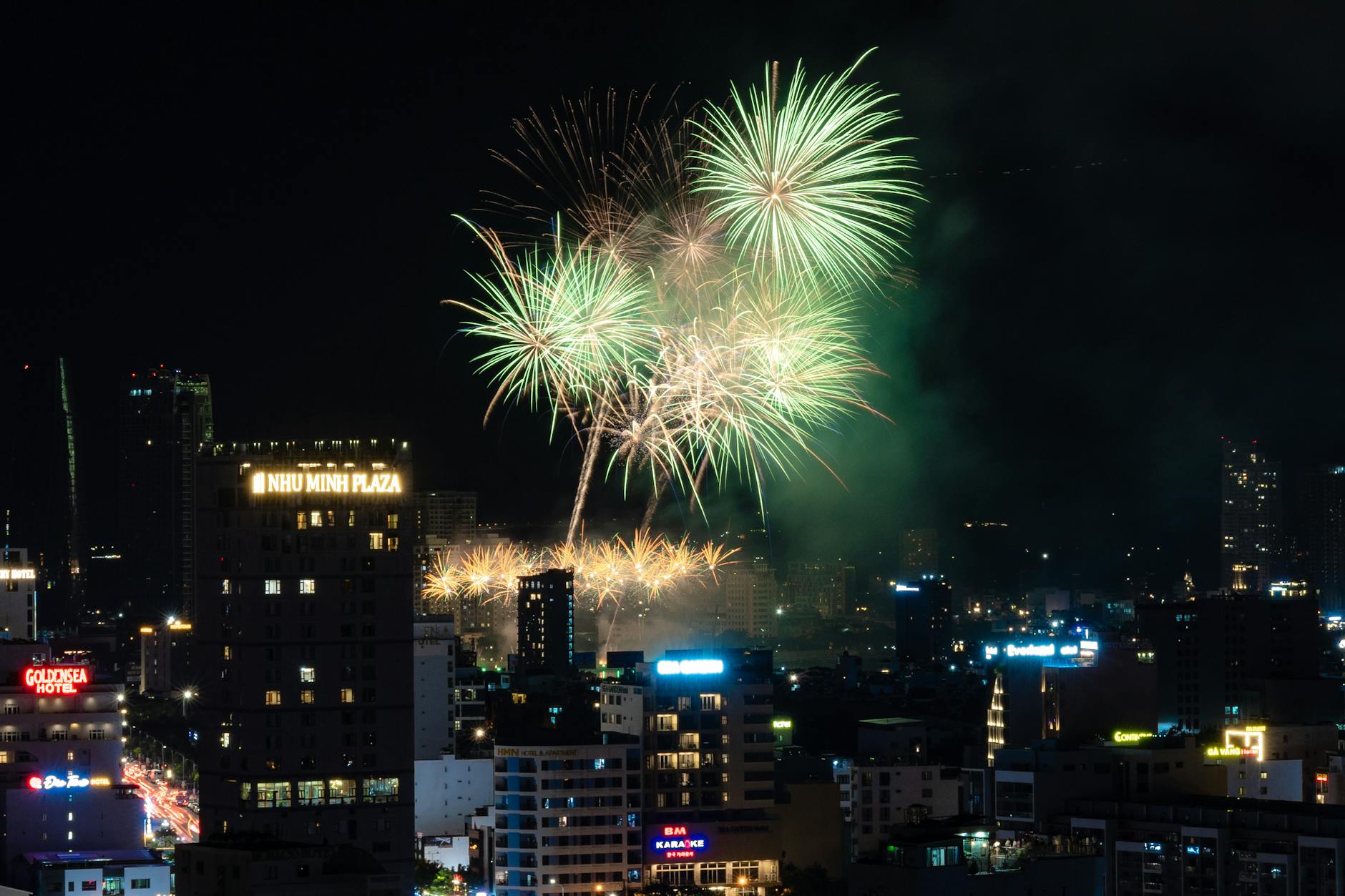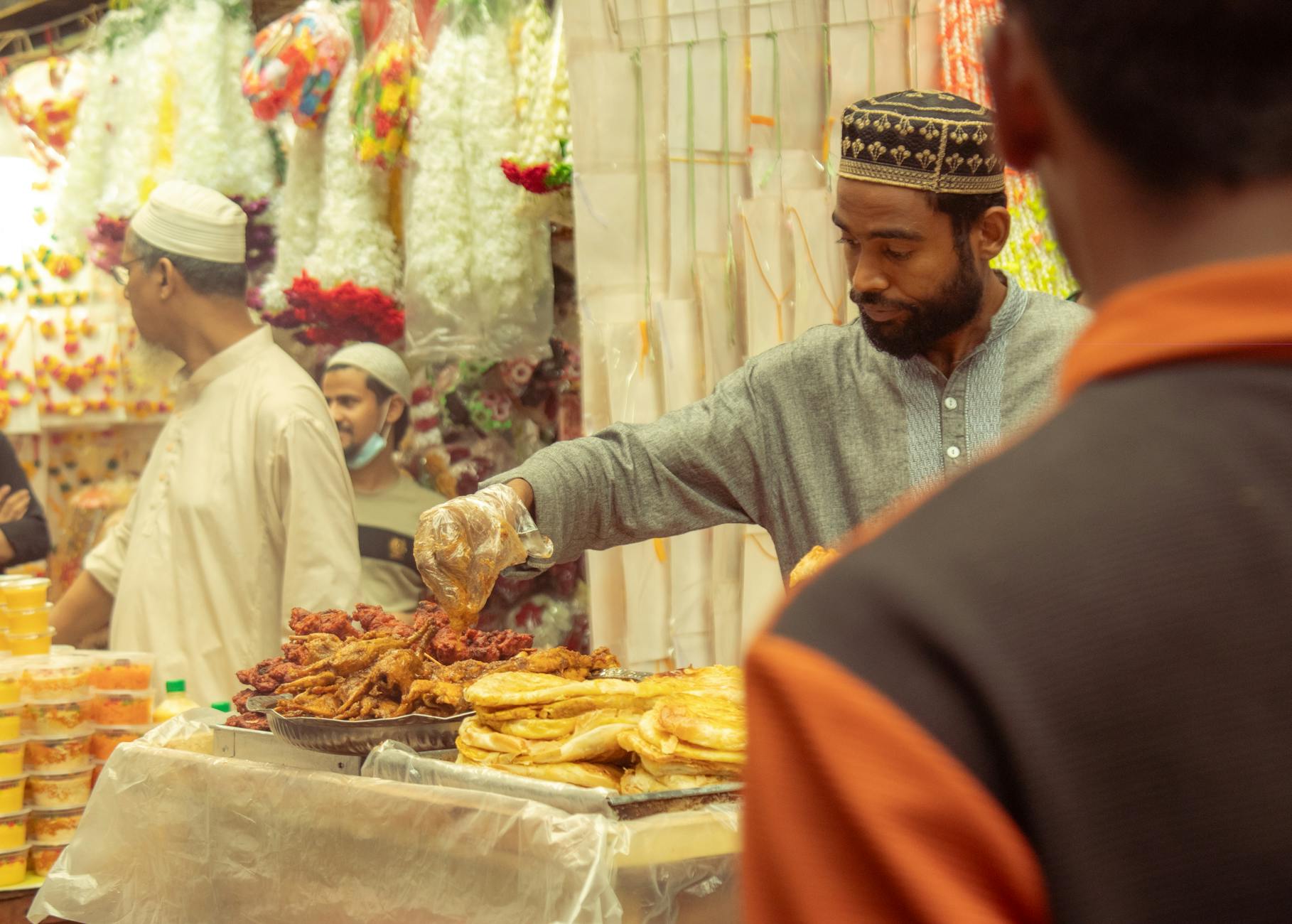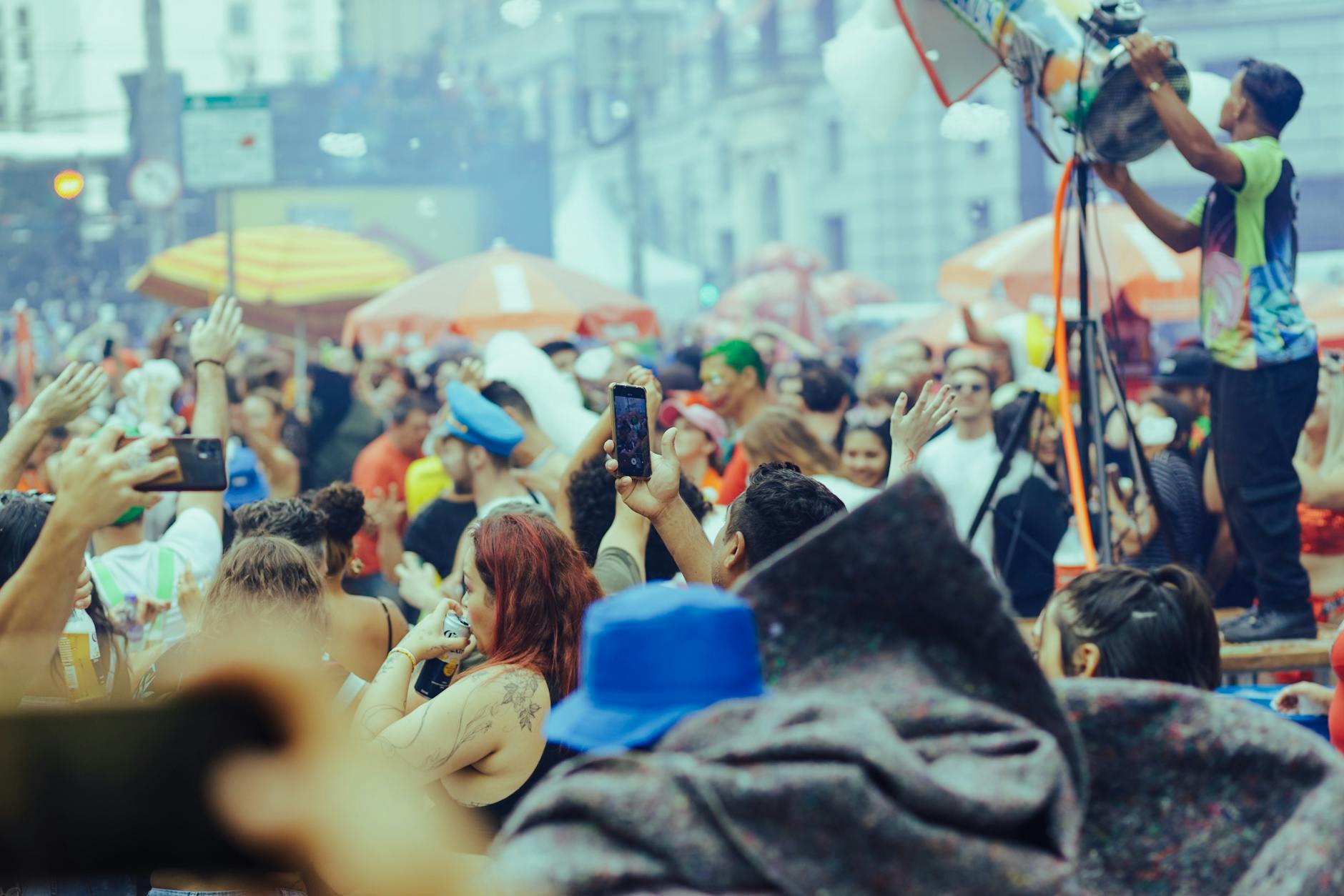
For five days every June, Copenhagen does something gloriously un-Scandinavian: it lets its hair completely down. Distortion Festival is a citywide explosion of street parties, harbour raves and club nights that takes over a different neighbourhood each day, turning ordinary streets into open-air dancefloors. It’s loud, sweaty, chaotic and joyous — and also, in recent years, a festival in the middle of reinventing itself. So this guide does two things: tells you how to actually do Distortion, and gives you the honest, current picture of what it has become.
Here’s everything for Distortion Festival Copenhagen in 2026 — the dates, which bits are free, what Distortion Ø is, what to wear, and how to survive five days of Copenhagen’s wildest party with a smile on your face.
Distortion 2026 at a glance
- Dates: 3–7 June 2026, across the city
- Free bits: the daytime street parties and the harbour Havnefest
- Ticketed bits: Distortion Ø (the big rave finale), the Distortion X stages and Club nights
- Where: Nørrebro and Vesterbro streets, Rådhuspladsen, the harbour, and Refshaleøen
- Music: techno, house and electronic, with hip-hop and experimental in the streets
- Age: 18+ for the ticketed events
Is Distortion Festival Copenhagen happening in 2026?
Yes — let me clear this up first, because rumours swirl. Distortion is confirmed for 3–7 June 2026, with a full programme, lineup and tickets live on the official site. What’s true is that the festival has changed a great deal. After years of enormous, anarchic free street parties drawing up to 100,000 people a day — and the noise, litter and neighbour complaints that came with them — the organisers have deliberately steered Distortion “from chaos to control,” making it more curated, more cultural, and more ticketed than it once was. It wasn’t cancelled or bankrupted; it grew up. Knowing that helps set your expectations: this is still a brilliant party, but it’s not quite the lawless free-for-all of a decade ago.
How Distortion works: the five days
Each day Distortion moves to a different part of the city and shifts in character. The 2026 shape looks like this:
- Wednesday 3 June — opening day, with the Distortion X stage at Rådhuspladsen, the opening ceremony, and Club nights into the small hours.
- Thursday 4 June — the first big free Street Party (afternoon to evening), traditionally taking over a neighbourhood like Vesterbro, plus a Distortion X stage and Club.
- Friday 5 June — the free Havnefest (harbour party) in the afternoon, then the ticketed Distortion Ø kicks off in the evening.
- Saturday 6 June — Distortion Ø in full swing, the big rave finale, running until sunrise.
- Sunday 7 June — a free afterparty to wind it all down (or wind it back up, depending on your stamina).
Free vs ticketed: what costs what
The split matters for planning. The daytime street parties and the Friday Havnefest are free — this is where the old, communal Distortion spirit still lives, with sound systems, dancing in the road and a come-one-come-all vibe. You’re encouraged to buy a cheap street wristband (Gadearmbånd) to help fund the clean-up, which is the responsible move. The ticketed events are Distortion Ø, the Distortion X stages and the Club nights. In 2026, expect Distortion Ø to cost roughly 750–800 DKK for a single day and around 1,200–1,300 DKK for the weekend, with full festival passes higher. Prices have climbed a lot from the festival’s cheap-and-cheerful days, so budget accordingly — my Copenhagen on a budget guide can help offset it.
What is Distortion Ø?
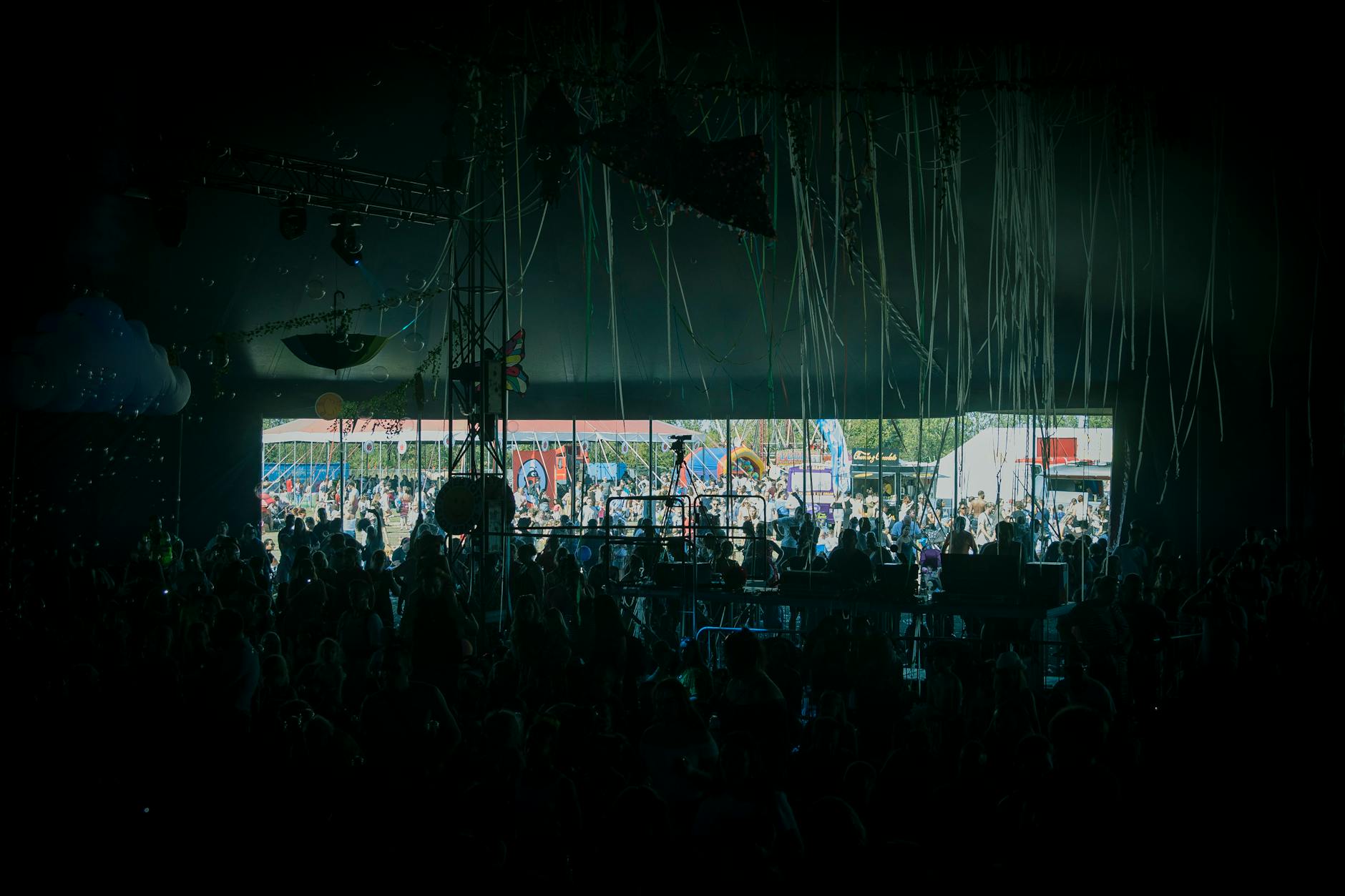
If the street parties are the festival’s free, scrappy heart, Distortion Ø is its big-budget finale. Held on Refshaleøen — the industrial former shipyard island that’s become Copenhagen’s go-to space for huge events — it’s a sprawling rave with multiple stages, 50-plus artists, and a “rave labyrinth” of dancefloors running deep into the night and on until sunrise. Think international techno and house names alongside Danish talent, in a raw post-industrial setting. This is the ticketed centrepiece most serious partygoers build their weekend around. To reach Refshaleøen, take the harbour bus or bus 2A — see public transport in Copenhagen.
The street parties: where the magic still is
For my money, the free street parties remain the soul of Distortion, and they’re where first-timers should start. Each one colonises a neighbourhood — historically the dense, characterful streets of Nørrebro and Vesterbro — with sound systems on corners, pop-up bars, and thousands of people dancing in the road from afternoon into evening. It’s free, it’s spontaneous, and it captures the communal, slightly anarchic energy that made Distortion famous. To get the feel of these districts beyond the festival, see my guides to Nørrebro, the city’s most diverse district and Vesterbro.
The vibe (and the debate)
Distortion’s crowd is young, friendly, costume-happy and up for it — expect glitter, bold outfits and an inclusive, anything-goes energy. But it’s worth knowing the live debate among locals: as the festival has professionalised and gated more of its best parts behind tickets, some feel it has lost the raw, free magic that defined it. Both things are true. The honest take for a visitor in 2026: the free street parties and Havnefest still deliver that old communal thrill, while Distortion Ø is a polished, world-class rave if you’re happy to pay. Go in knowing which experience you’re after.
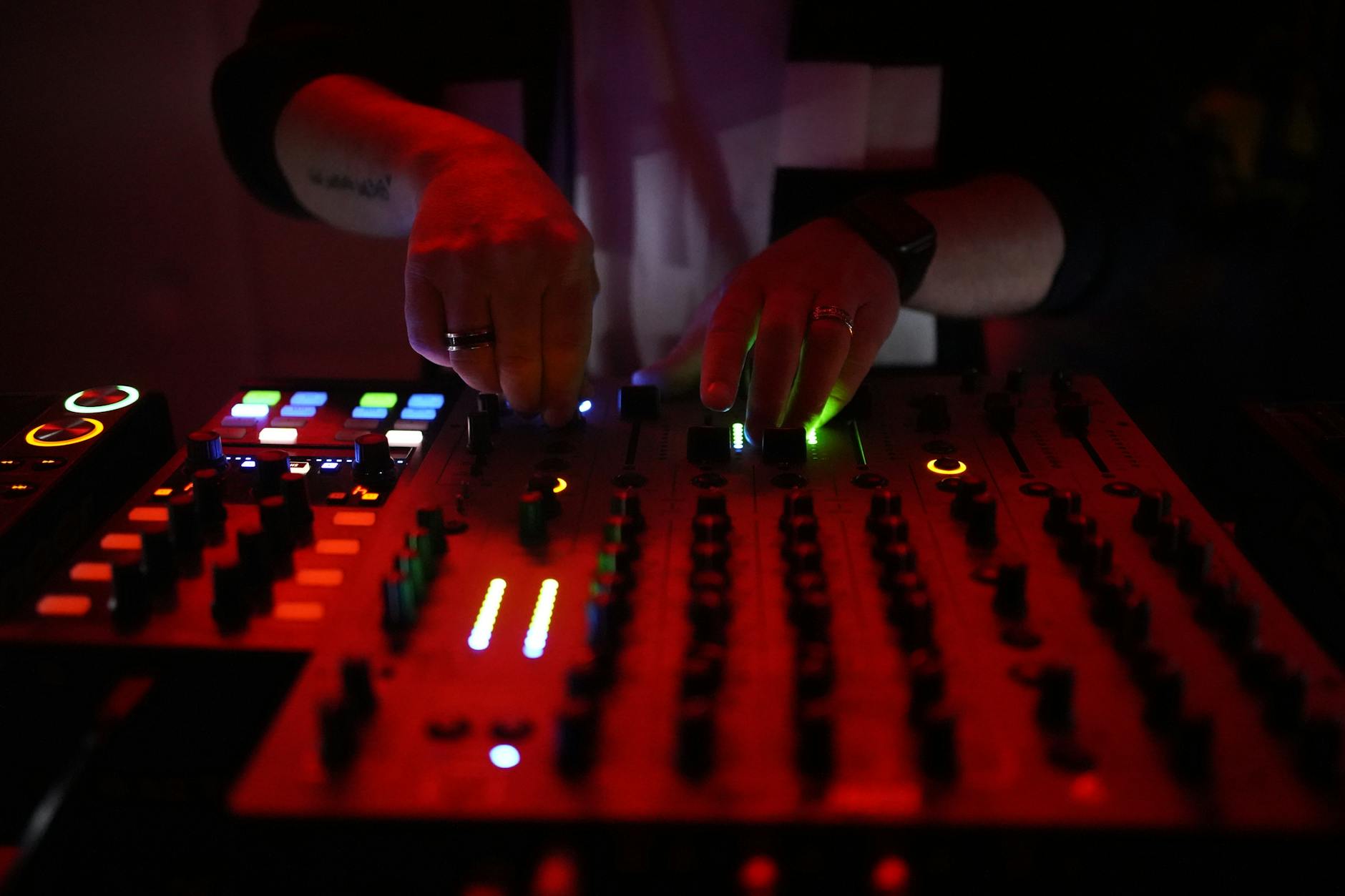
What to wear and bring
Dress for dancing and for self-expression — Distortion is a place to go bold. Practically: wear comfortable closed shoes (you’ll be on your feet for hours among crowds and the odd broken bottle), bring layers or a jacket for the cold small hours at Distortion Ø, and keep valuables minimal and secure in the dense crowds. Glitter, costumes and colour are all very welcome.
Staying safe and sane
A five-day party demands a bit of strategy:
- Hydrate and pace yourself. Carry water; the street drinking culture is strong, so go steady over five days.
- Mind the canals and crowds. Stay aware near water and in dense throngs, and keep an eye on your belongings.
- Respect the neighbours. The litter-and-noise backlash is exactly why the festival has tightened up — bin your bottles, buy the clean-up wristband, and be a good guest in residential streets.
- Know it’s 18+. The ticketed events require you to be over 18.
- Use bikes and the metro. Cycling is the easiest way around; the metro and harbour buses reach Refshaleøen and the X stages.
Is Distortion worth it in 2026?
Yes — with clear eyes about what it is now. If you want one of Europe’s most distinctive city parties, where the streets themselves become the venue, the free Thursday street party, Friday Havnefest and Sunday afterparty still deliver that magic for the price of a clean-up wristband. If you want a proper, polished rave with big international names, Distortion Ø is worth the ticket. What it no longer is, is a totally free, lawless takeover of the whole city — so come for the version that suits you. If you’re here in early summer, the July Copenhagen Jazz Festival and August Pride round out the season, and the best time to visit guide has the seasonal lay of the land.
The story of Distortion: from 1998 to now
Distortion began in 1998 as a celebration of Copenhagen’s club and street culture, founded by Thomas Fleurquin and Andy Fresh, and for years it grew into something genuinely unique: a free, sprawling, anarchic series of street parties that colonised different neighbourhoods each day, drawing crowds of up to 100,000. It was scrappy, communal and a little lawless — sound systems on corners, dancing in the road, the whole city seemingly off the leash for a week in early June. That very success became its tension. The crowds brought mountains of litter, noise complaints from residents, and safety concerns, and after the pandemic forced cancellations in 2020 and 2021, the festival relaunched in a deliberately more managed, more cultural, more ticketed form. Understanding this arc — from free-for-all to curated event — is the key to enjoying Distortion 2026 with the right expectations.
Neighbourhood by neighbourhood: where to be each day
Distortion’s defining quirk is that it moves around the city, so knowing where to be matters. The street-party days traditionally take over the dense, characterful districts — historically Nørrebro and Vesterbro — where the narrow streets and squares fill with sound systems and dancers from afternoon into evening. The Havnefest brings the party to the harbour, a looser waterside afternoon. And the ticketed Distortion Ø decamps to Refshaleøen, the industrial island that’s become Copenhagen’s premier big-event space. The opening and X-stage events centre on Rådhuspladsen. Check the current year’s day-by-day map before you go, since the exact neighbourhoods rotate — but the rhythm of street parties early, harbour mid-week, and the island rave finale holds. To get to know the host districts properly, see my guides to the Nørrebro neighbourhood and Vesterbro.
Distortion Ø, in depth
The ticketed centrepiece deserves a closer look. Distortion Ø transforms the raw, post-industrial expanse of Refshaleøen into a multi-stage electronic playground — a “rave labyrinth” of dancefloors threaded through old shipyard structures, with 50-plus artists spanning international techno and house headliners and the cream of the Danish scene. It runs deep into the night and, on the big nights, on until sunrise. The setting is half the appeal: shipping-container bars, water on every side, the gritty glamour of an industrial site reborn as a dancefloor. This is where serious clubbers focus their festival, and it’s worth the ticket if all-night electronic music in an epic setting is your thing. Getting there means the harbour bus or bus 2A out to Refshaleøen — plan your route home in advance, as it’s a trek from the centre.
A first-timer’s survival guide
Five days of partying rewards a bit of strategy. Pace yourself — Distortion is a marathon; you can’t go full throttle every day, so pick your big nights. Hydrate and eat properly between parties. Wear comfortable closed shoes you don’t mind getting trashed, and layers for the cold small hours, and lean into the costume-friendly culture if you fancy it. Keep valuables minimal and secure in the dense crowds, and stay aware near the canals and water. Buy the street wristband to fund the clean-up — it’s cheap and it’s the decent thing to do. And respect the residents: this is their neighbourhood, the noise-and-litter backlash is real, so bin your bottles and keep the goodwill alive. Do all that and you’ll have the time of your life.
The commercialization debate — and where the magic still is
It’s worth being honest about the live debate among Copenhageners. As Distortion has professionalised and moved more of its best experiences behind tickets, some long-time fans feel it has lost the raw, free, anything-goes magic that made it special. There’s truth to that — the festival is more curated and more expensive than it was. But the flip side is that the free heart still beats: the Thursday street party, the Friday Havnefest, and the Sunday afterparty remain free and capture much of the old communal thrill, while Distortion Ø offers a polished, world-class rave for those willing to pay. The smart visitor simply chooses the version they want rather than mourning the one that’s faded. Go for the free street energy, the paid island rave, or both.
Where to stay and getting around
For Distortion, base yourself in or near the action — Nørrebro or Vesterbro put you in the thick of the street parties and within easy reach of the harbour and Rådhuspladsen events. Cycling is comfortably the best way to move between Distortion’s scattered locations; the metro and harbour buses cover the longer hops, including out to Refshaleøen for Distortion Ø. Book accommodation early, as early June is popular, and check my guide to the city’s transport network and where to stay guides for the practicalities. With a central base and a bike, you can flow with the festival as it migrates across the city.
What the street parties are actually like
If you’ve never experienced a Distortion street party, picture this: an ordinary residential street or square in Nørrebro or Vesterbro, transformed for an afternoon into a heaving open-air dancefloor. Sound systems are set up on corners and in courtyards, each pumping out its own flavour of music, so you drift from one sonic zone to the next. Pop-up bars and food stalls appear; people dance in the road, on steps, anywhere there’s space; costumes, glitter and a giddy, communal energy are everywhere. It runs from afternoon into the evening, free to join, and it’s the closest thing to the festival’s original anarchic spirit. The crowd is young, friendly and up for it, and the vibe is inclusive rather than exclusive. It’s chaotic in the best sense — and it’s where I’d send any first-timer to understand what made Distortion a Copenhagen institution in the first place.
Distortion and Copenhagen’s wider June
Distortion kicks off a glorious early-summer stretch in Copenhagen, and it’s worth seeing it in that context. Early June is when the city tips into its long, light, outdoors-loving season — the parks fill up, the harbour baths open, and a run of events gets going that builds toward the jazz festival in July and Pride in August. If you’re visiting for Distortion, you’re catching Copenhagen right as it shakes off winter and throws itself into summer, which makes it a brilliant time to be here even beyond the festival itself. Pair your Distortion days with harbour swims, park hangs and the general buzz of a northern city making the most of the daylight; my guide to the best time to visit Copenhagen sets out the seasonal rhythm, and the full events calendar shows what else is on.
If you’re staying on after the last party, my guide to Copenhagen in June covers the rest of the month: 3 Days of Design from 9 to 11 June 2027, the Sankt Hans bonfires on the 23rd, graduation week, and the first lifeguarded harbour swims.
Common mistakes first-timers make
A few pitfalls to sidestep. Going full-throttle on day one — Distortion is five days; burn out early and you’ll miss the best of it, so pace yourself. Expecting it to be entirely free — the street parties and Havnefest are free, but the marquee Distortion Ø and Club nights are ticketed and not cheap, so budget accordingly. Underestimating the logistics of Distortion Ø — it’s out on Refshaleøen, so sort your transport (and a plan for getting home in the small hours) in advance. Ignoring the neighbours — the festival’s whole recent evolution is a response to noise and litter complaints, so bin your bottles, buy the clean-up wristband, and be a decent guest in residential streets. And forgetting it’s an electronic-music festival at heart — if techno and house aren’t your thing, you’ll enjoy the free street energy more than the ticketed raves, so pick the parts that suit your taste. Go in with the right expectations and Distortion is one of the most distinctive parties in Europe.
Frequently asked questions
When is Distortion Festival 2026?
3–7 June 2026, across different parts of Copenhagen each day, finishing with Distortion Ø on Refshaleøen and a Sunday afterparty.
Is Distortion Festival free?
The daytime street parties and the Friday Havnefest are free (buy a cheap clean-up wristband). Distortion Ø, the Distortion X stages and Club nights require tickets.
What is Distortion Ø?
The festival’s big ticketed rave finale, held on the industrial island of Refshaleøen — multiple stages, 50+ artists, dancing until sunrise.
How much are Distortion tickets in 2026?
Roughly 750–800 DKK for a single Distortion Ø day and around 1,200–1,300 DKK for the weekend, with full passes more. The street parties are free.
Where do the street parties happen?
They move daily, traditionally taking over neighbourhoods like Nørrebro and Vesterbro, plus the harbour for Friday’s Havnefest and Rådhuspladsen for the X stage.
Is Distortion safe and what should I wear?
It’s a friendly, costume-friendly crowd; wear comfortable closed shoes and layers for the cold late nights, stay hydrated, mind your belongings, and respect residential neighbours.
For a wilder weekend, pair this with the Roskilde Festival guide, or see the whole Copenhagen events & festivals calendar.
Last updated: July 2026. Distortion is confirmed for 3-7 June 2026, but the day-by-day neighbourhood map, line-up and ticket prices are released on the official site closer to the event — check before you plan.