Copenhagen has spent two decades turning itself into one of the food capitals of the world — Noma, a dense constellation of Michelin stars, the whole New Nordic movement — and for ten days every August the city throws a party to celebrate exactly that. The Copenhagen Cooking & Food Festival is the largest food festival in Northern Europe, a citywide feast of communal dinners, restaurant takeovers, masterclasses, markets and tastings. For any traveller who plans trips around their stomach, it’s a dream — and this guide explains how to actually navigate and book it.
Here’s everything for the 2026 festival: the dates, this year’s theme, how to find and book the programme, which bits are free, and how it fits into Copenhagen’s wider gastronomic calendar.
Copenhagen Cooking & Food Festival at a glance
- 2026 dates: 21–30 August 2026 (ten days)
- 2026 theme: the apple (æblet), with Istria, Croatia as the guest “friendship region”
- Where: citywide, with the Meatpacking District (Kødbyen) as a long-running hub
- Scale: Northern Europe’s biggest food festival — ~80,000 visitors, 100+ events
- Cost: many events free; ticketed dinners and classes from modest to splurge
- Programme: published in June at copenhagencooking.dk
When is the festival in 2026?
The Copenhagen Cooking & Food Festival runs 21–30 August 2026, a ten-day stretch at the tail end of the Danish summer. Late August is a lovely time to visit — still warm, slightly less crowded than peak July, and with the city’s restaurant scene firing on all cylinders. If you’re choosing dates, my Copenhagen in summer guide sets the scene. The full event programme is typically released in June, so that’s when to start planning and booking.
What it is, and why it matters
Founded in 2004 by Wonderful Copenhagen, the festival grew up alongside the New Nordic food revolution and is now the largest of its kind in the region, drawing around 80,000 visitors to more than 100 events. What makes it special is its “open-source” structure: it’s not a single ticketed venue but a citywide framework that restaurants, producers and even individuals plug their own events into. The result is sprawling and democratic — everything from a free market stall to a once-in-a-lifetime chef’s dinner sits under the same banner. It’s the public, joyful face of the city’s serious food culture.
This year’s theme: the apple and Istria
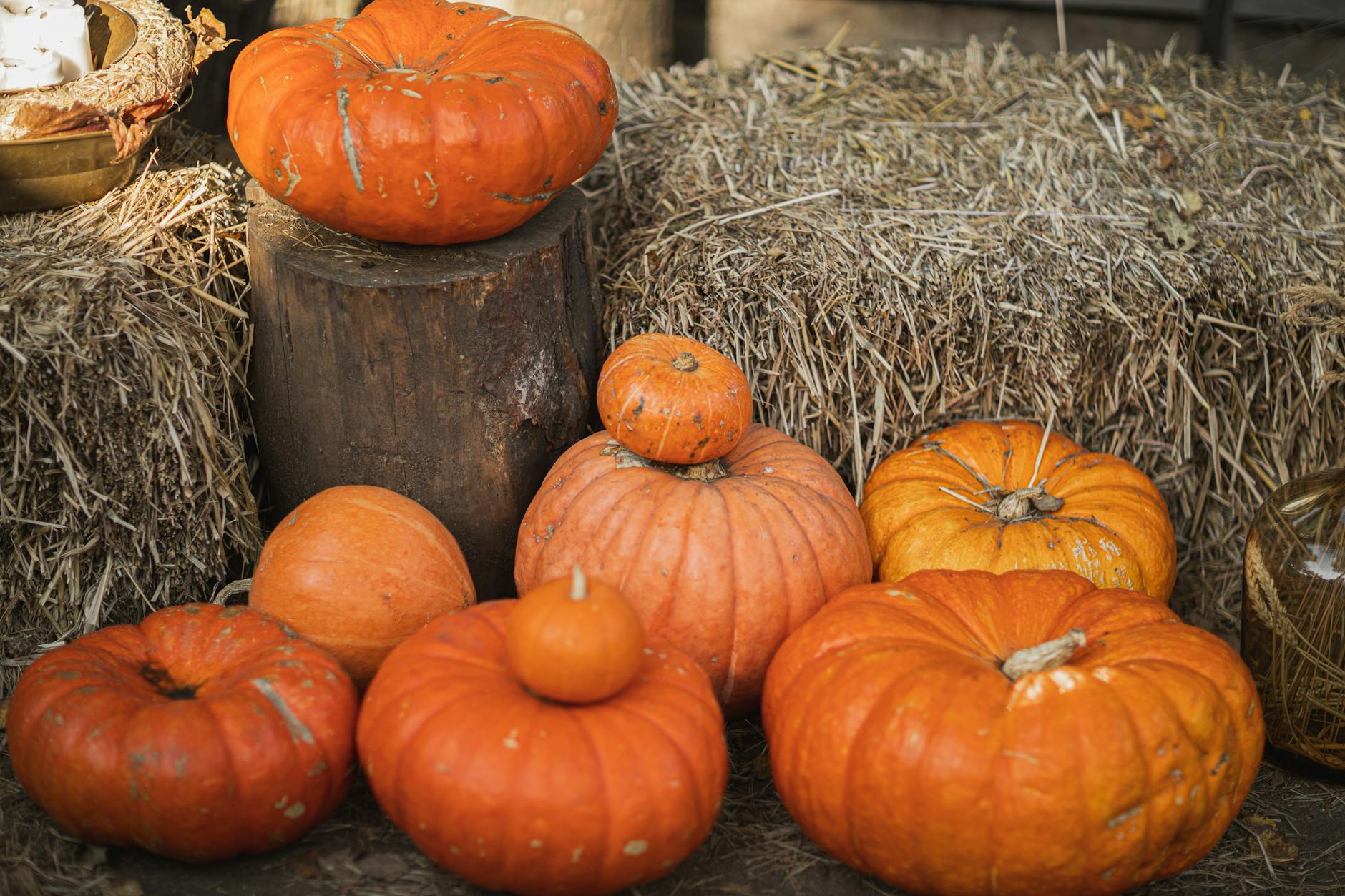
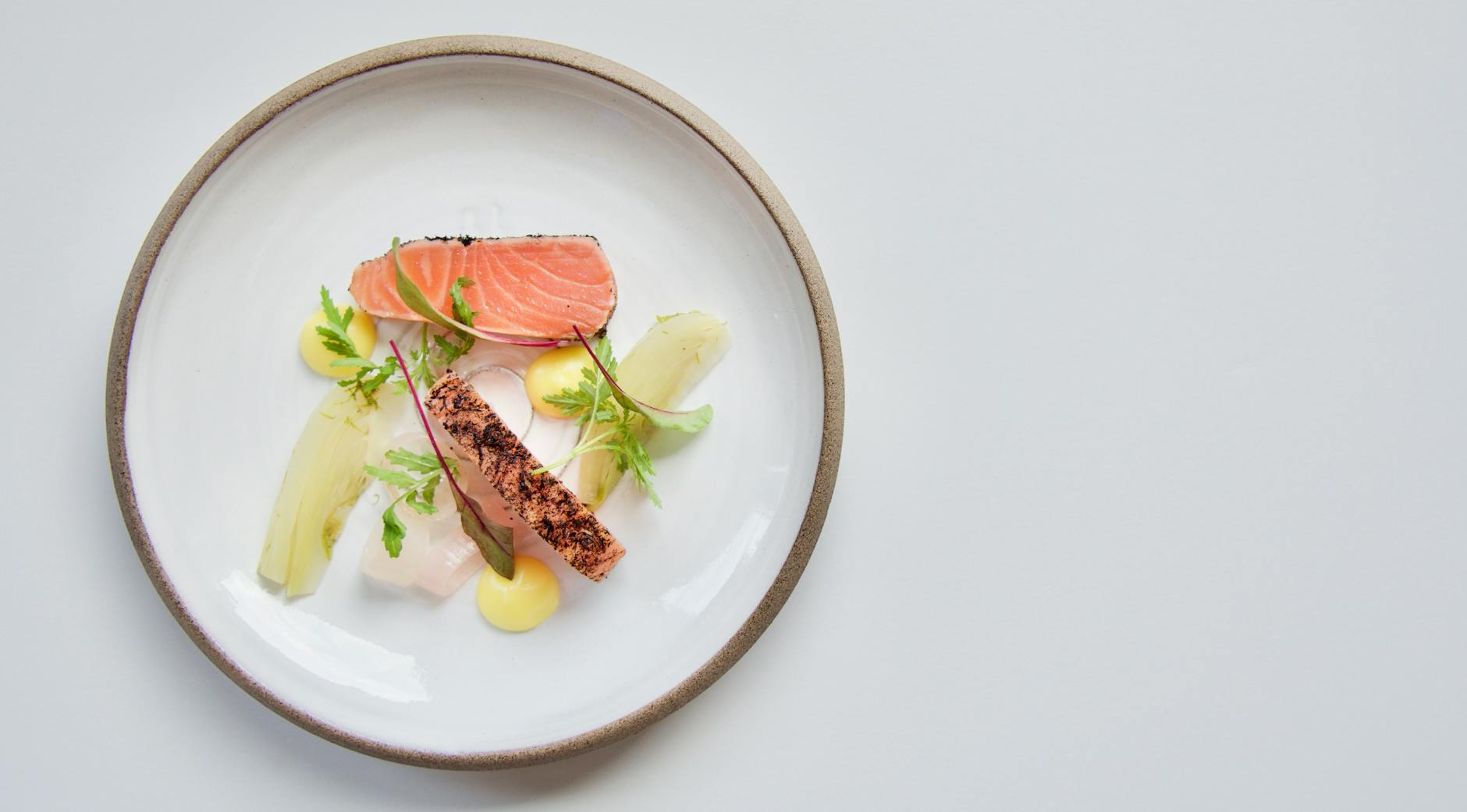
Each edition has a featured ingredient and a guest region, and for 2026 the spotlight is on the apple (æblet) — expect orchard-to-table menus, cider tastings and apple-themed events woven through the programme — with Istria in Croatia as the “friendship region,” bringing a thread of Istrian flavours, producers and chefs into the mix. These themes give the festival a fresh angle each year and are a fun way to discover something beyond the expected Nordic fare.
What kind of events happen?
The variety is the whole point. Across the ten days you’ll find:
- Restaurant takeovers and pop-ups — chefs cooking guest menus and collaborations.
- Long-table communal dinners (langbordsmiddage) — big shared feasts, often the festival’s signature experience.
- Masterclasses and workshops — learn to bake, ferment, or plate like a Nordic chef.
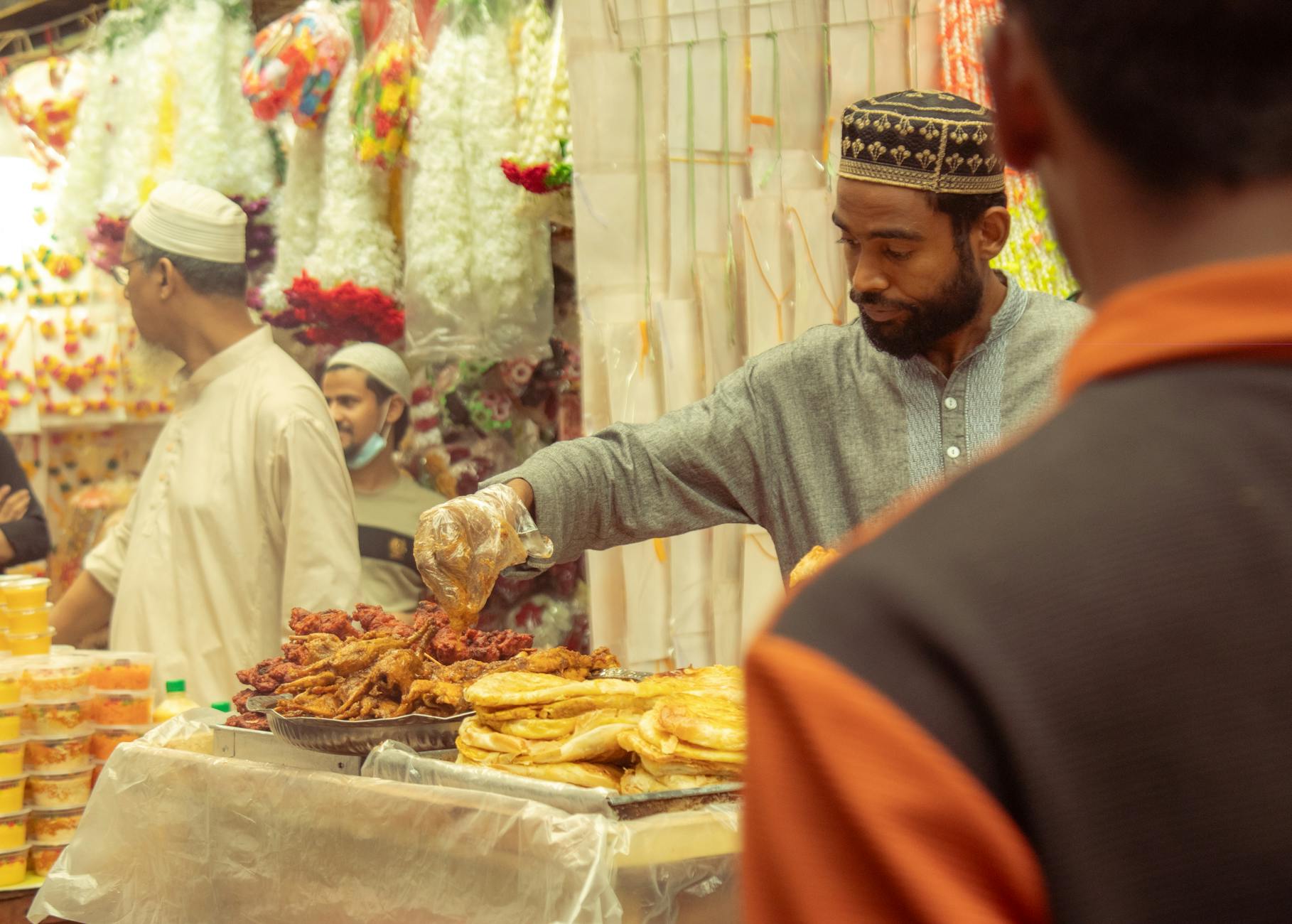
- Food markets and tastings — wine, beer, coffee and produce, many free to browse.
- Krebsegilde (crayfish parties) — a Nordic late-summer tradition of all-you-can-eat crayfish (around 395 DKK).
- Talks, debates and competitions, plus dedicated kids’ events.
The historic hub is the Meatpacking District (Kødbyen), with events also spread across the city and into Frederiksberg.
Free vs ticketed: planning your spend
You can do the festival on almost any budget. Many market and street-food events in Kødbyen are free to wander, browse and graze, as are some talks and tastings. The ticketed events are the dinners, masterclasses and special tastings — ranging from an accessible ~395 DKK crayfish feast up to high-end multi-course dinners with star chefs. My advice: anchor your festival with one memorable ticketed dinner or class, then fill the rest with free market grazing. Tickets sell through the official site and madbillet.dk, and the popular dinners go fast once the June programme drops, so book early. For the wider money picture, see my guide to paying for things in Denmark.
How to find and book the programme
This is where many visitors get stuck, so here’s the simple path: the full programme is published in June at copenhagencooking.dk. Browse it by date, type or neighbourhood, and book ticketed events there or via madbillet.dk. Because the festival is “open-source,” the programme is large and a little sprawling — give yourself time to scroll, shortlist a few events, and book the in-demand dinners as soon as they appear. Many events are run in English or need no language at all, as the festival actively courts international visitors.
The New Nordic connection
To really appreciate the festival, it helps to know the movement behind it. In 2004 a group of chefs — including Noma’s René Redzepi — signed the New Nordic Kitchen Manifesto, championing local, seasonal, hyper-regional cooking. That philosophy turned Copenhagen into a global gastronomic powerhouse, and the festival is its public celebration. For the deeper story and the city’s restaurant scene year-round, dive into my complete restaurant and food-hall guide and the guide to fine dining in Copenhagen.
Copenhagen’s two food festivals
Here’s a planning tip few guides mention: the August festival has a spring counterpart. Each June, Copenhagen hosts the Michelin Guide Nordic ceremony at Tivoli, alongside a Tivoli Food Festival — effectively a second, glitzier gastro moment when the region’s stars are announced. So Copenhagen’s food calendar really has two peaks: the inclusive, citywide August festival, and the starry June Michelin moment. If you’re a serious food traveller, knowing both lets you time your trip to the experience you want.
Practical tips
- Book popular dinners and masterclasses the moment the June programme lands — they sell out.
- Mix free and splurge: free Kødbyen markets plus one special dinner is the sweet spot.
- Dietary needs are well catered for — New Nordic leans seasonal and veg-forward, and there are vegan and vegetarian events too.
- Book your hotel early. Late August is popular; see where to stay.
- Combine it with the everyday scene — markets like Torvehallerne, the bakeries, the coffee, and Reffen street food are all brilliant any time.
Is it worth planning a trip around?
For food lovers, absolutely — there’s nowhere better to dive headfirst into Copenhagen’s celebrated cuisine, at every price point, all in one ten-day window. Even casual eaters will enjoy grazing the free markets and soaking up the buzz. Time your visit for late August, book one standout dinner, and let the city feed you. Plan the rest around the wider Copenhagen events & festivals calendar.
Copenhagen’s gastronomic rise: the backstory
To really appreciate this festival, it helps to understand the food revolution it grew out of. For a long time, “Danish cuisine” meant little to the outside world. That changed dramatically in the 2000s. In 2004 — the same year the festival was founded — a group of chefs led by René Redzepi of Noma signed the New Nordic Kitchen Manifesto, a ten-point pledge to cook with hyper-local, seasonal, foraged ingredients and to express the Nordic landscape on the plate. Noma went on to be named the world’s best restaurant multiple times, and Copenhagen blossomed into one of the densest Michelin constellations on earth. The Copenhagen Cooking & Food Festival is the public celebration of that transformation — a chance for ordinary visitors, not just tasting-menu high-rollers, to taste what made the city a global food capital. Reading the festival through this lens turns it from a list of events into a living chapter of culinary history. Late August is also a great window to visit — see our guide to timing your trip.
Signature festival experiences worth booking
With a hundred-plus events, it helps to know which types are the keepers. The long-table communal dinners (langbordsmiddage) are the festival’s signature — big shared feasts, often outdoors or in atmospheric spaces, where strangers become tablemates over several courses; they’re joyful and very Danish. Restaurant takeovers and chef collaborations let you experience kitchens (sometimes Michelin-starred) doing special one-off menus, often at a relative bargain versus their normal pricing. Masterclasses and workshops — fermentation, smørrebrød, baking, pastry — send you home with a skill and a story. And the seasonal Krebsegilde (crayfish parties) are a delicious slice of Nordic late-summer tradition. If you book just one ticketed thing, make it a communal dinner or a chef takeover; they’re the experiences people rave about afterward.
A foodie day plan during the festival
Here’s how I’d structure a day to balance budget and indulgence. Start with breakfast at a great bakery (Copenhagen’s pastry game is world class), then spend the late morning grazing the free market and street-food events in the Meatpacking District (Kødbyen), tasting widely for little money. Use the afternoon for a masterclass or tasting you booked in advance, then take a breather. In the evening, go big with your one splurge — a communal dinner or a restaurant takeover — and finish with a nightcap at a natural-wine bar. That arc gives you the festival’s full range, from free-and-casual to special-occasion, without blowing the entire budget on a single meal. For planning your spend, my money guide helps.
Markets and food halls to fold in
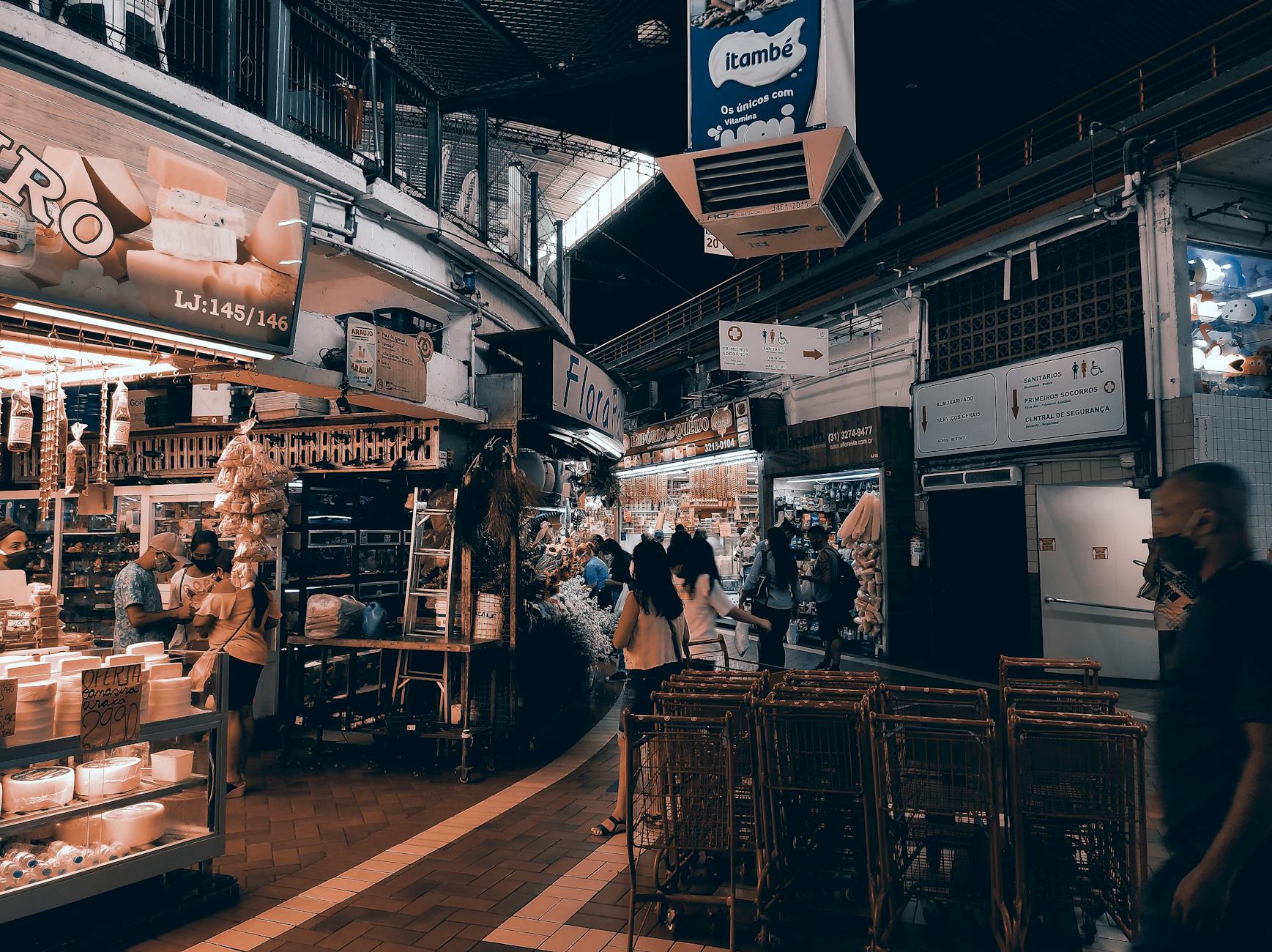
The festival sits inside a city that’s a year-round food destination, so weave in the permanent highlights too. Torvehallerne, the glass-covered market halls by Nørreport, is a glorious place to graze any day — smørrebrød, cheese, coffee, fresh produce. Reffen, the big street-food market out on Refshaleøen, offers global eats with a harbour view. And the city’s bakeries, coffee roasters and natural-wine bars are destinations in themselves. During the festival, these everyday spots often host events too, but even if not, they round out a food-focused trip beautifully. Combining the festival’s special events with the city’s standing food culture gives you the best of both.
Copenhagen’s other food moment: the June Michelin ceremony
Here’s the planning insight that elevates this from a single-festival guide to a year-round strategy. The August festival has a glitzier spring counterpart: each June, Copenhagen hosts the Michelin Guide Nordic ceremony at Tivoli, alongside a Tivoli Food Festival, when the region’s new stars are announced and the gastro world descends on the city. So Copenhagen’s culinary calendar really has two peaks — the inclusive, sprawling, citywide festival in late August, and the starry, high-end Michelin moment in June. Serious food travellers can choose their experience accordingly: come in August to taste widely across all price points, or in June to be in town when the Nordic culinary elite gathers. Either way, you can fill the gaps with the city’s permanent food scene between festival events.
Dietary needs and family-friendly food
One of the nice things about a New Nordic festival is how naturally it accommodates different diets. The movement’s emphasis on vegetables, seasonality and whole ingredients means plant-forward and vegetarian options are everywhere, and there are dedicated vegan and vegetarian events in the programme. Families are well catered for too, with kids’ cooking events and the generally welcoming, casual atmosphere of the market hubs. Whether you’re a committed foodie, a curious grazer, a vegan, or a parent wrangling hungry kids, the festival has a way in — which is exactly the democratic spirit its “open-source,” anyone-can-host structure was designed to create.
How the festival started and grew
The Copenhagen Cooking & Food Festival was launched in 2004 by Wonderful Copenhagen, the city’s tourism organisation, at the very moment the New Nordic movement was being born — and the two have grown up together. What began as a way to showcase Nordic produce and put Copenhagen on the global food map has become the largest food festival in Northern Europe, drawing around 80,000 visitors to more than 100 events each edition. Its “open-source” model — where restaurants, producers and individuals register their own events into a shared programme — has been key to that growth, keeping it sprawling, democratic and constantly fresh. Two decades on, it both reflects and fuels Copenhagen’s status as a world food capital, the public, accessible counterpart to the city’s rarefied Michelin scene. Understanding that trajectory helps you see the festival for what it is: not a tourist add-on, but the annual civic celebration of something the city has worked hard to become.
Beyond the festival: Copenhagen’s everyday food scene
Even outside festival dates, Copenhagen is a food destination of the first order, and the festival sits within that richer context. The city’s bakery culture is genuinely world-class — the cardamom buns and pastries alone justify a trip. Its coffee scene is among Europe’s best, its natural-wine bars set trends, and its market halls and street-food hubs (Torvehallerne, Reffen and others) offer brilliant eating any day of the year. Then there’s the high end: Noma’s legacy, a dense cluster of Michelin stars, and the New Nordic ethos rippling through countless mid-range kitchens. The festival concentrates and showcases all of this in one ten-day burst, but a visitor can feast superbly here any week. If you’re planning a food-focused trip, weave the festival’s special events together with these permanent pleasures. Music lovers can also time a visit around the late-June Roskilde Festival or July’s Copenhagen Jazz Festival.
Making the most of a short visit
If you’ve only got a day or two during the festival, focus pays off. Pick one ticketed centrepiece — a communal long-table dinner or a restaurant takeover — and book it the moment the June programme lands. Build the rest around the free market hubs in the Meatpacking District, where you can taste widely for little money and soak up the atmosphere. Slot in one everyday icon, like a grazing session at Torvehallerne or a great bakery breakfast, so you experience the city’s permanent food culture alongside the festival’s special events. And don’t try to do it all — the programme is vast, and a couple of well-chosen experiences will leave a stronger impression than a frantic dash between events. With a single standout dinner and some happy grazing, even a short visit captures the spirit of Copenhagen’s food obsession. And if your trip runs earlier in August, Copenhagen Pride is the other unmissable event of the month.
Frequently asked questions
When is the Copenhagen Cooking & Food Festival 2026?
21–30 August 2026, a ten-day citywide food festival, with the programme published in June at copenhagencooking.dk.
Where is the festival held?
Across the whole city, with the Meatpacking District (Kødbyen) as a long-running hub and events spreading into Frederiksberg and beyond.
Is the Copenhagen Cooking Festival free?
Many events — markets, street food, some talks — are free to attend. Dinners, masterclasses and special tastings are ticketed, from around 395 DKK upward.
How do I book tickets and find the programme?
The full programme is released in June at copenhagencooking.dk; book ticketed events there or via madbillet.dk. Popular dinners sell out, so book early.
What is there to do at the festival?
Restaurant takeovers, long-table communal dinners, masterclasses, food markets, tastings, crayfish parties (Krebsegilde), talks and kids’ events.
Is it the biggest food festival in Scandinavia?
It’s among the biggest food festivals in Northern Europe, drawing around 80,000 visitors to more than 100 events each year.
Hungry for more? See the Copenhagen food guide and Michelin restaurants, and the full events & festivals calendar.
Last updated: July 2026. The 2026 festival is confirmed for 21-30 August, but the full programme and theme details are published in June at copenhagencooking.dk – check there before booking dinners.