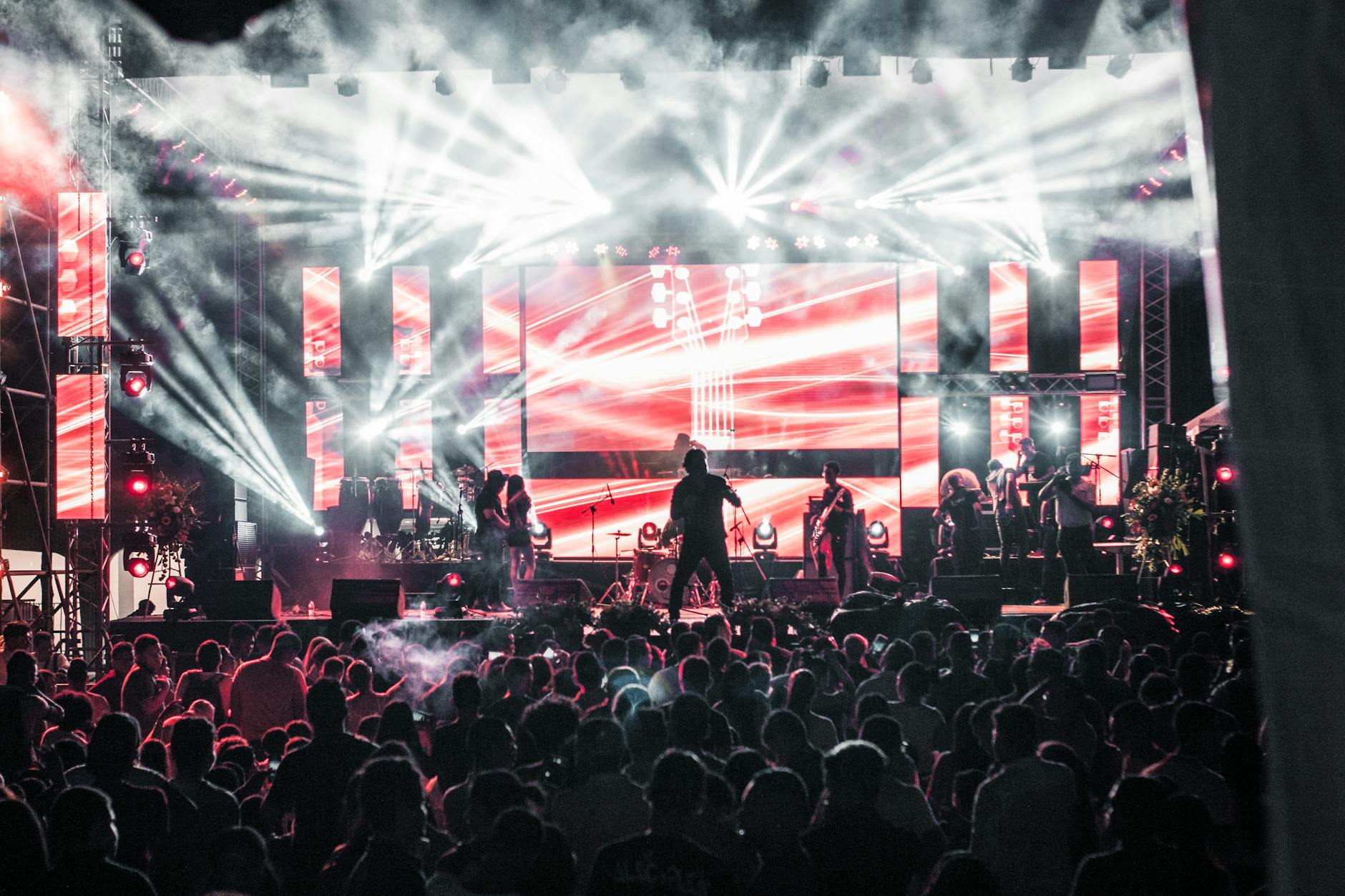
Every summer, a quiet field outside the town of Roskilde becomes, for eight days, the fourth-largest “city” in Denmark — a temporary metropolis of 130,000 music-lovers, built and run almost entirely by volunteers, with every krone of profit given to charity. Roskilde Festival is Northern Europe’s biggest music festival and one of the most beloved on the planet, and it’s a remarkably easy hop from Copenhagen. This Roskilde Festival guide covers the 2026 dates, lineup, tickets, the legendary camping culture, and exactly how to get there from the capital.
One quick note: this article is about the festival. If you’re looking to visit the historic town of Roskilde itself — its UNESCO cathedral and Viking ships — that’s a different (lovely) day out, covered in my Roskilde day trip guide.
Roskilde Festival 2026 at a glance
- Dates: 27 June – 4 July 2026 (eight days, including warm-up)
- Where: a festival site just outside Roskilde, ~30 minutes by train from Copenhagen
- Scale: 130,000+ participants; ~177 acts on seven stages
- Tickets: full festival ~2,600 DKK; one-day ~1,430 DKK
- The ethos: non-profit, run by ~27,000 volunteers, all profit to charity
- Iconic: the Orange Stage, the warm-up days, and the Saturday naked run
When is Roskilde Festival 2026?
Roskilde Festival 2026 runs from Saturday 27 June to Saturday 4 July. The structure is unusual and worth understanding: the campsite opens on Saturday 27 June, and the first four days (27–30 June) are the famous “warm-up days” — camping, partying and around 40 emerging and Scandinavian acts on the smaller stages. The main festival site and big stages open on Wednesday 1 July, with the headline music days running Wednesday to Saturday. So the festival is really two experiences in one: the freewheeling warm-up in the camp, then the headliner-packed main days.
The 2026 lineup
Roskilde books one of the strongest, most eclectic lineups in Europe — around 177 acts from dozens of countries across genres. The 2026 bill is headlined by names like The Cure, Gorillaz, Jennie (the first K-pop act to headline a Danish festival), David Byrne, Zara Larsson, Little Simz, Wolf Alice and many more, spread across the iconic Orange Stage and six others. As ever, half the joy is the discoveries on the smaller stages. Lineups do shift, so confirm the latest billing on the official site before you book around a specific act.
A festival built on a beautiful idea
What sets Roskilde apart isn’t just its size — it’s its soul. The festival has been a non-profit since 1972, organised by the Roskilde Festival Charity Society and powered by around 27,000 volunteers. Every penny of profit is donated to humanitarian and cultural causes, with a focus on children and young people — more than 476 million DKK given away since 1971. That ethos runs through everything: the strong environmental commitments, the communal camp culture, the famous “Orange Feeling” of collective goodwill. You’re not just buying a ticket to a gig; you’re joining a temporary society built on generosity. It’s genuinely moving once you’re inside it.
Tickets and prices
For 2026, a full festival ticket (all eight days, including camping and warm-up) costs around 2,600 DKK, a two-day ticket about 2,200 DKK, and one-day tickets roughly 1,430 DKK each. Tickets sell through the official site, and popular days do sell out — by late spring 2026, full passes were already nearly gone and some single days sold out — so book early rather than hoping to grab one last-minute. The full ticket is the best value and the only way to experience the warm-up days and full camp culture.
Camp or commute? The Copenhagen question
Here’s where being based in Copenhagen gives you options. Camping is the quintessential Roskilde experience — the campsite is a sprawling, themed, 130,000-person temporary city, and the warm-up days happen only there. For the full magic, camp. But because the festival is so close to Copenhagen, you can also commute: stay in the city and train out for the days you have tickets. That’s a sensible choice if you’ve got a one-day ticket, mainly want the headliners, or simply prefer a real bed and a shower. My honest steer: camp if you want the whole immersive experience; commute from Copenhagen if you’re after the music without the mud.
Getting there from Copenhagen
It’s wonderfully easy. Frequent trains run from Copenhagen Central to Roskilde station in about 25–30 minutes. During the festival, a dedicated shuttle train runs from Roskilde station out to the festival’s own stop right by the campsite (a few times an hour, a small fee), or it’s a 2–3 km walk. Shuttle buses also run from points around Copenhagen. If you’re commuting daily, the train is your friend — quick, cheap and frequent. See my full public-transport rundown for tickets, and note the same line serves the historic town, and the festival kicks off a run of summer events — the Copenhagen Pride week follows in August.
The camping culture (and the naked run)
The camp is half the festival. It’s a city of some 50,000 tents organised into themed and quieter zones, with its own bars, food, art and round-the-clock energy. Two traditions you’ll hear about: the legendary warm-up days, when the camp parties before the main stages even open, and the famous Saturday naked run (“Nøgenløb”), a tongue-in-cheek tradition since 1999 where a handful of volunteers dash a lap for a coveted prize (a ticket to next year). It’s all part of the festival’s playful, anything-goes communal spirit.
What to pack
- A tent and sleeping setup if camping — plus something to find it again in a sea of identical tents.
- Layers and proper rain gear. Danish summer is unpredictable and Roskilde mud is legendary.
- A refillable water bottle (free tap water on site), sunscreen, and sturdy shoes.
- A power bank, earplugs, cash and card, and a reusable cup.
- A leave-no-trace mindset. The festival pushes hard on sustainability — pack out what you bring in.
Sustainability and the bigger picture
Roskilde wears its green and social credentials proudly: a high share of organic food, deposit-and-recycling systems, climate and equality programming, and the whole charity model underneath. Abandoned tents and waste are the festival’s biggest environmental headache, and there’s a real culture push to do better — so being a tidy camper genuinely matters here. It all adds up to a festival that feels like it stands for something, which is a big part of why people return year after year.
Is Roskilde Festival worth it?
If you love live music, it’s a bucket-list festival — enormous, eclectic, and underpinned by a genuinely beautiful non-profit ethos, all a half-hour train ride from Copenhagen. Camp for the full immersive experience, or commute from the city for the headliners; either way it’s one of the great summer events in Europe. Slot it into your trip with my guide to what’s on through the year calendar, and if your dates don’t line up, the city’s own Jazz Festival in July is a wonderful alternative.
The ethos, in depth: a festival built by volunteers
It’s worth lingering on what makes Roskilde genuinely different from other mega-festivals, because it’s the soul of the place. Since 1972 it has been a non-profit, organised by the Roskilde Festival Charity Society and powered each year by some 27,000 volunteers — people who give their time to build, run and steward a temporary city of 130,000. Every krone of profit is donated to humanitarian and cultural causes, with a focus on children and young people; more than 476 million DKK has been given away since 1971. This model shapes the whole atmosphere. There’s a palpable sense of collective ownership and goodwill — the famous “Orange Feeling” — that you simply don’t get at a corporate festival. You’re not a customer being extracted from; you’re a participant in something that exists to do good. Once you feel it, you understand why so many people return year after year, often as volunteers themselves.
A first-timer’s day at the festival
If you’ve never been, here’s what a day in the festival “city” actually looks like. Mornings are slow and social — the campsite stirs to life, people cook breakfast at their tents, swim or shower, and wander. The warm-up days (the first four) have no main-stage acts but a buzzing camp full of smaller stages, bars, art installations, skate ramps and spontaneous parties. Once the main site opens, your day becomes a flow between the seven stages — catching a discovery act on a smaller stage in the afternoon, grazing the food area, then building toward the big evening headliners on the iconic Orange Stage, before the camp parties take over late into the night. It’s less a series of gigs than an immersive week of living somewhere extraordinary. Comfortable shoes, a refillable bottle and a relaxed attitude are your best friends.
The campsite, zones and culture
The campsite isn’t an afterthought — it’s half the festival, a temporary city of around 50,000 tents organised into distinct zones. There are lively party areas, dedicated quiet/sleep-friendly zones for those who want rest, themed camps created by returning groups, and family-friendly sections. It has its own bars, food stalls, art and round-the-clock energy. The culture is famously communal and creative — neighbours share food and beers, elaborate camps spring up, and the whole thing runs on a spirit of mutual looking-out. The flip side, and the festival’s biggest environmental challenge, is the waste and abandoned tents left behind; there’s a strong, growing “pack it out” ethic, and being a tidy, low-impact camper genuinely matters here.
Food, art and everything beyond the music
Roskilde is far more than bands. The festival has a serious food programme (with a high share of organic and a “Food is Now” area pushing sustainable eating), an extensive art and activism strand, a skate park, a cinema, communal saunas and swimming, talks and social initiatives under its “Changing Tomorrow Together” banner. There’s also the famous, tongue-in-cheek Saturday naked run, a long-standing bit of festival silliness. The point is that you could have a full, rich week here even between the headline sets — which is exactly why people treat it as an experience to live in rather than a concert to attend.
Commuting from Copenhagen, in detail
Being close to the capital gives you real flexibility. Trains run frequently from Copenhagen Central to Roskilde in about 25–30 minutes, and during the festival a dedicated shuttle train connects Roskilde station to the festival’s own stop right by the campsite (a few times an hour, small fee); shuttle buses also run from points around Copenhagen. This makes day-commuting genuinely viable: stay in a Copenhagen hotel, ride out for the days you have tickets, and return to a real bed and shower at night. It’s the ideal approach if you have a one-day ticket, mainly want the headliners, or simply don’t fancy camping — though you’ll miss the warm-up-day camp culture that many consider the festival’s soul. My honest steer remains: camp for the full immersive thing; commute from the city if you want the music without the mud. See how to get around Copenhagen for tickets.
Sustainability and the festival’s values
Roskilde wears its green and social conscience on its sleeve, and increasingly so. Beyond the charity model, expect deposit-and-recycling systems, a big organic-food push, water-saving measures, and climate and equality programming woven through the week. The festival is candid about its weak point — the mountains of waste and abandoned camping gear — and actively campaigns to change camper behaviour. As a visitor, the most meaningful thing you can do is travel light, take your tent and gear home, and use the recycling systems. It all adds up to a festival that feels like it stands for something beyond the music, which, paired with one of Europe’s best lineups and a 25-minute train ride from Copenhagen, makes Roskilde genuinely special. It also sits alongside the city’s late-August Cooking & Food Festival as one of the summer’s headline draws.
Tickets: how to plan your purchase
Roskilde tickets reward early planning, because the festival is enormously popular and the best options sell out. The full festival ticket (around 2,600 DKK in 2026) is the best value and the only way to get the complete experience, including camping and the warm-up days — it’s what most attendees buy. One-day tickets (around 1,430 DKK) suit those who only want a specific headliner day and are happy to commute from Copenhagen. Tickets go on sale months ahead through the official channels, and by late spring full passes and popular single days were already selling out for 2026 — so the golden rule is buy as early as you can rather than hoping for last-minute availability. If you’re set on a particular headliner, check the lineup-to-day allocation before committing to a single-day ticket. And remember the warm-up days are included in the full ticket but not accessible on a single main-day ticket — a key distinction when you choose.
Roskilde for non-campers
Camping is iconic, but it isn’t for everyone, and Copenhagen’s proximity makes a comfortable alternative genuinely viable. If sleeping in a muddy field for a week doesn’t appeal, you can base yourself in a Copenhagen hotel and commute out for the festival days on the quick train, returning each night to a real bed, a hot shower and a quiet room. This works especially well for one-day or two-day ticket holders, for those mainly chasing the big Orange Stage headliners, and for anyone who values rest and hygiene over the full camp immersion. The trade-off is missing the warm-up-day camp culture and the late-night magic that many consider the festival’s heart — but for plenty of visitors, swapping mud for a metro ride is a more than fair deal. Choose camping for the all-in experience; choose commuting for comfort and the music. Either way, see where to stay in Copenhagen for your base.
One warning if you go the hotel route: June is the most expensive month of the year for Copenhagen hotels, so book as early as you can. In 2027 the festival runs from 26 June to 3 July, and our guide to Copenhagen in June covers what else is on in the city that week.
What a Roskilde crowd is like
One last thing that surprises first-timers: how warm and well-behaved a 130,000-person festival can feel. The volunteer-run, non-profit ethos seeps into the crowd — there’s a genuine culture of looking out for one another, sharing food and drink between camps, and a collective pride in the event that the Danes call the “Orange Feeling.” It’s diverse in age too (the average is mid-twenties, but families and older music-lovers come as well), and the vibe is more communal and creative than aggressive or commercial. That atmosphere, as much as any headliner, is why people return year after year — and why Roskilde regularly tops lists of the world’s best-loved festivals. Combined with its charitable mission and its 25-minute train link to Copenhagen, it’s a festival that feels like it’s on your side.
Frequently asked questions
When is Roskilde Festival 2026?
27 June – 4 July 2026. The warm-up days run 27–30 June; the main stages open Wednesday 1 July through Saturday 4 July.
How much are Roskilde Festival tickets?
Around 2,600 DKK for a full festival ticket and roughly 1,430 DKK for a one-day ticket in 2026. Popular days sell out, so book early.
How do I get to Roskilde Festival from Copenhagen?
Take a train from Copenhagen Central to Roskilde (about 25–30 minutes), then a festival shuttle train or bus to the site. You can commute daily or camp on site.
Is Roskilde Festival really non-profit?
Yes — it’s run by around 27,000 volunteers and donates all profit to humanitarian and cultural causes, over 476 million DKK since 1971.
Can you go to Roskilde Festival for just one day?
Yes, one-day tickets are available for the main music days (Wed–Sat). Commuting from Copenhagen by train makes single days easy, though you’ll miss the warm-up camp culture.
What is the Roskilde Festival naked run?
A long-running Saturday tradition where a few volunteers run a lap for fun (and a ticket to next year’s festival) — part of the camp’s playful spirit.
Visiting the historic town too? See the Roskilde day trip guide, and find more in the Copenhagen events & festivals calendar.
Last updated: July 2026. Roskilde is confirmed for 27 June – 4 July 2026, but the line-up and ticket allocation shift — always confirm on the official Roskilde Festival site before booking around a specific act.