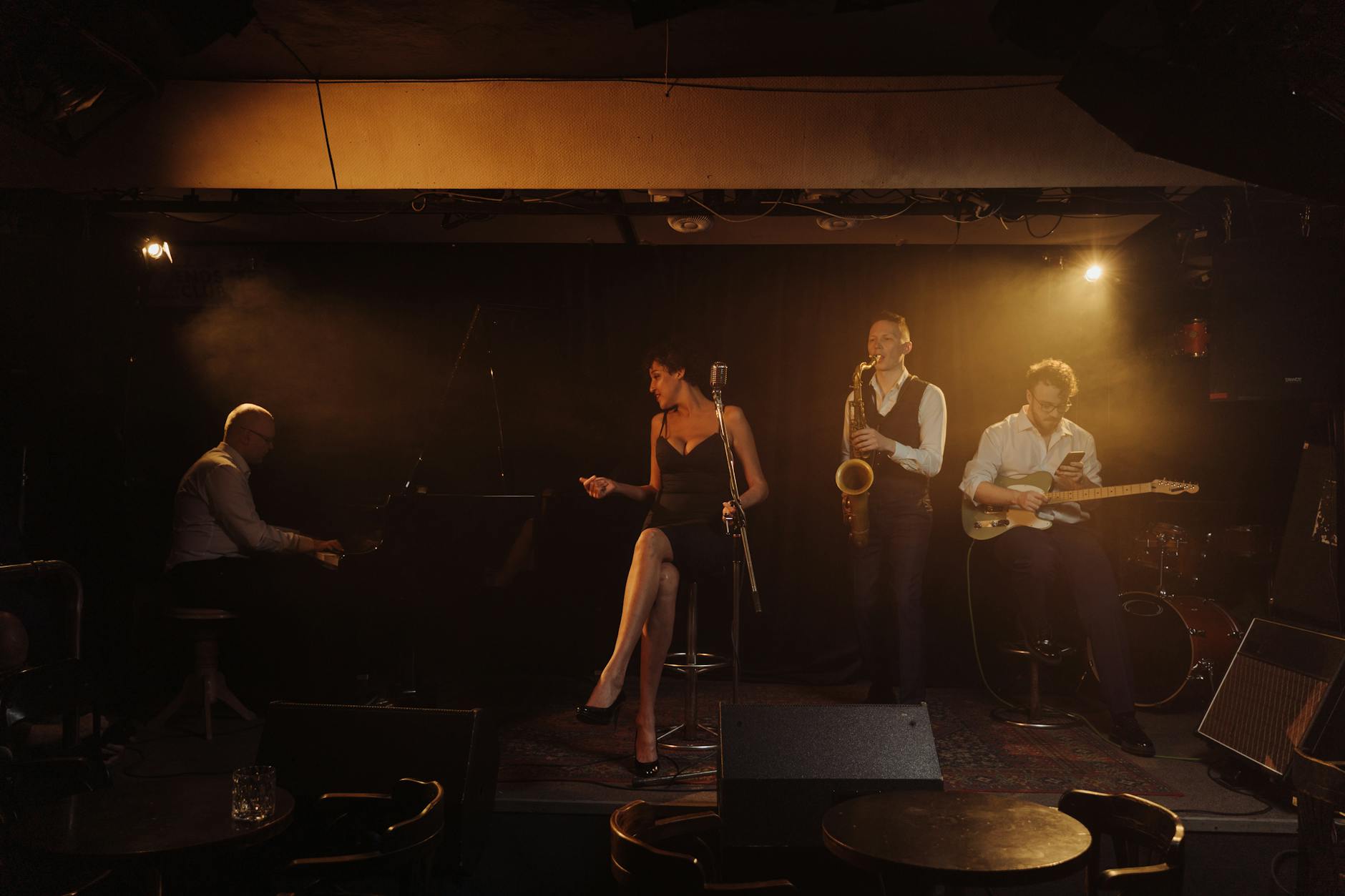
For ten days every July, Copenhagen stops being a city with some jazz in it and becomes, briefly, the jazz capital of Europe. Music spills out of concert halls and tiny cellar clubs, yes — but also out of churches, parks, courtyards, café doorways and onto the harbourfront, much of it completely free. The Copenhagen Jazz Festival is one of the largest jazz events in the world, and it’s the rare festival where you can stumble into world-class music by accident, with no ticket and no plan. I’ve spent whole days just following the sound from one square to the next, and it remains my favourite week to be in the city.
This is the guide I wish I’d had the first time: the 2026 dates, how the free-versus-ticketed thing actually works, the best venues, and a strategy for building a brilliant day around the festival whether or not you buy a single ticket.
Copenhagen Jazz Festival at a glance
- 2026 dates: 3–12 July 2026 (always ten days from the first Friday of July)
- Scale: around 1,100+ concerts at roughly 120 venues across the city
- Cost: a huge number of free outdoor and public concerts; ticketed indoor shows from ~150 DKK
- Where: citywide — concert halls, jazz clubs, churches, parks, squares and the harbour
- Best for: music lovers, spontaneous wanderers, and anyone who likes free culture
- Winter sibling: Vinterjazz, a nationwide spin-off each February
When is the Copenhagen Jazz Festival 2026?
The festival runs from Friday 3 July to Sunday 12 July 2026. The timing is easy to remember because it never really changes: the Copenhagen Jazz Festival always begins on the first Friday of July and runs for ten days. That places it right in the warm heart of the Danish summer, when the evenings are long and light and the city is at its most outdoors-loving — perfect for the open-air side of the programme. If you’re choosing when to visit, my guide to Copenhagen in July sets the seasonal scene.
A city with jazz in its bones
The festival in its current form has run since 1979, but Copenhagen’s love affair with jazz goes back much further. In the 1950s and ’60s the city became a European haven for American jazz musicians — legends like Dexter Gordon, Ben Webster, Stan Getz and Kenny Drew lived and played here, drawn by appreciative audiences and a relaxed scene. The legendary club Jazzhus Montmartre was at the centre of that golden age, and it still hosts concerts today. Knowing this history changes how the festival feels: you’re not at a manufactured event, you’re plugged into a genuine, decades-deep jazz tradition that the city wears with quiet pride.
How big is it, really?
Big enough to be slightly overwhelming, in the best way. The festival programmes around 1,100 concerts at roughly 120 venues over its ten days, drawing more than a quarter of a million attendances. That spread is the whole point — from a hushed cellar where 80 people lean in around a trio, to a free open-air stage in a park where hundreds sprawl on the grass. It means there is always, genuinely always, something happening within a short walk of wherever you are. The trick isn’t finding jazz; it’s choosing.
Free vs ticketed: how it works
This is the most important thing to understand, and it’s wonderful news for your wallet. The festival runs on two parallel tracks. There’s a large slate of ticketed indoor concerts — the headline names, the big halls, the famous clubs — and alongside it an enormous programme of free concerts in public spaces: open-air stages in parks and squares, churches, café terraces, courtyards and along the harbour. You could attend the festival for ten days, see fantastic music every single day, and never pay for a ticket.
Ticketed shows typically start from around 150 DKK (roughly €20), with the bigger names and grand venues costing more. My advice is to do both: anchor an evening or two with a ticketed show you really want, and fill the daytime with free discoveries. For how the money works in the city generally, see my Copenhagen money guide.
The best venues
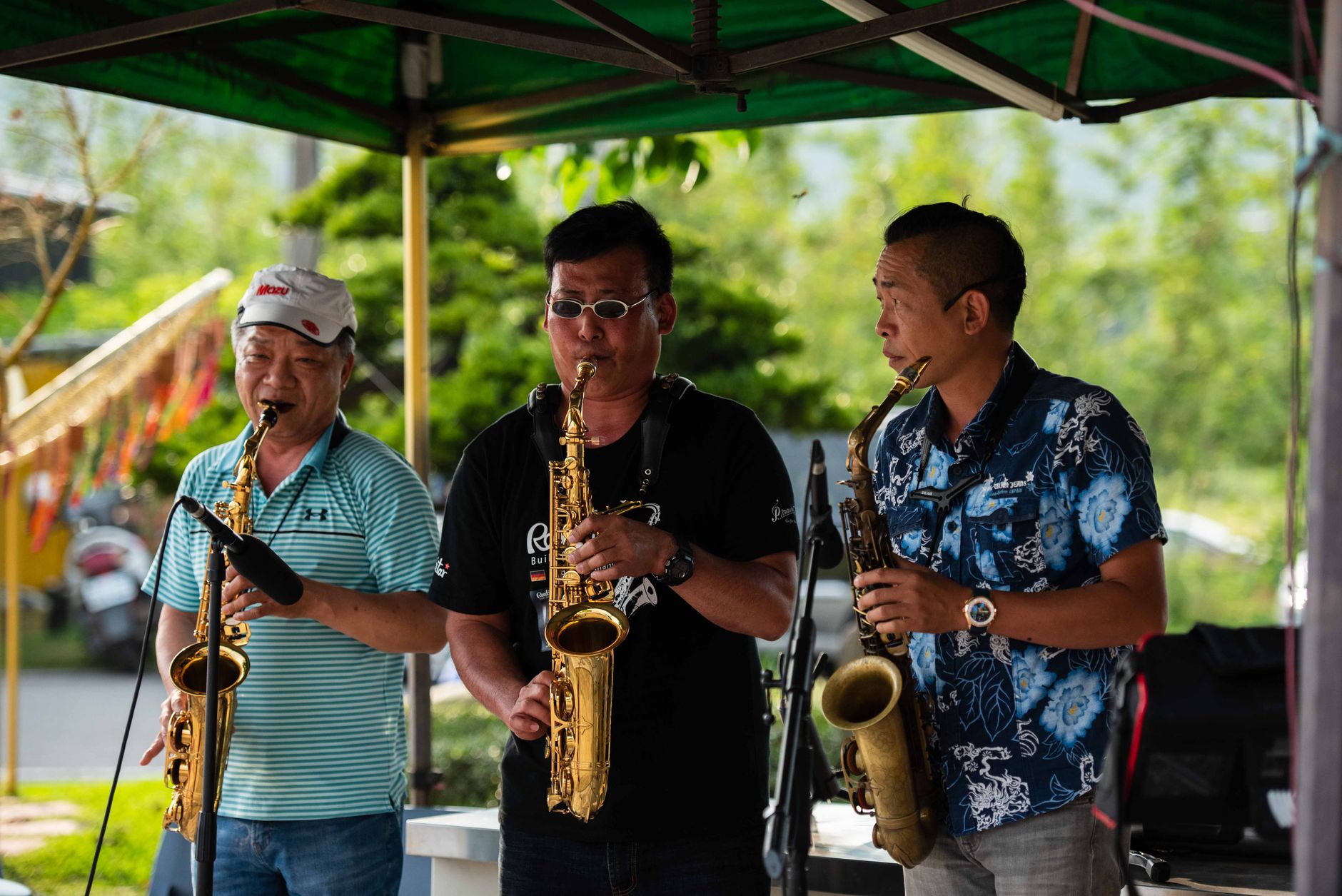
Part of the joy is the sheer variety of spaces. A few worth seeking out:
- Jazzhus Montmartre — the historic, intimate club at the heart of Copenhagen’s jazz legend; tiny, atmospheric, and a pilgrimage in itself.
- La Fontaine — the city’s oldest jazz bar, famous for its late-night jam sessions where you never quite know who’ll sit in.
- DR Koncerthuset — the Jean Nouvel-designed concert hall, for the big, acoustically pristine shows.
- Tivoli Gardens — concerts amid the pleasure-garden magic (and an excuse to visit Tivoli).
- The Black Diamond (Royal Library) — striking waterfront architecture and a fine concert space.
- Churches and squares — Brorsons Kirke and others host gorgeous concerts, while squares like Kongens Have, Vandkunsten and Sankt Hans Torv carry the free outdoor programme.
The free-shows strategy: a self-guided jazz day
Here’s how I’d spend a ticket-free day at the festival, and honestly it’s some of the best free fun in Europe. Start mid-morning with coffee near Kongens Have (the King’s Garden), where free concerts often run through the day on the lawns. Drift into the old town for lunchtime sets in squares like Vandkunsten, then over toward Nørrebro and Sankt Hans Torv for the afternoon. As evening falls, head to the harbourfront for sunset sets, then finish with a late jam session at La Fontaine. Total spend: a few coffees and a meal. Total music: a dozen acts, zero tickets.
The key tool is the festival’s official programme and app, which lets you build a personal schedule, see maps and grab tickets where needed. Because so much is free and walk-up, you can also just follow your ears — one of the genuine pleasures here.
Jazz for the whole family
The festival isn’t only for late-night cognoscenti. The “Jazz for Kids” strand puts on family-friendly concerts, circus, painting workshops and sing-alongs, often in the parks to the east of the city — a lovely, low-stress way to introduce children to live music. Combined with the abundance of free, open-air, come-and-go concerts, the festival is one of the easier big events to enjoy with kids in tow; see my family guide to Copenhagen for more family ideas.
Getting around between venues
Don’t even think about a car. The festival is built for walking and cycling, and many venues cluster in the compact old town within easy strolling distance of each other. For longer hops — out to a park concert or across to Nørrebro — the metro, buses and city bikes have you covered. The festival app’s map function is genuinely useful for plotting an efficient route between sets. My getting around Copenhagen guide explains the transport and tickets.
Practical tips
- Book the headliners early. Popular club and concert-hall shows (Montmartre, DR Koncerthuset) sell out well ahead — several 2026 shows are already going fast.
- Book your hotel early too. Early July is peak season; central rooms fill up. See where to stay.
- Arrive early for free shows. The best open-air sets draw crowds; turn up ahead of the slot to get a good spot.
- Pack for variable weather. Early July is mild (low 20s °C) but showers happen — a light layer and a packable rain jacket keep an outdoor day on track.
- Mix it up. One ticketed evening show plus free daytime sets is the sweet spot for budget and experience.
What about Winter Jazz?
If you can’t make July, there’s a consolation prize. Vinterjazz (Winter Jazz) is the festival’s February sibling — a nationwide event with hundreds of concerts at venues across Denmark over several weeks. It’s cosier and more indoor by nature, a lovely antidote to the dark Danish winter, and proof that Copenhagen’s jazz scene isn’t just a summer fling. It pairs well with the quieter, hygge-heavy months covered in our guide to timing your trip.
Is the Copenhagen Jazz Festival worth planning a trip around?
For music lovers, absolutely — it’s one of the great jazz events anywhere, and the free programme makes it astonishingly accessible. But here’s the thing: even if you’re not a die-hard jazz fan, the festival transforms the city into something special. The squares hum, the harbour swings, and you keep wandering into beautiful moments you didn’t plan. If your dates are flexible, timing a Copenhagen trip for early July is one of the best calls you can make. If you’re around in late June, the nearby Roskilde Festival overlaps the opening days — and don’t miss the city’s brilliant nightlife after dark.
A deeper look at Copenhagen’s jazz heritage
To understand why this festival feels so authentic, it’s worth dwelling on the history. In the 1950s and 1960s, as the American civil-rights struggle made life hard for Black musicians at home, a number of the era’s greatest jazz artists found a warmer welcome in Europe — and Copenhagen became one of their favourite havens. Dexter Gordon lived here for years; Ben Webster spent his final decade in the city and is buried here; Stan Getz, Kenny Drew, Thad Jones and others all called Copenhagen home for periods. The club Jazzhus Montmartre was the crucible of that scene, hosting now-legendary sessions. This isn’t a city that bolted a jazz festival onto its tourism calendar; it’s a city with genuine, lived jazz history, and the festival is the annual flowering of a tradition that’s been growing for seventy years. Knowing that, a set in a tiny cellar club takes on a little extra magic.
The venues, in more depth
The festival’s spread across roughly 120 venues is part of its charm, and the character of each space shapes the music. The intimate clubs — Jazzhus Montmartre with its handful of tables, La Fontaine’s late-night jam-session haze — are where you feel the music breathing in the room. The grand halls like DR Koncerthuset and the Tivoli Concert Hall deliver pristine sound for the marquee international names. The churches, with their soaring acoustics, host gorgeous, contemplative concerts that are among the festival’s hidden gems. And the outdoor and public spaces — Kongens Have, harbourfront stages, neighbourhood squares — carry the free programme and the festival’s open, democratic spirit. A great festival plan mixes at least three of these textures: a club, a church or hall, and a free outdoor set.
How to buy tickets and read the programme
The logistics are straightforward once you know the system. The full programme is published ahead of the festival on the official site (jazz.dk) and in the festival app, which is the tool to use: you can browse by date, genre or venue, build a personal favourites list, see maps, and buy tickets directly. Ticketed shows are sold per concert, typically from around 150 DKK, and the most in-demand club and hall shows sell out well in advance — so if there’s a specific name you must see, book as soon as the programme drops rather than hoping for the door. Free concerts need no booking at all; you simply turn up, though for the most popular open-air sets it pays to arrive early. A smart approach is to pre-book one or two headline evenings and leave your days loose for free, follow-your-ears wandering.
A suggested three-day jazz plan
If you’re building a trip around the festival, here’s a rhythm that works beautifully. Day one: ease in with free daytime concerts in Kongens Have and the old-town squares, then a relaxed evening club set at La Fontaine to soak up the jam-session vibe. Day two: spend the afternoon hopping free harbourfront and church concerts, then go big with a ticketed headline show at DR Koncerthuset or the Tivoli Concert Hall. Day three: a pilgrimage to Jazzhus Montmartre for an intimate set, bookended by free outdoor music and a final late-night jam. Across three days you’ll have heard a dozen-plus acts, spent relatively little, and experienced every texture the festival offers — from grand hall to smoky cellar to sunny square.
Jazz in Copenhagen year-round
The festival is the peak, but Copenhagen’s jazz scene never really sleeps. Jazzhus Montmartre and La Fontaine run concerts and jam sessions throughout the year, and the city’s bars and small venues keep live jazz flowing well outside July. If you can’t make the summer festival, remember the February Vinterjazz spin-off brings hundreds of concerts to venues across Denmark in the depths of winter — arguably the cosiest way to experience Danish jazz, paired with the candlelit hygge of the season. Either way, jazz is woven into the fabric of the city, not just its calendar, so a music-minded visitor will find something playing most nights of the year.
Tips for first-time festival-goers
If this is your first Copenhagen Jazz Festival, a few pointers will sharpen the experience. Don’t over-plan. Some of the best moments come from following the sound into a square or church you hadn’t intended to visit, so leave gaps in your schedule for serendipity. Do, however, lock in one or two must-see ticketed shows early — the big names and the intimate clubs sell out. Pace your days: the festival runs morning to late night for ten days, so you can’t catch everything; pick a couple of anchors each day and let the rest flow. Eat as you go — many free concerts are near cafés, food halls and the harbour, so you can graze between sets. And download the festival app before you arrive; its map and personal-schedule features turn a sprawling programme into something manageable. Above all, treat the free outdoor programme as the backbone of your trip and the ticketed shows as the highlights — that’s how locals do it, and it keeps both the experience and the budget in balance.
Is it worth visiting Copenhagen just for the jazz?
For a committed jazz fan, honestly, yes — there are few places on earth where you can hear this much high-calibre jazz, much of it free, in such a beautiful and walkable city, all underpinned by genuine seventy-year heritage. But here’s the broader truth: even if you’re only a casual listener, timing your Copenhagen trip for early July means the city itself is transformed. The squares hum with music, the harbour swings at sunset, churches fill with sound, and you keep wandering into lovely moments you didn’t plan. You get a world-class jazz festival and Copenhagen at its summer best, with long light evenings and an outdoors-loving city in full swing. So while die-hard fans will build a whole trip around it, everyone else gets a wonderful bonus layered on top of a normal visit. If your dates are flexible, it’s one of the best windows in the year to come — and it pairs naturally with the other highlights in my Copenhagen events calendar.
Frequently asked questions
When is the Copenhagen Jazz Festival 2026?
It runs 3–12 July 2026. The festival always begins on the first Friday of July and lasts ten days.
Is the Copenhagen Jazz Festival free?
Partly — there’s a large programme of free outdoor and public concerts in parks, squares, churches and along the harbour, alongside ticketed indoor shows. You can enjoy the festival without buying a single ticket.
How much do tickets cost?
Ticketed concerts typically start from around 150 DKK, with bigger names and grand venues costing more. Buy through the official festival programme/app.
Where are the best jazz venues?
Historic clubs like Jazzhus Montmartre and La Fontaine, the DR Koncerthuset concert hall, Tivoli, the Black Diamond, plus countless churches, squares and harbour stages.
How many concerts are there?
Around 1,100 concerts at roughly 120 venues over the ten days — one of the largest jazz festivals in the world.
What is Winter Jazz?
Vinterjazz is the festival’s February spin-off, with hundreds of concerts across Denmark — a cosier, indoor counterpart to the summer event.
Plan the rest of your summer visit with the full Copenhagen events & festivals calendar, and if you’re here in June, don’t miss Distortion Festival, Copenhagen Pride in August, or the Cooking & Food Festival that closes the summer.
Last updated: July 2026. Festival dates are confirmed for 2026 but the exact programme and line-up are released closer to the event — always check jazz.dk before booking.