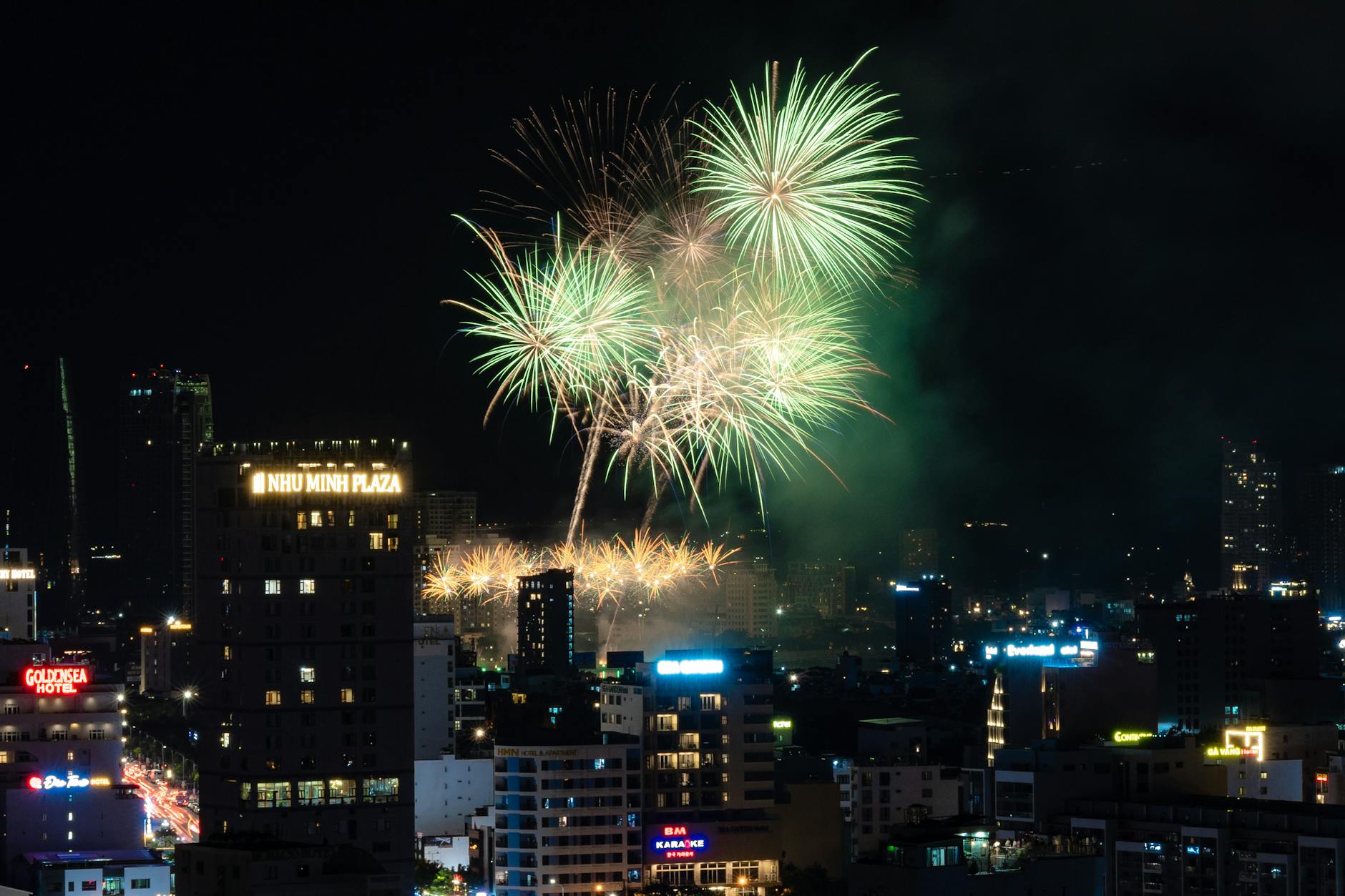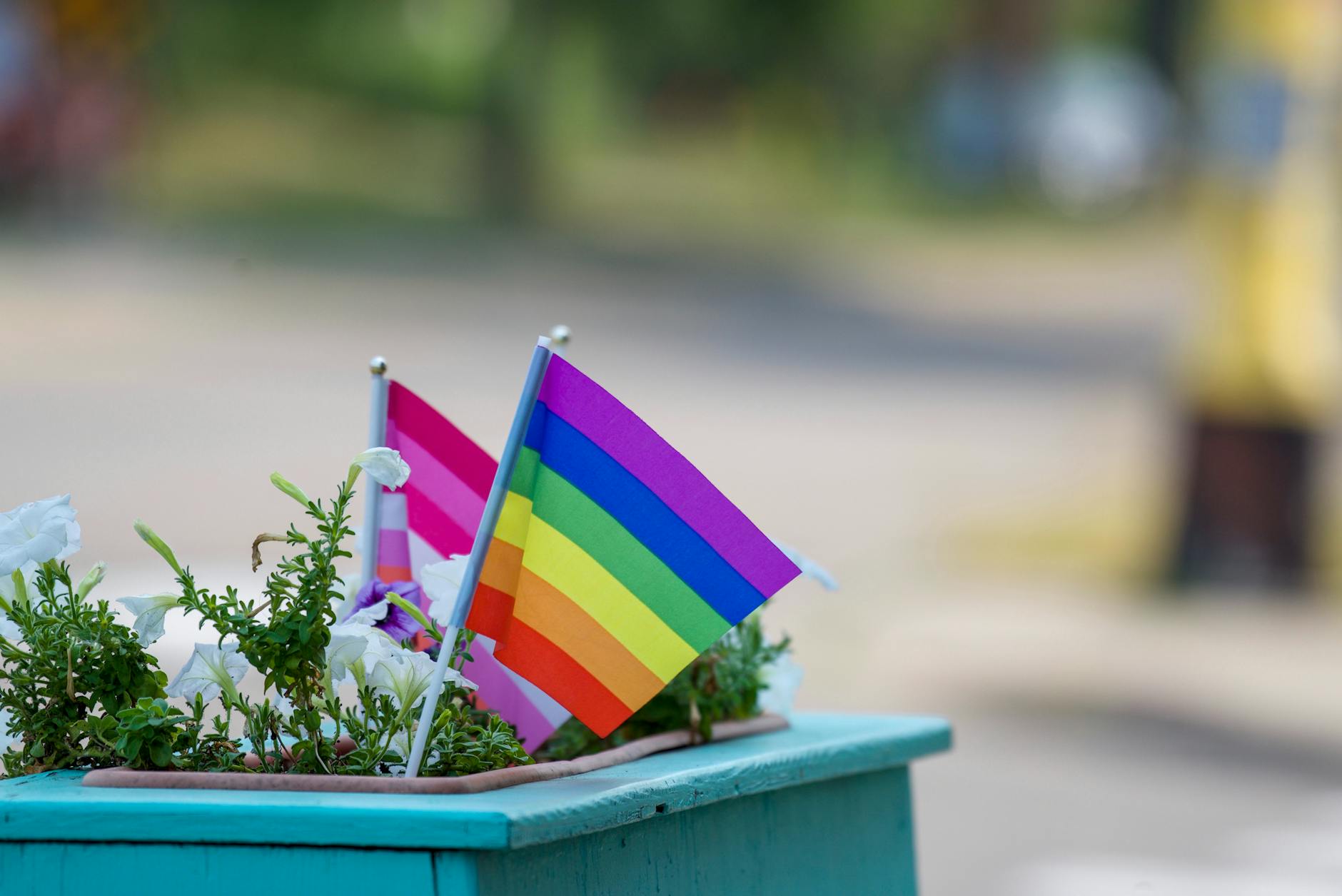
Few cities throw a party quite like Copenhagen does for Pride. For one week every August the whole centre turns rainbow, City Hall Square becomes “Pride Square,” and hundreds of thousands of people line the streets for one of the biggest, warmest Pride celebrations in Europe. Copenhagen Pride is part jubilant street party, part human-rights march, and entirely welcoming — and as the capital of Denmark, which in 1989 became the first country in the world to legally recognise same-sex partnerships, the city gives it a real sense of history beneath the glitter.
This is an event-focused game plan for Copenhagen Pride 2026: the confirmed dates, the parade route, what happens at Pride Square, and a day-by-day guide to doing the week right. (The city’s wider queer scene — bars, history, neighbourhoods — has its own LGBTQ+ Copenhagen guide.)
Planning the rest of the trip around Pride week? Our guide to Copenhagen in August covers the weather, harbour swimming, the late-August food festival and why hotel prices do not fall as the summer winds down.
Copenhagen Pride 2026 at a glance
- Pride Week: 8–16 August 2026
- Pride Parade: Saturday 15 August 2026 (departs ~1pm)
- Route: Frederiksberg City Hall → Pride Square at Rådhuspladsen (City Hall Square)
- Cost: free — Pride Square events and the parade are open to all
- Scale: Denmark’s largest annual human rights festival; hundreds of thousands of spectators
- Also: Winter Pride each February
These dates are confirmed on the official Copenhagen Pride site, but it’s always worth a final check on copenhagenpride.dk closer to August for the detailed programme.
When is Copenhagen Pride 2026?
Pride Week runs from Saturday 8 August to Sunday 16 August 2026, building all week to the main event: the Pride Parade on Saturday 15 August. If you’ve read older guides quoting mid-week August dates from a previous year, ignore them — 8–16 August is the confirmed 2026 window. For the rest of the season, see the Copenhagen in summer guide.
The Pride Parade
The parade is the beating heart of the week. It sets off around 1pm from Frederiksberg City Hall (Frederiksberg Rådhusplads) and winds roughly 3–4 kilometres through the city — along Allégade and Frederiksberg Allé, down Vesterbrogade and into the centre — finishing at Pride Square on Rådhuspladsen. Expect upwards of 25,000 marchers in around 160 groups, with floats, music and colour, cheered on by hundreds of thousands of spectators packing the route. Crucially, this is both a celebration and a demonstration: anyone respectful is welcome to join in and march, not just watch. It typically takes a couple of hours to pass.
Where to watch the parade
For atmosphere, grab a spot along Vesterbrogade or near the finish at Rådhuspladsen, where the energy peaks as floats roll in. Arrive by late morning to claim a good kerbside position, especially near the square. If you’d rather march than watch, just join a group along the route — the whole point is participation.

Pride Square at Rådhuspladsen
All week, City Hall Square is transformed into “Pride Square,” the festival’s free hub. There’s a stage with a packed nightly programme — live music, DJs, drag, debates, community singing, talks — plus a queer flea market, photo exhibitions and showcases of young queer talent. With well over a hundred events across the week, the vast majority free, Pride Square is where you’ll spend much of your time even when there’s no parade. A recurring highlight before the weekend is Drag Night, and a closing show wraps things up on the Saturday evening.
A history worth standing in
Copenhagen Pride sits on remarkable foundations. Denmark was the first country in the world to legally recognise same-sex partnerships, in 1989 — the first couple registered their union at Copenhagen City Hall, the very building Pride Square now surrounds. The city also hosted WorldPride in 2021 (combined with the EuroGames), cementing its standing as a global capital of LGBTQ+ celebration. When you’re dancing in the square, you’re doing it on genuinely historic ground.
A day-by-day Pride Week game plan
Here’s how to pace the week so you catch the best of it:
- Sat 8 Aug — Opening: head to Pride Square for the kick-off and get a feel for the festival hub.
- Weekdays (10–13 Aug): dip into the daytime and evening events at Pride Square; the official programme lists what is on each day.
- Fri 14 Aug — Build-up: the eve of the parade; spend the evening around the bars of Studiestræde and Vesterbro.
- Sat 15 Aug — Parade day: the main event. Stake out a spot mid-morning, watch (or join) the parade, then stay for the closing show and the street parties that spill out across the centre.
- Sun 16 Aug — Wind-down: gentler recovery events to close the week.
Accessibility and families
Pride is for everyone. Pride Square has step-free access (though there are cobblestones), with a designated wheelchair area at the stage and platforms for the parade’s peak days; the easiest arrival is the M3 metro to City Hall Square. The week is genuinely family-friendly by day, with family concerts, kids’ craft zones, harbour swims and daytime programming — the clubs and after-parties are simply the grown-up evening layer. For more on visiting with children, see Copenhagen with kids.

After the parade
Once the parade reaches Pride Square, the celebration rolls on into the evening with the closing show and spontaneous street parties around Studiestræde and into Vesterbro. The city’s gay bars and clubs run special Pride nights all week. For a completely different flavour of Copenhagen street party, the June Distortion Festival takes over the same neighbourhoods with electronic music and open-air raves.
Practical tips
- Book accommodation early. Pride weekend is busy, so reserve central hotels near Vesterbro, the city centre and Frederiksberg well ahead. See where to stay.
- Plan for road closures. The parade route closes to traffic on the Saturday afternoon; the centre is walkable and the M3 metro serves City Hall Square. My getting around guide helps.
- Bring the essentials: water, sunscreen, comfortable shoes for the cobbles, a little cash for merch, and your rainbow gear.
- Be respectful. It’s a human-rights march as well as a party — ask before photographing people and follow the marshals’ guidance.
- Relax about safety. Copenhagen is extremely welcoming and safe; just use normal crowd awareness on parade day (see is Copenhagen safe).
Is Copenhagen Pride worth visiting?
If you can time a trip for it, yes — wholeheartedly. It’s one of Europe’s biggest and friendliest Prides, almost entirely free, set in a city that genuinely lives its values rather than just flying a flag for a weekend. Whether you march, watch, or simply soak up Pride Square, it shows Copenhagen at its most joyful. Build the rest of your trip around it with our Copenhagen events & festivals calendar, and if your dates are flexible the early-July Copenhagen Jazz Festival is the other unmissable summer highlight.
The history behind Copenhagen Pride
Copenhagen Pride doesn’t just celebrate — it commemorates a genuinely pioneering history. Denmark decriminalised homosexuality in 1933, decades ahead of much of the world, and in 1989 became the first country anywhere to legally recognise same-sex partnerships. The very first couple, the long-time activists Axel and Eigil Axgil, registered their union at Copenhagen City Hall — the building Pride Square now wraps around each August. Marriage equality followed in 2012, and the country has since added legal gender self-determination (2014) and strong anti-discrimination protections. The modern festival took the name “Copenhagen Pride” in 2004, and the city’s global standing was sealed when it hosted WorldPride in 2021 alongside the EuroGames. When you march or watch today, you’re part of a tradition that helped write the playbook for LGBTQ+ rights — which is exactly why the celebration feels so heartfelt rather than merely festive.
What happens at Pride Square, day by day
Pride Square at Rådhuspladsen is the festival’s living room for the whole week, and there’s far more to it than the parade day. Across the eight days you can expect a continuously rotating free stage programme: live music and DJs, drag performances, panel debates on LGBTQ+ rights and culture, community singing, and showcases of young queer talent. Around the stage there’s a queer flea market, photo exhibitions, food and bars, and information stalls from community organisations. A recurring highlight is Drag Night before the weekend, and the week builds to the parade and a big closing show on the Saturday. Even if you only have a couple of days, dropping into Pride Square in the evening gives you the heart of the festival without needing to plan around any single ticketed event — because almost everything here is free.
Winter Pride and year-round celebration
The August festival is the headline, but Copenhagen Pride also runs Winter Pride each February — a smaller, cosier event with films, comedy, workshops and debates, plus a big party, mostly centred on the cultural house Huset-KBH. It’s a lovely off-season alternative if you can’t make the summer, and it reflects how the organisation works as a year-round human-rights body, not just a one-week party. Between the two, and the city’s permanently welcoming everyday culture, Copenhagen offers something for LGBTQ+ visitors whatever the season — our full guide to when to visit weighs up each month.
Pride with kids and families
One of the loveliest things about Copenhagen Pride is how genuinely family-friendly the daytime is. Far from being an adults-only event, the week includes family concerts, children’s craft zones, harbour swims and relaxed daytime programming at Pride Square, and the parade itself is a joyful, all-ages spectacle full of families with kids on shoulders waving flags. The clubs and after-parties are simply the grown-up evening layer you can opt into or skip. If you’re travelling with children, plan to enjoy Pride Square and the parade by day; our full guide to Copenhagen with children covers the rest of the trip.
Where to stay for Pride
Pride week is busy, so accommodation is the one thing to sort early. For walkability to the parade and Pride Square, look at the city centre, Vesterbro and Frederiksberg — all within easy reach of the route and the nightlife. Vesterbro in particular puts you near the bars and the Meatpacking District for the evening scene, while staying central means you can dip in and out of Pride Square without a long trek. Book well ahead for the mid-August dates. The guide to Copenhagen’s best areas to stay breaks down the neighbourhoods.
Etiquette and being a good guest
A final word on doing Pride well. Copenhagen Pride is a celebration and a human-rights demonstration, so a little awareness goes a long way: ask before photographing people, follow the marshals’ and stage guidance, and remember that for many marchers this is meaningful and personal, not just a party backdrop. Whether you’re part of the community or an ally, you’re warmly welcome — bring your enthusiasm, your rainbow gear and your respect, and you’ll be embraced. It’s this combination of joyful openness and genuine substance that makes Copenhagen Pride one of the most rewarding Prides in the world to attend.
The parade experience, hour by hour
Parade day (Saturday 15 August in 2026) is the emotional peak of the week, and knowing how it unfolds helps you make the most of it. In the late morning, groups gather and assemble near Frederiksberg City Hall while spectators stake out spots along the route — get into position by around midday if you want a good kerbside view near the finish. Around 1pm the parade sets off, and over the next couple of hours tens of thousands of marchers, floats, sound systems and dancers wind through Frederiksberg and Vesterbro toward the city centre. The energy builds as the procession approaches Pride Square at Rådhuspladsen, where it culminates in the afternoon. From there the celebration rolls into the evening with a closing show and street parties spilling across the centre. Whether you march or watch, the sheer scale and warmth of it — hundreds of thousands of people lining the streets in support — is genuinely moving, not just fun.
Beyond the parade: making a week of it
It’s easy to fixate on parade day, but Pride Week rewards visitors who dip in across several days. The daytime programme at Pride Square spans debates, workshops, family events, the queer flea market and talks, while the evenings bring live music, DJs, drag and community singing. Different days have different flavours — Drag Night before the weekend is a marquee evening, and the opening and closing days bookend the festival with their own ceremonies. If your trip allows, treat Pride as a week-long festival rather than a single Saturday: drop into the square in the evenings, catch a debate or a drag show, browse the market, and let the parade be the crescendo rather than the whole experience. It’s a far richer way to engage with what Copenhagen Pride actually is — a human-rights festival as much as a party.
Safety and accessibility, in practice
Copenhagen is one of the safest and most welcoming cities in the world for this kind of event, and Pride is well organised. On the practical side: Pride Square has step-free access (though there are cobblestones), with a designated wheelchair area at the stage and platforms on the peak parade days; the easiest arrival is the M3 metro to City Hall Square. On parade day, expect road closures along the route in the afternoon, so plan to walk or use the metro. Standard big-event sense applies — keep an eye on your belongings in the dense crowds, stay hydrated in the August warmth, and wear comfortable shoes for the cobbles. Beyond that, you can relax: this is a famously friendly, inclusive crowd in a city where LGBTQ+ acceptance is simply the norm. For the broader picture, read up on whether Copenhagen is safe.
A few extra tips for Pride week
Some final practicalities to smooth your visit. Book accommodation as early as you can — mid-August Pride weekend is peak demand, and the best-located places near Vesterbro, the centre and Frederiksberg go fast. Bring the basics: water, sunscreen, comfortable shoes, a little cash for merch (buying the official bracelet or merchandise is how you support a largely free festival), and your boldest rainbow gear. Build in recovery time — it’s a long, joyful week, and the Sunday wind-down events are a gentle way to close it out. And if your trip stretches into late June, music fans can swing out of the city to the enormous Roskilde Festival, a short train ride away.
Frequently asked questions
When is Copenhagen Pride 2026?
Pride Week runs 8–16 August 2026, with the main Pride Parade on Saturday 15 August. Check copenhagenpride.dk for the detailed programme closer to the date.
What time does the Pride Parade start and where?
It departs around 1pm from Frederiksberg City Hall and finishes at Pride Square on Rådhuspladsen (City Hall Square), roughly a 3–4 km route.
Is Copenhagen Pride free?
Yes — the parade and the events at Pride Square are free and open to all. You can support the festival by buying merchandise.
Can anyone join the parade?
Yes. It’s a demonstration as well as a celebration, so anyone respectful is welcome to march, not just watch from the sidelines.
Is Copenhagen Pride family-friendly?
Very — the daytime programme includes family concerts, kids’ activities and harbour swims. The clubs and after-parties are the adult evening layer.
What is Winter Pride?
Winter Pride is Copenhagen Pride’s smaller February event, with films, talks, workshops and parties — a cosy off-season counterpart to the August festival.
For the bars, history and neighbourhoods, read the LGBTQ+ Copenhagen guide, and see what else is on in the Copenhagen events & festivals calendar.
Last updated: July 2026. Dates are confirmed for 2026 on copenhagenpride.dk, but the detailed programme is published closer to August — check the official site before you travel.