This is the season the whole city lives for. Here’s the quick version: Copenhagen in summer (June to August) brings peaks around 20–22°C, daylight that stretches to 17.5 hours at midsummer, harbour swimming in clean water, the Sankthansaften bonfires on June 23, and a jam-packed festival calendar led by the Copenhagen Jazz Festival. The trade-off is crowds and prices at their yearly peak — book hotels two-plus months ahead — but honestly, the experiences here in July are hard to beat anywhere in Northern Europe.
The three summer months have their own personalities, so it’s worth knowing the differences before you book. Below: the best things to do, the festivals, where to catch a sunset, what to pack, and how to dodge the worst of the crowds. This guide sits under our best time to visit Copenhagen guide, and if July is your window specifically, the dedicated July guide goes deeper still.
Summer at a glance
| Month | Avg High °C | Daylight | Highlights |
|---|---|---|---|
| June | 20°C / 68°F | 17-17.5 hrs | Sankthansaften June 23, Roskilde Fest, longest days |
| July | 22°C / 72°F | 16-17 hrs | Copenhagen Jazz Fest, Tivoli concerts, harbor swimming peak |
| August | 21°C / 70°F | 14-16 hrs | Copenhagen Pride, locals return, last harbor swims |
In short: June has the longest days and a calmer feel before the rush; July is warmest and busiest; August keeps the warmth but adds the year’s heaviest rainfall and a quieter second half. For the full numbers, our weather by month page breaks it all down.
August deserves its own planning. Copenhagen’s schools go back on 9 August 2027, which thins out the family crowds on weekdays, but hotel prices stay at July levels or above. Our Copenhagen in August guide splits the month into thirds and says which one to pick.
The best things to do in summer
1. Harbour swimming at Islands Brygge
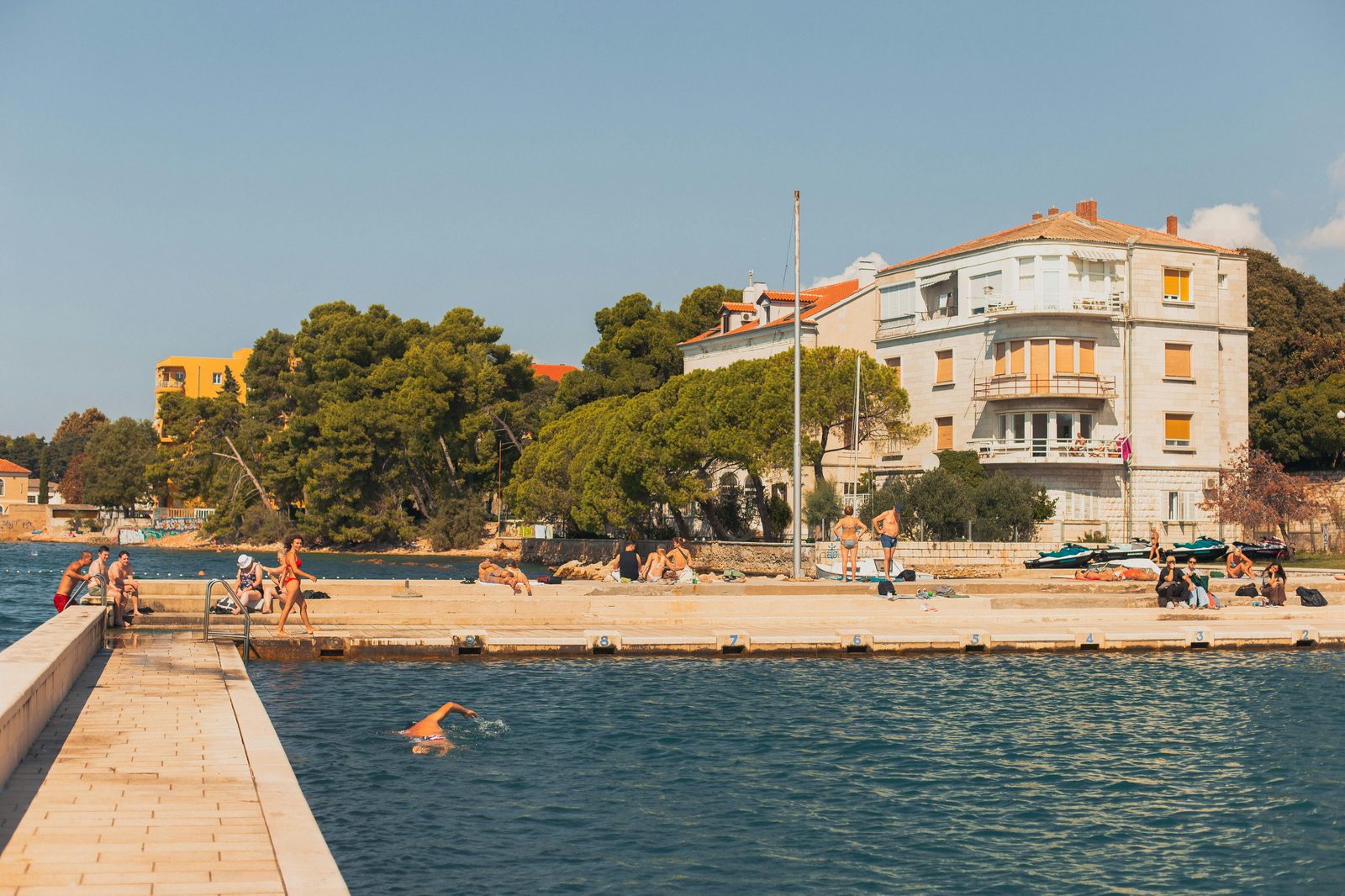
If you do one thing here in summer, make it a swim. The water in the harbour is genuinely clean and tested, and the flagship Islands Brygge Harbour Bath — the city’s first, opened in 2002 — has four pools, lifeguards on duty from June to August, and free public swimming all year. Sluseholmen in Sydhavn is a quieter alternative, and La Banchina on Refshaleøen pairs a tiny sauna with a cold plunge and a wine list. Go on a weekday to skip the sunbathing crowds.
For the full picture, including the four pools at Islands Brygge (a 75-metre lap pool, a five-metre-deep diving pool, a play pool and a toddler pool), the lifeguard season and the busier swimming zone most visitors never find, see our ranking of the Copenhagen harbour baths.
2. Sankthansaften bonfires (June 23)
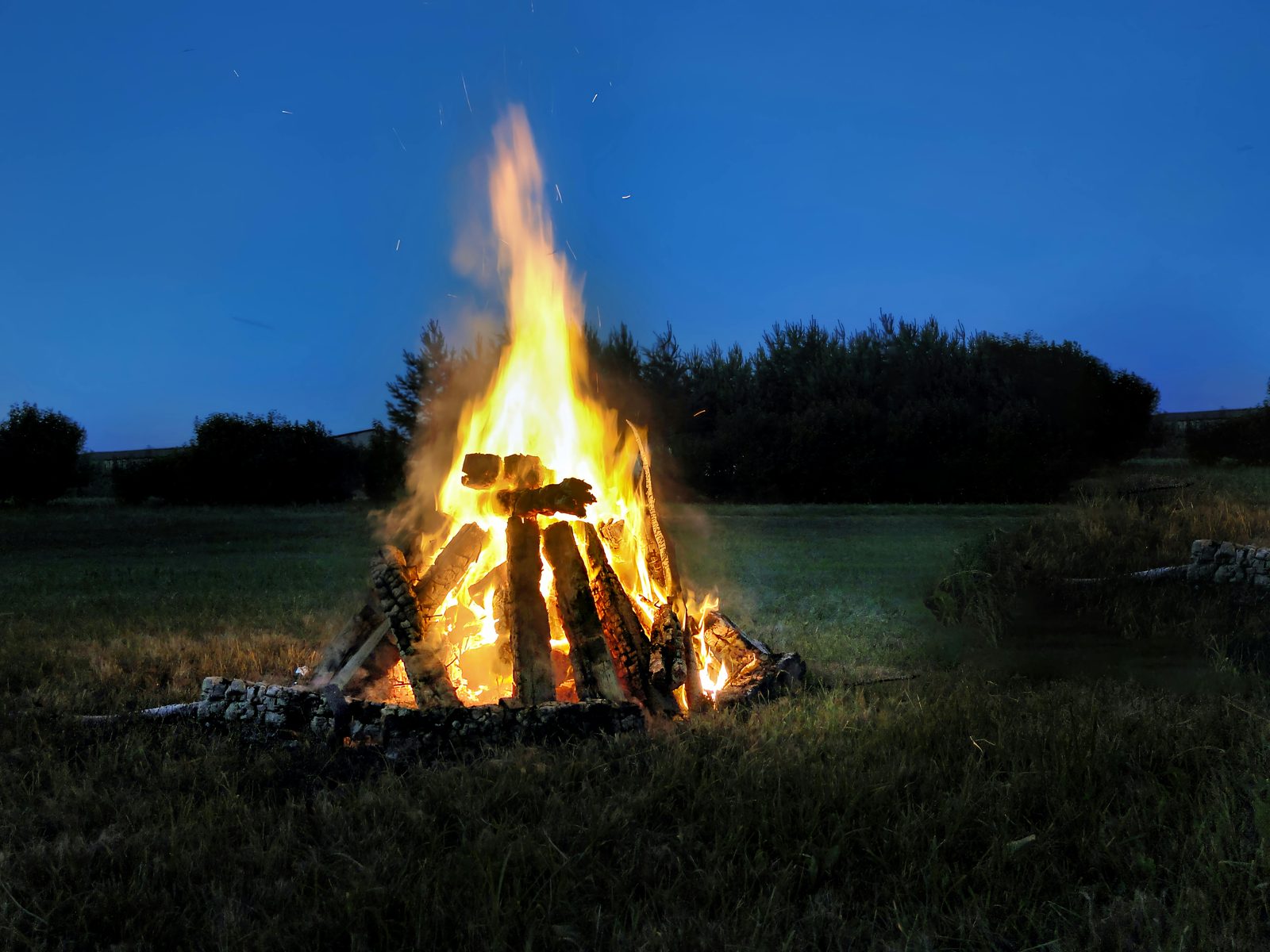
Sankthansaften — Saint John’s Eve, June 23 — is Denmark’s midsummer night, and it’s one of the most atmospheric evenings you can catch here. Bonfires are lit across the city, with the biggest at Fælledparken, Refshaleøen and Amager Strand, and there’s communal singing and speeches as the (barely) setting sun does its thing. Bring a blanket and something to eat, and settle in with the locals. It’s free, and it’s genuinely lovely.
3. The Copenhagen Jazz Festival (early July)

For ten days in early July, the city becomes one enormous stage. The Copenhagen Jazz Festival is Europe’s largest, with more than 1,200 concerts and the majority of them free — outdoor sets in Kongens Have, on Christianshavn’s squares and at the Black Diamond library, plus ticketed nights at venues like Vega and Jazzhus Montmartre. You don’t need to be a jazz obsessive; just wander, follow the sound, and stumble into something. It’s the cultural highlight of the summer — see the wider calendar in our events and festivals guide.
4. Tivoli after dark

Tivoli is worth it any time, but summer nights are when it really sings. There are free Friday Rocks concerts on the Open-Air Stage, fireworks on Saturday nights in August, and that particular Tivoli magic that kicks in once the lights come on around 21:30 in July. An adult ticket is about 145 kr, rides extra. Time your visit for the evening rather than the middle of a hot afternoon. Full details in our Tivoli Gardens guide.
5. Picnics in the parks

The moment it’s warm, locals grab a blanket, a bottle of something and head for the grass. The best spots to join in:
- Fælledparken (Østerbro) — the biggest, with room to spread out.
- Frederiksberg Have — formal gardens with rowing boats for hire on the lake.
- Sønder Boulevard (Vesterbro) — a hip linear park with weekend flea markets.
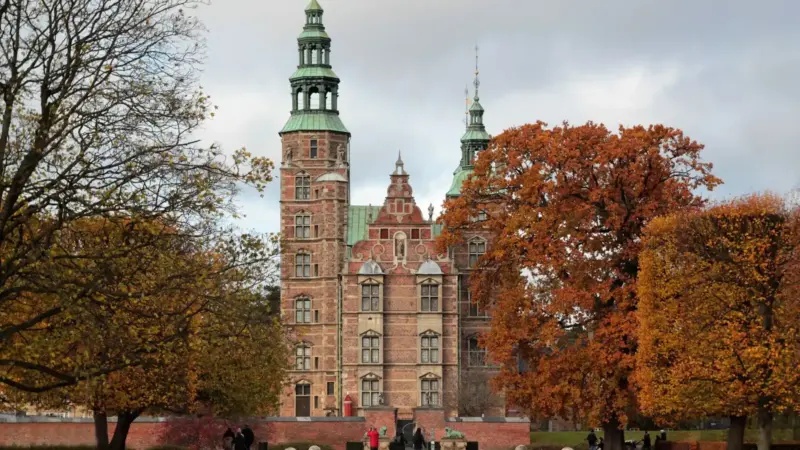
- Kongens Have (Indre By) — central and pretty, with Rosenborg Castle in view.
- Assistens Cemetery (Nørrebro) — atmospheric, green, and quieter than it sounds.
6. Take a GoBoat out

GoBoat, launching from Islands Brygge, is the summer activity visitors love most. The electric, self-drive boats seat up to eight, cost around 449 kr an hour, and need no licence or experience — you just bring a picnic and drinks and potter around the harbour for one to three hours. Prefer paddling? Kayak Republic runs guided harbour tours from around 295 kr. Book a day or two ahead in peak summer, and go late afternoon so you’re on the water for golden hour.
7. Ride the classic bike routes
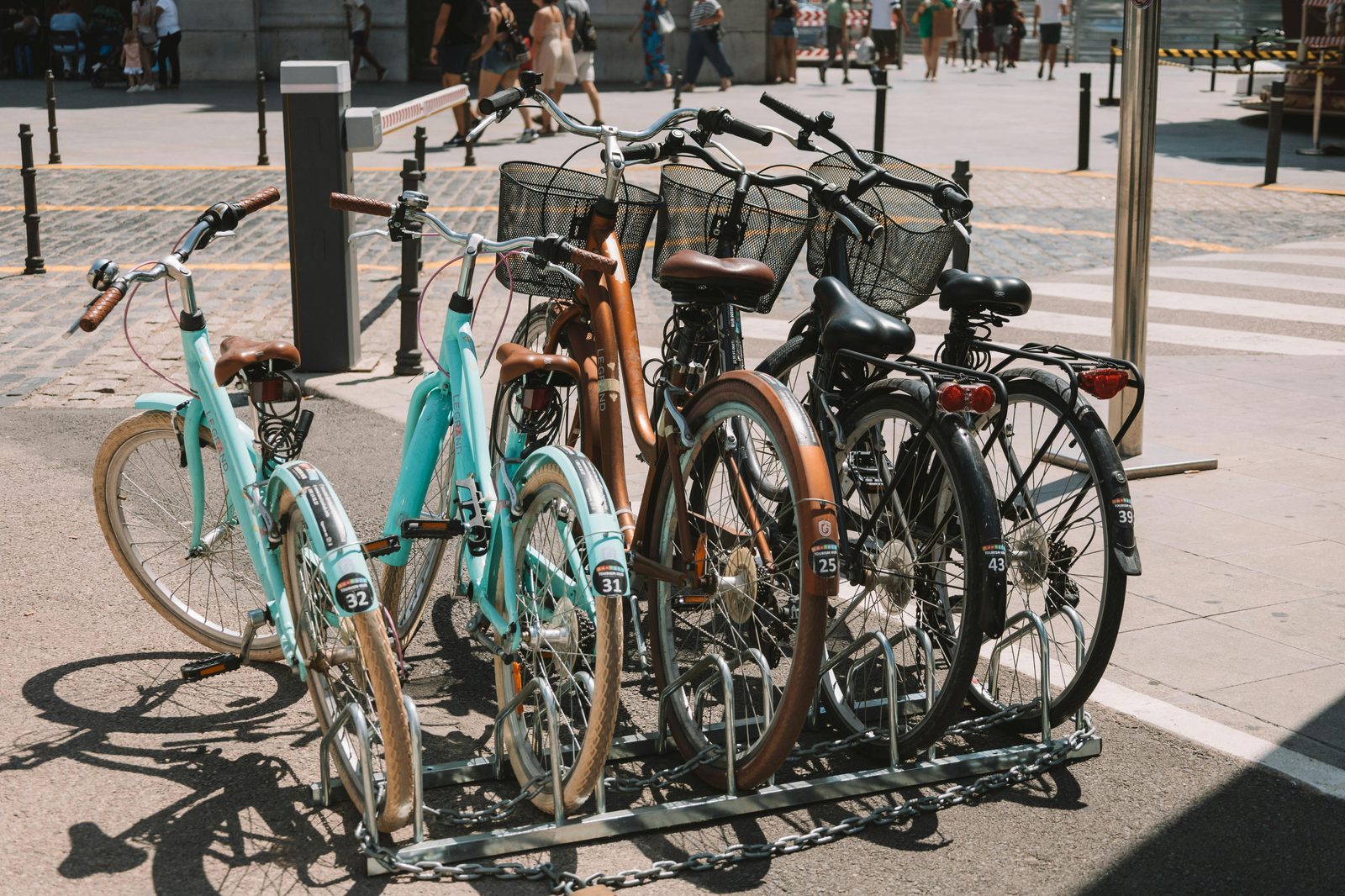
Long daylight plus warm weather makes summer the peak cycling season, though it also means the bike lanes get busy — ride confidently and keep right. Donkey Republic rentals run about 95 kr a day. A few routes worth doing:
- Cykelslangen — the elevated “Bicycle Snake”, short but very photogenic.
- The harbour loop (around 10 km) — Little Mermaid to Christianshavn to Refshaleøen.
- The Klampenborg coast (around 35 km) — out to Bakken and the beach.
- Frederiksberg and Carlsberg (around 12 km) — a gentle west-side tour.
Our bike rental guide covers the apps, prices and rules of the road.
8. Eat outside

Summer pushes the whole food scene outdoors. A few terraces worth aiming for: Café Wilder, the canal-side institution in Christianshavn; Halvandet, a sun-trap on Islands Brygge; Reffen, the sprawling street-food market on Refshaleøen; and the café-lined Bopa Plads in Østerbro. Reserve canal-side tables ahead on sunny weekends. For the full eating-out picture, our Copenhagen food guide has you covered.
The summer festival calendar
Summer is the busiest stretch on the events calendar, and often the festival you want to catch decides your dates:
- Sankthansaften (June 23) — midsummer bonfires, free, citywide.
- Roskilde Festival (late June into early July) — a massive rock festival 30 km west of the city.
- Copenhagen Jazz Festival (ten days, early July) — 1,200-plus concerts, most free.
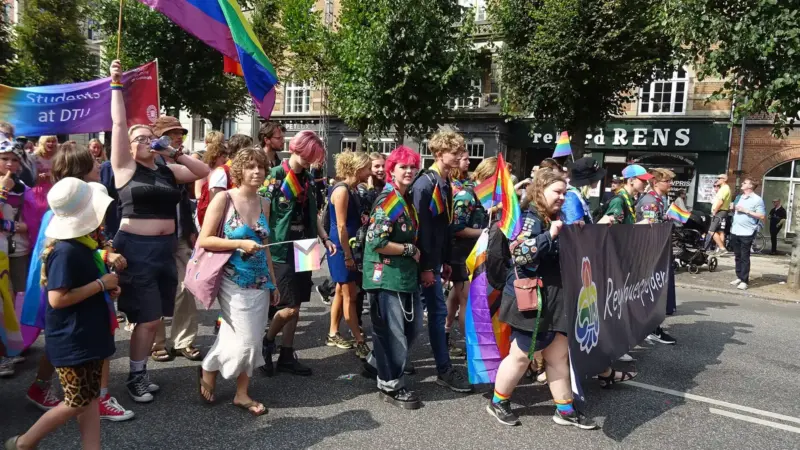
- Copenhagen Pride (mid-August) — a week of events building to the big parade on Saturday.
- Copenhagen Cooking & Food Festival (late August) — dinners, pop-ups and tastings across town.
- Tivoli Friday Rocks — free Friday concerts throughout the season.
Where to catch a summer sunset
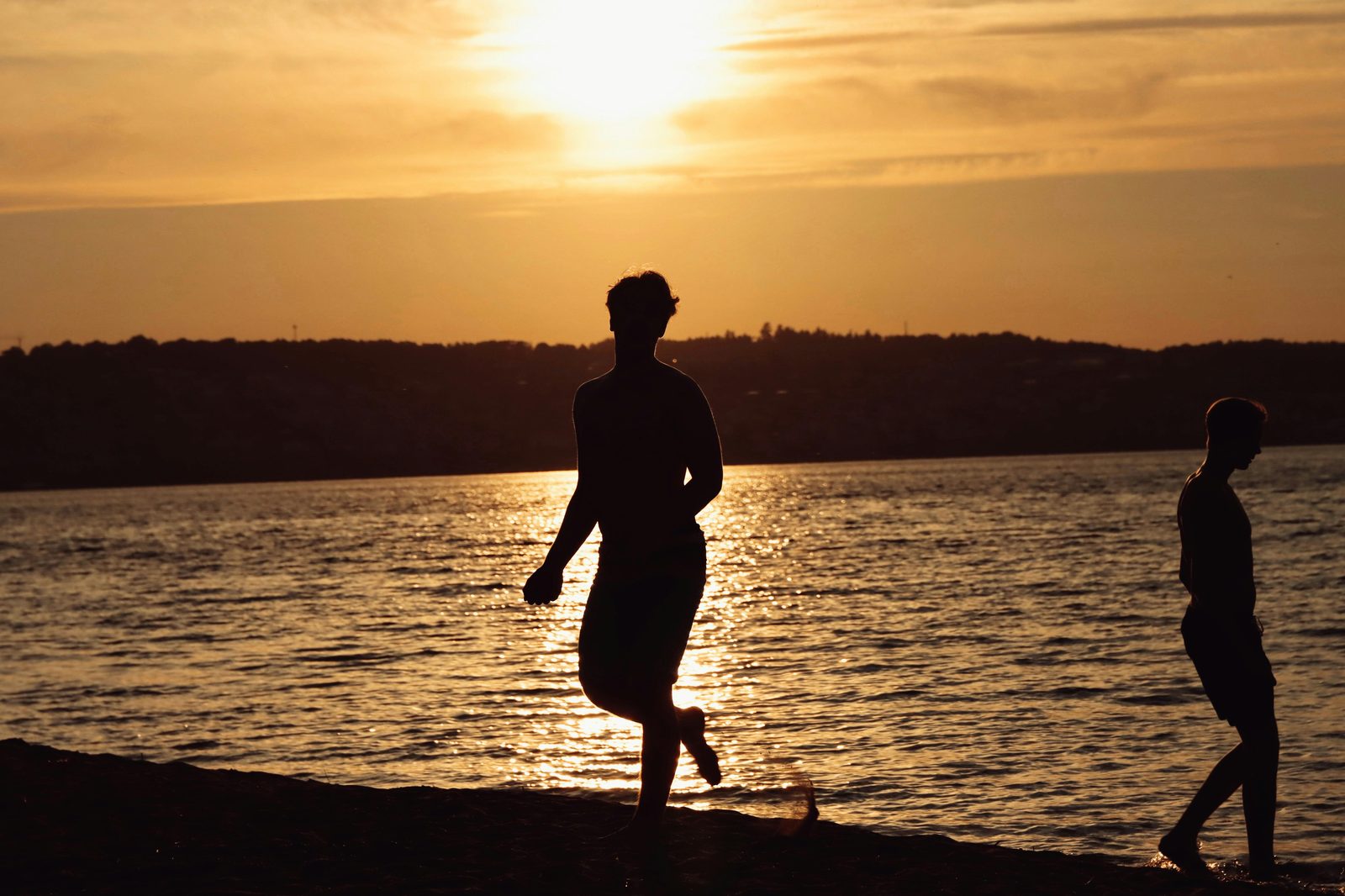
One of summer’s real gifts is how late the light lingers — the sun sets around 21:55 in late June, 21:30 in late July and 20:30 by late August, with twilight adding another hour on top. The best places to soak it up:
June is when it peaks. From 3 June to 9 July the sun never sinks far enough below the horizon for a true night, and at midsummer it sets at 21:58. Our guide to Copenhagen in June has the 2027 dates for Distortion, 3 Days of Design, Sankt Hans and Roskilde.
- Sydhavn / Islands Brygge — south-west-facing, the city’s premier sunset stretch.
- Refshaleøen harbour — grab a spot at La Banchina or Reffen.
- Fælledparken — open sky, and bonfire-friendly on Sankthansaften.
- Klampenborg / Bellevue Beach — about 25 minutes north, but it faces east, so the sun sets behind you; go for the long evening light on the Sound.
- Tivoli — the lighting turns magical from about 21:30.
What to pack for summer
Summer here isn’t a heatwave you can pack a single sundress for — mornings and harbour evenings can be cool, and July and August are the wettest months. Aim for:
- Light layers — t-shirts plus a light sweater for the evenings.
- A light jacket — evenings can dip to 12–14°C by the water.
- Comfortable walking shoes for the cobbles.
- Swimwear and a towel for the harbour baths.
- Sunscreen and sunglasses — the sun is stronger than it feels at this latitude.
- A compact umbrella — July and August bring 60–67 mm of rain.
- A picnic blanket for the parks.
- A reusable water bottle — the tap water here is excellent.
For the full year-round checklist, see how to pack for the weather.
A 5-day summer itinerary
Day 1: the old centre
- Morning: a wander down Strøget and up the Round Tower.
- Lunch: classic smørrebrød at Schønnemann (book ahead).
- Afternoon: Christiansborg Palace and the Royal Library Garden.
- Evening: Tivoli, roughly 18:00 to close.
Day 2: the harbour
- Morning: a swim at Islands Brygge.
- Lunch: the sunny terrace at Halvandet.
- Afternoon: a two-hour GoBoat cruise.
- Evening: sunset over at Sydhavn.
Day 3: Refshaleøen and Christianshavn
- Morning: climb the spire of Vor Frelsers Kirke.
- Lunch: street food at Reffen.
- Afternoon: the galleries at Copenhagen Contemporary.
- Evening: Noma if you snagged a table, otherwise Alouette.
Day 4: Vesterbro and Frederiksberg
- Morning: the Carlsberg visitor centre.
- Lunch: pizza at Mother in the Meatpacking District.
- Afternoon: Sønder Boulevard, then cycle the Cykelslangen.
- Evening: craft beer at a Mikkeller bar.
Day 5: Nørrebro and a day trip
- Morning: pastries at Hart Bageri and a wander down Jægersborggade.
- Lunch: Lebanese at Salam.
- Afternoon: a day trip to Kronborg Castle in Helsingør, or over to Malmö in Sweden.
- Evening: dinner back in the city.
Shorter or longer trip? Our guide to structuring your days has plans from one to seven days.
Summer FAQs
Is summer the best time to visit Copenhagen?
For warmth, long days and festivals, yes — summer is the headline season. The catch is peak crowds and prices. If you’d rather trade a little warmth for fewer people, late May or September give you most of the upside with far less of the crush. July and August are best if harbour swimming is a priority.
Of those two, late May is the better value. In Statistics Denmark’s hotel price index May has come in below June every year since 2023, while September 2025 priced above both July and August. Our guide to Copenhagen in May covers the weather, the holidays and what’s on.
How warm is Copenhagen in summer?
Peaks average 17–22°C, with July the warmest at around 22°C. Genuine heat above 28°C is rare and short-lived, and evenings cool to 12–14°C — so a light layer for after dark is worth having in the bag.
How long are Copenhagen’s summer days?
They peak at about 17.5 hours around June 21, with the sun up roughly 4:25 am to 9:55 pm and northern twilight adding more on each side. It’s some of the longest usable daylight on the Northern European mainland, and it changes how a day feels entirely — dinner at 9 pm still has natural light.
Can you swim in the harbour in summer?
Yes — it’s a defining summer activity. The water is clean and tested, and there’s free public swimming from June through September at Islands Brygge (the city’s first harbour bath), Sluseholmen and the sauna spot at La Banchina on Refshaleøen. Lifeguards are on duty at the main baths through the season.
What is Sankthansaften?
Sankthansaften (Saint John’s Eve, June 23) is Denmark’s midsummer celebration, marked by bonfires across the country on the longest evenings of the year. In the city the big ones are at Fælledparken, Refshaleøen and Amager Strand, with communal singing and picnics. It’s free and a lovely local tradition to join.
How crowded is Copenhagen in summer?
Busy — July and August are peak season. Book hotels two-plus months ahead, restaurants two to three weeks out, and GoBoat a day or two in advance. Tivoli on summer Saturdays gets packed. The old trick works: hit the big sights early morning or late evening and you’ll dodge the worst of it.
What festivals are on in summer?
The big ones are the Copenhagen Jazz Festival (early July, 1,200-plus concerts), Copenhagen Pride (mid-August), Sankthansaften (June 23), Roskilde Festival (late June into early July) and the Copenhagen Cooking & Food Festival (late August), plus Tivoli’s Friday Rocks all season long.
Should I avoid July?
Not necessarily. July has the peak crowds and prices, but also the peak experiences — the warmest weather, the longest days, the Jazz Festival and prime harbour swimming. Whether it’s worth it depends on your tolerance for queues. Our July guide weighs it up in detail.
Keep planning
- Timing your visit — the season-by-season overview.
- Copenhagen in spring and fall.
- Copenhagen in July — the peak month, up close.
- Sydhavn — the best sunset neighbourhood.
Final thoughts
Summer is the version of the city people fall in love with — harbour swims at Islands Brygge, bonfires on Sankthansaften, 1,200 free jazz concerts, Tivoli lit up at night, and sunsets that drag on past 10 pm. The crowds and prices are the honest cost of all that, so book early and get to the big sights outside the middle of the day. Pack for a 12–22°C swing and don’t forget swimwear. If you want Copenhagen at full volume, this is the season — just go in with your eyes open about the queues.
Last updated: July 2026. Festival dates, prices and opening times shift year to year — confirm the latest before you book.