Three days is the length most people land on, and it’s a smart choice — a good Copenhagen 3 day itinerary gives you the headline sights plus real time in the neighbourhoods where locals actually spend their weekends. Day one covers the Indre By essentials (Rundetårn, Christiansborg, Strøget, Nyhavn, Rosenborg and a Tivoli evening). Day two crosses the harbour to Christianshavn and the ex-shipyard district of Refshaleøen. Day three trades landmarks for atmosphere in Vesterbro, Frederiksberg and Nørrebro. Below you’ll find each day timed out, with prices, transport and where to eat.
This is the version of the complete guide to planning a Copenhagen itinerary that feels complete without being exhausting. The first two days match the shorter plans, so if you’ve already read our 2-day itinerary, the real news here is day three — and the breathing room the extra day buys you across all three.
At a Glance
| Day | Focus | Key Highlights |
|---|---|---|
| Day 1 | Indre By essentials | Strøget, Rundetårn, Christiansborg, Nyhavn, Rosenborg, Tivoli |
| Day 2 | Christianshavn + harbour | Vor Frelsers spire, Christiania, Reffen, La Banchina, sunset |
| Day 3 | Vesterbro + Nørrebro | Kødbyen, Sønder Boulevard, Hart Bageri, Jægersborggade, parks |
Day 1: Indre By Essentials

Day one is deliberately dense but all on foot. Start at 09:00 with a kanelsnegle and a pour-over at Hart Bageri or Coffee Collective. At 10:00, climb the Rundetårn spiral ramp for a first look over the rooftops (60 DKK for adults). By 11:00 you’re walking Strøget, the 1.1 km pedestrian spine, toward Slotsholmen.
At 12:00, tour Christiansborg Palace. It’s an unusual building — parliament, royal reception rooms and a set of medieval ruins under the courtyard all in one, on the little island of Slotsholmen where Copenhagen was founded in 1167. The Castle Tower is free and gives you the best central rooftop view in the city, so don’t skip it. Break for a 13:30 smørrebrød lunch at Schønnemann (book ahead — this 1877 basement fills up).
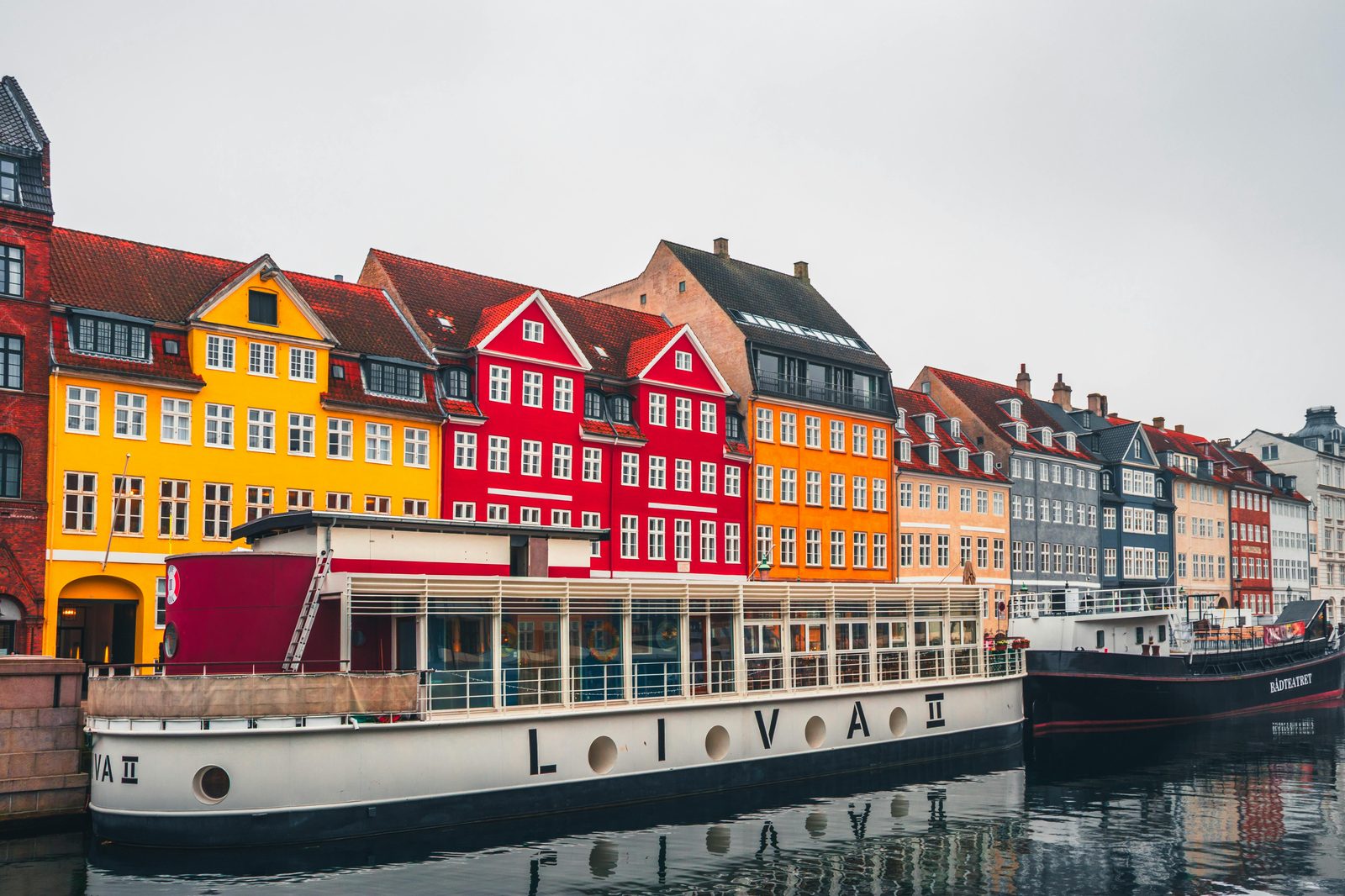
At 15:00 photograph Nyhavn and take a one-hour canal tour (135 DKK) that loops past the Little Mermaid and the Opera House — the quickest way to get your bearings on how the harbour fits together. Walk to Rosenborg and the King’s Garden by 16:30 for the Crown Jewels. Then the evening belongs to Tivoli: entry from 18:00, dinner at Glas Salen or the food halls around 19:00, rides and the famous lighting from 20:30, and a slow closing lap toward 22:30. For the hour-by-hour version of this exact day, see our 1-day itinerary.
Day 2: Christianshavn and Refshaleøen

Day two starts slower. Have a 09:00 breakfast at Café Wilder in Christianshavn, then at 10:30 climb the external golden spiral of Vor Frelsers Kirke — 90 metres, 400 steps, 70 DKK, and genuinely vertiginous near the top. Spend 12:00 wandering the 17th-century Dutch-style canals and their houseboats.
In the afternoon, visit Freetown Christiania from 13:00. Founded in 1971 on an abandoned military base, it’s a self-governing community of around 850 residents — worth seeing for the murals, the workshops and the sheer oddness of a place that has held out against the city around it for half a century (just keep your camera down on Pusher Street). Then cross to Refshaleøen via the Inderhavnsbroen bridge around 14:30, or hop the 991/992 harbour bus.
Lunch at the Reffen street-food market from 15:00 — 30-plus stalls, April to October, everything from Argentinian asado to vegan bowls at 50–150 DKK. At 16:00, choose Copenhagen Contemporary (major installation art in an old welding hall, 110 DKK) or a climb up CopenHill, the waste-to-energy plant with a skiable roof. The evening is the payoff: a 17:00 sauna and cold dip at La Banchina (65 DKK), a 18:30 sunset over Sydhavn or Islands Brygge, dinner at 19:30 at Alouette, one-Michelin in a former bakery loft, and a Mikkeller craft beer to finish. Our Refshaleøen guide and street food guide go deeper.
Day 3: Vesterbro and Nørrebro

This is the day that separates a three-day trip from a two-day one, and it’s the reason the third day is worth adding. Rather than ticking off monuments, you spend it the way Copenhageners spend a Saturday — coffee, a park, a long lunch, a slow wander through two of the city’s most characterful districts. Our neighbourhoods guide has the full map.
Begin at 09:00 with breakfast in Frederiksberg, then a 10:30 stroll through Frederiksberg Have — a romantic English-style landscape garden with canals you can row on in summer, and a view up to Frederiksberg Palace. Herons stalk the lake edges and, if you’re lucky, you’ll spot elephants through the fence from the neighbouring Copenhagen Zoo. At 11:30, Home of Carlsberg (215 DKK, includes one 40 cl beer) sits in the old brewery quarter, Carlsberg Byen, past the famous Elephant Gates; from there, walk to Vesterbro along Sønder Boulevard, a long linear park threaded through the middle of the district, by 12:30.
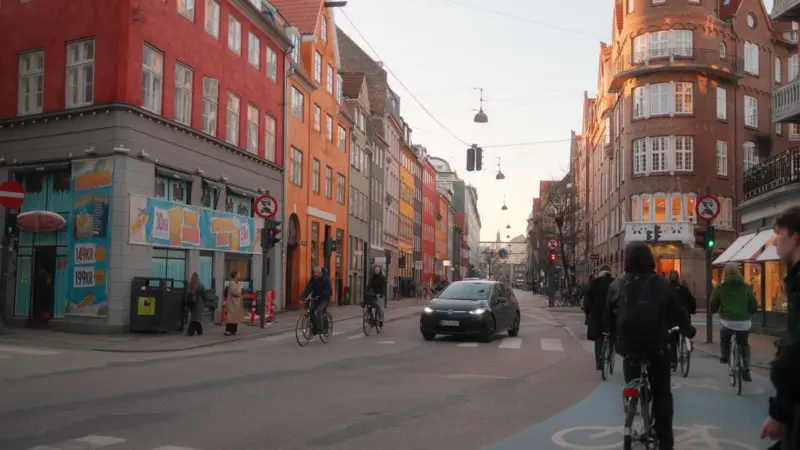
Lunch at 13:00 — Mother pizza in Kødbyen (the Meatpacking District) or Souls for vegan. Browse the vintage and design shops along Istedgade at 14:30, then cycle the Cykelslangen (the “Bicycle Snake”) at 15:30 and cross into Nørrebro for a 16:30 kanelsnegle at Hart Bageri. From 17:00, walk Jægersborggade — ceramics studios, coffee and natural wine — then Assistens Cemetery at 18:00, where Hans Christian Andersen is buried in what’s really a working park. Photograph the striped Superkilen park at 19:00 — a deliberately global public space studded with objects from the dozens of nationalities who live in the area, from a Moroccan fountain to Thai boxing signs. Have dinner in Nørrebro at 20:00, and finish with Lidkoeb cocktails at 22:00 — a hidden bar spread over three floors of a former pharmacy warehouse.
Why the Third Day Is the Good One
If you only take one thing from this plan, make it this: don’t cut day three to squeeze in a day trip. Vesterbro and Nørrebro are where the city stops performing for tourists and just gets on with being itself. Kødbyen, the old Meatpacking District, went from wholesale butchers to the best bar-and-restaurant strip in town without losing its concrete-and-neon bones. Jægersborggade is a single 400-metre street that packs in an award-winning coffee roaster, a natural-wine bar, a handful of ceramicists and a Michelin-level bakery. And Assistens Cemetery, counter-intuitively, is one of the loveliest parks in Copenhagen — locals picnic and sunbathe between the headstones, which tells you something about how this city treats its public space.
Pace this day loosely. The morning has a couple of anchors (Frederiksberg Have, the Carlsberg brewery), but the afternoon and evening are meant to drift — a shop here, a coffee there, a park bench when your feet complain. That looseness is the whole point, and it’s why three days beats two by more than just 24 hours.
Variations on the Plan
For Cyclists

Replace some walking with a Donkey Republic bike (95 DKK/day):
- Day 1: cycle Indre By, the Cykelslangen and the harbour loop (10 km).
- Day 2: Christianshavn, Refshaleøen and the Klampenborg coast (35 km).
- Day 3: link Frederiksberg, Vesterbro and Nørrebro at your own pace.
See our guide to renting a bike for apps and drop-off rules.
For Foodies
To make it a food trip:
- Day 1: Schønnemann smørrebrød plus the Tivoli food halls.
- Day 2: Reffen and Alouette, or Noma if you booked months ahead.
- Day 3: Hart Bageri and Mother pizza.
- Add: Home of Carlsberg and a Mikkeller Bar.
For Couples
A more romantic three days:
- Day 1: a Tivoli evening and sunset from the Knippelsbro bridge.
- Day 2: Christianshavn houseboats, an intimate Alouette dinner, a Mikkeller nightcap.
- Day 3: the Frederiksberg Have lake and Lidkoeb cocktails.
Our full Copenhagen for couples guide leans into this.
For Families

Adapting for children:
- Day 1: Tivoli in the morning, then Rundetårn and a harbour walk.
- Day 2: Copenhagen Zoo, Frederiksberg Have, then Tivoli again in the evening.
- Day 3: Refshaleøen for Reffen and CopenHill, plus ice skating in winter.
- See our Copenhagen with kids guide.
How to Flex the Three Days
These three days are ordered on purpose — the busiest, most tourist-heavy day first, easing into quieter districts as you go — but they’re not sacred. A few sensible swaps depending on how you travel:
- Weather. If day one is forecast wet and day three sunny, flip them: Tivoli and the museums shrug off rain, but Jægersborggade and the harbour sunset really want a clear sky.
- Mondays. Several museums and some restaurants close on Mondays, so build a museum-heavy day around Tuesday to Sunday and use any Monday for the neighbourhood day, which runs on cafés and streets rather than opening hours.
- Short on stamina. Each day here runs long by design. If 12-hour days aren’t your thing, lop off the late-evening item — you’ll still have seen the substance of each district by dinner.
- Adding a fourth day. If you can stretch it, a day trip slots in neatly after day three without disturbing this core; our 4-day itinerary shows exactly how.
Getting Around Across Three Days
The good news is that most of this plan is walkable, and the parts that aren’t are quick. Day one barely needs transit at all — the whole Indre By loop fits inside a compact stretch you can cross on foot in 20 minutes. Day two leans on the metro (one stop to Christianshavn) and the 991/992 harbour buses out to Refshaleøen, which run on the normal ticket system rather than as tourist boats. Day three is spread across Frederiksberg, Vesterbro and Nørrebro, so it’s the day a bike or a couple of metro hops saves the most time and shoe leather.
A single 72-hour transport pass covers all of it, and if you’d rather cycle, this is one of the easiest cities in the world to ride — flat, with protected lanes almost everywhere. For the full breakdown of zones, tickets and passes, see our guide to the city’s transport network, and if you’re new to city cycling, the full metro guide is the low-stress alternative.
A Rough Three-Day Budget
To keep expectations realistic, here’s roughly what a mid-range three-day trip runs per person, before your hotel and flights. Transport is the easy part: a City Pass 72h is 220 DKK and covers everything you need across all three days. Attractions are where it adds up — Christiansborg (95), the canal tour (135), Rosenborg (140 online), Tivoli (200), the Vor Frelsers spire (70), Home of Carlsberg (215) and La Banchina (65) come to about 920 DKK if you pay individually, which is exactly where the Copenhagen Card 72h starts to make sense.
On food, budget around 150–250 DKK for each of the lighter lunches (Reffen, Mother, a smørrebrød counter) and 375–600 DKK for the two bigger dinners, plus coffee and snacks. All told, a comfortable three days lands somewhere near 3,000–4,000 DKK before accommodation — and you can trim a good chunk of that by leaning on the free stuff: the harbour baths, the parks, Superkilen, Christiania and simply walking the neighbourhoods. If money’s the main constraint, our full budget guide cuts these figures hard.
Those figures leave out the hotel, which is the biggest line on the bill. Our Copenhagen trip cost breakdown adds accommodation, food and transport together into three-day totals per person.
FAQs
Is three days enough for Copenhagen?
Yes — three days is the most popular length, and for good reason. It covers Indre By, the harbour districts and the hip neighbourhoods with room to breathe. What it doesn’t include is a day trip to Helsingør, Roskilde or Malmö; for those, add a fourth day using our 4-day itinerary.
What’s the best three-day route?
Day one, the Indre By essentials. Day two, Christianshavn and Refshaleøen. Day three, Vesterbro, Frederiksberg and Nørrebro. Save any day trip for a four-day-plus trip so you don’t lose the neighbourhood day, which is the one most visitors remember.
How much do three days cost?
Budget travellers can manage on 2,500–4,500 DKK total (transport, meals and attractions). Mid-range runs 5,000–8,000 DKK, and luxury reaches 12,000–25,000 DKK. Hotels typically run 1,500–3,000 DKK a night.
Should I buy the Copenhagen Card?
The Copenhagen Card 72h (1,039 DKK) pays off if you hit four or more paid attractions. Otherwise the City Pass 72h (220 DKK) covers transit alone. Run the numbers in our is the Copenhagen Card worth it guide.
Where should I stay?
Indre By or Vesterbro for the shortest commute — Hotel d’Angleterre (luxury), Coco Hotel (boutique), Generator (budget). See our where to stay for first-timers guide.
When’s the weather best?
May to September has the best weather, with June to August bringing the longest daylight. May or September strike the best balance of light and smaller crowds; December is the pick for Christmas atmosphere.
Can I add a day trip?
It’s tight but doable if you sacrifice day three — better on a four-day-plus trip. The best options are Helsingør and Kronborg Castle (45 minutes by train), Roskilde’s Vikings (50 minutes) and Malmö in Sweden (35 minutes). See our roundup of day trips from the capital.
How crowded will it be?
July and August are the peak; May–June and September are the shoulder; October to April are quiet. Indre By is always the busiest, while Christianshavn, Refshaleøen and Nørrebro stay noticeably calmer.
Three days is our standing recommendation for a first visit, and the reasoning behind it is set out in full in how many days you need in Copenhagen — including the seasons that change the answer and the point at which a longer trip stops paying you back.
Related reading
Final Thoughts
A well-planned Copenhagen 3 day itinerary is arguably the ideal trip length — you get the major districts with real depth, and no day feels like a checklist. Old town on day one, the harbour on day two, the neighbourhoods on day three. Match a Copenhagen Card or City Pass to how many attractions you’ll actually enter, stay central, book Tivoli, Schønnemann and any dinner ahead, and pack for changeable weather. Leave a little unplanned time, too — some of the best of this city happens on the walk between the things you scheduled. Ready for more? Our weekend itinerary takes it from here.
Last updated: July 2026. Photo credits: Pexels (Nørrebro street scene).