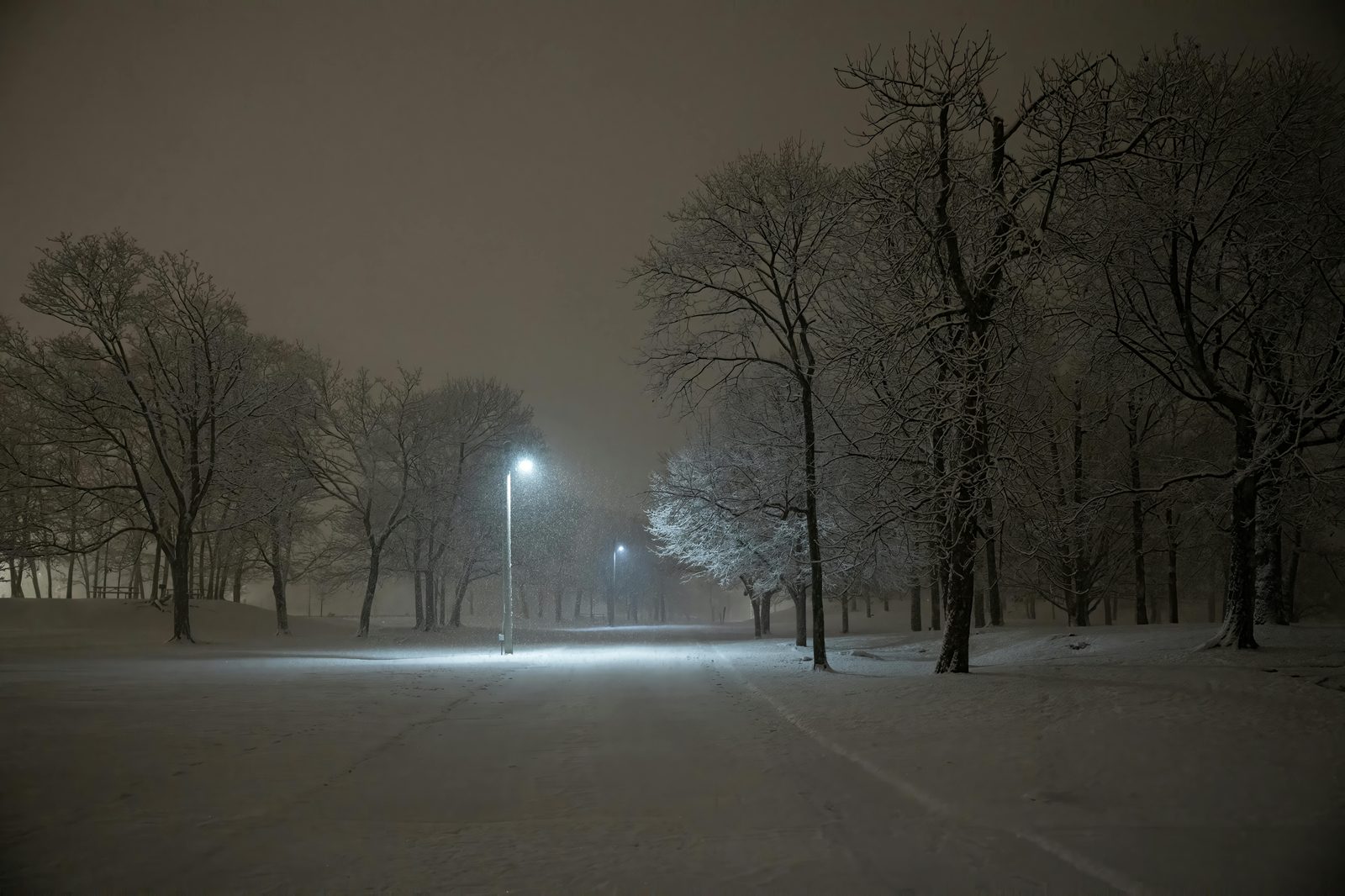
Yes, it’s cold and dark — and it might be the best time of all to come. Copenhagen in December is basically a 31-day Christmas: Tivoli glows with thousands of twinkling lights, the main Christmas market fills Nytorv and Gammeltorv, ice rinks appear at Frederiksberg, and Strøget’s shop windows go full fairy tale. Behind it all runs the warm undercurrent of hygge and the very Danish Christmas Eve, Juleaften, on the 24th, before the city sends up fireworks at midnight on New Year’s. The days are short — about seven hours of light, with sunset around 15:39 — but the endless candlelight more than makes up for it. Here’s how to plan a magical December trip.
It’s the standout month of the cold season in our month-by-month seasonal guide, and the highlight of the wider Copenhagen winter.
Copenhagen in December at a Glance
| Fact | Detail |
|---|---|
| Average high | 3-4°C / 37-39°F |
| Average low | 0°C / 32°F |
| Daylight | 7 hours (shortest of the year) |
| Sunset | 15:39 (Dec 21) |
| Snow likelihood | Possible, but not reliable |
| Rainfall | About 59 mm (rain frequent) |
| Defining events | Tivoli Christmas, Christmas markets, NYE fireworks, Juleaften |
| Atmosphere | The city’s most magical month; deep hygge |
| Crowds | Moderate — busy weekends, quiet weekdays |
| Hotel prices | Higher than November, cheaper than July–August |
The honest trade-off: you’re swapping daylight and warmth for atmosphere. If cold and dark genuinely dampen your mood, this isn’t your month. If a candlelit café on a black winter afternoon sounds like heaven, you’ll adore it.
Top Things to Do
1. Tivoli Christmas
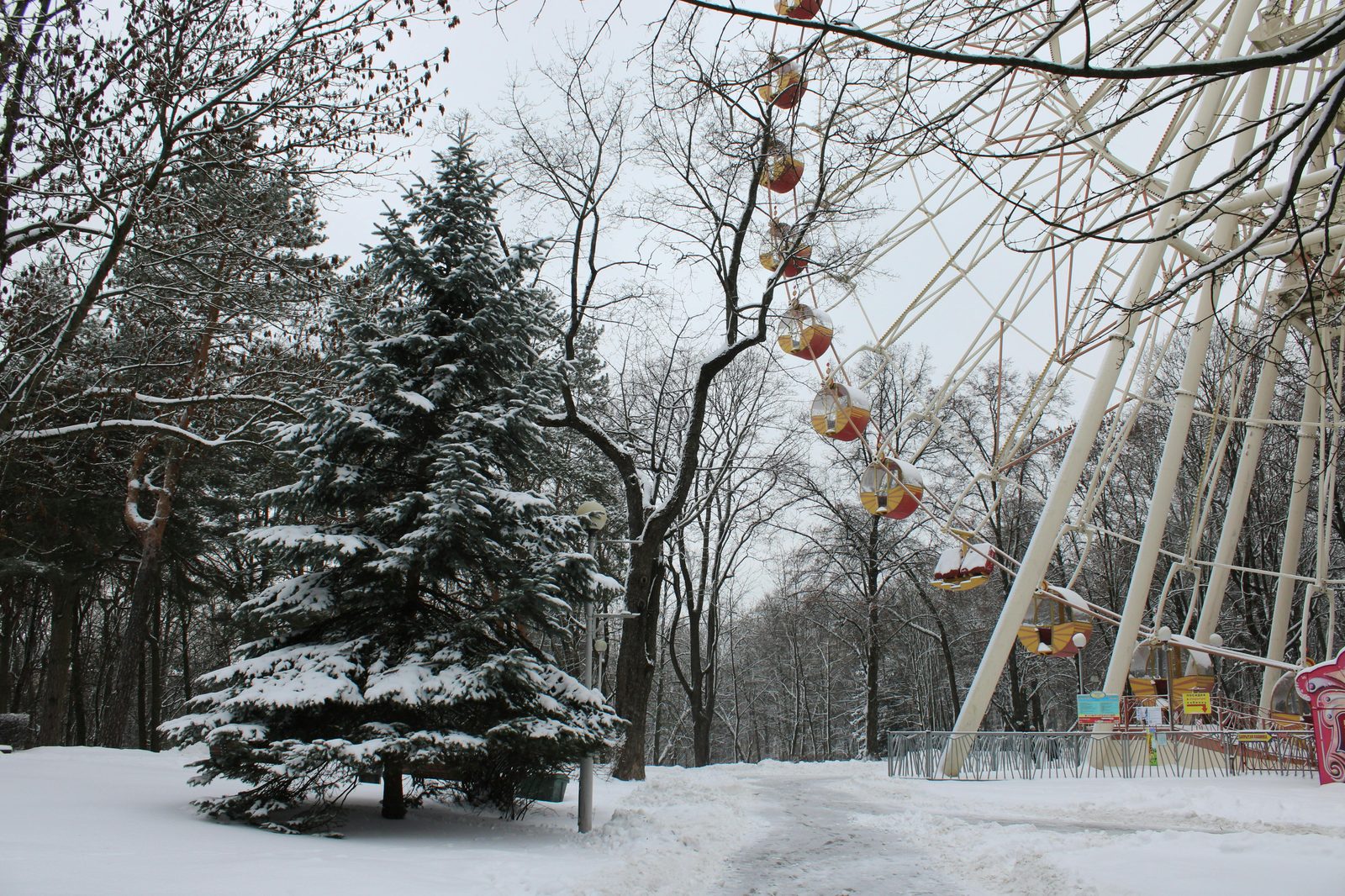
If you do one thing this month, make it Tivoli. Thousands of twinkling lights drape the park, Christmas stalls fill the gardens, and there’s ice skating and hot gløgg to hand. Adult entry is 200 DKK with rides extra, and the Christmas-season price is worth confirming on tivoli.dk. Note that it closes on Christmas Eve afternoon and Christmas Day. It’s the single unmissable December experience — our Tivoli Gardens guide has the full picture.
2. The Christmas Markets
The main market on Nytorv and Gammeltorv runs from 6 November to 21 December 2026. Markets and stalls turn up around the city too, and it’s easy to string several together in an evening:
- Tivoli — inside the gardens, the most magical setting
- Nytorv and Gammeltorv — the main market, billed as Denmark’s largest Christmas market, with free entry
- Nyhavn — canalside and endlessly photogenic
- Christianshavn — small, local and low-key
- Frederiksberg — refined and family-friendly
- Nørrebro alternatives — multicultural and design-led
Our dedicated Copenhagen Christmas markets guide ranks them all.
3. Tivoli’s Christmas Parade

Tivoli runs a daily Christmas parade — Santa, elves and assorted characters winding through the park, free with your admission. There are several showings a day, so check tivoligardens.dk for times. It’s a genuine highlight if you’re travelling with kids.
4. Strøget’s Christmas Windows
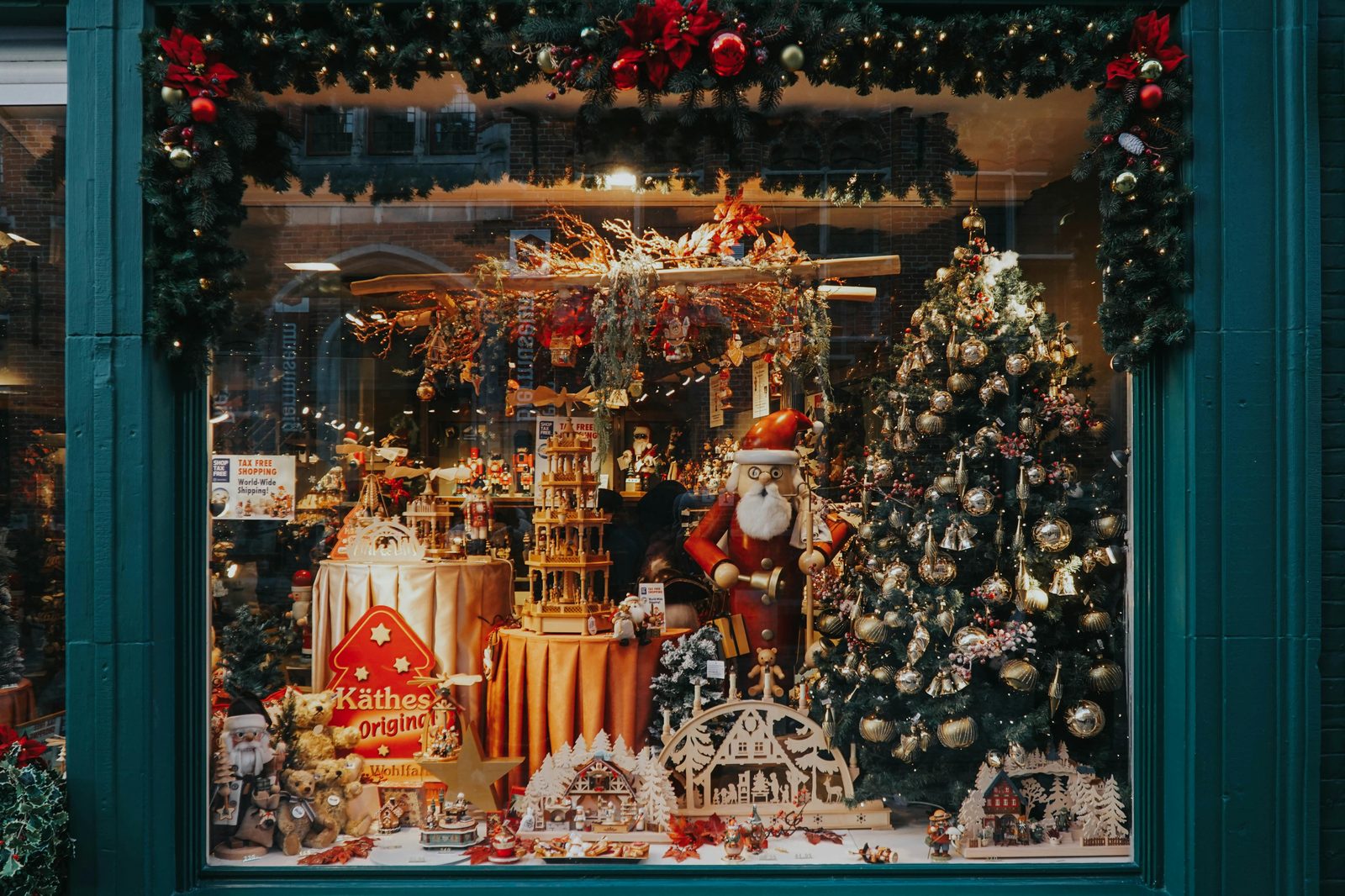
The Strøget shopping street turns on the charm in December, with elaborate window displays and the whole street strung with lights. Don’t miss the big flagship windows at Magasin du Nord and Illum, the porcelain scenes at Royal Copenhagen, and the Lego store for younger travellers. It’s a lovely, free evening wander — and warmer than it sounds if you duck into shops along the way.
5. Outdoor Ice Skating
Four outdoor rinks pop up around the city in December:
- Frederiksberg Runddel — free entry, skate hire 60 DKK
- Nytorv and Gammeltorv — beside the main market, with a free rink and free skate loan
- Tivoli — within the gardens (admission required)
- Broens Gadekøkken — in the Christianshavn street-food courtyard
6. Gløgg & Aquavit

Half of surviving a Danish December is knowing what to hold. Start with gløgg — mulled wine, sold at the markets and in supermarkets — then branch out into the rest:
- Aquavit — caraway-spiced spirit, the classic Christmas-dinner shot
- Hot chocolate — Danish-style, with cream
- Coffee with cinnamon — at every café
- Julebryg — Carlsberg and Tuborg’s seasonal Christmas beer
- Sherry and Madeira — quiet winter sippers
7. Danish Christmas Food
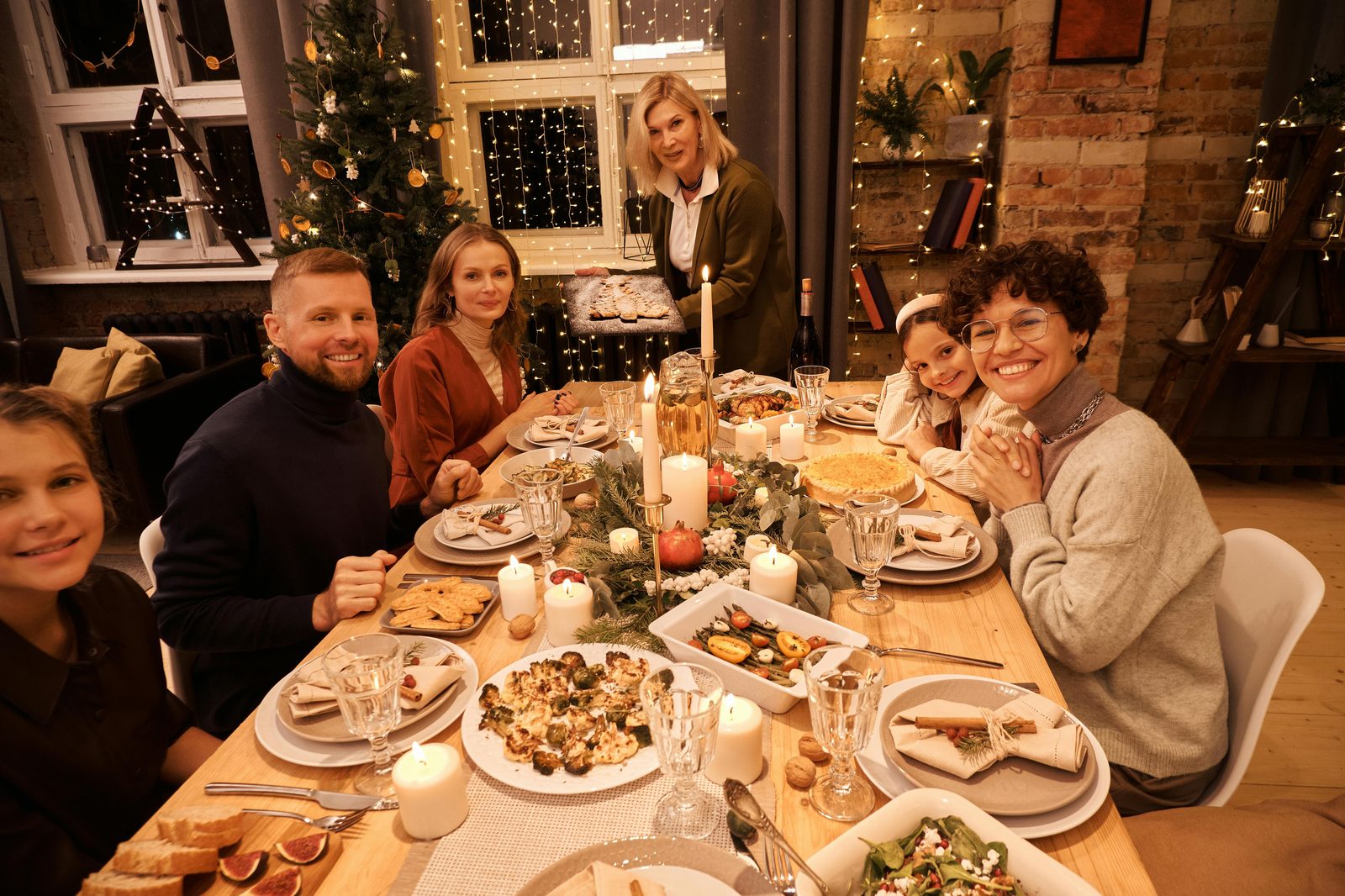
The Danish Christmas table (Jul) is hearty and specific:
- Andesteg — roast duck, the classic Christmas Eve main
- Flæskesteg — roast pork with crisp crackling
- Brunede kartofler — caramelised potatoes, alongside boiled ones
- Rødkål — braised red cabbage
- Risalamande — the almond rice pudding, with a whole almond hidden inside
- Æbleskiver, pebernødder and klejner — the market sweets
8. Juleaften (Christmas Eve)
One thing to understand: in Denmark, Christmas Eve — Juleaften, the 24th — is the main event, not the 25th. The traditional evening looks like this:
- A big family dinner — duck or pork, in the evening
- Dancing around the tree — hands held, carols sung
- Risalamande — whoever finds the almond wins a prize
- Presents — usually opened after dinner
- Most restaurants closed — only special set menus, by reservation
- Tivoli shuts early — closed on the 25th too
- Reduced public transport — on Christmas Eve evening
If you’re here over the 24th, book a Christmas dinner well ahead or plan to cook in — the city genuinely closes down for family time.
9. The Royal New Year Speech
At 18:00 on New Year’s Eve, the monarch — King Frederik X since 2024 — delivers the traditional Nytårstale, broadcast live on DR1. It’s a real cultural pause; the city goes quiet to watch, and some restaurants even hold service for a few minutes. A small, oddly moving glimpse of Danish life.
10. New Year’s Eve Fireworks

Copenhagen’s New Year’s Eve is gloriously anarchic — private fireworks go off all over the city at midnight. Where to watch:
- Rådhuspladsen (Town Hall Square) — the big public gathering
- Nyhavn — beautiful reflections, but very crowded
- Refshaleøen — a harbour view with fewer people
- Frederiksberg Have / Søndermarken — a local feel
- Nytorv and Gammeltorv — central, with the market as backdrop
One practical note: trains stop earlier, but the metro runs all night to get you home. Restaurants serve special menus — book four to six weeks ahead.
Danish Christmas Decorations

Danish decorations have their own distinct look, quieter than the British or American version:
- Julestjerner — straw stars hung in windows
- Julehjerter — woven paper hearts
- Kalenderlys — advent candles marked with 24 days
- Kravlenisser — little pixies clambering over shelves
- Real candles on the tree — yes, actual flames
- Beeswax candles everywhere — homes and cafés alike
December Hygge
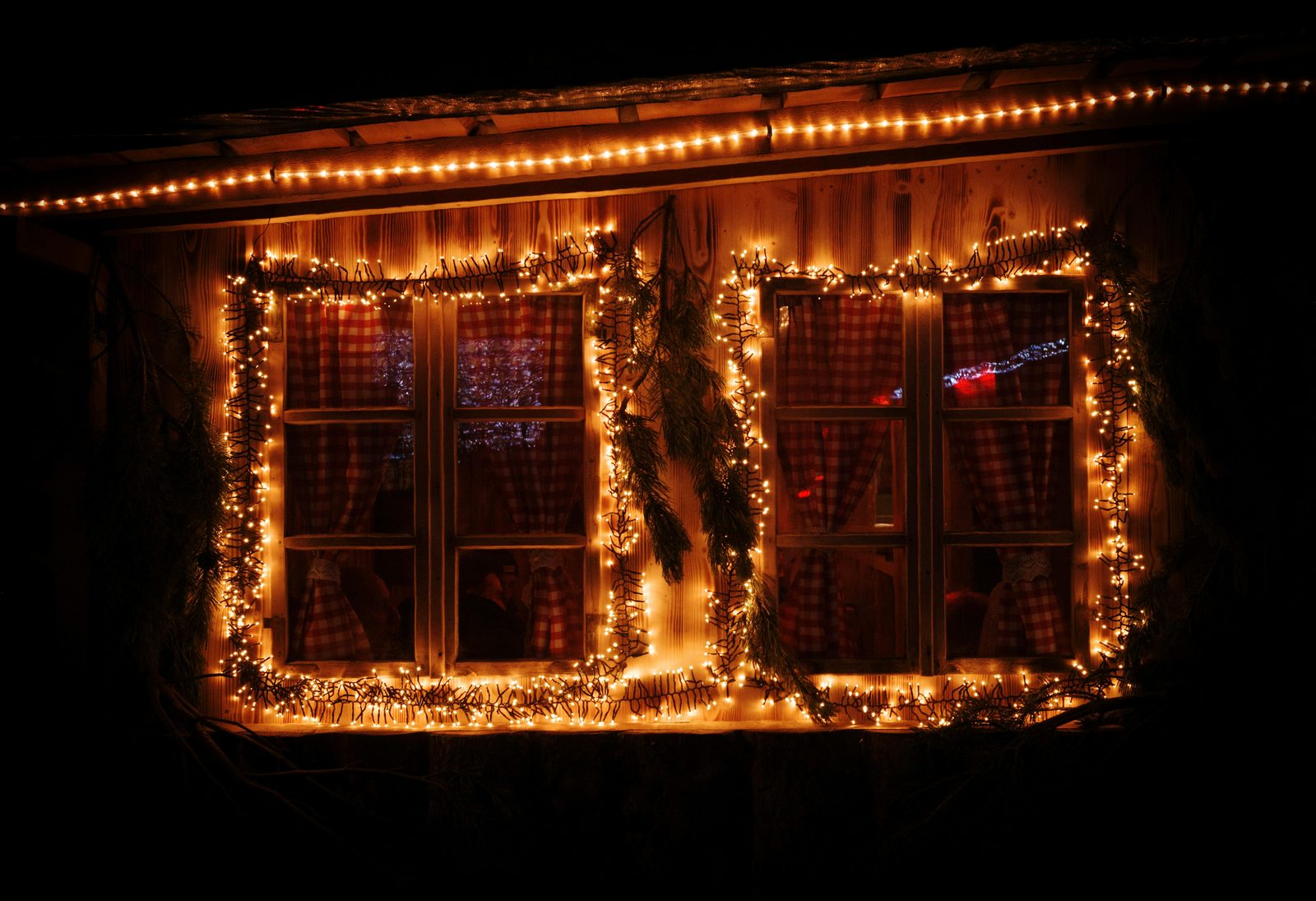
This is hygge’s high season, and it’s the antidote to the dark. With the light gone by mid-afternoon, cafés and homes lean hard into candles, warm wood and slow conversation. Expect candlelit tables even at lunchtime, heavier comfort food, Christmas music, phones left in pockets, and the great Danish office ritual of the julefrokost — a long, boozy Christmas lunch. Our full hygge guide goes deeper if you want to lean in. As a visitor, the easiest way to feel it is simply to slow down: pick a candlelit café, order something warm, and let a dark afternoon drift by rather than rushing between sights.
Weather & What to Pack
Expect around 3-4°C by day and about 0°C at night, with frequent rain and the odd snow flurry. Pack seriously:
- A heavy coat — down or wool, mid-thigh length
- Thermal layers — under everything
- A warm hat — the wind chill bites
- Insulated gloves — touchscreen-friendly if you can
- A wool scarf
- Waterproof boots — for slush and puddles
- A compact umbrella — rain is more likely than snow
- Lip balm and moisturiser — the cold air is drying
Our guide to what to pack breaks it down by season.
A 4-Day December Itinerary
Day 1: Tivoli Christmas magic
- Morning: the Round Tower and Strøget’s Christmas windows
- Lunch: smørrebrød at Schønnemann (book ahead)
- Afternoon: Tivoli Christmas (check tivoli.dk for the day’s opening hours)
- Evening: hot chocolate in a hygge café
Day 2: Christmas markets
- Morning: the Nytorv and Gammeltorv market
- Lunch: a warm-up in a hygge café
- Afternoon: Nyhavn
- Evening: the Christianshavn market, then Café Wilder
Day 3: Hygge and indoor culture
- Morning: a walk in Frederiksberg Have plus ice skating
- Lunch: Hart Bageri in Nørrebro
- Afternoon: Designmuseum Danmark or the National Museum
- Evening: cocktails at Lidkoeb
Day 4: Day trip and a last Christmas fix
- Morning: day trip to Helsingør and Kronborg Castle (45 minutes by train)
- Afternoon: back for a final Tivoli Christmas visit
- Evening: a Christmas or pre-NYE dinner
Copenhagen in December FAQs
Is December a good time to visit?
For Christmas magic, absolutely — Tivoli, the markets, hygge and the New Year fireworks are hard to beat. Just go in with eyes open about the cold (roughly 0 to 4°C) and short daylight (seven hours). And book ahead for the Christmas Eve to New Year window, when the city fills up.
How cold does it get?
Averages sit around 3-4°C by day and 0°C at night, and the wind makes it feel sharper. Pack a heavy coat and thermal layers. Snow is possible, but December is more often damp than white.
How short are the days?
The winter solstice on 21 December brings the shortest day — about seven hours, with sunrise around 8:38 and sunset near 15:39. Twilight stretches things a little at each end, and the Christmas lights do the rest.
Is Tivoli open in December?
Yes — Tivoli Christmas runs from mid-November into early January, closing only on Christmas Eve afternoon and Christmas Day. Adult entry is 200 DKK; confirm the Christmas-season price on tivoli.dk. See our Tivoli Gardens guide for more.
When are the Christmas markets on?
The main market on Nytorv and Gammeltorv runs from 6 November to 21 December 2026, and Tivoli’s Christmas season runs from 13 November 2026 to 3 January 2027. Other markets keep their own dates, so check each one’s page before you go. Opening days over Christmas itself differ, so check each market for the 24th and 25th.
What is Juleaften?
Juleaften is Christmas Eve, 24 December — the main Danish celebration, built around a family dinner of duck or pork at about 18:00. Most restaurants close, offering only special set menus by reservation, and most shops do not open at all. Plan your food ahead if you’re here.
That is the law, not just custom: shops covered by Denmark’s shop-closing law may not open at all on the 24th, so the 23rd is your last real shopping day. Only small grocers, bakeries and the shops at Central Station and the airport trade on Christmas Eve. Our guide to public holidays in Denmark lists every closure through Christmas and New Year.
Where’s best for New Year’s Eve?
Rådhuspladsen for the big public crowd, Nyhavn for canal reflections (and crowds), Refshaleøen for a calmer harbour view, or Frederiksberg Have for a local feel. Restaurants serve special menus, so book four to six weeks ahead, and remember the metro runs all night.
How crowded is it?
Moderate. Weekends and the markets get busy; weekdays are calmer. Christmas Eve to the 26th is quiet as locals retreat to family, and New Year’s Eve is busy late in the evening. Hotels book out fastest over the Christmas-to-New-Year stretch.
Related Reading
- Copenhagen in July — the warmest month, the Jazz Festival, harbour swimming and Tivoli.
- The spring months — cherry blossoms, Tivoli’s opening, café terraces and mild weather.
- Autumn in the city — peak foliage, hygge cafe season, Tivoli Halloween and fewer crowds.
- The weather month by month — temperatures, rainfall and daylight hours through the year.
- What summer looks like here — harbour swimming, white nights, the Jazz Festival and Tivoli after dark.
- Copenhagen events
- Sample itineraries for Copenhagen
Final Thoughts
December is Copenhagen at its most enchanting, and worth braving the cold and the dark for. Tivoli’s twinkling lights, Christmas markets around the city, candlelit hygge cafés, ice skating, a proper Danish Christmas Eve and fireworks over the whole city at midnight — it adds up to a much-loved winter city break. Pack heavily, lean into the seven-hour days rather than fighting them, and book restaurants and hotels early for the 24th to the 31st. Plenty of people fall for this city precisely because they first saw it in December. You might too.
Last updated: July 2026.