Saturday 5 June 2027 is not a public holiday in Denmark. It is Constitution Day, and the law says the department stores on Strøget may not sell you so much as a pair of socks, all day. Christmas Eve is not a public holiday either, and the same law shuts the same shops for the whole of it. That is public holidays Denmark-style: enforced by a shop-closing law rather than left to custom, and stretched to cover two days that are not officially holidays at all.
This page lists every Danish public holiday from now to the end of 2027, what the law makes close and what it lets stay open, how Easter, Christmas and Constitution Day actually play out in Copenhagen, and the days that are not holidays but still change your plans. The dates are fixed by the calendar. The rules were checked against the law in September 2026, but individual shops, restaurants and museums set their own holiday hours, so check any single place before you rely on it.
Danish Public Holidays, Late 2026 to the End of 2027
| Date | Holiday | What it means |
|---|---|---|
| Thu 24 Dec 2026 | Christmas Eve (juleaftensdag) | Not a public holiday, but shops closed all day by law |
| Fri 25 Dec 2026 | Christmas Day (1. juledag) | Public holiday |
| Sat 26 Dec 2026 | Boxing Day (2. juledag) | Public holiday |
| Thu 31 Dec 2026 | New Year’s Eve (nytårsaftensdag) | Shops must close at 15:00 |
| Fri 1 Jan 2027 | New Year’s Day (nytårsdag) | Public holiday |
| Thu 25 Mar 2027 | Maundy Thursday (skærtorsdag) | Public holiday |
| Fri 26 Mar 2027 | Good Friday (langfredag) | Public holiday |
| Sat 27 Mar 2027 | Easter Saturday | An ordinary shopping day, and a frantic one |
| Sun 28 Mar 2027 | Easter Sunday (påskedag) | Public holiday |
| Mon 29 Mar 2027 | Easter Monday (2. påskedag) | Public holiday |
| Thu 6 May 2027 | Ascension Day (Kristi himmelfartsdag) | Public holiday |
| Sun 16 May 2027 | Whit Sunday (pinsedag) | Public holiday |
| Mon 17 May 2027 | Whit Monday (2. pinsedag) | Public holiday |
| Sat 5 Jun 2027 | Constitution Day (grundlovsdag) | Not a public holiday, but shops closed all day by law |
| Fri 24 Dec 2027 | Christmas Eve | Shops closed all day |
| Sat 25 & Sun 26 Dec 2027 | Christmas Day and Boxing Day | Public holidays |
| Fri 31 Dec 2027 | New Year’s Eve | Shops close at 15:00 |
Easter moves every year, and everything in spring moves with it: Ascension Day is always the Thursday 39 days after Easter Sunday, and Whitsun comes seven weeks after Easter. In 2027 Easter is unusually early, so the whole Easter block lands in the last week of March rather than in April. The spring holidays after that are covered in our guide to Copenhagen in May.
One holiday you may still see in older guides no longer exists. Great Prayer Day, store bededag, the fourth Friday after Easter, was abolished as a public holiday from 2024. That Friday is now an ordinary working day.
The Law That Closes the Shops
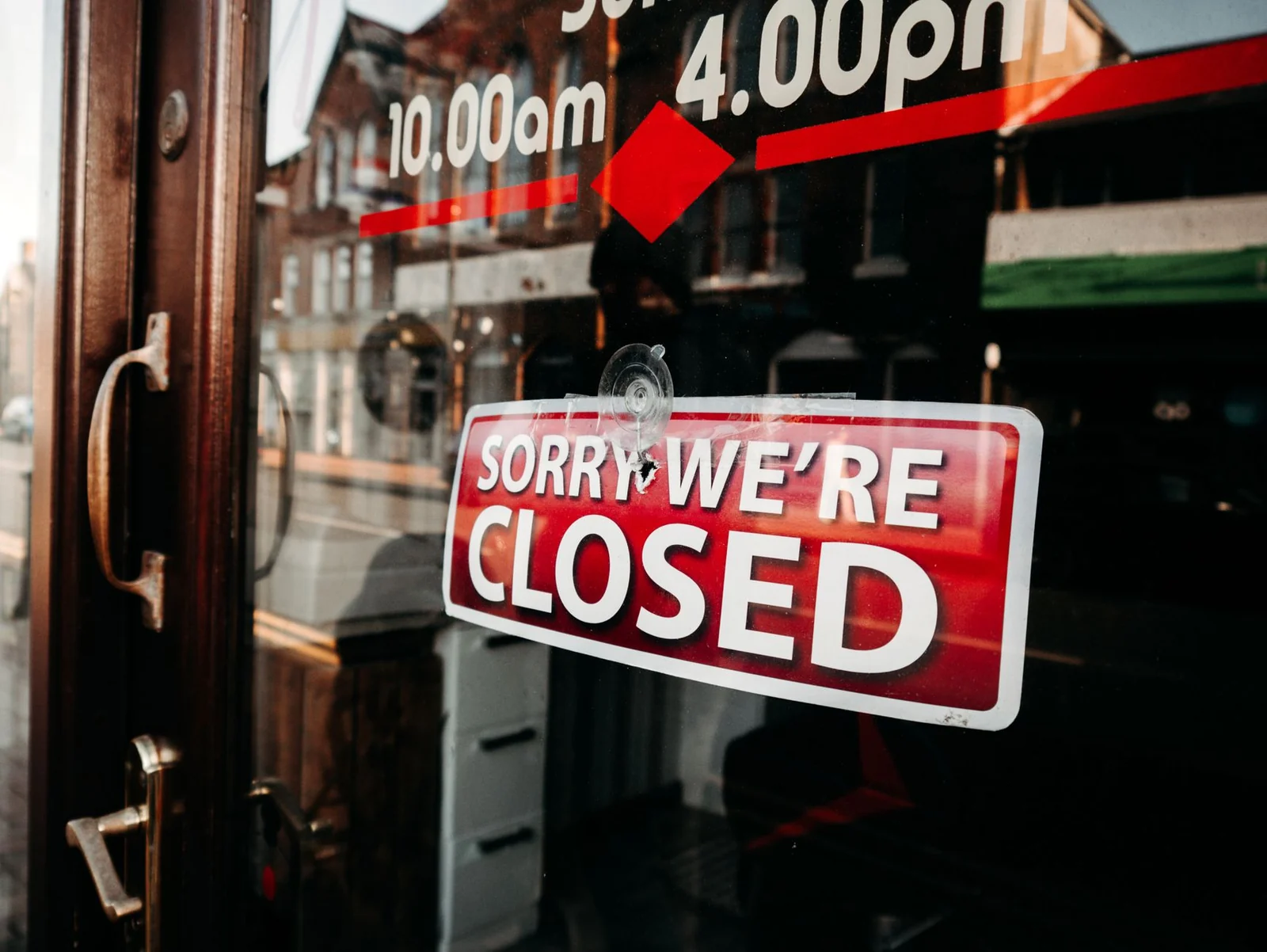
Denmark’s lukkelov, the shop-closing law, is short and blunt. Shops may not sell anything on public holidays, on Constitution Day or on Christmas Eve, and may not sell anything after 15:00 on New Year’s Eve. That covers the department stores, the fashion chains, the big supermarkets and hypermarkets, and almost everything on Strøget.
The exceptions are what keep the city fed. The law lets these trade on any day of the year:
- Small grocery shops below a turnover limit, which is why the little supermarket on your corner may be open while the huge one across town is dark. Expect shorter hours.
- Bakeries. Your best friend on Christmas Day, and a good reason to read our bakery guide before you arrive.
- Shops in railway stations, coach stations and airports, so Copenhagen Central Station and the airport keep trading when the rest of the city stops.
- Petrol stations, and markets and fairs.
Sundays, by contrast, are not a problem. Most shops in central Copenhagen open on Sundays, usually on shorter hours, and supermarkets open every day. It is only the holidays, and those three special days, that bring the shutters down.
What Stays Open on a Danish Public Holiday
| On a typical public holiday | |
|---|---|
| Department stores and high-street chains | Closed |
| Big supermarkets and hypermarkets | Closed |
| Small neighbourhood supermarkets | Often open, on shorter hours |
| Bakeries | Many open |
| Shops at Central Station and the airport | Open |
| Restaurants and cafés | Mostly open, except on Christmas Eve evening |
| Museums and attractions | Mostly open at Easter and Whitsun; many close 24–25 December and 1 January |
| Metro | Runs as normal, 24 hours a day |
| Buses and S-trains | Run to the Sunday timetable |
| Banks | Closed; cash machines work as usual |
The practical rule for a visitor is simple: a public holiday in Copenhagen feels like a quiet Sunday with the shops shut. You can still eat, drink, get around and, most of the year, visit museums. What you cannot do is shop, so buy what you need the day before. The metro is the one thing that does not change at all.
Easter: Four Holidays in Five Days
Denmark takes Easter more seriously than most of northern Europe. Maundy Thursday, Good Friday, Easter Sunday and Easter Monday are all public holidays, and schools take the whole week off. In 2027 that is Thursday 25 to Monday 29 March.
The Saturday in the middle is the catch. Easter Saturday is an ordinary trading day, the only one in the block, and every Dane knows it, so supermarkets are packed from opening time. If you are self-catering, shop on the Wednesday. Plenty of small independent restaurants and shops also take the whole week off, not because they must but because their regulars have gone to the summer house. Our guide to Copenhagen in March covers the 2027 Easter week in detail.
What you gain is some very Danish traditions: the long, boozy påskefrokost Easter lunch, special Easter beers in every supermarket fridge, and, in the weeks before, the cut-paper gækkebreve that children send anonymously, signed only with dots. Our guide to traditional Danish food explains the herring-first order that every Danish lunch, Easter’s included, still follows.
Christmas: The 24th Is the Day
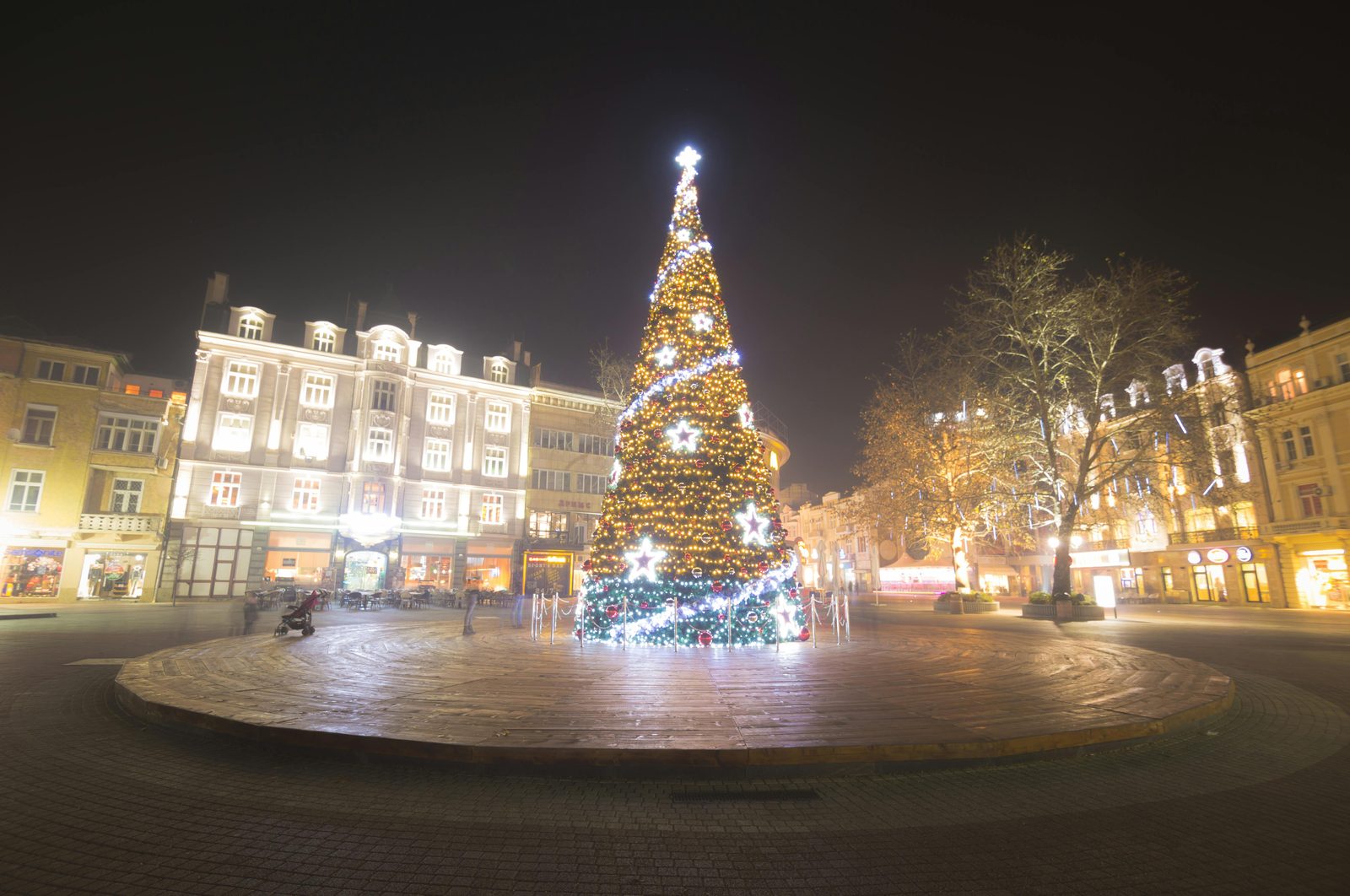
In Denmark the main event is Christmas Eve, juleaften, not Christmas Day. Families sit down to roast duck or pork at around six, dance round the tree holding hands, and eat risalamande, the cold rice pudding with a single whole almond hidden in it and a present for whoever finds it. Presents come after dinner.
For a visitor that has three consequences. First, the last real shopping day is the 23rd: shops covered by the law cannot open at all on the 24th, and only the exempt ones, the small supermarkets, bakeries and station shops, trade that day, most of them for the morning only. Second, most restaurants close on the evening of the 24th; hotels and a small number of restaurants serve a Christmas dinner, and they are booked weeks ahead. Third, Tivoli’s Christmas season has traditionally closed on Christmas Eve afternoon and Christmas Day, so check tivoli.dk before you plan around it.
Christmas Day and Boxing Day are public holidays and quiet. Then comes a Danish oddity worth knowing: the days between Christmas and New Year, mellemdagene, are ordinary trading days, and the shops reopen with post-Christmas sales. The markets, the lights and the rest of the season are covered in our guides to Copenhagen in December and the Christmas markets.
New Year’s Eve and New Year’s Day
Shops must close at 15:00 on the 31st. At 18:00 the King gives his New Year speech on television, much of the country watches the old British sketch Dinner for One, and at midnight Danes jump off chairs into the new year before the whole city lets off fireworks. New Year’s Day is a public holiday with almost everything shut, so stock up on the 30th. Our New Year’s Eve guide has the fireworks rules and the best places to watch.
Constitution Day: The Holiday That Isn’t
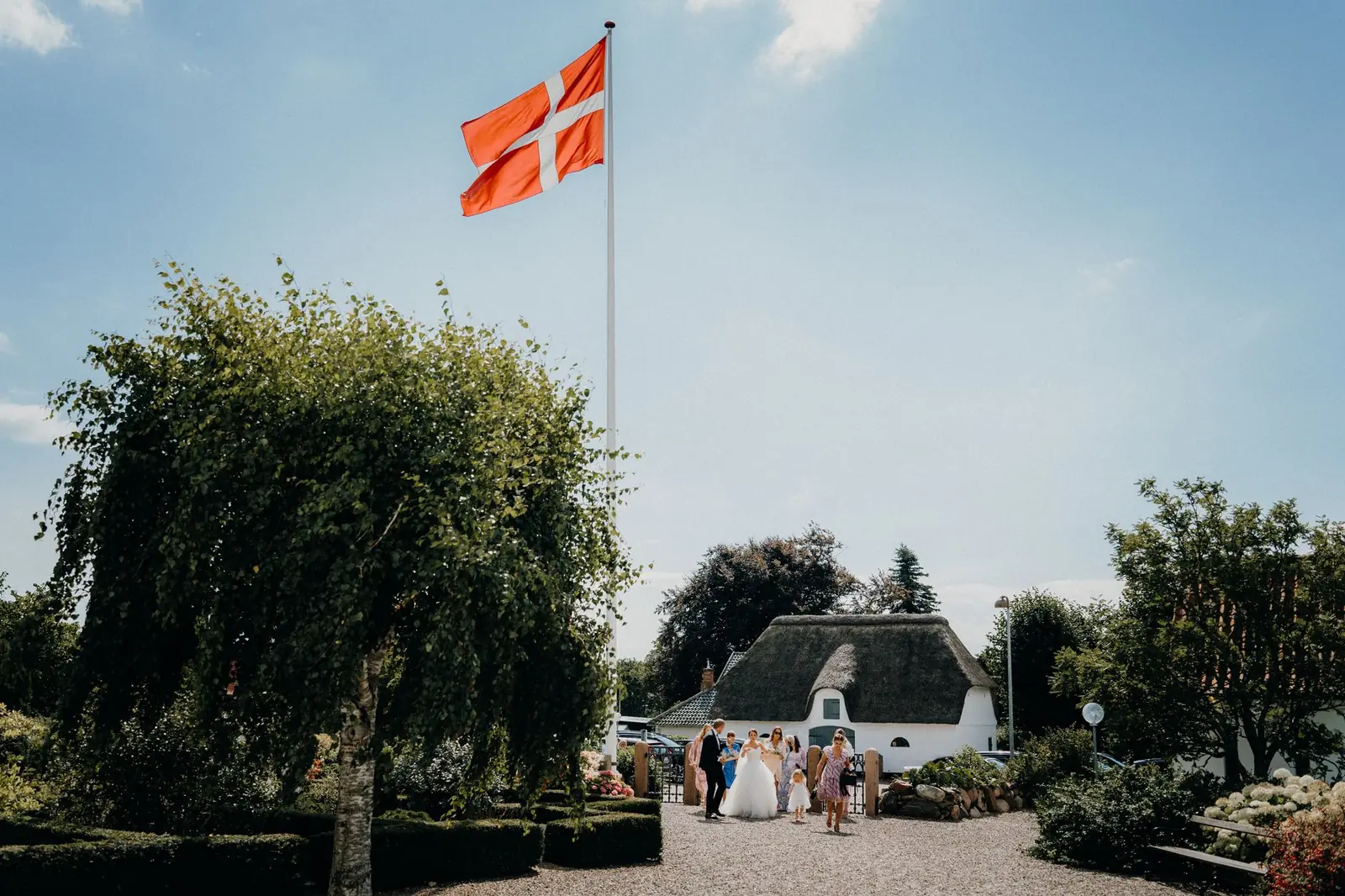
Grundlovsdag, 5 June, marks Denmark’s first democratic constitution of 1849, and the current one, signed on the same date in 1953. It is not an official public holiday, and many people work. But the shop-closing law treats it as one, so department stores and big supermarkets are shut all day, and in 2027 it falls on a Saturday, which takes out a whole weekend day of shopping. Many employers give the afternoon off, politicians give speeches at outdoor meetings in parks, and, because Denmark likes to double up, it is Father’s Day too.
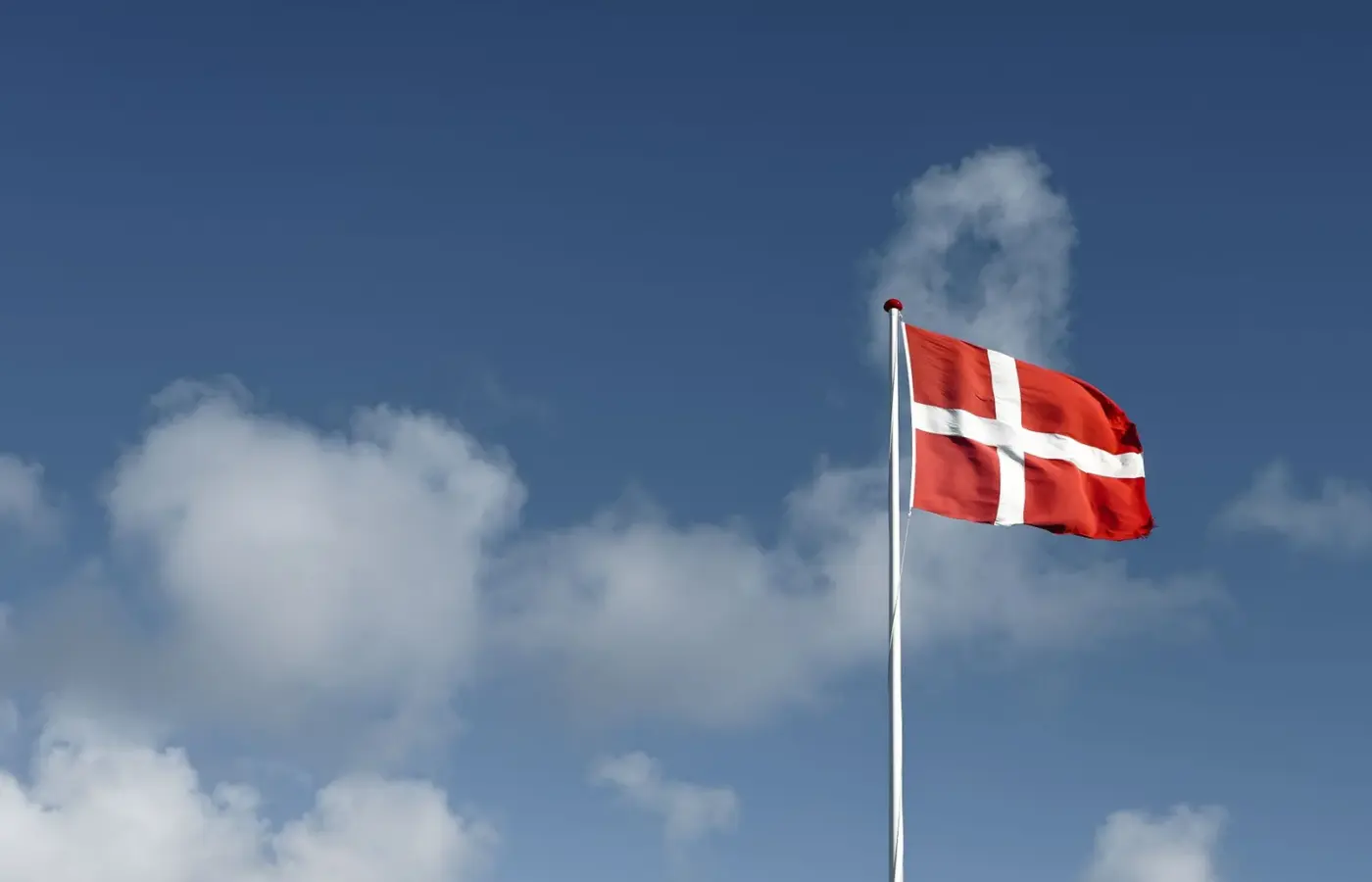
Flags go up across the city. Danes fly the Dannebrog more freely than almost any other nation, on public flag days, at birthdays, weddings and family parties, and a garden flagpole is almost standard equipment in the countryside. Our guide to Danish customs and etiquette explains why a flag on a Danish table means a party, not politics.
Days That Aren’t Holidays but Change Your Plans
- Fastelavn, the Danish carnival, is Sunday 7 February 2027: costumed children and cream buns, covered in our February guide.
- 1 May is not a public holiday, but the labour movement fills Fælledparken with speeches, music and beer tents.
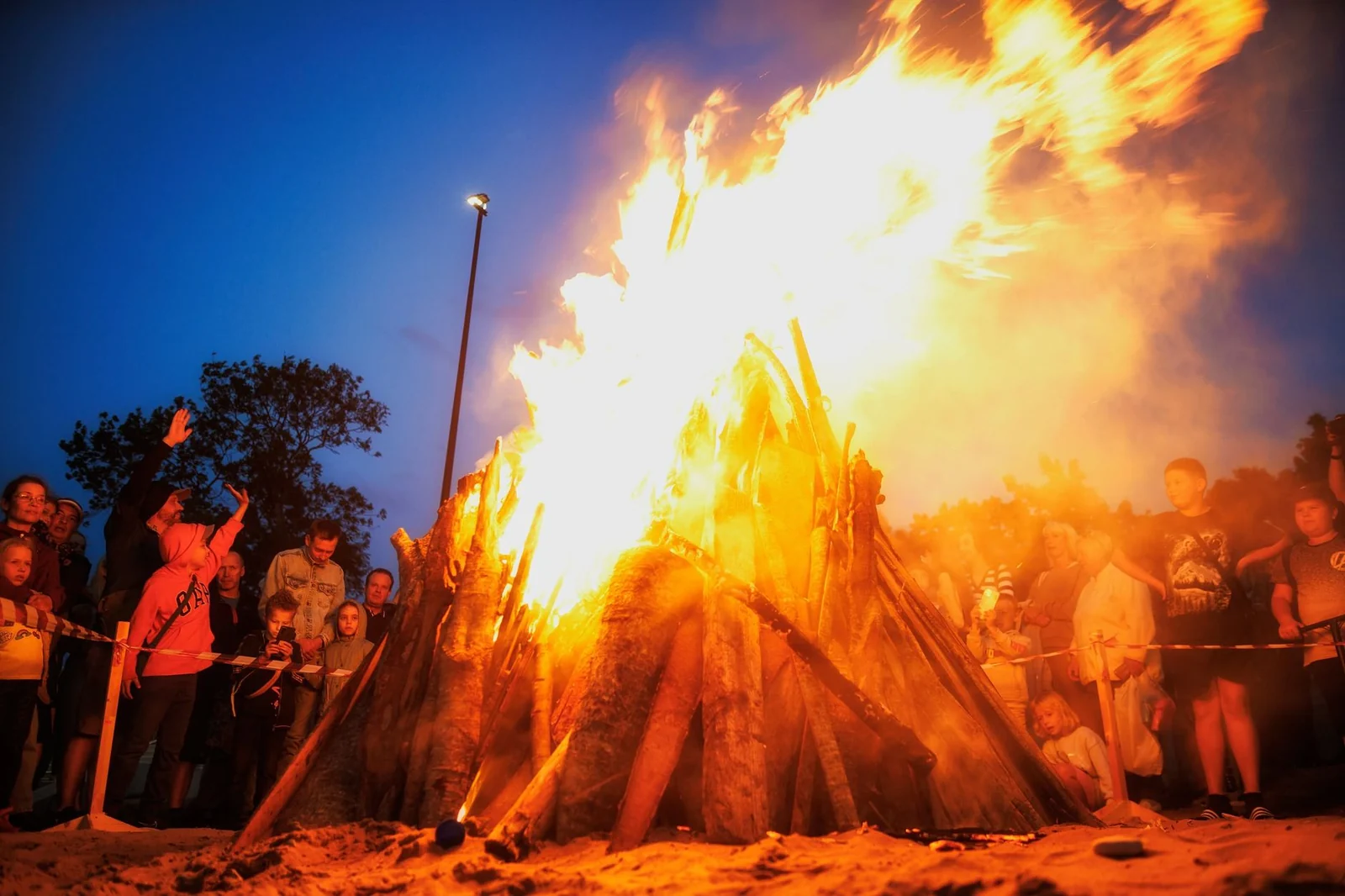
- Sankt Hans, the evening of 23 June, is midsummer: bonfires along the beaches and lakes, a witch burned in effigy, and everyone singing the same midsummer song. It is not a holiday, just the best free evening of the year.
- July is when much of Denmark takes its summer holiday, and a good number of small restaurants, bakeries and shops simply close for two or three weeks. A hand-written lukket pga. ferie sign means closed for the holidays.
- Week 42, in mid-October, is the autumn school holiday, which fills the family attractions.
- J-dag, the first Friday of November, is the night Tuborg’s Christmas beer is released at 20:59. It is 6 November in 2026, and the bars are rammed.
- Mortensaften, 10 November, is roast-duck night, the Danish warm-up for Christmas.
If you want to catch one of these rather than avoid it, Sankt Hans is the one. The biggest bonfires are at Fælledparken, Refshæleøen and Amager Strand; find a spot by about half past nine and you will be singing along by the second verse whether you speak Danish or not. Our guide to Copenhagen in summer has the rest of midsummer.
Frequently Asked Questions
What are the public holidays in Denmark?
New Year’s Day, Maundy Thursday, Good Friday, Easter Sunday, Easter Monday, Ascension Day, Whit Sunday, Whit Monday, Christmas Day and Boxing Day. Christmas Eve and Constitution Day (5 June) are not official public holidays, but shops must close on both.
Are shops open on public holidays in Denmark?
Most are not. The shop-closing law keeps department stores, chains and big supermarkets shut. Small grocery shops, bakeries, petrol stations and the shops at railway stations and the airport can open.
Is Christmas Eve a public holiday in Denmark?
Not officially, but it is the main Christmas celebration, and shops covered by the law cannot open at all. Do your shopping by the 23rd, and book any Christmas Eve dinner weeks ahead.
Are shops open on Constitution Day in Denmark?
No. 5 June is not a public holiday, but the shop-closing law treats it as one, so department stores and big supermarkets are closed all day. In 2027 it falls on a Saturday.
Is Easter Saturday a holiday in Denmark?
No. It is the only ordinary shopping day between Maundy Thursday and Easter Monday, which makes it one of the busiest supermarket days of the year.
Does public transport run on Danish public holidays?
Yes. The Copenhagen metro runs as normal, 24 hours a day, and buses and trains run to the Sunday timetable.
Are shops open on Sundays in Copenhagen?
Mostly, yes. Supermarkets open every day and most central shops open on Sundays on shorter hours. It is public holidays, not Sundays, that close them.
Related Reading
- Danish etiquette and customs for the unwritten rules behind the written ones.
- Copenhagen in December for the markets, the lights and the run-up to the 24th.
- New Year’s Eve in Copenhagen has the fireworks rules and the best places to watch.
- Copenhagen in March covers the early Easter of 2027 week by week.
- Getting around Copenhagen for the transport that keeps running when the shops stop.
Final Thoughts
A Danish public holiday is not an obstacle so much as a change of gear. The city does not stop; it goes to the park, to the beach, to lunch with its family, and leaves the high street dark. If you know it is coming, it can be one of the nicest days of a trip: quiet streets, open museums, bakeries doing a roaring trade and nobody in a hurry.
The days that catch people out are the three the calendar does not warn you about: Constitution Day, Christmas Eve and the half-day on New Year’s Eve. Put those in your diary alongside the official holidays, shop the day before, and keep a bakery in mind for the morning.
Last verified: September 2026, against the Danish law on retail opening (lov om detailsalg fra butikker m.v.). Individual shops, restaurants, museums and Tivoli publish their own holiday hours; check before you go.