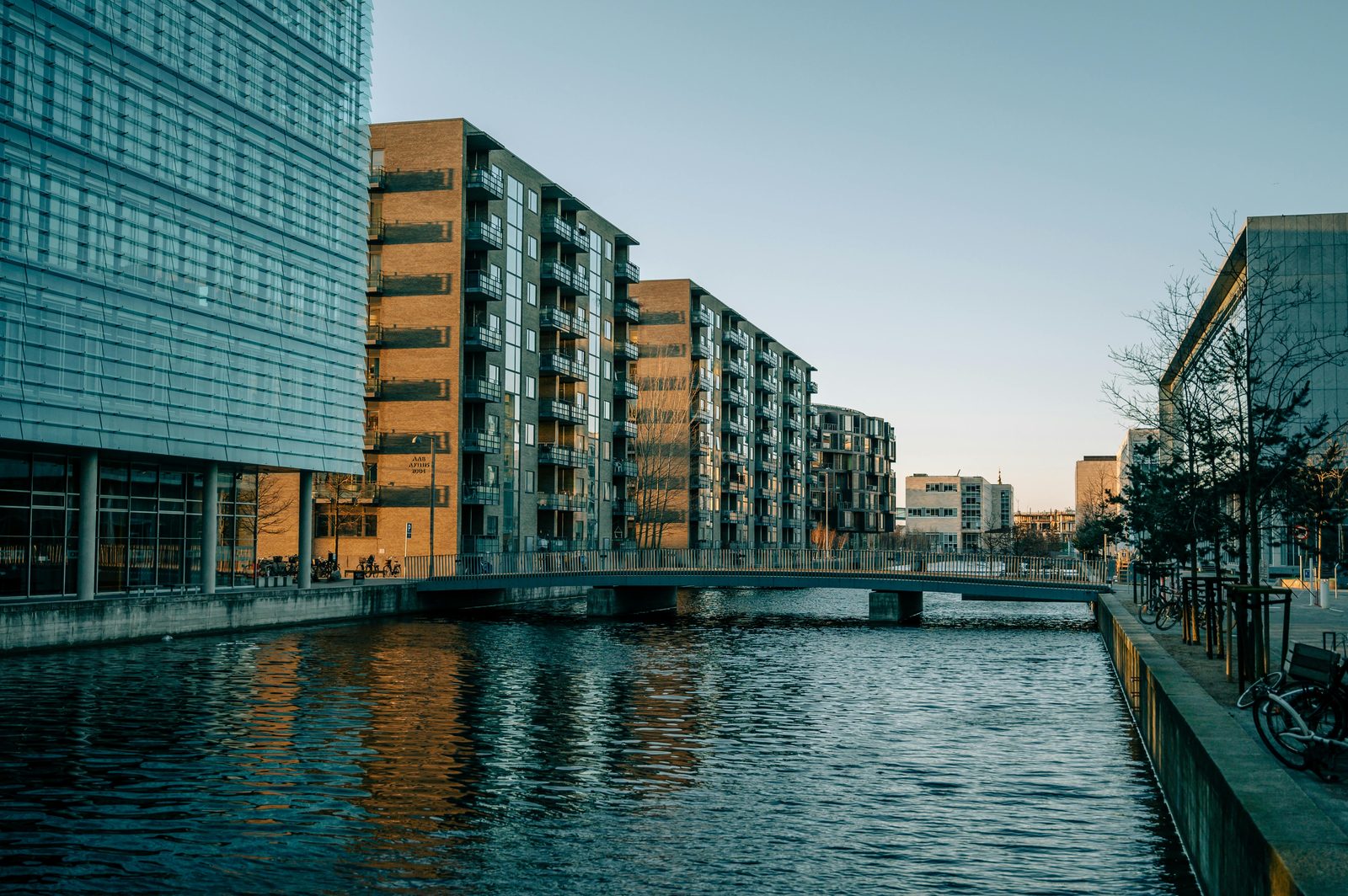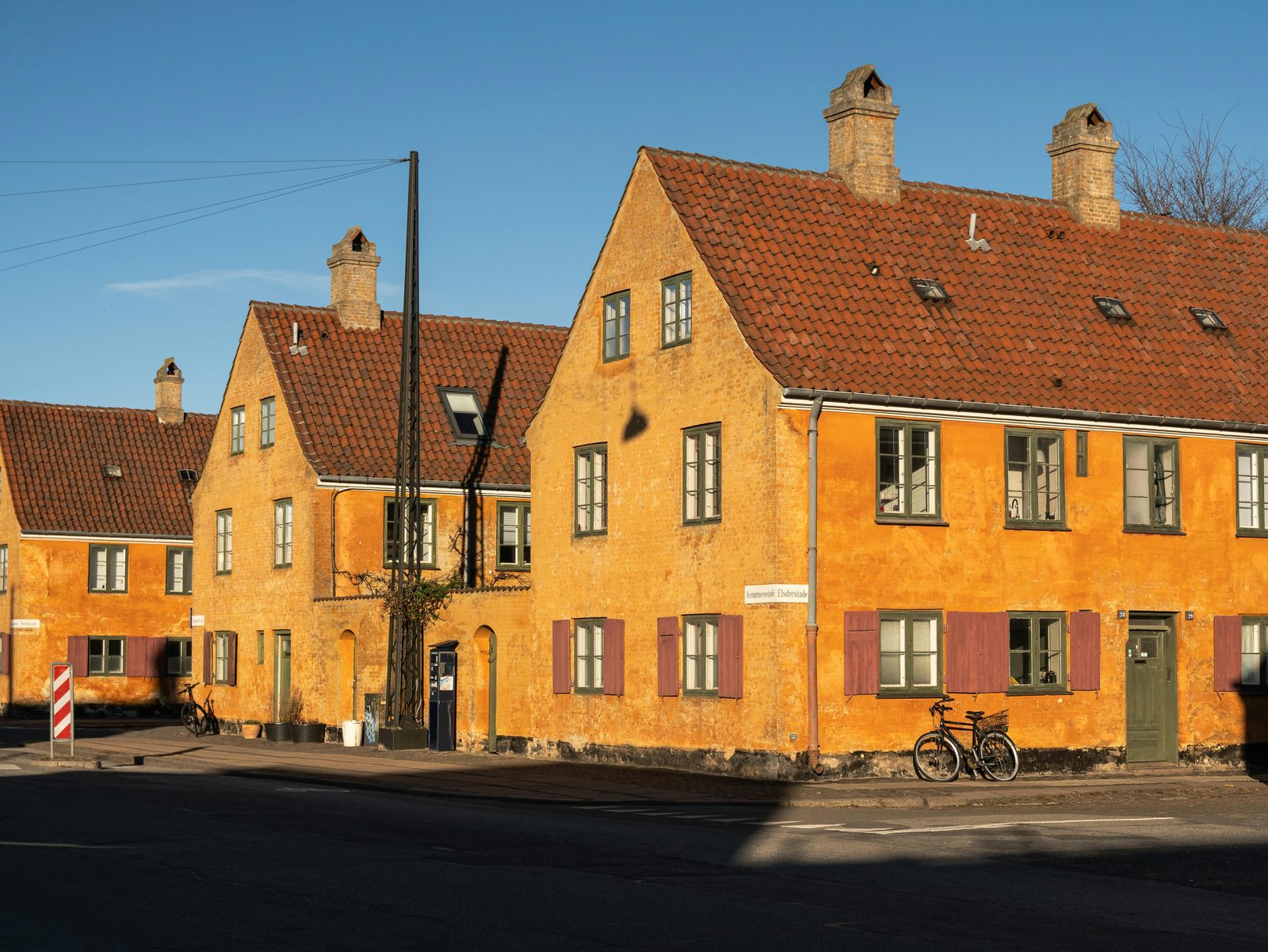
Time Out once called Nørrebro the coolest neighborhood in the world, and the funny thing is it earned the title by not trying to be cool at all. This is one of Copenhagen’s most multicultural districts — around 80,000 people from more than 100 nationalities packed into four square kilometres just north of the old town. Come here for the Superkilen park, the design-and-coffee run of Jægersborggade, the leafy calm of Assistens Cemetery (where Hans Christian Andersen is buried), one of Copenhagen’s best-known bakeries, and food from every corner of the world along Nørrebrogade. Working-class not so long ago, Nørrebro is now the city’s creative-multicultural heart.
Most visitors don’t sleep here — but skipping it would be a mistake. This Norrebro Copenhagen guide covers what to do, where to eat, where to shop and how to spend a proper day in the district. It’s part of our wider district-by-district guide series, so you can see how it slots in with the rest of the city.
Nørrebro at a glance
| Fact | Detail |
|---|---|
| Meaning | Nørrebro means ‘northern bridge’ — the district just north of Indre By |
| Population | ~80,000 residents |
| Area | 4.0 km² |
| Diversity | 100+ nationalities; one of the most multicultural districts in Copenhagen |
| Defining sights | Superkilen Park, Jægersborggade, Assistens Cemetery, Nørrebrogade |
| Best for | Young travelers, foodies, vintage shoppers, a multicultural feel |
| Best metro | Nørrebro Station, Nørreport (M3 Cityringen) |
| Atmosphere | Multicultural, young, creative, a little raw at the edges |
| History | Working-class district; immigration hub from the 1960s; now a creative centre |
| Best season | May–September for park life; year-round for the food |
Top things to do in Nørrebro
1. Superkilen Park
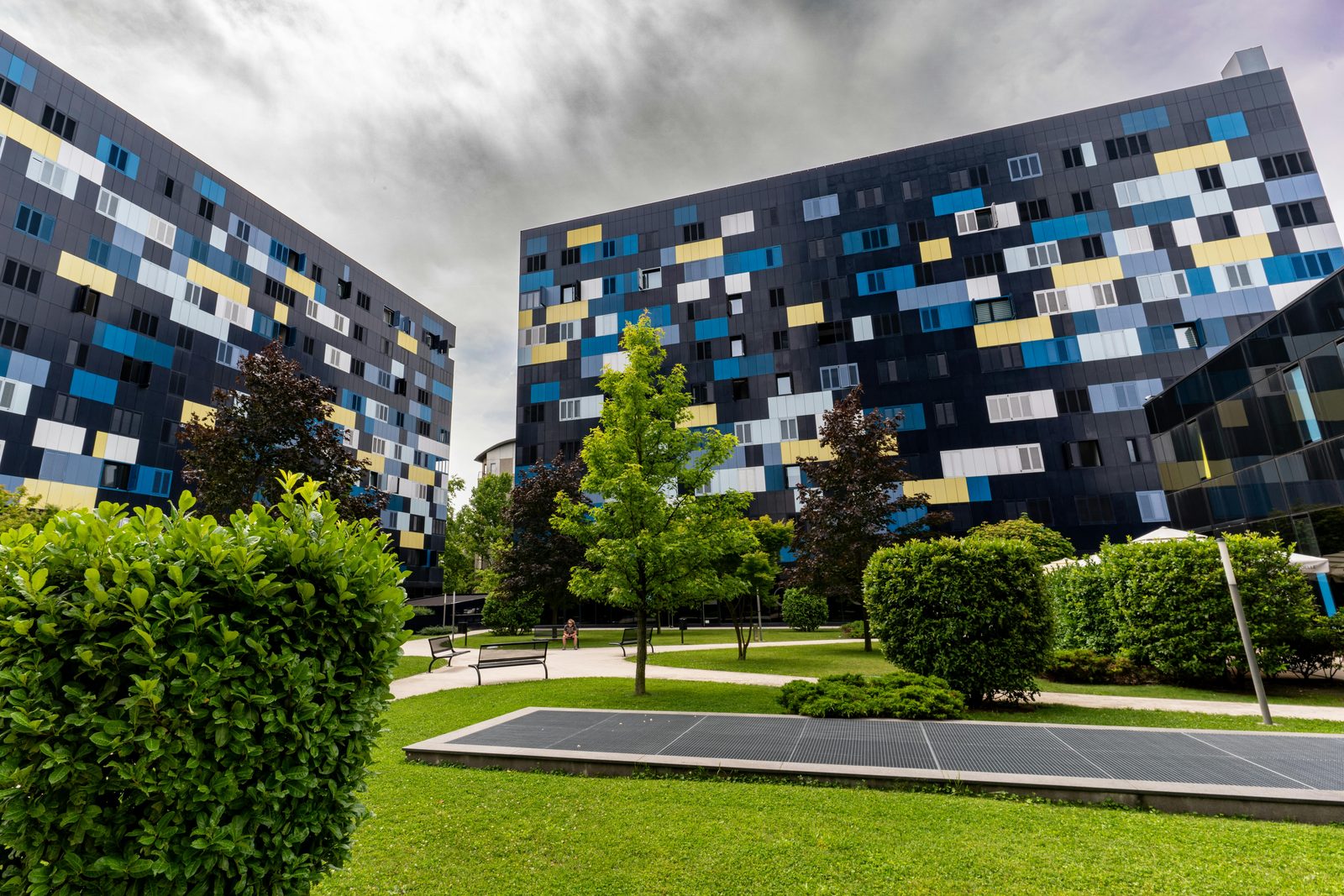
Superkilen is the district’s signature space — a 750-metre linear park by BIG, Topotek 1 and Superflex (2012), split into three zones (the red square, the black market and the green park). It’s furnished with more than 100 objects chosen from 60 countries to reflect the people who live here: a Moroccan fountain, Russian benches, Argentinian lamps, an Iraqi swing. It’s photogenic, genuinely useful public space, and one of the clearest statements of what the neighborhood is about.
2. Walk Jægersborggade
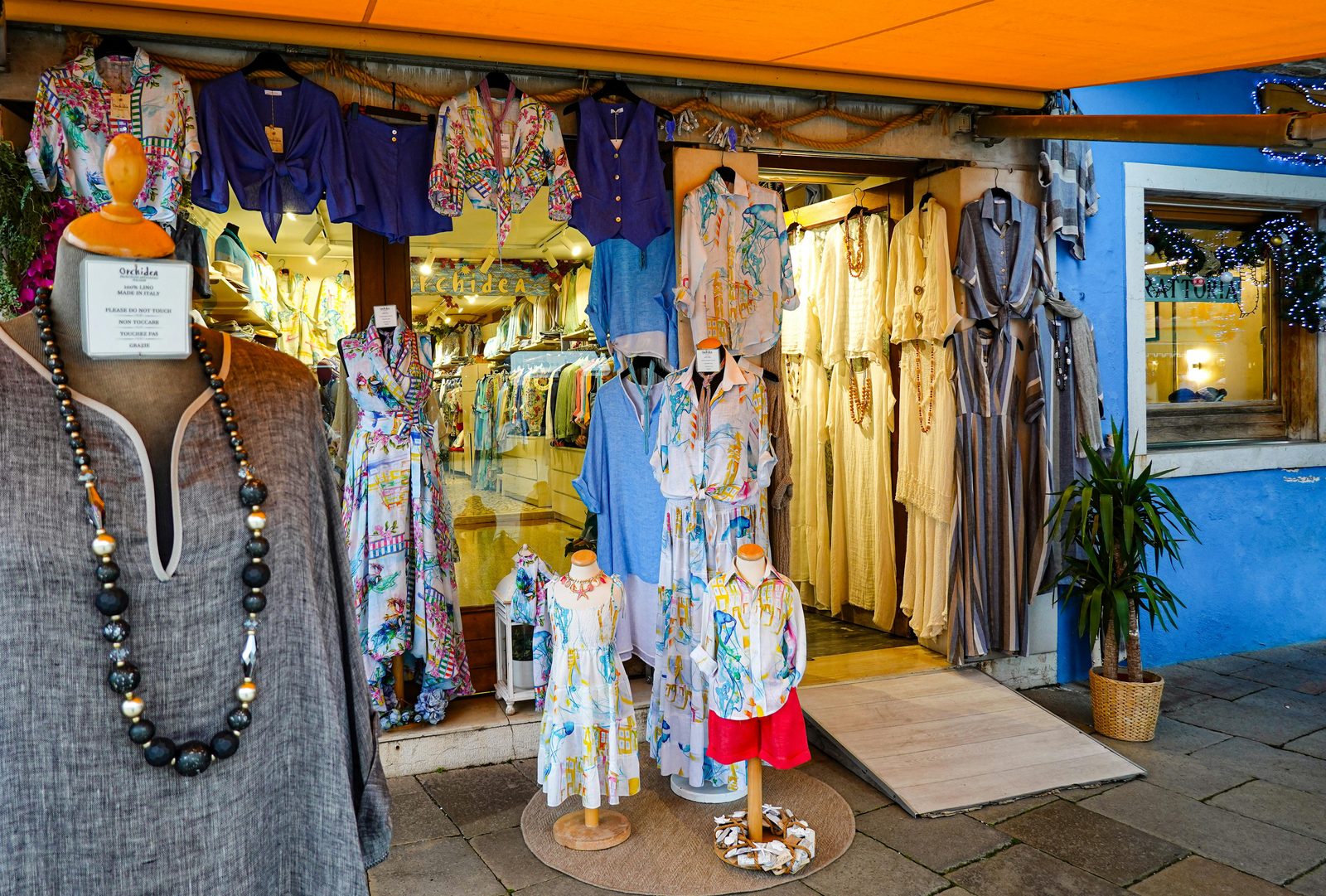
Jægersborggade is the district’s coolest street: 800 metres of independent shops, restaurants and cafés with barely a chain in sight. You’ll find the Coffee Collective flagship, the former Relæ (Christian Puglisi’s Michelin room, now Apotek), Juno the Bakery — whose cardamom buns went viral after a Netflix cameo — and a run of design boutiques. This is Nørrebro for the design crowd.
3. Assistens Cemetery
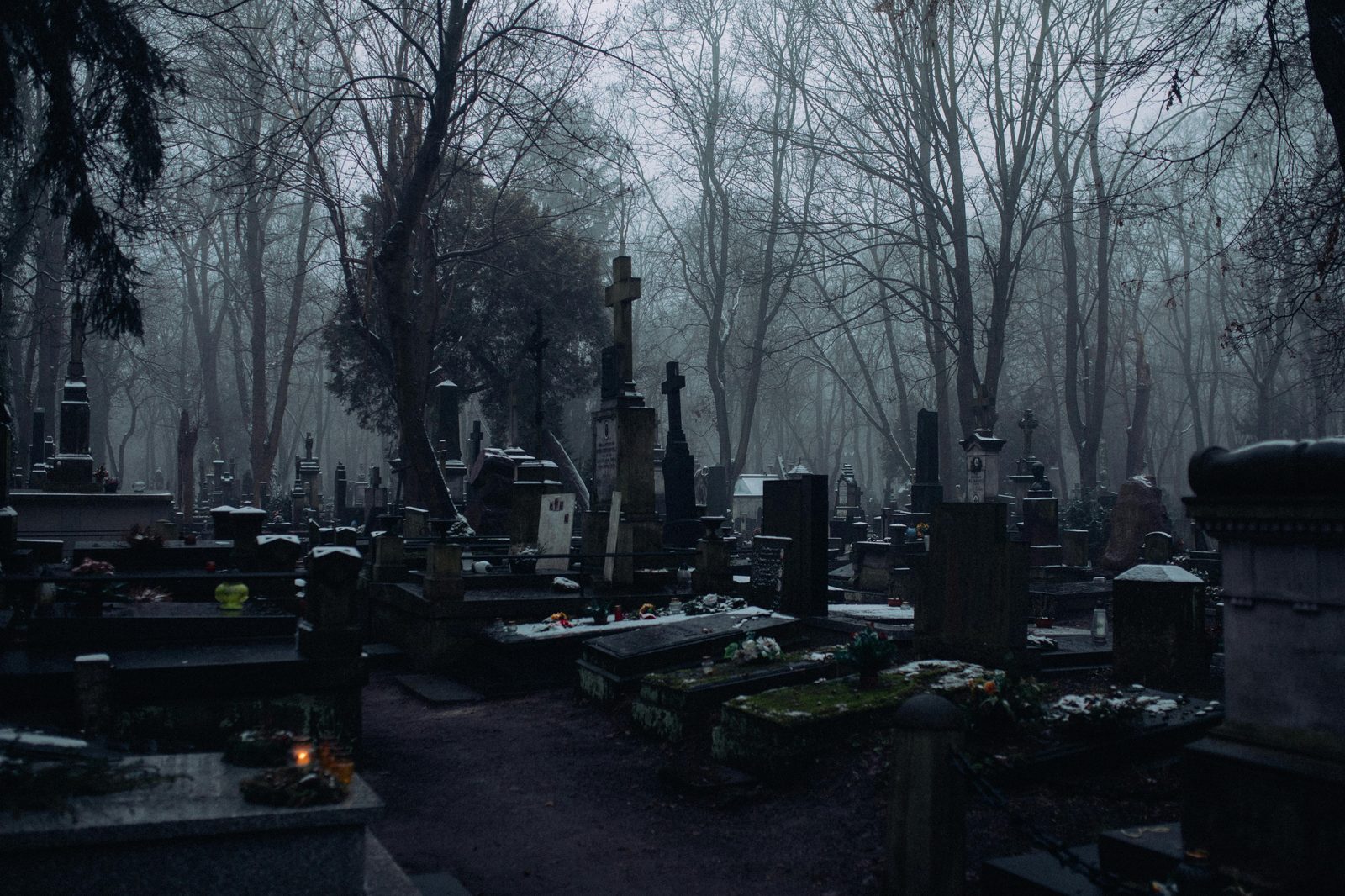
Assistens Cemetery is Nørrebro’s green heart — an 18th-century burial ground that locals treat as a park, picnicking and jogging between the graves of Hans Christian Andersen, Søren Kierkegaard and Niels Bohr. Entry is free, it’s open dawn to dusk, and an hour or two is enough for a proper wander. Autumn, when the leaves turn, is the most atmospheric time to go.
4. Eat at Hart Bageri
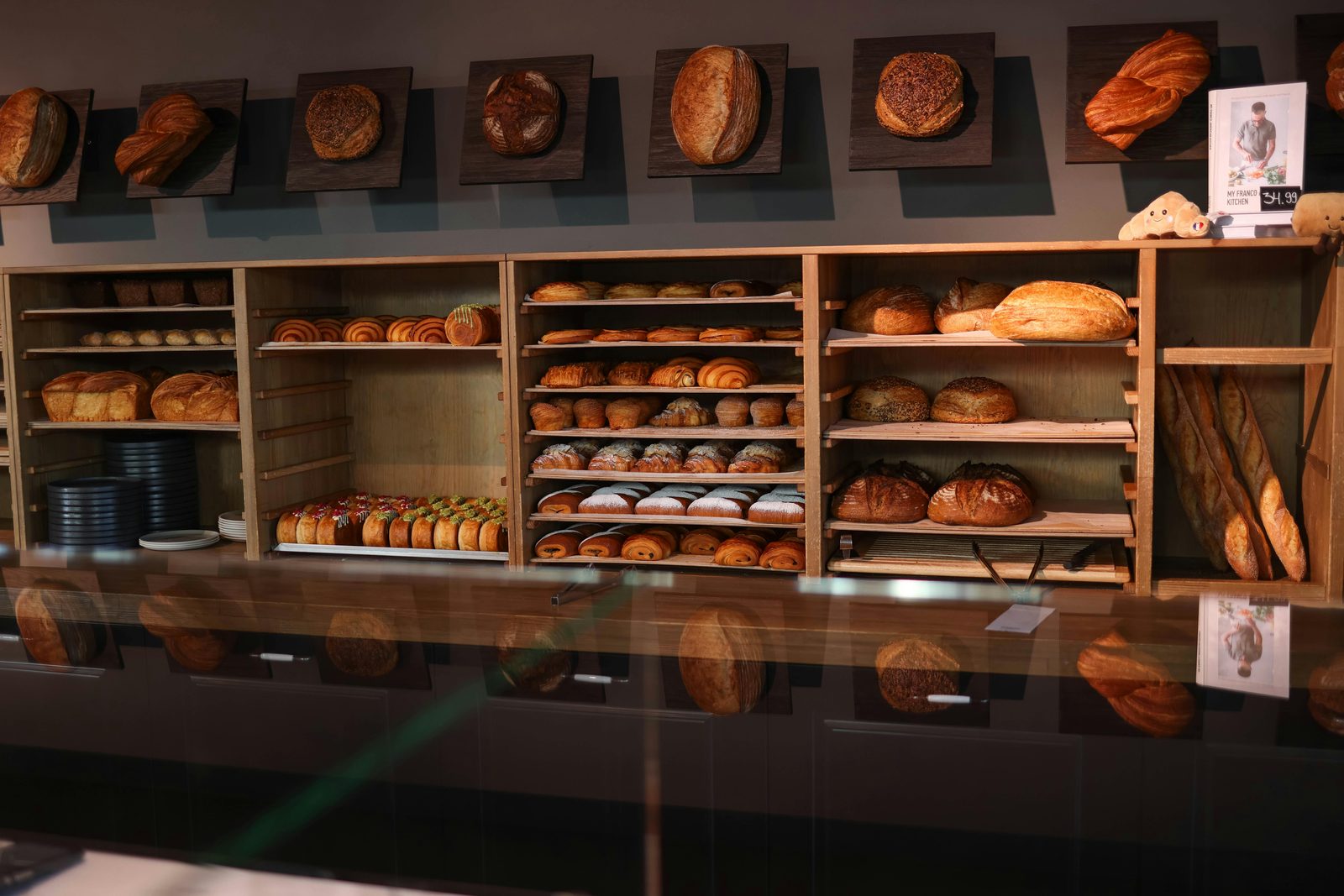
Hart Bageri is one of the most acclaimed bakeries in Copenhagen. Richard Hart (formerly of Tartine in San Francisco) runs it, with Tracy Beasley on pastries, and the croissants (around 45 DKK), sourdough loaves and cinnamon buns draw a queue most mornings. Turn up around 9:00 to skip the worst of it. Our best bakeries in Copenhagen guide has more if you’re on a pastry mission.
5. Eat around the world

This is the best district in the city for food from everywhere. A few reliable stops:
- Krishna’s Sweets — Pakistani sweets and savouries on Nørrebrogade.
- Salam — Lebanese, with some of the best falafel and shawarma around.
- Bismillah — Pakistani biryani and curry.
- Mamma Africa — Eritrean injera and stews.
- Le Le — Vietnamese pho and bún chả.
- Sticks’n’Sushi — the Nørrebro outpost of the local chain.
- Café Mismo — Argentinian empanadas.
6. Nørrebrogade
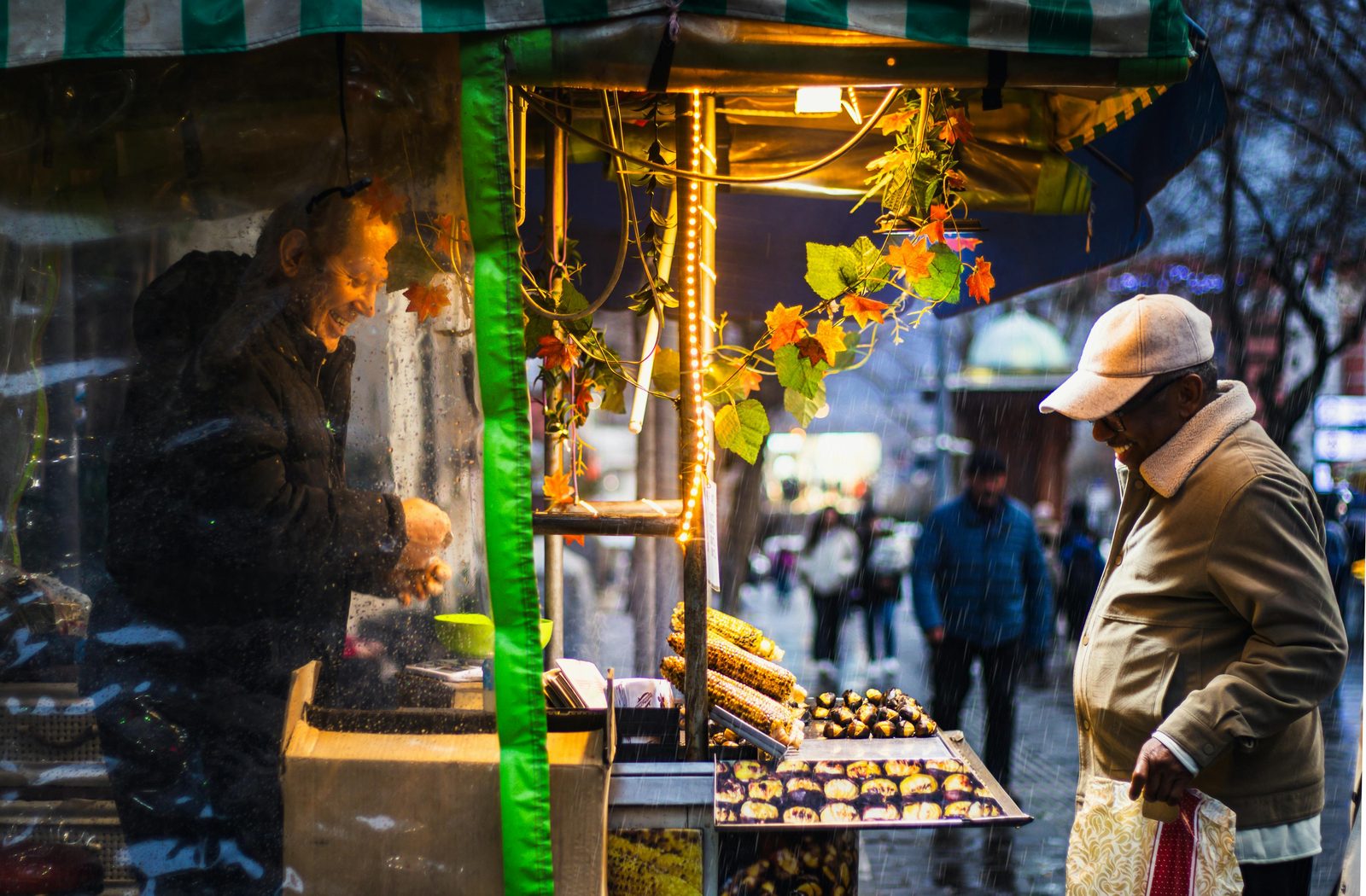
Nørrebrogade is the district’s main artery — two kilometres of Pakistani grocers, halal butchers, Middle Eastern bakeries, Polish shops, Caribbean and Vietnamese kitchens, and a hundred-plus independent businesses. It’s the multicultural Copenhagen that most old-town visitors never see, and it’s worth walking end to end just to feel the city shift around you.
7. Vintage shopping

If you’re after secondhand, this is your district. The pick of the shops:
- Time’s Up — a Nørrebro institution for designer vintage.
- Mat & Søren — designer vintage with Danish labels.
- Episode Nørrebro — big-warehouse vintage.
- Veras Vintage — a curated, higher-end pick.
- Re:Vintage — a local favourite.
- The weekend Banegården flea market — vintage finds and furniture.
8. Park life and picnics

From May to September the whole district decamps outdoors. The best green spaces:
- Nørrebroparken — central, with weekend café tables and outdoor seating.
- Hans Tavsens Park — younger and livelier, with basketball and street life.
- Assistens Cemetery — the green park behind the 18th-century walls.
- Fælledparken — technically in Østerbro next door, but the city’s biggest park and a short walk away.
Where to eat and drink in Nørrebro
Beyond the world-food stops above, here’s a shortlist across styles and budgets. Prices are rough guides — check the latest before you book.
A step up
- Apollo (just over the Indre By line) — vegetable-forward bistro; 4-course around 385 DKK.
- Bæst — pizza and house-cured charcuterie; 135–185 DKK.
- Pluto — natural wine and small plates.
- Restaurant Mes — another good natural-wine bistro.
Casual and affordable
- Salam — Lebanese; 75–145 DKK.
- Le Le — Vietnamese; 95–165 DKK.
- Bevar’s — vegan-friendly brunch and a laid-back bar.
- Terroiristen — natural wine bar and shop on Jægersborggade.
Bakeries
- Hart Bageri Nørrebro — the flagship.
- Lille Bakery — small-batch artisan baking.
- Juno the Bakery — the Jægersborggade star, famous for its cardamom buns.
- Mirabelle — a natural-wine bar’s excellent bakery.
Coffee
- Coffee Collective Jægersborggade — the flagship roastery.
- Drikkemandens Café — a Nørrebro local favourite.
- Risteriet Coffee — a small-batch roaster.
For the wider picture, our full guide to eating in Copenhagen maps the best eating across the city.
Where to stay in Nørrebro
There are far fewer hotels here than in the old town or Vesterbro, which is part of why the district still feels so local. The main options:
- Cabinn Nørrebro — budget chain; 600–900 DKK.
- Carlton 66 Guesthouse — a small boutique; 1,000–2,000 DKK.
- Generator Hostel (just over the Indre By line) — budget; 200–400 DKK a dorm bed.
- Short-term apartments — plenty of good-quality rentals for self-caterers.
Honestly, most visitors base themselves in Indre By or Vesterbro and come to Nørrebro for the day — which works well. If you’d rather live like a local, our Airbnb Copenhagen guide covers short-term rentals here.
Who Nørrebro suits
This is the district for travelers who’d rather eat where locals eat than tick off monuments — younger visitors, food lovers, vintage hunters, and anyone on a repeat trip who wants to see the real, lived-in Copenhagen. It’s also the best-value neighborhood for eating well on a budget.
It’s a weaker fit if you want to walk out of your hotel into the big sights, or if you need a quiet, polished base — for that, Frederiksberg or Christianshavn suit better. And while the district is safe on the usual routes, it isn’t manicured; that rawness is the point.
A half-day walking route
Nørrebro highlights (about 3 hours)
- Coffee at Coffee Collective on Jægersborggade.
- Wander the length of Jægersborggade, browsing the shops.
- Cinnamon bun at Hart Bageri.
- Cut into Assistens Cemetery for the Andersen and Kierkegaard graves.
- Walk a stretch of Nørrebrogade for the multicultural shops.
- On to Superkilen for the design and the photos.
- Lunch at Salam (Lebanese) or Le Le (Vietnamese).
Flea markets and weekends

The district is at its best on weekends — the parks fill, Jægersborggade buzzes, and the flea markets come out. The Banegården market (Saturday and Sunday) draws Copenhagen’s vintage crowd, and Nærbro Plads runs markets too. Most shops open around 11:00–18:00 on weekends; the restaurants run late.
Nightlife and getting around
Nørrebro after dark is more neighbourhood bar than nightclub, and better for it. Blågårdsgade and Sankt Hans Torv are the two squares to aim for — a mix of cosy wine bars, cheap-and-cheerful pubs and late-opening cafés where the crowd is mostly local. Wine bars like Pluto carry the evening effortlessly into dinner, and the area rarely feels rowdy.
For natural wine, head to Terroiristen at Jægersborggade 52, a bar and shop pouring wines it imports itself. It is closed on Sundays and Mondays, so plan around that. Our roundup of Copenhagen’s natural wine bars covers it alongside the best of the rest.
Getting around within the district is easiest on two wheels — it’s flat, and the bike lanes are excellent, so a rental pays for itself in a morning. If you’d rather not cycle, the M3 Cityringen Metro loops the edges and connects Nørrebro to Vesterbro, Frederiksberg and the old town in minutes. Our getting around Copenhagen guide has the ticket details.
Nørrebro FAQs
Is Nørrebro safe?
Yes — it’s safe for visitors by day and evening. A couple of pockets in the far north (around Mjølnerparken) show up in crime statistics, but they’re nowhere near the tourist routes. Jægersborggade, Superkilen and Assistens Cemetery are all completely fine. As everywhere in the city, pickpocketing is the only real concern.
What is Nørrebro known for?
Its diversity (100-plus nationalities), Superkilen Park, the Jægersborggade design street, Hart Bageri, the multicultural sweep of Nørrebrogade, vintage shopping, and Assistens Cemetery — where Hans Christian Andersen is buried.
Should I stay in Nørrebro?
There are fewer hotels here than in the old town or Vesterbro, so most visitors stay elsewhere and visit by day. A short-term apartment is the best bet if you want to base yourself here for a more local experience.
Nørrebro or Vesterbro?
Different flavours. Vesterbro is more polished, design-led and international; Nørrebro is more multicultural and local. Both are hip — Nørrebro has the more diverse food, Vesterbro the deeper craft-beer scene.
How do I get to Nørrebro?
Nørrebro Station (S-train plus the M3 Cityringen Metro) sits in the middle of the district, and the M3 also stops at Nørreport on its southern edge. Walking from Indre By via Nørreport takes about 15 minutes.
Where is Hans Christian Andersen buried?
In Assistens Cemetery, here in Nørrebro. Entry is free and it’s open dawn to dusk; his grave is in section P and easy to find via the map at the entrance. Søren Kierkegaard and Niels Bohr are buried in the same cemetery.
How long should I spend in Nørrebro?
Half a day covers the highlights — Jægersborggade, Superkilen, Assistens and lunch. A full day lets you add the length of Nørrebrogade and a proper eating crawl. It’s an ideal day two or three, once you’ve seen the old town.
What’s special about Superkilen Park?
It celebrates the district’s 100-plus nationalities with public objects imported from each: a Moroccan fountain, Russian benches, Argentinian lamps, an Iraqi swing and more. Designed by BIG, Topotek 1 and Superflex (2012), it’s won a stack of urban-design awards.
Related reading
- The Carlsberg City district — the Elephant Gate, the brewery tastings and Copenhagen’s newest district.
- The city’s headline sights
- The city centre itself — Strøget, the Round Tower and most of the postcard sights in one district.
- Reffen and Refshaleøen — Reffen street food, Copenhill’s ski slope and the old shipyard sheds.
- Copenhagen itinerary
- What Sydhavn offers — harbour swimming at Islands Brygge, GoBoat rentals, the Sluseholmen canals and the best sunsets.
- Copenhagen shopping guide
Final thoughts
Nørrebro is the most authentic corner of Copenhagen — multicultural, young and creative in ways the more polished districts aren’t. Walk Jægersborggade for coffee and design, eat a cinnamon bun at Hart Bageri, photograph Superkilen, dig for vintage at Time’s Up, grab Lebanese at Salam, and pay your respects at Andersen’s grave in Assistens Cemetery. Few travelers base themselves here, but nearly everyone should give it a full day. This is where the city’s future is quietly being built.
Last updated: July 2026.