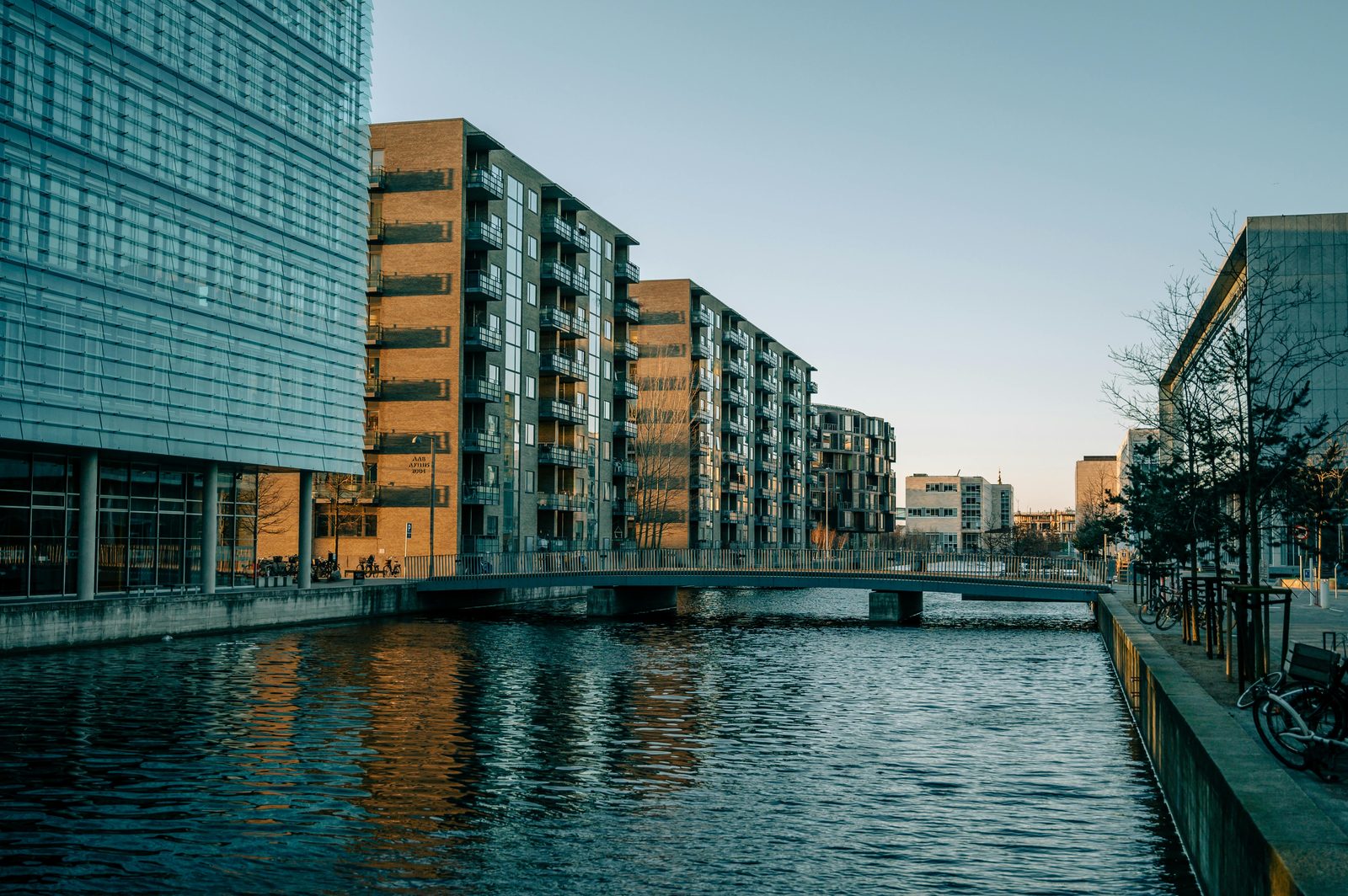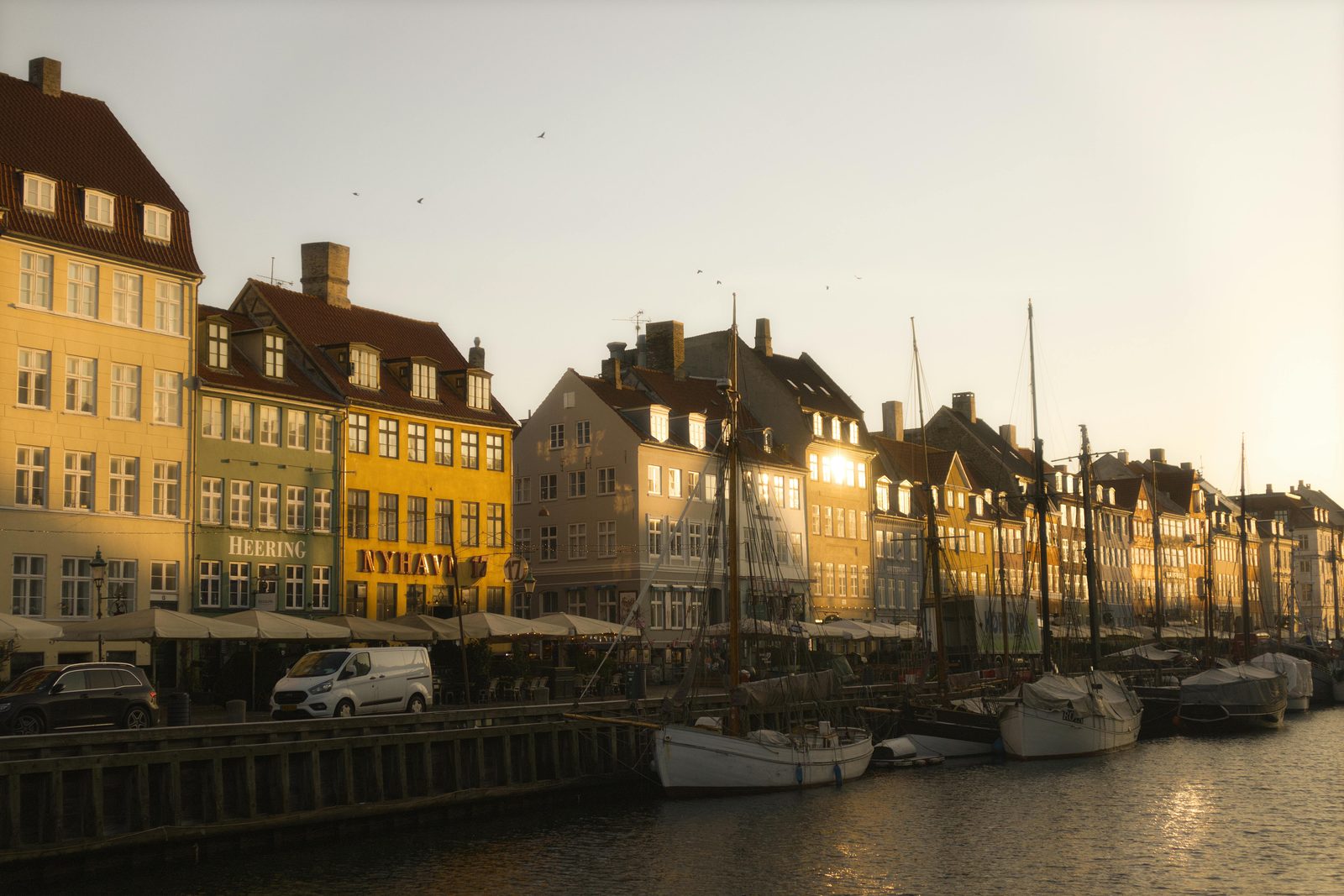
Not long ago you’d have crossed the street to avoid parts of Vesterbro. Now people cross the city to eat here. A scruffy, working-class, red-light quarter has become the city’s creative engine. Today Vesterbro is where you’ll find the Kødbyen meatpacking district (old butcher halls now full of restaurants and bars), the leafy Sønder Boulevard, the vintage shops of Istedgade, the sinuous Cykelslangen cycle bridge, and the densest run of specialty coffee, craft beer and street art anywhere in town.
It’s also, for a lot of visitors, the smartest place to base yourself — five minutes from Central Station and Tivoli, but with better food and more life than the old town. This Vesterbro Copenhagen guide runs through what to do, where to eat and drink, where to stay, and how to walk it. It’s one stop on our wider Copenhagen neighborhoods tour, so you’ll see how it fits with everywhere else.
Vesterbro at a glance
| Fact | Detail |
|---|---|
| Meaning | Vesterbro means ‘western bridge’ — the district just west of Indre By |
| Population | ~85,000 residents |
| Area | 8.37 km² |
| Defining sights | Kødbyen, Sønder Boulevard, Istedgade, Cykelslangen, Carlsberg City |
| Best for | Foodies, craft-beer lovers, design shoppers, hip travelers, families |
| Best metro stations | Hovedbanegården (Central), Enghave Plads (M3), Frederiksberg (M3) |
| Atmosphere | Hip, creative, faintly gritty at the edges, young, international |
| History | Working-class red-light quarter, gentrified over recent decades; now the city’s coolest |
| Best season | April–October for outdoor seating; year-round indoors |
Top things to do in Vesterbro
1. Eat in Kødbyen (the Meatpacking District)

Kødbyen is the place to start — white-tiled butcher warehouses reborn as a cluster of restaurants and bars. In a few square blocks you’ve got Mother (sourdough Naples-style pizza), Fiskebar for fish, Mikkeller and Warpigs for craft beer, Prolog for coffee, Hooked for a vegan bite, and plenty more. Indoor and outdoor seating make it perfect on a warm evening — just book ahead, because the good rooms fill.
2. Walk Sønder Boulevard

Sønder Boulevard is a 1.3 km street on the route of a former railway line, which the city turned into a tree-lined linear park between 2005 and 2007. There’s communal seating, climbing equipment, weekend flea markets (Saturday and Sunday), and cafés spilling out along its length. Come on a warm Saturday afternoon and you’ll see the whole neighborhood out on the grass.
3. Shop Istedgade
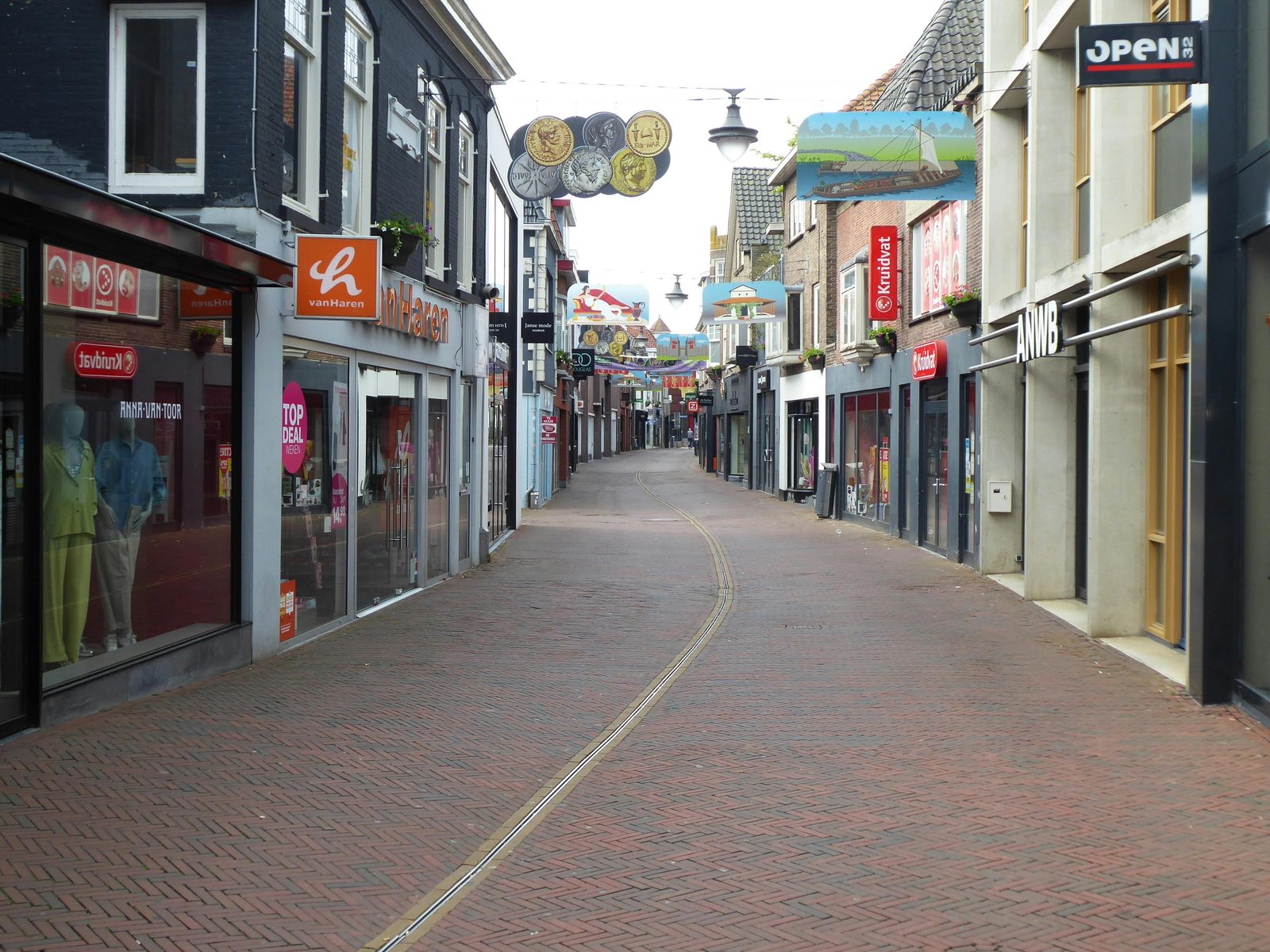
Istedgade runs about 1 km west from Central Station and it’s a popular street for independent shops. Danish designers, vintage clothing, secondhand books, the Norse Projects flagship, Wood Wood, concept stores and cafés line the way. It shows how far the district has come, though the street has only partly gentrified and some of its red-light character remains.
4. Drink craft beer at Mikkeller

Mikkeller is a well-known Copenhagen craft brewery, and its original bar on Viktoriagade is right here. Expect a rotating line-up of house and guest beers in a pared-back Scandi room. Warpigs (Mikkeller’s joint venture with 3 Floyds) does barbecue and beer over in Kødbyen. Save Mikkeller Baghaven, out on the Refshaleøen waterfront, and To Øl’s BRUS brewpub in Nørrebro for another day. Beer geeks could spend a whole evening between the first two.
5. Ride the Cykelslangen (Bicycle Snake)

The Cykelslangen (“Bicycle Snake”) is an elevated orange cycle bridge by Dissing+Weitling, opened in 2014, that curls across Gasværkshavnen from Kalvebod Brygge to Havneholmen. It’s been photographed for design magazines the world over, and it captures Copenhagen’s whole approach to cycling in one ribbon of tarmac. Ride it, or just walk it for the harbour view. Our bike rental guide covers where to grab a bike first.
6. Drink great coffee

Coffee Collective’s roastery-café on Godthåbsvej is a good place to see how seriously this city takes its coffee: direct-trade beans roasted on site and a proper pour-over and espresso bar. Between here, Prolog in Kødbyen and a scatter of neighborhood spots, you’re never far from a great cup. Our guide to the city’s best coffee has the rest.
7. Hunt down the street art

The district has the best street art in Copenhagen, concentrated along Sønder Boulevard, Halmtorvet, Istedgade and the Kødbyen alleys. An annual urban-art festival keeps the walls changing, so no two visits look quite the same. Take a guided tour or just wander and let it find you.
8. Visit the Carlsberg brewery
The historic Carlsberg brewery sits just beyond Vesterbro’s western edge, in the new Carlsberg City district. You can visit Home of Carlsberg, see where the brewery began in 1847, taste a Carlsberg beer and walk under the famous Elephant Gate (1901) — all within walking distance of western Vesterbro. Our Carlsberg City guide has the full plan.
Where to eat and drink in Vesterbro

Here’s a shortlist by budget. Check current prices with each place when you book.
Casual and affordable
- Mother — sourdough Naples-style pizza in Kødbyen.
- Fiskebar — a fish bistro.
- Hija de Sanchez Cantina — Rosio Sanchez’s Mexican; come for the tacos.
- Bæst — pizza and house-cured charcuterie (just over the Nørrebro line).
- Beyla — the vegan spot formerly called Souls, at Kobkes Plads 34 in Carlsberg Byen; weekend brunch 145–225 DKK.
Coffee and pastries
- Coffee Collective Vesterbro — the flagship roastery and café.
- Prolog — specialty coffee in Kødbyen.
- Hart Bageri — Richard Hart’s bakery (just into Frederiksberg).
- Lille Bakery — small-batch artisan baking.
- Plant Power Bakery — an all-vegan bakery.
Bars and nightlife
- Mikkeller Bar — Viktoriagade; rotating craft taps.
- Warpigs — Kødbyen barbecue-and-beer joint venture.
- Curfew — a low-lit speakeasy for cocktails.
- Lidkoeb — top-tier cocktails (just into Frederiksberg).
- Bryggeriet Apollo — bottomless brunch and house-brewed beer.
Hungry for the full city picture? Our Copenhagen food guide pulls together the best of it, neighborhood by neighborhood.
Where to stay in Vesterbro

The district generally offers better value than the old town, and you’re still walking distance from the main sights. Rates are rough guides:
- Andersen Boutique Hotel — design-led boutique.
- Astoria Hotel — central, handy for the station.
- Hotel Riddergaarden — quirky boutique.
- Coco Hotel — design boutique on the Indre By border.
- Steel House Copenhagen — a slick luxury hostel with dorm beds.
- CABINN City — a budget chain.
See our guide to the city’s best hotels for more, or the where to stay for first-timers guide to compare neighborhoods.
Who Vesterbro suits (and who might not)
Be honest with yourself about what you want from a trip. Vesterbro rewards people who plan their days around meals and coffee, who like a bit of edge with their design, and who’d rather stay somewhere that feels lived-in than somewhere polished for tourists. Couples and food-focused travelers do especially well here, and it’s a strong first-time base if you want more life than the old town offers.
It’s a weaker fit if you’re chasing the classic sights — palaces, canals, the Little Mermaid — since those cluster in Indre By and out toward Østerbro. Light sleepers should also aim for a room off Istedgade and the Kødbyen blocks, which stay lively late on weekends. If quiet and canals are the priority, Christianshavn is the better call.
Two easy walking routes
Route 1 — Vesterbro highlights
- Start at Central Station (Hovedbanegården).
- Walk Istedgade, browsing the vintage and design shops.
- Coffee at Coffee Collective, a kilometre or so west.
- Cut down to Kødbyen for lunch — Mother pizza or Fiskebar.
- Cross the Cykelslangen for the harbour view.
- Loop back along Sønder Boulevard.
- Finish with a beer at Mikkeller Bar.
Route 2 — lazy Sunday
- Weekend brunch at Beyla, the old Souls, in Carlsberg Byen.
- Wander Sønder Boulevard while the weekend flea markets are on.
- Coffee at Prolog or Coffee Collective.
- Browse the Istedgade design shops.
- Early pizza at Bæst.
- Cocktails at Curfew.
Practical tips
- It’s safe. The district has been thoroughly gentrified for years — fine day or night for visitors.
- The red-light past lingers only around Halmtorvet, and it’s not somewhere you’ll wander by accident.
- It’s flat and bike-friendly — ideal for a Donkey Republic rental.
- Weekend flea markets run along Sønder Boulevard on Saturday and Sunday.
- Book the popular tables — Mother and Fiskebar both fill up.
- Pair it with Frederiksberg — the leafy neighbor is next door to the west.
- Give it two nights minimum to do it justice.
- Daytime is family-friendly; the late nights skew more adult.
- Halmtorvet after dark is the one corner still worth skipping.
- Ride the Cykelslangen even if you don’t normally cycle — it’s worth it.
Vesterbro FAQs
Is Vesterbro safe?
Yes, for the most part. The old red-light corner at Halmtorvet is still a little rough after dark but doesn’t cross the usual tourist routes. As anywhere busy, keep an eye on your phone and wallet.
What is Vesterbro known for?
For its transformation from red-light district into Copenhagen’s coolest creative quarter. The headlines: Kødbyen’s restaurants, Sønder Boulevard, Istedgade vintage shopping, Mikkeller craft beer, specialty coffee, street art, and the Cykelslangen bike bridge.
Should I stay in Vesterbro?
For a lot of people, yes — it’s one of the best bases in the city. You’re within walking distance of Indre By, Tivoli and Central Station, with excellent food and coffee and better hotel value than the old town. See our where to stay for first-timers guide.
Is Vesterbro the same as Kødbyen?
No. Kødbyen (the Meatpacking District) is a small sub-area within Vesterbro — the cluster of old butcher warehouses now full of restaurants. Vesterbro is the larger district that contains it.
How long should I spend in Vesterbro?
Half a day covers the highlights — a Kødbyen lunch, the Istedgade walk and a good coffee. One or two days lets you do it properly, with multiple café stops and an evening at Mikkeller.
Is Vesterbro family-friendly?
By day, very. Sønder Boulevard has a playground and climbing gear, and places like Mother and Fiskebar welcome kids. Nights get more grown-up, and Tivoli sits right on the northern edge. Our guide for families visiting Copenhagen has more.
How do I get to Vesterbro?
Central Station sits on the district’s eastern edge, Enghave Plads (M3) is right in the middle, and Frederiksberg (M3) marks the western end. Indre By is right next door, so you can easily walk over.
Vesterbro or Nørrebro?
Vesterbro leans design, craft beer and international polish; Nørrebro is more multicultural, more local and a touch rougher round the edges. Both are hip — Vesterbro is the glossier of the two.
Related reading
- The old shipyard island — Reffen street food, Copenhill’s ski slope and the old shipyard sheds.
- Things to do in Copenhagen
- The Sydhavn harbour district — GoBoat rentals, the Sluseholmen canals and the best sunsets.
- Day-by-day Copenhagen itineraries
- Where to shop in the city
- The Holmen district
- The Østerbro neighbourhood
Final thoughts
Vesterbro is the most exciting corner of Copenhagen — a former red-light district that recent decades have turned into the city’s creative heart. Eat your way through Kødbyen, walk Sønder Boulevard and Istedgade, drink at Mikkeller, ride the Cykelslangen, and duck down the side streets for the vintage shops. Plenty of first-timers end up preferring it to the old town for the food, the atmosphere and the better hotel value. Give it two or three days — you’ll probably wish you’d booked longer.
Last updated: July 2026.