In 2014 the Danish Ministry of Food asked the country to vote for a national dish, and the country chose fried pork belly with boiled potatoes and parsley sauce. Not the open sandwich, not the pastry the rest of the world named after Denmark, not anything from Noma — a plate of crisp fat pork in a white sauce that most Danes grew up eating on a Tuesday. That vote tells you more about traditional Danish food than any restaurant review: it is heavy, plain, pork-and-potato cooking built for a cold, wet country, and it is far better than its reputation.
Below are twenty dishes worth eating in Copenhagen, grouped by when Danes actually eat them, with an honest verdict on each and a note on what to order. This is a dish-by-dish reference; for where to eat, our Copenhagen food guide is the place to start. Prices were checked in September 2026 and come with the usual caveat that the spread between cheap and expensive here is enormous.
The Short List
| Dish | What it is | Worth it? |
|---|---|---|
| Smørrebrød | Open sandwiches on rye | Essential — but not on a tourist menu |
| Stegt flæsk | Crisp pork belly, parsley sauce | Yes, the national dish |
| Frikadeller | Pan-fried pork meatballs | Yes, comfort food done right |
| Karrysild | Curried pickled herring | The surprise of the list |
| Pølser | Hot dogs from a stand | Yes, and cheap |
| Stjerneskud | Fried plaice, shrimp, dressing | Yes, the showpiece |
| Risalamande | Christmas rice pudding | Yes, in December |
| Æbleskiver | Round pancake puffs | Only at Christmas |
| Koldskål | Cold buttermilk soup | Only in summer |
| Wienerbrød | What you call a Danish | Yes, from a real bakery |
The Lunch Table: Rye Bread and Everything On It
Traditional Danish eating is organised around frokost, lunch, and lunch is organised around rye bread. Most of the dishes visitors come looking for belong to this meal, and they are eaten at midday with a beer and, for the serious version, a shot of akvavit. Ordering them at dinner is not wrong, but it is a little like ordering a full English at eight in the evening.
1. Rugbrød
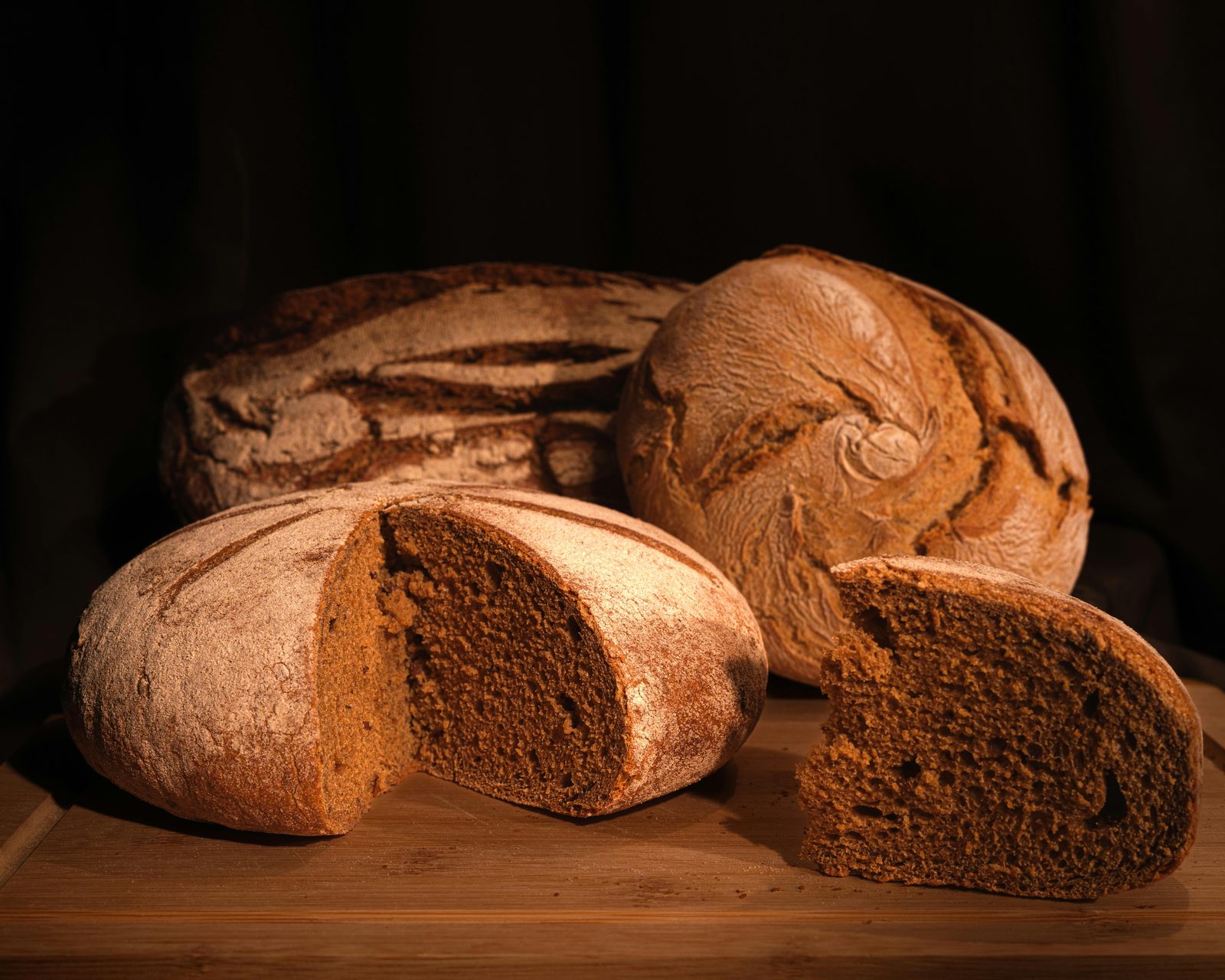
Start here, because everything else sits on it. Danish rye bread is dense, dark, sour and full of whole grains and seeds, closer to a brick than a loaf. It is eaten every day by almost everyone, and it is the reason Danish open sandwiches stay open: nothing softer would take the weight. On its own, with good salted butter, it is one of the best things in the country. Buy a quarter-loaf from a bakery and you will understand the rest of this page.
2. Smørrebrød
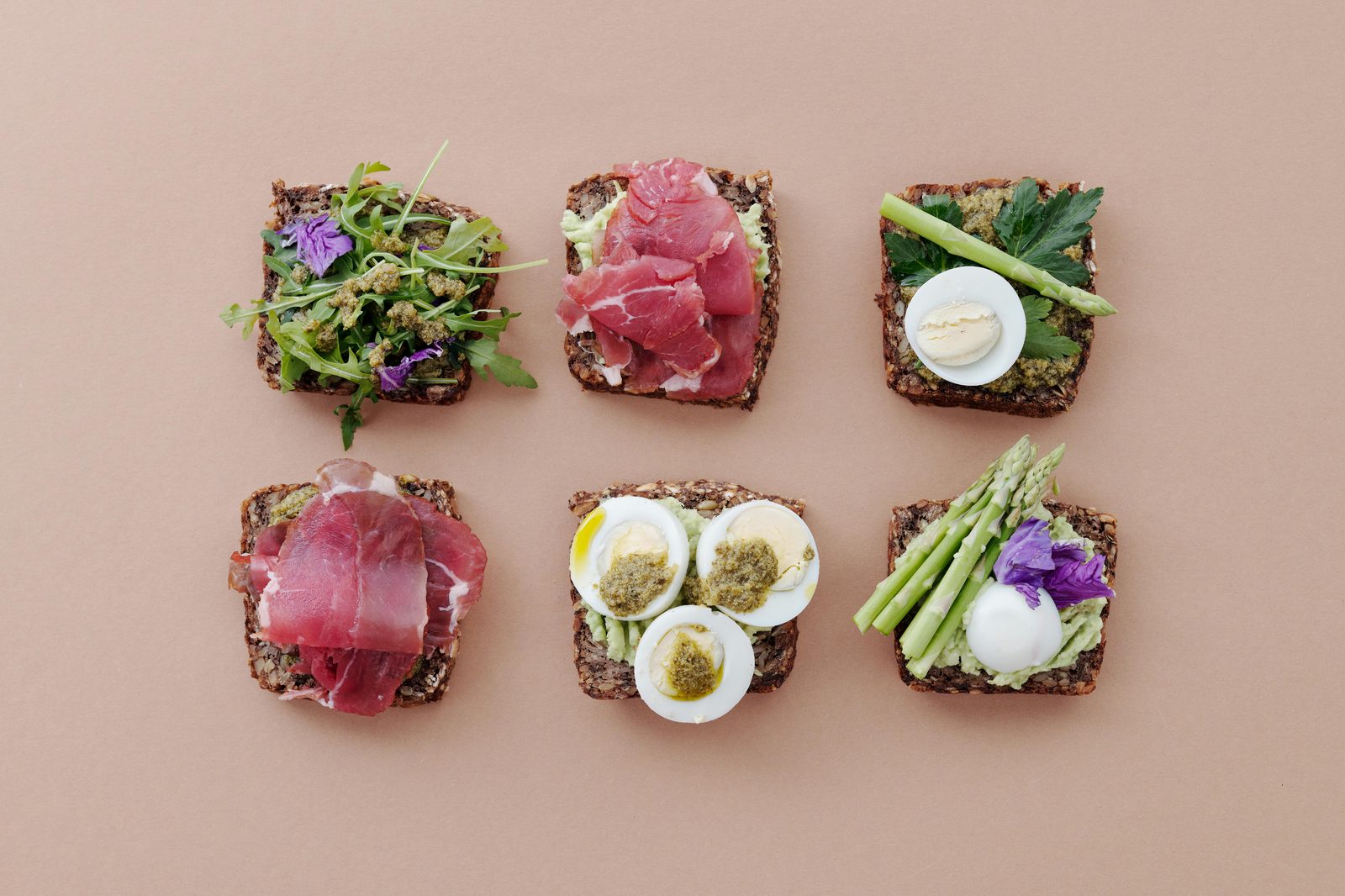
The open sandwich is Denmark’s great contribution to lunch: a slice of rye bread, thickly buttered or spread with dripping, piled with toppings arranged with real care. The classics are pickled herring, egg and shrimp, roast beef with remoulade and crispy onions, liver pâté with bacon, and potato with mayonnaise and chives — the last one sounding like a joke and being among the best.
There are rules. You eat it with a knife and fork, never by hand. You eat in order: herring first, then other fish, then meat, then cheese. And three pieces is a full lunch. The rules are covered in our etiquette guide.
The honest verdict is about where. The spread is enormous: a takeaway piece from a proper smørrebrød shop can cost under 30 DKK, a traditional lunch restaurant charges 80 to well over 100 a piece, and the tourist-menu version on a terrace charges the second price for the first quality. The pre-made, cling-filmed smørrebrød in chiller cabinets near the big sights is not the real thing and you should not judge the dish by it. Our smørrebrød guide sorts out where the real thing is.
3. Sild
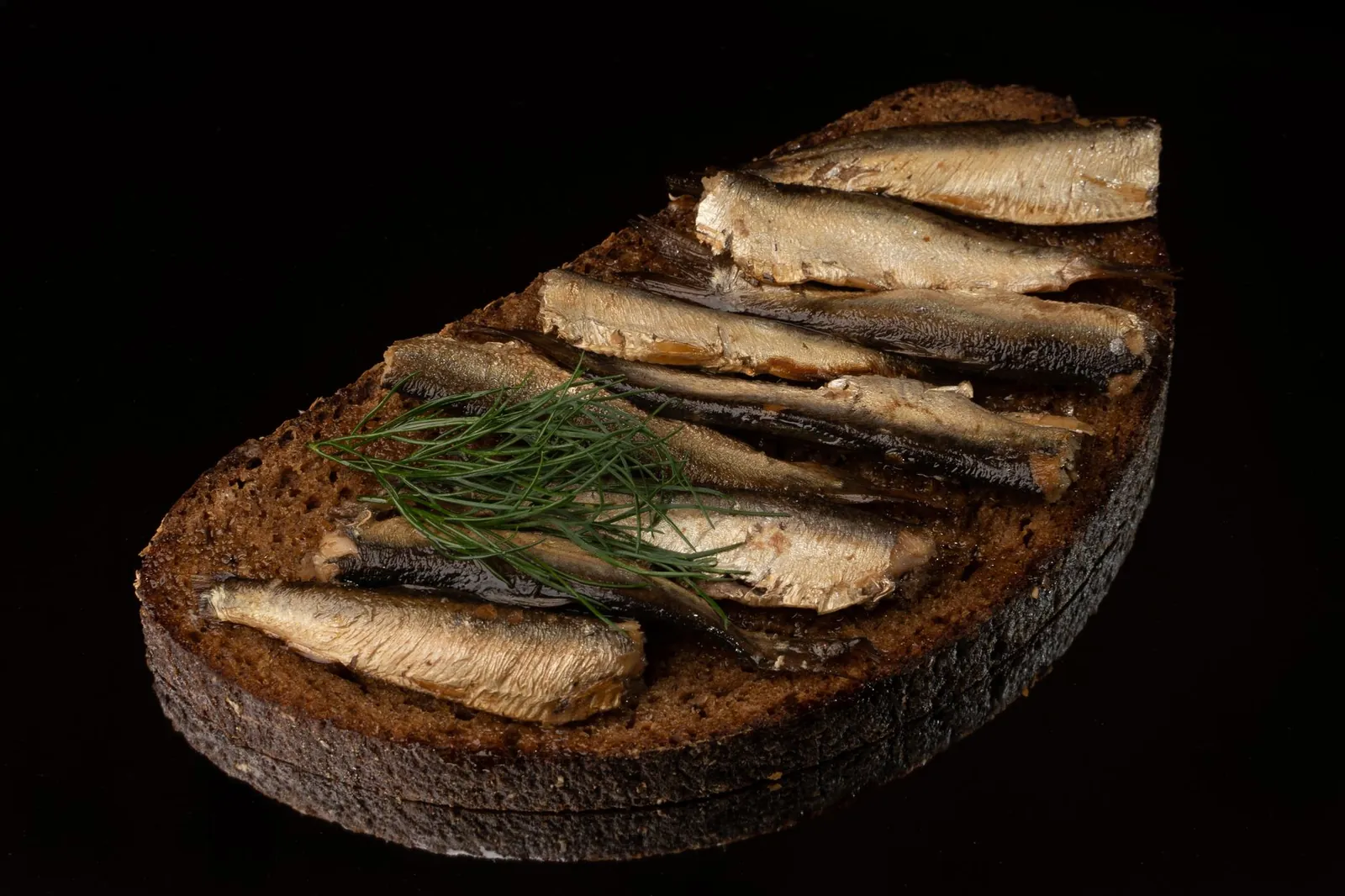
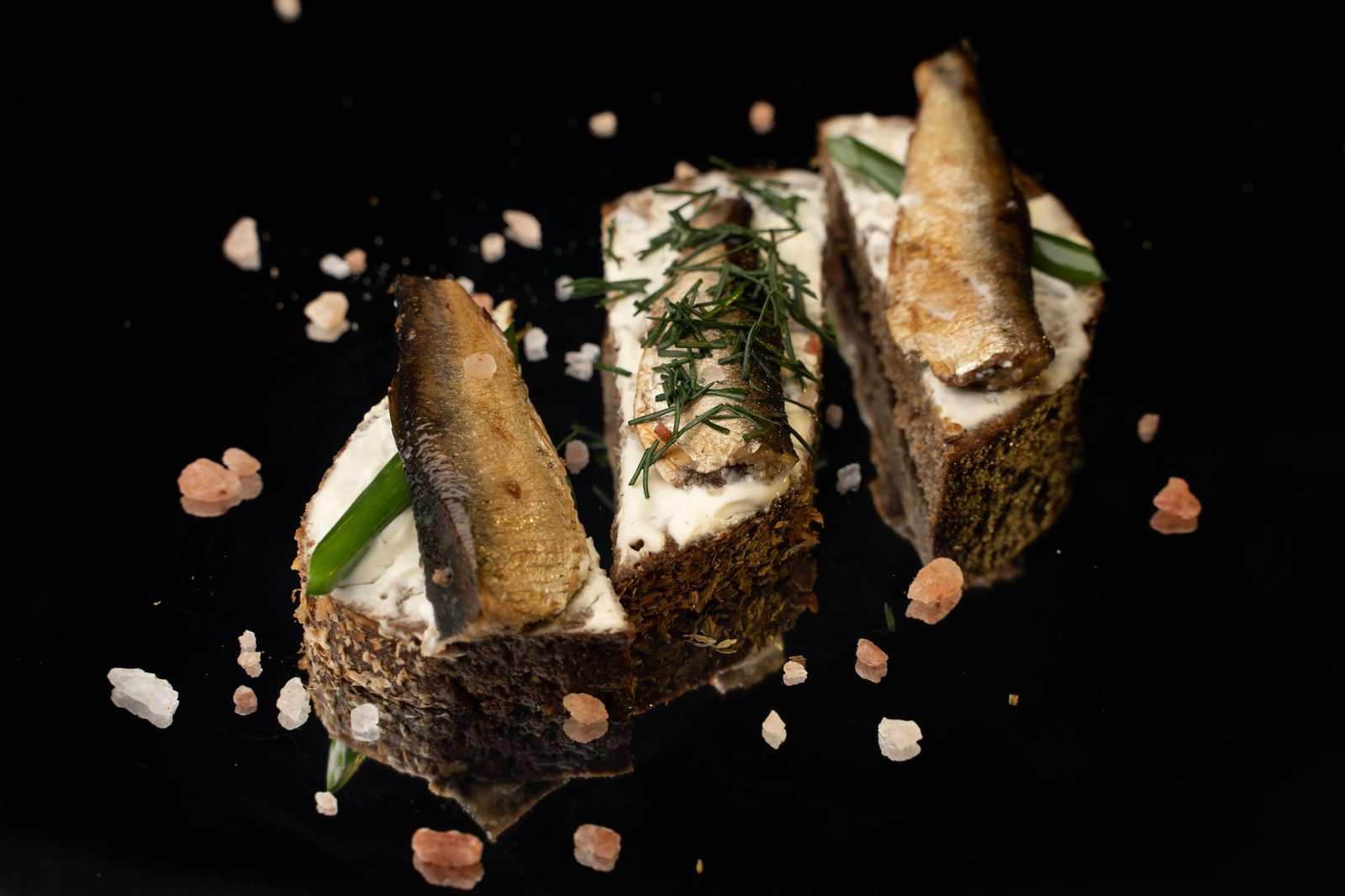
Pickled herring opens every proper Danish lunch, and most visitors approach it with suspicion they abandon on the first bite. It comes in several guises: marineret sild in a clear sweet-sour vinegar, kryddersild spiced with cloves and allspice, and karrysild, herring in a mild, creamy curry dressing.
Karrysild is the surprise of this entire list. Curry and herring sounds like something that should not work, and it works so well that it converts people who arrived saying they did not eat fish. The curry is gentle, the dressing is sweet, the herring is firm, and on buttered rye with a little raw onion and chopped egg it is the single most Danish mouthful in the country. Order it with a small beer and a shot of cold snaps. That combination is the point.
4. Stjerneskud
The “shooting star” is the showpiece of the lunch menu: one fried and one steamed fillet of plaice on bread, piled with prawns, a spoon of dressing, caviar or lumpfish roe, asparagus and a lemon wedge. It is excessive and it is supposed to be. Order it as your fish course if you are having one showy thing, and do not try to eat anything else heavy afterwards.
5. Leverpostej
Warm liver pâté, served on rye with crisp bacon and fried mushrooms, sometimes with pickled beetroot or gherkin. It is the least photogenic dish on this page and one of the most satisfying. Danish children eat it cold in their packed lunches; the restaurant version, served hot from a small tin, is richer and far better. Order it if you see it done warm.
6. Sol over Gudhjem
“Sun over Gudhjem”, named after a fishing village on Bornholm: smoked herring on rye with a raw egg yolk in the middle, chives and radish. The yolk is the sun. It is a regional dish that became a national one, and it is at its best on Bornholm itself, where the smokehouses are — see our Bornholm guide. In Copenhagen, look for it on traditional lunch menus.
7. Tarteletter
Puff-pastry cases filled with creamed chicken and asparagus, høns i asparges. This is a genuinely old-fashioned dish, the kind served at confirmations and family parties, and younger Danes regard it with affectionate irony. It is also delicious in a way that has nothing to do with fashion. If a traditional frokost restaurant has it, order it as a starter and you will see why it has survived.
Dinner at Home: The Pork-and-Potato Canon
These are the dishes Danes actually cook on weeknights, and the ones a visitor is least likely to find, because tourist restaurants lean towards smørrebrød and New Nordic. The best places to eat them are the older traditional restaurants and a few unfashionable cafés. They are all heavy. That is the design.
8. Stegt flæsk med persillesovs
The national dish. Thick slices of pork belly fried until the fat is crisp and shattering, served with boiled potatoes and a white sauce thick with parsley, often with pickled beetroot on the side. It is common to see it chalked up ad libitum — all you can eat — on a set night of the week, which tells you how seriously it is taken.
It is not refined and it does not try to be. It is salty, fatty, soft and crunchy at once, and on a cold, wet Copenhagen evening it is exactly right. If you eat one traditional hot dish in Denmark, make it this one.
9. Frikadeller
Danish meatballs, made mostly or entirely from pork, shaped into flattened ovals rather than balls and fried in butter until browned. Served hot with boiled potatoes, brown gravy and pickled red cabbage or cucumber salad, or cold the next day on rye bread with a slice of pickled beetroot. They are not Swedish meatballs — bigger, flatter, coarser and fried rather than simmered — and Danes will make the distinction firmly.
10. Boller i karry
Meatballs in a mild curry sauce with rice. The curry is the same gentle, sweet, yellow Danish curry that goes into karrysild, and the dish is pure nostalgia: school dinners, grandmothers, Thursday evenings. It is rarely on restaurant menus, which is a shame, because it is the most comforting thing in the Danish repertoire. Order it wherever you find it.
11. Hakkebøf med bløde løg
A thick minced-beef patty, fried and served with a heap of slowly softened onions, brown sauce and potatoes. The Danish answer to the burger, older than the burger, and eaten with a knife and fork. It turns up on the menus of old-school cafés and bodegas; it is cheap, filling and exactly what it sounds like.
12. Æggekage
An “egg cake” — a thick, flat omelette cooked in a pan with bacon, served with chives, tomatoes and rye bread. Traditionally a lunch dish and sometimes an Easter one. It is the dish Danes make when there is nothing else in the house, and it is very good.
13. Flæskesteg
Roast pork with the rind scored and roasted into crackling, svær, served with caramelised potatoes, red cabbage and gravy. It is the centrepiece of the Danish Christmas Eve dinner, and outside December you are most likely to meet it as a flæskestegssandwich: roast pork and crackling in a bun with red cabbage and pickled cucumber, sold at stands and delis. That sandwich is one of the best cheap meals in Copenhagen.
Street Food: The Pølse and Its Relatives
14. Pølser

Long before Copenhagen had a street-food scene it had the pølsevogn, the hot-dog wagon, and it still has hundreds of them. The classic is the rød pølse, a bright red sausage in a soft bun. The full order is a ristet hotdog med det hele: a grilled sausage with ketchup, mustard, remoulade, raw and crispy fried onions and thin slices of pickled cucumber. It should cost roughly 35 to 50 DKK.
The fransk hotdog is the other version: a hollowed-out baguette with dressing squirted inside and the sausage pushed in. It is tidier and less good. Drink it with chocolate milk, which is the Danish custom and not a joke. For more cheap eating, see cheap eats in Copenhagen and our street food guide.
Sweet Things and Seasonal Dishes
15. Wienerbrød
What the rest of the world calls a Danish, Danes call wienerbrød, Viennese bread, after the Austrian bakers who introduced laminated dough to Copenhagen in the nineteenth century. The everyday forms are the kanelsnegl (cinnamon swirl), the spandauer with a custard centre, and tebirkes with poppy seeds and remonce filling. Buy them from a real bakery in the morning; the supermarket version is a different and much lesser food. Our pastry guide and bakery guide cover this properly.
16. Flødeboller
A thin wafer base topped with a cloud of whipped egg-white foam and coated in chocolate. Supermarkets sell them by the box, specialist chocolatiers make extravagant versions, and Danish children are traditionally given them on their birthdays. A good one is lighter than it looks. A cheap one is sugar and air. Buy one from a proper chocolatier and compare.
17. Rødgrød med fløde
Red berry compote — strawberries, redcurrants, raspberries — thickened and served cold with cream poured over it. A summer dessert, and more famous for its name than its taste, because the phrase is packed with soft d’s and ø sounds and Danes enjoy asking foreigners to pronounce it. It is also, genuinely, a lovely pudding in July.
18. Koldskål
Cold buttermilk soup, sweet and lemony, eaten with small crunchy biscuits called kammerjunkere crumbled on top. It appears in supermarkets the moment the weather turns warm and disappears when it turns cold, and for Danes it is the taste of summer holidays. For visitors it is either a revelation or an acquired taste; try it in summer and decide.
19. Æbleskiver
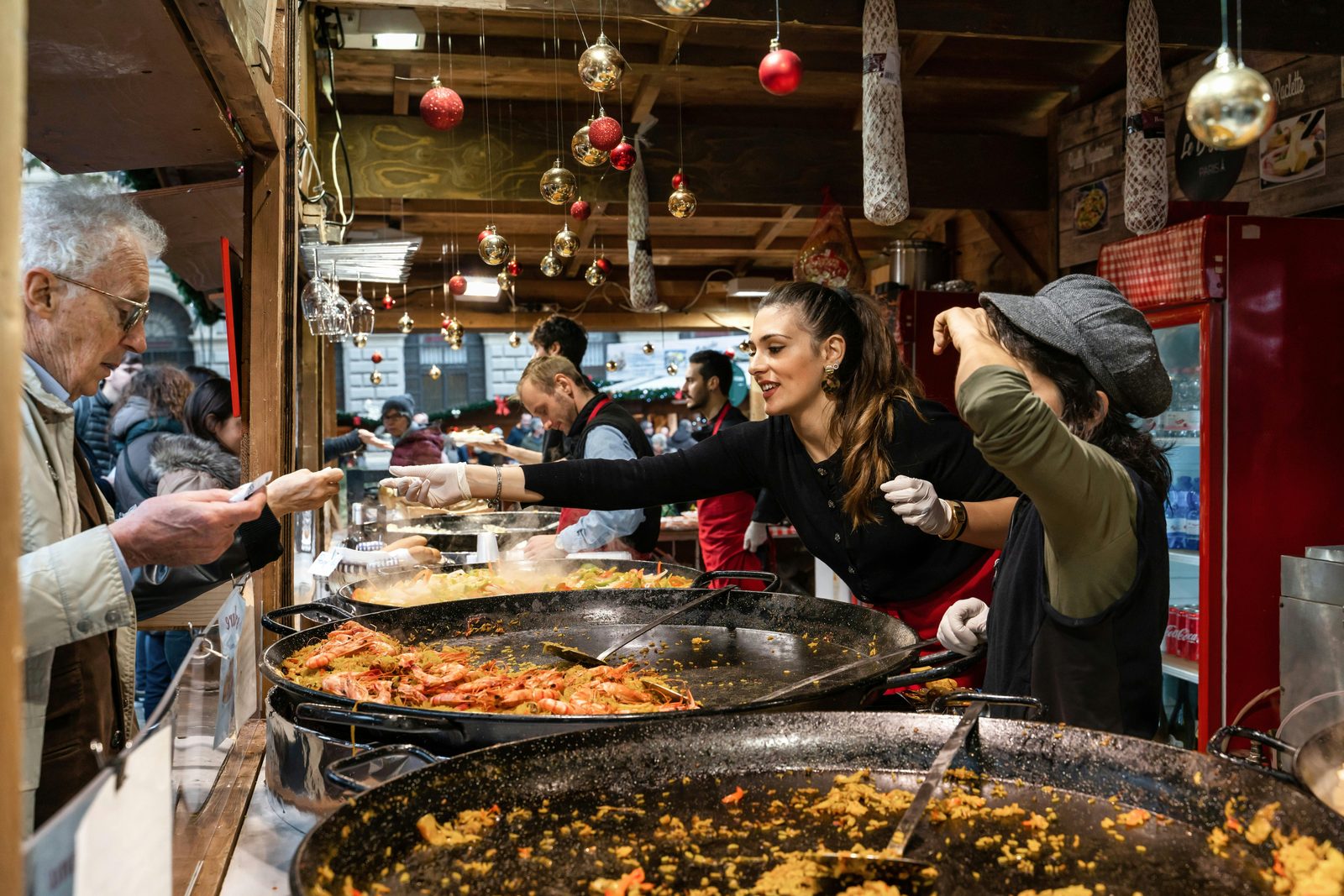
Round, fluffy pancake puffs, cooked in a special pan with half-spherical hollows, dusted with icing sugar and dipped in jam. They are a Christmas food, served with gløgg, the mulled wine, at the Christmas markets.
The honest verdict: eat them in December and only in December. Out of season, æbleskiver sold near the tourist sights are usually reheated from frozen and are a pale imitation. In a steaming paper cone at a market stall on a dark December afternoon, with a hot glass of gløgg, they are close to perfect.
20. Risalamande
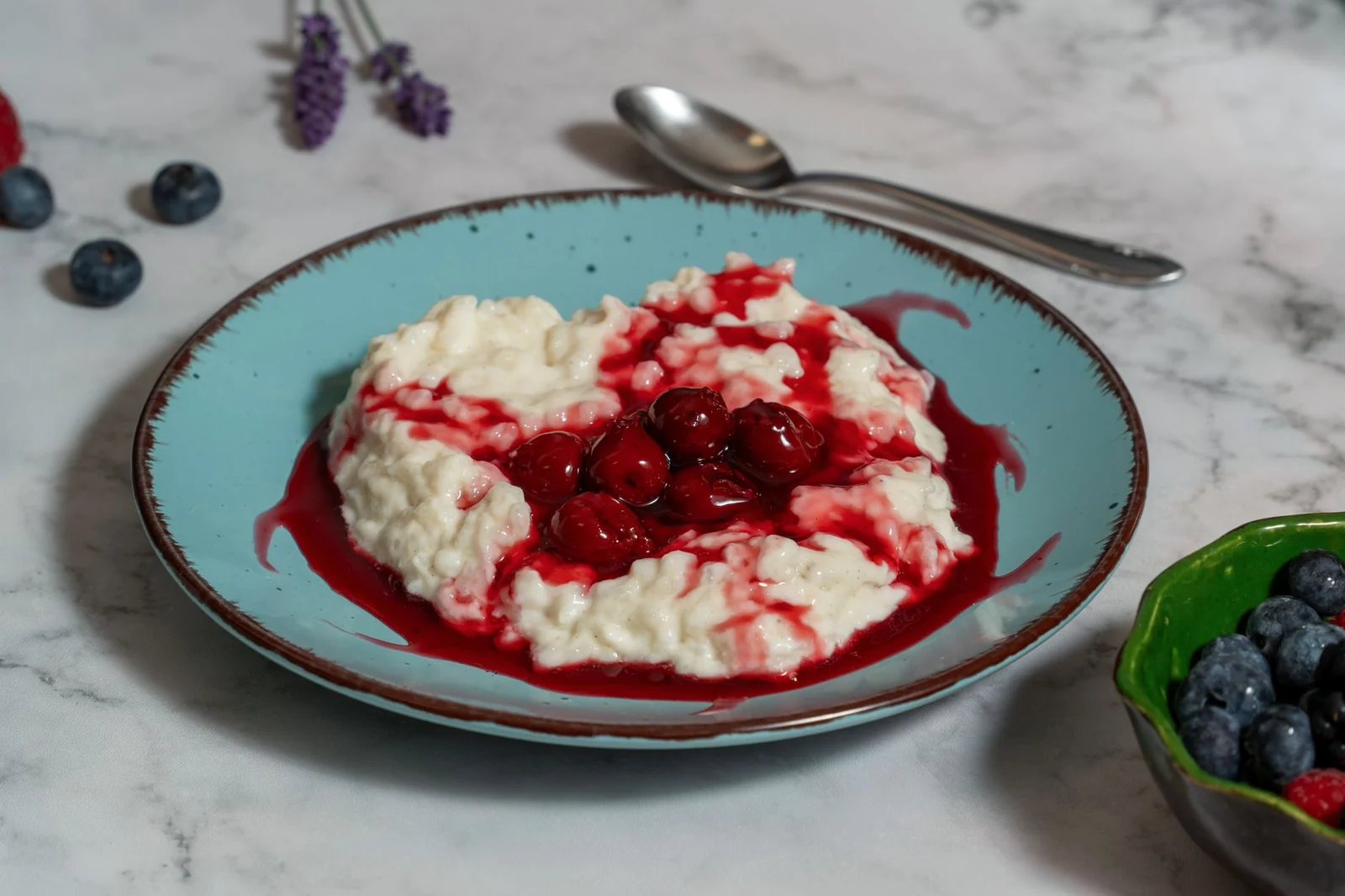
The Christmas Eve dessert: cold rice pudding folded with whipped cream, vanilla and chopped almonds, served with warm cherry sauce. The name comes from the French riz à l’amande, which is a very Danish joke on its own. One whole almond is hidden in the bowl, and whoever finds it wins the mandelgave, a small present — which leads, in every family, to the finder hiding the almond in their cheek until the bowl is empty to keep everyone eating.
It is a December dish and restaurants serve it through the Christmas season. Our December guide covers the rest of the Danish Christmas table.
What to Drink With It
Traditional Danish food is designed to be eaten with beer, and ideally with snaps too. At a proper frokost the order is a cold lager and a small glass of akvavit, the caraway- or dill-flavoured spirit served ice-cold and knocked back with a skål and eye contact. It genuinely cuts through the herring and the pork fat, which is why the pairing exists.
If snaps at noon is not your style, a lager on its own is completely normal. Our beer price guide covers what that will cost, and our guide to Danish phrases has the words to say at the end of the meal: tak for mad, thanks for the food.
A Note for Vegetarians
Honestly: traditional Danish food is hard work without meat or fish. The rye bread, the potato smørrebrød, the pastries, the æbleskiver and the risalamande are safe, and a good smørrebrød kitchen will make vegetable toppings. Most of the canon is pork. Modern Copenhagen is one of the easiest cities in Europe to eat vegetarian or vegan in, just not in its traditional restaurants — see our vegan restaurant guide and, for the opposite end of the Danish food story, the New Nordic explainer.
Frequently Asked Questions
What is the national dish of Denmark?
Stegt flæsk med persillesovs — fried crisp pork belly with boiled potatoes and parsley sauce. It was chosen in a 2014 public vote run by the Danish Ministry of Food.
What food is Copenhagen famous for?
Smørrebrød, the open sandwich on rye bread, is the signature dish. Danish pastries (wienerbrød), hot dogs from street stands and pickled herring are the other classics. Copenhagen is also famous for New Nordic fine dining, which is a separate, modern tradition.
What should I try first in Copenhagen?
A traditional lunch of three smørrebrød, starting with herring — karrysild if you see it — with a beer. Then a hot dog from a stand, a cinnamon swirl from a real bakery in the morning, and stegt flæsk for one dinner.
How do you eat smørrebrød?
With a knife and fork, never by hand. Eat in order: herring first, then other fish, then meat, then cheese. Three pieces is a full lunch.
Are Danish pastries called Danish in Denmark?
No. Danes call them wienerbrød, “Viennese bread”, after the Austrian bakers who brought laminated dough to Copenhagen in the nineteenth century.
What is risalamande?
The Danish Christmas Eve dessert: cold rice pudding with whipped cream and chopped almonds, served with warm cherry sauce. One whole almond is hidden in the bowl, and the person who finds it wins a small present.
How much is a hot dog in Copenhagen?
Roughly 35 to 50 DKK for a classic from a pølsevogn, the street hot-dog stand — one of the cheapest hot meals in the city.
Related Reading
- The Copenhagen food guide where to eat all of this, and everything else.
- The best smørrebrød in Copenhagen the lunch restaurants that do it properly.
- Danish pastries wienerbrød, kanelsnegle and the rest of the bakery counter.
- Cheap eats in Copenhagen hot dogs, sandwiches and everything under 100 DKK.
- Copenhagen Christmas markets æbleskiver, gløgg and the season that suits this food best.
Final Thoughts
The country voted for pork belly in parsley sauce, and it was right to. Traditional Danish food is not delicate or fashionable; it is honest cold-weather cooking built on rye bread, pork, herring, potatoes and butter, and at its best it is profoundly satisfying. It is also easy to eat badly in Copenhagen, because the tourist version of every dish on this list is sold within sight of the famous landmarks.
So eat lunch like a Dane — three pieces of smørrebrød, herring first, with a beer — eat a hot dog standing up, buy your pastry from a bakery that bakes it, and save the æbleskiver and risalamande for December. Say tak for mad at the end. And if you see karrysild, order it.