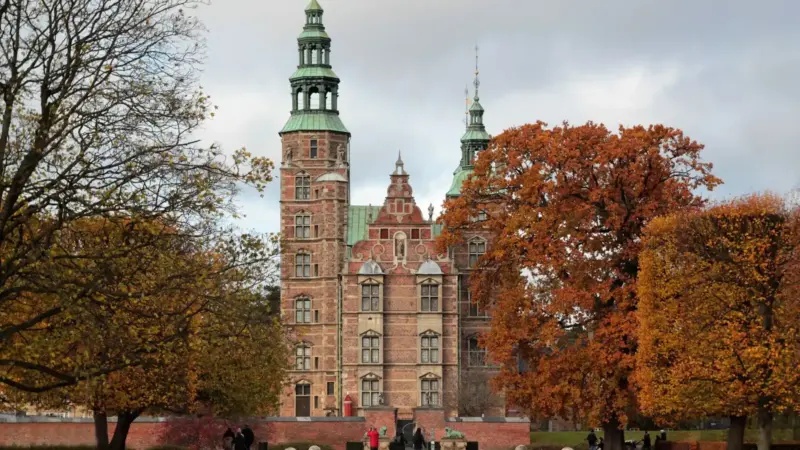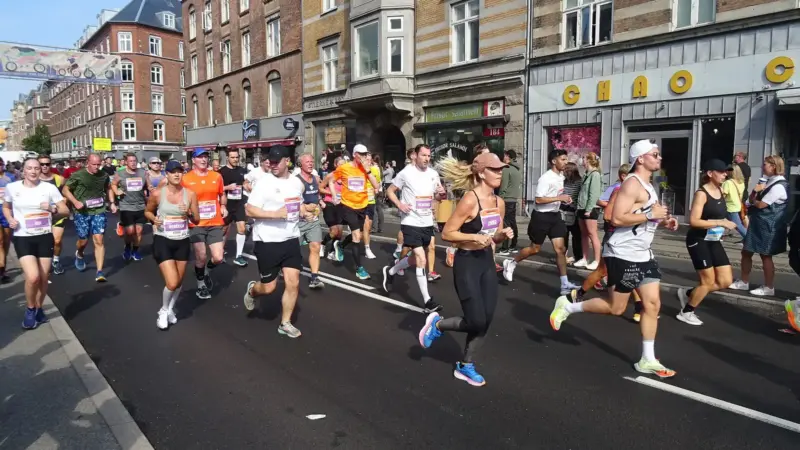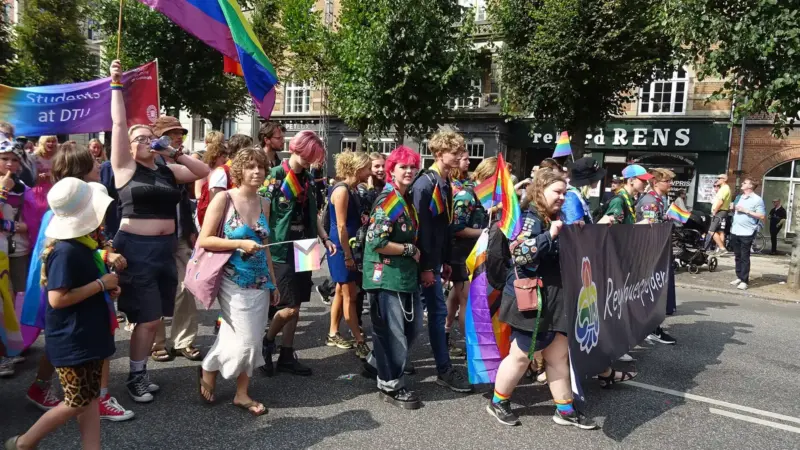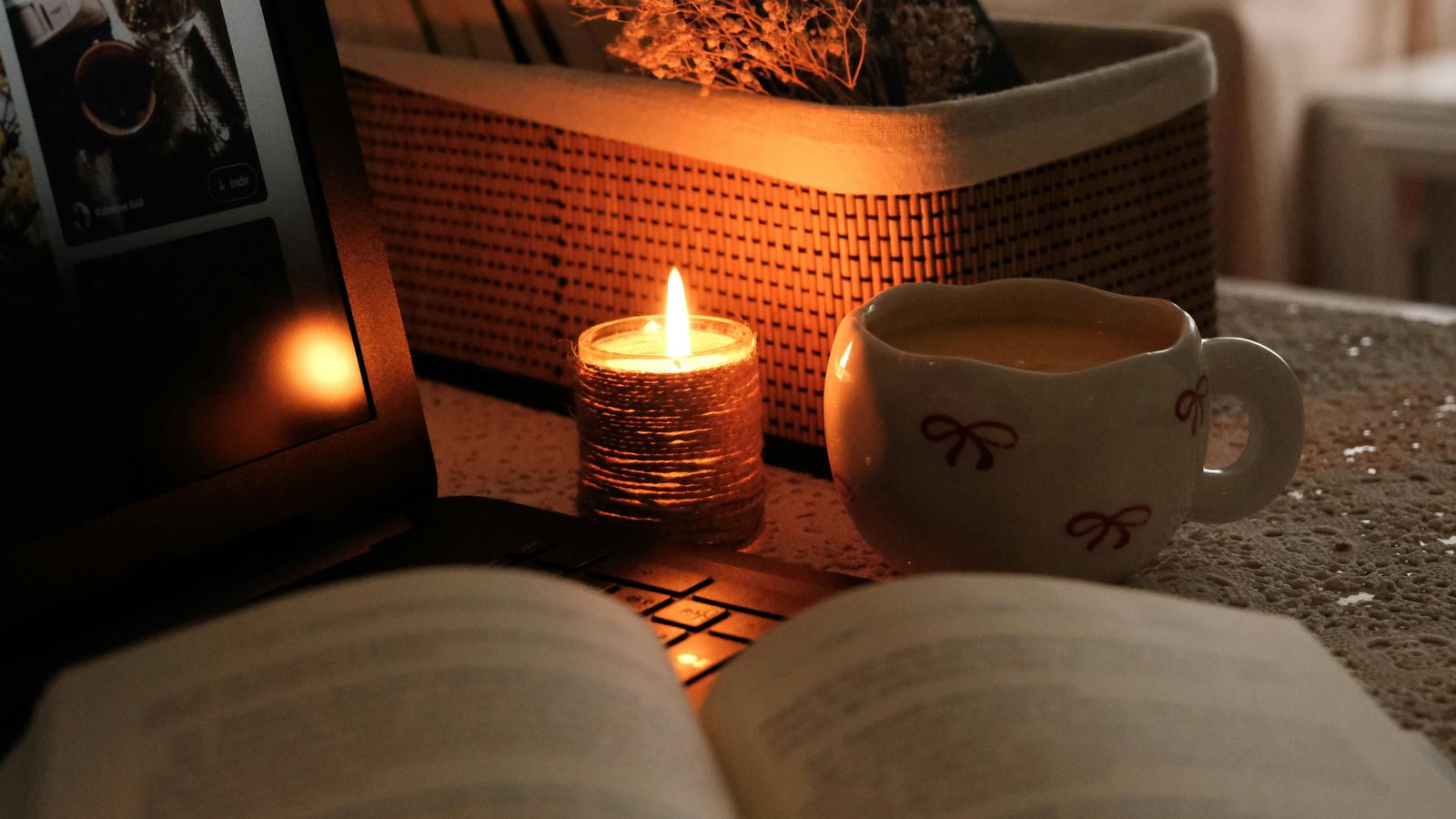
Ask a Dane to define hygge and they’ll probably just light a candle and smile. Copenhagen hygge (say it “HOO-gah”) is the Danish knack for cosy contentment — a warm, present moment built from soft light, hot drinks, comfort food and unhurried time with a few good people. It isn’t something you buy; it’s an atmosphere you make. The city lives by it year-round, but it truly glows from October through February, when the short days and cold push everyone indoors. As a visitor, you can taste it in hundreds of cafés and carry the habit home. Here’s what hygge actually is, where to feel it, and how to make it yours.
It’s the quiet heart of the cold months in our best time to visit Copenhagen guide — and the thing that makes a dark Danish winter not just bearable but lovely.
What Is Hygge, Really?

There’s no clean English translation — the nearest words are cosiness, contentment, warmth, togetherness and presence, all at once. In practice, hygge is built from a handful of simple ingredients:
- Candles, and lots of them — Danes burn more candle wax per person than anyone else in Europe
- Soft lighting — lamps and candles, never harsh overhead bulbs
- Warm interiors — wood, wool, soft fabrics, warm tones
- Hot drinks — tea, coffee, hot chocolate, gløgg
- Comfort food — homemade, simple, warming
- Small groups — usually two to eight; not big parties
- No phones — you’re actually here, with these people
- Unhurried time — no rush, no agenda, no shop talk
- Blankets — a wool throw on every chair
- Slow walks outdoors — wrapped up warm, talking
Why It Matters Here
Hygge grew out of necessity. With barely seven hours of December daylight and temperatures dipping below freezing, Danes had to make the long, dark half of the year genuinely enjoyable — so they built a culture that turns hunkering down into an art form. It’s no coincidence that Denmark ranks among the world’s happiest countries year after year, and plenty of researchers point to hygge as part of the reason. In Copenhagen it’s not an abstract idea; you can see it in the candlelit cafés, the lamp-lit homes and the wool blankets draped over every café chair.
There’s a subtler point here too. Hygge is a gentle antidote to the always-on, always-optimising rhythm of modern life. It gives people explicit permission to do nothing productive — to sit, talk, eat and simply be — without guilt. For visitors used to cramming ten sights into a day, that can feel almost radical: an afternoon spent doing nothing but nursing a coffee and watching the rain is not wasted time in Denmark. It’s the point.
The Best Hygge Cafés
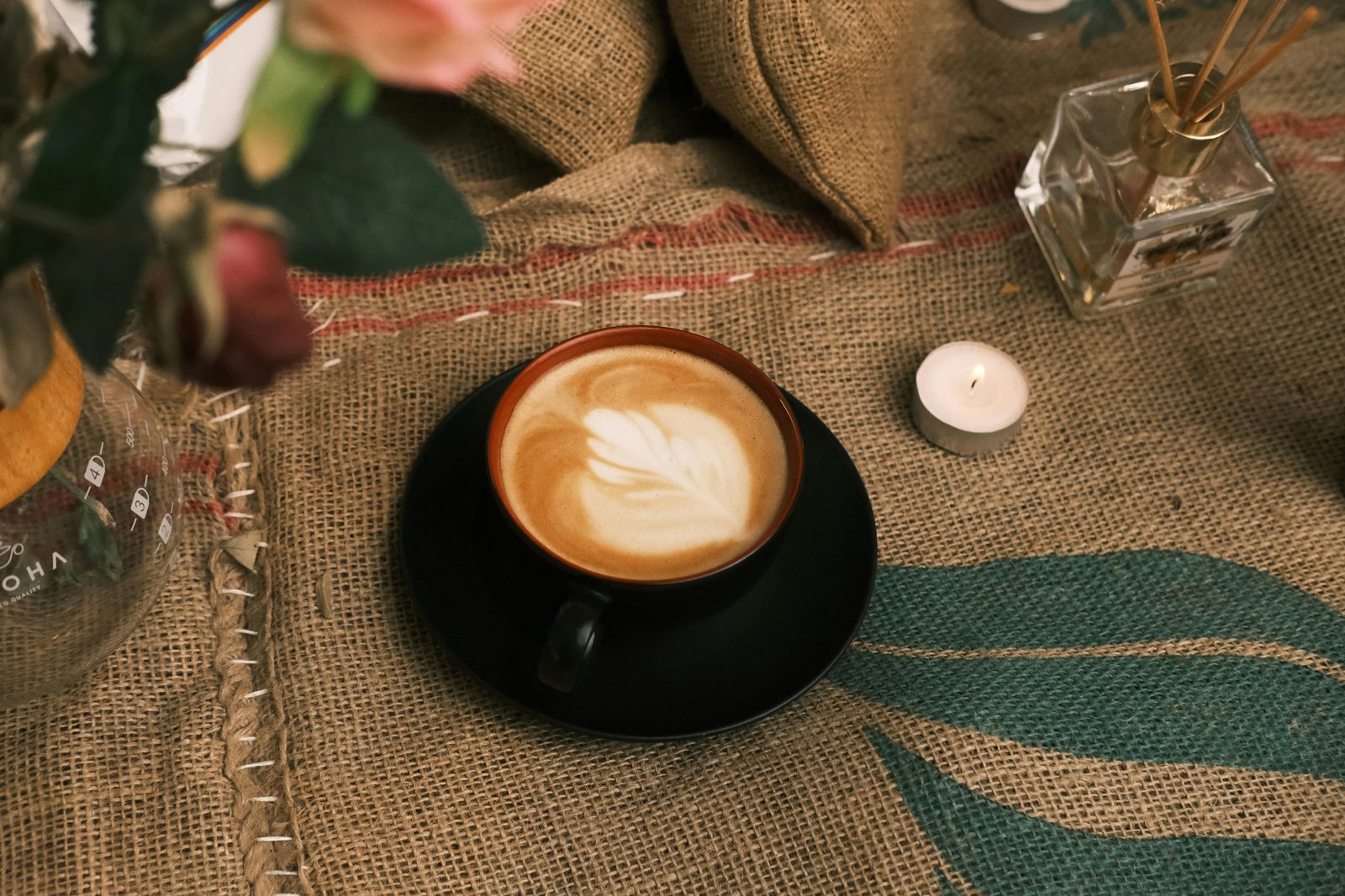
If you want to feel it without a Danish friend’s living room, a café is the easiest way in. These are my go-tos:
- Café Wilder (Christianshavn) — a 1947 institution; canalside, candlelit, comforting
- Hart Bageri (Nørrebro) — Richard Hart’s bakery; warm wood and superb kanelsnegle
- Atelier September (Hellerup and Nordhavn) — beautifully styled, all slow brunch and fresh flowers
- La Cabra (Frederiksberg) — specialty coffee with warm Scandi minimalism
- Coffee Collective, Jægersborggade (Nørrebro) — the flagship roastery, candlelit in winter
- Lille Bakery (Refshaleøen) — small, artisan, full of community feel
- Mirabelle (Nørrebro) — a natural-wine bakery with a cosy hum
- Bevar’s (Nørrebro) — relaxed, vegan-friendly hygge brunch
My honest advice: pick one, order a cinnamon roll, leave your phone in your bag, and stay for two hours. That’s the whole exercise.
Hygge Foods to Try
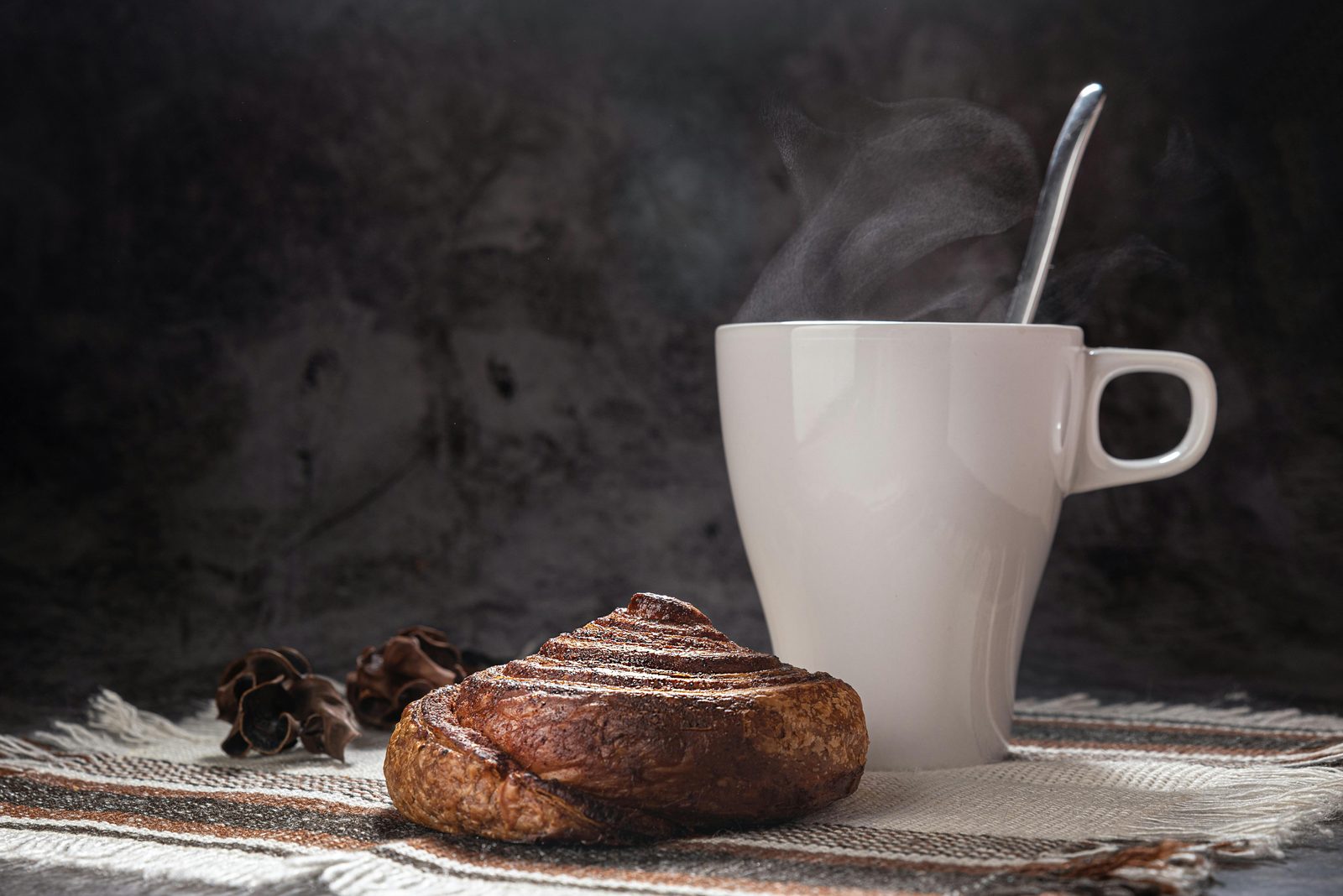
Hygge food is comfort food made with care, never anything industrial. The classics:
- Kanelsnegle — warm, gooey cinnamon rolls; non-negotiable
- Spandauer — a vanilla-custard pastry
- Hot chocolate with whipped cream — Danish-style
- Coffee with cardamom — gently spiced
- Gløgg — Danish mulled wine, winter only
- Sourdough loaves — Hart Bageri’s speciality
- Frikadeller — the classic comfort-dinner meatballs
- Stegt flæsk — fried pork belly, Denmark’s national dish
- Pebernødder — little spiced Christmas cookies
Hygge at Home: What Danes Actually Do

Behind closed doors, the rituals are wonderfully small:
- Light candles every evening — even when home alone
- No overhead lights at night — lamps and candles only
- A wool blanket on every couch
- Wool socks indoors — heating is pricey here
- Slow weekend mornings — coffee, no rush
- Sunday walks — rain or shine, wrapped up
- Friday-night gatherings — small, home-cooked, phone-free
- Reading, lots of it — Danes buy more books per head than almost anyone
Hygge with Other People
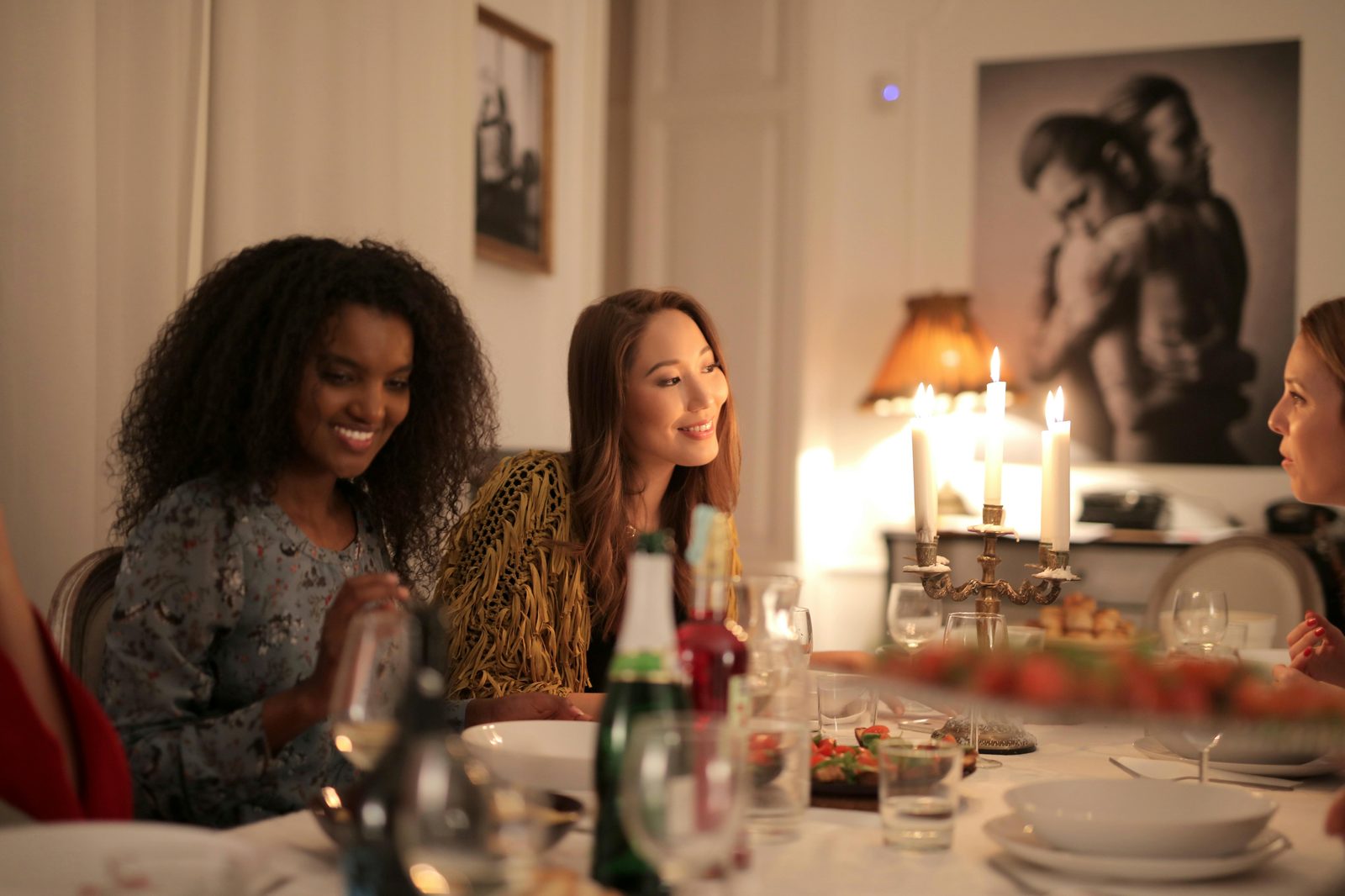
Social hygge has an unspoken rulebook. Keep it small — three to eight people; a big party never feels hyggeligt. A home beats a restaurant. Candles go on the table, phones go out of sight, and the meal stretches over hours with no rush. There’s comfort food, a glass of wine or a warm drink, quiet music in the background, and — crucially — no work talk. Danes will even name the moment out loud: “this is hyggeligt.” That’s the whole thing.
Hygge Outdoors
It isn’t all indoors, either. Danes do outdoor hygge too — a bundled-up winter walk around Fælledparken or the Lakes, a slow cycle at conversation pace, a sunset watched from Sydhavn or Refshaleøen, or a wood-fired harbour sauna at La Banchina, open year-round. In summer, it shifts to picnic blankets in the park and long, slow evenings. The trick is the same: wrap up, slow down, and stay present. Danes have a saying — there’s no bad weather, only bad clothing.
What to Take Home

A few small things travel home well and keep the feeling going:
- Beeswax candles — everywhere at Christmas markets and design shops
- Danish wool socks — 95–195 DKK a pair; a market staple
- A wool throw — Hay or an independent designer
- Gløgg spice mix — to recreate winter at home
- Cardamom and cinnamon — from the Torvehallerne spice stalls
- Hand-thrown ceramic mugs — Danish design
- Beautiful matchboxes — for the daily candle ritual
- Meik Wiking’s The Little Book of Hygge — the primer
Truthfully, though, the most expensive thing here is a wool blanket. The heart of hygge costs nothing at all. And that’s worth remembering when you get home: the candles and socks are lovely props, but the real import is the practice — turning off the harsh lights, putting the phone away, and giving an ordinary evening a little more warmth and attention.
Hygge in the Bookshops
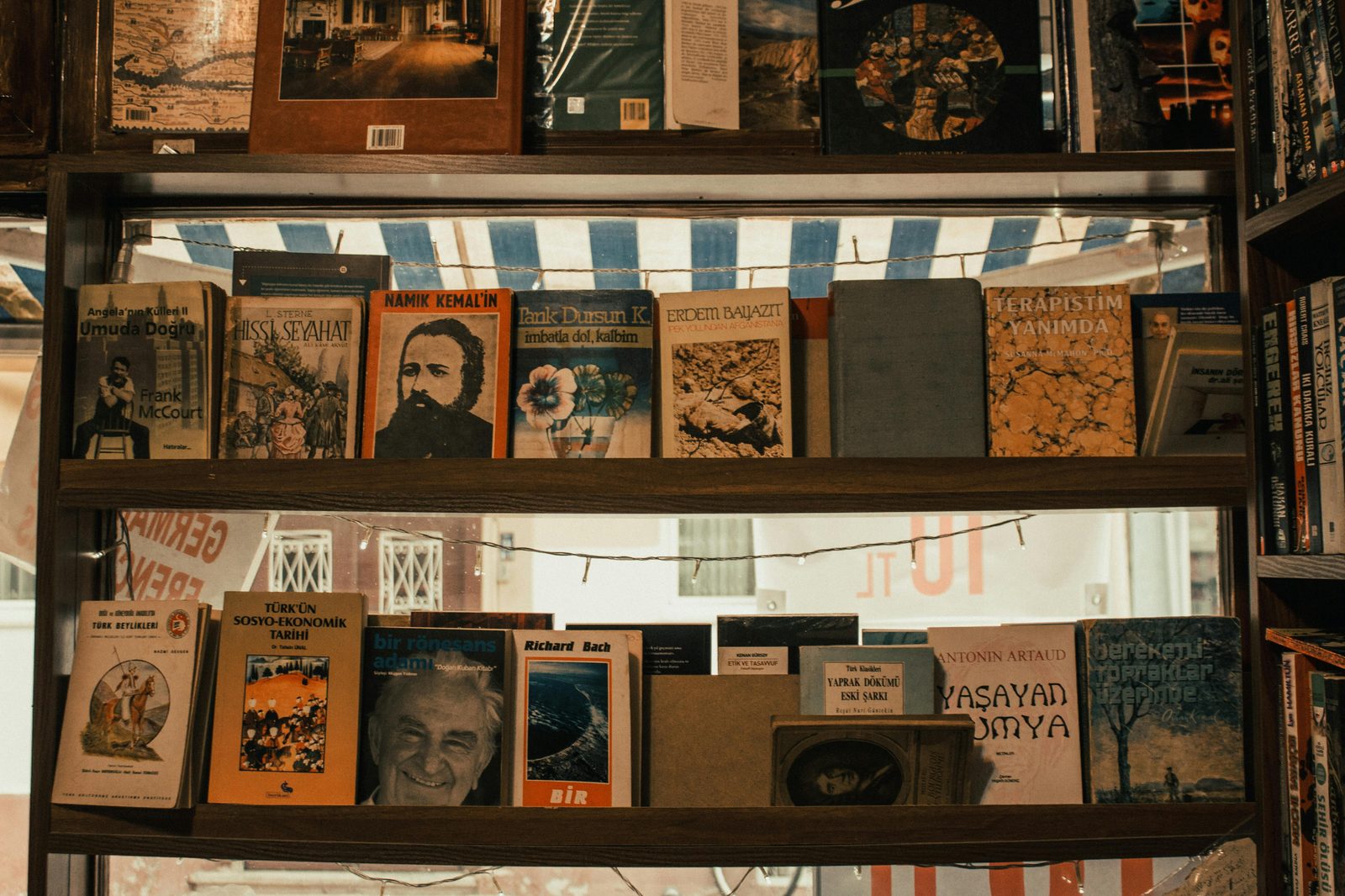
Given how much Danes read, it’s no surprise the city’s bookshops are little hygge havens. For a slow afternoon, try Tranquebar for rare and multilingual titles, the big central Politikens Boghal, Books & Company for English-language reads, the independents along Jægersborggade in Nørrebro, or the antiquarian shops tucked into the Latin Quarter’s alleys. Buy a book, then read it over coffee somewhere candlelit.
When Is Hygge Season?
It peaks from October to February, when the short days and cold drive everyone indoors. Summer hygge exists too — terraces, picnics, long light evenings — but the culture is most pronounced in the winter dark, when candles and warm interiors come into their own. November and December are arguably the most hygge-soaked months, thanks to the overlap with Christmas. Our Copenhagen in fall guide covers the run-up to the season.
How to Actually Do It as a Visitor
You don’t need a Danish flat to find hygge. Try this:
- A slow morning at Hart Bageri — cinnamon roll, coffee, no phone, a couple of hours
- An aimless walk in Frederiksberg Have — slow pace, no agenda
- A long candlelit dinner at Café Wilder — wine, no rush
- An afternoon in a bookshop — buy a book, read it in a warm café
- Beeswax candles for your room — light them each evening
- Walk to dinner instead of grabbing a taxi — even in the rain
- Skip the overhead lights at your hotel — lamps only
Our best coffee shops and best bakeries guides will point you to the cosiest corners to try all this.
The Slow-Morning Ritual

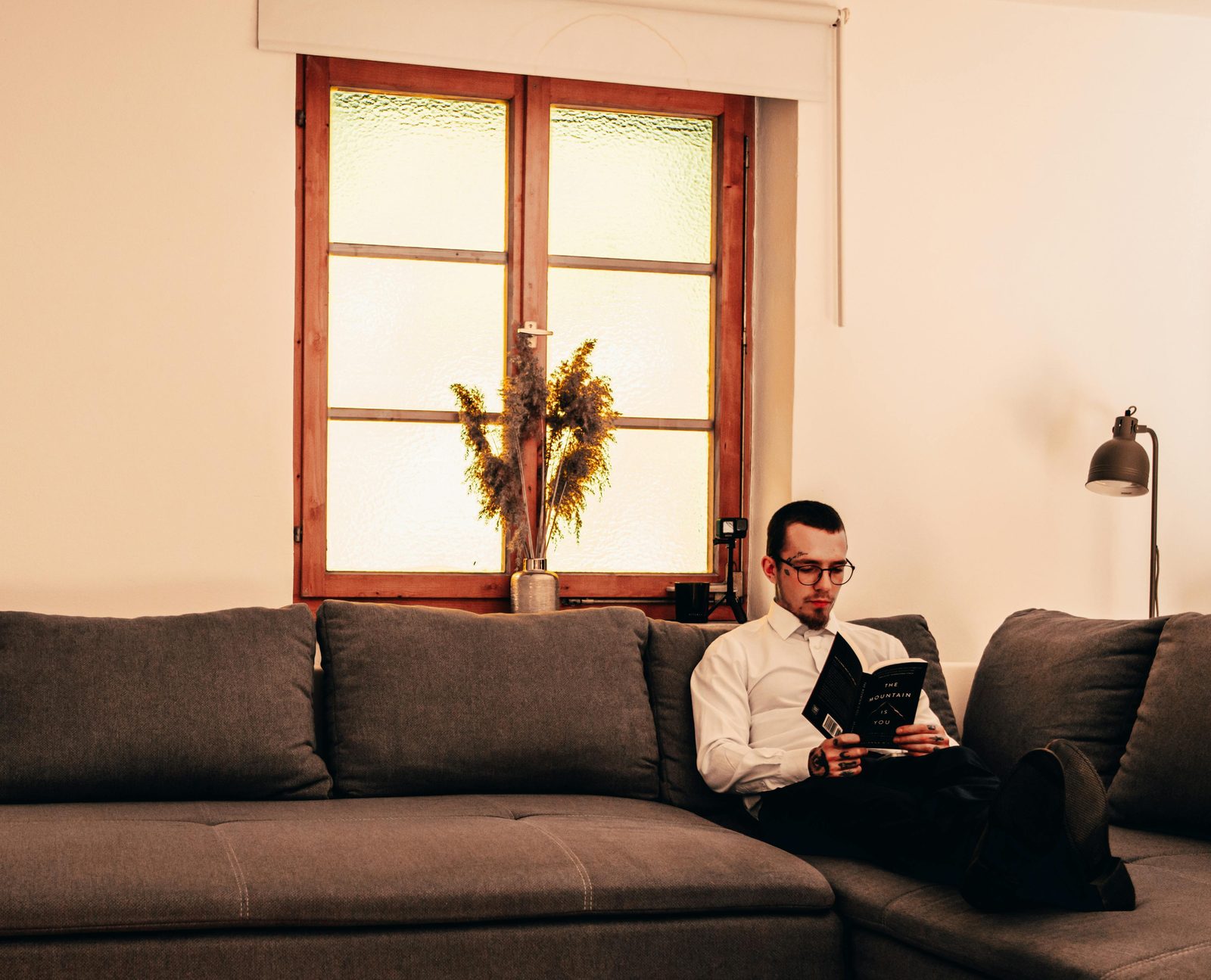
Plenty of locals guard a slow-morning ritual: coffee at home with no rush, half an hour of reading or writing before the phone comes out, a leisurely breakfast that can stretch for hours on a weekend, and a walk to work whatever the weather. It’s a gentle, deliberate way to start the day — and easy to borrow, even on a short trip. Try it once on holiday and you may find it’s the habit you keep long after the flight home.
Copenhagen Hygge FAQs
What does hygge mean?
Hygge is the Danish idea of cosy contentment — an atmosphere of warmth, presence and unhurried time, built from candles, comfort and good company. There’s no exact English word for it; coziness, togetherness and well-being together come closest.
How do I pronounce hygge?
It’s roughly “HOO-gah” (some say “HUE-gah”). The “h” is soft and the second “g” is nearly silent. Whatever you do, don’t say “hugger” or “huggy” — a Dane will gently put you right.
Is hygge a year-round thing?
Yes, but it peaks from October to February. Summer has its own version — café terraces, picnics, slow evenings — but the culture is at its strongest in the winter dark, when candles and warm rooms really matter. December is the most hygge-saturated month of all.
Where can I feel it as a visitor?
Café Wilder in Christianshavn, Hart Bageri in Nørrebro, Atelier September in Hellerup and the Coffee Collective on Jægersborggade are all hygge-soaked. Design-led boutique hotels lean into it too, and the independent bookshops on Jægersborggade are perfect for a slow browse.
What food counts as hygge?
Cinnamon rolls, hot chocolate, sourdough, hearty soups, frikadeller meatballs, stegt flæsk, gløgg in winter and long, slow brunches. The common thread is comfort food made with care rather than anything mass-produced.
Can you do hygge alone?
Absolutely. A slow morning with coffee, a journal and no phone is solo hygge in a nutshell, and many Danes value it as much as the social kind. Light a candle even when you’re eating on your own — that’s the spirit of it.
How is hygge different from just “cosy”?
Cosy is mostly physical — warm and comfortable. Hygge adds intention, presence and connection. A comfy chair is cosy; a candlelit, phone-free, unhurried dinner with people you love is hygge.
Is hygge expensive?
Not at all — it’s rather the opposite of consumption. Candles, blankets, simple food, a walk, good conversation. The priciest bits are a wool blanket or beeswax candles (50–200 DKK), and the core of it needs nothing you can buy.
Hygge is one rule inside a much larger set, and the others are less forgiving. Standing in a bike lane, crossing on red, arriving early to a dinner or skipping eye contact during a toast all register far more strongly than anything you do with a candle. Our guide to Danish etiquette and customs covers the eighteen visitors get wrong most often.
Related Reading
- Copenhagen in December — Tivoli’s million lights, Christmas markets, hygge, Juleaften and NYE fireworks.
- What to pack — layers, waterproof shoes and what changes by season.
- Copenhagen in spring — cherry blossoms, Tivoli’s opening, café terraces and mild weather.
- Christmas markets around the city
- The weather month by month — temperatures, rainfall and daylight hours through the year.
- The summer months — harbour swimming, white nights, the Jazz Festival and Tivoli after dark.
- How to structure your days
- What July is like
Final Thoughts
Of everything you can bring home from Copenhagen, hygge might be the one that lasts. It’s a slow morning at Hart Bageri, a candlelit dinner at Café Wilder, a walk through Frederiksberg Have in the autumn drizzle, an unhurried evening with a few good people and no phones in sight. You can’t buy it — you make it. Come between October and February for the full effect, pack some wool socks and beeswax candles, and take home the simple habit of lighting a candle every evening. In a world that never slows down, that might be the most valuable souvenir there is.
Last updated: July 2026.