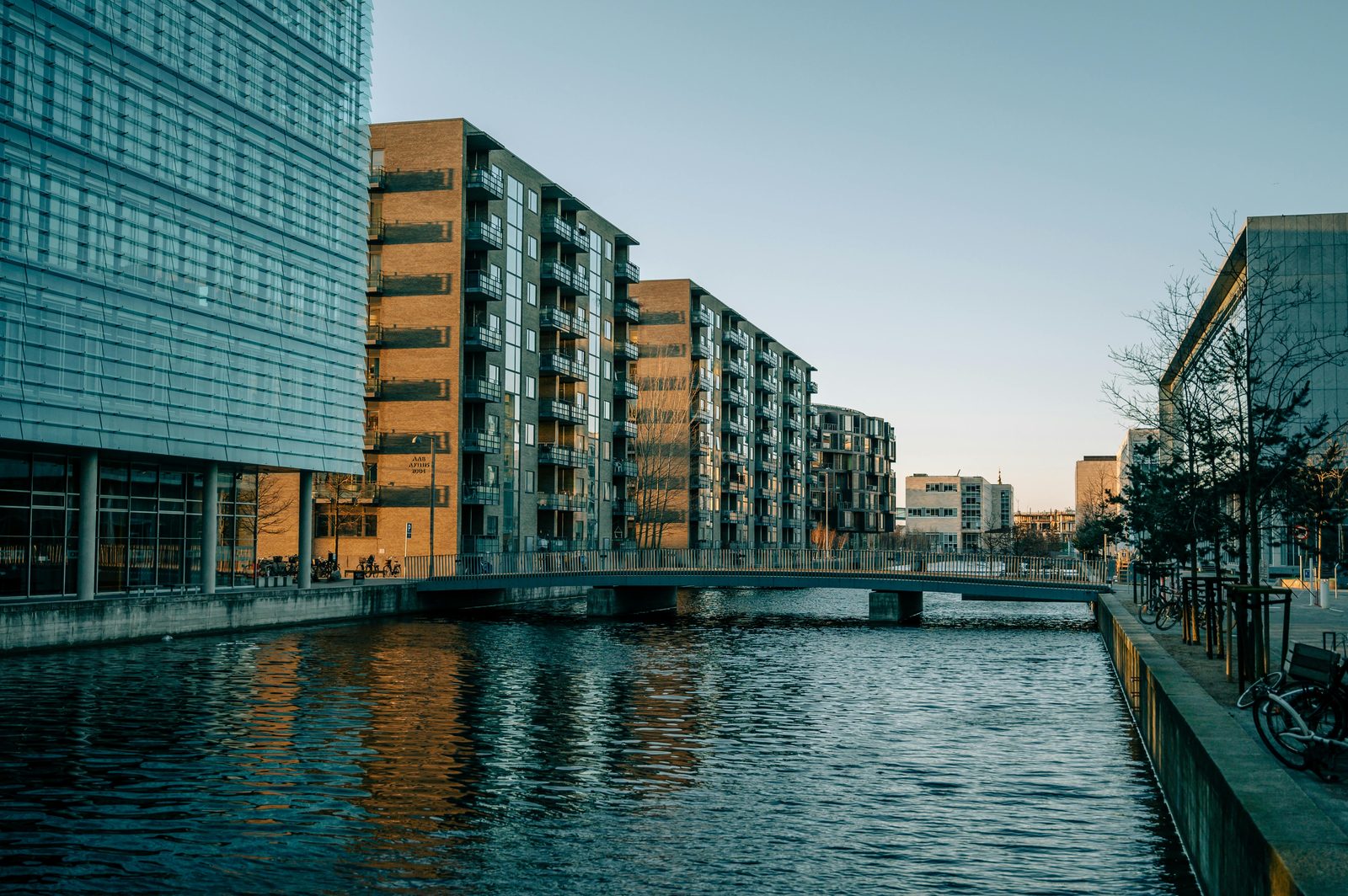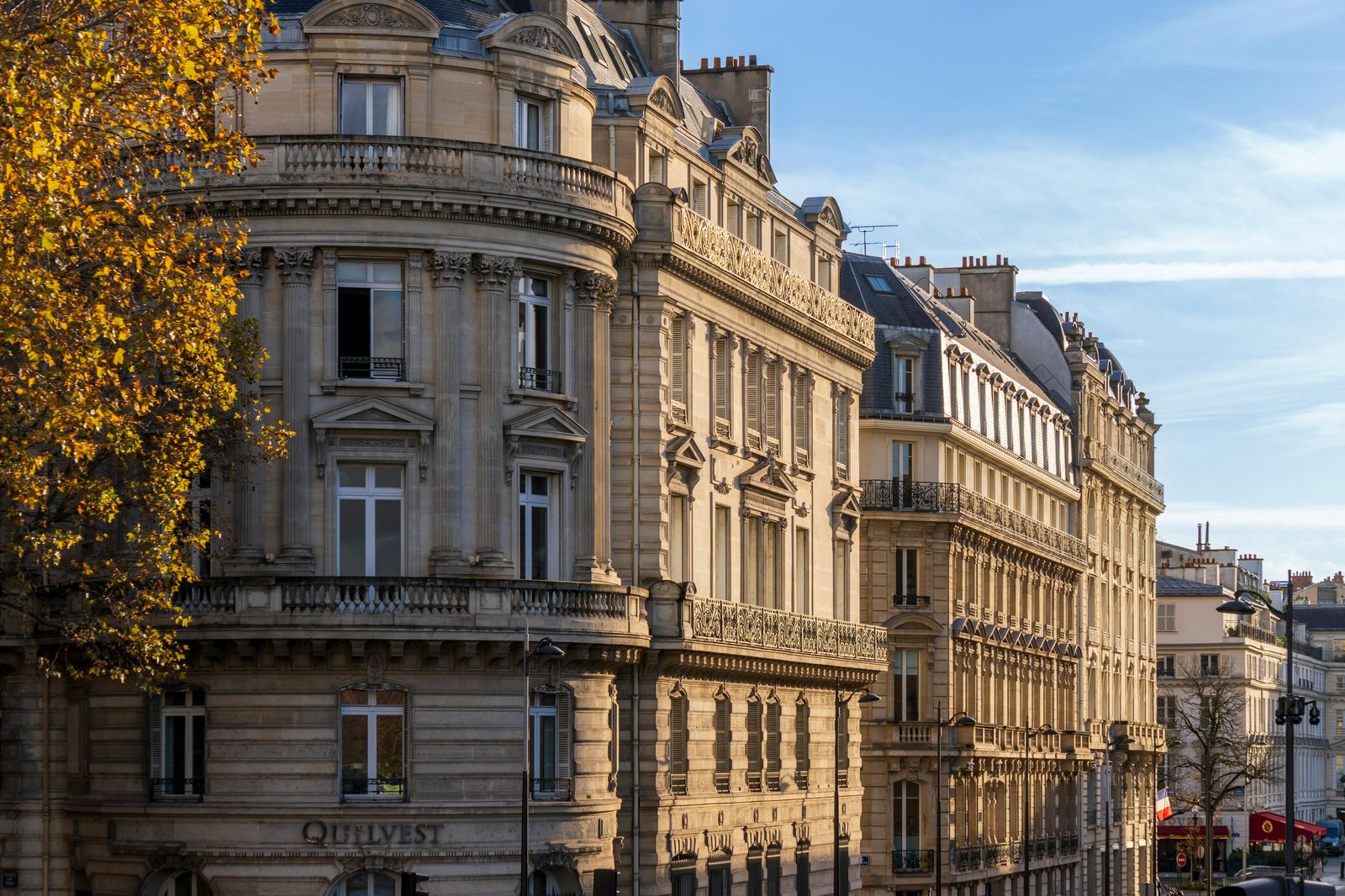
Locals only half-joke that Frederiksberg is Copenhagen’s answer to Paris. It’s the city’s most elegant corner — grand boulevards, handsome old apartment houses, high-end shops and some of the best parks around — and, in a quirk that surprises most visitors, it isn’t technically part of Copenhagen at all. Frederiksberg is a separate municipality, completely surrounded by the capital, with its own mayor and its own polished, unhurried mood. You’ll cross the invisible border without noticing, and find the 32-hectare Frederiksberg Have, Copenhagen Zoo, a baroque palace and the acclaimed Hart Bageri all waiting on the other side.
It’s a genuinely good base if you’d rather stay somewhere calm and residential than in the tourist crush — especially with kids. This Frederiksberg Copenhagen guide covers the parks, the zoo, where to eat and stay, and how to walk it. It’s part of our wider Copenhagen neighborhoods series.
Frederiksberg at a glance
| Fact | Detail |
|---|---|
| Status | A separate Danish municipality, enclaved within Copenhagen |
| Population | ~104,000 residents |
| Area | 8.7 km² |
| Defining sights | Frederiksberg Have, Copenhagen Zoo, Frederiksberg Palace, Cisternerne |
| Best for | Families, park lovers, refined dining, peaceful walking |
| Best metro | Frederiksberg (M1, M3), Forum (M3), Aksel Møllers Have (M3) |
| Atmosphere | Wealthy, refined, quiet, residential, family-friendly |
| Architecture | 1900s villas and apartment houses, a baroque palace |
| Best season | May–September for Frederiksberg Have outdoor life |
Top things to do in Frederiksberg
1. Walk Frederiksberg Have
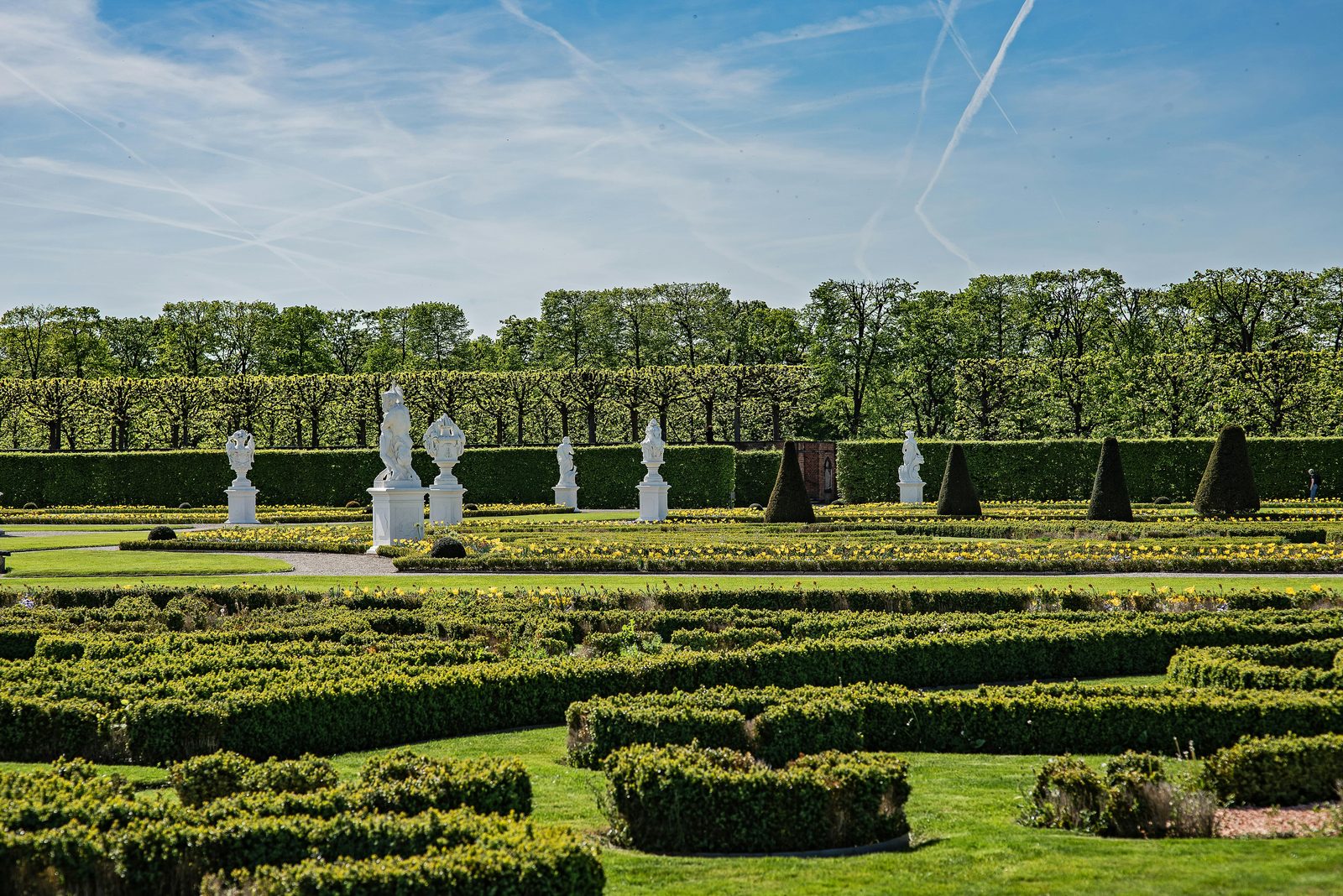
Frederiksberg Have is the most elegant park in the city — 32 hectares of Romantic-era landscape gardens (laid out in the 1700s) wrapped around Frederiksberg Palace. There’s a lake with swans, a Chinese-style pagoda on its own island (1799), formal parterres, fountains, and a statue of King Frederik VI. In summer you can rent a rowing boat for around 60 DKK per half-hour. Entry is free, it’s open dawn to dusk, and a proper wander takes about two hours.
Frederiksberg Have opens at 06:00 every day of the year, earlier than Kongens Have, and closes between 17:00 and 22:00 depending on the month. Our guide to the best parks in Copenhagen compares it with Kongens Have, Søndermarken and the rest.
2. Visit Copenhagen Zoo

Copenhagen Zoo (Zoologisk Have) dates to 1859 and holds more than 4,000 animals across 11 hectares. The highlights are the Foster + Partners elephant house (2008), the Arctic Ring with its polar bears, and the old observation tower with views over the park. Adult entry is around 245 DKK, free with the Copenhagen Card, and it’s an easy four or five hours with children. Our Copenhagen with kids guide has more family ideas.
3. Frederiksberg Palace
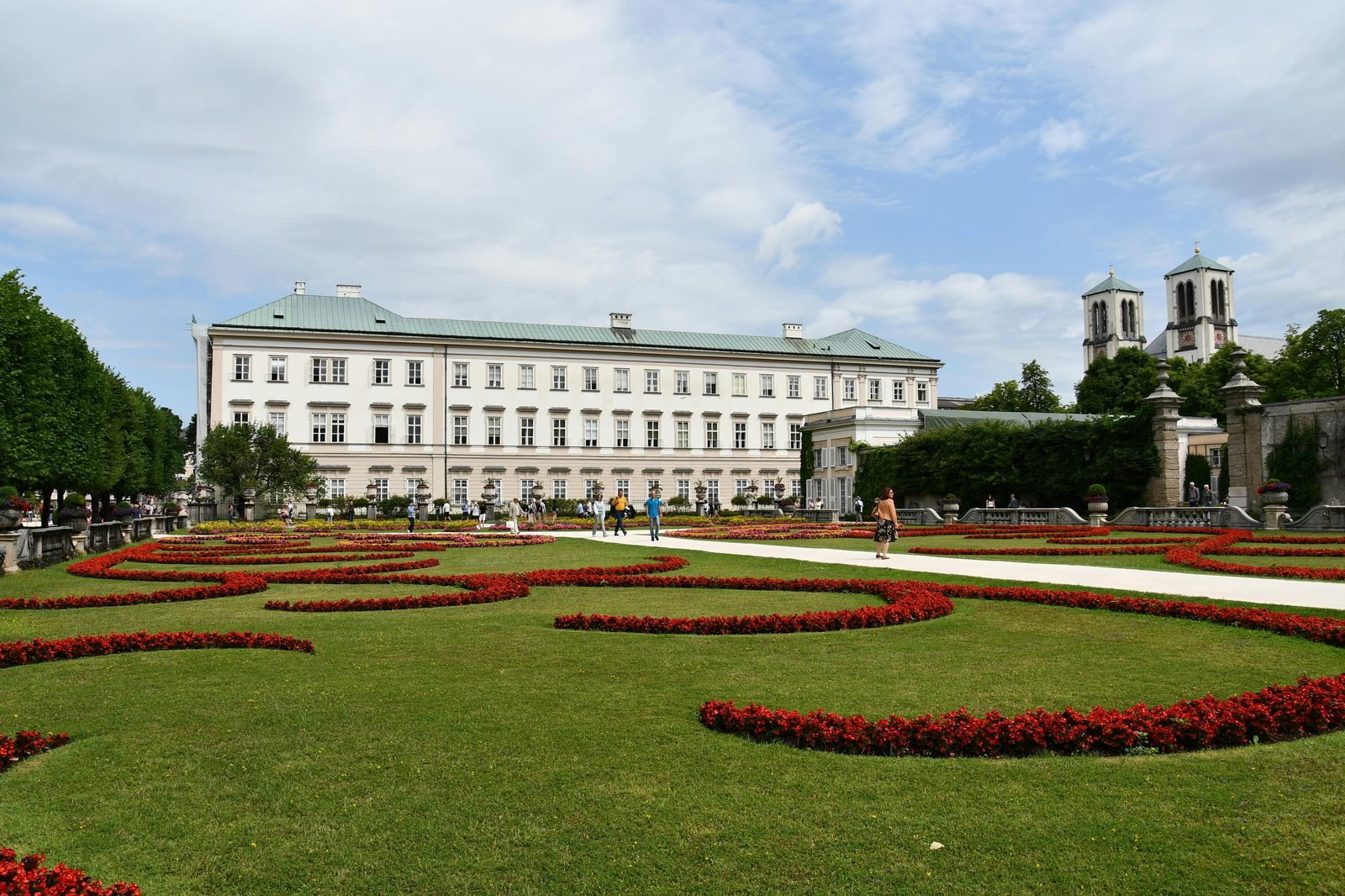
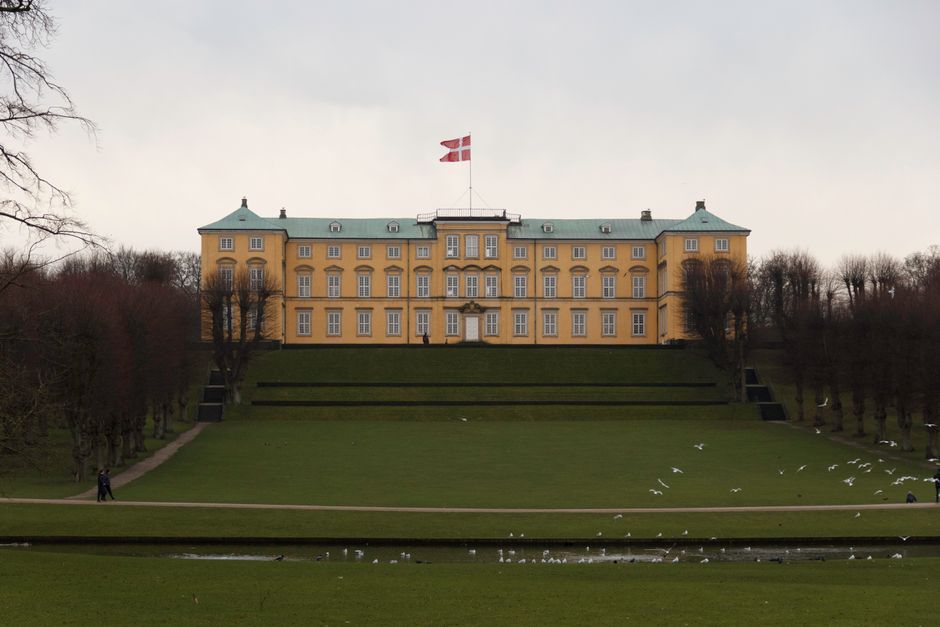
Frederiksberg Palace (Frederiksberg Slot) sits at the eastern end of the park — an 18th-century baroque residence that now houses the Royal Danish Military Academy, so it’s not open for tours. You can still admire it for free from the gardens, and the view from across the lake is the postcard shot.
4. Cisternerne underground gallery
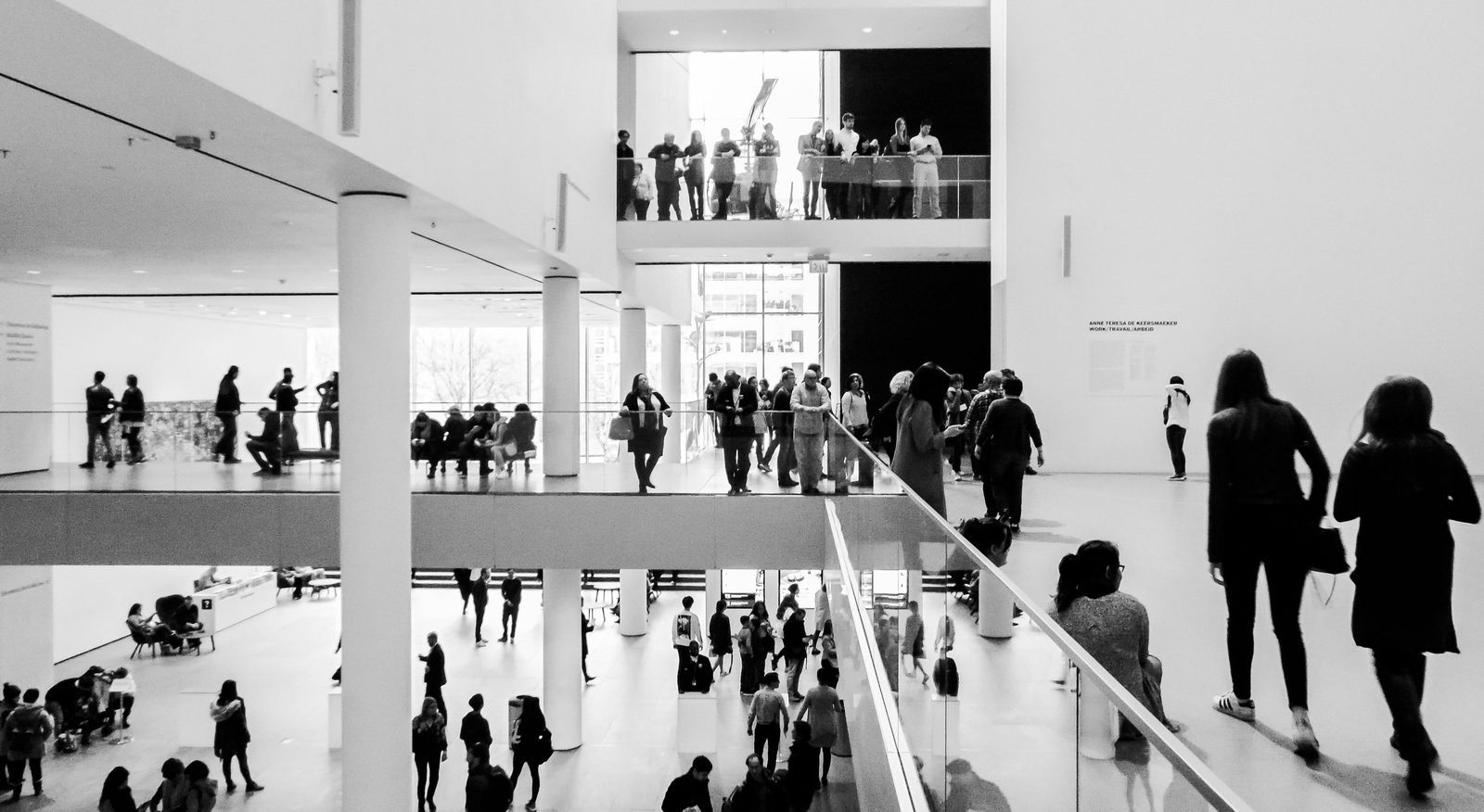
Cisternerne is the most unusual art space in Copenhagen — a 19th-century underground water reservoir beneath Søndermarken park, now given over to a single, atmospheric site-specific installation each year. It’s dark, damp and genuinely memorable. Around 110 DKK, free with the Copenhagen Card. Frederiksberg’s smaller museums (the Storm P. Museum for the cartoonist, the Carl Nielsen collection for the composer) are quieter alternatives to the big central ones.
5. Row the lake
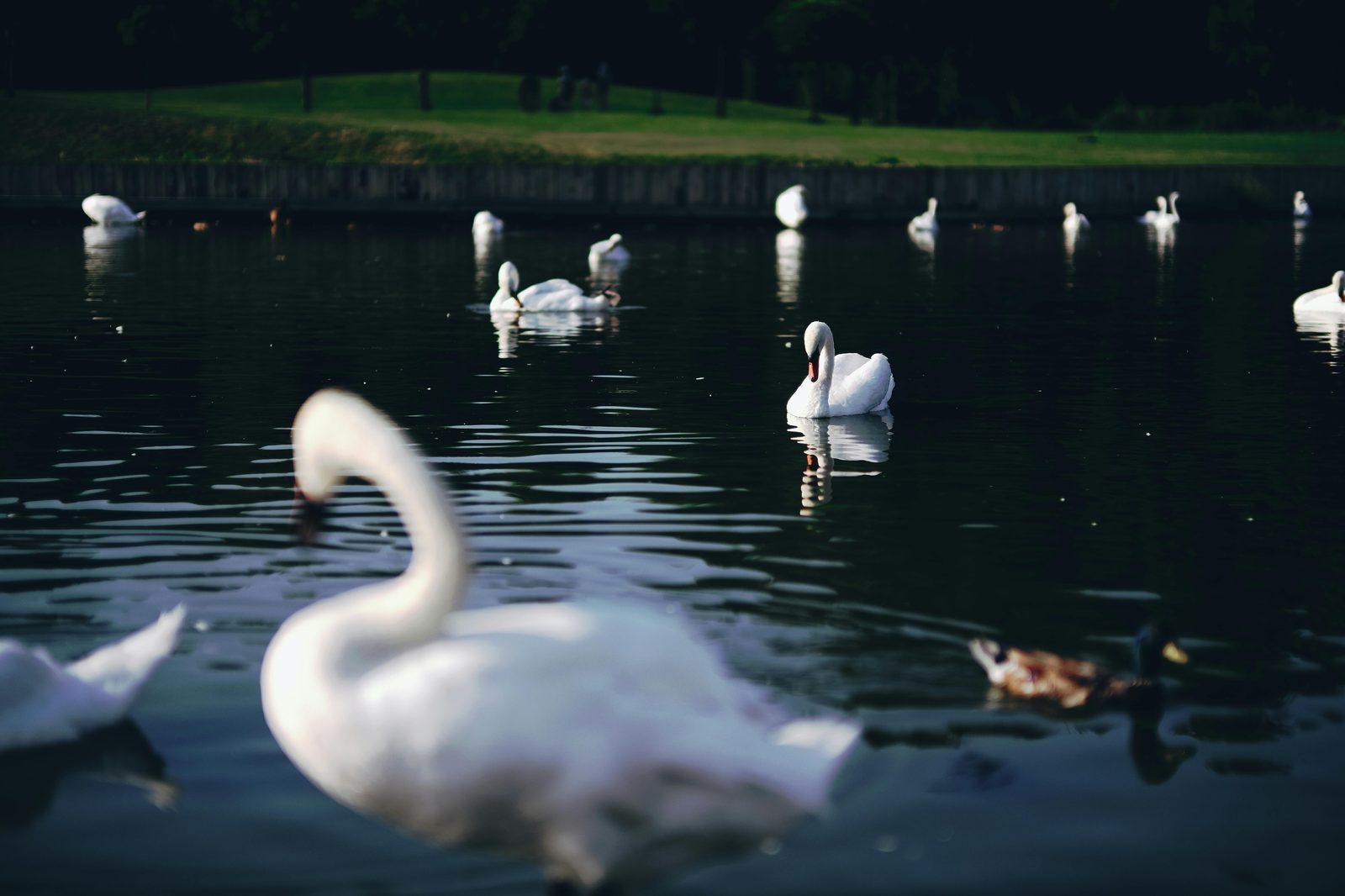
The park’s lake is its most charming feature. Rent a rowing boat in summer (around 60 DKK per half-hour) and drift past the Chinese pagoda island, or just walk the perimeter for the changing views. The formal gardens on the north side are at their best in high summer.
6. Søndermarken
Søndermarken is Frederiksberg’s second park, right across Roskildevej from Frederiksberg Have. It’s less formal and more wooded, and it hides the entrance to Cisternerne beneath it. Pair the two and you’ve got two or three hours of green space in one go.
7. Eat at Hart Bageri
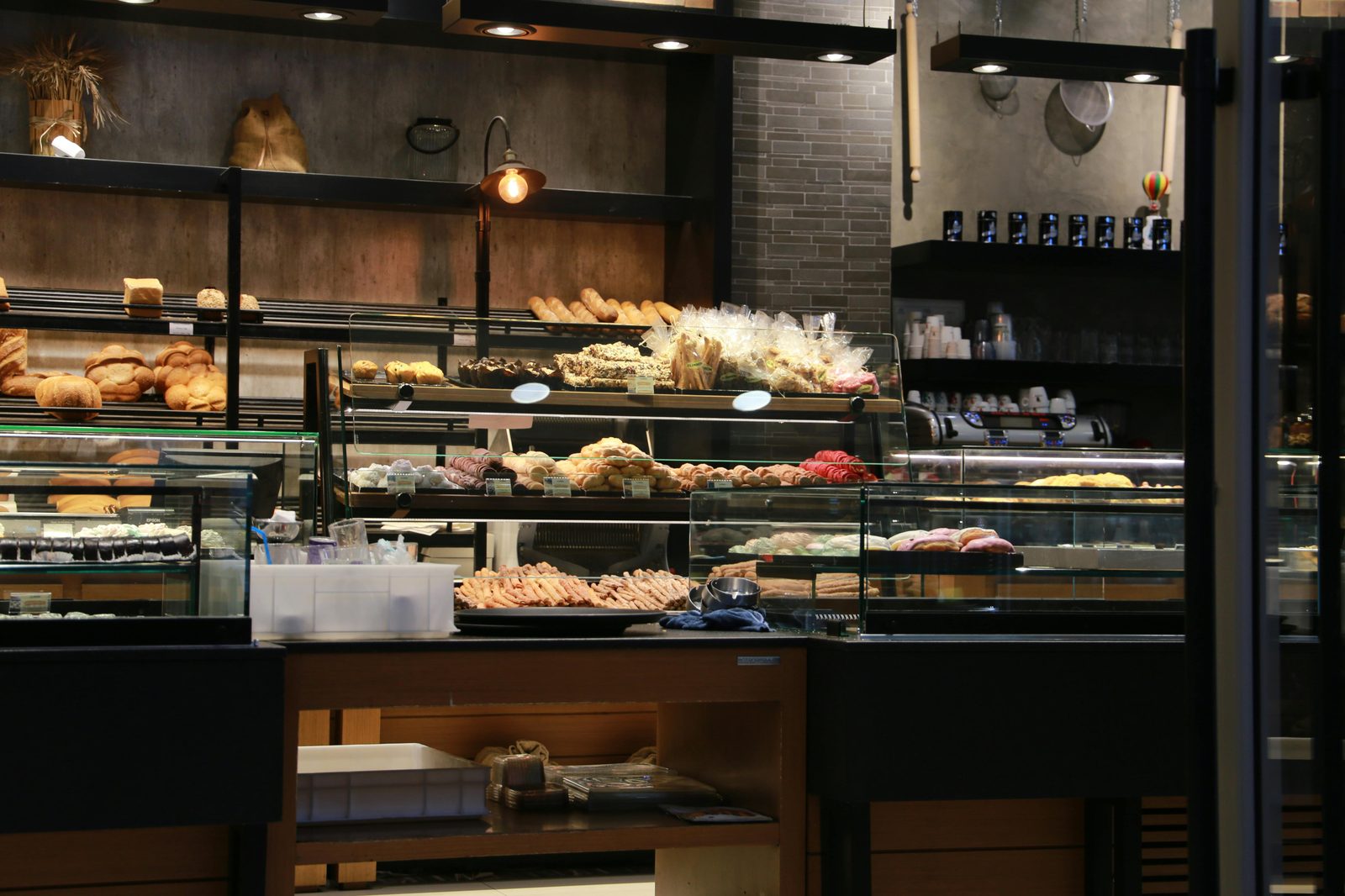
Hart Bageri’s Frederiksberg branch is one half of the most acclaimed bakery in Copenhagen — Richard Hart, formerly of Tartine in San Francisco, is behind it, and the croissants, sourdough and cinnamon buns are worth the trip. It’s the sister to the Nørrebro flagship. More on both in our full bakery guide.
8. Drink at Lidkoeb
Lidkoeb is one of the best cocktail bars in the city — three floors in a hidden 1920s courtyard building, with a whisky bar up top, cocktails in the middle and a more relaxed ground floor. Cocktails run 110–145 DKK. Reserve, or arrive around 21:00 to beat the wait.
Streets worth walking
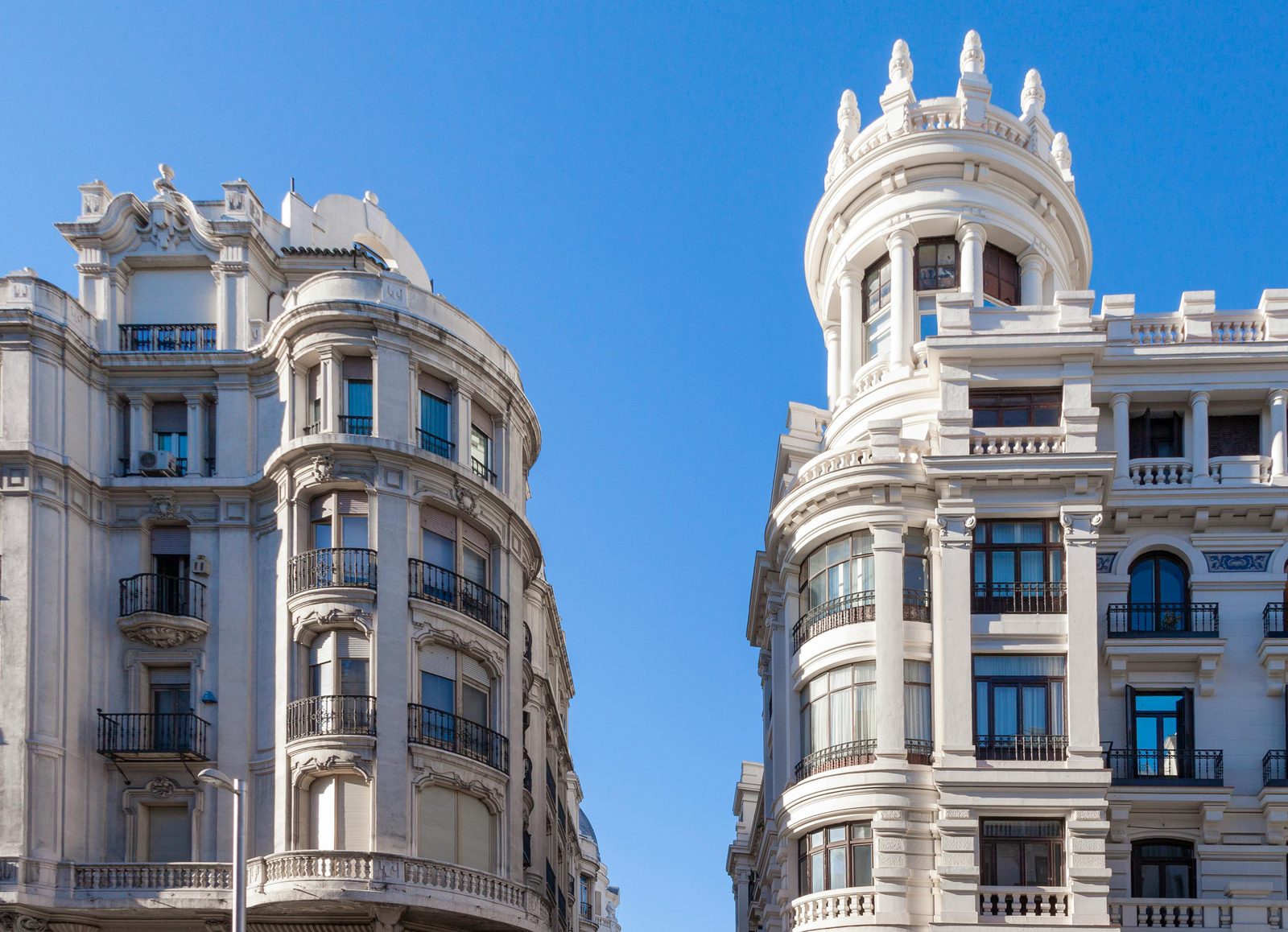
- Frederiksberg Allé — the tree-lined boulevard running from Vesterbro to the park.
- Falkoner Allé — the main commercial spine, with restaurants and design shops.
- Gammel Kongevej — refined shopping and cafés.
- Smallegade — quieter and residential.
- Bülowsvej — links the park through Søndermarken toward Carlsberg.
- Holsteinsgade — a quiet residential connector over to Vesterbro.
Where to eat and drink in Frederiksberg
The scene here is refined rather than hip — think good bistros and lovely cafés over buzzy new openings. Prices are rough guides; check before you book.
A step up
- Mes — natural-wine bistro; 5-course around 575 DKK.
- Le Saint-Jacques — a classic French bistro; 175–345 DKK.
Casual
- Hart Bageri Frederiksberg — the bakery to beat; 35–95 DKK.
- Mirabelle — a natural-wine bakery doing brunch and lunch.
- Granola — healthy, vegetable-forward brunch.
- Pomodoro — Italian (just over the Nørrebro line).
- Bevar’s — vegan-friendly and relaxed.
Coffee and cocktails
- La Cabra Frederiksberg — specialty coffee.
- Lidkoeb — some of the best cocktails in the city.
- Sif Mathilde — a natural-wine bar.
Where to stay in Frederiksberg
Rooms here tend to be quieter and often better value than in the old town, with quick Metro access to everything. Rates are rough guides:
- Hotel Skt. Petri (on the Indre By border) — five-star; 2,800–6,500 DKK.
- Hotel Avenue — a Frederiksberg classic; 1,500–2,800 DKK.
- Imperial Hotel — on Frederiksberg Allé; 1,500–3,200 DKK.
- Crowne Plaza Copenhagen Towers — modern and comfortable; 1,800–3,500 DKK.
- Andersen Boutique Hotel (on the Vesterbro side) — design boutique; 1,800–3,500 DKK.
See our best hotels in Copenhagen guide for more, or — if you’re travelling with children — our best family hotels in Copenhagen guide.
Shopping in Frederiksberg
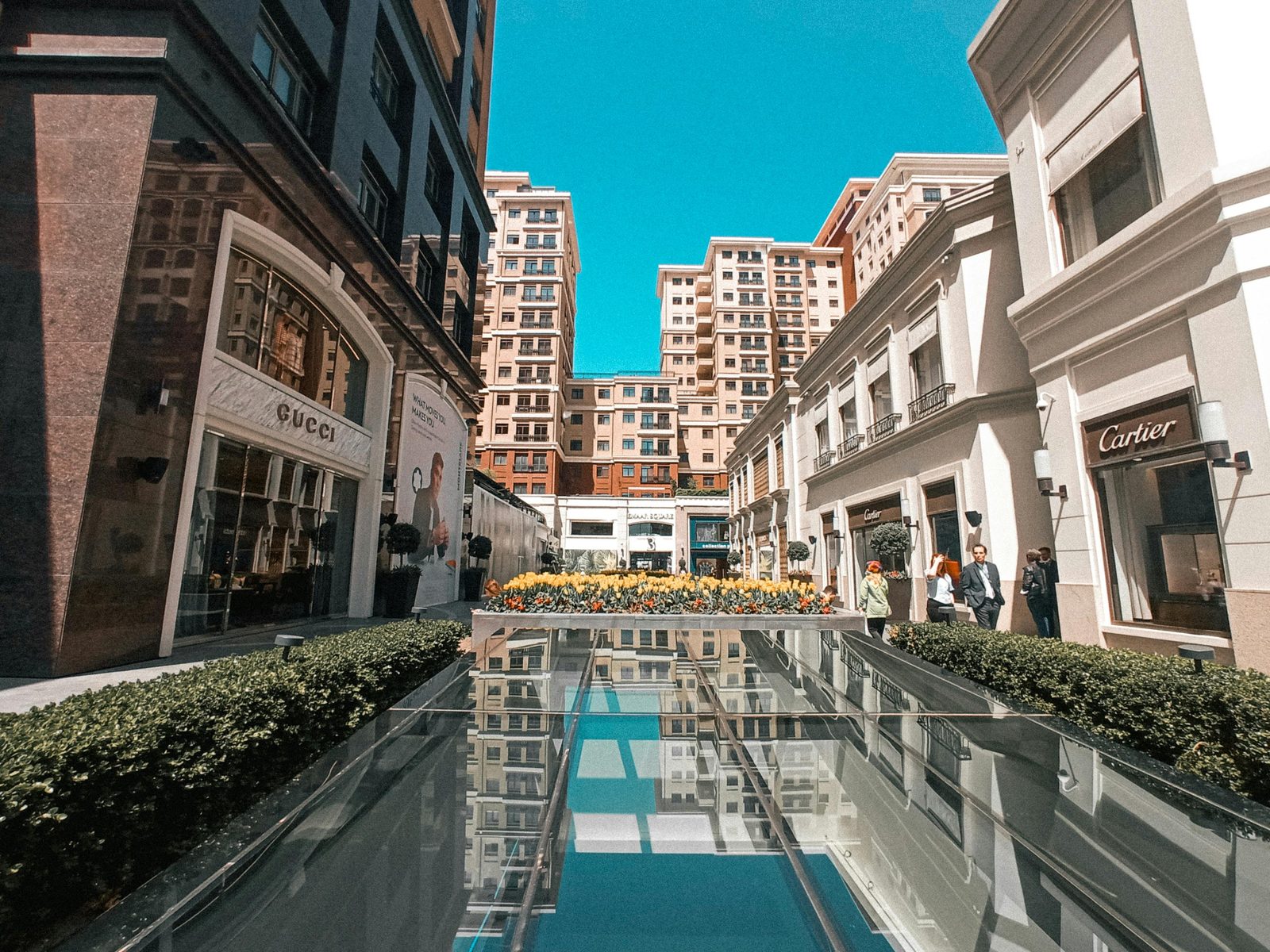
The best shopping runs along Gammel Kongevej and Falkoner Allé — Danish design houses, antique shops, bookshops and fashion, all noticeably calmer than Strøget. There’s also the Frederiksberg Centret mall by the Metro if you need the chains. For the citywide picture, see our Copenhagen shopping guide.
Who Frederiksberg suits
This is the district for families, slower travelers and anyone on a repeat trip who wants space and calm over a sight-heavy base. If you’ve got young kids, it’s arguably the best neighborhood in the city to stay: parks, the zoo, quiet streets, and cafés that welcome prams. It also pairs beautifully with a west-Copenhagen day.
It suits you less if you want nightlife on your doorstep or the big-ticket sights within walking distance — those are over in Vesterbro and the old town. It’s also not cheap. But for poise and green space, nowhere else comes close.
A half-day walking route
- Metro M1/M3 to Frederiksberg Station.
- Walk to Frederiksberg Have via Smallegade.
- Tour the park — lake, Chinese pagoda, the palace from outside.
- Add Copenhagen Zoo (four to five hours) or skip it for a park-only day.
- Lunch at Hart Bageri Frederiksberg.
- Browse Falkoner Allé.
- Coffee at La Cabra.
- Down into Cisternerne under Søndermarken.
- Finish with cocktails at Lidkoeb.
Practical tips
- It’s its own municipality — separate from Copenhagen city, but on the same Metro and bus network.
- Frederiksberg Have is free and open dawn to dusk.
- Skip the zoo on Saturdays — it’s busiest; Tuesday to Thursday is calmer.
- Book Lidkoeb — especially the top-floor whisky bar.
- Pair it with Vesterbro — a 10-minute walk to Kødbyen and Mikkeller.
- Or with Carlsberg City — just south of Søndermarken, about 15 minutes on foot.
- Toilets are easy at the park, the zoo and the bigger cafés.
- It’s the most family-friendly district in the city, hands down.
- Sundays are lively — brunch is a local institution here.
- It’s very cyclable — dedicated bike lanes everywhere.
Getting around Frederiksberg
Distances here are gentle and the district is made for two wheels — flat, green and threaded with protected bike lanes, so a rental is the nicest way to cover it. If you’d rather not cycle, the M1 and M3 Metro lines put you a few minutes from the old town, Vesterbro and Nørrebro, and buses 1A and 14 fill in the gaps. For fares and passes, our getting around Copenhagen guide has the details.
Frederiksberg FAQs
Is Frederiksberg part of Copenhagen?
Technically no — it’s a separate Danish municipality entirely surrounded by Copenhagen. For everything that matters to a visitor (transport, addresses, getting around) it works just like a Copenhagen district.
What is Frederiksberg known for?
Being the city’s wealthiest, most refined district. The highlights are Frederiksberg Have, Copenhagen Zoo, Frederiksberg Palace, the underground Cisternerne, Hart Bageri, the Lidkoeb cocktail bar, and its elegant early-1900s architecture.
Should I stay in Frederiksberg?
Yes, if you’d rather have quiet, residential and family-friendly than central and busy. There’s fast Metro access to every sight, and the hotels are calmer — and often better value — than in the old town.
Is Frederiksberg expensive?
It is — this is the city’s most expensive district for property, and restaurants and shops sit mid-to-high range. Hotels match old-town prices for similar quality. The parks and the walking, happily, are free.
Is Frederiksberg family-friendly?
Extremely — it’s the most family-friendly district in Copenhagen. Between Frederiksberg Have, the zoo, the quiet streets and the welcoming cafés, it’s the easiest base for a trip with kids.
How do I get to Frederiksberg?
Metro M1 and M3 stop at Frederiksberg Station, with the M3 also serving Forum and Aksel Møllers Have. Walking from Vesterbro takes 10–15 minutes, and buses 1A and 14 run through too.
How long should I spend in Frederiksberg?
Half a day for the park, lunch and Hart Bageri; a full day if you’re adding the zoo. Stretch it to one or two days if you combine it with Carlsberg City and Søndermarken.
Frederiksberg or Vesterbro?
Frederiksberg is wealthier, quieter, more refined and family-oriented; Vesterbro is hip, creative and food-focused. They’re next-door neighbours, so you don’t have to choose — see both.
Related reading
- Indre By, the historic centre — Strøget, the Round Tower and most of the postcard sights in one district.
- The city’s headline sights
- The Christianshavn canals — the canals, the Vor Frelsers spire and Freetown Christiania next door.
- Jægersborggade and Nørrebro — Jægersborggade, Superkilen and the best bakeries in the city.
- Carlsberg City Copenhagen
- Islands Brygge and Sydhavn — harbour swimming at Islands Brygge, GoBoat rentals, the Sluseholmen canals and the best sunsets.
- Copenhagen itinerary
- The Holmen district
- Exploring Østerbro
Final thoughts
Frederiksberg is Copenhagen at its most poised — the district for travelers who’d take parks and refinement over tourist bustle. Wander Frederiksberg Have, take the kids to the zoo, eat at Hart Bageri, drink at Lidkoeb, and browse Gammel Kongevej. Base yourself here if you’ve got children, want somewhere calmer, or love being near green space, and pair it with Vesterbro and Carlsberg for a full west-Copenhagen day. It’s the most family-friendly corner of the city, and it wears its wealth quietly.
Last updated: July 2026.