The best thing in Denmark’s design museum is a corridor. It is lined from floor to ceiling with 125 chairs, from Hans J. Wegner and Arne Jacobsen to Charles Eames and Marcel Breuer, arranged as a family tree of who borrowed from whom, and in the twenty minutes it takes to walk it you learn more about why Danish furniture looks the way it does than any shop on Strøget will ever tell you. Designmuseum Danmark is worth the ticket for that corridor and the story around it, if design is part of the reason you came to Copenhagen. If it is not, you can enjoy the best of the building, its garden and its café without paying anything at all.
This guide covers tickets and hours, the chair tunnel and the Danish Modern exhibition around it, the other permanent rooms and what is on over the coming winter, the building itself, and an honest verdict on who should go and who should spend the afternoon elsewhere. Prices, hours and exhibition dates come from the museum and were checked in September 2026.
Designmuseum Danmark at a Glance
| Detail | |
|---|---|
| Address | Bredgade 68, in Frederiksstaden |
| Nearest metro | Marmorkirken, a few minutes’ walk |
| Opening hours | Tuesday to Sunday 10:00–18:00; Thursday to 20:00 |
| Closed | Mondays |
| Last tickets | One hour before closing: 17:00, or 19:00 on Thursdays |
| Adults | 140 DKK |
| Under 27 and students | 90 DKK, with ID |
| Under 18 | Free |
| Free without a ticket | The garden, café, shop and library |
| Time to allow | About an hour and a half; twenty minutes for the chair tunnel |
| On now | Henrik Vibskov, to 21 February 2027; Kontrapunkt, to 18 October 2026 |
The detail that catches people out is the ticket desk. It stops selling an hour before the museum closes, and the exhibitions themselves close half an hour before that, so arriving at 17:15 on a Saturday gets you into the shop and the café but not the galleries. Thursday is the day for an evening visit, with the doors open until 20:00.
The Chair Tunnel: The Reason to Go
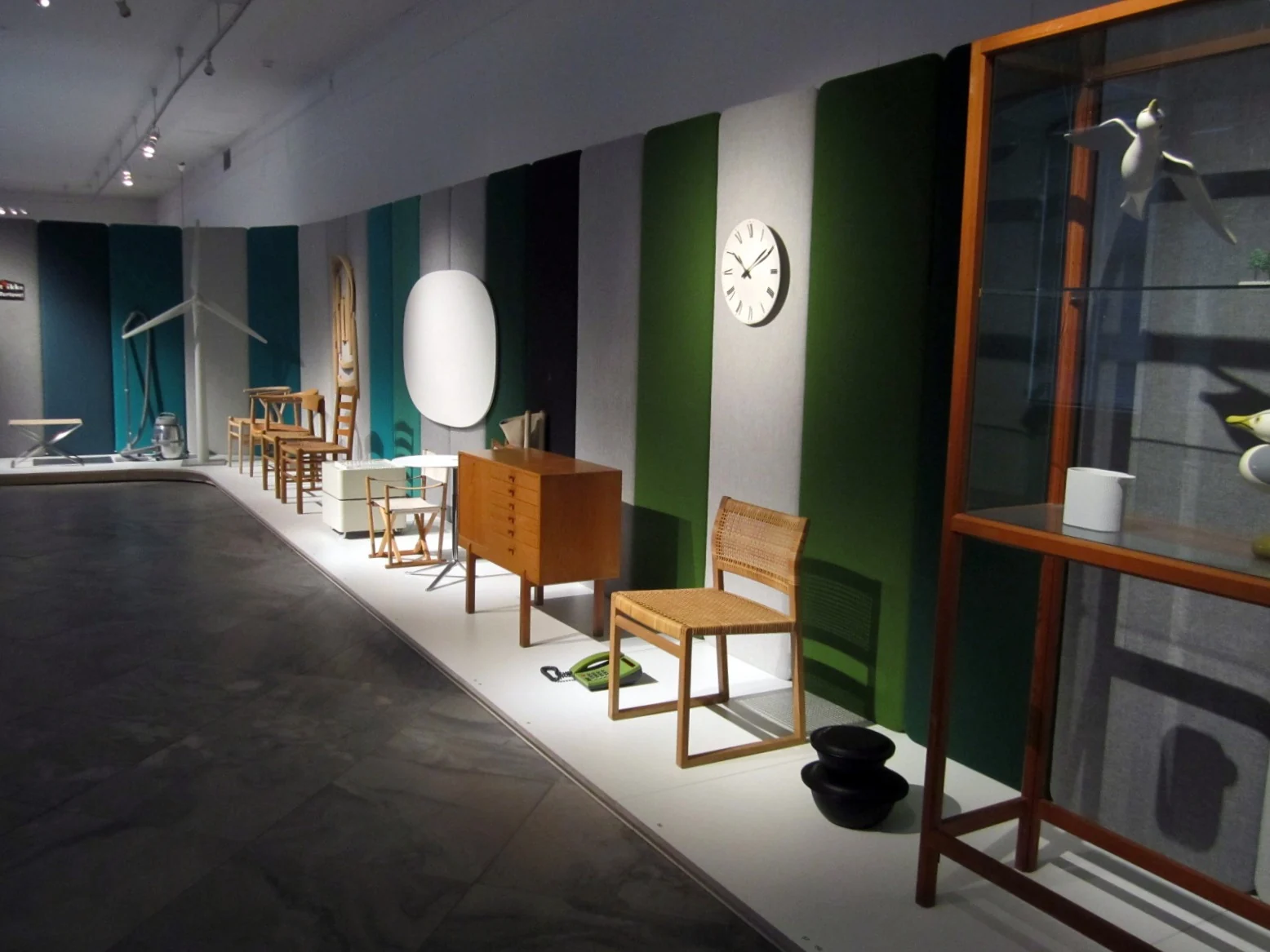
The chair tunnel sits at the heart of Danish Modern, the museum’s permanent exhibition on the twentieth century, and it is the one room in Copenhagen that every design-minded visitor should see. The current version is bigger than the old one: 125 chairs stacked from floor to ceiling, mixing icons with chairs you will never have heard of, Danish designers with international ones. Wegner, Jacobsen, Nanna Ditzel and Cecilie Manz sit alongside Eames, Breuer and Jasper Morrison.
The trick to it is the arrangement. The museum calls it a family tree of chair relationships, and it rewards reading rather than glancing: find a famous chair, then look at the ones hung around it, and you start to see where the idea came from and where it went next. Danish design was never made in isolation, and this is the most honest place in the city to see how much it borrowed and how much it gave back.
Danish Modern: The Rest of the Story
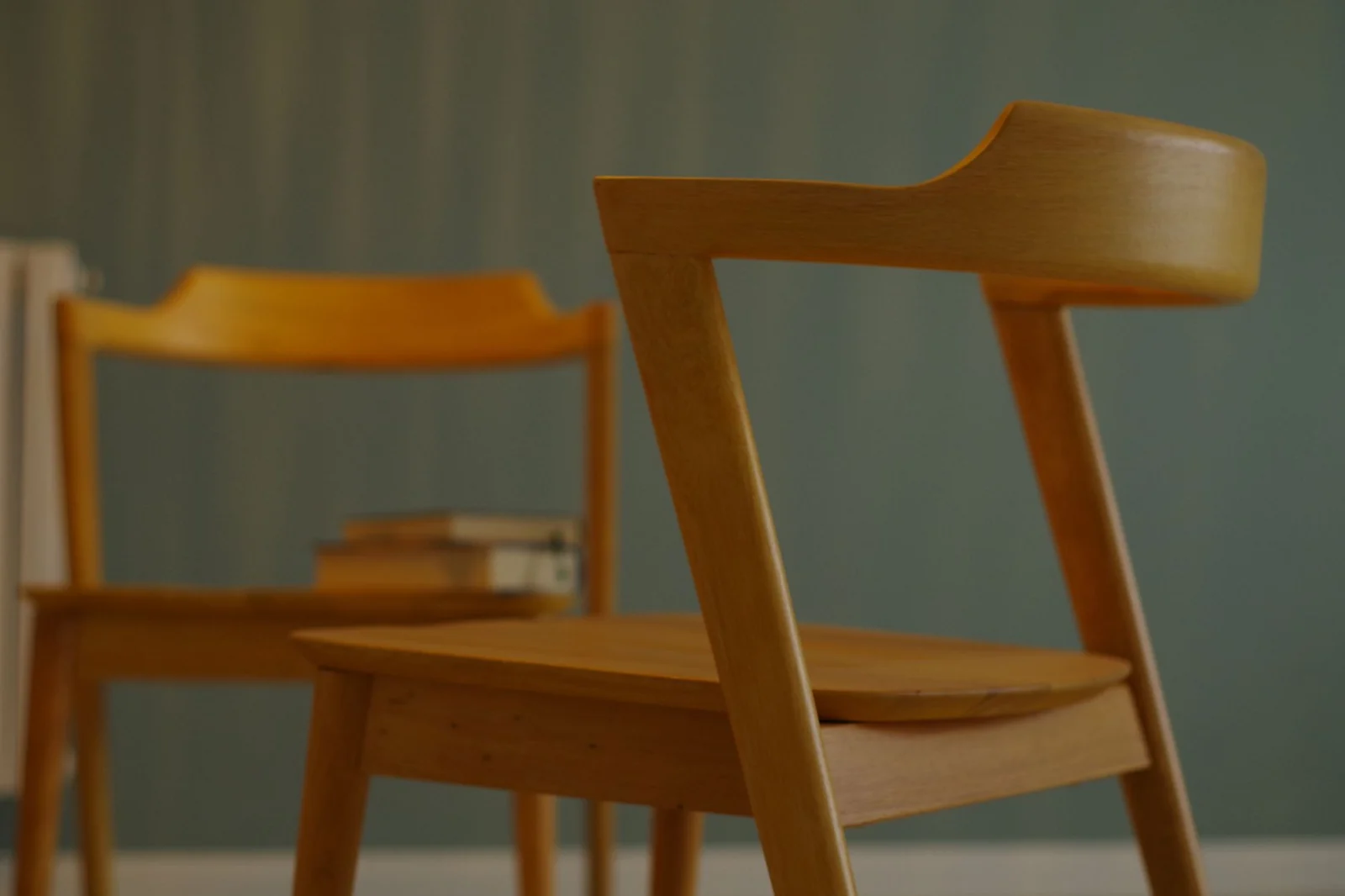
Around the tunnel, Danish Modern tells the story of Danish design from the 1920s to 2000, and it is better than the usual parade of famous objects. It starts with Kaare Klint, the furniture professor who taught a generation of Danish designers to measure people before they drew a chair, and his Room for a Woman. It detours, deliberately, through the Frankfurt kitchen, Margarete Schütte-Lihotzky’s famous fitted kitchen from 1926, to show where Danish modernism agreed with the rest of Europe and where it went its own way.
Then it runs on through the organic pop of Verner Panton and Nanna Ditzel to the cool high-tech of the 1980s, with the designers’ own drawings, archive material and personal belongings along the way. 2026 is Panton’s centenary year, which makes his brightly coloured corner of the story a good one to linger in. If you have ever wondered why Danish homes look the way they do, this is where the answer is.
Two stories are worth knowing before you go. Wegner’s round-backed wooden armchair became known simply as The Chair after John F. Kennedy and Richard Nixon sat in it for their televised debate in 1960. And Arne Jacobsen’s Egg and Swan chairs were designed for a single building, the SAS Royal Hotel in Copenhagen, which still stands by Tivoli; our guide to Danish design shops covers where to see and buy the classics today.
The Other Permanent Rooms
- WONDER, the museum’s older collection, from centuries before modernism.
- Little Table, Cover Thyself!, a history of the table setting, which is more interesting than it sounds and very Danish in its seriousness.
- Danish Silver, the treasure room, for anyone who likes their design polished.
- In the Making, an interactive exhibition, and the room most likely to hold the attention of children.
Be honest with yourself here. The silver and table-setting rooms are beautifully done and aimed squarely at enthusiasts. With limited time, do Danish Modern and the tunnel properly, look into whatever temporary exhibition is on, and leave the rest for a second visit.
What’s On: Autumn 2026 to Spring 2027
Two temporary exhibitions cover the coming months. Kontrapunkt, on the Copenhagen design agency of that name, runs until 18 October 2026. Henrik Vibskov: The exhibition, on the Danish fashion designer and artist known for his playful, theatrical installations, runs from 18 September 2026 to 21 February 2027, which makes it the one most autumn and winter visitors will see.
The Building: A Royal Hospital
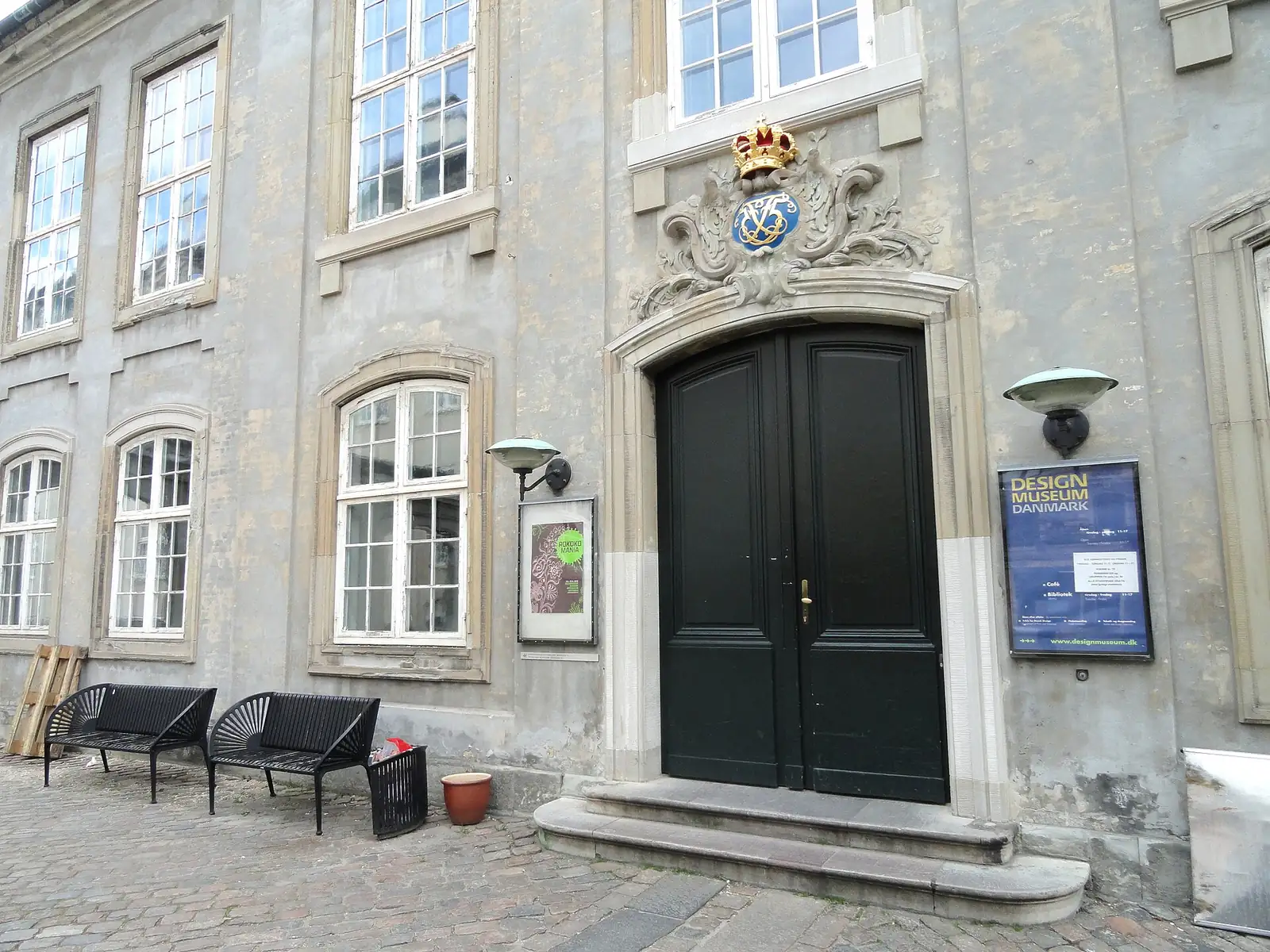
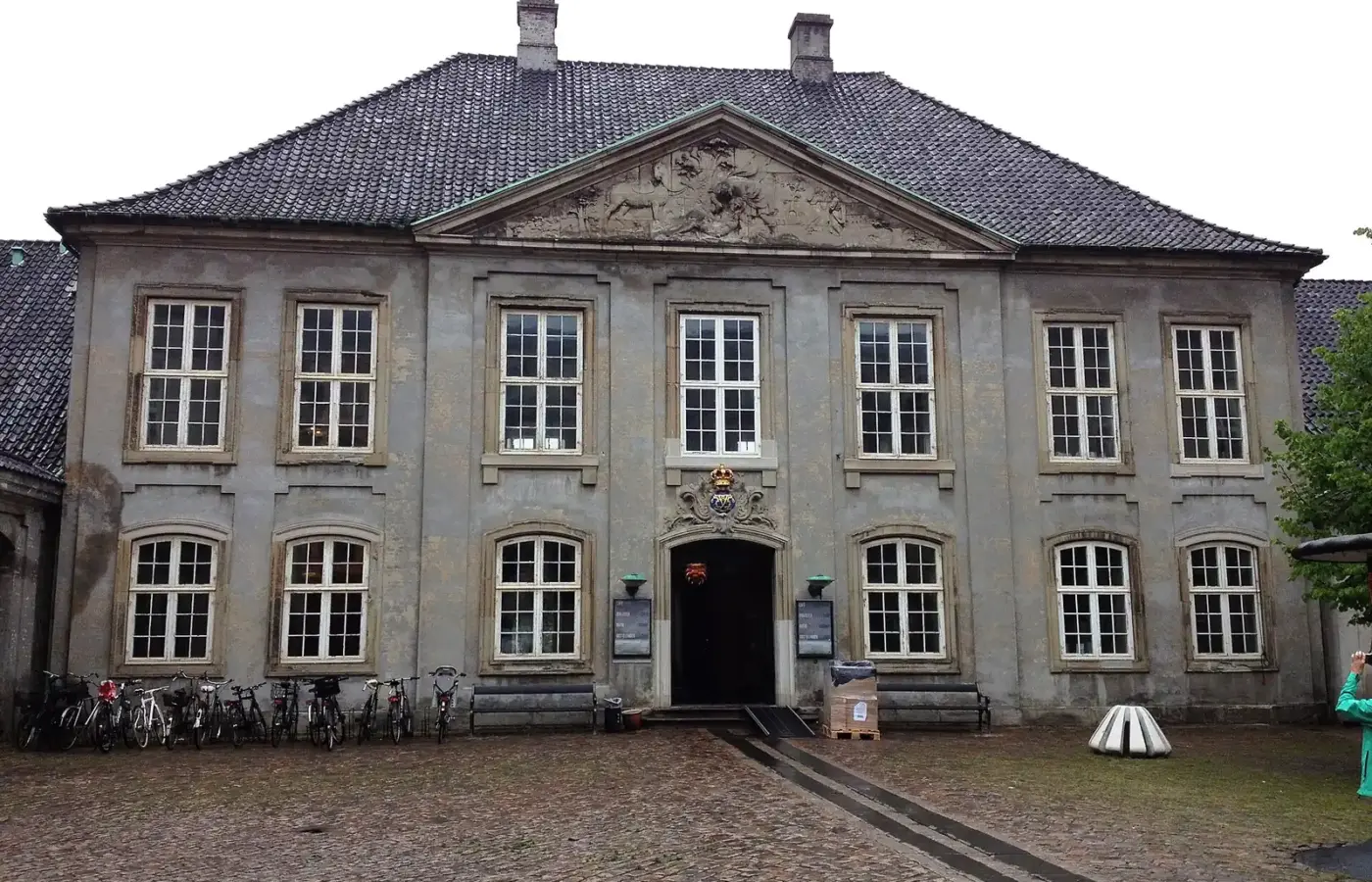
The museum occupies the old Frederiks Hospital, built in the 1750s as part of Frederiksstaden, the rococo new town that King Frederik V laid out around Amalienborg. His crowned monogram still sits above the door. In the 1920s the building was converted into a museum under Kaare Klint, the same furniture professor whose work you meet inside, so the rooms themselves were shaped by one of the designers on display.
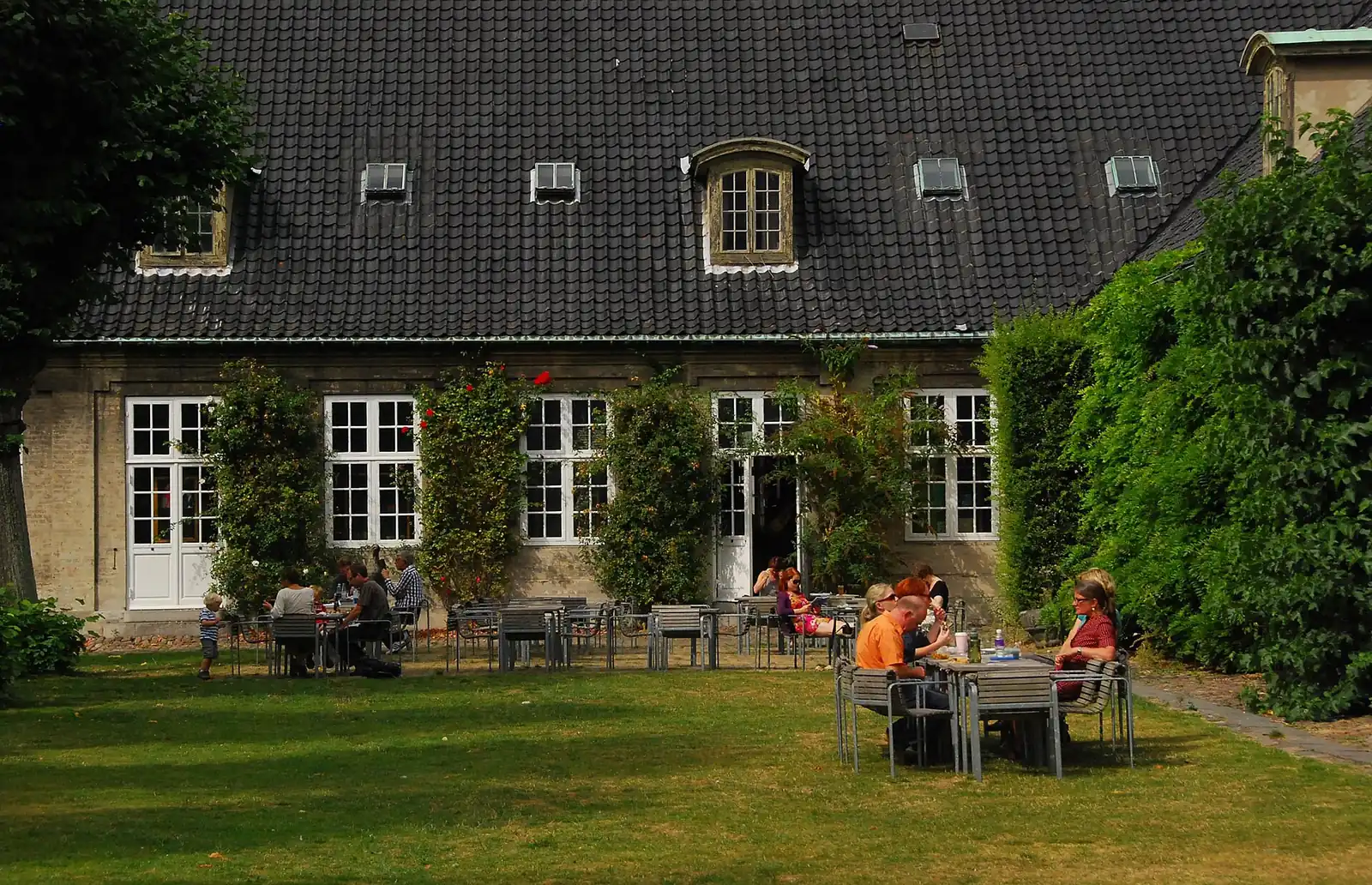
Behind it is a walled garden, and this is the best-kept secret of the whole visit: the garden, the café, the shop and the library are free to enter without a ticket. On a sunny afternoon the garden is one of the calmest places in central Copenhagen, and on a wet one the café is a very civilised place to shelter. Our rainy day guide has more like it.
Is It Worth It? Who Should Go and Who Should Skip
Go if Danish design is one of the reasons you came, if you have ever bought a chair, a lamp or a jug because it was Danish, or if you want to understand why this small country has such an outsized reputation for it. Go with children under 18, who get in free, and aim for In the Making. And go on a Thursday evening if you can, when it is open until 20:00.
Skip it if you are in Copenhagen for two or three days and design leaves you cold. The ticket costs the same as SMK’s, and SMK, the National Museum and the Glyptotek are all broader museums for similar money. Our guide to the best museums in Copenhagen ranks them. The compromise is easy: walk in, have a coffee in the garden, browse the shop, and move on.
How to Fit It In
Designmuseum Danmark sits in the most rewarding walk in the city. The Marble Church is a couple of minutes south, Amalienborg a few more, and Kastellet is about ten minutes north, with the Little Mermaid just beyond it. A good half-day runs Nyhavn, Amalienborg, the Marble Church, the museum and lunch in its garden, then on to Kastellet. Marmorkirken metro station is the nearest; see our metro guide.
Frequently Asked Questions
How much does Designmuseum Danmark cost?
Adults pay 140 DKK. Under-27s and students pay 90 DKK with ID, and under-18s get in free. Groups of ten or more pay 110 DKK each.
What are Designmuseum Danmark’s opening hours?
Tuesday to Sunday 10:00 to 18:00, and Thursday until 20:00. It is closed on Mondays. Ticket sales stop an hour before closing.
How long do you need at Designmuseum Danmark?
About an hour and a half for Danish Modern, the chair tunnel and a temporary exhibition. The chair tunnel alone deserves twenty minutes.
What is the chair tunnel?
The centrepiece of the Danish Modern exhibition: 125 chairs stacked from floor to ceiling and arranged as a family tree, from Wegner and Jacobsen to Eames and Breuer.
Can you visit the Designmuseum café and garden without a ticket?
Yes. The garden, café, shop and library are free to enter without a museum ticket.
Is Designmuseum Danmark worth it?
Yes, if design is part of why you are in Copenhagen; the chair tunnel alone justifies the ticket. If it is not, spend the money on SMK or the National Museum and just visit the free garden and café.
Where is Designmuseum Danmark?
At Bredgade 68 in Frederiksstaden, a couple of minutes from the Marble Church. Marmorkirken is the nearest metro station.
Related Reading
- Danish design shops for buying what you have just been looking at.
- The best museums in Copenhagen to see where the design museum ranks.
- The Marble Church a couple of minutes away, with a free interior and a rationed dome climb.
- The best souvenirs from Copenhagen including the design pieces worth carrying home.
- Copenhagen with kids because under-18s get into the design museum free.
Photo Credits
- The grey rococo facade of Designmuseum Danmark, the former Frederiks Hospital, seen across its cobbled courtyard: photo by Patti Manolis, Designmuseum Danmark.jpg, CC BY 2.0
- A line of Danish design classics on a low white plinth: wooden chairs, a cabinet, a clock, a telephone and a model wind turbine: photo by Heidi De Vries from Berkeley, CA, Designmuseum Danmark – furniture.jpg, CC BY 2.0
- The entrance door of Designmuseum Danmark beneath the crowned monogram of King Frederik V: photo by Daderot, Designmuseum Danmark – DSC07163.JPG, CC0
- Visitors at tables in the museum’s garden cafe on a sunny day, under the long tiled roof of the old hospital wing: photo by Rob Deutscher from Melbourne, Australia, Designmuseum Danmark – cafe.jpg, CC BY 2.0
Final Thoughts
Designmuseum Danmark is not the biggest museum in Copenhagen or the most beautiful, but for one kind of visitor it is the most revealing. Walk the chair tunnel slowly and you will leave able to look at a Danish chair and see where it came from, which is more than most people get from a whole shopping trip to Strøget.
For everyone else, the building still has something to give for nothing: a free garden, a good café and a well-stocked design shop, a few minutes from the Marble Church. Come for the coffee, and you may find yourself buying a ticket anyway.
Last verified: September 2026. Prices, hours and exhibition dates from Designmuseum Danmark’s own site; temporary exhibitions change several times a year.