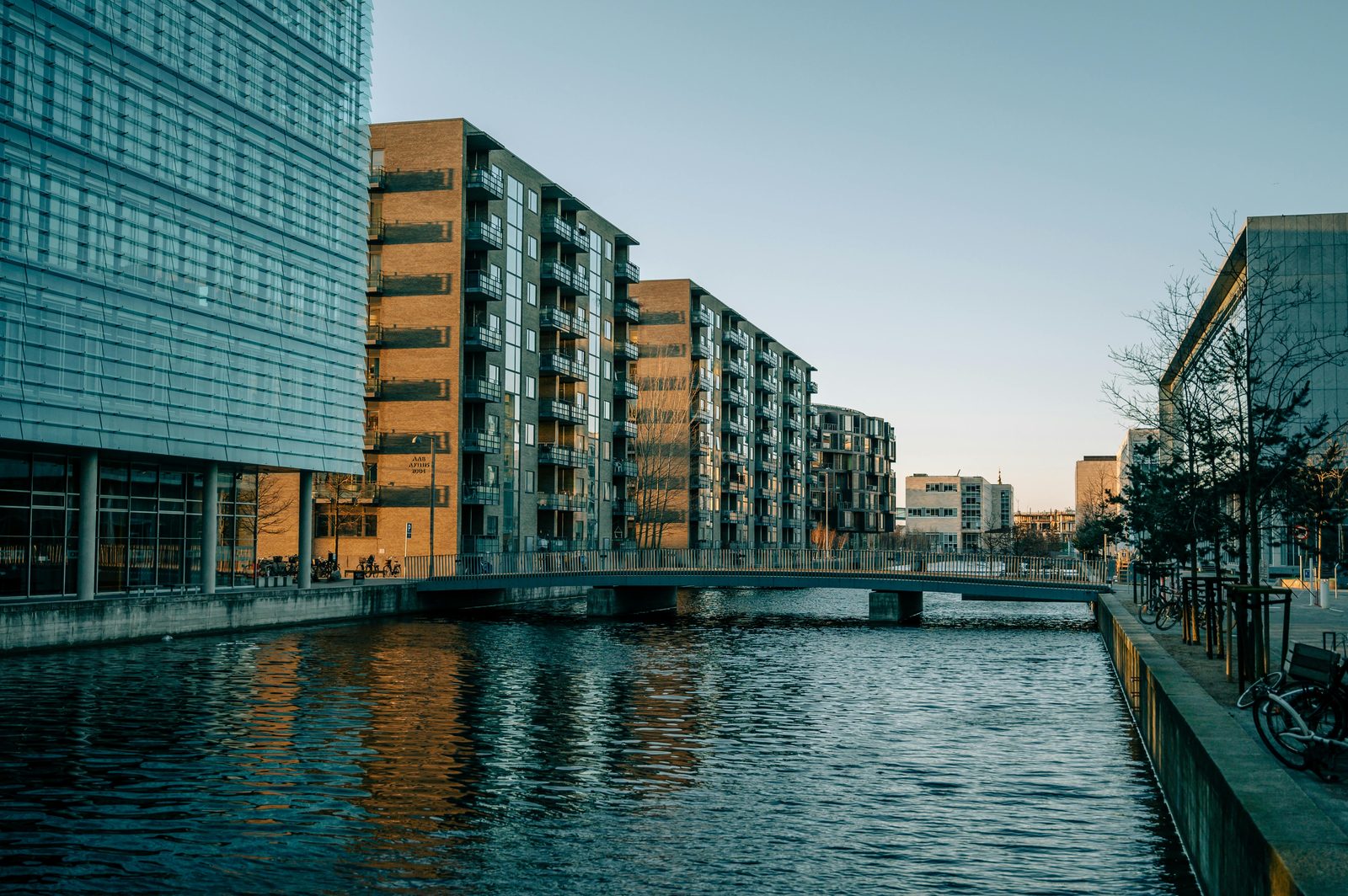
If Copenhagen has a quiet corner, this is it. Holmen was Denmark’s main naval base for 300 years, from 1690 until 1989, and today the old islets have been handed over to opera, architecture and sailing. Holmen Copenhagen is where you’ll find the striking Opera House (Henning Larsen, 2005), the Royal Danish Academy of Fine Arts, working marinas and long cobblestone quays that see a fraction of Nyhavn’s crowds. Come here for architecture, a harbourside stroll, or a night at the opera — and pair it with neighbouring Refshaleøen or Christianshavn for a full day on the water’s edge.
It’s one of the calmer entries in our Copenhagen neighborhoods guide — a deliberate breather from the crowds of Indre By.
Holmen at a Glance
| Fact | Detail |
|---|---|
| Meaning | Holmen means ‘the islets’ — Copenhagen’s former naval base district |
| History | Denmark’s main naval base 1690–1989; founded by Christian V |
| Defining sights | Copenhagen Opera House, Royal Danish Academy, marinas |
| Best for | Architecture lovers, opera-goers, sailing enthusiasts, peaceful walks |
| Best transport | Harbour bus 991/992; bike/walk via Inderhavnsbroen + Christianshavn |
| Atmosphere | Quiet, academic, contemporary architecture, peaceful harbour |
| Visit time | Half-day for thorough exploration |
| Best season | May–September for outdoors; year-round for the Opera |
A quick reality check: this isn’t a first-timer’s district. If you’ve only got two days in Copenhagen, spend them elsewhere. But if you love buildings, quiet water, or a good opera, Holmen rewards the detour.
Top Things to Do on Holmen
1. The Copenhagen Opera House
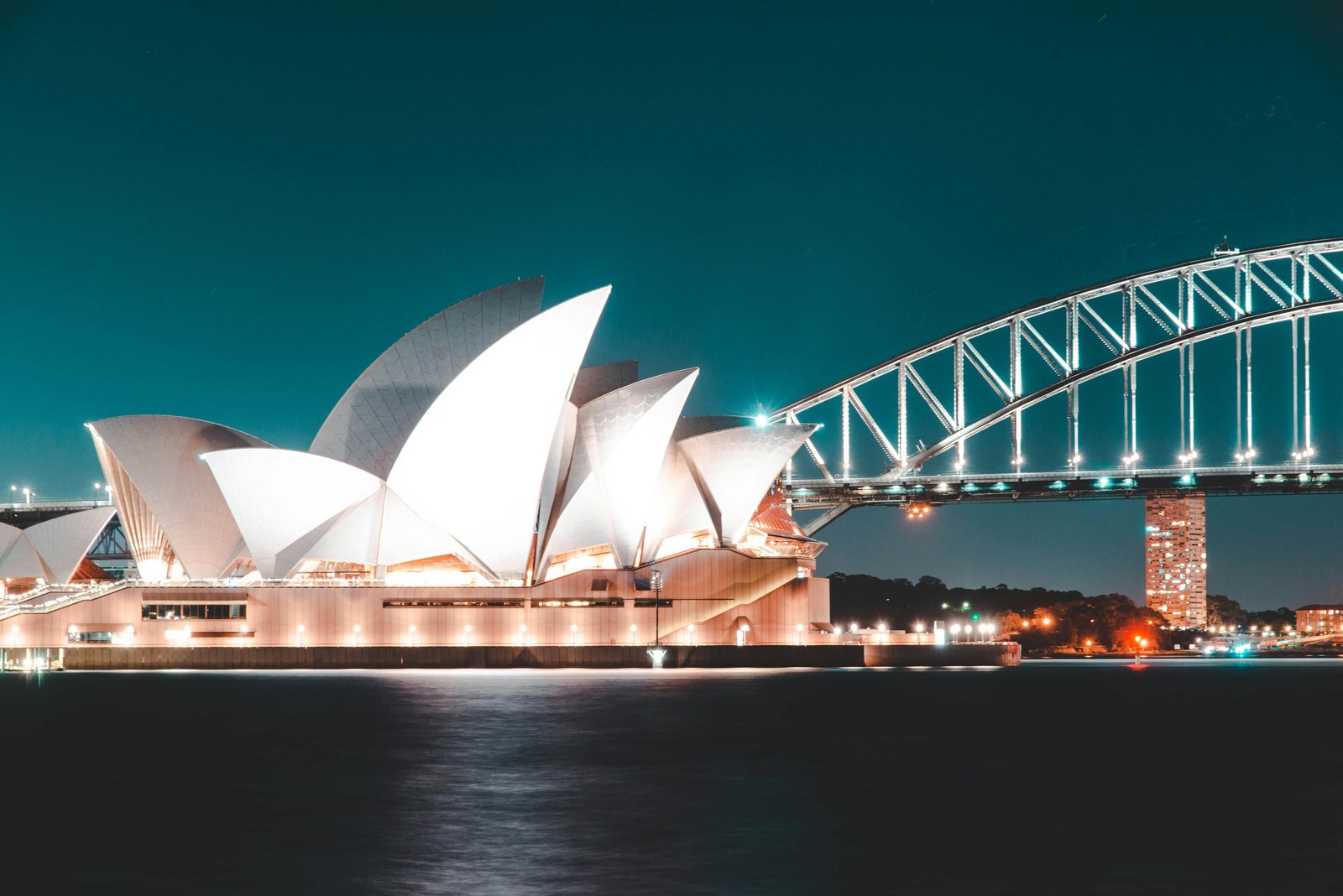
The Opera House (Operaen) is the district’s headline act. Designed by Henning Larsen and opened in January 2005, its huge cantilevered roof faces straight across the harbour to the royal palace at Amalienborg, part of a deliberate royal axis. Inside, the 1,500-seat main hall stages the Royal Danish Theatre’s opera and ballet, with tickets from roughly 350 to 1,250 DKK. If you can’t catch a show, the backstage tours are a good alternative (check the Royal Danish Theatre’s site for days and prices) — and even the exterior, best seen from the water, justifies the trip. Fun fact: at 5.4 billion DKK it was, at the time, the most expensive opera house ever built.
2. Walk the Harbour Promenades

This is the real reason locals love the place: some of the calmest harbour walks in Copenhagen. From the Opera House you can loop the southern point, past 18th-century naval cobblestones, sailing marinas and the Academy of Fine Arts, in a leisurely two to three hours. There’s almost none of the Nyhavn crush, which makes for far better photos. Time it for sunset if you can — the light off the water is lovely, and it’s the closest the city gets to peaceful.
3. Royal Danish Academy of Fine Arts

Holmen is home to the Royal Danish Academy of Fine Arts — its Schools of Architecture, Design and Conservation, plus partner academies. This is where generations of Danish architects and designers cut their teeth, and the buildings themselves are award-winning contemporary architecture. You can’t wander in freely, but occasional open days bring student exhibitions and tours; check kunstakademiet.dk for what’s on before you go.
4. Naval Heritage

For 300 years this was where Denmark built its warships. King Christian V founded the base in 1690, and the cobblestone quays, 18th-century warehouses and old barracks still carry that maritime weight. The Naval Museum (Orlogsmuseet) keeps the story alive with ship models, weapons and archives — check the museum’s own site for admission and opening days. Even without going in, the quays are atmospheric.
5. Sailing Marinas
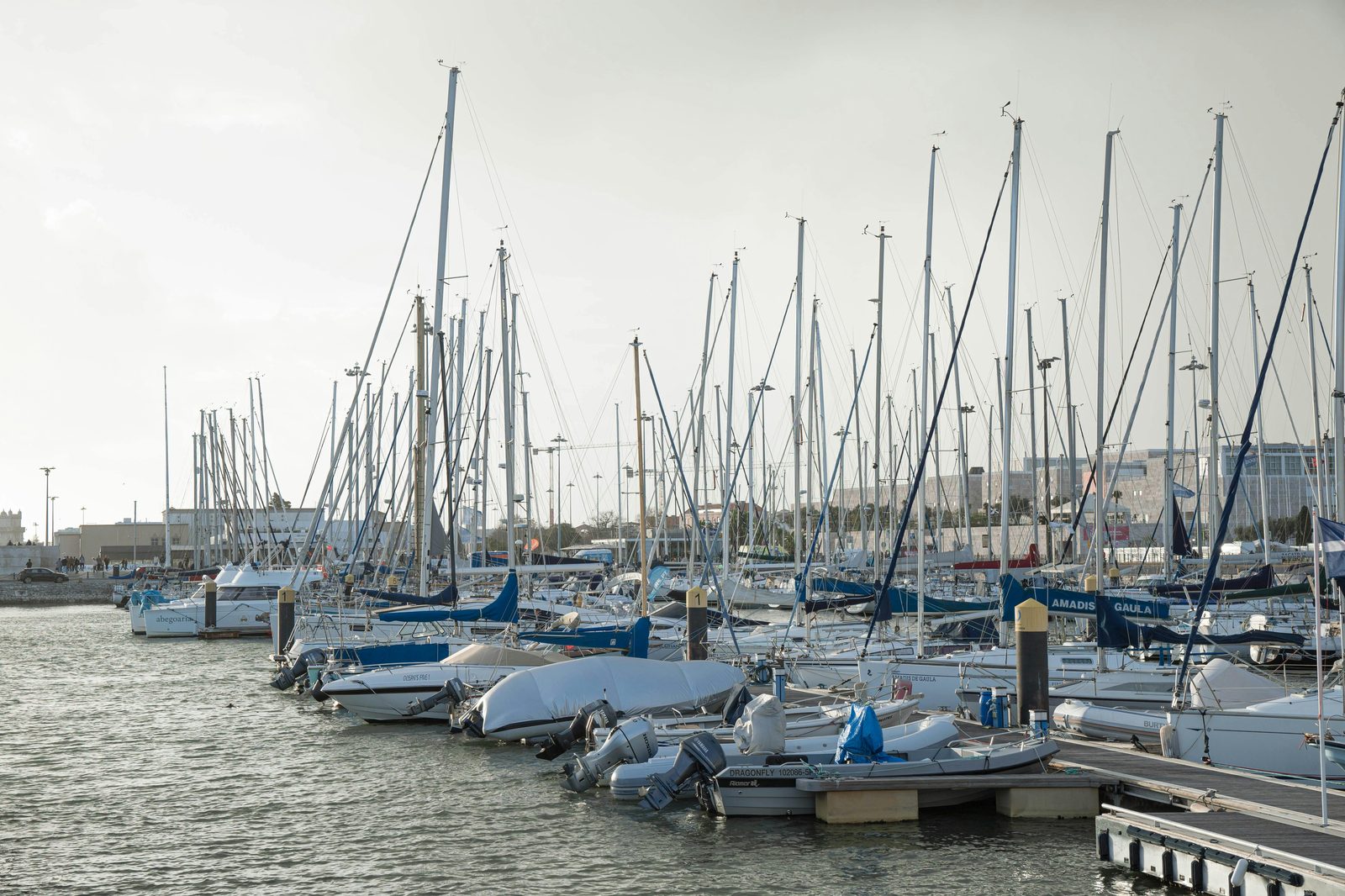
The naval ships are long gone, but the sailing lives on. Working marinas, sailing schools and yacht clubs still line the quays, and casual visitors are welcome to wander among the boats. If you fancy getting on the water yourself, GoBoat rents electric self-drive boats (around 449 DKK an hour) from nearby Islands Brygge — no licence needed, just BYO picnic.
6. Design Schools & Architecture

The design-school complex is catnip for architecture buffs — some of the most-photographed modern buildings in the city. This is where student architects, conservators and visual artists develop their work, and the campus doubles as an open-air lesson in Danish design thinking. Exhibitions and open events pop up through the academic year; kunstakademiet.dk lists the current programme.
7. Galleries & Student Exhibitions

During term the academy runs free student galleries, and they’re a quiet joy — a real glimpse into the city’s creative pipeline before it reaches the big museums. These shows get far less fanfare than central venues, which is rather the point. Check kunstakademiet.dk for openings, and treat anything you stumble into as a bonus.
Cobblestone Quays and Contrasts

The signature look of the district is contrast. Three-hundred-year-old cobblestone quays, naval warehouses and barracks sit shoulder to shoulder with sleek glass academies and the sweep of the Opera House roof. That collision of old naval and new academic architecture, all sharing one harbour, is what pulls photographers and design students out here — and it’s genuinely striking in the low evening light. It’s also a neat lesson in how Copenhagen recycles its industrial past: rather than demolishing the base, the city handed it to artists, architects and sailors, and let the two eras coexist.
How to Get to Holmen
The islets sit just east of Indre By, and the approach is part of the charm:
- Harbour bus 991/992 from Nyhavn — about 10 minutes and a lovely crossing
- Walk from Christianshavn via the canal — around 15 minutes
- Cycle from Indre By — roughly 15 minutes via Inderhavnsbroen and Christianshavn
- Bus 9A — stops right at Operaen
- Walk from Indre By via Inderhavnsbroen — about 25 minutes
- No direct metro — the nearest is Christianshavn station (M1, M2)
Take the harbour bus if you can — it’s cheap, scenic and included in a normal ticket. See our Copenhagen transportation guide for how the harbour buses and metro fit together.
A Walking Route (about 3 hours)
- Take the harbour bus 991 from Nyhavn to Operaen
- See the Opera House exterior, and take a tour if one’s running
- Stroll south along the harbour promenade
- Pass the Royal Danish Academy of Fine Arts buildings
- Visit the Naval Museum (Orlogsmuseet), if open
- Wander the sailing marinas on the south side
- Cross to Refshaleøen for a Reffen lunch (April–October)
- Or hop the harbour bus back to Nyhavn
Where to Eat on Holmen
Let’s be straight: eating options are thin on the ground here. This is the plan.
- Restaurant Operaen — the Opera House restaurant, good for pre-show dining
- Café Operaen — casual coffee, sandwiches and cake at the Opera House
- Nip up to Refshaleøen — Reffen and Noma are five minutes north
- Or south to Christianshavn — Café Wilder and Bastard Café are close by
Honestly, unless you’re dining before the opera, plan to eat in Refshaleøen or Christianshavn rather than here. The upside of that thin dining scene is that Holmen never feels commercial; it stays a working, lived-in district rather than a tourist strip.
Practical Tips
- Pair it with Refshaleøen — adjacent, and makes a full eastern-Copenhagen day
- Or with Christianshavn — just to the south
- Opera backstage tours — check days and prices on the Royal Danish Theatre’s site and book ahead
- Naval Museum is closed Mondays — plan around it
- Sunset is magic — the best time for the promenade and photos
- Architecture fans, bring a camera — the academy buildings reward it
- Weekends are quiet — far fewer tourists than Indre By
- Few public toilets — the Opera House is your best bet
- Dress in layers — it’s exposed and can get windy
Holmen Copenhagen FAQs
What is Holmen?
Holmen is Copenhagen’s former naval base — Denmark’s main naval station from 1690 to 1989 — now reborn as a cultural and academic quarter. It’s home to the Opera House, the Royal Danish Academy of Fine Arts and working sailing marinas.
Where is Holmen?
It’s on a cluster of islets directly east of Indre By, just north of Christianshavn and south of Refshaleøen. The easiest way over is the harbour bus from Nyhavn (about 10 minutes) or a 15-minute walk from Christianshavn.
Is Holmen worth visiting?
Yes, if you love architecture, opera or a peaceful harbour walk. Combined with Refshaleøen and Christianshavn it makes a rewarding eastern-Copenhagen day. For a first, whistle-stop visit to the city, though, it’s less essential than the central sights.
How long should I spend there?
A half-day covers the highlights — the Opera House, a harbour walk and the Naval Museum. Add Refshaleøen to the north or Christianshavn to the south, and you’ve got a comfortable full day exploring the eastern harbour.
Is the Opera House worth visiting?
Very much so — it’s one of Europe’s finest, staging world-class opera and ballet, with tickets from around 350 to 1,250 DKK and backstage tours. Even if you don’t go inside, the exterior seen from the harbour bus is worth the short trip alone.
Is Holmen safe?
Yes, it’s among the safest districts in the city. The atmosphere is quiet and residential-academic, and walking here feels comfortable at any hour. The main thing to watch is simply how deserted some stretches get after dark.
How do I get to Holmen?
The harbour bus 991/992 from Nyhavn (about 10 minutes) is the most scenic option. Alternatively, walk 15 minutes from Christianshavn, cycle 15 minutes from Indre By via Inderhavnsbroen, or take bus 9A, which stops at Operaen.
Related Reading
- The quiet south of the harbour — harbour swimming at Islands Brygge, GoBoat rentals, the Sluseholmen canals and the best sunsets.
- Things to do in Copenhagen
- The old brewery quarter — the Elephant Gate, the brewery tastings and Copenhagen’s newest district.
- One of Copenhagen’s most multicultural quarters — Jægersborggade, Superkilen and the best bakeries in the city.
- Day-by-day Copenhagen itineraries
- Copenhagen events and festivals
- The Frederiksberg district — the palace gardens, Copenhagen Zoo and a quieter, greener side of the city.
- The Østerbro neighbourhood
Final Thoughts
Holmen is Copenhagen’s quietest, most architectural corner — a district to slow down in rather than tick off. Catch a show at the Opera House, walk the near-empty promenades at dusk, and photograph 300-year-old cobblestones against glass academies. String it together with Refshaleøen or Christianshavn and you’ve got a peaceful, camera-friendly day away from the crowds. It won’t top a first-timer’s list — but for anyone who loves buildings, boats or opera, it’s a small delight.
Last updated: July 2026.