
Good news: you only really have to make one decision. Copenhagen public transport tickets are fully integrated — the metro, S-tog suburban trains, buses and harbour buses all run on the same zone-based fare, so a single ticket carries you across every mode. As a visitor you’ve got four main choices: single tickets (30 DKK for 1-2 zones), a 24-hour all-zone ticket (80 DKK), the Copenhagen City Pass (100 DKK, and it includes the harbour bus), or the Copenhagen Card (free transport plus 80 attractions). This guide compares all of them, walks through the DOT app and the Rejsekort travel card, and helps you pick the right ticket for how long you’re staying — so you can stop overthinking it and start exploring.
Tickets are just one piece of the puzzle, of course — for the full lay of the land, see our complete guide to getting around Copenhagen, then use this page to nail the fare.
Copenhagen Public Transport Tickets at a Glance
| Ticket type | Price | Coverage | Best for |
|---|---|---|---|
| Single ticket 1-2 zones | 30 DKK | Metro/bus/S-tog single trip | Occasional users |
| Single ticket 1-3 zones | 40 DKK | Including the airport | Airport trips only |
| 24-hour all-zone ticket | 80 DKK | All zones, all transit modes | 1-day budget travellers |
| 72-hour all-zone ticket | 200 DKK | 3 days, all zones | Multi-day budget |
| Copenhagen City Pass 24h | 100 DKK | Metro+bus+S-tog+harbour bus | Best 1-day tourist value |
| Copenhagen City Pass 72h | 270 DKK | Same + 3 days | 3-day tourists |
| Copenhagen City Pass 120h | 375 DKK | Same + 5 days | Week-long visitors |
| Copenhagen Card 24h | 569 DKK | Transport + 80 attractions | Tourist with attractions |
| Copenhagen Card 48h | 839 DKK | Same + 2 days | 2-day tourist with attractions |
| Copenhagen Card 72h | 1,049 DKK | Same + 3 days | 3-day tourist |
| Rejsekort Anonymous | 80 DKK card + load | Pay-as-you-go | Long-stay residents |
Which Ticket by Trip Length
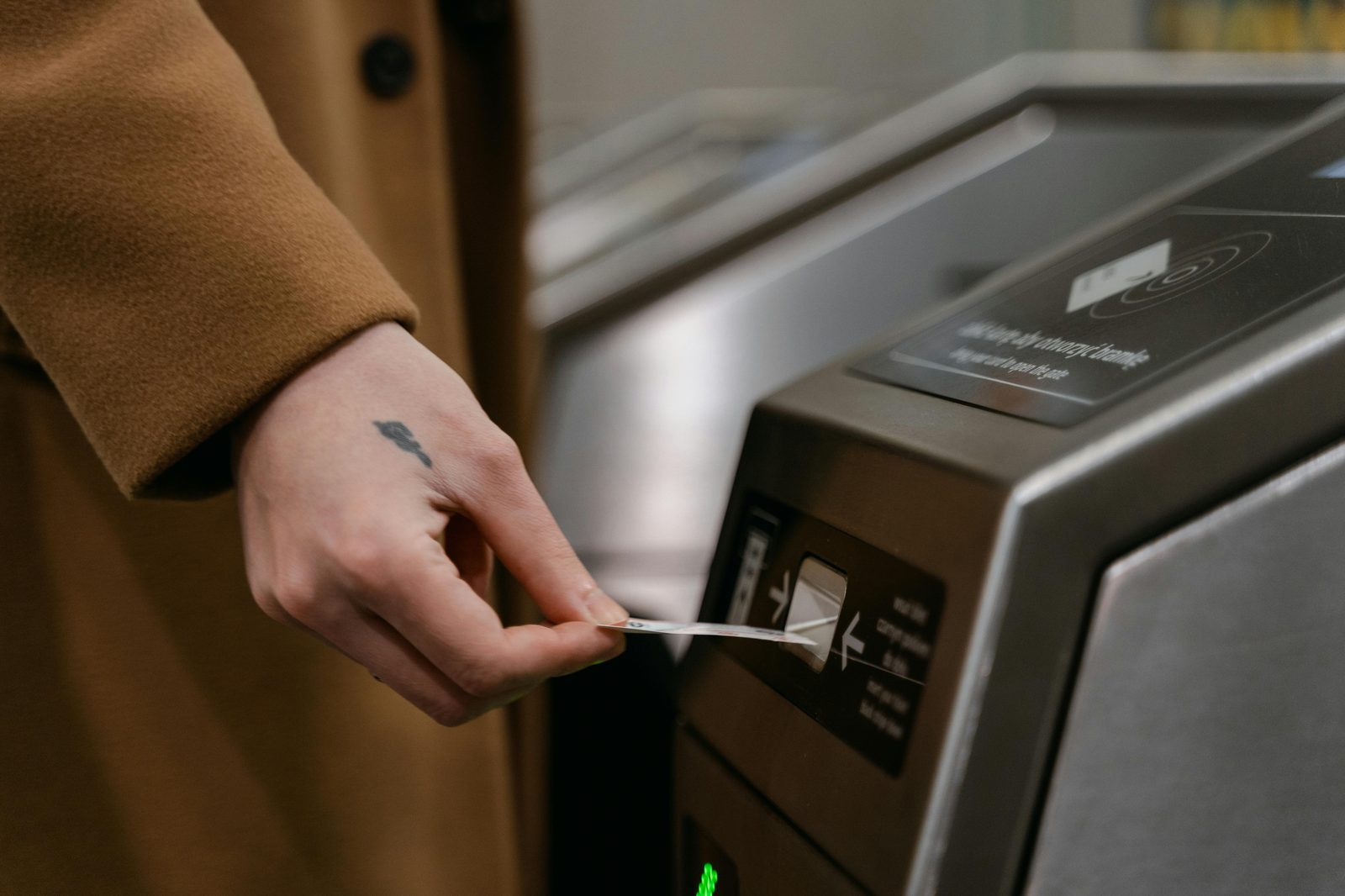
The right ticket depends almost entirely on how long you’re here and whether you’re doing attractions. Here’s the quick logic.
One day: Copenhagen City Pass 24h
For a single day, the City Pass 24h at 100 DKK is the pick. It covers the metro, S-tog, buses and — crucially — the harbour buses, which the plain 24-hour all-zone ticket doesn’t fully include. Buy it in the DOT app, at a machine, or at the visitor centre.
Two to three days: Copenhagen City Pass 72h
The 72-hour City Pass at 270 DKK works out to 90 DKK a day — better value than stacking 24-hour passes for a 2-3 day trip, with the same coverage.
Three to five days with attractions: Copenhagen Card
If you’re hitting three or more paid attractions a day on top of heavy transport use, the Copenhagen Card starts to pay for itself (569 DKK for 24h, 839 for 48h, 1,049 for 72h). Our Copenhagen Card review runs the full math so you can be sure before you buy.
Long stays: Rejsekort

Rejsekort is the pay-as-you-go card, giving 25-30% off standard fares — really only worth it for long-stay residents and students. It’s an 80 DKK card cost plus a minimum 60 DKK load. The anonymous version works without registration; a personal Rejsekort needs a Danish CPR number. Most visitors can skip it.
Copenhagen Zones Explained
The fare is zone-based, and here’s the reassuring part: almost everything you’ll want sits within zones 1-3.
- Zone 1: inner city centre, Vesterbro, Nørrebro, Frederiksberg, Østerbro
- Zone 2: Christianshavn, Amager, Ny Holm, the southern parts
- Zone 3: Copenhagen Airport, outer Amager, Hellerup
- Zone 4: Roskilde, Hillerød, the far suburbs
- Zone 99: outer regions; rarely relevant for visitors
A 1-2 zone ticket covers all of central Copenhagen plus Frederiksberg. Add zone 3 and you’ve got the airport. The 24-hour all-zone ticket covers everywhere in Greater Copenhagen — handy if you’re day-tripping out to a castle.
How to Buy Tickets

There are more ways to buy than you’ll ever need, but here they are ranked by how painless they are:
- The DOT app (easiest) — buy any ticket by card, with no separate validation step
- Self-service machines at every metro, S-tog and DSB station — Visa, Mastercard, Apple Pay
- Bus drivers — cash and cards accepted, but the ticket only covers that one bus journey
- Visitor centres — the Copenhagen Visitor Center, Central Station and the airport tourist office
- Rejsekort top-up — at any station, minimum 60 DKK load
- City Pass at machines — possible, though the app is simpler


Validation and the Honour System
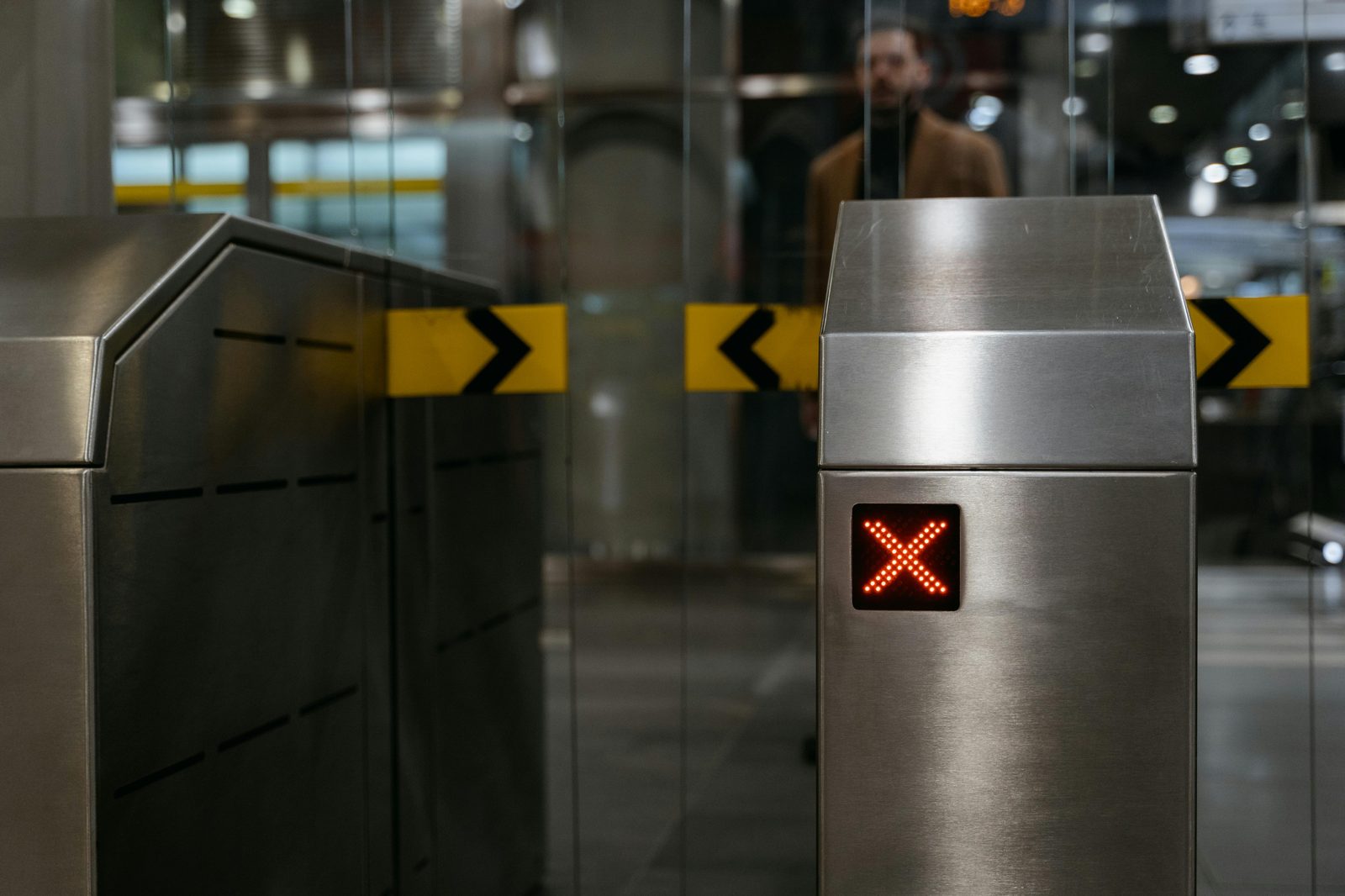

This trips people up, so pay attention: there are no ticket gates anywhere. It’s an honour system, and how you "validate" depends on your ticket:
- Mobile tickets (DOT app): validated automatically when you buy; just show your phone if asked
- Paper tickets: must be stamped at a platform machine before boarding (these are increasingly rare)
- Rejsekort: tap on at the start, tap off at the end — validation is automatic
- City Pass / Copenhagen Card: validated automatically; show it on your phone or the physical card
Because there are no barriers, it’s easy to assume nobody’s checking — but inspectors ride the metro, S-tog and buses at random, and the fine for riding without a valid ticket starts at 1,000 DKK. Not worth the gamble.
Children and Discounts
Travelling as a family is cheap here, which is a nice surprise:
- Children under 12 travel free with a paying adult (up to 2 children per adult)
- Children 12-15 get 50% off adult fares
- Adult fares apply from 16
- Senior discounts are available on a personally registered Rejsekort
- Student discounts with a Danish/EU student ID via the Rejsekort Pendlerkort
- No tourist senior discount on standard tickets, unfortunately
Where to Buy: Compared

| Source | Ticket types | Pros | Cons |
|---|---|---|---|
| DOT app | All single, day, City Pass | Convenient, paperless, mobile validation | Needs the app |
| Self-service machines | All single + day tickets | Cash and card; multilingual | Queues at peak times |
| Bus driver | Single tickets only | Buy right on the bus | Single trip only; cash slows boarding |
| Online (rejsekort.dk) | Rejsekort top-ups | Auto-loads a Rejsekort | Needs the card |
| Visitor centre | All, including Copenhagen Card | Helpful staff | Limited locations |

Common Ticket Mistakes to Avoid
A few small slip-ups catch visitors out again and again. Sidestep these and you’ll travel smoothly:
- Buying a 2-zone single for the airport. The airport sits in zone 3, so you need a 1-3 zone ticket (40 DKK) or an all-zone pass — not the 30 DKK 2-zone single.
- Stacking single tickets when a pass is cheaper. Three or more trips in a day and a City Pass almost always wins; do the quick sum before your first ride.
- Assuming no gates means no checks. Inspectors board at random, and the 1,000 DKK fine dwarfs any ticket you skipped.
- Forgetting the harbour bus. A plain all-zone ticket doesn’t fully cover it, but the City Pass does — worth knowing if you want that scenic water ride.
- Buying a Rejsekort for a short trip. The card fee and minimum load rarely pay off for a few days; the DOT app is simpler and cheaper for visitors.
Copenhagen Public Transport Tickets FAQs
How much does a ticket cost?
A single 1-2 zone ticket is 30 DKK; a 1-3 zone (airport) single is 40 DKK. A 24-hour all-zone ticket is 80 DKK, the City Pass 24h is 100 DKK (best value, harbour bus included), and the Copenhagen Card 24h is 569 DKK with 80 attractions.
Can I use one ticket on the metro and bus?
Yes — tickets are integrated across the metro, S-tog and bus, and most City Pass-tier tickets also include the harbour bus. One ticket, within its validity window, covers any combination of modes.
City Pass or Copenhagen Card?
The City Pass (100 DKK/24h, 270 DKK/72h) covers transport only. The Copenhagen Card (569 DKK/24h, 1,049 DKK/72h) adds free entry to 80 attractions. If you’ll do three or more paid attractions, go Card; if you just need transport, go City Pass. Our Copenhagen Card review has the numbers.
Where do I buy tickets?
The DOT app is easiest. Otherwise, self-service machines at every metro, S-tog and DSB station, bus drivers (cash accepted), or the Copenhagen Visitor Center, Central Station and airport offices for the City Pass and Copenhagen Card.
Do I need to validate my ticket?
Mobile tickets from the DOT app validate automatically. Paper tickets need stamping at a platform machine before boarding (rare now). With Rejsekort you tap on at the start and off at the end. It’s an honour system with random checks.
What is Rejsekort?
It’s Copenhagen’s pay-as-you-go card, giving 25-30% off standard fares — tap on at the start, tap off at the end. It’s best for long-stay residents and students; most visitors are better off with the DOT app or a City Pass.
Are tickets cheaper online?
No — public transport tickets cost the same in the DOT app or at machines and visitor centres. The one exception is DSB Orange tickets for intercity trains, which are 40-60% cheaper booked ahead; our train travel guide covers those.
Can I get a refund?
Generally no — single and day tickets are non-refundable once issued, and the Copenhagen Card can’t be refunded after activation. A Rejsekort credit balance is refundable when you return the card.
Are the inspectors strict?
Yes — fines start at 1,000 DKK, checks are random across the metro, S-tog and buses, and there’s no tourist exemption. "I didn’t know" won’t get you off, so always carry a valid ticket. Buying one takes under a minute in the app, which makes the risk pointless.
Related Reading
- Crossing to Malmö — the Øresund train, the bridge, and what a day in Sweden costs.
- Riding the Copenhagen metro
- Walking tours — free tip-based walks plus food, history and architecture tours.
- Airport to city centre
- Bike rental in Copenhagen — Donkey Republic, the city bikes and the shops worth using.
- Things to do in Copenhagen
- Day-by-day Copenhagen itineraries
- Taxi options in the city
The Verdict
Copenhagen public transport tickets are clearly priced and genuinely well-integrated, so this needn’t be complicated. For most visitors it comes down to: one day, the City Pass 24h (100 DKK); two or three days, the City Pass 72h (270 DKK); or the Copenhagen Card if you’re piling on paid attractions. Buy and validate through the DOT app, skip Rejsekort unless you’re staying a couple of weeks, and always hold a valid ticket — those 1,000 DKK fines are real. Sort the fare in five minutes on arrival, and you’re free to roam.
Last updated: July 2026. Photo credits: images via copenhagentourism.org media library.


