
Few big airports make it this painless. Getting from Copenhagen Airport to city center takes about as long as reading this intro: the terminal sits just 8 km out at Kastrup, with the metro and train stations tucked directly beneath the arrivals hall. The M2 metro reaches the middle of town in 13 minutes for 40 DKK; the DSB train hits Central Station in 14, for the same fare; a taxi runs 250-300 DKK in 25-35 minutes; and the budget bus is there if you want it. This guide lays out every option side by side — cost, journey time and exactly where each one drops you — so you can decide before you’ve even collected your bag.
Short version: unless you’re loaded with luggage or arriving in the small hours, take the metro. It’s the fastest, cheapest and least fussy way in, and it’s part of the same network you’ll use all week — see our complete guide to getting around Copenhagen for the bigger picture.
Copenhagen Airport to City Center at a Glance
| Option | Price | Time | Best for |
|---|---|---|---|
| M2 Metro | 40 DKK | 13 min | Most travellers — fastest, cheapest |
| DSB Train | 40 DKK | 14 min | Anyone heading to Central Station |
| Bus 5C | 40 DKK | 35-45 min | Budget; reaches some hotels the metro doesn’t |
| Taxi | 250-300 DKK fixed | 25-35 min | Heavy luggage, late arrivals, group of 4 |
| Local taxi app | 200-300 DKK | 25-35 min | Booking ahead with a price quote |
| Hotel shuttle | Free or 100-200 DKK | 30-45 min | Some 4-5* hotels; book ahead |
| Private transfer | 650-1,200 DKK | 25-35 min | Group of 6+; multiple stops; meet & greet |
The Best Way from Copenhagen Airport to the City Center
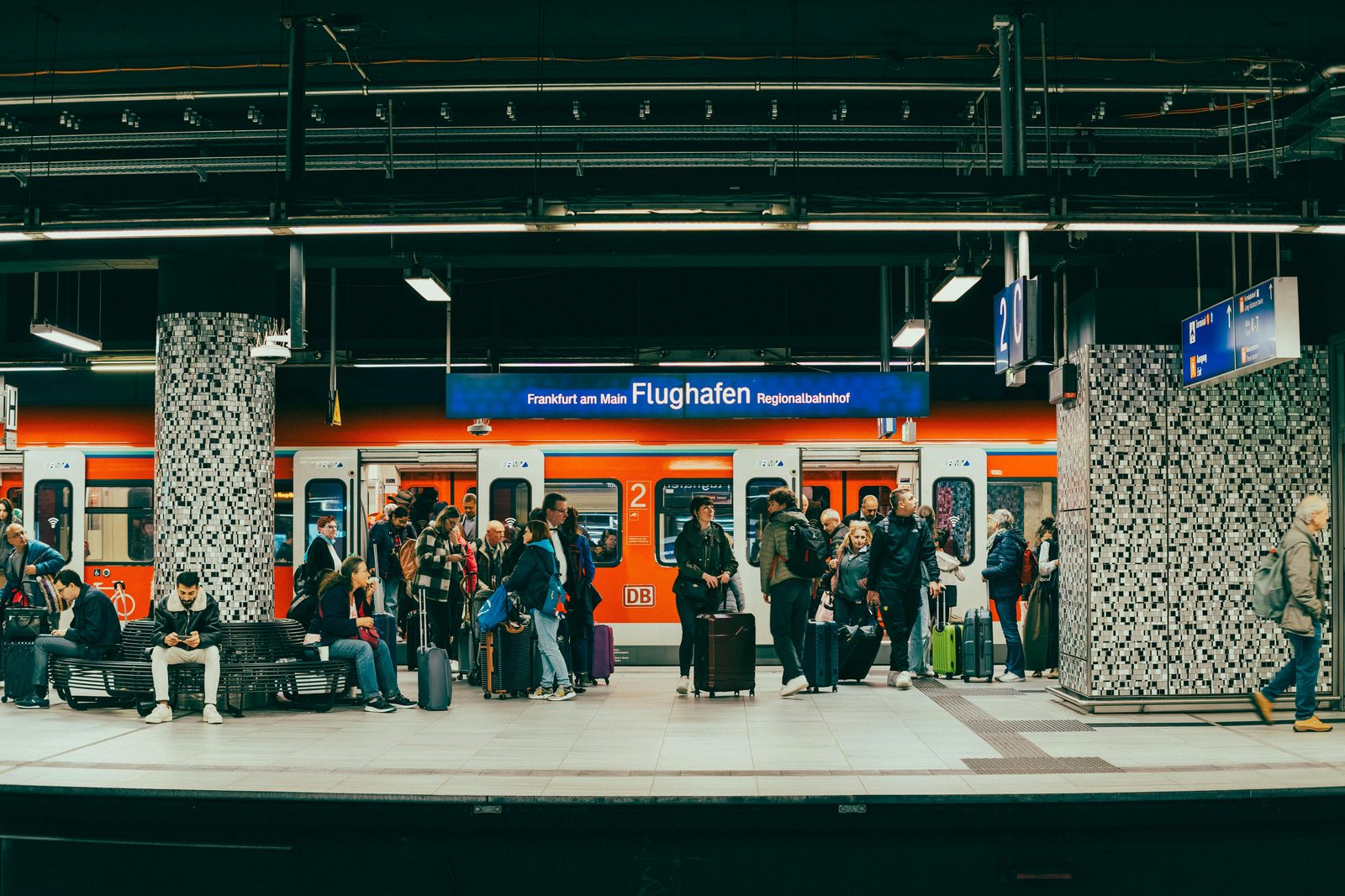
For the vast majority of visitors, the M2 metro is the answer — cheaper than a taxi, faster than the bus, and straight into the centre. The only times it’s worth reaching for a taxi instead are if you’ve got heavy bags, three or more people, a late arrival after 23:00 (the metro still runs, just less often), or you’re travelling with reduced mobility. Otherwise, follow the signs downstairs and hop on.
By M2 Metro
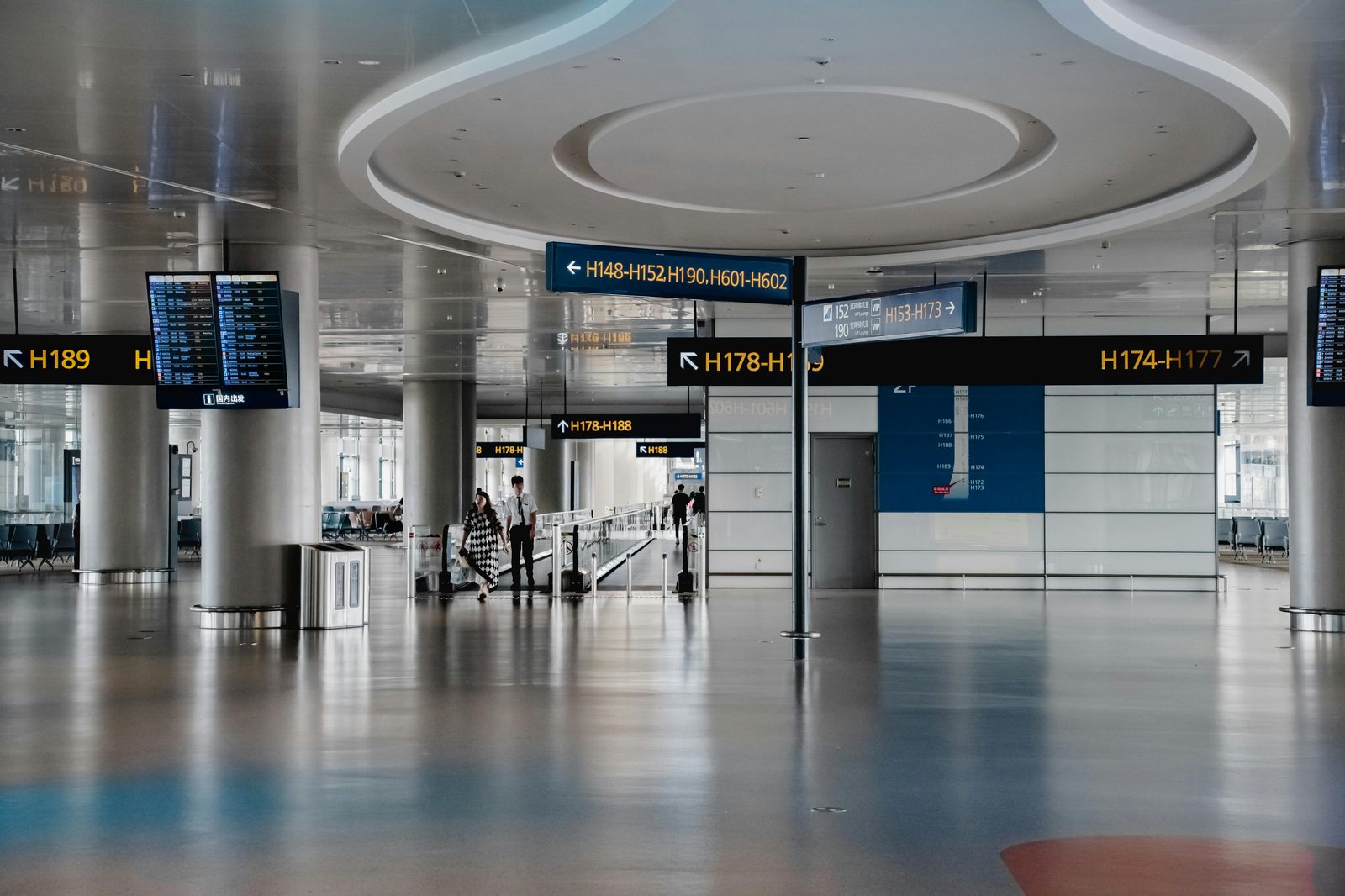
The M2 (yellow line) is the quickest way in, and here’s what to expect:
- Frequency: every 4-6 minutes at peak, every 6-9 off-peak, running 24/7
- Travel time: 13 min to Kongens Nytorv (the Nyhavn area), 14 min to Nørreport (Torvehallerne), 16 min to Frederiksberg
- Price: 40 DKK for a single 3-zone ticket
- Where to buy: the DOT app, or the self-service machines at the metro entrance
- Luggage: no charge, and big suitcases fit easily
- Stations served: Lergravsparken, Amager Strand, Christianshavn, Kongens Nytorv, Nørreport, Forum, Frederiksberg
When you land, just follow the Metro/Train signs from baggage claim down to the lower level. For everything else about the network, our guide to riding the metro has the full rundown.
By DSB Train
The DSB trains share that same station under the terminal, and they’re the smarter pick if your base is near Central Station:
- Travel time: 14 min direct to Hovedbanegården (Central Station)
- Price: 40 DKK, same as the metro
- Best for: hotels near Central Station or Vesterbro, or onward trips to Helsingør, Roskilde and Malmö
- Frequency: every 10 minutes at peak, every 20-30 off-peak
- Connections: S-tog, regional trains, and Sweden via the Øresund crossing
Heading straight on to Sweden? Our Copenhagen to Malmö train guide and Copenhagen train travel guide cover the connections.
By Bus 5C

Bus 5C is the slow-and-scenic option — it takes longer than the metro but reaches a few neighbourhoods the rails miss:
- Travel time: 35-45 minutes depending on traffic
- Price: 40 DKK, same as everything else
- Frequency: every 7-10 minutes
- Route: Copenhagen Airport → Christianshavn → city centre → Nørrebro → Husum
- Best for: hotels not directly on the metro, or a budget traveller who fancies a look around on the way
By Taxi

Copenhagen’s airport taxis are reliable, fixed-fare and available around the clock — the easy choice when the metro doesn’t fit:
- Fixed fare to the centre: around 300 DKK to most central addresses
- Travel time: 25-35 minutes depending on traffic
- Pickup: the curb-side taxi rank at the terminal exit — no booking needed
- Companies: TAXA 4×35, Dantaxi, Taxi Nord — all dependable
- Payment: cards accepted everywhere; cash works too
- Tipping: not expected, it’s already included
- Late arrivals: there 24/7, and often the simplest choice after midnight
- Group of 4: the same fare as going solo, so much better value shared
A Note on Uber and Bolt
Here’s a gotcha worth knowing before you land: Uber does not operate in Copenhagen. It pulled out of Denmark in 2017 after new taxi laws it wouldn’t comply with, and Bolt isn’t running here either as of 2026. If anyone near the arrivals hall offers you an "Uber," it’s unlicensed — skip it. The good news is the local taxi apps do exactly the same job, with a fixed quote before you book:
- TAXA 4×35 — the biggest and most reliable operator; app or phone booking
- Viggo — an electric-only app with a fixed price up front and a comfortable fleet
- Dantaxi — another dependable nationwide option
- Price: broadly in line with rank taxis, roughly 200-300 DKK to the centre
- Payment: in-app card, no cash needed
For the full story on cabs, apps and why there’s no Uber, see our taxi and Uber in Copenhagen guide.
Where to Buy Tickets

- The DOT app (easiest) — download it, register a card, buy in-app
- Self-service machines at the metro/train entrance — Visa, Mastercard and Apple Pay
- DSB ticket office — staffed, and handy if you have questions
- Copenhagen Card / City Pass — from the DSB office or the visitor centre
There’s no ticket validation — the system runs on trust with random checks, so just make sure you’re always holding a valid ticket. Fines for fare-dodging start at 1,000 DKK. For every ticket type, see our Copenhagen public transport tickets guide.
Money-saving tip
Don’t default to a single 40 DKK airport ticket if you’ll be riding all week. A City Pass covers the airport zones and every trip afterwards, so if you plan to use public transport more than a couple of times a day, buy the pass at the machine on arrival and skip buying tickets one by one. It usually pays for itself within the first day.
Where Each Option Drops You
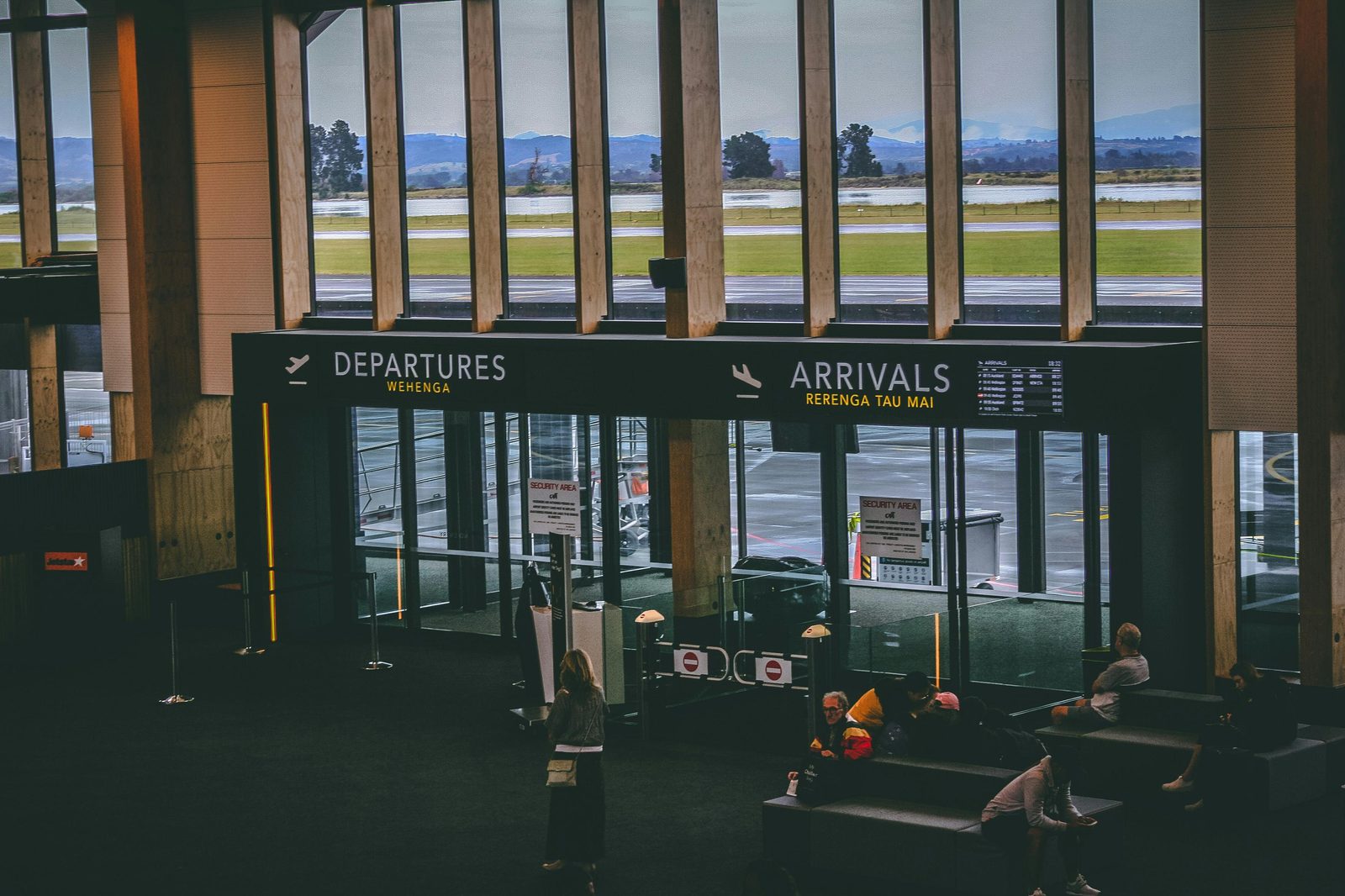
| Method | End point | Walk to Nyhavn |
|---|---|---|
| M2 Metro to Kongens Nytorv | Old-town heart | 5 min |
| DSB Train to Hovedbanegården | Central Station, near Tivoli | 12 min |
| Bus 5C to Rådhuspladsen | City Hall Square | 10 min |
| Taxi to hotel | Direct to the door | 0 min |
| Local taxi app | Direct to the door | 0 min |
Which Option for Your Hotel
If you already know your neighbourhood, here’s the shortcut:
- Tivoli-area hotels: DSB train to Hovedbanegården — a 5-minute walk to Tivoli
- Nyhavn-area hotels: M2 metro to Kongens Nytorv — 5 minutes on foot
- Vesterbro hotels: DSB train plus a 10-minute walk, or M2 to Nørreport then a bus
- Nørrebro hotels: taxi is easiest, or M3 Cityringen via Kongens Nytorv
- Frederiksberg hotels: M2 metro to Frederiksberg station, then a 5-minute walk
- Airport hotels (Crowne Plaza, Hilton CPH): walkable from the terminal
For where to base yourself, see our hotels near Copenhagen Airport guide and our where to stay for first-time visitors guide.
Late-Night and Early-Morning Arrivals
The metro runs 24/7, so a late flight is no drama — the waits just stretch a little:
- Day (05:00-23:00): metro every 4-6 min
- Late night (23:00-00:00): metro every 6-9 min
- Overnight (00:00-05:00): metro every 15-20 min — still running, just less often
- Trains: reduced overnight, so check the DSB schedule
- Bus 5C: 24/7 with reduced overnight frequency
- Taxi: always there, and the quickest way to skip any wait after midnight
Copenhagen Airport to City Center FAQs
How long does the trip take?
The M2 metro reaches Kongens Nytorv in 13 minutes, the DSB train hits Central Station in 14, bus 5C takes 35-45, and a taxi is 25-35 depending on traffic.
How much does it cost?
Metro, train and bus are all 40 DKK. A taxi is a fixed 300 DKK, and the local taxi apps run roughly 200-300 DKK. The bus is technically cheapest by the second, but the metro is the best value for time and comfort.
Is the metro easy to find?
Very — the M2 station is one level below the terminal. Follow the Metro/Train signs from baggage claim, buy a ticket at a machine or in the DOT app, and you’re away.
Does the metro run 24/7 from the airport?
Yes — 24 hours a day, every day. Overnight (00:00-05:00) it drops to every 15-20 minutes, but it never stops.
Taxi or metro?
For most people the metro wins hands down — 40 DKK and 13 minutes against a taxi’s 300 DKK and 30. Take a taxi only for heavy luggage, a group of 4+ (where the fare is shared), a late-night arrival with reduced mobility, or a hotel that isn’t near a station.
Is Uber available at the airport?
No — Uber left Denmark in 2017 and hasn’t returned, and Bolt doesn’t operate here either. Use a rank taxi or a local app like TAXA 4×35 or Viggo instead. Our taxi and Uber guide explains the whole situation.
Can I buy a Copenhagen Card at the airport?
Yes — at the DSB ticket office or the Copenhagen Visitor Center inside the terminal. It bundles free metro and train travel with 80+ attractions; our Copenhagen Card review weighs up whether it’s worth it.
Is the airport in central Copenhagen?
No — it’s in Kastrup, on the southern edge of Amager, about 8 km from the centre. The M2 metro connects the two in 13 minutes.
Related Reading
- Walking tours — free tip-based walks plus food, history and architecture tours.
- Renting a bike — Donkey Republic, the city bikes and the shops worth using.
- Copenhagen itinerary
The Verdict
Getting from Copenhagen Airport to the city centre is refreshingly free of hassle: the M2 metro, at 40 DKK and 13 minutes, is the right call for almost everyone, and the DSB train serves Central Station just as well for the same fare. Save the taxi (around 300 DKK) or a local taxi app for heavy luggage, a group of four-plus, a late arrival, or a hotel off the metro map. Honestly, it’s so streamlined it needs zero advance planning — buy a ticket when you land, follow the signs downstairs, and you’ll be downtown before you’ve finished your first Danish pastry.
Last updated: July 2026. Photo credits: images via copenhagentourism.org media library.


