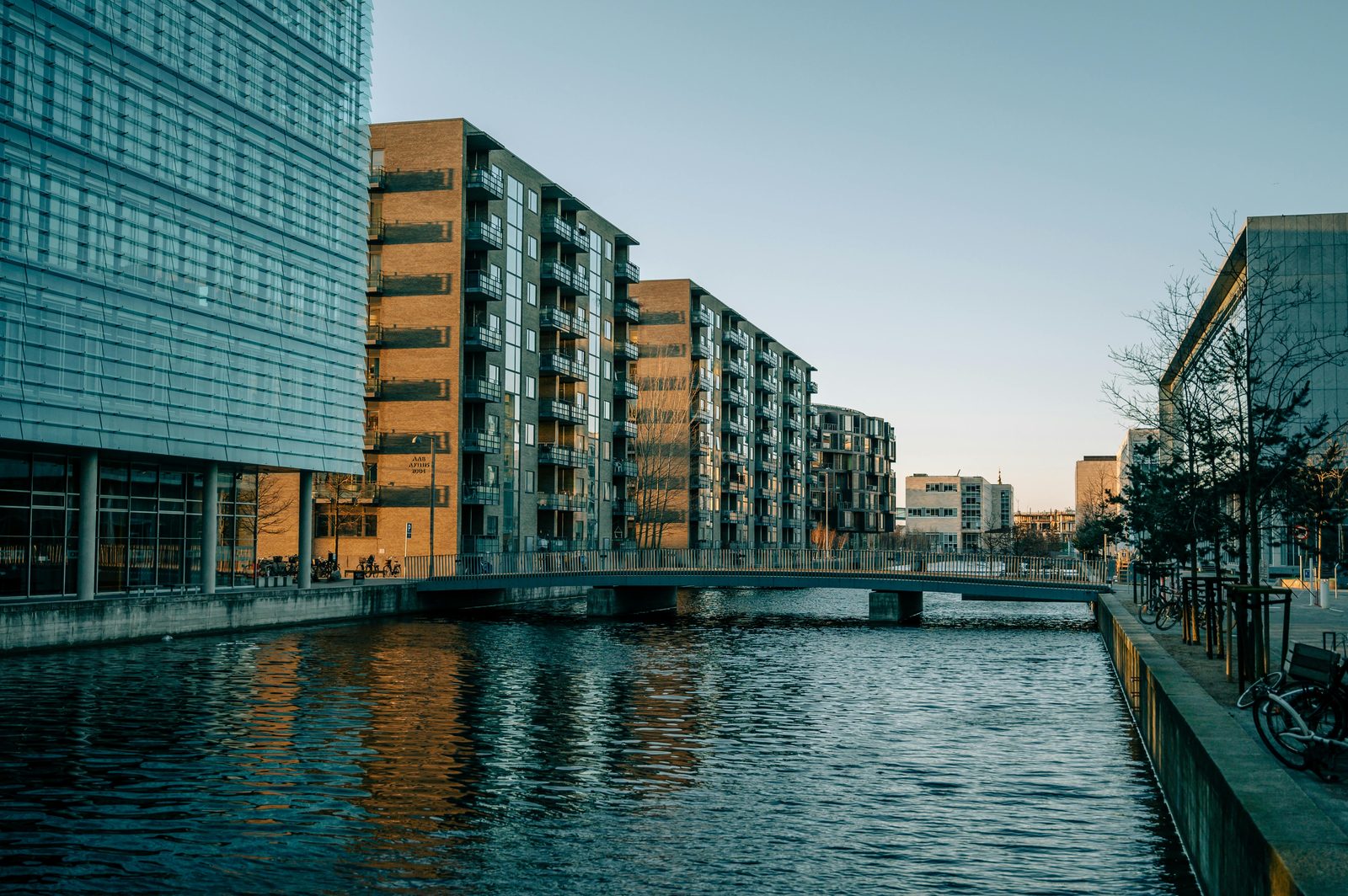
Østerbro is where Copenhagen goes to breathe. It’s the leafy, well-off district northeast of the city centre where locals push prams around Fælledparken, run laps of the Lakes, and queue for a table at Geranium. This Østerbro Copenhagen guide is for you if you want parks, calm streets and refined food over nightlife: expect the city’s largest green space, the star-shaped Kastellet, the Little Mermaid on the harbour, and a running culture that borders on religion. Here’s what to see, where to eat, and whether it’s worth staying.
It’s one of ten districts we cover in our Copenhagen neighborhoods guide — and probably the most relaxed of the lot. Where Nørrebro is scruffy and buzzing, this part of town is polished, green and quietly confident.
Østerbro at a Glance
| Fact | Detail |
|---|---|
| Meaning | Østerbro means ‘eastern bridge’ — Copenhagen’s northeastern district |
| Population | ~75,000 residents |
| Area | 4.6 km² |
| Defining sights | Fælledparken, Kastellet, Little Mermaid, the Lakes, Geranium |
| Best for | Families, runners, parks, refined dining, peaceful staying |
| Best metro | Østerport Station (S-tog), Trianglen (M3), Poul Henningsens Plads (M3) |
| Atmosphere | Wealthy, family-friendly, active outdoor, residential, refined |
| History | Outside city walls until 1850; developed late 1800s as garden suburb |
| Best season | April–September for park life and outdoor activities |
Short on time? Do Kastellet and the Little Mermaid together (they’re a five-minute walk apart), then loop back along the Lakes for coffee. That’s the district in a nutshell — history, harbour and green space, all within about an hour.
Top Things to Do in Østerbro
1. Fælledparken — Copenhagen’s Largest Park

Fælledparken is the city’s largest park at 58 hectares, and it’s the beating heart of the district. On any given afternoon you’ll find running paths, football fields, a skate park, and playgrounds full of kids. It’s also the stage for big moments — the Copenhagen Marathon, the Distortion street festival, and FCK football at Parken Stadium on the eastern edge. Entry is free and it never really empties; more than 100,000 locals use it year-round. Trianglen metro drops you at the southern corner.
2. Kastellet Star-Shaped Fortress

Kastellet is one of the best-preserved star fortresses in northern Europe, laid out from 1626 under King Christian IV. Walk the grass ramparts and you’ll pass the original windmill, red-roofed barracks that still house working military operations, and Saint Alban’s, the little English church from 1885. It’s free, quietly beautiful, and one of Copenhagen’s favourite running loops. Come early if you want the ramparts to yourself — and note that the Little Mermaid sits just outside the northern gate, so the two go hand in hand.
The fortress you walk today is largely the rebuild of 1662–65, made after the Swedish siege, and the Ministry of Defence still works inside it. Our guide to Kastellet Copenhagen explains how to walk the ramparts and what to look for inside the walls.
3. Little Mermaid Statue

Den Lille Havfrue — the Little Mermaid — is Edvard Eriksen’s 1913 bronze, commissioned by brewer Carl Jacobsen after he saw the ballet. Let’s be honest: she’s smaller than every photo suggests, and half the fun is watching first-timers realise it. But she’s free, she’s a five-minute stroll from Kastellet, and skipping her feels almost rude on a first visit. Go early morning to dodge the tour-bus crush on Langelinie pier. Our full Little Mermaid statue guide has the history and the best photo angles.
4. Run the Lakes (Søerne)

The Lakes — Søerne — are five connected stretches of water forming the border between here and Nørrebro. The full loop runs about 6.4 km and it’s the city’s most-loved running route, though it works just as well as a gentle walk. You’ll pass ducks, swans, and cafés lining the eastern shore, and the northern end feeds straight into Fælledparken. If you only do one “local” thing in the district, make it a slow lap of the water at golden hour.
5. Geranium Restaurant
Geranium is the city’s highest-flying kitchen — three Michelin stars, run by Rasmus Kofoed, who won the Bocuse d’Or back in 2011. It’s perched on the eighth floor of Parken Stadium with the park spread out below, and the tasting menu runs around 3,200 DKK. Book four to six weeks ahead, and treat it as the splurge of the trip rather than a casual dinner. If your budget won’t stretch, don’t fret — the district’s bistros are where locals actually eat. For more top tables citywide, see our guide to the city’s Michelin restaurants.
6. The Running Culture

This is Copenhagen’s most active corner, and it shows. There are three classic circuits: the Lakes at 6.4 km, the varied paths of Fælledparken, and the tight 1.5 km loop around the Kastellet ramparts. The Copenhagen Marathon, held each May, both starts and finishes here. Pack your trainers — lacing up and joining the morning stream of runners is honestly the most authentic way to feel the rhythm of the district.
7. Family Playgrounds
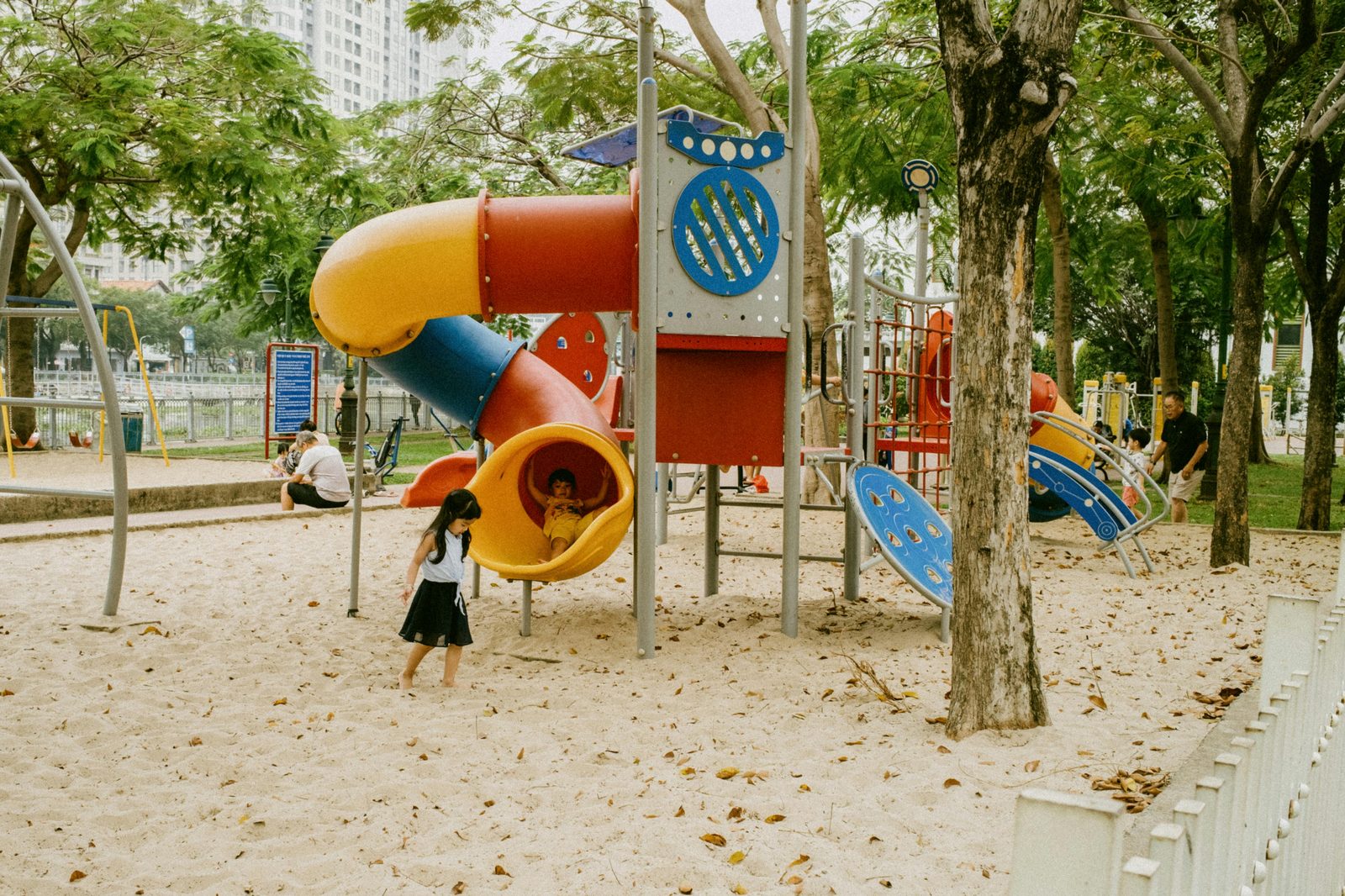
Fælledparken holds the city’s largest playground complex, and it’s a lifesaver with kids in tow. The zones are themed: a water playground for hot days, a traffic playground where children pedal little cars and learn road rules, climbing frames, and a public skate park nearby. All of it is free. If you’re travelling as a family, this alone can eat a happy half-day — our family guide to Copenhagen has more ideas for keeping small people entertained.
8. Local Shopping
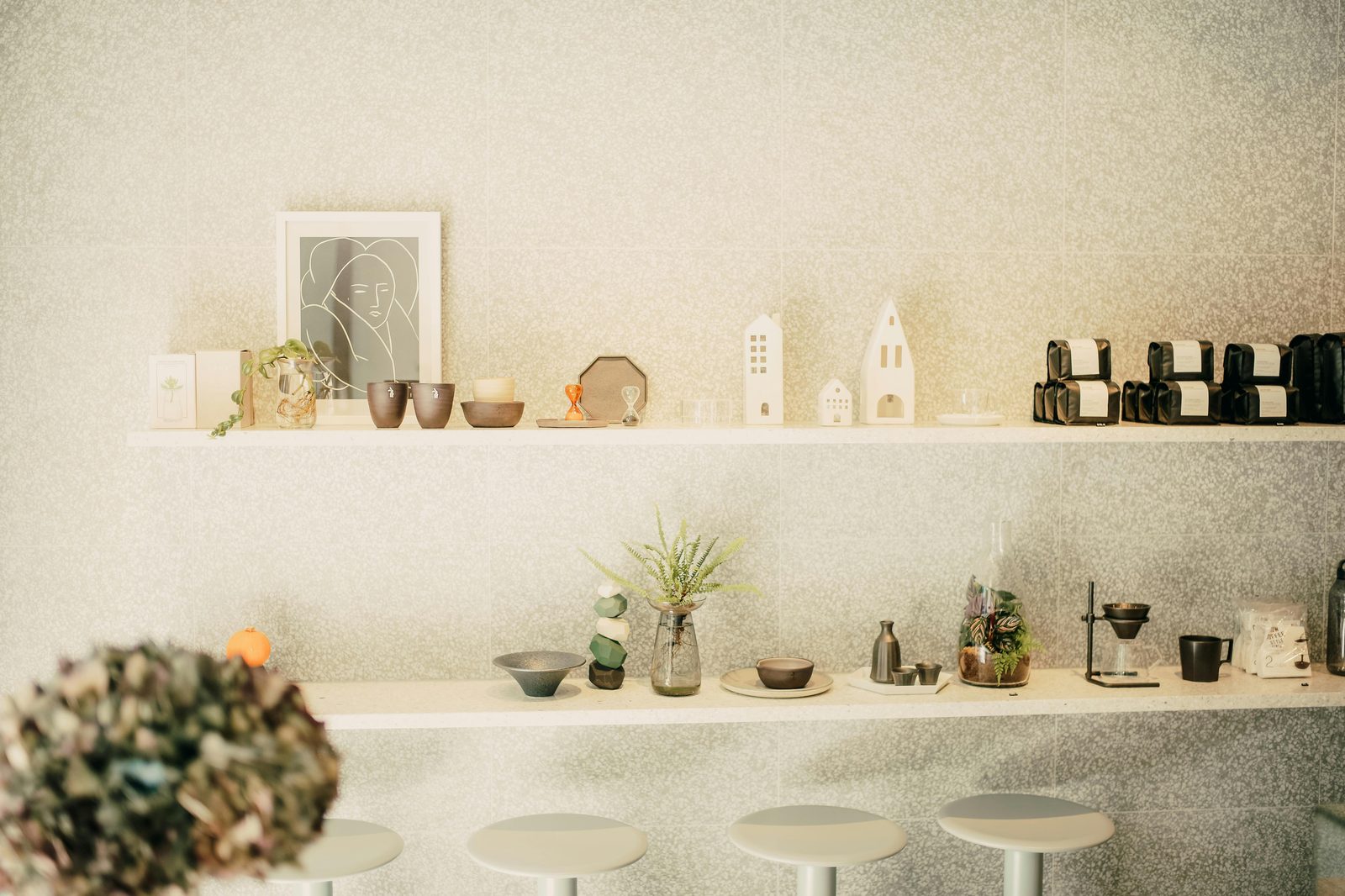
Shopping here clusters along Østerbrogade and around Trianglen: Danish design houses, antique shops, fashion boutiques and homeware stores aimed at a well-heeled local crowd. It’s a different pace from central Copenhagen — you won’t find the crush of Vesterbro’s nightlife strips or the Strøget crowds, just calm browsing between coffee stops. Bopa Plads is the natural spot to pause when your feet give out.
Streets Worth Walking
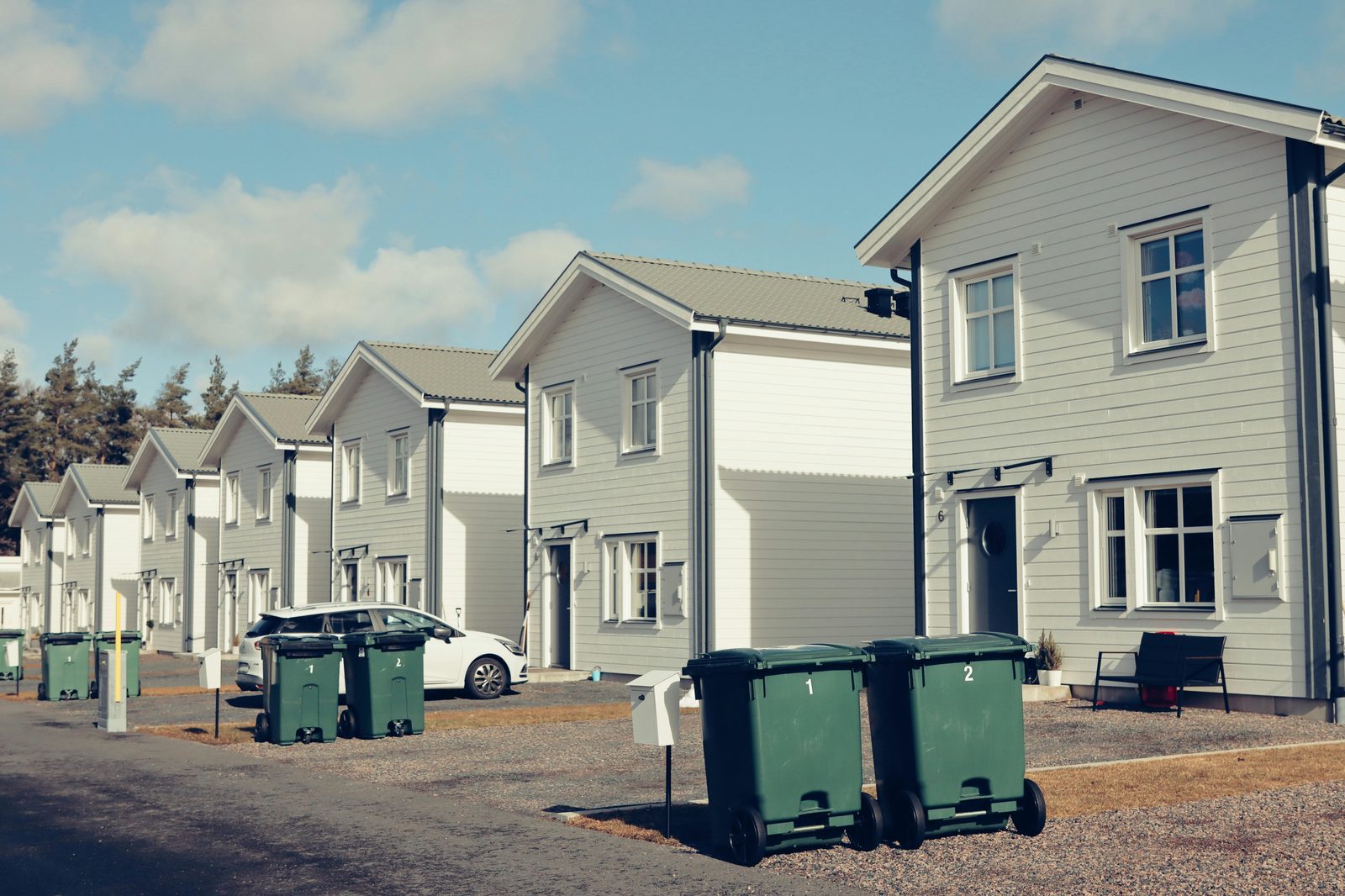
Half the pleasure of the district is simply wandering its calm, tree-lined streets. These are the ones worth seeking out:
- Strandboulevarden — the main residential boulevard, wide and tree-lined
- Østerbrogade — the commercial spine, best for shopping and cafés
- Bopa Plads — a café-ringed square where locals linger over brunch
- Trianglen — the busy junction with the metro and the main shops
- Søerne (the Lakes) — the running and walking promenades
- Langelinie — the harbour promenade that leads past the Little Mermaid
Where to Eat in Østerbro
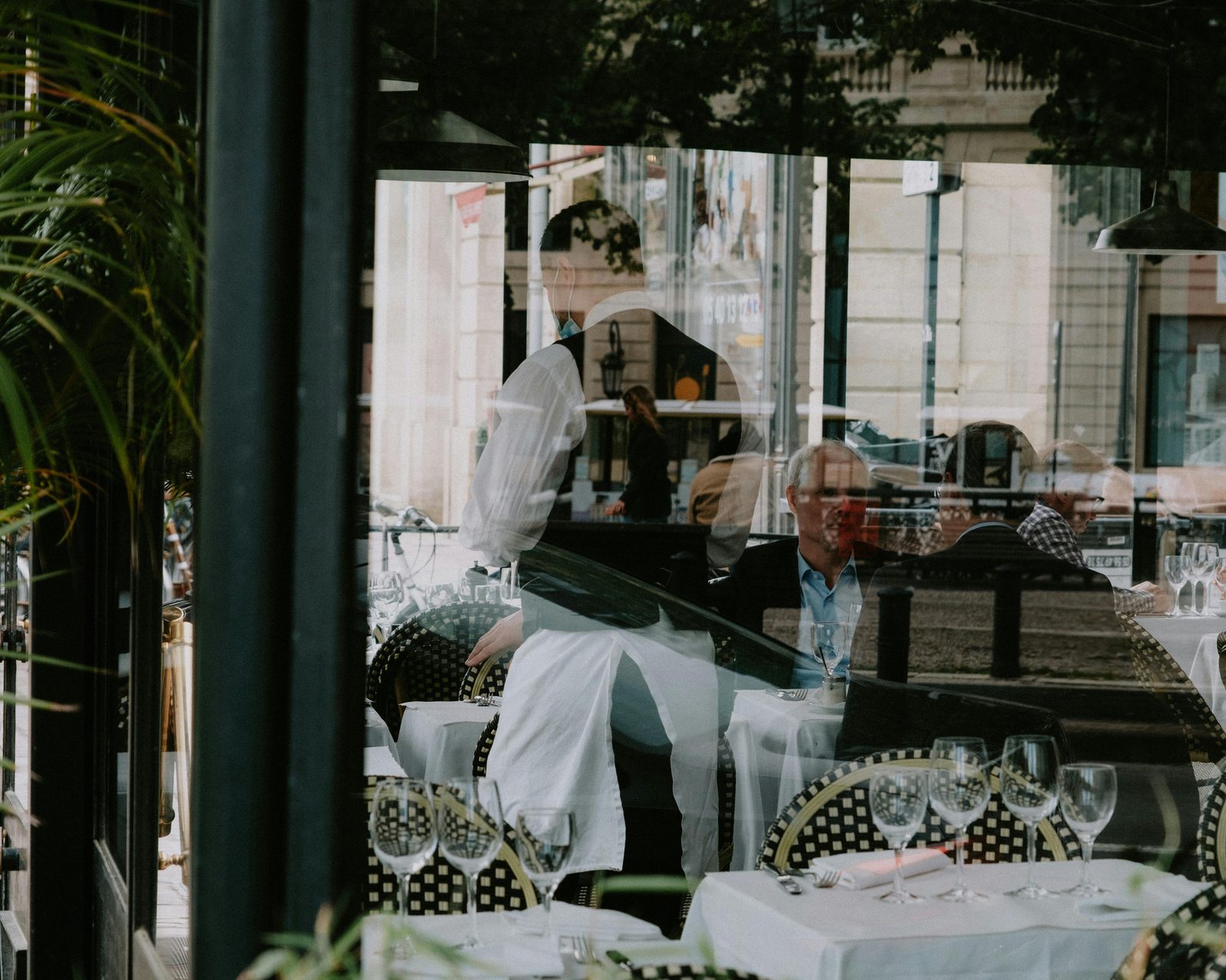
Dining leans refined here, but there’s plenty below the fine-dining tier. Here’s where to point yourself.
Fine Dining
- Geranium — three Michelin stars; ~3,200 DKK tasting menu; atop Parken Stadium
- Restaurant Spuntino — Italian fine dining; ~1,200 DKK tasting
- Restaurant Frederiksholm — modern Nordic; ~575 DKK five-course
Casual & Everyday
- Sankt Annæ Smørrebrød — traditional open-faced Danish sandwiches
- Café Bopa — brunch and dinner on Bopa Plads, good with kids
- Coffee Collective Trianglen — specialty coffee, a local institution
- Pluto — natural-wine bistro (technically on the Nørrebro border)
- Sticks’n’Sushi Østerbro — a reliable homegrown sushi chain
My honest steer: unless you’ve booked Geranium, spend a lazy brunch at Café Bopa and grab your coffee from Coffee Collective. That’s how the district actually eats.
Where to Stay in Østerbro
Be warned: hotel options are thin here compared with Indre By or Vesterbro. The district is residential first, tourist-facing second. Your realistic choices:
- Hotel Østerport — central and handy for the station; roughly 1,200–2,400 DKK
- Crowne Plaza Copenhagen Towers — modern and business-leaning; roughly 1,800–3,500 DKK
- Adina Apartment Hotel Copenhagen — apartment-style, good for families; roughly 1,500–3,200 DKK
- Airbnb — this is where the district shines, with plenty of apartment rentals
Prices shift with season and demand, so check the latest before you book. Most visitors base themselves in Indre By or Vesterbro and pop over by metro — the district is only ten minutes out. Stay here if you’re travelling with kids or you simply want quiet at night; skip it if you want to roll out of the hotel into bars and clubs. Our where to stay for first-timers guide weighs up the trade-offs.
A Half-Day Walking Route (3–4 hours)
Want it all in one relaxed loop? This is the route I’d send a friend on.
- Take metro M3 to Trianglen station
- Walk into Fælledparken via Trianglen
- Explore the park for an hour — Parken Stadium, playgrounds, paths
- Head down Østerbrogade toward Kastellet
- Circle the Kastellet ramparts (about 45 minutes)
- Continue along Langelinie pier to the Little Mermaid (15 minutes)
- Lunch at Café Bopa or Restaurant Spuntino
- Walk the Lakes (Søerne) back toward Nørrebro
- Finish with a flat white at Coffee Collective Trianglen
Practical Tips
- Bundle Kastellet and the Little Mermaid — they’re adjacent; allow 30 minutes for both
- Fælledparken weekends — busiest then, with concerts and football matches
- Parken Stadium events — FCK football and concerts; check the schedule before you go
- The Lakes loop — 6.4 km all the way round, roughly 30 minutes at a jog
- Geranium books out early — reserve four to six weeks ahead
- Great for families — Fælledparken playgrounds and kid-friendly cafés
- Quieter than the centre — the point of the district, if you want calm
- Public toilets — at Fælledparken, Kastellet, and Trianglen metro
- Pair it with Nørrebro — the Lakes walk stitches the two districts together
- Sundays are blissful — the most peaceful morning you’ll find in Copenhagen
Østerbro Copenhagen FAQs
Is Østerbro safe?
Very. It’s Copenhagen’s wealthiest residential district and crime is low, so walking the Lakes, Fælledparken and Kastellet feels comfortable day or night. The only thing to watch is the odd pickpocket working the crowds around the Little Mermaid — standard busy-tourist-spot caution covers it.
What is Østerbro known for?
It’s known for green space and calm: Fælledparken (the city’s largest park), the star-shaped Kastellet, the Little Mermaid, the Lakes running trail, and three-Michelin Geranium. Add the city’s most devoted running culture and its most family-friendly streets, and you have the district in a sentence.
Should I stay in Østerbro?
Stay here if you’re travelling with children, you run, or you value a quiet night over a lively one. The M3 metro links you to every major sight in minutes. Hotels are limited but Airbnb options are excellent. If nightlife is your priority, base yourself in Indre By or Vesterbro instead.
How do I get to Østerbro?
The M3 Cityringen metro stops at Trianglen, Poul Henningsens Plads and Skjolds Plads, while the S-tog serves Østerport station. From Indre By it’s a pleasant 20–25 minute walk up the Langelinie waterfront. See our Copenhagen metro guide for tickets and lines.
How long should I spend there?
A half-day covers Kastellet, the Little Mermaid and a Lakes stroll. Give it a full day if you want to do Fælledparken properly or you’ve booked Geranium for dinner. It fits naturally into day two or three of a trip, once you’ve ticked off the centre.
Where exactly is the Little Mermaid?
She sits on Langelinie pier, just outside Kastellet’s northern gate — about five minutes on foot from the ramparts. It’s an easy add-on to any Kastellet visit. Our Little Mermaid statue guide covers the best time to beat the crowds.
Østerbro or Frederiksberg — what’s the difference?
Both are wealthy and refined, but the mood differs. This district is outdoorsy and active — parks, running, the Lakes. Frederiksberg is more elegant and stately, built around its palace, gardens and grand avenues. Pick parks and pace here; pick polish and greenery there.
Final Thoughts
Østerbro is Copenhagen at its most unhurried. Do Kastellet and the Little Mermaid, run or amble the Lakes, let the kids loose in Fælledparken, and — if the budget allows — book Geranium as the trip’s big blow-out. Most people visit by day from a central hotel, which works perfectly well; but if you’re here with family or you just crave green space and quiet streets, this is a lovely place to lay your head. It won’t dazzle you with nightlife. It’ll do something better: let you breathe.
Last updated: July 2026.