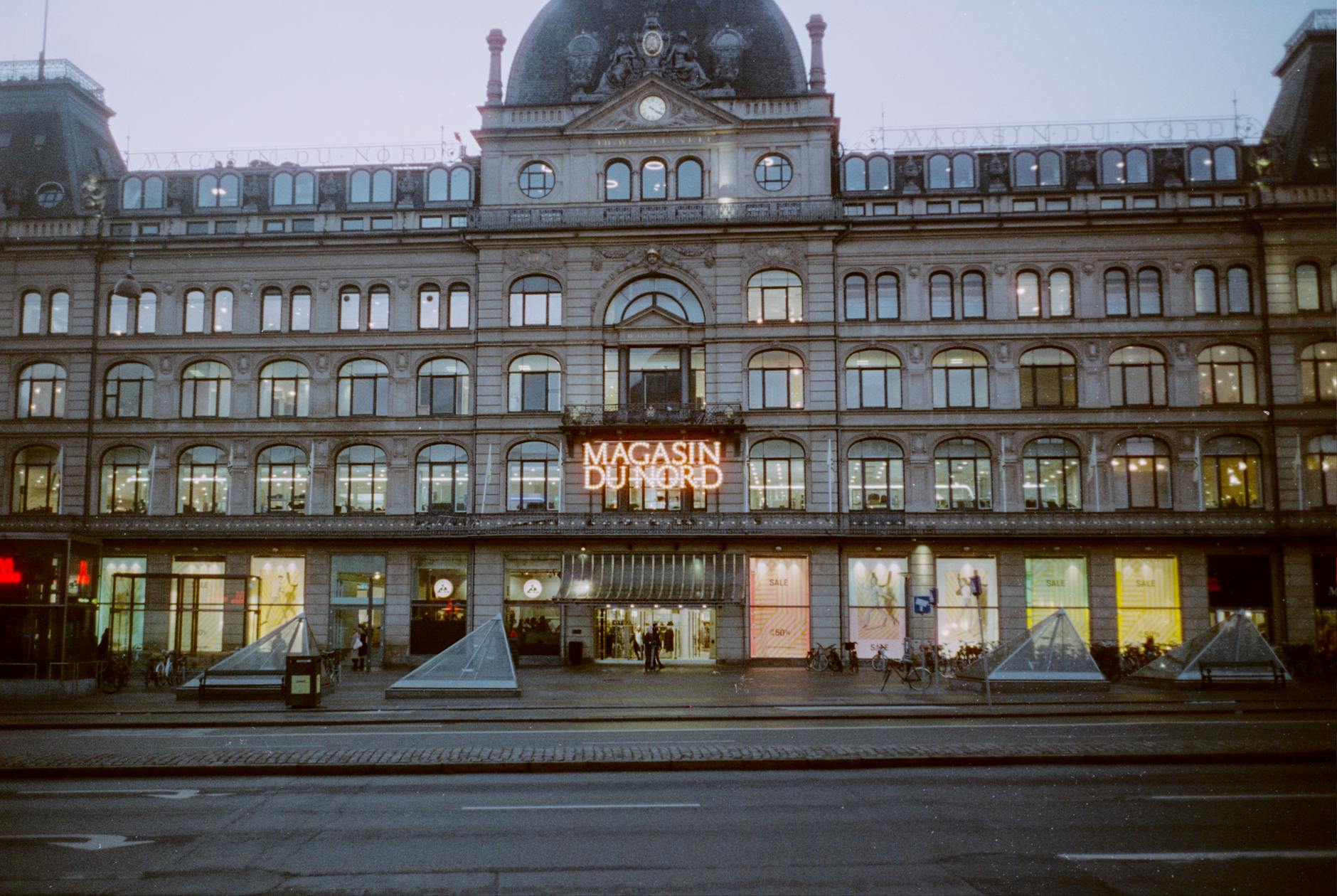
Denmark gave the world the Egg chair, the PH lamp, the Wishbone chair and a whole philosophy of beautiful, functional, unfussy living — so for design lovers, shopping in Copenhagen isn’t just retail, it’s a pilgrimage. The city is dense with brilliant Danish design shops, from grand flagship department stores to tiny ceramics studios and mid-century furniture galleries. The trick is knowing which to visit for what, and how to actually get your finds home. Let me map it out.
This is a guide to the best Danish design shops in Copenhagen — the flagships, the furniture houses, the vintage dealers and the affordable picks — organised so you can shop it like a local, by district and by budget.
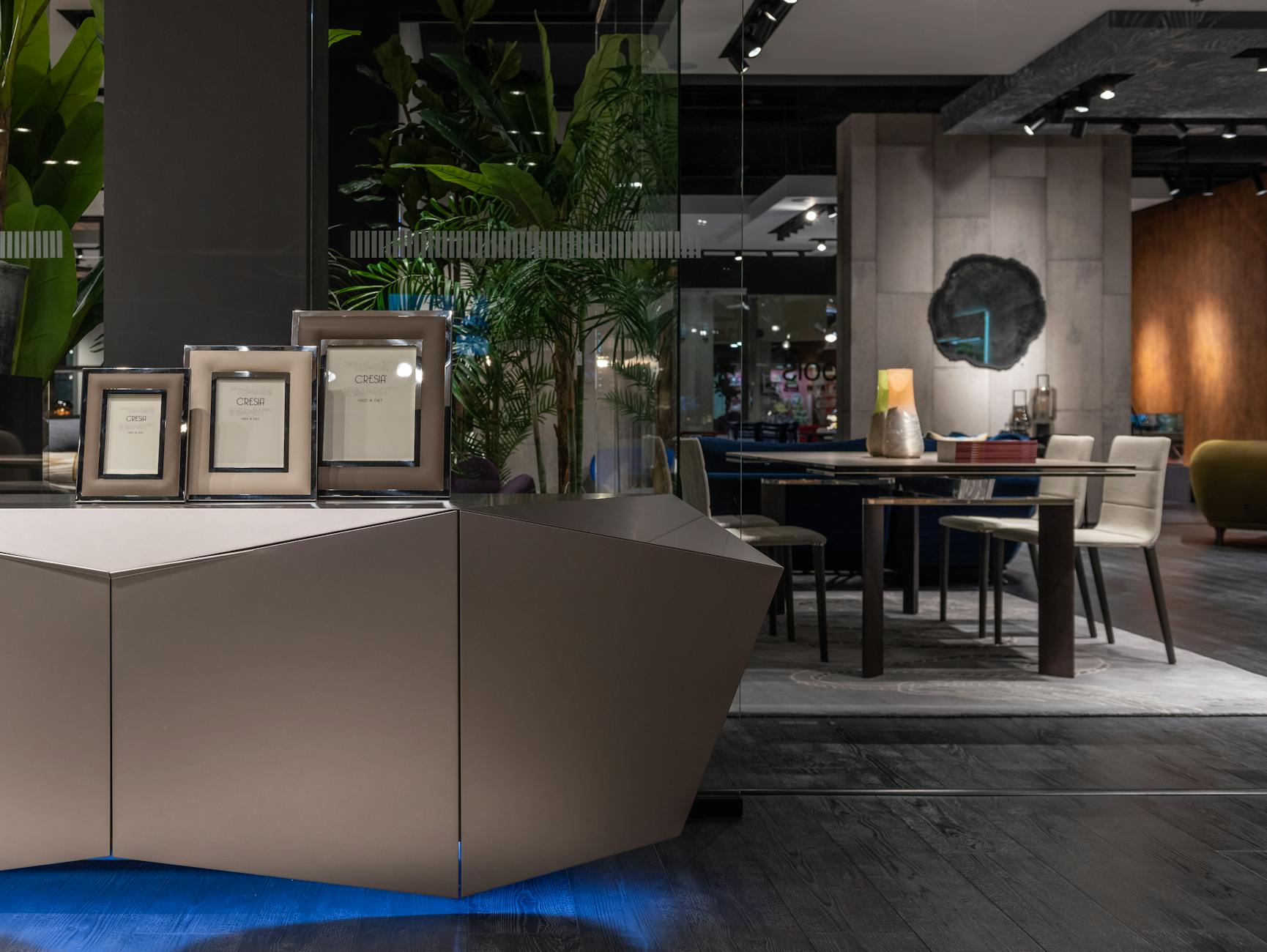
Danish design shopping at a glance
- The flagships: Illums Bolighus, HAY House, Royal Copenhagen, Georg Jensen, Stilleben
- Furniture houses: Fritz Hansen, Carl Hansen & Søn, plus vintage at Klassik
- Where they cluster: Strøget/Amagertorv (flagships), Bredgade (furniture), Ravnsborggade (vintage)
- Affordable picks: HAY, Muuto, Kay Bojesen’s wooden monkey, Royal Copenhagen seconds
- Don’t miss: the Designmuseum Denmark for context before you buy
- Practical: non-EU shoppers can reclaim VAT; most flagships ship furniture worldwide
What makes design “Danish”?
A quick primer helps you shop with an eye. Danish Modern — the mid-20th-century movement that made the country famous — prized clean lines, natural materials (especially wood and leather), craftsmanship and human-centred function over ornament. The icons you’ll see everywhere: Arne Jacobsen’s Egg, Swan and Series 7 chairs; Hans Wegner’s Wishbone chair; Poul Henningsen’s PH lamps (made by Louis Poulsen, in seemingly every Danish home); Kay Bojesen’s teak wooden monkey; plus the great houses Georg Jensen (silver) and Royal Copenhagen (porcelain). Knowing these names turns a shopping trip into a treasure hunt.
The flagship design stores
Start in the centre, around Strøget and Amagertorv, where the big names cluster:
- Illums Bolighus (Amagertorv 10) — the grand, multi-floor design department store, the single best one-stop shop for Danish design across every category. (Note: this is not the same as the Illum department store nearby — a classic visitor mix-up.)
- HAY House (Østergade 61, above Strøget) — the flagship of HAY, the affordable, colourful contemporary brand; my top pick for design you can actually carry home.
- Royal Copenhagen (Amagertorv 6) — the porcelain flagship, home of the hand-painted Blue Fluted.
- Georg Jensen (Amagertorv 4) — exquisite Danish silver and jewellery.
- Stilleben (near Nørreport) — a lovely independent for ceramics, glass and prints by contemporary Danish makers.
The furniture houses
For the iconic chairs and lamps themselves, seek out the showrooms:
- Fritz Hansen — the maker of Arne Jacobsen’s Egg, Swan and Series 7.
- Carl Hansen & Søn (flagship on Bredgade) — home of Wegner’s Wishbone chair.
- Paustian — a design institution with a waterfront showroom designed by Jørn Utzon (of Sydney Opera House fame).
- Normann Copenhagen — a big, browsable concept store in Østerbro, set in a former cinema.
Vintage and mid-century furniture
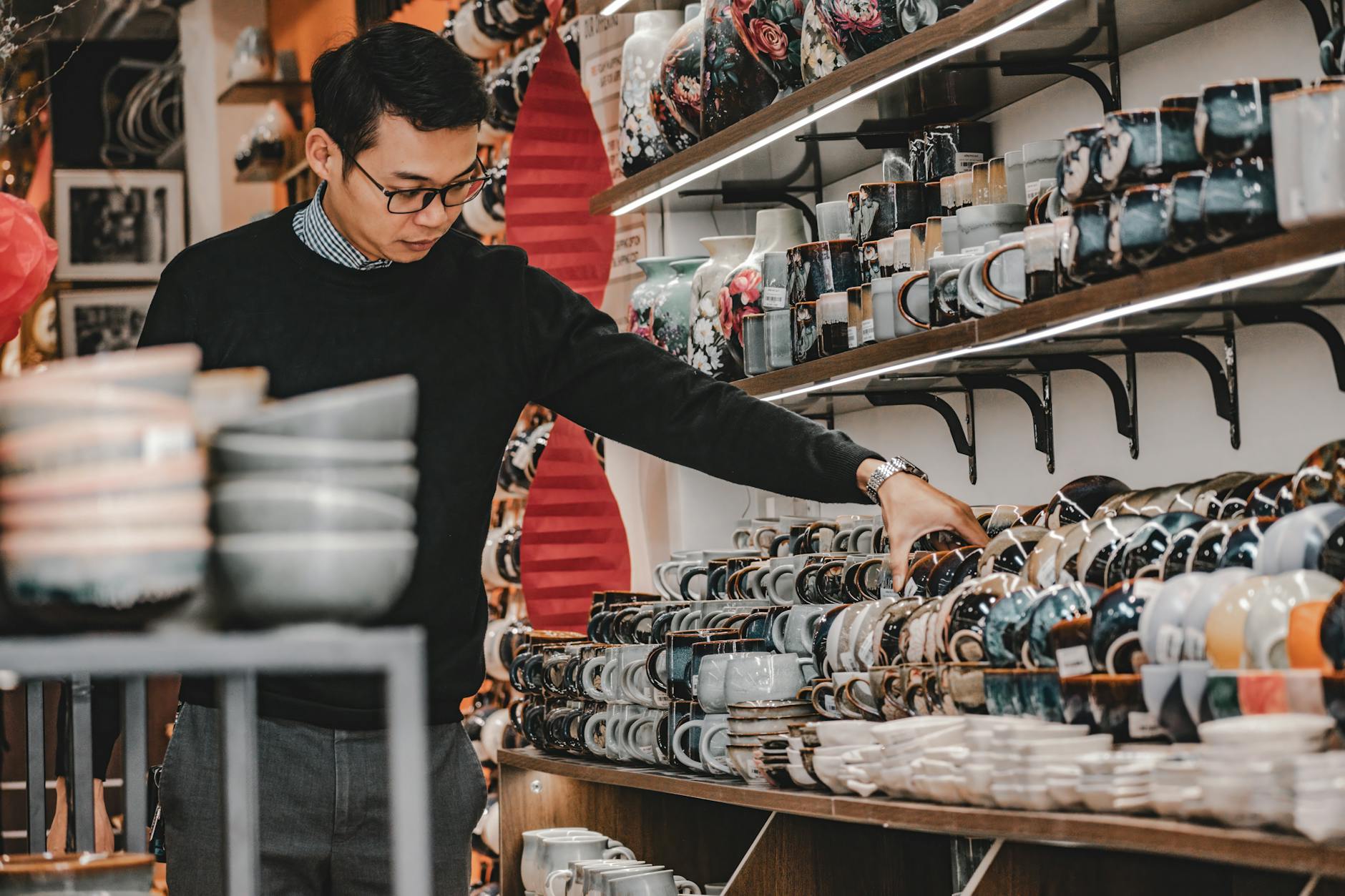
If you want the real mid-century pieces — original Wegner, Jacobsen, Juhl and Kjærholm — Copenhagen is one of the best places on earth to buy them. Klassik (Bredgade 3) is the best-known dealer, with authenticated pieces and certificates, while Dansk Møbelkunst handles museum-grade collectibles. For a more affordable, rummage-y experience, the antique shops along Ravnsborggade in Nørrebro span every price point. These are investment buys, but for a serious collector a genuine Danish chair bought in Copenhagen is a souvenir for life. For more vintage of the clothing kind, see my best vintage shops in Copenhagen guide.
Affordable Danish design
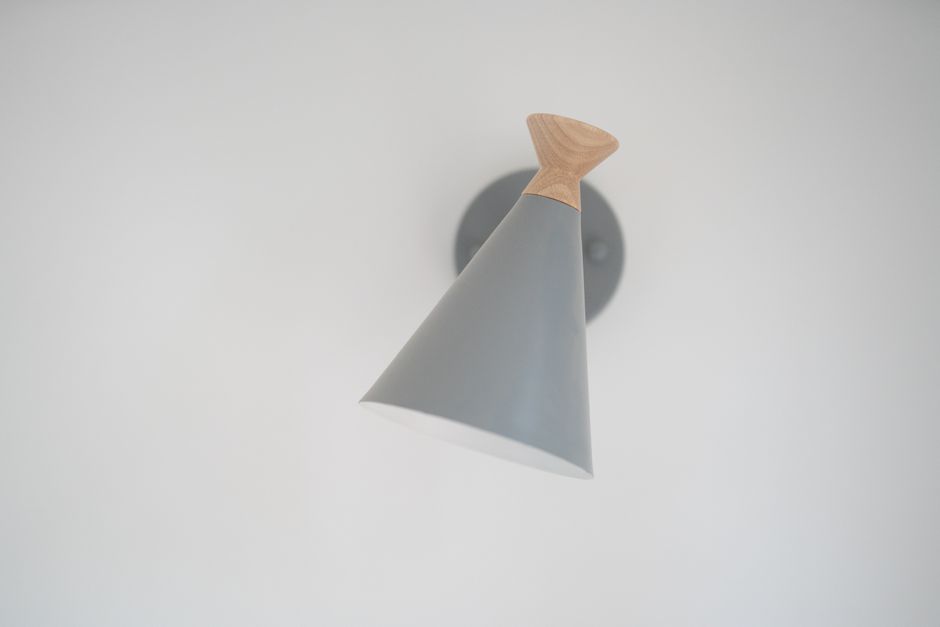
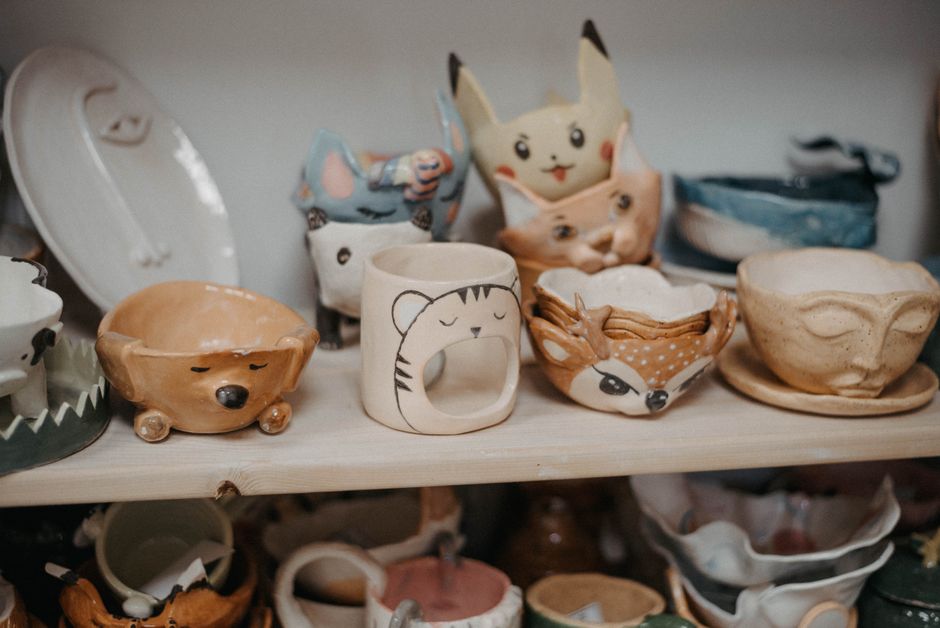
You don’t need a furniture budget to take Danish design home. The accessible picks: anything from HAY or Muuto (homeware, accessories), a Kay Bojesen wooden monkey or songbird (the classic gift), Royal Copenhagen factory seconds (often near-perfect, at a big discount, from the outlet in Frederiksberg), a Skandinavisk candle, a set of LEGO (the most Danish design export of all), or a single piece of contemporary ceramics from Stilleben. These make some of the best souvenirs to bring home from Copenhagen — beautiful, genuinely Danish, and packable.
See it in context: Designmuseum Denmark
Before (or instead of) buying, spend an hour at Designmuseum Denmark on Bredgade. It tells the story of Danish design and displays the icons — the chairs, the lamps, the ceramics — in context, and its shop is excellent. Seeing an original Egg chair or PH lamp in the museum makes shopping for them afterwards far more meaningful, and it’s conveniently on the same street as the big furniture houses.
The centrepiece is the chair tunnel in its Danish Modern exhibition: 125 chairs stacked floor to ceiling as a family tree, which is the quickest way to see how the classics you are about to shop for relate to one another. Our review of Designmuseum Danmark has the tickets, the hours and the free garden café.
Practical tips
- VAT refund: Danish prices include 25% VAT; non-EU residents can reclaim a chunk on purchases over 300 DKK per shop — see my Copenhagen money guide.
- Shipping furniture: the big flagships ship worldwide; large items go by sea freight (allow weeks), and you’ll pay import duty/VAT on arrival outside the EU — ask the store to handle export paperwork.
- Where to focus: Strøget/Amagertorv for flagships, Bredgade for furniture and the Designmuseum, Ravnsborggade for vintage.
- Illum ≠ Illums Bolighus. Illums Bolighus is the design store; Illum is the separate luxury department store nearby.
A self-guided Danish design route
To see the best of it without zig-zagging, here’s a logical design crawl. Start in the centre at Amagertorv for the flagship cluster — Illums Bolighus, Royal Copenhagen, Georg Jensen — and HAY House just along Østergade. From there walk north to Bredgade, the furniture row, where you’ll find Carl Hansen & Søn, Klassik’s vintage gallery, and — crucially — Designmuseum Denmark, so you can see the icons in context before buying. If you have an afternoon and an interest in concept stores, hop out to Østerbro for Normann Copenhagen’s cinema-turned-showroom, or to the harbour district of Nordhavn, where Paustian, Frama and the Audo House cluster in a more contemporary scene. Finish back in Nørrebro on Ravnsborggade for the vintage shops. That route takes you from affordable contemporary to museum-grade mid-century, all in a day, and lets you compare before you commit to anything big.
Affordable vs investment: how to spend
Danish design spans a huge price range, so decide which camp you’re in. On the affordable end, brands like HAY, Muuto and Normann do small homeware, lighting and accessories that fit in a suitcase; a Kay Bojesen wooden monkey is the classic gift; and Royal Copenhagen factory seconds (with tiny, often invisible flaws) sell at a big discount from the outlet on Søndre Fasanvej in Frederiksberg. In the investment bracket sit the real furniture pieces — a new Wegner chair from Carl Hansen, an Arne Jacobsen original from Fritz Hansen, or an authenticated vintage piece from Klassik — which run into the thousands but are heirlooms. A smart strategy for most visitors: buy one or two beautiful small things to take home now, and treat the furniture houses as inspiration (or a serious purchase if you’re furnishing a home and happy to ship).
Getting it home: VAT and shipping
The practical side matters when you’re buying design, so here’s the detail. VAT in Denmark is 25% and baked into prices; non-EU residents can reclaim roughly 10–19% (after fees) on purchases over 300 DKK per shop — get the tax-free form in store, then validate it at Copenhagen Airport before you fly. For furniture and larger pieces, the major flagships (Illums Bolighus, Carl Hansen, Normann) ship worldwide; small items go by courier, but big furniture travels by sea freight and can take several weeks, and you’ll typically pay import duty and local VAT when it arrives outside the EU. Ask the store to handle the export documentation — they do it routinely. Factor these costs in before falling in love with a sofa; sometimes the all-in price changes the maths. My Copenhagen money guide covers the refund process in full.
Don’t mix up Illum and Illums Bolighus
This is worth its own note because it trips up almost everyone. Illums Bolighus (Amagertorv 10) is the grand design and homeware department store — furniture, lighting, ceramics, kitchenware, the works. Illum (Østergade 52, a few doors away on the same square) is a separate luxury fashion and beauty department store with a rooftop. They share the Illum family name and sit almost next to each other, which is why visitors constantly confuse them — but they’re unrelated businesses today. For Danish design, you want Illums Bolighus; for fashion, beauty and the rooftop view, head to Illum. Knowing the difference saves a confused wander around the wrong shop.
Is a Danish design shopping trip worth it?
For anyone who loves interiors, absolutely — there’s nowhere better to buy Danish design than its home city, where you’ll find the full range, the flagships, the vintage originals and knowledgeable staff, often at better prices than abroad. Even if you only take home a candle, a ceramic or a wooden monkey, you’ll have bought something genuinely Danish, genuinely beautiful, and made to last. Pair it with a visit to the Designmuseum for context, and weave in the rest of the Copenhagen shopping scene — the flagships sit right on the Strøget shopping street, so it all connects.
The story of Danish Modern
To shop Danish design well, it helps to understand the movement you’re buying into. Danish Modern emerged in the mid-20th century, when a generation of designers — many trained under the influential teacher Kaare Klint at the Royal Academy — set out to make beautiful, affordable, superbly crafted furniture and objects for everyday life. Their philosophy prized honesty of materials (especially warm woods like teak and oak), clean organic lines, comfort and function over ornament, and an almost moral commitment to quality. Helped by Denmark’s strong cabinetmaking tradition and annual furniture exhibitions, the movement exploded internationally in the 1950s and 60s, and names like Hans Wegner, Arne Jacobsen, Finn Juhl and Poul Kjærholm became global design royalty. That heritage is exactly why a chair or lamp bought in Copenhagen carries such weight — you’re buying from the source of one of the 20th century’s great design movements, in a city that still lives and breathes it.
The iconic pieces, explained
A few objects come up again and again, and recognising them turns shopping into a treasure hunt. Arne Jacobsen’s Egg and Swan chairs (1958, for the SAS Royal Hotel) are sculptural icons; his Series 7 stacking chair is one of the best-selling chairs ever made. Hans Wegner’s Wishbone chair (CH24), with its woven seat and Y-shaped back, has been in continuous production since 1950. Poul Henningsen’s PH lamps — the layered-shade PH5 and the spiky Artichoke — control glare so beautifully they’re in seemingly every Danish home, made by Louis Poulsen. Kay Bojesen’s teak monkey (1951) is the playful, affordable icon and the classic gift. And in tableware, Royal Copenhagen’s hand-painted Blue Fluted porcelain and Georg Jensen’s silver are the heritage names. Spot these and you’ll understand the prices — and appreciate the genuine vintage versions you might find in the city’s antique shops and flea markets.
Buying for your home vs buying a souvenir
Be honest with yourself about what you’re really shopping for, because it changes where you go. If you’re furnishing a home and willing to invest and ship, the furniture houses (Carl Hansen, Fritz Hansen) and the vintage galleries (Klassik) are your destinations — these are heirloom purchases, and Copenhagen is the best place on earth to make them, often at better prices than abroad and with knowledgeable staff. If you just want a beautiful piece of Denmark to take home, focus on the small, packable end: a Kay Bojesen monkey or songbird, a HAY or Muuto accessory, a piece of Stilleben ceramics, a Skandinavisk candle, or Royal Copenhagen from the outlet. Both are valid — just don’t wander into a furniture showroom expecting a suitcase souvenir, or a gift shop expecting an investment chair. Matching the shop to your intent saves time and disappointment, and my souvenirs guide covers the packable picks in detail.
Beyond the flagships: where designers actually browse
The big flagships are the obvious starting point, but Copenhagen’s design scene runs deeper, and a curious shopper is rewarded by venturing out. The Nordhavn harbour district has become a contemporary design hub, with the Audo House (store, showroom, café and hotel in one), Paustian’s landmark showroom, and Frama’s atmospheric shop in a former pharmacy. Østerbro holds Normann Copenhagen’s huge concept store in an old cinema. And for the truly special, the small independent studios — ceramicists, glassblowers, makers — scattered across Nørrebro and the centre offer one-of-a-kind pieces you won’t find in the flagships. If you have more than a day, mixing the famous flagships with a Nordhavn or Østerbro excursion gives you the full spectrum of Danish design, from mass-market modern to handmade — and the city’s the city’s weekend flea markets are the place to hunt down cheaper mid-century originals. It’s how design-minded locals actually shop the city.
Final thoughts on Danish design shopping
For anyone who loves interiors, Copenhagen is close to a dream — the home city of Danish Modern, dense with flagships, vintage galleries, concept stores and the Designmuseum to tie it all together. Whether you leave with a single ceramic, a wooden monkey, or a shipped-home Wegner chair, you’ll have bought something genuinely Danish, made to last, and steeped in one of design history’s great movements. Start at the Designmuseum for context, work the Amagertorv flagships and the Bredgade furniture row, branch out to Nordhavn or Nørrebro if time allows, and remember the practicalities — VAT refunds and shipping — before you commit to anything big. Tie it into the rest of the Copenhagen shopping scene, much of which runs right along Strøget, the main shopping street.
Is Danish design cheaper in Denmark?
A question worth answering before you splurge: is it actually cheaper to buy Danish design in its home country? Often, yes — though not always dramatically. For iconic furniture (Fritz Hansen, Carl Hansen, vintage from Klassik), local prices plus the non-EU VAT refund can undercut what you’d pay abroad, where importers add their own margins; and the selection and expertise are far better at the source. For smaller pieces and homeware (HAY, Muuto, Royal Copenhagen, Georg Jensen), the savings are usually more modest after you factor in the refund, but the range is wider and you’ll find seconds and discontinued lines at the outlets that simply aren’t available overseas. The honest verdict: don’t expect miracle discounts on every item, but for serious purchases — a real Wegner chair, a set of Royal Copenhagen, a Georg Jensen piece — buying in Copenhagen, claiming the VAT back, and using the factory outlet for porcelain genuinely can save money and give you better choice. Just remember to weigh shipping and import costs for the big, heavy buys, as covered in the practical sections above.
Last updated: July 2026. Photo credits: Cats Coming, Olga Solo / Pexels.
Frequently asked questions
Where can I buy Danish design in Copenhagen?
The flagships cluster on Strøget and Amagertorv — Illums Bolighus, HAY House, Royal Copenhagen, Georg Jensen — with furniture houses on Bredgade and vintage dealers on Ravnsborggade.
What is Danish design famous for?
Clean lines, natural materials, craftsmanship and function over ornament — icons include Arne Jacobsen’s Egg chair, Wegner’s Wishbone chair, PH lamps, Georg Jensen silver and Royal Copenhagen porcelain.
Where do I buy iconic vintage Danish furniture?
Specialist dealers like Klassik on Bredgade and Dansk Møbelkunst sell authenticated mid-century pieces; Ravnsborggade in Nørrebro has antique shops across price points.
What’s the difference between Illum and Illums Bolighus?
Illums Bolighus is a Danish-design homeware department store on Amagertorv; Illum is a separate luxury fashion department store nearby on Strøget. They share a name but are unrelated today.
Can I get a VAT refund as a tourist?
Yes, non-EU residents can reclaim VAT on purchases over 300 DKK per shop, validated at the airport on departure.
What’s a good affordable Danish design souvenir?
A HAY or Muuto accessory, a Kay Bojesen wooden monkey or songbird, Royal Copenhagen factory seconds, or a Skandinavisk candle.
Keep shopping with the full guide to the city’s shopping districts, browse the Illum department store, and pick up the best souvenirs to take home.


